
Exotic Pets: What To Know Before You Buy
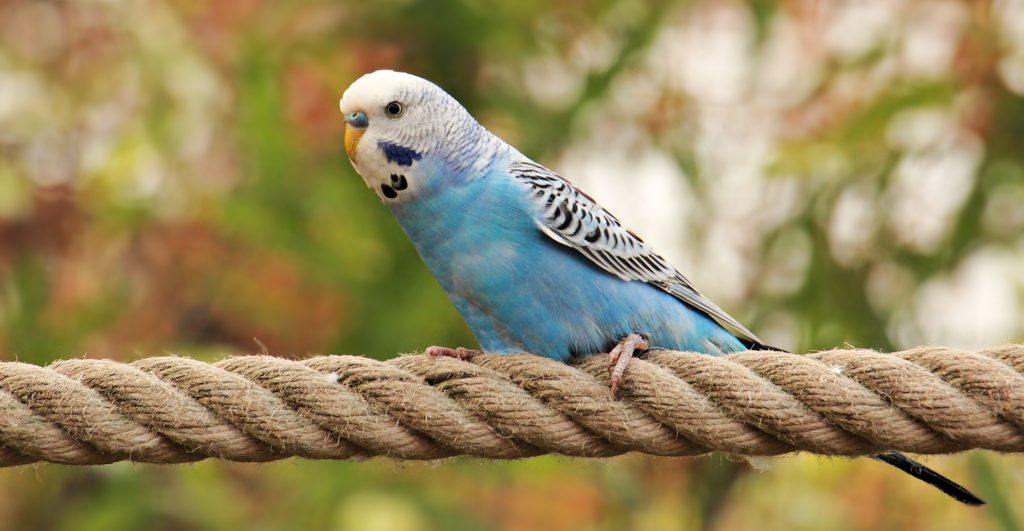
We all have that friend, the one that sees a picture or video of a cute exotic animal and instantly thinks that it would be a perfect companion for them. Although owning an exotic pet can be a rewarding experience, most people are not prepared for the responsibilities or expenses that are tied with these animals.
“Exotic pets typically need special caging, specialized diets, and forms of enrichment that can all become quite expensive especially in larger exotics pets,” said Sharman Hoppes, associate clinical professor at Texas A&M College of Veterinary Medicine & Biomedical Sciences (CVM).
Despite these warnings, there are those that see videos like this hungry chinchilla or this playful wallaby and decide that their next pet should be an exotic one. If your heart is set on an animal like these, make sure to follow a few precautionary rules to ensure that you and your new pet stay healthy and happy.
Before purchasing or adopting an exotic pet, make sure to know everything you can about the certain pet you’re interested in. Never buy an exotic animal impulsively. Websites such as http://exoticpets.about.com provide a great resource for finding special requirements for certain animals as well as proper feeding and handling techniques. Legal research is also extremely important to see if your state and local laws even allow the animal to be kept as a pet.
“Before buying an exotic pet, research everything about them,” Hoppes said. Questions such as “where they come from, their diet, if they climb, their social ability, how big will they get as adults,diseases they are susceptible to, and how long they live” are essential before purchasing an exotic pet.
“Find a veterinarian close by that is knowledgeable and that will see the pet for routine things and hopefully if there is an emergency,” Hoppes said.
Another important step before purchasing your exotic pet is to estimate the total cost of the animal. While the pet itself may be inexpensive, the cost of things such as housing, food, supplies, and veterinary care can quickly add up. This research is crucial beforehand to ensure that you can provide everything your pet will need to keep it healthy.
“Costs are dependent on species,” Hoppes said. “A rabbit cage, enrichment, and diet are not that much more or less than a dog, but a large parrot will need a large cage which can be $500-$1000. Veterinary care for exotic pets is also high, a healthy bird exam can be several hundred dollars, and a sick bird exam can be a $1000. Most exotic pets have to be sedated or anesthetized for any handling, so even a physical exam with anesthesia and monitoring can be expensive.”
Making sure you prepare your home for exotic animal life is also a significant step before bringing home your new pet. Setting up the animals housing beforehand and making sure that their habitat’s temperature is right is essential to ensure that your pet is immediately placed into an appropriate environment upon arrival.
“Preparing your home means an appropriate cage, with bar strength and bar spacing appropriate for the animal,” Hoppes said. “Make sure that the cage is large enough, escape-proof, and that the animal has protection from cold, heat, and rain if housed outdoors. If the animal will be indoors, and out of the cage, animal proofing a room can be similar to making a room safe for a child, such as covering electrical cords and outlets, etc. When buying a cage, you must prepare for the adult size of the animal. A baby iguana is only 6 inches long, but an adult can be 6 feet long!”
Finally, the most important step before bringing home any exotic pet is to think of how owning one will affect your life in the long run. Knowing what you will do with your pet in case of moves, marriages, and other life events is crucial before making any purchases to make sure that your pet can accompany you throughout its entire life.
“Several exotic pets are great with their owners but not with other people,” Hoppes said.”Many exotic pets are not good with children, and your new girlfriend or boyfriend may not like your large macaw who wants to bite them or may be afraid of your pet kangaroo that can kick and box with the power of Muhammad Ali. Various exotic pets are also not welcome in apartments or rental properties so it affects where you can move if you want to keep your exotic pet, and it is not easy to find a good home for an exotic pet when you decide you can’t keep it anymore.”
ABOUT PET TALK
Pet Talk is a service of the College of Veterinary Medicine & Biomedical Sciences, Texas A&M University. Stories can be viewed on the Web at vetmed.tamu.edu/news/pet-talk. Suggestions for future topics may be directed to editor@cvm.tamu.edu.

