
Hotels Staffing Pets
Hotels have recently jumped on the trend of accommodating pets in hotel stays. However, pet-friendly hotels are still limited across the country and so the next time that you travel for business or pleasure you may need to leave your pet behind. On the other hand a new trend adopted by hotels may allow for a pet to be waiting for you.
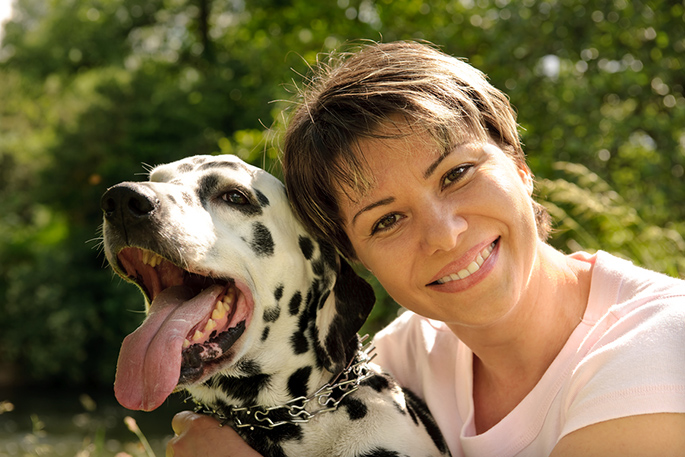
Hotels around the nation have slowly adopted rescued dogs, cats, and fish to ease travelers’ minds. Hotel visitors can schedule walks, sit down appointments, and hikes with these hotel companions while they stay at the hotels.
Dr. M. A. Crist, clinical assistant professor at the Texas A&M College of Veterinary Medicine & Biomedical Sciences, is familiar with the positive effects animals can have on people and she sees this trend lasting.
“Studies have been provided that interactions with animals can be calming and even lower blood pressure for humans,” notes Crist. “A. Beck and N. Meyers studied that ordinary interactions with animals can reduce blood pressure. Pets may also enhance the physiological and psychological well-being of many people. This opportunity to interact with the animals may provide some travelers with the opportunity to meet others or for other travelers to be alone without being lonely.”
The use of companion animals to aid in relaxation and to provide additional opportunities for exercise is healthy for the travelers. This is healthy for the pets as well, because the pets receive exceptional care from the hotel. Hotels chose pets who are very socialized and extremely people friendly.
“Most of the chosen pets are temperament tested and enjoy meeting people and the activities that they provide,” Crist says. “The hotel pets are bathed regularly and are current on healthy veterinary wellness examinations and vaccinations protocols. I believe that the hotel would not support or place an animal in harm’s way. The resident hotel pets are very well taken care of and usually have an endless list of people waiting to share their friendship with them.”
Aside from the beneficial health factor this may have on both parties, it is important to note the pros and cons of this situation.
According to Crist there are several positives through this experience. A rescued animal is provided a healthy home spent with people who will give it attention. Hotels are also very aware and give particular instructions so that their resident animal is not harmed while in the company of travelers. Any extra fees that may be charged are usually donated to a pet charity or a rescue shelter.
According to Crist there are also some drawbacks to this operation. Some travelers may have allergies to animals and they can not be around them. Some travelers may have no desire to be around animals. While other travelers may have an actual fear of animals and they will choose to stay away from them at all costs. Hotels provide specific instructions in the care of the resident pet so that a hotel guest or traveler does not cause unintentional harm to the pet.
Outweighing the good with the bad, Crist does see this trend lasting because of the positive effects it has.
“This trend may be long lasting, because if promoted in the sense that the hotel is giving a rescued pet a place to live and an opportunity to have interactions with people who are pet friendly, who would not want to support that trend,” explains Crist. “Some travelers are on the road so much that they cannot have a pet because they are not home long enough to take care of a pet properly and this can give them a chance to interact with a pet without the ownership responsibility. Other travelers may live in a place that does not allow pets and this gives them an opportunity to interact with a pet.”
Currently Fairmont, Kimpton, and the Ritz-Carlton hotel chains across the United States are staffing rescued pets for traveler companionship. In the very near future we may see a rise in this as it may be a trend longing to stay.
Pet Talk is a service of the College of Veterinary Medicine & Biomedical Sciences, Texas A&M University. Stories can be viewed on the Web at vetmed.tamu.edu/news/pet-talk. Suggestions for future topics may be directed to editor@cvm.tamu.edu.

