
Matters of the Heart: Hypertension
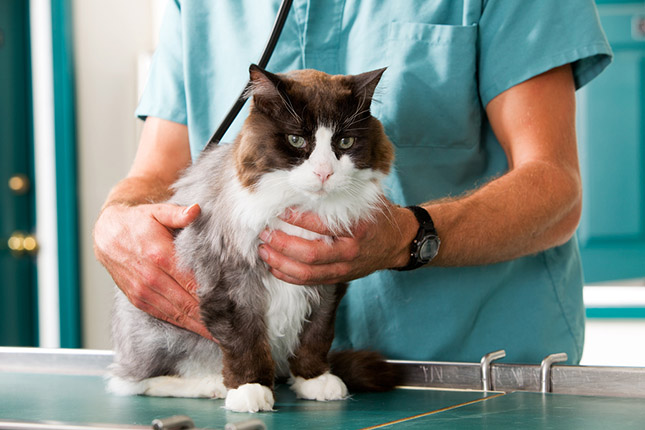
One out of every three adults has high blood pressure or hypertension. As with humans, hypertension is seen in pet cats and dogs. Primary hypertension occurs when the blood pressure is higher than normal with no other cause. Secondary hypertension, however, occurs when the blood pressure is higher than normal as a result from a different disorder. Ordinarily, both a cat’s and dog’s blood pressure should be about 120/70, which is similar to the normal blood pressure of a human.
Different from humans, however, animals usually experience secondary hypertension as a result from another disorder instead of primary hypertension said Dr. Ashley Saunders, assistant professor at the Texas A&M College of Veterinary & Biomedical Sciences said.
“People get hypertension, so they can relate to it,” Saunders said. “The thing that is different between people and pets, though, is high blood pressure in pets is usually caused by something else.”
High blood pressure can be a sign of kidney disease, diabetes, endocrine disease, cancer in the adrenal glands, and central nervous system and brain disease. High blood pressure can also cause resinous problems such as blindness, seizures, and depression. Other signs include fainting, anxiety and restlessness at night, and loss of balance.
“Hypertension can result in blindness, fainting episodes, and can even contribute to kidney disease,” Saunders said.
Blood pressure on a pet is usually taken by shaving the underside of a paw and placing a cuff halfway down on the leg. Taking blood pressure on a pet is similar to that of a human, an ultrasound machine is used to listen to the pet’s blood flow while the cuff is inflated and then released. The animal’s blood pressure should be taken by a veterinarian. The main treatment for hypertension is medication.
“Hypertension in pets is totally different than people because it is normally caused by another disease and it needs to be medicated,” Saunders said. “People are used to hearing that they need to change their lifestyle, diet, and activity level when diagnosed with hypertension, but that does not work for pets— medication is needed.”
Since hypertension is also a symptom for underlying problems, Saunders explained that it is important to get the pet’s blood pressure checked regularly. Middle aged pets and older, she added, are more susceptible to having diseases that would cause hypertension.
“Once the pet is middle aged or older, blood pressure should be taken regularly, at least once a year,” Saunders said. “This helps monitor their blood pressure and other possible disorders.”
Pet Talk is a service of the College of Veterinary Medicine & Biomedical Sciences, Texas A&M University. Stories can be viewed on the Web at vetmed.tamu.edu/news/pet-talk. Suggestions for future topics may be directed to editor@cvm.tamu.edu.

