
Meeting Your Horse’s Needs in the Winter Months
Cold weather brings extra responsibilities for horse caregivers. Proper nutrition, access to water, adequate shelter, regular hoof care, and, depending on circumstances, dental attention, vaccinations, and parasite control are all winter concerns for the equine enthusiast.
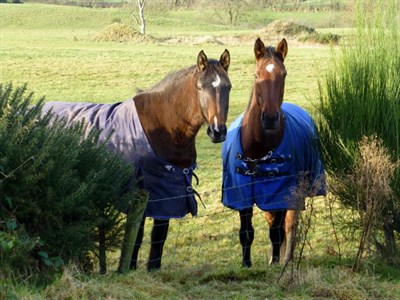
“Preparing your horse for winter should begin before the first chilling winds hit,” notes Dr. Glennon Mays, clinical associate professor at the Texas A&M College of Veterinary Medicine & Biomedical Sciences. “In late summer, horses living in temperate climates should be allowed to slightly increase body weight so that the extra flesh and fat will provide additional insulation and heat reserve for the winter.”
During the winter, feed and hay ration should be adjusted to give your horse more energy for heat and warmth against the lower temperatures, explains Mays. Your horse may need extra forage and feed to develop more flesh and fat so that it does not shiver as easily because shivering burns fat and muscle tissue.
“Quality forage should be fed all year and especially during the winter months,” says Mays. “The best food heat source for your horse is extra hay because as your horse digests hay heat is produced internally by bacterial fermentation. This warms your horse from the inside. Higher protein legume hays provide more energy and nutrients and make a good choice for winter feeding.”
Forage and water complement your horse’s diet. Without water, your horse’s body will not function properly, notes Mays. As temperatures fall, horses tend to reduce their water intake and reduced water intake combined with increased forage intake may lead to a greater likelihood of impaction and colic. You may want to consider providing warmed water during the winter months since horses tend to increase water intake when there is access to 45-65 F degree water. Also, providing loose salt may encourage your horse to drink more.
With food and water needs met, now you can focus on protection from harsh winter weather.
“The horse’s winter coat is the first barrier from cold,” notes Mays. “The hair coat acts as an insulator and provides warmth. A layer of air is trapped in the hair coat when a horse fluffs its hair. An outside horse should be allowed to grow a long hair coat and additionally, the ear and fetlock hair should not be clipped during the winter months.”
It should be noted that once the hair coat becomes wet, the hair lies down and loses its insulating properties, for this reason your horse needs to be able to escape winter’s bitter winds, snow or rain. A small, three-sided run-in shed is helpful. Be sure that the back wall is to the prevailing wind and that water does not run under the shed. Shelter for you pastured horse will reduce feed bills and stress related illness, explains Mays.
“Horses housed in stalls also have special needs during the winter months,” says Mays. “Damp stalls, increased ammonia levels and inadequate ventilation can contribute to poor air quality. When the barn is closed during cold weather, ammonia, dust and stale air can be trapped in the barn, so good ventilation is crucial for your stall-housed horse. It is best to open barn doors and have good air flow to reduce the possibility of respiratory problems. Cleaning stalls daily to remove manure and wet bedding greatly improves air quality in the horse barn.”
“Whether you are riding regularly or not, you should remove dirt from your horse’s hooves,” explains Mays. “Hooves are still growing in the winter months and appropriate maintenance is important.”
Teeth should be checked for wear and floated if needed. Sharp teeth edges can cut the tongue as well as prevent proper chewing of forage and feed resulting in wasted or poorly utilized nutrients, notes Mays.
“Horses may get undetected cuts during the winter so update any needed vaccinations and make sure your horse is immunized against tetanus,” states Mays.
Even though nature may be dormant during the winter months, parasites are not, especially in moderate climate environments, says Mays. Internal and external parasites have a negative influence on your horse’s health. Tick and lice numbers can increase in areas of confinement. Long, thick hair cover aids in hiding these parasites, so regular grooming is necessary. Shorter winter pastures may expose your horse to increased contact with nematode larvae and thus increased internal parasites.
Attention to your horse’s environment, as well as nutritional, physical and medical needs, will help your horse weather this winter and be fit for riding come spring.
Pet Talk is a service of the College of Veterinary Medicine & Biomedical Sciences, Texas A&M University. Stories can be viewed on the Web at vetmed.tamu.edu/news/pet-talk. Suggestions for future topics may be directed to editor@cvm.tamu.edu.

