
Protecting Pets from Winter Cold
There are many precautions people take when the cold weather rushes in for the winter. Pets can also be heavily affected by the drop in temperatures and so it is important to take note of the ways you can protect them from the cold.
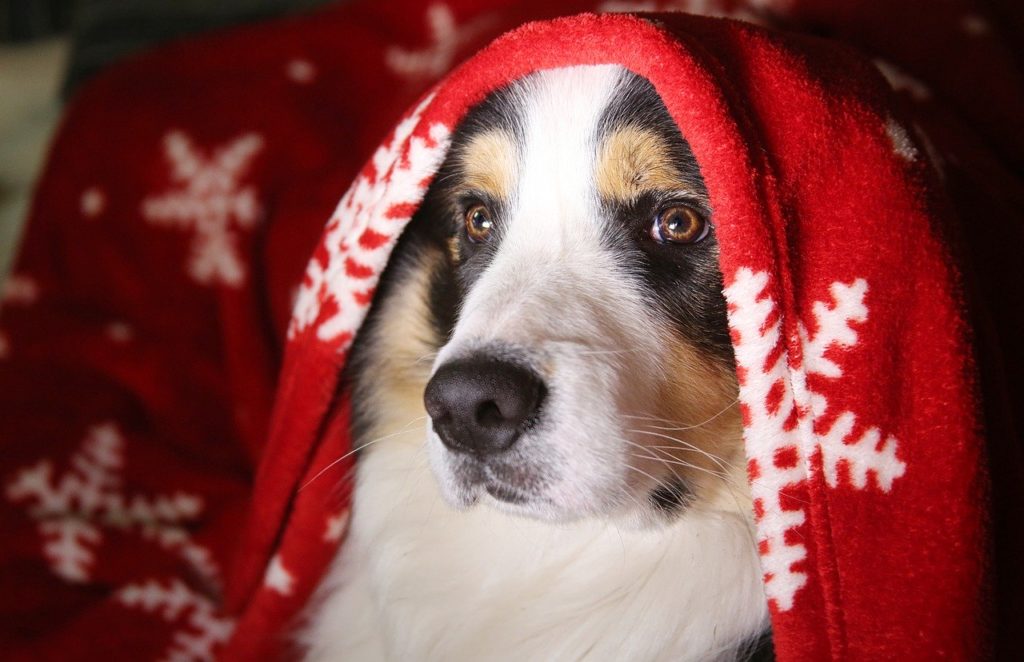
Prior to the first freeze, schedule an appointment with your veterinarian for a checkup. You need to be aware of the existing illnesses your pet has; some chronic illnesses can worsen in the winter.
If you have small pets it is best to keep them in a warm shelter, like your house, for nights below freezing. As a precaution it is important to do a home inspection prior to the winter months, because your furnace can leak carbon monoxide which can be a silent killer for you and your pets. It is also necessary to check windows and door panes for drafts which can suck out the warm air and bring in the cold winter air.
If your pet does stay outside check it’s paws for sharp ice or embedded snow which can lead to frostbite and further damage.
If your animals can not be brought inside due to their size Dr. Leslie Easterwood, clinical assistant professor in equine medicine at the Texas A&M College of Veterinary Medicine & Biomedical Sciences (CVM) explains ways your larger pets can be protected from the cold temperatures.
“Herd animals tend to congregate together to conserve body heat, and will generally protect the young ones in the center,” said Easterwood. “If it is not wet, and merely cold, then all they should need is a wind break.”
“Their natural winter coat traps air against the skin when it fluffs up, and this insulates them,” notes Easterwood. “Their natural fat cover also helps to add insulation as well.”
“Cold, wet weather calls for some type of covered protection if at all possible,” said Easterwood. “They will also need additional roughage or hay in order to produce their own body heat.”
When providing extra hay for your animals to stay warm make sure the hay is fresh. According to Easterwood, “using old hay for bedding can pose problems with varmints, mold, inhaled allergens, parasites, and many more.”
Most large animals should stay outside, unless they are newborns or debilitated animals. Most other large animals can withstand the coldest of temperatures.
“Babies are most adapted to being born in the spring, when temperatures are milder,” explains Easterwood. “Again, as long as they have a wind break and some cover from the rain (even if it is a shed with no sides) than they will be fine.”
When the temperature drops, it is vital to keep your animals hydrated. Proper hydration helps animals regulate their body temperature. Dehydration can cause major health problems for animals in the cold.
“One of the most frequently encountered medical problems for horses related to the cold weather is impaction colic due to a decreased consumption of water,” explains Easterwood. “Horses do not like to drink cold water, and we have studies to prove that they will drink more water if it is warmed. For this reason they use bucket warmers up north in order to prevent the water from freezing, and to keep it warm to encourage increased consumption. In most cases we do not have to go to those measures here in Texas, but some individual horses who are very opposed to cold water would benefit from those extra measures.”
“Some owners will top-dress their grain with oral electrolyte powder to encourage their horses to drink more in the winter,” notes Easterwood. “Keeping track of water consumption for their horse can give them a heads-up to impending problems if they notice a decrease.”
During the winter months, if you keep a cautious eye on your animals and do everything you can to protect them, your pets will be able to withstand the cold months.
“Watching your pets and getting to know their individual behaviors, body conditions, and intake habits can be very helpful in maintaining a healthy animal through the winter,” says Easterwood. “Also it is extremely important to maintain a good relationship with your veterinarians so that they can help with any problems along the way.”
Pet Talk is a service of the College of Veterinary Medicine & Biomedical Sciences, Texas A&M University. Stories can be viewed on the Web at vetmed.tamu.edu/news/pet-talk. Suggestions for future topics may be directed to editor@cvm.tamu.edu.

