
When the Wild Meet the Tame
With the rapid growth of urbanization these days, people are coming into contact with wild animals more frequently than ever. This means that our pets are coming into contact with them as well, which can sometimes pose a dangerous situation.
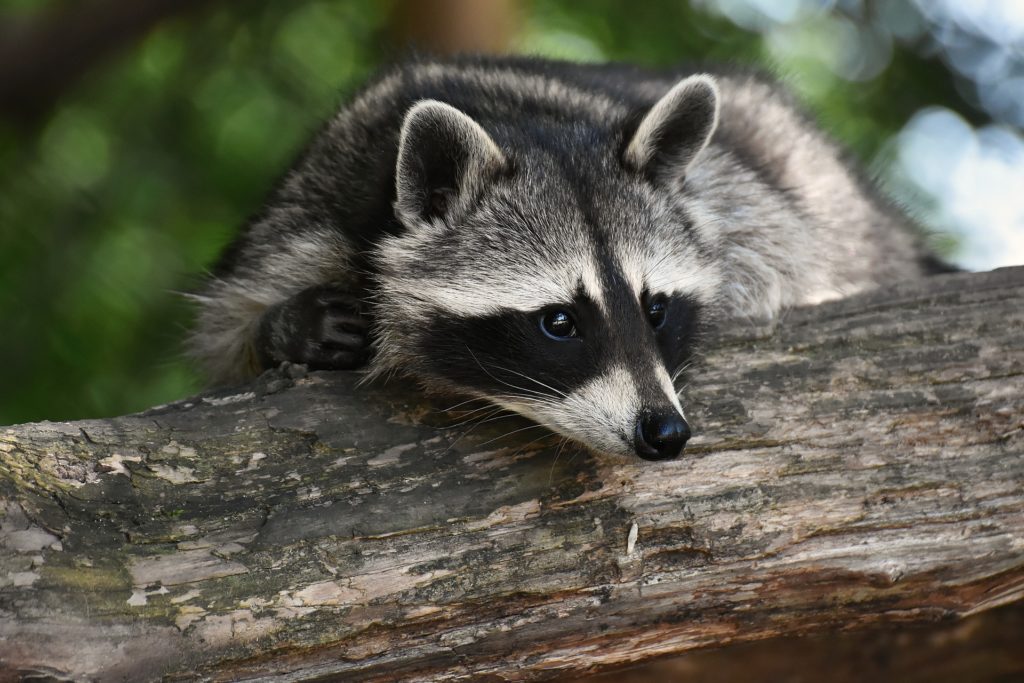
If you own a smaller pet such as a cat or smaller breed of dog, it is especially important to protect them and stay mindful of any signs hinting to the presence of wild animals near your home.
“It happens quite frequently that domestic animals are attacked by wild animals,” said Dr. James Barr, Clinical Assistant Professor in emergency and critical care at the Texas A&M College of Veterinary Medicine & Biomedical Sciences.
“I have personally worked on several cases where coyotes have been confirmed as the culprit, but it is not always the case that it is witnessed, and the actual animal that did the attacking is sometimes unknown.”
If there are known coyotes in your area, be wary of leaving any pets outdoors, especially at night.
“Coyotes are likely the most menacing of wildlife threats to domestic animals in Texas, and are often blamed (although not confirmed) for many pet deaths in the wild,” said Barr.
Snakes are another obvious threat to your animals if you have problems with them in your area. Refer to our “Venomous Snakes of Texas” Pet Talk for more information on how to identify those more dangerous species.
In some cases, our pets do not necessarily have to be involved in a violent situation with a wild animal to be affected by them.
Wild animals can indirectly pose a threat to our domesticated friends through the transferring of their bacteria.
“One of the most common infectious causes of renal failure that we see in our ICU in domestic animals is Leptospirosis,” explained Barr.
Leptospirosis is a disease carried by mice that can be spread to other animals.
Many times with horses or livestock, if an opossum’s or a skunk’s waste comes into contact with their food source, the animal can become very ill.
When a horse consumes roughage with opossum feces or urine in it, this can severely affect their nervous system and often lead to death.
On the other hand, your pet might be the one attacking the wild animal.
A good example would be when dogs attack Cane Toads. These toads are loud, slow, abundant in Texas, and unfortunately toxic to dogs.
“Ultimately, intoxication with the Bufo toxin can result in cardiac arrhythmias, hyperthermia, seizures, coma, and death in extreme circumstances,” said Barr.
Typically though, Barr explained that the clinical signs are mild and include hypersalivation and some tremors.
“Most Bufo Toad intoxications are no worse for wear,” said Barr.
Inevitably, the line that separates us from the natural world will be crossed from time to time. To protect your pets from wild animals and keep them safe and out of harm’s way, try to stay as educated as possible on the types of wild animals in your area.
Pet Talk is a service of the College of Veterinary Medicine & Biomedical Sciences, Texas A&M University. Stories can be viewed on the Web at vetmed.tamu.edu/news/pet-talk. Suggestions for future topics may be directed to editor@cvm.tamu.edu.

