
A Case of the Snuffles
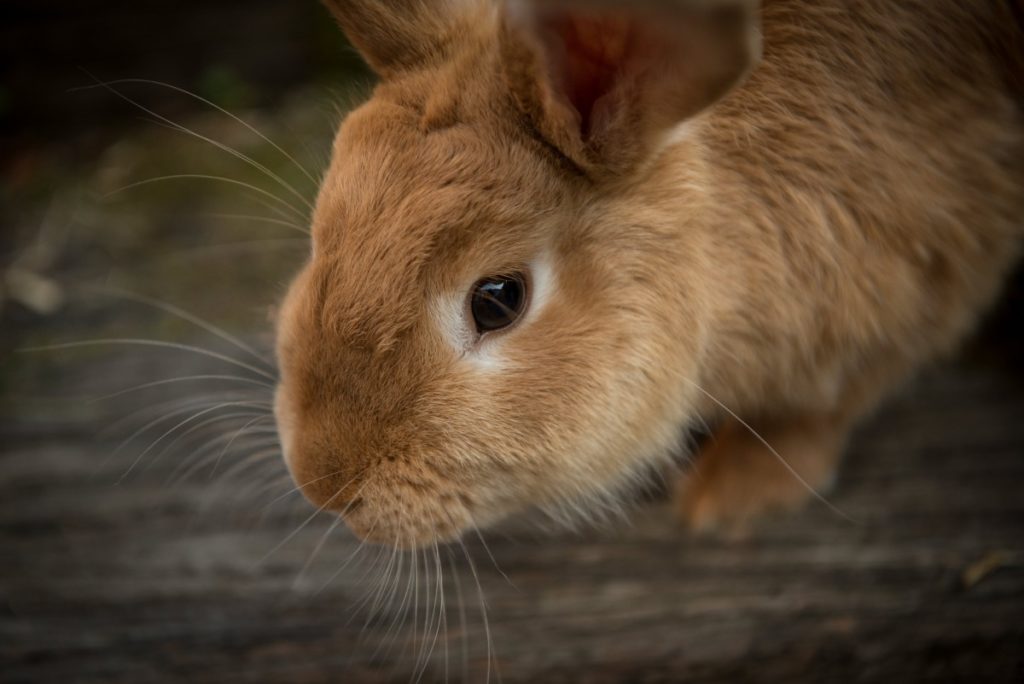
If your Peter Rabbit has a runny nose, he may have more than a case of the sniffles. He could have “snuffles,” a common upper respiratory infection in rabbits.
“Snuffles is a disease which affects the eyes and nose and sometimes the lungs, skin, or even the middle ear of rabbits,” says Dr. Jill Heatley, associate professor at the Texas A&M College of Veterinary Medicine & Biomedical Sciences (CVM). “Also referred to as paranasal sinusitis, snuffles is most often caused by a certain bacteria known as Pasteurella multocids, but sometimes other bacteria can also be involved.”
Heatley adds, “Snuffles is a very common disease of rabbits and can be found in up to 10 percent of rabbits which appear normal. It is found in almost all rabbits that show clinical signs, such as a runny nose, skin infections, or a head tilt.
Symptoms for snuffles vary among rabbits. According to Heatley, the most common signs to look for relating to snuffles are nasal discharge, head tilting, and skin sores.
“Many times a veterinarian will make a presumptive diagnosis of snuffles based solely on a physical examination,” explains Heatley. “However, radiographs (x-rays) and blood work are also often used to determine a diagnosis. This disease can progress to a serious infection like septicemia and pneumonia, which rabbits are very good at hiding.”
“The treatment plan for snuffles varies based on the clinical signs, but antibiotics are often prescribed because it is a bacterial disease,” Heatley says. “However one must be very careful with antibiotic use in rabbits as improper types or routes of antibiotic administration can cause problems within the rabbit’s stomach and intestines that could lead to death. Please make sure the veterinarian you visit is familiar with antibiotics that are safe for use in rabbits.”
Heatley also recommends using probiotics in rabbits, because they help replace the good normal bacteria in the rabbit’s gut which it needs to live.
If you are looking into purchasing a new rabbit for your household, it is best to talk with your breeder or pet store representative about a particular animal’s health history and breeding conditions. Very few facilities can guarantee a completely disease free environment. If any rabbit in the facility shows even the slightest symptom of snuffles, such as wet facial fur or paws due to a runny nose, it would be better to look elsewhere for your new pet.
Sub-clinical snuffles (infected rabbits that show no symptoms) can be diagnosed through a physical examination administered by your veterinarian. Physical examinations should be a routine part of your pre-purchase or initial ‘well pet’ health exam.
To try to avoid snuffles in your current pet, keep its environment stress free.
“Most, if not all, rabbits have this bacteria and can have a bout with snuffles if they become stressed,” Heatley says. “So for your rabbit we recommend a healthy diet, stress free environment, and plenty of enrichment and exercise. Their diet should consist primarily of grass hay, such as oat or timothy, but not alfalfa which has too much protein and fat. A grass hay diet will ensure normal tooth wear and good gut health. Also, remember to regulate their temperature, because if they get too hot or too cold they will become stressed.”
Snuffles is extremely contagious among rabbits, and infected rabbits should never be allowed to come into contact with healthy rabbits. Any cage or bedding that has been in contact with infected rabbits should be thoroughly disinfected with a mild bleach solution before using for healthy rabbits. Humans that handle infected rabbits should wash their hands and clothes before handling healthy rabbits.
“Pasteurella multocida, as with most bacteria, is contagious to man, but usually requires a skin break such as a bite or a wound to enter the system,” says Heatley. “This bacterium can cause diseases to other animals such as chickens and pigs. So if your bunny has snuffles, it should not play with other animals until it is well or at least until it starts an antibiotic treatment program.”
“With adequate care and treatment most cases of snuffles can be resolved and have a good prognosis,” Heatley adds. “However, some cases of snuffles can have multiple bacteria or may involve a tooth problem or bone infection in the rabbit’s nose. These bunny patients may require months of treatment and require much patience on the part of the owner.”
To ensure a healthy pet rabbit at home, begin with a healthy rabbit and then maintain that good health by avoiding any contact that could infect your rabbit. When in doubt, hop down to your veterinarian for a complete checkup.
Pet Talk is a service of the College of Veterinary Medicine & Biomedical Sciences, Texas A&M University. Stories can be viewed on the Web at vetmed.tamu.edu/news/pet-talk. Suggestions for future topics may be directed to editor@cvm.tamu.edu.

