
Captive Bred vs Wild Caught
“Mom can I keep it?” is a question typically heard in reference to some type of wild animal such as a turtle or a lizard, especially by a child who is on the lookout for a pet. There is often controversy between reptile pet owners, over whether people should buy wild caught, or captive bred reptiles. A wild caught reptile is obtained much less expensively than one that is captive bred. But maybe expense should not be the main concern when considering the adoption of a reptilian pet. Diseases and behavioral problems accompany wild animals, and this is something you want to avoid bringing into your home.
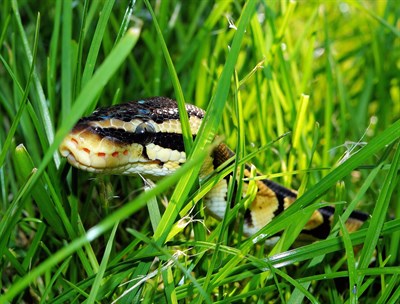
“In my opinion, people are much better off buying a captive bred reptile” said Teresa Shisk-Sailing RVT, veterinary technician at the Texas A&M College of Veterinary Medicine & Biomedical Sciences. “Some of the drawbacks to a wild caught pet include parasites, disease (some blatant and some latent), stress and attitude of the captured animal. Many, if not all, wild caught animals have both internal and external parasites. If not properly treated, the animals do poorly in the environment you create for them, and will usually die. There are a variety of diseases that reptiles can carry, and some of these bacteria and viruses are a normal part of living nature. Once the animals have been stressed with capture, overcrowded shipping conditions, dehydration, relocation, a new home and new food can greatly suppress their immune system. Then the bacteria and viruses can not only infect the host animal, but the entire collection of animals being kept.”
Treatment for wild caught pet reptiles must include follow-ups to the initial treatment, which will break the parasitic cycle; otherwise no progress is being made in the treatment. The older the animal is, the harder it is on them to be removed from their natural environment and introduced to a small area. The food is different and they are not used to having people around handling them all the time. All of that can be stressful to the point of death. A wild caught animal, depending on the species, can be a dangerous animal. They may take months (if ever) to settle in and relax. They may never eat enough, or eat at all because they do not always recognize what we feed as food.
“There are a number of things to work with and be aware of when dealing with a wild caught pet” said Shisk-Sailing. “Of course all trade animals at some time started out as a wild caught specimen, but unless you know what you are doing and are prepared to deal with all of the animals’ needs, you are better off working with a breeder and captive bred specimen. Every generation bred in captivity can lose a little more of their wild instinct. They are more dependent on us for food, and diseases are less apparent as are parasites if given the proper screening and treatment protocols. These animals also tend to be healthier and sometimes more docile.”
Buyers have a great resource and mentor at their fingertips when working with a breeder. The breeder has a vested interest in the animals that they sell, and most will help make sure buyers have the correct set-up, and answer all of their questions and concerns about the addition of a reptilian pet into the home.
“If you are looking for a particular type of reptile to adopt, I would suggest a beginner herp” said Shisk-Sailing. “Animals in the beginner herps category include Box turtles, which are a good size, hardy, will eat anything, live in a simple habitat and are very personable! Types of snakes in this category include the Ball Python which is typically docile and content to sit in a lap for hours. A Corn snake is also of good size, docile and can be very curious and animated which makes it a good pet for teenagers. They are good eaters and can live their whole life in a moderate size tank; prey items are readily available and not terribly expensive. Beginner herp lizards include the Bearded Dragon and the Leopard gecko. The Bearded Dragon is a great pet that is easy to care for, very social and loves to “hang out” with its owners. The Bearded Dragon does well in a 40 to 55 gallon tank for their lifetime. The Leopard gecko is hardy and nocturnal, so you do not need the special lighting that diurnal lizards must have. They are a good size and very colorful, as well as living in an easy-set-up habitat.”
Pet Talk is a service of the College of Veterinary Medicine & Biomedical Sciences, Texas A&M University. Stories can be viewed on the Web at vetmed.tamu.edu/news/pet-talk. Suggestions for future topics may be directed to editor@cvm.tamu.edu.

