
Cold Weather Colic in Horses
Cold winds and changing winter weather may not seem like contributing factors for equine colic. However, these conditions can foster changes in routine and eating habits that may affect the well being of your horse.
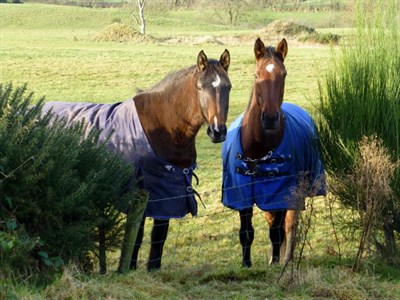
“A common winter time equine health concern is colic,” notes Dr. Glennon Mays, clinical associate professor at the Texas A&M College of Veterinary Medicine & Biomedical Sciences. “Colic is a symptom of abdominal pain and can take the form of digestive problems, intestinal blockage, or a twisted intestine among other possibilities.”
“There are several reasons why horses tend to colic more as the winter months linger,” explains Mays. “Lack of quality grazing, too cold water and reduced exercise time can contribute to equine colic.”
Spring’s lush green pastures provide grass that contains moisture which is absorbed in the gut and adds wet fiber to more readily move food along your horse’s digestive tract. When there is no green grass to graze, the possibility for impaction increases, explains Mays. Keep quality hay in front of your horse to provide roughage. The horse digestive tract is designed for high volume food such as grass and hay and these should be fed before grain.
“When temperatures drop, the tendency is to increase your horse’s grain rations to meet the increased energy demands to stay warm. However, increased carbohydrates can upset your horse’s digestive tract. When temperatures drop, feed extra hay, not grain, since hay provides more efficient ‘heating fuel’ for your horse,” says Mays.
“Roughage quality and availability may negatively affect a horse’s intake and digestion. Coarse, dry grazing or baled roughage can result in soft tissue abrasions inside the horse’s mouth during the chewing process. This seemingly minor trauma can result in a horse’s compromised ability to grind feed stuff due to soreness in the mouth,” notes Mays.
Adequate water consumption is essential for your horse’s well being. Horses tend to consume less water in colder weather since lower temperatures decrease their desire for water. However, they still need 10-12 gallons of water daily depending on work load. Also, if the temperature of their water source is below 45 degrees, horses tend to consume less water.
Insufficient water intake can result in dehydration and decreased blood volume (resulting in fewer nutrients to cells and decreased efficiency of waste removal). When water intake is decreased, your horse has an increased chance that its intestines may become impacted and colic can then occur, explains Mays.
“Frozen water sources obviously compromise water availability. Even best intentions like utilizing water warmers, insulating pipes and warming coils can fail, so check your horse’s water source to be sure that all is functioning. Also, inspect plumbing for leaks when temperatures rise above freezing.”
Historically, horses were foragers who moved and ate most of the day. They were mobile and not confined to a stall or fed restricted feedings,” notes Mays. “Regular exercise and movement helps to keep a horse’s digestive system functioning properly. Even if you can only turn your horse out for a short time or just walk around the barn, it is better than no exercise at all. The ideal situation is for your horse to spend the majority of its time on pasture.”
During the winter months, you can minimize colic attacks if you monitor your horse’s water intake to be sure that it is being well hydrated, feed quality hay that is free of impurities such as mold and exercise your horse or, provide pasture for roaming, says Mays.
While colic is not always avoidable, careful feeding, sufficient water intake and plenty of exercise can reduce the chances of your horse being affected by cold weather colic.
ABOUT PET TALK
Pet Talk is a service of the College of Veterinary Medicine & Biomedical Sciences, Texas A&M University. Stories can be viewed on the Web at vetmed.tamu.edu/news/pet-talk. Suggestions for future topics may be directed to editor@cvm.tamu.edu.

