
Feline Hyperthyroidism: Symptoms and Treatments
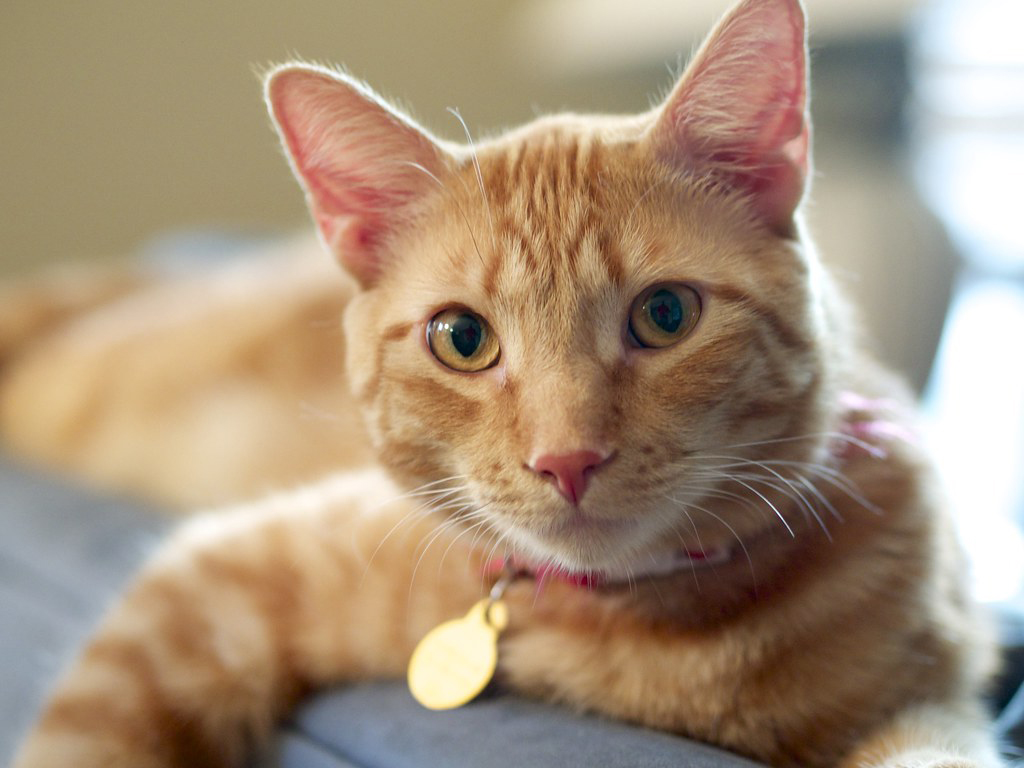
Is your middle-aged cat experiencing increased thirst, appetite, and urination? Is your furry friend losing weight or has a change in behavior? If so, your family cat may have hyperthyroidism.
This common disease is caused by an overproduction of thyroid hormones, called T3 and T4, due to dysfunction of the thyroid glands in the cat’s neck. There are two of these glands, on either side of the windpipe. Both glands are usually affected, but this is not always the case. The symptoms mentioned previously are not the only signs of hyperthyroidism; other symptoms include vomiting, diarrhea, and a matted or greasy coat. These signs start slowly and many owners may not initially realize that something is wrong, said Dr. Audrey Cook, associate professor at Texas A&M College of Veterinary Medicine & Biomedical Sciences (CVM).
“A drop in body weight is often the first clue that a cat is suffering from hyperthyroidism, which is one of the reasons why regular vet visits are so important in older cats,” Cook said.
If a cat starts exhibiting the symptoms of hyperthyroidism, a trip to the veterinarian will confirm the diagnosis. The veterinarian will perform a physical examination, which will include careful examination of the neck. An enlarged thyroid gland may be palpated, but a normal exam does not rule out the possibility of hyperthyroidism. To confirm the disease, the animal’s thyroid hormone level will be checked through blood work.
Since thyroid hormones affect most organs in the body, it is important to test a cat for the disease if it is suspected. If left untreated, secondary problems can arise such as the heart enlargement, with an elevated heart rate. Another problem resulting from untreated hyperthyroidism is hypertension, or high blood pressure. Both hypertension and heart disease caused by hyperthyroidism will resolve with proper treatment of the thyroid disease.
“Left untreated, the cardiac complications related to hyperthyroidism can be life-threatening,” Cook said.
Hyperthyroidism can be treated three ways: medication, radioactive-iodine, or surgery.
Traditionally, medication is the main way to treat the disease. For this option, an anti-thyroid medication is given to decrease the amount of the hormones released from the thyroid glands. This is relatively inexpensive, but the drug must be given once or twice daily for the rest of the cat’s life. Also, side effects can include vomiting, anemia, lethargy and bone marrow suppression.
“Some owners have a hard time getting the medication in to their cat,” Cook said. “We can get it reformulated in to a liquid if this is easier, and sometimes we use a product that is rubbed into the ear and absorbed that way.”
Radioactive-iodine therapy is becoming increasingly popular when dealing with hyperthyroidism in cats. For this long-term treatment, the cat is injected with the radioactive iodine, which destroys the tissue of the overactive thyroid gland. Although this procedure is usually very effective, it is more expensive and requires the cat being confined to the hospital while the radioactivity decreases.
“This is one of the best ways to treat this disease, and the choice I made for my own cat when she was hyperthyroid,” Cook said.
Surgical removal of the thyroid gland(s) is another option available for this disease. Although the long-term success rate is good, there is a risk of damage to the parathyroid glands, located close to the thyroid gland. The parathyroid gland is responsible for maintaining proper calcium blood levels.
“We usually only recommend surgery if the gland is cancerous, which is very rare, or if medication or radiation are not a suitable choice,” Cook said.
A veterinarian can help determine which treatment option is best for your animal. In general, the prognosis for a cat with hyperthyroidism is good. After treatment, long-term monitoring of the thyroid levels will help ensure the cat continues to live a happy life.
Pet Talk is a service of the College of Veterinary Medicine & Biomedical Sciences, Texas A&M University. Stories can be viewed on the Web at vetmed.tamu.edu/news/pet-talk. Suggestions for future topics may be directed to editor@cvm.tamu.edu.

