
Feline Nutrition
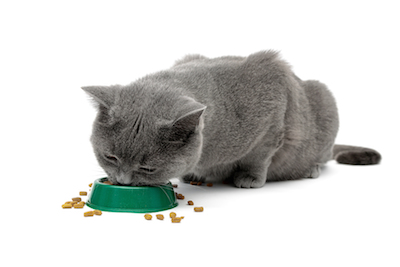
About 40 percent of cats in American households are obese. “Obesity is a serious medical condition and has been linked to other medical conditions such as diabetes mellitus, degenerative joint disease, and lower urinary tract disease,” explains Liz Kelley, veterinary technician II at the Texas A&M College of Veterinary Medicine & Biomedical Sciences (CVM). There are a number of steps that you can take to ensure that your cat is healthy.
When choosing food for your cat, the primary ingredient should include a high quality meat product.
“Cats are obligate carnivores and have very specific protein requirements that must be met, and cannot metabolize plant proteins, such as wheat glutens and soy, as efficiently,” notes Kelley.
In addition to the best primary ingredients, many cat owners wrestle with the debate over canned food versus dry food and which is the healthier of the two. Kelley recommends canned food for a number of reasons.
“Canned food is a better choice for your cat,” says Kelley. “It is easier to get a higher protein content as well as more water with canned food. Dry food is a high carbohydrate food and has a low protein content. The high energy carbohydrates in dry food are also a major factor in causing obesity in cats and dogs.”
If you feel your cat is obese you should consult with your veterinarian. They will give you a specific diet and exercise regimen for your cat. Kelley explains that exercise alone does not work for weight loss in any species.
“Diet must be the key to weight loss, and for cats a high protein, low carbohydrate diet is the best choice,” suggests Kelley. “Protein is used for energy and also to maintain their muscle mass which increases metabolism and therefore weight loss.”
In order for your cat to maintain a healthy lifestyle it needs to be properly hydrated. An eight pound cat should drink about half a cup of water every day.
“Cats get most of their daily water intake if they consume canned food,” notes Kelley. “If cats are fed a dry diet, they do not get enough water from their food. You can make water more tempting by using water fountains or flavoring it with a little bit of low sodium tuna juice.”
If you would like to give your cat a treat, Kelley says that it is okay as long as it does not exceed 20 percent of its daily caloric intake. The best treats to give your cat should include protein made from dehydrated meats.
“The most important thing to remember is to make sure the protein is from a high quality source and that the diet is a balanced diet,” stated Kelley. “Nutritional deficiencies can take anywhere from months to years to become apparent. There is a fee based website, www.balanceit.com, that is run by DVM consultants who are board certified veterinary nutritionists who can provide a balanced diet recipe or consult on a recipe that an owner is already using to make sure that it is healthy and balanced.”
The clinicians and staff of the Small Animal Hospital have taken a progressive approach to applying the best nutritional practices for their patients. On October 18, the CVM will open a new $70,000 kitchen donated by Nestle PURINA PetCare to help ensure that all of their patients’ nutritional needs are being met. Not only will they house Purina products, but they will have other brands available so that they can guarantee to have the best options available for all of their patients as they are each given different meal plans by their veterinarian.
With the help of your veterinarian, you can make the changes necessary to prevent your cat from becoming obese and take the steps to give them a healthier lifestyle.
“Please remember that while working toward a healthier lifestyle for yourself, be sure to include your pets as well,” Kelley states.
Pet Talk is a service of the College of Veterinary Medicine & Biomedical Sciences, Texas A&M University. Stories can be viewed on the Web at vetmed.tamu.edu/news/pet-talk. Suggestions for future topics may be directed to editor@cvm.tamu.edu.

