
Human Medicines Can Be Poison to Pets
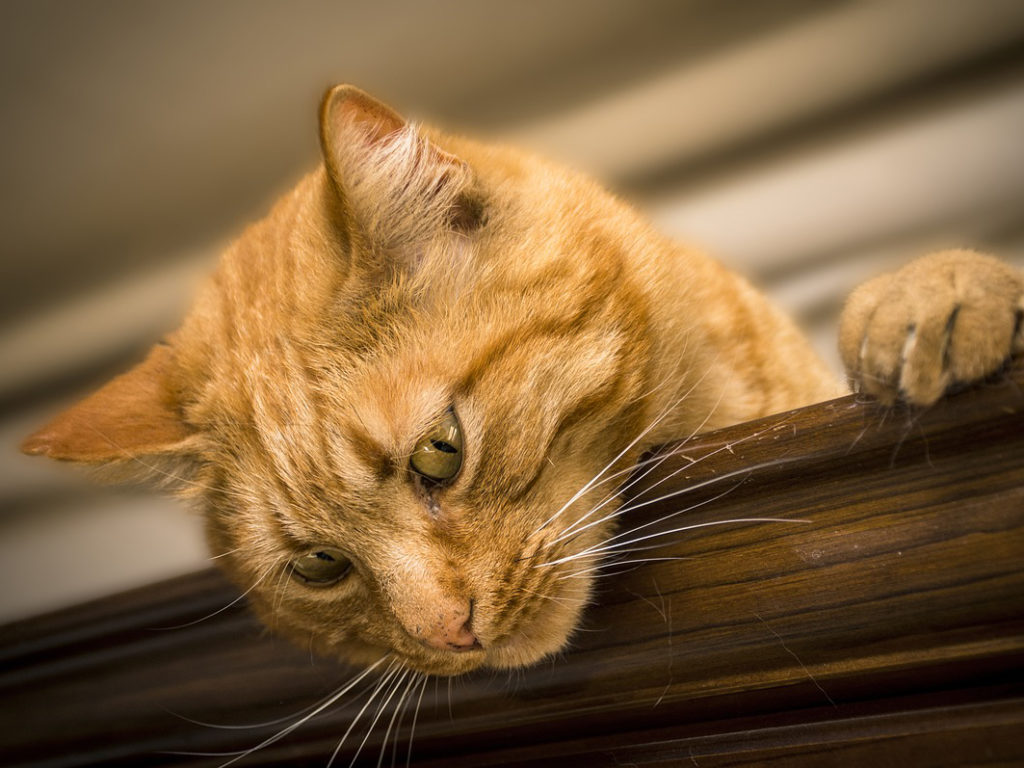
Last week, Dr. Dorothy Black, clinical assistant professor at the Texas A&M University College of Veterinary Medicine & Biomedical Sciences (CVM), shared suggestions for keeping cats and dogs safe from potentially toxic human foods. This week she discusses some common over-the-counter and prescription human medicines that are poisonous to pets.
“Many homes have these medications, and it can be surprisingly easy for pets to get a hold of them,” Black said. “Whether pets open bottles, chew on tubes, lick topical medication, or just pick up dropped pills off the floor, these medications pose particularly dangerous threats.”
Even the most common over-the-counter medications can be dangerous. Non-steroidal anti-inflammatories, NSAIDs, such as naproxen, ibuprofen, acetaminophen, and aspirin can be highly toxic to dogs and cats. These human medications can have profound effects on the gastrointestinal tract, kidneys, liver, and hemoglobin in red blood cells. Unfortunately, there is no specific antidote and an overdose often requires hospitalization and supportive care.
Most cases of NSAID toxicity have a prognosis of “good” to “guarded” depending on clinical signs.
“It is best not to give any NSAIDs to pets, unless under the direct supervision of your veterinarian,” Black said. “And keep medications out of the reach of pets. Pets are naturally drawn to objects that we touch often and pill bottles are regularly handled, so they carry our scent.”
“We typically use terms of ‘excellent, good, fair, guarded, and grave’ to give odds of survival in these types of cases. Excellent indicates we have little doubt that, with appropriate care (typically very minimal care), their pet will return to normal function,” Black said. “Guarded prognoses usually have a fifty-fifty chance for survival with aggressive treatment, and the pet may not recover to one hundred percent of what they were before poisoning. Without treatment the pet is likely to die.”
Vitamin D analogs, which are used topically to treat psoriasis, also top Black’s list of toxic medicines. If pets lick the product off the skin, kidney failure could occur. Signs of poisoning are vomiting, diarrhea, and increased urination and drinking. As with NSAIDs, there is no antidote. If the pet is decontaminated before clinical signs emerge, the prognosis is good. However, if clinical signs occur, the prognosis is guarded.
“The topical medications are particularly alarming because if your pet licks the application site on your body, they can unintentionally ingest the medication,” Black said. “Many people don’t realize the danger that poses to pets.”
Medicines containing progesterone, such as birth control pills and some topical cancer medications for humans, are also dangerous or poisonous to pets. If ingested in large quantities, these medications can lead to bone marrow toxicity and seizures. Since there is no antidote for progesterone poisoning, supportive care is the only treatment option if clinical signs are presented, and at that point the prognosis is guarded.
Amphetamines, which are commonly used to treat Attention Deficit Disorder (ADD) can also have alarming effects on pets. If ingested by cats or dogs, amphetamines can cause hyperactivity, aggressive behavior, vocalization, elevated body temperature, heart arrhythmias, tremors, and seizures. Although supportive care is usually successful, high-dose intoxications carry a guarded prognosis.
“It should be noted that supportive care can lead to successful recovery, but it is rather expensive and can force some pet owners to make tough decisions,” Black said. “This is one of those times that an ounce of prevention is worth a pound of cure. It’s best to protect your pets from the outset. Keep medications contained and beware of topical applications.”
Pet Talk is a service of the College of Veterinary Medicine & Biomedical Sciences, Texas A&M University. Stories can be viewed on the Web at vetmed.tamu.edu/news/pet-talk. Suggestions for future topics may be directed to editor@cvm.tamu.edu.

