
Managing Pain in Pets
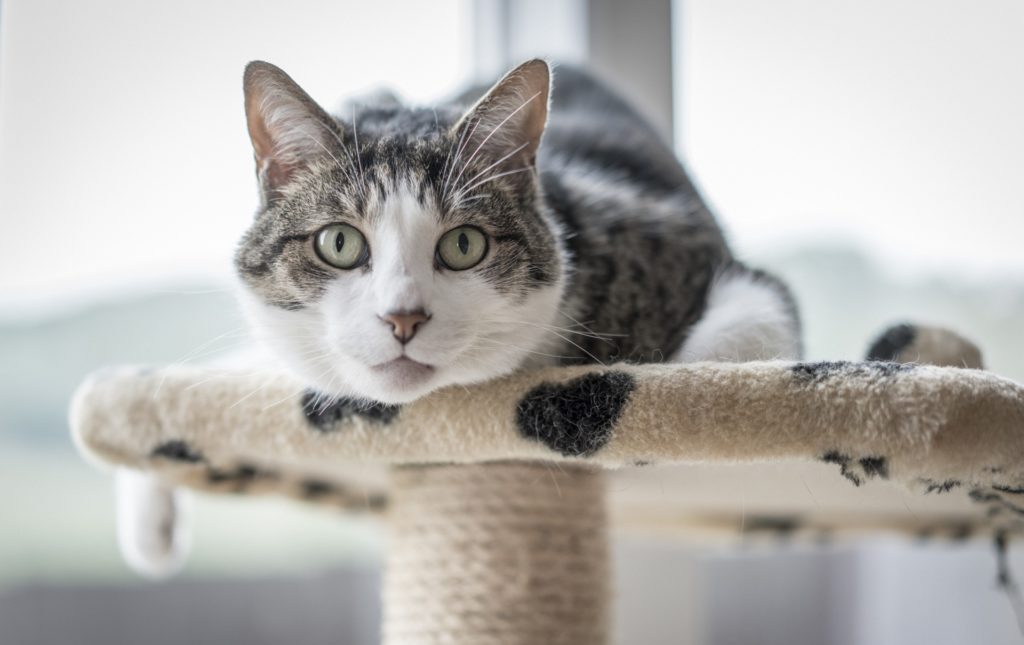
Imagine feeling ill and not being able to properly express it. The language barrier causes many pets to feel this way toward their owners. It is important to know the signs indicative of pain in your pet so that you can help them manage it, even if they can’t tell you about it.
According to Dr. Mark Stickney, clinical associate professor at the Texas A&M College of Veterinary Medicine & Biomedical Sciences, knowing if pets are in pain can be tricky.
“All pets show pain differently,” says Stickney. “Cats are prone to hide when they are uncomfortable while dogs tend to show pain more outwardly than their feline friends.”
There is a lot of variation when it comes to pets and showing pain, and the signs of pain are not always obvious.
“Some common signs of pain are less energetic greetings and refusing to eat or drink,” Stickney says. “Some animals may pace or pant if they are in pain or they may growl or snap if the sore spot is touched.”
Your pets may show you all of these signs while some may show you almost none, Stickney adds. “Cats are the classic example. They can be in large amounts of discomfort and still hide their pain.”
“What it boils down to is owners know their pets best,” Stickney says. “If you think your animal is uncomfortable and not behaving normally, you should call your veterinarian for an evaluation.”
Stickney notes that the causes of pain can come from various sources.
“We see several types of injuries like those caused by cars or other animals,” says Stickney. “Pain can also occur as pets get older from diseases such as arthritis.”
The most common treatment for pain in dogs is non-steroidal anti-inflammatory drugs, says Stickney. “These products will reduce inflammation and make the animals feel better. They usually come in flavored preparations disguised as treats.”
If you suspect your pet is in pain and a veterinarian cannot be reached, human pain medication should never be an option.
“Animals metabolize drugs differently than we do,” Stickney says. “Human medication will usually cause more harm than good and could damage organs like the kidneys or liver.”
But there are things you can do at home to help manage your pet’s pain and make them more comfortable.
“Try to make arrangements so your pet does not have to move as much,” says Stickney. “Keep him or her confined in a small room or crate.”
Stickney also suggests moving food and water bowls closer to the animal.
It is up to you, as the owner, to recognize behavioral changes that might indicate pain.
“The veterinary profession has come a long way in recognizing pain in animals,” says Stickney. “If you think your pet is in pain, contact your veterinarian because there are numerous options to make your pet feel more comfortable.”
Pet Talk is a service of the College of Veterinary Medicine & Biomedical Sciences, Texas A&M University. Stories can be viewed on the Web at vetmed.tamu.edu/news/pet-talk. Suggestions for future topics may be directed to editor@cvm.tamu.edu.

