
Pet Health Insurance
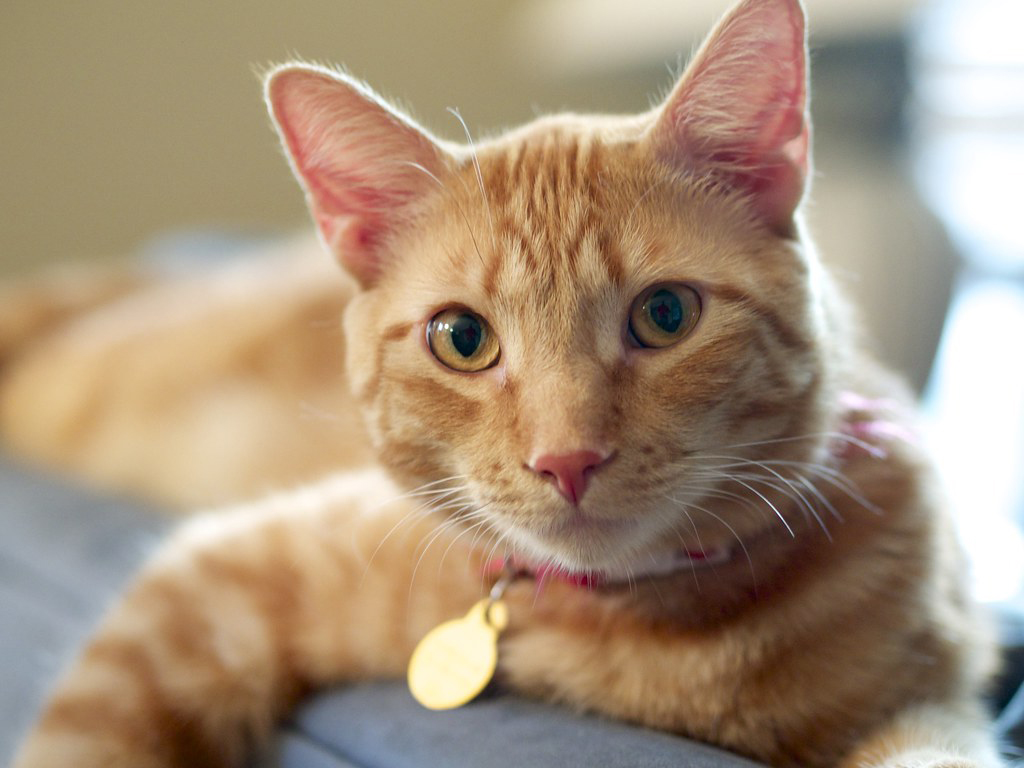
In the past few years veterinary medicine has made leaps and bounds in the types of procedures that are available for animals. Pet medical histories are beginning to resemble that of their owners. Cancer treatments, pacemakers and other surgical procedures are becoming more accessible and common for our furry friends.
With the rising costs and variety of pet procedures being offered, pet insurance policies are becoming more logical than ever, and opting for these policies can be beneficial.
“Pet insurance policies, like all insurance, allow you to plan for the event of a major medical condition,” states Dr. Dan Posey, a clinical associate professor at the Texas A&M College of Veterinary Medicine & Biomedical Sciences. “There is no doubt that veterinarians and pet owners have had to make tough health care decisions sometime in their pet’s life and with pet insurance it makes these decisions easier.”
Before opting for health insurance for your pet it is critical that you research what each company’s plans cover and what is the best policy for you.
Start with the basics. Talk with your veterinarian and research which policy suits your needs best. There are numerous pet health insurance companies to choose from and the internet is a great place to start your research.
Most pet insurance companies offer a variety of plans. Some common options are solely accident coverage, accident and illness, and plans that incorporate routine wellness exams.
“There are differences between each company’s policies and one should thoroughly understand what the insurance will and will not cover,” states Posey.
Pet insurance is similar to our own health insurance in the fact that most companies usually will not cover pre-existing conditions. Hereditary conditions are also commonly excluded from pet health insurance. If the breed of your animals is susceptible to developing certain conditions, chances are those health problems will not be covered.
“A person should look for a pet insurance that does not have ‘per incident’ limits,” recommends Dr. M.A. Crist, a veterinarian at Texas A&M University.
Dr. Crist explains that often a person does not really understand what “per incident” actually covers.
“If your animal has an accident and requires extensive surgery, a person with pet health insurance usually opts for the surgery, thinking it will be covered by their policy,” notes Crist. “Only later they find out that their insurance may not cover all of the expenses of the procedure or will only pay up to a certain amount for that surgery, leaving the policy holder to pay the remaining amount.”
Crist also explains that if a complication arises from the surgery or the animal has follow up appointments or procedures stemming from that surgery the “per incident” policy will usually not cover those.
“I would choose an insurance company that has a single level coverage which usually covers only accident and illness,” states Crist. “This means no routine health care, no “per incident” limits, does not have a deductible and the premiums do not increase as the pet ages. Also, find a company that pays the claims within 24 hours of receiving the paperwork.”
It is important to completely understand your policy, know the procedures it will cover, and what percentage your insurance company will pay for each.
“There is no doubt that veterinary medicine is advancing on a daily basis,” states Posey. “The diagnostic, medical, and surgical procedures that were once only available in regional referral centers are now becoming more available in private practices. With increased access to such procedures, pet insurance can help make medical care more affordable.”
Pet Talk is a service of the College of Veterinary Medicine & Biomedical Sciences, Texas A&M University. Stories can be viewed on the Web at vetmed.tamu.edu/news/pet-talk. Suggestions for future topics may be directed to editor@cvm.tamu.edu.
Angela G. Clendenin
Director, Communications & Public Relations
Ofc – (979) 862-2675
Cell – (979) 739-5718

