
Precautionary Travel Tips
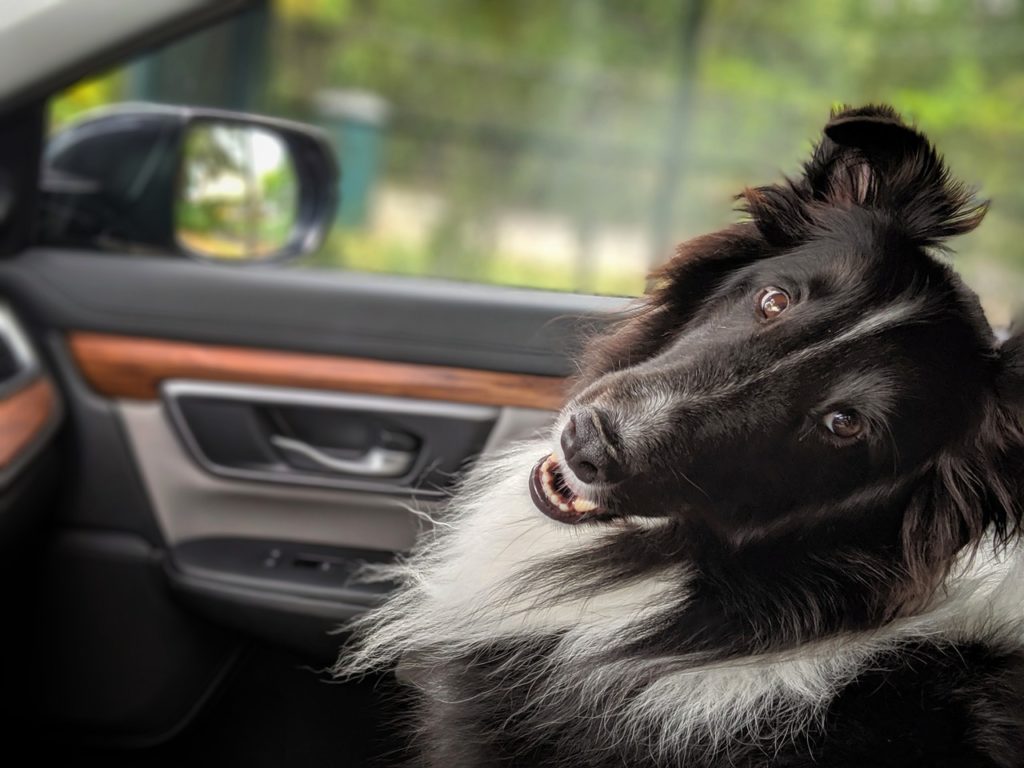
Most summer days are filled with outdoor activities and times spent on vacation. As the summer months starts to approach, it is necessary to understand the types of diseases that may affect your pets when they travel. So, if you’re the outdoor type and you like to take your pet with you, your pet may be bringing home more than memories as you venture through fields and streams.
When traveling, there are some diseases your pet may encounter says Dr. Leon Russell, professor at the Texas A&M College of Veterinary Medicine & Biomedical Sciences. If there is a possibility of contact with mosquitoes, ticks, or stagnant water during your travels, Russell says to take certain precautions.
If dogs and cats come into contact with mosquitoes they could be subjected to heartworm disease.
“Heartworm disease poses a threat to pets across the United States because no state is entirely heartworm-free,” Russell explains. “In areas where heartworm disease is highly endemic in dogs, up to 20 percent of the cats may also have the disease.”
Heartworm preventative medicine is available, but pets should be tested before they receive it.
Possible contact with wild animals could expose your pet to rabies.
“Effective vaccination of dogs and cats to prevent rabies is available and should always be kept current,” says Russell.
Rabies is transmitted by a bite from an infected animal and The Center for Disease Control (CDC) states that more than 90 percent of all animal cases reported annually to the CDC now occur in wildlife.
Water activities are fun, but certain waters may be infested with bacteria that could cause harm to your pet. According to Russell mud, muddy water, and stagnant water are prime sources for exposure to leptospira. This bacterial organism can enter the body through cuts, mucous membranes, eyes, or by ingesting contaminated water. Russell encourages a yearly vaccination with the appropriate strain of leptospirosis vaccine to reduce your pet’s chance of contracting this disease.
Giardiasis is another disease that is caused by a waterborne parasite found in untreated water such as creeks and ponds. It also occurs in mountainous areas where water supplies have become contaminated by infected animal feces.
“Chlorination of surface water will not prevent this disease,” cautions Russell. “Presently there are drugs to treat giardiasis, but none to prevent this intestinal disease.”
Borreliosis, or Lyme Disease, is an infection caused by a bacteria that is spread by the bite of an infected tick, and the disease is endemic in some areas of the United States explains Russell. Symptoms include fever, rash, listlessness, muscle stiffness, lack of appetite, and in severe cases arthritic-type joint pain.
“The best method of prevention is to avoid tick infested woods, brush, and tall grass,” Russell believes. “Highly effective tick control products such as sprays, collars, and spot-on treatments are available through your veterinarian.”
Annual vaccination of your dog against the Lyme Disease is recommended if you live in or plan to visit endemic Lyme Disease areas in the United States. Check with your veterinarian about the need for the vaccination of your pets.
Russell suggests that once you return home, your pet should visit the veterinarian for examination to make sure no internal or external parasites were picked up while traveling.
“An examination is important, because worms can hide and they may not be detected until they cause a clinical disease,” Russell adds “Ticks can be too small to be easily seen by the untrained eye. They must be eliminated before they transmit diseases such as Lyme Disease, tularemia, and Rocky Mountain Spotted Fever.”
“Also, avoid environments with ticks and mosquitoes (dawn and dusk) and allow your pet to swim only in clear, flowing water such as rivers or lakes,” notes Russell. “Be sure to bypass ponds or tanks.”
Time spent traveling with pets is important, but it is even more important to take the necessary precautions during vacation to avoid any pitfalls when you return home.
Pet Talk is a service of the College of Veterinary Medicine & Biomedical Sciences, Texas A&M University. Stories can be viewed on the Web at vetmed.tamu.edu/news/pet-talk. Suggestions for future topics may be directed to editor@cvm.tamu.edu.

