
Sun Exposure and Skin
Summer time generally means vacations, water, and a lot of fun in the sun. However, the same concerns that affect people, including sunburn, can also cause problems for pets.
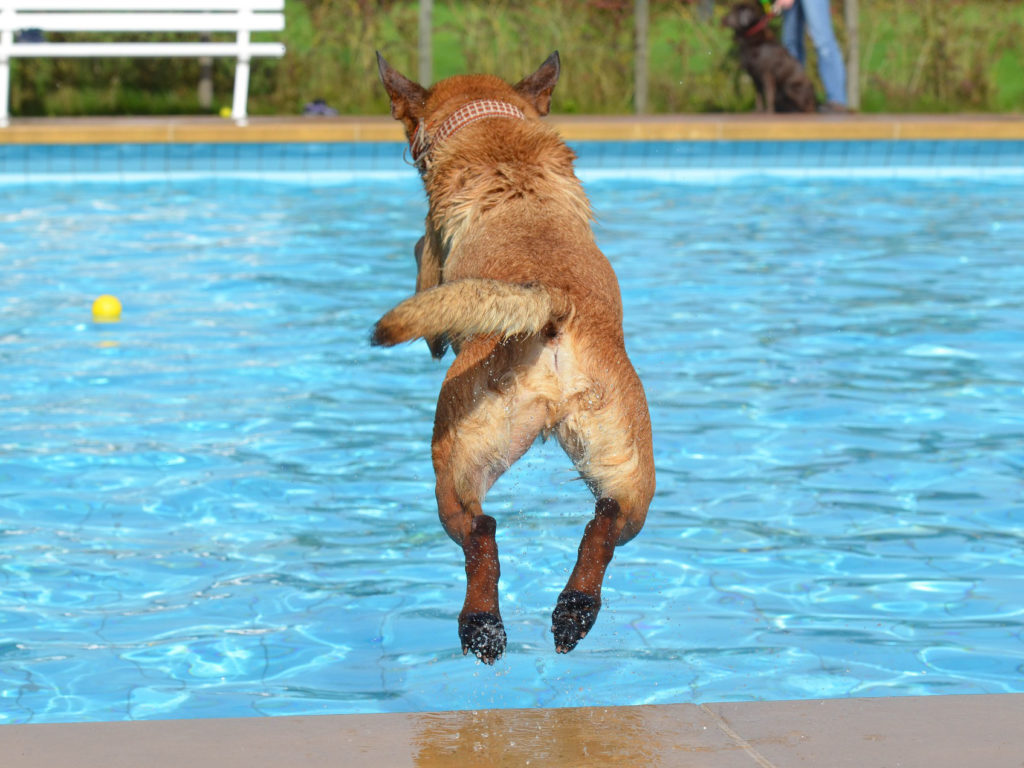
As the weather warms up, many people take to bathing their pets outside. It seems like a good idea, as pets may dry faster and cause less water mess. However, according to Dr. Alison Diesel, lecturer in small animal dermatology, at the Texas A&M College of Veterinary Medicine and Biomedical Sciences, it is important to remember that water coming initially out of the hose may be very hot.
“One of the problems we see related to hot weather is thermal burns from hoses that have been sitting outside in the sun all day,” says Diesel. “Make sure to let the water run through the hose for several minutes before bathing your dog. If it is too hot on your own hand, it will be too hot for the dog’s skin.”
It is well known that staying out in the sun too long without any type of protection can cause sunburns in people. The same is true of pets, especially those that are lightly pigmented or have thinner coats. White animals, animals that like to spend time sunbathing, and even certain parts on every animal, such as the nose (especially pink noses), ears, or abdomen, are especially prone to becoming sunburned.
“In order to prevent their animals from becoming sunburned, one of the things that people can do is to apply sunscreen on lightly pigmented or thinly furred areas before the animal goes outside or lays in a sunbeam to bathe,” states Diesel. “As with people, the sunscreen will need to be applied once every couple of hours. Sunscreens that have high SPFs (50+) and that are safe for infants are safe for a dog or a cat.”
“Another thing an owner can do,” notes Diesel, “is prevent sunbathing during the peak times of the day, or when the sun is at its strongest. This is typically from the early afternoon until evening. Cats that sit in windowsills particularly need to be monitored.”
As with people, one of the main concerns with pets getting a sunburn, besides the initial burn itself, is the possibility of cancer developing from the sun exposure. If you notice a change in the appearance of your pet’s skin, including increased redness, raised skin legions, bumps or wounds, your pet needs to be evaluated by its veterinarian.
“Actinic keratosis, a condition that causes raised, red, flat-topped areas of skin that may have a dry appearance, is associated with increased sun exposure and may progress into cancer in the future if not addressed,” warns Diesel. “As the thinly furred parts of animals are the highest risk areas for becoming sunburned, these are the areas where this condition is often noted.”
An additional problem exacerbated by sun exposure is discoid lupus, an immune-mediated skin disease of the nose. Some dog breeds that are particularly affected by this are Huskies, Malamutes, and other northern breeds and shepherds.
Explains Diesel, “The normally dark colored nose loses its pigment and turns pink. It can also become crusted and ulcerate; this may be noted as bleeding by the owners. The decreased pigment puts the nose more at risk for sunburn. It is important that dogs diagnosed with this condition have infant-safe sunscreen applied several times daily to avoid intensifying the disease.”
While lighter-pigmented animals are more prone to developing burns, darker colored animals are not without their own concerns.
“According to studies in cattle that observed the effects of hide color and the risk of heat stress, darker pigmented animals were more at risk for heat stress since their coat did not reflect as much light as lighter colored animals,” explains Dr. Diesel. “This does not usually cause skin problems; however, darker animals are more at risk for developing the side effects of heat stress, which include over-heating and heat stroke. These are emergency situations that require immediate evaluation by a veterinarian.”
In spite of the many risks the rising temperatures bring with them, it is possible for you and your pets to enjoy the summer out of doors, provided the proper precautions are taken to avoid sunburn and other dangers. Train yourself to reapply your pet’s sunscreen each time you reapply yours, and make sure your outdoor pets have access to fresh water and shady places to find some respite from the sun’s rays. Check the temperature of the water before bathing your pet out of doors. And remember to enjoy your vacations with your best friend!
Pet Talk is a service of the College of Veterinary Medicine & Biomedical Sciences, Texas A&M University. Stories can be viewed on the Web at vetmed.tamu.edu/news/pet-talk. Suggestions for future topics may be directed to editor@cvm.tamu.edu.

