
Traveling with your Pet
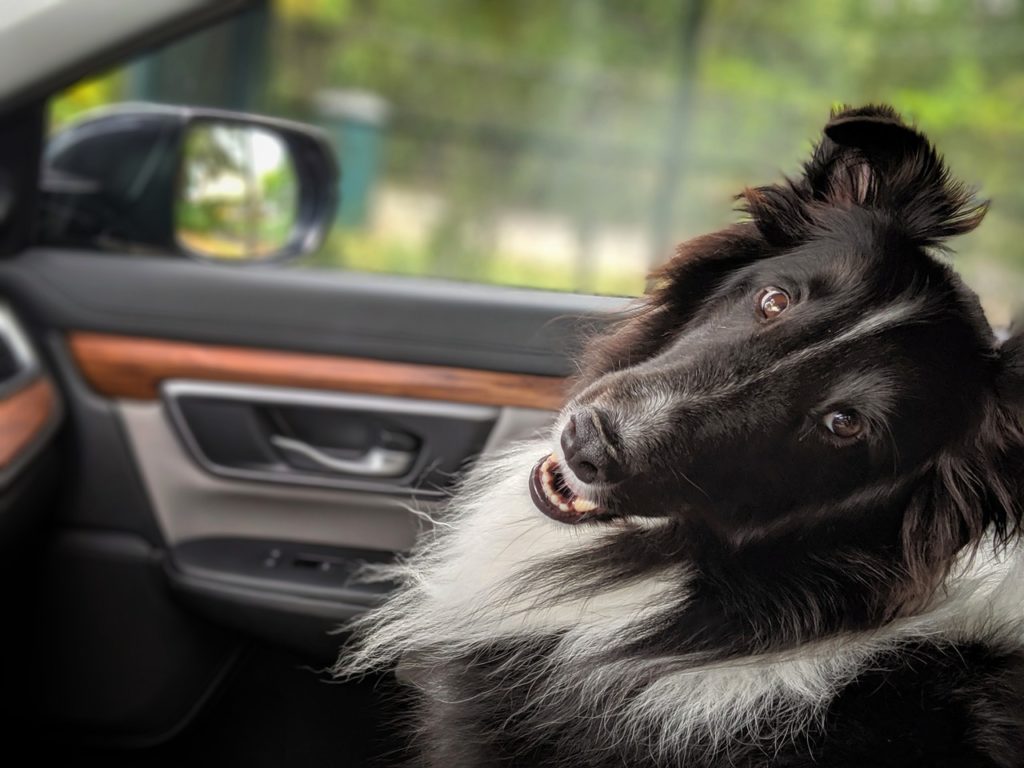
Vacation season is here! For most people this usually involves long car rides or traveling via airplane. However, not everyone can part with their beloved pets and would rather bring them along.
If you are planning on taking your pet on an airplane the best thing to do is to first check with your airline about their policies.
“Most airlines require a rabies certificate so you will want to make sure that your pet is up to date with all of their vaccines,” explains Dr. Mark Stickney clinical assistant professor at Texas A&M University College of Veterinary Medicine & Biomedical Sciences.
“Depending on where you are flying you may also need to get a health certificate which typically needs to be completed within 10 days before the day of travel.” Stickney advises for this to be planned in advanced because not every veterinarian is accredited for this service.
Airlines have become more proactive with tending to the needs of animals such as the temperature in the area they are stored in or making sure they have access to water. Even so, it would be wise to be more cautious when flying if your pet is older or has health issues. Also, remember to bring any and all medications they might need. You do not want to be half way across the country trying to locate a veterinarian or prescription.
“Make sure that the dog or cat always has a collar and tags on them, but also be careful that there is not anything hanging loosely from the collar that could get caught in their crate,” said Stickney. “A microchip is an excellent way to permanently identify your pet.”
Deciding to stick it out on the road versus the air?
If you are bringing your dog or cat along for the ride make sure they have had their yearly exam and are healthy enough to handle the trip.
If you are traveling to a different climate with a pet it would be wise to educate yourself on any diseases or problems that the animals in that area can experience.
“For instance, when traveling from a Northern climate to a Southern climate your dog might need to be put on a heart worm and flea preventative for the trip,” said Stickney.
Along those same lines, if your pet is used to being in a cooler area and the place you are traveling is hotter or more humid this can be particularly rough on them. Extra efforts should be made to make sure that they have plenty of rest and water and do not over exert themselves.
Stickney recommends when traveling with a dog or cat that you always have a carrier or leash on hand in case of unforeseen circumstances like car trouble. It is best to keep cats in a carrier when you are in the car so that they are not able to hop around and possibly cause any dangerous situations for the driver.
“Riding in the cab is always best for the pet, but if a dog must ride in the truck bed then make sure they are in a carrier. I have seen too many injuries and fatalities in emergency hospitals that were related to a dog being in the back of a truck bed tied up or with no security at all,” said Stickney.
Dogs can easily suffer burns from hot truck bed surfaces either on the bottom of their paws or belly. Chaining your dog up in the back of a truck bed can lead to them accidentally hanging themselves as well.
Also, as cute as it is and as much as they might enjoy it, letting a dog hang out of a window can lead to severe injuries or death.
“It would be a good idea leading up to a trip to do a few short test drives with your pet if he is not used to riding in a vehicle. Get him excited about riding along, then eventually make the rides longer and longer to help wean the pet into the idea of a long drive,” recommends Stickney.
This can help minimize fear and anxiety in the dog for the big trip, especially if the dog is prone to getting nauseous.
There are sedatives that you can give dogs or cats if the animal has anxiety. Consult with your veterinarian for a prescription for your dog or cat, then on the big day administer the medicine around one hour before your departure on an empty stomach.
“If the pet is prone to car sickness or vomiting and the owner would like to use medication, we prescribe Dimenhydrinate which is the same drug that is used for people,” said Stickney. Always consult with your veterinarian for correct dosing and safety of any drug for your pet.
Along with running some test drives with your animal before the big trip, it is a good idea to test out the medication beforehand to make sure that you will get the expected result.
“Every dog reacts differently to medication and some are not affected by sedatives,” said Stickney.
Stickney explains that many sedatives decrease a dog’s ability to regulate their own body temperature; therefore it is important to keep them in a temperature controlled environment when traveling. Working air-conditioning in the car is essential.
The important thing when traveling with your pet is not to just throw them in the car and go. Some pets are more high maintenance than others but as long as you are sensitive to your particular pet’s needs when traveling; you can insure a much more enjoyable vacation.
Pet Talk is a service of the College of Veterinary Medicine & Biomedical Sciences, Texas A&M University. Stories can be viewed on the Web at vetmed.tamu.edu/news/pet-talk. Suggestions for future topics may be directed to editor@cvm.tamu.edu.

