
MedVet, DrVetMed, Ph.D., AGAF, DACVM
Professor & Associate Director for Research of the GI Lab
Purina PetCare Endowed Chair for Microbiome Research
Cat & Dog Microbiome Research
Our research is focused on gastrointestinal function testing, gastrointestinal pathogens, and intestinal microbial ecology with an emphasis on probiotics and prebiotics and how intestinal pathogens lead to disturbances in the intestinal microbiome of companion animals.
Using high throughput pyrosequencing of the 16S rRNA gene, metagenomic, and metabolomics approaches, we are characterizing the gastrointestinal microbiome, metagenome, and metabolome of several veterinary species (e.g., dogs, cats, frogs, parrots, horses, mice, dolphins) in health and acute and chronic diarrhea. We are also studying the effects of probiotic and prebiotic supplementation and dietary interventions on the dog and cat metagenome and metabolome, including bile acid metabolism, for diagnostic and therapeutic application in animals with IBD, obesity, and Diabetes Mellitus. Our results suggest that microbiome manipulations via probiotics may be useful in the management of gastrointestinal disorders in dogs and cats.
A recent area of research is the microbiome changes after Fecal Microbiota Transplantation (FMT) in dogs and cats. We have developed a rapid test for assessment of canine microbiota, the Canine and Feline Dysbiosis Index. This test can be used for screening donors and also monitor the fecal microbiota before and after FMT.
- Vazque-Baeza Y, Hyde E, Suchodolski JS, Knight R. Dog and human inflammatory bowel disease rely on overlapping yet distinct dysbiosis networks. Nature Microbiology 1:16177, 2016
- Blake A, Suchodolski JS. Importance of gut microbiota for the health and disease of dogs and cats. Animal Frontiers 6(3), 37-42, 2016
- Schmitz S, Suchodolski JS. Understanding the canine intestinal microbiota and its modification by pro-, pre- and synbiotics – what is the evidence? Veterinary Medicine and Science (2016)
- Suchodolski JS, Foster ML, Sohail MU, Leutenegger C, Queen EV, Steiner JM, Marks SL. The fecal microbiome in cats with diarrhea. PLOS ONE 19:10(5):e0127378, 2015
- Guard GC, Barr JW, Reddivari L, Klemashevich C, Jayaraman A, Steiner JM, Venamala J, Suchodolski JS. Characterization of microbial dysbiosis and metabolomic changes in dogs with acute diarrhea. PLoS ONE 10(5):e0127259, 2015
- Rossi G, Pengo G, Caldin M, Piccionello AP, Steiner JM, Cohen ND, Jergens AE, Suchodolski JS. Comparison of microbiological, histological, and immunomodulatory parameters in response to treatment with either combination therapy with prednisone and metronidazole or probiotic VSL#3 strains in dogs with IBD. PloS ONE 9(4): e94699, 2014
- Minamoto Y, Otoni C, Steelman S, Steiner JM, Büyükleblebici O, Steiner JM, Jergens AE, Suchodolski JS. Alterations of the fecal microbiota and serum metabolite profiles in dogs with idiopathic inflammatory bowel disease (IBD). Gut Microbes (in press)
- Minamoto YM, Dhanani N, Markel ME, Steiner JM, Suchodolski JS. Prevalence of Clostridium perfringens, Clostridium perfringens enterotoxin and dysbiosis in fecal samples of dogs with diarrhea. Vet Microbiol (DOI: 10.1016/j.vetmic.2014.10.005)
- Honneffer JB, Minamoto Y, Suchodolski JS. Microbiota alterations in acute and chronic gastrointestinal inflammation of cats and dogs. World J Gastroenterol 28;20(44): 16489-16497, 2014
- Bell ET, Suchodolski JS, Fleeman LM, Isaiah A, Cook AK, Steiner JM, Mansfield CS. Faecal microbiota of cats with insulin-treated diabetes mellitus. PLOS ONE 9(10):e108729, 2014
- Rodrigues Hoffman A, Patterson AP, Diesel A, Lawhon SD, Ly HC, Stephenson CE, Mansell J, Steiner JM, Dowd SE, Olivry T, Suchodolski JS. The Skin Microbiome in Healthy and Allergic Dogs. PLoS ONE 9(1): e83197.
- Bordin AI, Suchodolski JS, Markel ME, Weaver KB, Steiner JM, Dowd SE, Pillai S, Cohen ND. Effects of administration of live or inactivated virulent Rhodococcus equi and age on the fecal microbiome of neonatal foals. PloS ONE Jun 13;8(6):e66640, 2013
- Suchodolski JS, Markel ME, Garcia-Mazcorro JF, Unterer S, Heilmann RM, Dowd SE, Kachroo P, Ivanov I, Minamoto Y, Dillman EM, Steiner JM, Cook AK, Toresson L. The fecal microbiome in dogs with acute diarrhea and idiopathic inflammatory bowel disease. PLoS ONE 7(12): e51907, 2012
- Foster ML, Dowd SE, Stephenson C, Steiner JM, Suchodolski JS. Characterization of the fungal microbiome (mycobiome) in fecal samples from dogs. Vet Med Intern, article ID: 658373, 2013
- Handl S, German AJ, Holden SE, Dowd SE, Steiner JM, Heilmann RM, Grant RW, Swanson KS, Suchodolski JS. Fecal microbiota in lean and obese dogs. FEMS Microbiol Ecol doi: 10.1111/1574-6941.12067
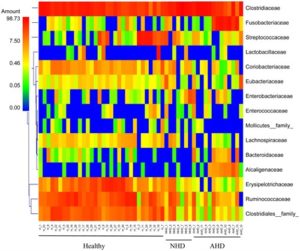 Suchodolski JS, Dowd SE, Wilke V, Steiner JM, Jergens AE. 16S rRNA gene pyrosequencing reveals bacterial dysbiosis in the duodenum of dogs with idiopathic inflammatory bowel disease. PLoS ONE 7(6): e39333, 2012
- Hart ML, Suchodolski JS, Steiner JM, Webb CG. Open-label trial of a multi-strain synbiotic in cats with chronic diarrhea. J Fel Med Surg 14(4):240-245, 2012
- Mashoof S, Goodroe A, Du C, Jacobs N, Steiner JM, Eubanks JO, Tizard IA, Suchodolski JS, Criscitiello MF. Ancient T-Independence of Mucosal IgX/A: Gut Microbiota Unaffected by Larval Thymectomy in Xenopus laevis. Mucosal Immunol (doi: 10.1038/mi.2012.78.)
- Minamoto Y, Hooda S, Swanson KS, Suchodolski JS. Feline gastrointestinal microbiota. Animal Health Research Reviews13(1):64-77, 2012
- Suchodolski JS. Intestinal microbiota of dogs and cats – a bigger world than we thought. Vet Clin North Am Sm Anim Pract41(2):261-72, 2011
- Swanson KS, Dowd SE, Suchodolski JS, Middelbos IS, Vester BM, Barry KA, Nelson KE, Cann IO, White BA, Fahey GC. Phylogenetic and gene-centric metagenomics of the canine gastrointestinal microbiome reveals similarities with human and mouse gut metagenomes. ISME J 5(4):639-49, 2011
- Handl S, Dowd SE, Garcia-Mazcorro JF, Steiner JM, Suchodolski JS. Massive parallel 16S rRNA gene pyrosequencing reveals highly diverse fecal bacterial and fungal communities in healthy dogs and cats. FEMS Microbiol Ecol 76(2):301-10, 2011
- Suchodolski JS. Microbes in gastrointestinal health of dogs and cats. J Anim Science 89(5):1520-1530, 2011
- Suchodolski JS, Dowd SE, Westermarck E, Steiner JM, Spillmann T, Wolcott RD, Harmoinen JA. The effect of the macrolide antibiotic tylosin on microbial diversity in the canine small intestine as demonstrated by massive parallel 16S rDNA sequencing. BMC Microbiol 2009, 9:210
- Suchodolski JS, Camacho J, Steiner JM. Analysis of bacterial diversity in the canine duodenum, jejunum, ileum, and colon by comparative 16S rDNA analysis. FEMS Microbiol Ecol 66(12):487-498, 2008
- Xenoulis PG, Palculcit B, Allenspach K, Steiner JM, Van House A, Suchodolski JS. Molecular-phylogenetic characterization of microflora imbalances in the small intestine of dogs with inflammatory bowel disease. FEMS Microbiol Ecol 66(12):499-510, 2008
- Ritchie LE, Steiner JM, Suchodolski JS. Assessment of microbial diversity along the feline intestinal tract using 16S rRNA gene analysis. FEMS Microbiol Ecol 66(12):511-519, 2008
- Suchodolski JS, Morris EK, Allenspach K, Jergens AE, Harmoinen JA, Westermarck E, Steiner JM. Prevalence and identification of fungal DNA in the small intestine of healthy dogs and dogs with chronic enteropathies. Vet Microbiol 132(3-4):379-388, 2008
Curriculum Vitae
Jan S. Suchodolski graduated with a veterinary degree from the University of Veterinary Medicine in Vienna, Austria in 1997. After working for several years in a small animal specialty clinic he returned to academia and received his Dr. med. vet. degree from the University of Vienna, Austria in recognition for his research on a potential diagnostic marker for canine gastric disease. In 2005, Dr. Suchodolski received his Ph.D. in Veterinary Microbiology from Texas A&M University for his work on molecular markers for the assessment of the intestinal microbiota. He is also board certified in immunology by the American College of Veterinary Microbiologists (ACVM). He currently serves as Associate Professor and Associate Director for Research of the GI Lab.
Education
- Diplomate ACVM (Immunology), American College of Veterinary Microbiologists, 2012
- Ph.D. Veterinary Microbiology, Texas A&M University, 2005
- Dr.med.vet., Veterinary Sciences, Vetmeduni Vienna, Austria, 2003
- med. vet. Veterinary Medicine, Vetmeduni Vienna, Austria, 1997
Awards & Honors
- June 2004 – Research Abstract Award (Best gastroenterology abstract presentation by an “Investigator in training” at the 2004 ACVIM Forum, Minneapolis, Minn.), conferred by the Comparative Gastroenterology Society
- April 2005 – Texas A&M University Veterinary Auxiliary Graduate Award, Honors Convocation, School of Veterinary Medicine & Biomedical Sciences
- June 2005 – Research Abstract Award (Best gastroenterology abstract presentation by an “Investigator in training” at the 2005 ACVIM Forum, Baltimore, Md.), conferred by the Comparative Gastroenterology Society
- 2006 – Academic excellence award, Texas A&M Graduate Student, 2005-2006
- 2010 – Best 2009 publication in Small Animal Gastroenterology, conferred by the European Emesis Council (EES)
- 2015 – Fellow of the American Gastroenterological Association (AGAF)
- 2016 – Outstanding Research Leader Award, Honors Convocation, VMBS – Texas A&M University
- 2016 – Zoetis Award for Research Excellence
- 2016 – Presentation Award short communication – 22nd FECAVA Eurocongress, Vienna, Austria
Service
- Secretary-Treasurer, Comparative Gastroenterology Society
- Academic Editor, PLOS One
- Review Editor, Frontiers in Microbial Symbioses
Press Releases & Articles
- Some of My Best Friends Are Germs
- Probiotics for your pets – VMBS Pet Talk
- Dogs, people wanted for ‘American Gut’ project
- Texas A&M collaborating on American Gut project
- European Emesis Council (EEC) Best Gastroenterology Publication


