*** Courses at the Aviary ***
491 Directed Study: Avian Behavioral Training
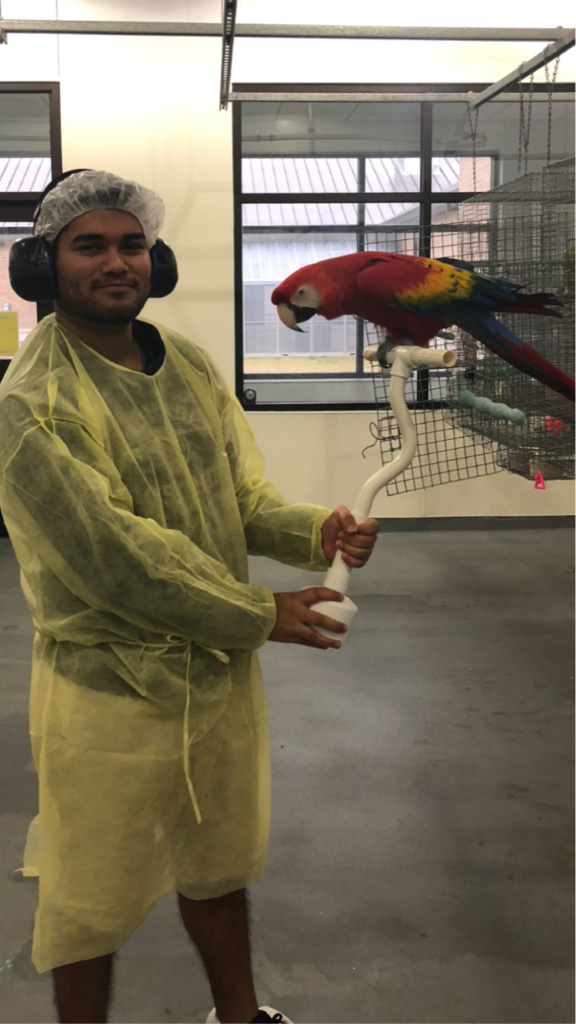
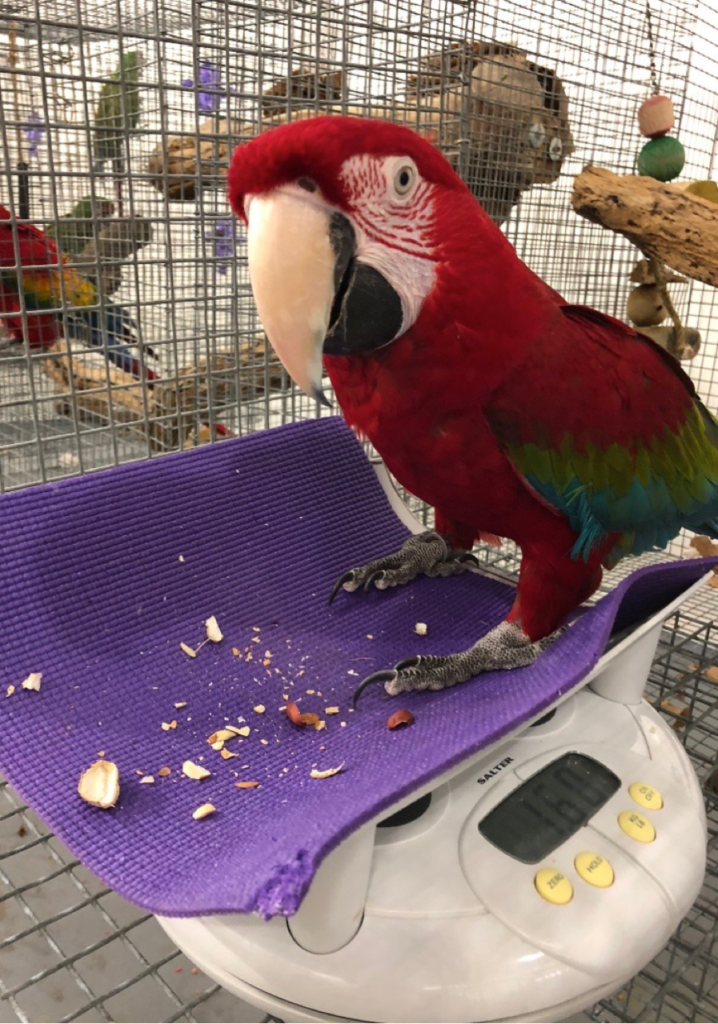
A 2- or 3-credit semester where the student works independently within a commercial online software platform learning fundamental force-free-training techniques to yield positive behavior in an animal. Using this knowledge, the student will independently work with resident parrots at the aviary for training on behaviors such as targeting; stepping upon a perch, upon a towel, upon a weigh scale, into a pet carrier; presenting nails for trimming; and oral syringe training. By the end of the course, the following goal objectives will be achieved:
- Train on university and national Animal Welfare rules and guidelines
- Train on fundamental force-free animal behavior training techniques
- Learn about biosecurity at an avian facility
- Understand the importance of and improving upon documentation and communication skills
- Learn observational skills for avian behavior and health monitoring
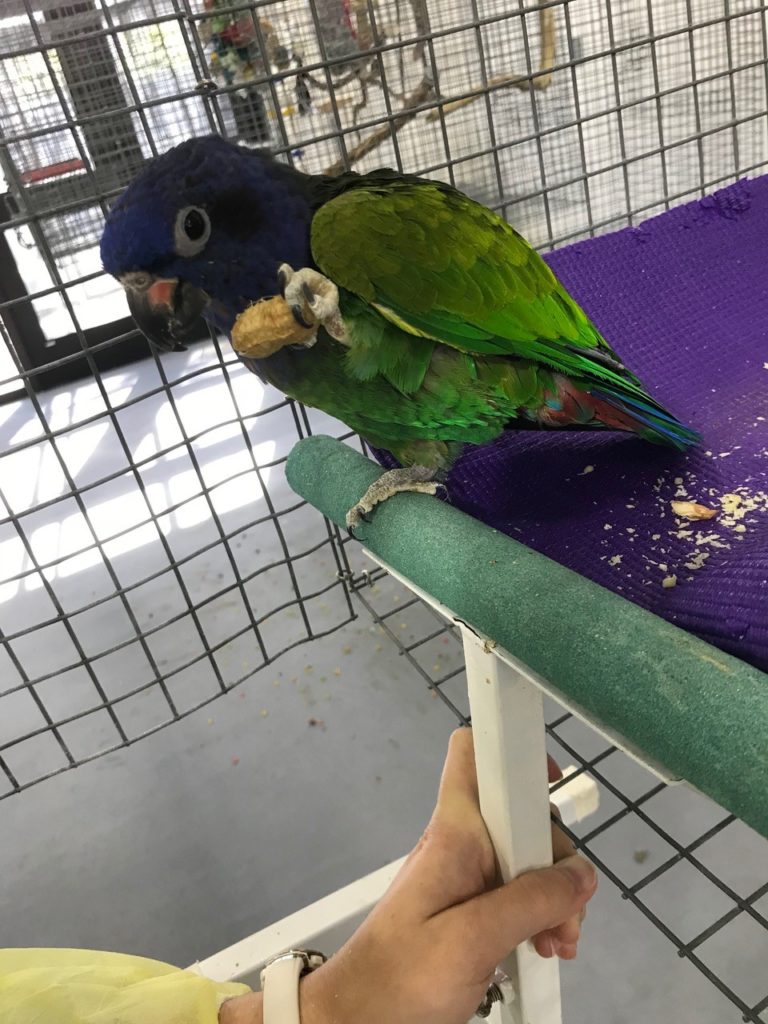
VTPB 285/485 Directed Study: Avian Husbandry
A 3-credit semester course where the student is taught and incorporated into daily husbandry activities at an avian research center achieving the following goal objectives:
- Train on university and national Animal Welfare rules and guidelines
- Learn biosecurity at an avian facility
- Understand the importance of and improving upon documentation and communication skills
- Learn and perform feeding, enrichment, and sanitation protocols for the resident birds
- Learn observational skills for avian health monitoring
Throughout the course, the student will maintain a daily log binder of activities performed and reflection on that activity which will be due on the last day of class.
Supplies needed: Rubber boots (without black soles) to remain onsite during semester


*** Field Courses ***
VTPB 948 & VSCS 945 Veterinary Field Experience
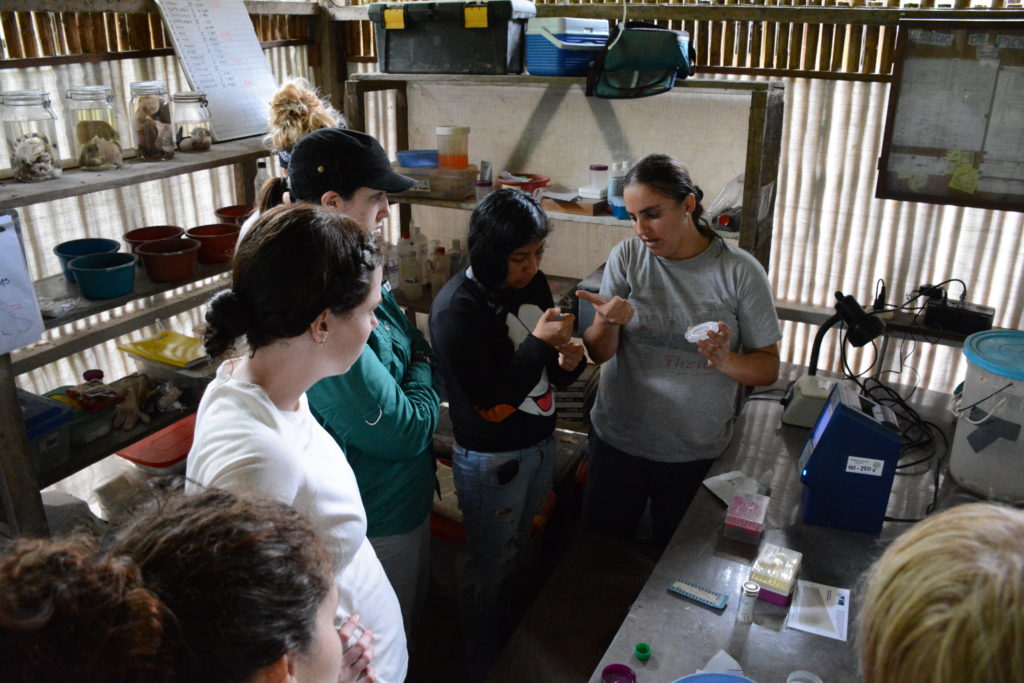
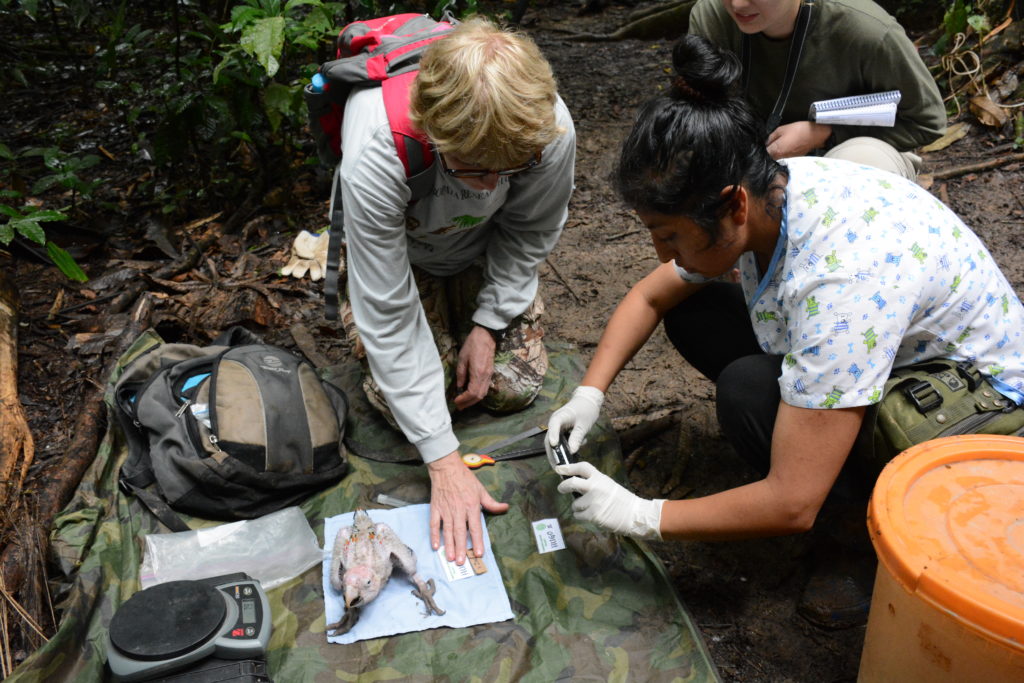
This program is offered during the winter break to DVM students with interest in research and avian medicine. The courses will be held at the Tambopata National Researve https://en.wikipedia.org/wiki/Tambopata_National_Reserve , in Madre de Dios, Peru and will immerse veterinary students in a long-term research program studying the health, conservation, and natural history of large macaws (Ara spp) and other psittacines in the lowland rainforests of southeastern Peru.
Credit
A total of 4 credit hours are offered for this program:
VTPB 948: Didactic Elective in Wild Psittacine Biology and Medicine (1st, 2nd, 3rd-year DVM)
VSCS 945: Advanced Small Animal Clinical Elective in Wild Psittacine Biology and Medicine (4th-year DVM)
Those interested in applying may contact Dr. Brightsmith dbrightsmith@cvm.tamu.edu . ***This program is not currently offered.***