Research
Dermatopathology Research
In addition to offering diagnostic services, the dermatopathology special service also plays an integral role in research related to dermatopathology. Many of the research projects in collaboration with the dermatopathology special service are related to the pathogenesis of skin diseases, with the hope that furthering our current understanding of how skin diseases develop may lead to more specific and effective diagnostic tests and therapeutics.
- Novel insights into the pathways regulating the canine hair cycle and their deregulation in alopecia X
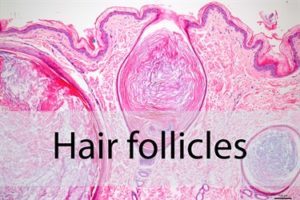
- The Hair Follicle: A Comparative Review of Canine Hair Follicle Anatomy and Physiology
- Spatial Distribution of Stem Cell-Like Keratinocytes in Dissected Compound Hair Follicles of the Dog
- Stem Cell-Associated Marker Expression in Canine Hair Follicles
- Post mortem computed tomography and core needle biopsy in comparison to autopsy in eleven Bernese mountain dogs with histiocytic sarcoma
- Estradiol-induced alopecia in five dogs after contact with a transdermal gel used for the treatment of postmenopausal symptoms in women
- Novel Features of the Prenatal Horn Bud Development in Cattle (Bos taurus)
- Comparative assessment of a canine-specific medium to support colony formation from canine hair follicular keratinocytes
- Cutaneous lesions associated with dual infection caused by canine distemper virus and orthopoxvirus in a domestic cat
- Clinical and histological characterization of hair coat and glandular tissue of Chinese crested dogs
- Novel association of Psychrobacter and Pseudomonas with malodour in bloodhound dogs, and the effects of a topical product composed of essential oils and plant-derived essential fatty acids in a randomized, blinded, placebo-controlled study
- Analysis of Bacterial and Fungal Nucleic Acid in Canine Sterile Granulomatous and Pyogranulomatous Dermatitis and Panniculitis.
- The feline skin microbiota: The bacteria inhabiting the skin of healthy and allergic cats.
- Characterization of the cutaneous mycobiota in healthy and allergic cats using next generation sequencing.
- The skin microbiome in allergen-induced canine atopic dermatitis.
- What is living on your dog’s skin? Characterization of the canine cutaneous mycobiota and fungal dysbiosis in canine allergic dermatitis.
- The skin microbiome in healthy and allergic dogs.
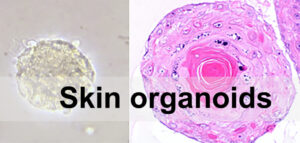
The Wiener lab focuses on the development of a 3D model to study skin diseases in dogs and cats, aiming to reduce the need for live animal experimentation. The use of skin organoids recreates the 3D skin architecture and it is being used to study atopic dermatitis in dogs. Currently, the lab is also establishing a skin organoid protocol for feline skin. In the future, the feline skin organoids will be used to study feline dermatophytosis (ringworm infection).
Publications
- Characterization of canine epidermal organoid cultures by immunohistochemical analysis and quantitative PCR – https://doi.org/10.1111/vde.12914
- Establishment and characterization of a canine keratinocyte organoid culture system – https://doi.org/10.1111/vde.12541