
CVM, Partners Cut Ribbon on Wellness Room

CVM group photo

When administrators in the Texas A&M College of Veterinary Medicine & Biomedical Sciences (CVM) began exploring the building of what is now the Veterinary & Biomedical Education Complex (VBEC) complex, a lot of emphasis was placed on the overall wellness of veterinary students.

In addition to a space devoted to counseling services—which now houses a full-time and half-time counselor from Texas A&M’s Student Counseling Services (making the CVM the only college with a satellite counseling center at Texas A&M)—to help students manage the physiological aspects of stress, administrators carved out a space for students to manage their stress through physical exercise.

On April 13, that Wellness Room was officially opened for CVM student use during a ribbon-cutting ceremony, during which associate dean for professional programs Dr. Karen Cornell thanked those who made the room possible, from the faculty and staff who were a part of the planning process, to the donations from the Texas Veterinary Medical Association (TVMA) and Texas Veterinary Medical Foundation (TVMF) that allowed the college to fill the room with gym equipment.

“We anticipate that this room will give our students a great place to go,” Cornell said. “We know our students are committed; they are here long hours, so this allows them to have a place right here on-site that is just for them. They can get to it easily, take a break (by working out), re-focus, and then if they want to get right back to their studies, they can.”

“We really appreciate our partnership with the TVMA and TVMF in making this possible,” she said.

TVMF president Chad Harris and director Leah Ann Tibbitts, who attended the ribbon-cutting ceremony, said they were very impressed by the CVM Wellness Room and hope that the students not only will benefit from the equipment now but will also develop habits that will be important for them in the future.

“Wellness is something that’s important to everybody in the veterinary profession,” Harris said. “I hope that it will allow students to continue to take control of themselves and their wellbeing, which is important. It can be very hard for us to remember that we have to take care of ourselves during busy times.

“Donating to this facility is a good way for us to give back to the students, to hopefully improve their physical and mental wellbeing,” he said. “For us, it means helping people be prepared for the future by helping them take care of themselves.”

“The foundation is always looking for additional ways to support the students and the veterinary school and being able to be a part of this is just one more way we are excited to help out,” Tibbitts added.

Likewise, TVMA immediate past president Dan Posey said the TVMA is grateful to be a part of bringing the CVM Wellness Room to fruition and is extremely happy with how it turned out.

“It’s a very beautiful room; it’s one of those things that actually exceeds my expectations of what we were thinking about when we made the (VBEC) building. This is fantastic,” Posey said. “Wellness is so very important to the veterinary medicine field. This room will reinforce to the students the importance of taking care of themselves when they go into private practice, because most of the times (in the field), we are all about our clients and we forget about ourselves.”

The room, which opened in March, includes two treadmills, two elliptical trainers, a recumbent bicycle, a rowing machine, a functional training unit, free weights, and yoga mats and is open to DVM students, graduate students, staff and faculty.

In addition to the contributions by the TVMA and TVMF, the room was made possible by the generous support of the CVM’s departments of Large Animal Clinical Sciences, Pathobiology, Small Animal Clinical Sciences, Physiology and Pharmacology, and Veterinary Integrative Biosciences, as well as the the Professional Programs Office.

In order to exercise in the CVM Wellness Room, fob access is required, and students, faculty, and staff must sign a waiver, available in VENI Building Room 306R. For more information on Wellness Room regulations, click here.

CVM Faculty, Students Recognized at Annual Honors Ceremony

Dr. Karen Cornell and Dr. Kati Glass
Dr. Karen Cornell and Dr. Kati Glass, winner of the Zoetis Distinguished Veterinary Teacher Award

Fifty-nine Texas A&M College of Veterinary Medicine & Biomedical Sciences (CVM) students and faculty members were recognized for their excellence in teaching, research, and academics during the 2018 Honors and Awards Ceremony on April 13.

Following a welcome by Alesha Rimmelin, president of the Student Chapter of the American Veterinary Medical Association at Texas A&M, and associate dean of professional programs Dr. Karen Cornell presented the 48 awards, which more than $41,000 in prizes, not including in-kind awards of journal subscriptions and conference fees, to students and professors in a packed VENI Building Lecture Hall 107A, as family, friends, and colleagues celebrated the achievements of those chosen for prizes, as well as the impact their work is making in the veterinary field.

“From our faculty to our students, we have an amazing culture here at Texas A&M, a culture of excellence and a culture of achievement,” Cornell said.

The annual event is made possible through the donations of numerous donors who, in recognition of the efforts of the exceptional people who work and learn in the CVM, provide many of the awards and prizes given.

To see pictures from the convocation, click here.

The full list of CVM Honors and Awards Ceremony winners includes:

  • American Academy of Veterinary Dermatology Award: Caitlin Conner
  • American Animal Hospital Association Award for Proficiency in Primary Care: Sarah Keyser
  • American Association of Feline Practitioners Award: Chelsea Gartman
  • American College of Veterinary Internal Medicine Award: Andres Rivera Velez
  • American College of Veterinary Ophthalmology Award: Kourtney Dowler
  • American College of Veterinary Pathologist Award: Chloe Goodwin
  • American College of Veterinary Radiology Student Award: Zachary Bassett
  • American College of Veterinary Surgeons Large Animal Award: Abbi Bassett
  • American College of Veterinary Surgeons Small Animal Award: Mikaela Gondolfe
  • Arden G. Kemler Award: Brittany Donald
  • Award for Proficiency in Veterinary Emergency & Critical Care: Angela Hassen
  • Bridges Teaching & Service Awards: Wesley Bissett, David Kessler, & Roger Smith
  • Dechra Dermatology Achievement Award: Marianne Mullen
  • Fred P. Jaggi Award: Laura Hurst
  • George T. Edds Awards: Yu-Syuan Luo & Melanie Warren
  • Gerald Bratton & Charles Hall Clinical Neurology Award: Zachary Bassett
  • Griffeth-Quick Cardiology Award: Gregory Whitaker
  • John Milliff Award for Teaching: Claudia Barton
  • John Milliff Student Award: Courtney Smith
  • John Paul Delaplane Awards: Martha Hensel & Elizabeth Lake
  • Juan Carlos Robles Emanuelli Teaching Awards: Johanna Heseltine & Cris Navas
  • Kaytee Avian & Special Species Excellence Award: Amy Belanger
  • L.P. Jones Pathology Resident Memorial Award: Paula Giaretta
  • Outstanding Graduate Student Mentor Award: Sarah Lawhon
  • Outstanding Masters Student Award: Ashley Padgett
  • Outstanding Non-Thesis Masters Student Award: Kayla LeSage
  • Outstanding PhD Student Award: Diarra Williams
  • Outstanding Research Leader Award: Morgan Scott
  • Outstanding Scientific Achievement Awards: Michael Criscitiello & Nicholas Jeffery
  • Outstanding Young Faculty Research Award: Annie Newell-Fugate
  • Patton W. Burns Award: Erin Richards
  • Richard H. Davis Teaching Awards: Michelle Coleman & Shannon Washburn
  • Simmons Educational Fund Business Aptitude Award: Alesha Rimmelin
  • Texas Veterinary Medical Association Research Award: Kate Creevy
  • Texas Veterinary Medical Association Teaching Award: Cleet Griffin
  • TVMF Earl Waddell Large Animal Award: Aja Harvey
  • TVMF Earl Waddell Small Animal Award: Laurie Torkildsen
  • TVMF Johnson Memorial Large Animal Award: Karen Beste
  • TVMF Johnson Memorial Small Animal Award: Brittany Ciepluch
  • TVMF Student Research Scholar Awards: Hunter Greer & Devyn Schultz
  • Veterinary Cancer Society Award for Proficiency in Clinical Oncology: Samantha Martinez
  • VMTH Clinical Service Awards: Unity Jeffery, Bradley Simon & Canaan Whitfield
  • Veterinarians as One Inclusive Community for Empowerment Award: Meagan Gonzales
  • Walter “Dub” Ruoff Memorial Award: Bethany Weinheimer
  • William F. Egan ’43 Memorial Award: Ian Spencer
  • Winnie Carter Wildlife & Exotic Animal Awards: Ieva Jansky & Bethany Weinheimer
  • Zoetis Award for Veterinary Research Excellence: Jay Ramadoss
  • Zoetis Distinguished Veterinary Teacher Award: Kati Glass

Miniature donkeys as pets

two donkeys on a field

If you live on at least one to two acres of grass and want a unique pet, a miniature pet donkey may be for you. However, like any pet, miniature donkeys need training, food, shelter, and veterinary care, which means you must be fully committed before getting one.

Evaluating your commitment to a miniature donkey is especially important since they can live for an average of 25-30 years.  John N. Stallone, a professor at the Texas A&M College of Veterinary Medicine & Biomedical Sciences, said owners should be able to dedicate a minimum of one hour per day to the animal.

“This hour includes feeding twice a day and any grooming you might want to do, such as brushing their coat or cleaning feet,” Stallone said. “Most donkeys love human attention, so you would need more time if you take your donkey for a walk or do other activities, such as training to do obstacle courses or pulling a cart. Donkeys are very intelligent and learn quickly, whether it is a new trick or a bad habit.”

Additionally, pet miniature donkeys are a financial commitment. Stallone said owners should expect to pay for feed (usually hay), deworming every three months, trimming hooves every three to four months, and routine veterinary care such as yearly vaccinations for rabies, encephalitis viruses, and West Nile virus. Other expenses include dental care, which is advised every two to three years. It is also smart to budget for emergency veterinary care, in case something happens to your donkey.

Pet miniature donkeys also need appropriate shelter and a field in which to graze. Stallone recommended a three-sided shelter with the opening facing to the south. “Miniature donkeys should have some pasture to graze on, as the grass intake will help to promote good intestinal motility and to prevent constipation or colic,” Stallone said. “Four hours of grazing per day will also help to prevent destructive behavior, such as wood chewing, which is sometimes called ‘cribbing.’” Cribbing can be bad because is it destructive to wooden structures such as fences, barns, and chairs.

However, because donkeys are much more efficient than horses in using their feed for energy, Stallone does not advise allowing your miniature donkey to graze on grass or hay 24/7. Additionally, feeding your donkey any kind of grain, such as pellets or oats, can promote obesity.

Even if you aren’t planning on extensively training your donkey to do obstacle courses or pull a cart carriage, all pet donkeys should get used to being around people.

“It’s fun to give them treats to promote friendliness and help with training, but avoid excessive treats because some donkeys will start to nip at fingers,” Stallone said. “A loud ‘No!’ will often stop this, as well as quickly pushing their muzzle away from you with your open hand. Avoid slapping or hitting the donkey on the head or face, as this will just cause the donkey to become ‘head shy’ and fear your hands.”

If you like being outside and are looking for an animal companion to grow old with, then consider a pet miniature donkey. Just be sure you are ready for the financial and care commitment.

Pet Talk is a service of the Texas A&M College of Veterinary Medicine & Biomedical Sciences. Stories can be viewed on the web at vetmed.tamu.edu/pet-talk. Suggestions for future topics may be directed to editor@cvm.tamu.edu.

College Hour Provides DVM Program Admissions Update

College Hour
Drs. Karen Cornell, Glennon Mays, and Gwen Levine

Members of the Texas A&M College of Veterinary Medicine & Biomedical Sciences’ (CVM) Doctor of Veterinary Medicine (DVM) Program Selections Committee presented an update on the college’s admissions requirements on March 30 as part of the CVM’s College Hour series.

Dr. Gwen Levine, chair of the selections committee and clinical associate professor at the CVM, discussed what the committee looks for in potential candidates and explained the entire application process.

Students applying for the DVM program may choose any undergraduate degree program, but pre-professional course requirements must be completed by the spring semester prior to entering veterinary school.

“Overall, we have about 56 credits of prerequisite coursework that could be completed by a motivated student within two years,” Levine said.

To be considered qualified for the DVM program, students must meet grade-point-average standards, have taken the Graduate Record Exam (GRE) in the last five years, completed 100 hours of supervised veterinary experience, and obtain three letters of reference, one of which must be from a veterinarian.

Once transcripts have been submitted to the DVM program’s main application service, GPA and GRE scores are reviewed and ranked. The selections committee then reviews the packets to assess the candidate’s animal and veterinary experience, as well as their other experiences and achievements.

“It is a rubric-driven process that allows us to be objective about a candidate’s qualifications,” Levine said.

After the initial ranking process is complete, top applicants are invited to attend Multiple Mini Interviews (MMIs), comprised of several stations with two interviewers at each station. Each interview station typically lasts six minutes, during which time interviewers evaluate candidates’ empathy, ethics, critical-thinking, problem-solving, and communications skills.

Dr. Glennon Mays, CVM director of recruiting and student services, reviewed the demographics and statistics of recent DVM program applicants.

In 2017, the DVM program received 601 applications, 505 of which were from women and 96 of which were from men. Of those 601 applicants, 146 were offered admission into the program (123 women and 23 men).

“If we’re going to explain why we don’t graduate more men, it’s because if they don’t apply, we can’t accept them,” Mays said.

Dr. Karen Cornell, CVM associate dean for professional programs, discussed applicants from the CVM’s Memorandum of Agreement (MOA) universities, in-state and out-of-state residents, and the cost of tuition.

If applicants from the four MOA programs—at West Texas A&M University, Prairie View A&M University, Texas A&M Kingsville University, and Tarleton State University—do not gain admission to the DVM program in the standard group of students offered admission, they must meet a higher academic standard than the general applicant pool to gain admission through the MOA. Included in this admissions process for MOA students is an assessment from faculty at their home school.

The DVM class of 2022 will include a total of 152 students, more than 93 percent of whom are in-state students.

Students who are Texas residents in the DVM program will spend approximately $22,000 in tuition and fees each year. Last year, the program awarded $1.8 million in scholarships. Compared to other veterinary schools, Texas A&M is ranked as the No. 6 lowest in the cost of tuition/fees and has the lowest in debt-to-income ratio for graduates.

“Our goal is to choose and educate a veterinary school class that mirrors the demographics of the state of Texas and meets the veterinary needs of the state of Texas,” Cornell said.

Gastel Named a Special Liaison for University Libraries

Dr. Barbara Gastel
Barbara Gastel

Dr. Barbara Gastel, a professor in the College of Veterinary Medicine & Biomedical Sciences (CVM), is one of two Texas A&M faculty members selected as a “reverse liaison” in a unique and innovative program initiated by the Texas A&M Libraries.

As a “reverse liaison,” Gastel and Dr. Michael J. Miller, an associate professor in Texas A&M’s Rangel College of Pharmacy, will work with the library system on a 25 percent contractual basis to learn more about issues in scholarly communication, help colleagues in their respective departments and colleges deal with those issues, and pursue strategies for change.

Specifically, Gastel and Miller have been tasked with making an impact in the following areas:

  • Management of online scholarly identity and accurate promotion of reputational impact;
  • Streamlined reporting and tracking of scholarly work within departments and colleges, in alignment with Texas A&M Libraries standards;
  • Open access: the pros and cons of this relatively new method of publication;
  • Open educational resources, and particularly the use of open textbooks;
  • Author rights: how to keep one’s copyright when publishing;
  • Understanding of the economics of scholarly publishing and commercial publishers;
  • Ways that faculty can influence and work for change in the system; and
  • Avoidance of predatory publishing.

“Barbara’s main field of teaching, service, and publication is the communication of science; thus, the new allocation of part of her time is a logical extension of her existing work,” said David Carlson, dean of University Libraries. “Barbara will be working collaboratively with representatives from the Medical Sciences Library and the Libraries’ Office of Scholarly Communications to advance initiatives within the college regarding areas such as those listed above. If you are interested or simply feel uninformed about some of these issues, I encourage you to contact Barbara and initiate a conversation.”

After their selection and as a first step, the libraries sent both Gastel and Miller to San Diego for a week to attend an intensive series of workshops though a conferencing initiative called Force11, which “was an excellent, concentrated orientation to the issues related to scholarly communication,” according to Carlson.

Now, Gastel is eager to start working with her faculty colleagues at the CVM in her “reverse liaison” role.

“For starters, Barbara and her collaborators can help you with strategies that maximize the impact of your research and increase your scholarly reputation and visibility. Small steps and some attention to a few key issues can have a big impact,” Carlson said. “Barbara also is glad to expand existing activities of hers such as addressing publication-related questions, providing editorial consultation, and giving invited presentations on scholarly communication topics. Look to hear from Barbara in the coming months, and I strongly encourage you to attend any activities she may establish related to important, emerging scholarly communication issues.”

Gastel, who is in the CVM’s Department of Veterinary Integrative Biosciences (VIBS), said she felt honored to be chosen.

“I appreciate this chance to learn more about an area that has long interested me,” she said, “and I look forward to serving the CVM community further.”

She also said she would welcome suggestions from fellow faculty and others as to how she could be most helpful.

The “reverse liaison” program was initiated in response to the strains and stresses faced by faculty, colleges, and institutions in today’s evolving system of scholarly communication, in areas that include technology, open access mandates from federal granting agencies, data management requirements, and inexorable increases in publishers’ charges to libraries, exceeding national inflation rates.

“As both the primary producers and consumers of scholarly content, faculty play an essential role in the system, which serves not only to share knowledge but also to advance their own scholarly identities and the identities of the colleges and universities they serve,” Carlson said.

CVM’s Broad Spectrum Wins TAMU ACE Award

Representatives of Braod Spectrum
Representatives of Braod Spectrum receive 2018 ACE Award.
(Photo by Justin Ikpo, Department of Multiculural Services)

The Texas A&M College of Veterinary Medicine & Biomedical Sciences’ (CVM) Broad Spectrum was among the 18 recipients from across the Texas A&M campus to be honored with a 2018 Accountability, Climate, and Equity (ACE) Awards.

Members of Broad Spectrum received their ACE Award in the category of Diversity Programming by a student organization, during the 2018 ACE Awards Ceremony on April 11 in the Bethancourt Ballroom, located in the Memorial Student Center on the Texas A&M campus.

“We are absolutely honored to win this award,” said Broad Spectrum vice president Jenna Ward. “Considering the great work done by the diversity groups on main campus, as well as the amazing events put on by the Women’s Veterinary Leadership Development Initiative and VOICE on our own little campus, we are surprised and thrilled to have been chosen for the Diversity Programming Award.

“It is definitely going to inspire us to work hard in future years to continue bringing diverse events to the vet school campus so that people can learn about the LGBTQ+ community in a safe and welcoming environment,” Ward said.

The Diversity Programming Award, sponsored by Student Government Association Diversity Commission, is presented to a student or student organization that has successfully executed a program pertaining to diversity and inclusion in efforts to advance the campus climate of Texas A&M and educate members of the student body on a variety of issues.

Among the programming hosted annually by Broad Spectrum—which works to educate the CVM about the importance of the LGBTQ+ community within our profession and to increase awareness of LGBTQ+ issues—are the Show Your Colors event, which invites the entire CVM to have lunch and tie-dye shirts with members.

“During lunch, we play a TED Talk or inform people about an LGBTQ+ issue currently in the news, and then have small group discussions about what we just saw,” Ward said. “The goals of this event are to allow everyone to take a fun break from studying and improve our mental wellness through tie-dying and fun conversation, as well as to bring awareness to parts of the LGBTQ+ community that people may be unaware of or elevate the voices of those in the LGBTQ+ community speaking on their identities and their experiences in the world.”

Some quotes from the nomination packet include:

“The college is so proud of this group. There is nothing more important than creating a learning and working environment that is welcoming to everyone, regardless of how you identify, where you are from, what your goals are, and what makes you truly unique and valuable. We want everyone—students, staff, faculty, and guests—to feel like they are a part of this remarkable college team. Each and every person makes us better.” —Dr. Eleanor Green, the Carl B. King Dean of Veterinary Medicine at Texas A&M

“This group has stood up, led, and helped create an inclusive environment at TAMU, which has rippled across North American colleges of veterinary medicine.” —Dr. Kenita Rogers, CVM executive associate dean and director of Diversity & Inclusion

“I really joined the group to find solidarity. I’ve talked to a lot of people who say, ‘Oh, that’s just for gay people.’ Well, no, it’s not just for gay people; it’s for anybody who wants to take a stand and show solidarity with a minority on this campus.” —Sarah White, alumna and former member of CVM Broad Spectrum

“In 2017, the organization considered and decided to open their membership to undergraduate students in the biomedical sciences and university studies—veterinary medicine majors in the college. This offer will come to fruition in 2018 and will be outstanding for many reasons: peer mentorship, mentorship regarding the veterinary profession, a new dimension of support for our undergraduate students and a tangible way to demonstrate inclusion, and to provide a positive environment for our undergraduates.”  —Dr. Elizabeth Crouch, associate dean for undergraduate education

“I have been at the College of Veterinary Medicine & Biomedical Sciences for over 20 years now and I can honestly say that the environment at our college has never been as inclusive as it is today.” —Dr. Joerg Steiner, professor and director of gastrointestinal laboratory

“Most of our membership is from allies, so we do really count on that support; we also wanted to include faculty who wanted to be supportive of Broad Spectrum.”  —Angela Harrington, alumna and former president of CVM Broad Spectrum

Prior to the awards ceremony, a reception was hosted for award winners, nominators, and special guests in the MSC’s Forsyth Galleries.

ACE Award group photo

The ACE Awards, named in the spirit of the Texas A&M Diversity Plan, acknowledge and honor students, faculty and staff for their demonstrated commitment to the Texas A&M core value of respect by promoting respectful treatment of others, affirming and encouraging individuals to take pride in their social and cultural identities, and including all in their definition of the “Aggie Family.”

The awards are sponsored by the Division of Student Affairs, Office for Diversity, Department of Multicultural Services, Department of Disability Services, Women’s Resource Center, Aggie Allies, Consensual Language, Education, Awareness, and Relationships Office and Student Government Association Diversity Commission.

The CVM’s Office of Inclusion & Diversity recognizes inclusion and diversity as a cornerstone of the CVM experience and essential for preparing veterinary leaders with a global biomedical and veterinary perspective.

The CVM is one of the only veterinary colleges in America to dedicate an associate dean to diversity for the college, which shows the college’s dedication to supporting our students, faculty, staff, and administrators with diversity initiatives and training.

The CVM affirms and supports many different dimensions of diversity including age, race, ethnicity, sex, gender identity, sexual orientation, physical abilities/qualities, country of origin, religion, culture, socio-economic status, and political views.

VIS Explores Medical Innovation with Almost 600 Guests

VIS 18 Group
Veterinary Innovation Summit guests

The Texas A&M College of Veterinary Medicine & Biomedical Sciences’ (CVM) Veterinary & Biomedical Education Complex (VBEC) was filled with more than 582 people from all over the country and world who learned about innovations in veterinary medicine during the second annual Veterinary Innovation Summit (VIS) April 6-8.

The one-of-a-kind event included discussions on telemedicine, the human-animal bond, women in leadership, genetic and genomic innovations in medicine, marginalized communities’ effect on veterinary capacity and adoption, and the next generation of graduates, among many other topics.

“Over the last two days, we’ve heard about veterinarians changing the world and others changing the world of veterinary medicine and quite literally transforming the lives of people in our society each and every day,” said Dr. Eleanor Green, the Carl B. King Dean of Veterinary Medicine in the CVM. “People went on and on about how great the veterinary profession is and what a great space we have. It is a diverse, rewarding, impactful, appealing, and very viable profession, and it’s great to hear that kind of feedback.”

Among the other takeaway messages Green highlighted included the essential nature of veterinary medicine to our nation’s health and security in fighting emerging and reemerging infectious diseases, the opportunities for innovative career paths in the profession, the need for women in leadership to advance innovation and entrepreneurship in veterinary medicine, and the dedication of corporations to the veterinary space, as well as the extraordinary amount of discussion on telehealth and telemedicine.

VIS 18 Little, Green, and Massecar
Drs. Adam Little, Dean Eleanor Green, and Aaron Massecar

“We really are moving forward in the areas of telehealth and telemedicine, and I do believe that us getting together and talking about these issues makes a difference,” she said. “Just one example was watching Scott Echols talk about advanced imaging in veterinary and human medicine and sharing some of his innovative images with us; who wasn’t inspired by that?”

Guests overwhelmingly expressed their appreciation for the conference and the diversity of sessions. Some comments included:

“Everyone should go to this conference. I have never been to a conference where I have met such a diverse group of people who are looking forward.”

“I need to take back all of the enthusiasm that we have captured during this time. It was phenomenal.”

“One of the things we take away is the difference in frontier psychology’s can happen collaboratively.”“It has been an incredible experience. We have to be advocates for what we have seen and heard. We need to continue to beat the drum. It’s exciting and the opportunity is incredible.”

Six CVM students were able to attend VIS for free, thanks to the support of alumnus Tim Turner, and they also expressed how valuable the programming was.

“It was really, really cool. The ideas that were presented and discussed got me really excited for future things to come in our profession,” one student wrote. “It was an awesome time and a great opportunity to learn. I hope next year more students will be able to attend, because it was really worth their time.”

As CVM administrators and staff begin to look toward the third annual VIS in 2019, the college wants to thank VIS 2018 co-presenters, the Veterinary Innovation Council (VIC) and the North American Veterinary Community (NAVC), as well as all of the guests who attended.

Dr. Aaron Massecar, executive director of the Veterinary Innovation Council and program manager for the CVM, thanked Dean Green for taking a risk in bringing VIS founder Adam Little and him to Texas A&M to create the VIS and to incorporate innovation into the CVM.

“She was one of the few deans who said she wanted to continue this conversation,” Massecar said. “Thank you so very much for taking that risk on us and everything we’ve been able to do was all because of you.”

A special thank you also goes to the VIS diamond sponsors the American Veterinary Medical Association, Banfield Pet Hospital, and Zoetis; gold-level sponsors IDEXX and Shepherd; silver-level sponsors the Animal Policy Group, Hill’s, Merck Animal Health, Neogen, the National Veterinary Associates, Purina, and Royal Canin; and bootcamp sponsors Shepherd and the National Veterinary Associates.

To see a full list of presentations, visit http://navc.com/vis/2018_VIS_Program_Guide.pdf.

To see more images from the Veterinary Innovation Summit, visit the CVM Flickr page.

Chagas Disease in Dogs (2018)

three bugsWhether your dog stays outside for hours at a time or is primarily an inside dog, all dogs are at risk for Chagas disease, a potentially fatal disease that affects the heart and other organ systems.

Chagas disease is caused by the protozoan parasite Trypanosoma cruzi, which is spread to dogs through insects in the Reduviidae family, also commonly known as cone-nose or kissing bugs.

“Kissing bugs are blood-sucking insects that often hang out in or around places where sources of blood are readily available, such as dog kennels, woodrat nests, and, unfortunately, sometimes in human dwellings,” said Dr. Sarah Hamer, an associate professor at the Texas A&M College of Veterinary Medicine & Biomedical Sciences. “The parasite is transmitted to dogs when they are exposed to the feces of the bug or when they eat the bugs. About 60 percent of kissing bugs across Texas are infected with the parasite.

“Many dogs can be infected with the Chagas parasite and show no signs of disease, while others may develop life-threatening heart complications,” Hamer added.

Chagas symptoms can appear within weeks of infection (acute) or months to years later (chronic). Typically, dogs that are younger than 2 years old are more likely to develop acute disease, with possible symptoms of diarrhea, lethargy, seizures, swollen lymph nodes, fluid retention, and heart failure. Symptoms that occur during chronic disease are those of congestive heart failure, including lethargy, fainting, increased heart rate or abnormal heart rhythm, and fluid buildup in the abdomen or lungs.

Although there is no vaccine or veterinary treatment for Chagas disease, pets can be protected through insect control.

By reducing the amount of outdoor lighting at night, kissing bugs may be less attracted to an area. If you keep your dog in a kennel outside at night, consider installing a protective screen on the kennel. In addition, try to keep your backyard free of wood piles and other brushy areas, because these areas can serve as a breeding ground for infected insects. Hamer added that licensed pest control operators can help recommend a pest control plan to combat the bugs.

To better protect humans and animals from Chagas, Hamer and a team of researchers have been coordinating a special project since 2013.

“We run a ‘Kissing Bug Citizen Science’ program to engage the public in Chagas research and provide resources for people to better protect themselves and their pets,” Hamer said. “Our program accepts kissing bugs encountered by the public across the southern United States. Submitters provide important data, including the location, time, and behavior of the bug when it was encountered. Each bug provides a wealth of information for our research—we’ve received over 4,000 kissing bugs since the start of our program.”

Hamer added that her research helps to characterize the natural cycle of Chagas transmission and determine risk factors for human and animal exposure.

For more information on Hamer’s project, please click here.

A kissing bug app is also available on iTunes and Google Play. Through the website and apps, Hamer said the public can submit photos of bugs if they are unsure if they are kissing bugs.

With no vaccine or treatment available, prevention is key in protecting your pet from Chagas. Fortunately, Hamer and her team are working to learn more about Chagas and how to better protect you and your pets.

Pet Talk is a service of the Texas A&M College of Veterinary Medicine & Biomedical Sciences. Stories can be viewed on the web at vetmed.tamu.edu/pet-talk. Suggestions for future topics may be directed to editor@cvm.tamu.edu.

Texas A&M Study Offers New Virus-Host Protein Insight, New Possibilities for Antiviral Development

Viruses have a very limited set of genes and, therefore, must use the cellular machineries of their hosts for most parts of their growth.

Leif Andersson
Leif Andersson

In a new study, scientists at Texas A&M and Uppsala universities have discovered a specific host protein that many viruses use for their transport within the cell.

The human gene, ZC3H11A, is found in all vertebrates and is expressed essentially in all human cells; the gene has been known for about 20 years, but its functional importance has been unknown.

The team, led by Texas A&M professor Leif Andersson, however, has discovered that ZC3H11A is critical for the replication of multiple medically important viruses—including adenovirus, influenza virus, HIV, and herpes simplex virus—which opens up new possibilities for the development of new broad-spectrum antiviral therapies.

The discovery was published April 2 in the Proceedings of the National Academy of Sciences (USA).

With modern DNA sequencing technologies, it is relatively easy to identify all genes coding for proteins in an organism, but it is often much more challenging to really understand the cellular function of proteins, according Andersson, professor of animal genomics in the Texas A&M College of Veterinary Medicine & Biomedical Sciences’ (CVM) Department of Veterinary Integrative Biosciences (VIBS) and professor of functional genomics at Sweden’s Uppsala University.

The discovery is the result of a project by Uppsala doctoral student Shady Younis, who used the gene-editing tool CRISPR-Cas9 to inactivate the ZC3H11A gene in a human cell line; initially, he found that the inactivation of ZC3H11A had little effect, showing that it is not essential for the growth of these human cells.

But while discussing his finding with fellow doctoral student Wael Kamel, Younis decided to challenge the cells lacking ZC3H11A with a virus infection.

The ZC3H11A protein (in green) surrounds the adenovirus replication centers in human in HeLa cells.
The ZC3H11A protein (in green) surrounds the adenovirus replication centers in human in HeLa cells. Photo by Shady Younis

To their surprise, there was a drastic reduction of the growth of adenovirus (a group of viruses that can infect the tissue linings of the respiratory tract, eyes, intestines, urinary tract, and nervous system) in the cells lacking ZC3H11A, compared with cells expressing the protein.

The team has now demonstrated that at least four different viruses that replicate in the host cell nucleus are dependent on the ZC3H11A protein for their efficient growth; these viruses need ZC3H11A for the transport of virus RNA from the nucleus to the cytoplasm, where the virus proteins will be produced before the viruses can exit the cell and infect other cells, Kamel said.

“This serendipitous discovery is an excellent example of how a good scientific environment can inspire scientists to collaborative efforts that may lead to important scientific discoveries,” Andersson said.

The group also has demonstrated that ZC3H11A is a stress-induced RNA binding protein and appears to be part of a previously unknown mechanism for how cells handle stress.

The observation that the amount of ZC3H11A protein increases during a virus infection was a very surprising finding since viruses typically shut down host-cell protein expression to favor virus production, Andersson said.

“Our data suggest that nuclear-replicating viruses have hijacked a cellular mechanism for RNA transport activated during stress for their own advantage,” he said.

The spread of the influenza virus that has severely impacted people around the world proves there is a strong need to develop new antiviral drugs; a major goal for the team is now to test if they can block how viruses take advantage of the function of the ZC3H11A protein and if this will impair virus growth in living animals, not only in cells as they have proven in the current study, Andersson said.

###

For more information about the Texas A&M College of Veterinary Medicine & Biomedical Sciences, please visit our website at vetmed.tamu.edu or join us on FacebookInstagram, and Twitter.

Contact Information: Megan Palsa, Executive Director of Communications, Media & Public Relations, Texas A&M College of Veterinary Medicine & Biomedical Science; mpalsa@cvm.tamu.edu; 979-862-4216; 979-421-3121 (cell)

Before adopting a pet rabbit, make sure you are committed

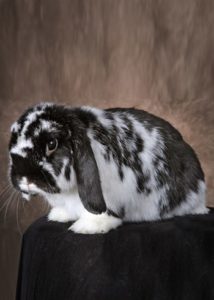
a pet rabbitIf you’re looking for a new furry friend this spring, then a pet rabbit may be for you.

However, Selena Zalesak, a veterinary student at the Texas A&M College of Veterinary Medicine & Biomedical Sciences, says before making that commitment, it is best to do your research.

“Rabbit purchases are very popular around Easter,” Zalesak said. “However, many people aren’t aware of the time commitment rabbits require. As a result, up to 80 percent of those Easter bunnies end up in shelters.”

Rabbits can live seven to 12 years and are not a low-maintenance pet. They can make fantastic companions for both humans and other pets in the household, but rabbits require a lot of care and love—just like any other pet.

“If you are considering a pet rabbit, you need to invest in a large enclosure with plenty of room for shelter, a food bowl with a hay feeder, water bottle or bowl, toys for enrichment, and a litter box if you would like to litter train,” Zalesak said. “Rabbit cages need to be cleaned at least once a week.

“Additionally, rabbits need to be handled regularly to build their comfort level with people,” she said. “They require daily time outside of the cage for exercise and bonding with your family.”

The best rabbit cage should have a solid bottom with bedding and be located indoors. Rabbits also appreciate multiple levels to climb around and love to play with toys and relax in “hiding areas,” Zalesak said.

If you’re wondering what to feed a pet rabbit, Zalesak said rabbits don’t just eat carrots—contrary to what Bugs Bunny tells us. Rabbits eat an array of forage, including fresh hay (which should be available at all times), and grass.

Leafy greens such as Kale and spinach are also great for rabbits, Zalesak said. However, watery greens such as iceberg lettuce should be avoided, as they can cause diarrhea. Apple slices, carrots, and broccoli make great treats for rabbits but should be limited due to high sugar content. Additionally, rabbits should be fed high-fiber, low-protein pellets to ensure they are getting all their key nutrients.

Pet rabbits also need regular checkups at the veterinarian.

“Much like dogs and cats, it is important to find a veterinarian who can see your pet rabbit and do yearly health checkups,” Zalesak said. “This usually requires finding an exotic veterinarian, as not all veterinarians have experience with rabbits. Rabbits need to be spayed or neutered and may require regular teeth trimmings. Rabbits are also susceptible to parasites, like fleas and mites, and will need veterinary care to ensure their well-being.”

As a reminder, Zalesak said children should not be the sole care-provider for rabbits, and young children should always be supervised when handling their pet rabbit.

Before adopting a pet rabbit, both children and adults should be prepared and committed to giving a rabbit a good home. Because rabbits are the third most commonly surrendered animals to shelters, Zalesak encourages you to consider reaching out to your local shelter to adopt a rabbit.

Pet Talk is a service of the Texas A&M College of Veterinary Medicine & Biomedical Sciences. Stories can be viewed on the web at vetmed.tamu.edu/pet-talk. Suggestions for future topics may be directed to editor@cvm.tamu.edu.