As veterinary medicine evolves, new technologies, procedures, and treatments are expanding options for diagnosing, managing, and treating a wide range of pet illnesses.
So, when your pet faces multiple or complex health problems, seeking a second opinion can be a helpful step to gain additional clarity and explore all available care options, according to Dr. Andrew Bugbee, chief medical officer and a clinical associate professor at the Texas A&M College of Veterinary Medicine & Biomedical Sciences.
Understanding The Value Of A Second Opinion
Second opinions can be valuable because new technology and approaches to care mean that two highly skilled professionals might offer different, but equally effective, treatment plans, possibly allowing the owner to choose an option that best aligns with their goals, lifestyle, or finances.
“Getting a second opinion in veterinary medicine is similar to why people get them in regard to their own healthcare,” Bugbee said. “Second opinions are an option for pet parents to ensure they are comfortable with the diagnosis, care, and recommendations being provided to them by one veterinarian.”
The added perspective of second opinions can be especially helpful when pet owners are weighing difficult treatment choices — like a major surgery or medication with the potential for severe side effects — or even if they just feel uncertain about a diagnosis.
“Second opinions ensure owners have access to other possible options available for them to make informed decisions about their pet’s healthcare, which can often be confusing or overwhelming,” Bugbee said.
Seeking out additional guidance can sometimes confirm that the original recommendations were the best or only option, which can provide comfort and build confidence between pet owners and their care teams.
The Need For Specialized Care
The primary veterinarian, themselves, may suggest getting a second opinion when a case is complicated, the pet’s symptoms are unclear, or when advanced or specialized care is needed.
“A pet’s symptoms may be vague or complex, requiring extensive testing or multiple visits to complete a full assessment,” Bugbee said. “In those cases, another perspective can be very valuable. A second veterinarian might approach the problem differently, possibly noticing something new or recommending a different diagnostic path if a pet’s diagnosis has been elusive.”
In some cases, a second opinion can introduce specialized expertise that a general practitioner may not have.
“Many diseases require complicated treatments or procedures, which may be outside of a veterinarian’s comfort zone — this could be a reason they recommend a second opinion with a doctor who has specialized in one area of veterinary medicine, which provides them with more experience and comfort addressing certain disease states,” Bugbee said.
This may involve referring the pet to a specialist such as a veterinary cardiologist, neurologist, or oncologist. For example, if a primary care veterinarian finds that a suspicious lump is likely cancerous, a veterinary oncologist can use their expertise and advanced diagnostic tools to make a definitive diagnosis, screen for cancer spread, and develop the best treatment plan.
“It’s a team approach,” Bugbee said. “Primary care veterinarians are often the ones to suggest these referrals and typically remain involved in ongoing care. It is a partnership, with both doctors having a shared goal in providing the best care possible to each patient.”
Building Trust And Confidence
Pet owners should not view second opinions as a challenge or insult to one veterinarian’s recommendations but, instead, as a normal part of good veterinary care.
“Second opinions are not something pet parents should be embarrassed about pursuing,” Bugbee said. “Getting a second opinion doesn’t reflect negatively on a veterinarian’s opinions or the care they provide — it is all about supporting pet parents in making the best decisions to help their pets.”
In fact, if you are considering a second opinion, open communication with your current veterinarian helps them understand your concerns or goals, and they can often provide guidance to make the process as smooth as possible.
“There are not typically lines in the sand regarding when someone is allowed to get a second opinion,” Bugbee said. “There are a lot of variables at play, but ultimately, it is about the pet owner feeling informed and comfortable with all aspects of their pet’s care.”
Because every situation is unique, it’s important for owners to trust their instincts and ask questions or seek clarity in recommendations when needed.
“Just talk to your vet,” Bugbee said. “Second opinions have a perceived negative connotation, but many veterinarians value having additional input on complicated cases. Even most specialists regularly consult colleagues to ensure recommendations are based on possible differences of opinion or different ways to approach a condition.
“Sometimes your current vet can even recommend someone they trust, whether it’s another doctor in their clinic, another local clinic, or a specialist,” he said.
Pet owners should not hesitate to explore second opinions. Asking questions, seeking clarity, and gathering additional input to empower you in making informed decisions is not a sign of doubt — it’s a responsible way to ensure you feel comfortable with the care your pet receives.
Pet Talk is a service of the College of Veterinary Medicine & Biomedical Sciences, Texas A&M University. Stories can be viewed on the web at vetmed.tamu.edu/news/pet-talk. Suggestions for future topics may be directed to vmbs-editor@tamu.edu.
The Outstanding Alumni Award is the highest honor bestowed by the school and recognizes those who have reached a level of success in their professional careers that brings credit to both the individual and their alma mater. Honorees may be graduates of the Doctor of Veterinary Medicine professional program, graduate academic programs, or biomedical sciences undergraduate program.
Established in 2013, the Rising Star Award recognizes graduates who have completed their education within the last 10 years. These outstanding former students have made significant professional accomplishments early in their careers including public service and volunteer activities that serve to positively reflect upon their alma mater.
“The commitment to excellence and the principles each recipient lives and practices by within their professions, their communities, and their respective fields are a credit to the educational standards of our college,” said Dr. John R. August, the Carl B. King Dean of Veterinary Medicine. “We are extremely grateful for the outstanding examples they set and the inspiration they provide for future generations of VMBS students and former students.”
Videos about each of the award recipients are available on YouTube and more photos from the ceremony are available on Photoshelter.
Outstanding Alumnus: Dr. Ryan N. Doan ‘13
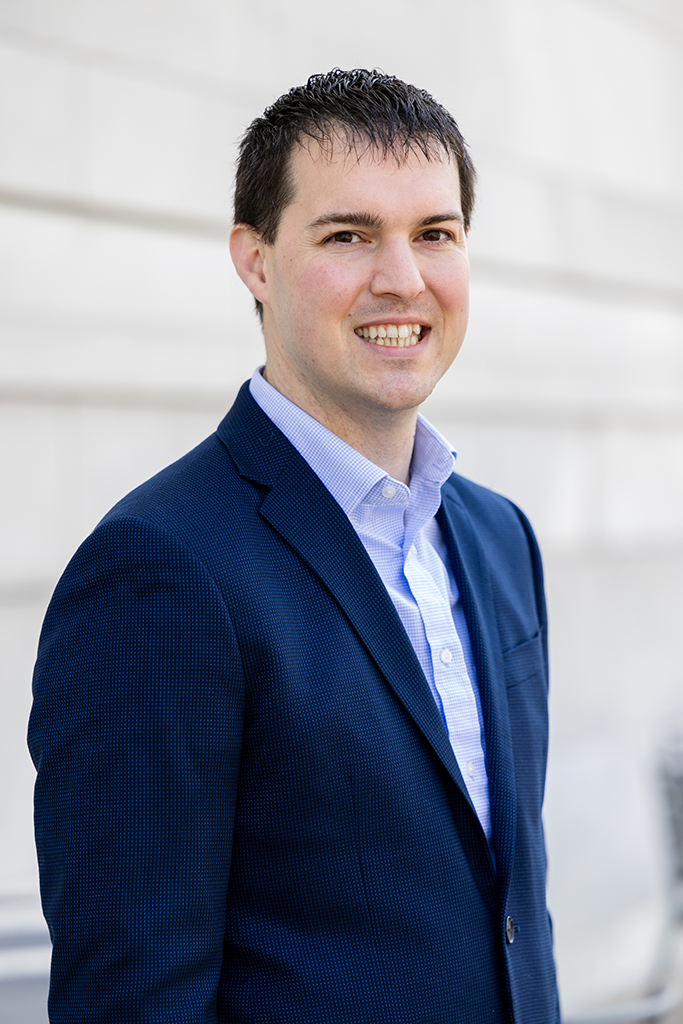
Dr. Ryan N. Doan, photos by Jason Nitsch ’14, VMBS Marketing & Communications
Dr. Ryan N. Doan conducts groundbreaking research on the genetic causes of neurodevelopmental disorders — including Autism Spectrum Disorders (ASD) and attention deficit hyperactivity disorder (ADHD) — while working in one of the most selective academic environments in the world.
Doan received his bachelor’s degree in cell biology and biochemistry from Bucknell University in 2009. In 2013, he completed his Ph.D. in genetics at the Texas A&M College of Veterinary Medicine & Biomedical Sciences (VMBS), where he worked in the lab of Dr. Scott Dindot.
While Doan initially came to the VMBS to study veterinary animal genetics, he was able to play a fundamental role in the progression of drug research on a rare human disorder called Angelman syndrome as a graduate researcher; through this experience, he developed a passion for studying the genetic mechanisms governing neural development.
Even as the focus of his own research began shifting toward human medicine, Doan’s nominators note that he made important contributions to veterinary medicine during his time at the VMBS, including the development of tools for assessing copy number variants — differences in the number of gene copies that can change from individual to individual — in cattle and horses.
“Ryan was using cutting-edge techniques as a graduate student in the Dindot laboratory,” one nominator wrote. “He led the work to sequence the first genome of an American Quarter Horse and also helped us develop methods for assessing the mechanisms that control gene expression within the white blood cells of neonatal foals, which, at the time, were novel techniques in equine research.”
After his doctoral work, Doan completed a postdoctoral research fellowship at Harvard Medical School and Boston Children’s Hospital with renowned scientist Dr. Christopher Walsh while also completing the two-year Clinical Molecular Genetics fellowship through the Harvard Medical School Genetics Training Program. He received his American Board of Medical Genetics and Genomics certification in clinical molecular genetics in 2019.
Today, Doan is an assistant professor of pediatrics at Boston Children’s Hospital and Harvard Medical School, where his research group focuses on the genetic mechanisms behind complex disorders like ASD and ADHD. His goal is to develop methods for providing early diagnoses and, ultimately, interventions for families.
In addition, Doan is co-primary investigator at the Allen Discovery Center for Human Brain Evolution, which he helped to create. He also served as a clinical molecular geneticist in pathology at Brigham and Women’s Hospital, specializing in reproductive cell genetic testing for individuals with cancer or known family risks of cancer, underscoring his commitment to bridging the gap between research and the clinic.
Doan’s expertise lies in a challenging field of research that seeks to understand which parts of DNA contribute to the manifestation of ASD, ADHD, and other related neurodevelopmental disorders. To do so, he has developed innovative techniques for genomic sequencing, analyses of large amounts of genetic data, and functional characterization of new genes and genetic variants.
As part of his work, he has also developed innovative genomic sequencing approaches to identify and quantify genetic variation across tissues. These methods have been applied to study aneurysms and tears in the aorta and, in collaboration with other groups, healthy tissues, neurodevelopmental disorders, dementia, brain tissue abnormalities, human prion disease, and diseases that cause epilepsy.
His work has also helped to advance scientific understanding of the differences between parts of DNA that code for genes and those that do not — formerly known as “junk DNA” — and has developed new methods for analyzing these segments, which can be difficult to distinguish. These studies have provided novel insights into ASD risk arising from the non-coding portion of the genome.
Doan collaborates with clinicians across several departments to recruit families with pediatric disorders like ADHD and OCD, perform clinical-grade sequencing, and provide diagnoses. He leverages advanced tests, including cell and mouse-based functional modeling, to further investigate novel genetic variation. As a result of his cutting-edge work, Doan’s lab has recently provided some of the first direct evidence for a genetic basis for childhood ADHD.
The high impact of Doan’s work is demonstrated by his many publications in journals beyond the ASD and ADHD research fields — including JAMA Pediatrics, Nature, Cell, Nature Genetics, and Nature Neuroscience — and by the invitations he’s received to present at national and international scientific conferences.
Among the numerous research, new investigator, and training awards he has received is the Bridge to Independence Award, presented by the Simons Foundation Autism Research Initiative, the largest private sponsor of autism research in the world. This prestigious award is highly competitive, with applicants from around the world, and is only bestowed upon the most promising scientists poised to make significant advancements in the field.
Despite the pressures of working at one of the most academically rigorous institutions in the world, Doan prioritizes inspiring the next generation of scientific and medical researchers. He continues to enthusiastically mentor students and faculty, ranging from high school hospital interns to post-doctoral researchers.
“Ryan’s unique ability to combine his knowledge of genomics and clinical genetics expertise has led to groundbreaking discoveries that hold the potential to reshape our understanding of genetics and genomics and how they cause debilitating neurological conditions that affect thousands of individuals,” another nominator said. “I am confident that his work will continue to inspire and lead the way for future advancements in the field.”
Beyond his commitment to his research, Doan enjoys spending his free time with his wife and son. Having grown up on a small family farm in rural Pennsylvania, Doan has always enjoyed being outdoors and having a large garden. He brought this passion to Boston, where he built a large garden and enjoys teaching his son important skills in the garden.
Outstanding Alumnus: Dr. Guy W. Johnsen ’75
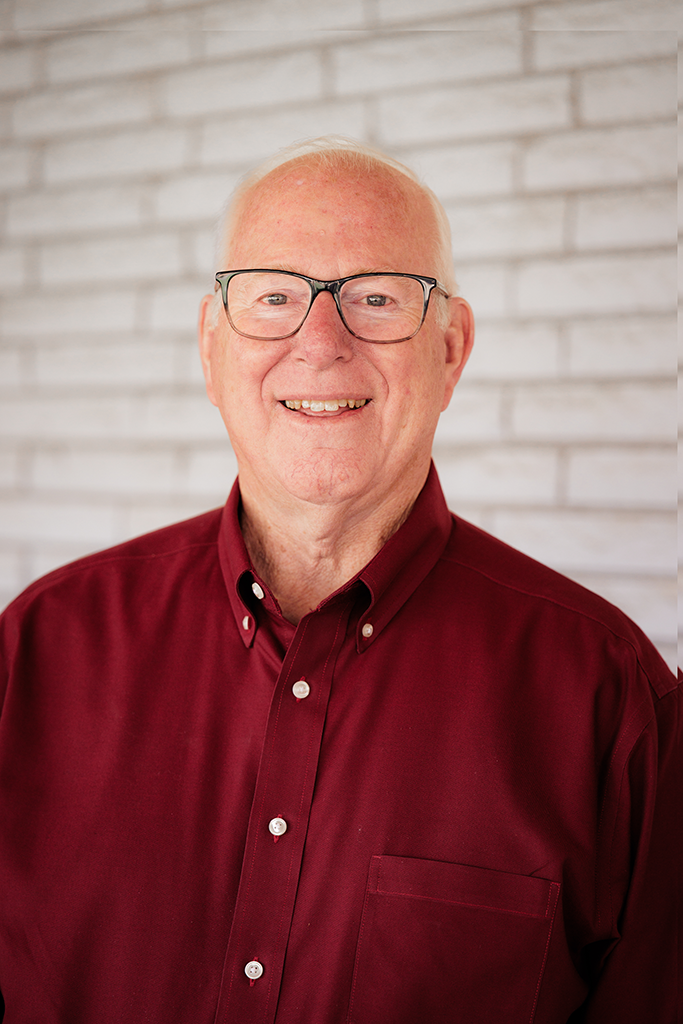
Dr. Guy W. Johnsen
Dr. Guy W. Johnsen has dedicated his veterinary career to serving the people and animals in his hometown of El Paso as a clinician, community leader, and vital contributor to the region’s nationally recognized veterinary medical association.
After graduating high school, Johnsen remained in his hometown to earn a bachelor’s degree in biology from the University of Texas at El Paso (UTEP) in 1971. He then began a masters in parasitology at UTEP before being transferring to Texas A&M University for a second bachelor’s degree in veterinary science, which he earned in 1974, and his Doctor of Veterinary Medicine degree, which he earned in 1975.
Upon graduation, Johnsen began his veterinary career working in two mixed-animal practices in El Paso, followed by a brief period of performing house calls for small animals and working at the local livestock sale barn.
In 1978, Dr. Johnsen and his wife, Kathy, opened Johnsen Animal Hospital, treating primarily dogs, cats, and exotic pets. Based on the hospital’s design appeal, art, and separate entrances for dog and cat owners, Johnsen Animal Hospital was awarded Veterinary Economics’ Hospital Design of the Month in 1979.
Johnsen served as hospital director and president of Johnsen Animal Hospital for 38 years before selling the practice in 2016. He then continued to serve his community as a relief veterinarian, animal shelter surgeon, and consultant until his retirement in 2019.
“Guy has always been able to maintain a balance between practice life and organized veterinary medicine,” another nominator said. “He has been an inspiration to many young veterinarians in El Paso and has set an example for all of us to follow.”
Early in his career, Johnsen’s first employer, Dr. John R. “Pinky” Edwin, encouraged his attendance and service in the local El Paso Veterinary Medical Association (EPVMA). Throughout the years, Johnsen would go on to hold numerous key leadership roles with the EPVMA, including serving in every office and committee constitutionally possible at least once.
“Dr. Johnsen is an outstanding veterinarian, entrepreneur, and community activist who importantly recognized that El Paso, being somewhat isolated in far West Texas, needed to be a progressive veterinary medical association,” one nominator said. “Using his superb leadership skills, Guy organized, led, managed, and sustained the EPVMA for decades, such that EPVMA has become a national example of what a local VMA should and can be — an organization that serves not only the profession but also the public and their animals.”
One of Johnsen’s most notable accomplishments was establishing and organizing the nationally recognized EPVMA Community Awards Banquet in 1986, designed to bring together all the animal-related agencies within the community.
“The banquet has become a landmark for bringing the veterinary and animal communities together to celebrate veterinary medicine,” another nominator said.
Now in its fortieth year, the banquet has gained notoriety in Texas, New Mexico, Arizona, and Oklahoma and has become the only local VMA meeting on the American Veterinary Medical Association’s presidential visitation agenda for the last 20 years.
Another of Johnsen’s most notable accomplishments was co-founding the El Paso Animal Hall of Fame in 1998 alongside his colleague Dr. Jim Koschmann.
In addition to the EPVMA, Johnsen has served in numerous leadership positions for the Texas Veterinary Medical Association (TVMA) over the years, including as president in 1999. He participated in task forces that helped develop the Southwest Veterinary Symposium, which has become one of the leading veterinary conferences in the country, and the Veterinary Assistant Training and Certification Program.
Over the years, Johnsen also freely gave his time to leadership roles within the Texas State Board of Veterinary Medical Examiners and the American Veterinary Medical Association.
“Guy is someone whom I looked up to immediately because of his commitment to the veterinary profession and the collegiality he showed for all the people he worked with,” another nominator said. “His unwavering commitment to service above self and showing what leadership should look like makes him not only an outstanding alumnus but also an individual whom I am proud to call a colleague, brother, and Aggie.”
Johnsen has received several awards from the TVMA over the years, including the President’s Award in 1996, the Companion Animal Practitioner of the Year Award in 1998, and the Lifetime Membership Award in 1999. He has also been honored by the EPVMA with the Special Recognition Award in 1999 and the 21st Annual Veterinary Community Award in 2006.
Outside of the veterinary profession, Johnsen has continued to live selflessly through numerous other volunteer and leadership positions to serve his family, community, and church. His passion for collaboration and teamwork is now also evidenced in his retired life as he works with shelters, rescues, veterinary hospitals, and politicians to help suppress contagious diseases and reduce pet overpopulation.
“Guy is a motivated, hard-working, servant leader who gives of his time without hesitation,” another nominator said. “He is an exceptional example of what makes veterinary medicine a wonderful profession, and he sets the standard for what it means to be an Aggie.”
Reflecting on his successful career, Johnsen credits his Lord and Savior, Jesus Christ, his wife of nearly 54 years, Kathy, and his children, Mark and Erin.
Outstanding Alumnus: Dr. Tim R. Turner ‘74, ‘76, ‘77
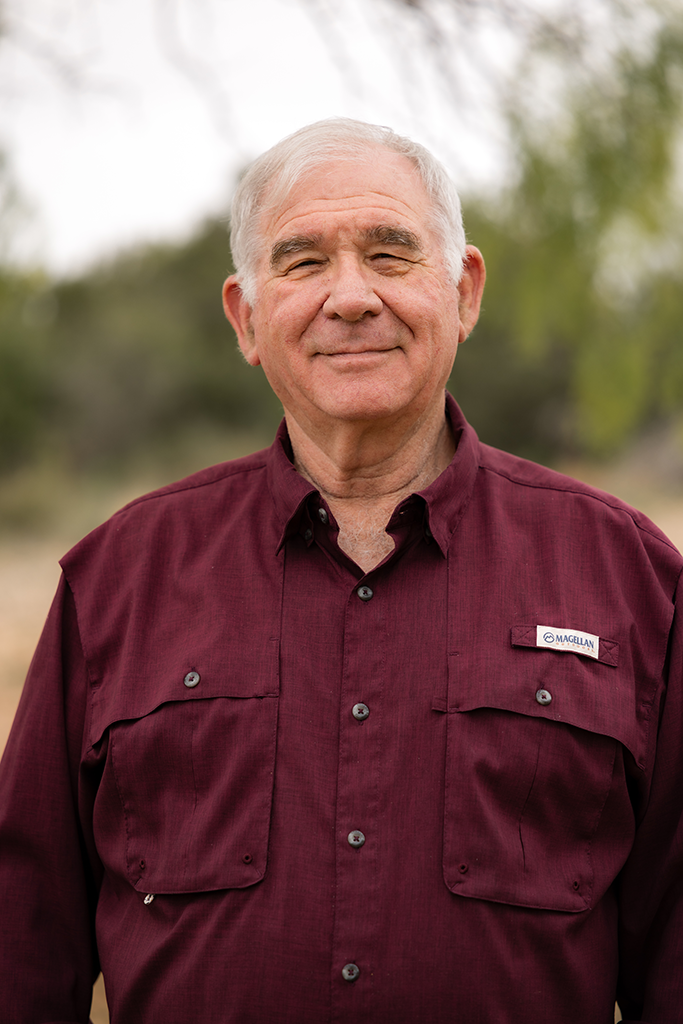
Dr. Tim R. Turner
Dr. Tim R. Turner is a visionary veterinarian, innovative entrepreneur, and passionate advocate for rural veterinary medicine. A leader in his field, Turner has dedicated his life to advancing the livestock industry, mentoring young professionals, and serving his community.
Raised on his family’s ranch in Water Valley, Texas — with roots dating back to 1877 — Turner developed a deep appreciation for animals, agriculture, and the people who dedicate their lives to both. Inspired by his father’s veterinary career, Turner pursued the same profession at Texas A&M, earning a bachelor’s degree in finance in 1974, a bachelor’s degree in veterinary science in 1976, and a Doctor of Veterinary Medicine degree in 1977.
After completing his studies, Turner returned to his family ranch, combining his education and entrepreneurial spirit to address gaps in the livestock industry. In 1980, he purchased Southwestern Livestock Mineral Co. — a company that develops custom mineral supplements that have revolutionized livestock nutrition.
By personally delivering products to clients, Turner forged deep relationships and gained a firsthand understanding of the unique challenges faced by his community. These connections, coupled with his expertise and innovation, solidified his reputation as a trusted leader and pioneer in his field.
“Tim is considered an icon in mineral supplementation for livestock and the livestock production industries,” one nominator said. “His expertise has made a significant impact on the sheep, goat, and beef product industries.”
Turner’s leadership goes beyond his entrepreneurial success. He has held pivotal roles in organizations such as the Texas Sheep and Goat Raisers’ Association, the Texas Veterinary Medical Association, and the Texas and Southwestern Cattle Raisers Association, through which he tackled industry challenges and advocated for agricultural communities.
Equally committed to serving on a local level, Turner has led parent-teacher association boards, school boards, and civic organizations, demonstrating his belief in the importance of giving back to his community.
“Dr. Turner has not and does not do anything halfway — he truly gives himself in everything he does,” another nominator said. “His dedication to his profession, the agriculture industry, and the people he serves is unmatched.”
A dedicated family man, Turner has always prioritized the people closest to him. When his daughters, Tara and Amanda, attended Texas A&M, he expanded his client base in Bryan-College Station, ensuring he could remain close to them while conducting business. Today, Tara manages the family’s feed mill and Amanda oversees ranch operations, continuing the legacy of excellence and dedication that has defined the Turner family for nearly 150 years.
Central to Turner’s success is his wife, Judy, who has been an equal partner in every endeavor. Together, they have not only built a thriving business but also cultivated a legacy that reflects their shared dedication to making a difference. The duo’s passion is perhaps best exemplified in their support of Texas A&M’s Rural Veterinary Practice Preclinical Externship program, for which they generously provided funding that allows Aggie veterinary students to gain invaluable hands-on experience in rural communities.
“The Turners’ understanding that the future of veterinary medicine lies in empowering the next generation is priceless,” one nominator said. “By giving students the opportunity to immerse themselves in rural communities, they’re not just addressing critical shortages in veterinary care; they are also inspiring young professionals to see the immense value and fulfillment of serving in these areas. Their generosity and vision are planting seeds for lasting change in the profession.”
This dedication to advancing veterinary education and fostering innovation was further demonstrated through Turner’s involvement with the Veterinary Innovation Summit at Texas A&M. As an early advocate and supporter of the program, Turner did not just participate in program discussions; he also provided financial support that gave students the opportunity to engage with groundbreaking ideas and emerging advancements in the field.
Whether mentoring students, supporting his community, or cherishing family milestones, Turner exemplifies the Aggie core values in every aspect of his life. His story is not just one of success but a powerful testament to the enduring impact of a life defined by purpose, connection, and unwavering dedication.
“Tim is the kind of person who invests in and loves people unconditionally,” another nominator said. “He has helped countless individuals across our community and beyond. He is the kind of person you don’t just meet one time — he becomes a lifelong friend and family.”
Turner lives on his ranch in Water Valley with his family, where he and his wife, Judy ’78, continue to play an active role in their community and enjoy spending time with their grandchildren.
Outstanding Alumnus: Dr. Oscar J. “Bubba” Woytek ’65
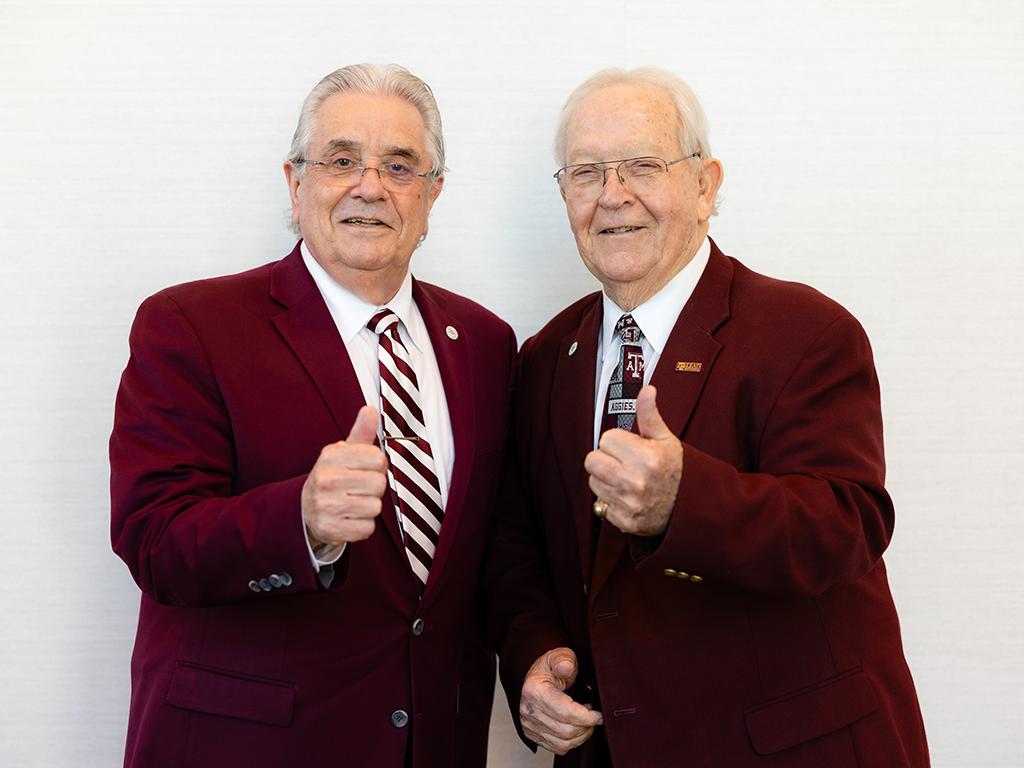
Dean August and Dr. Oscar J. “Bubba” Woytek
By dedicating nearly 35 years to fundraising for the Texas A&M College of Veterinary Medicine & Biomedical Sciences, Dr. Oscar J. “Bubba” Woytek has used his career to make a long-lasting impact on veterinary medicine, education, and his alma mater.
Woytek earned both his bachelor’s degree in veterinary science and his Doctor of Veterinary Medicine degree, in 1964 and 1965, respectively, from Texas A&M. He then served in the United States Air Force Veterinary Corps for two years, achieving the rank of captain.
In 1967, Woytek became a partner at Loop 410 Veterinary Hospital, a small animal practice in San Antonio. He also conducted a family ranching business in Hallettsville, Texas.
“From the first day I met Dr. Woytek and through the years that have followed, I have considered his mentorship and friendship integral to becoming the practitioner that I am today,” one nominator said. “In his practice days, he was an excellent veterinarian and surgeon, but most of all, he had a gift for making people feel appreciated and at ease.”
Woytek’s career trajectory shifted in 1989 when he accepted a position with the Texas A&M Foundation, becoming the first veterinarian to serve as a development officer at a college of veterinary medicine in the U.S. During his tenure, he and his colleagues raised more than $515 million to support the VMBS.
“The dollar contribution that Bubba has raised is staggering, with over $350 million dollars in granted gifts personally attributed to him,” another nominator said. “The planned gifts he helped establish initially exceeded all the other A&M colleges and the Corp of Cadets combined. The goodwill that Bubba created for the VMBS and for Texas A&M can’t be quantified, but I would venture to say the value is huge.”
In his first capital campaign, Woytek single-handedly surpassed the college’s $29 million goal, raising $30 million, and in the second, he helped raise more than $100 million. Recently, he and the VMBS development team raised approximately $300 million for the college, the second highest amount raised on campus.
This work has grown the number of VMBS scholarships from 10 to 860, expanded the college’s endowment to more than $134 million, and created 24 new endowed chairs.
“What is really important is how these funds impact the lives of the students we graduate at Texas A&M,” another nominator said. “These funds have built facilities and bought equipment; endowed chairs to acquire and retain our outstanding administrators, professors, and researchers; and provided approximately $2 million in scholarships annually to our students to help keep the cost of a veterinary education affordable.”
Woytek is especially proud of his key role in establishing the Texas A&M Stevenson Companion Animal Life-Care Center in 1993. This unique facility has provided a home for more than 166 pets whose owners have passed away or otherwise become unable to care for them.
Woytek retired from the Texas A&M Foundation in December 2024, and in discussing his accomplishments, he has maintained that the job was always about more than money — it was about forming connections over a shared love for veterinary medicine. In the end, his opportunities to help people were what made the job valuable to him.
“A sweeter, more caring man has not been created,” another nominator said. “Couple his wonderful nature with his devotion and tireless efforts for the College of Veterinary Medicine & Biomedical Sciences and it is understandable how he was able to get the results he achieved.”
A true Aggie at heart, service has always been important to Woytek; he has dedicated his time to leadership positions with the Northeast School District in San Antonio and the Northeast YMCA; to the Harmony Hills Optimist Club and the San Antonio A&M Club; and a number of veterinary-affiliated organizations, including serving as president of the Bexar County Veterinary Medical Association, on the board of directors for the Texas Veterinary Medical Association, and on the executive board for the American Animal Hospital Association.
Woytek was also instrumental in helping create the Association of Veterinary Advancement Professionals, for which he has served as president and on the executive board.
“I know of no one who exemplifies every one of Texas A&M’s core values every single day as Bubba does,” another nominator said. “Bubba defines what an Aggie is meant to be.”
Woytek has been recognized with the United Way Merit Award – Veterinary Division and the Texas A&M Foundation Trustee Award. He was also honored by donors, who named a Fellowship for Clinical Research and two endowed scholarships after him.
Woytek is in the process of moving from College Station to Hallettsville with his wife, Jane. They have three children, Charles, David, and Jillaine. The family enjoys spending time at their ranch and visiting Aggieland as much as possible, where they are proud members of A&M United Methodist Church.
Rising Star: Dr. Jessica Y. Rodriguez ‘05, ‘09, ‘17
Dr. Jessica Y. Rodriguez
As an emerging leader in the global field of veterinary parasitology, Dr. Jessica Y. Rodriguez leads the development of new anti-parasitic treatments for companion animals and provides educational support for veterinarians and students at all career stages.
A three-time Aggie, Rodriguez received her bachelor’s degree in biomedical sciences in 2005, followed by her Doctor of Veterinary Medicine (DVM) degree in 2009. She completed an internship in small animal medicine and surgery at the University of Tennessee and then returned to Texas A&M, where she completed a combined residency and Ph.D. program in veterinary pathobiology, funded by the National Center for Veterinary Parasitology, in 2017.
“The NCVP residency is one of the most competitive and selective residency programs in the United States, as there are a limited number of spots that are only available every three to four years,” one nominator said. “The fact that Dr. Rodriguez was selected as an NCVP resident speaks highly to her academic and scholarly accomplishments in veterinary parasitology.”
After completing her Ph.D. and residency, Rodriguez passed the American College of Veterinary Medicine specialty boards in veterinary parasitology just a few months later, an impressive and significant accomplishment considering the rigor of ACVM specialty boards.
“Dr. Rodriguez was a model student in our graduate program and is a real asset to the veterinary profession,” another nominator said. “I’m a real cheerleader for Jessica because she is the ‘whole package’ in terms of academic performance, scientific knowledge, professionalism, and collegiality.”
With her training complete, Rodriguez joined Zoetis — the largest American producer of medicine and vaccines for pets and livestock — as a field veterinary specialist in companion animal parasitology. During her four years in this role, she delivered continuing education focused on parasitology to veterinarians across the U.S.
In addition to local and regional events, Rodriguez also regularly presented CE on the national stage as a regular speaker at the American Veterinary Medical Association Convention, the Veterinary Meeting & Expo, and the Western Veterinary Conference.
“Dr. Rodriguez is an excellent CE presenter, imparting relevant scientific information and guiding veterinarians through the challenging aspects of practice within parasitology,” another nominator said. “These are arguably the three largest CE opportunities for veterinarians and they demonstrate the tremendous impact that Dr. Rodriguez has as a popular repeat speaker at each conference over the years.”
In 2021, Rodriguez transitioned to a senior principal scientist role within Zoetis, where she works with teams of scientists as a subject matter expert and clinician on several research and development projects in parasitology. She also serves as a project team lead where she is responsible for the overall strategy and progression of certain projects. Her work advances animal health, with a focus on parasite treatment, control, and prevention. A portion of her research assesses the extent of potentially drug-resistant populations of canine heartworms in the U.S. — a major threat to companion animals and a significant issue facing veterinarians in parts of the U.S.
Despite these increased responsibilities, Rodriguez also makes time to give back to her profession and scientific community in many ways, including by serving a three-year term as the chair of the American Association of Veterinary Parasitologists Electronic Media Committee from 2019-2022. Rodriguez was also elected by her peers to serve on the AAVP Nominating Committee, a testament to the membership’s confidence in her leadership and abilities, and she now also serves as a member of the AAVP Diversity, Equity, and Inclusion Committee.
“Jessica’s many service roles serve as a testament to her commitment to our profession and field of study,” another nominator said. “She has continuously shown strong leadership within our field with direct and indirect positive impacts on veterinary parasitology and our beloved animals.”
Additionally, Rodriguez serves as the Zoetis representative for the industry sponsor seat on the National Center for Veterinary Parasitology, which oversees the only veterinary parasitology residency program in the U.S. She served as an Angoff assessor for the ACVM board examination for the veterinary parasitology subspecialty, and has also generously volunteered her time to give back to trainees and graduate students by participating in an after-hours mentoring panel for busy students interested in careers in academia.
“Dr. Rodriguez is a shining example of the core Aggie value of Selfless Service,” another nominator said. “What makes her a rising star is that she has demonstrated this tremendous impact on the field of veterinary medicine and parasitology within just seven years of completing her Ph.D. at Texas A&M.”
Rodriguez resides in Kalamazoo, Michigan, where she enjoys spending quality time with her family, including her nephew and two nieces. She also enjoys spending time outdoors with her partner and dogs, and especially relishes time spent fishing in Texas in the Lower Laguna Madre.
###
For more information about the Texas A&M College of Veterinary Medicine & Biomedical Sciences, please visit our website at vetmed.tamu.edu or join us on Facebook, Instagram, and X.
Contact Information: Jennifer Gauntt, Director of VMBS Communications, Texas A&M College of Veterinary Medicine & Biomedical Sciences, jgauntt@cvm.tamu.edu,979-862-4216
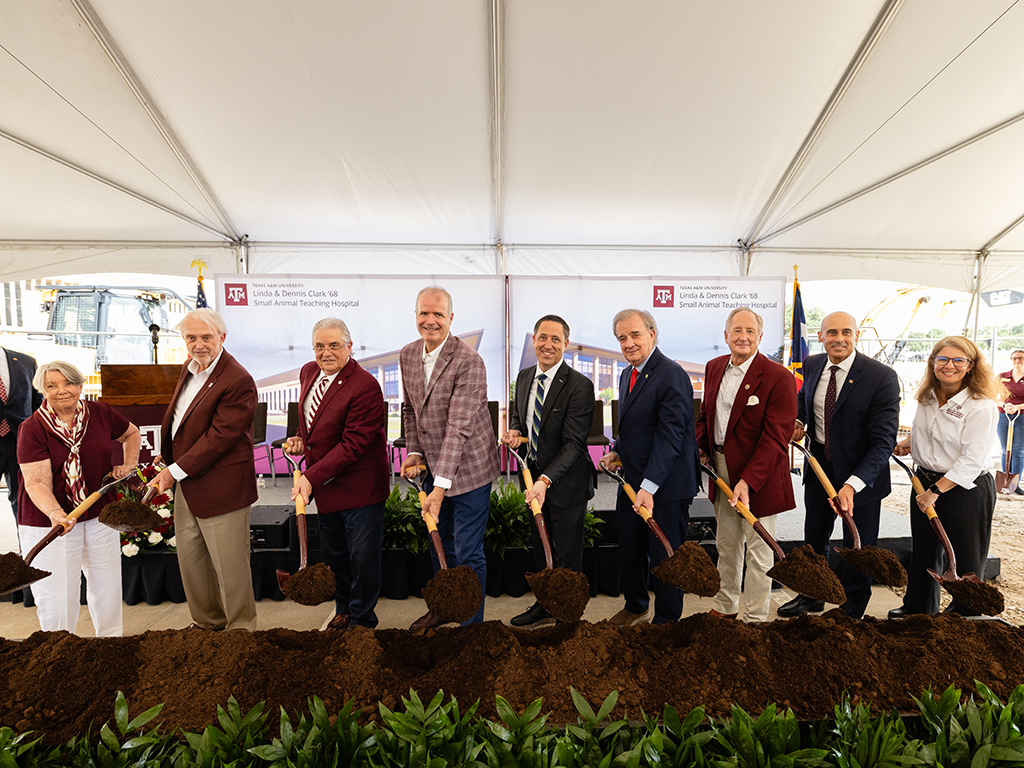
Linda and Dennis Clark, Dean John August, Texas A&M provost Alan Sams, Texas A&M University System chancellor-elect Glenn Hegar, Texas A&M University System chancellor John Sharp, Texas A&M University System Board of Regents chairman Bob Albritton, Texas A&M Foundation president and CEO Tyson Voelkel, and associate dean of hospital operations Stacy Eckman break ground on the Linda & Dennis Clark ’68 Small Animal Teaching Hospital. Photos by Jason Nitsch ’14, VMBS Marketing & Communications
Leaders from The Texas A&M University System and the Texas A&M Foundation joined key donors and VMBS leadership, faculty, and staff in celebrating this milestone and recognizing the many individuals who have been instrumental in the Clark Hospital’s progress.
“[The Linda and Dennis Clark Small Animal Teaching Hospital] is not just another building,” said Robert L. “Bob” Albritton, chairman of the Texas A&M University System Board of Regents. “It’s a statement of confidence in what’s already the best veterinary program in the nation and a bold step forward for its future.”
Scheduled to open in August 2027, the new facility will continue the VMBS’ tradition of educational excellence, advanced patient care, and groundbreaking research across 15 veterinary specialties, enhancing the college’s ability to contribute to the well-being of animals and human beings alike.
“This new facility will allow our students and faculty to serve even more Texas families — and their four-legged loved ones — with the very best care in the world,” said John Sharp, chancellor of the Texas A&M University System.
As part of the state’s only veterinary teaching hospital and Texas A&M’s largest educational laboratory, the new 135,000-square-foot facility will have double the number of surgical suites and exam rooms, with additional space allocated for the hospital’s Emergency Service and Intensive Care Unit, the busiest areas of the hospital.
“The Clark Small Animal Teaching Hospital will enhance Texas A&M’s capacity to train future veterinarians, addressing the growing demand for veterinary service in the state,” said Glenn Hegar, Texas comptroller and chancellor elect for the Texas A&M University System. “The facility will serve as a hub for advanced research and innovation in veterinary medicine, contributing to improved animal health and public health outcomes.”
The Clark Hospital will be located on the corner of Agronomy Road and Raymond Stotzer Parkway, where Veterinary Medical Sciences Building 507 previously stood and approximately 500 feet from the location of the current SATH.
Linda and Dennis Clark with Dean August
The hospital’s fundraising campaign was officially announced in March 2023 when building namesakes Linda and Dennis Clark ’68 ’71 pledged the lead, $20 million gift.
“This is a great honor for Linda and I to be a part of this and to be completely involved with a wonderful project and to know the great things that will come out of the care and research that is going to go on behind the walls of the building that is going to be constructed behind us,” Dennis Clark said. “It is going to be a fabulous period in Texas A&M veterinary history.”
The $181 million project also has received generous support from the Texas Legislature, the Texas A&M University System, and Texas A&M University, as well as many other alumni and friends, whose partnerships generated more than $10 million during the campaign’s quiet phase.
“This groundbreaking celebration is a time of great optimism and promise for our college,” said Dr. John R. August, the Carl B. King Dean of Veterinary Medicine at Texas A&M. “The Clark Hospital will provide an extraordinary one-of-a-kind environment for learning, discovery, care, and compassion. It truly will be a force for good.”
As the veterinary profession advances, the current Small Animal Teaching Hospital (SATH) has become too small, creating challenges in increasing the number of research projects and clinical trials, accommodating the veterinary class size, and housing the additional faculty and support staff needed. Originally designed to support 6,000 cases, the SATH currently see around 21,000 cases annually.
The hospital serves as the capstone experience for Texas A&M Doctor of Veterinary Medicine students, who spend a full calendar year during the fourth and final year of their veterinary education completing clinical rotations across services in both the Small and Large Animal Teaching Hospitals. The VMBS has graduated 9,230 Aggie veterinarians in its 109-year history.
The Clark Hospital is being designed by Page Southerland Page architects, with associate architect Foil Wyatt, to meet modern needs by providing teaching and clinical spaces that reflect the substantive advancements — such as the emergence of new technologies, clinical trials, and veterinary specialties, including telemedicine — that have occurred in the field of veterinary medicine since the current SATH opened in 1981.
Vaughn Construction completed the demolition of VMS Building 507 prior to the groundbreaking ceremony. Site preparation has begun as they prepare the site for construction of the building foundation over the summer. To learn more about the Linda & Dennis Clark ’68 Small Animal Teaching Hospital, visit tx.ag/ClarkHospital.
###
For more information about the Texas A&M College of Veterinary Medicine & Biomedical Sciences, please visit our website at vetmed.tamu.edu or join us on Facebook, Instagram, and X.
Contact Information: Jennifer Gauntt, Director of VMBS Communications, Texas A&M College of Veterinary Medicine & Biomedical Sciences, jgauntt@cvm.tamu.edu,979-862-4216
A research publication on swine reproduction led by Texas A&M University professor Dr. Gregory Johnson has been selected as the 2024 Top Research Article by the journal Biology of Reproduction, the official publication of the Society for the Study of Reproduction (SSR).
Johnson, a professor in the College of Veterinary Medicine & Biomedical Sciences’ (VMBS) Department of Veterinary Integrative Biosciences (VIBS), is an expert in reproductive biology, with a focus on pregnancy and interactions between the uterus and developing embryo and surrounding membranes. The ultimate goal of his research is to create clinical strategies that prevent pregnancy loss in livestock, women, and companion animals.
The SSR was founded in 1967 to promote the interdisciplinary study of reproduction and has over 1,200 members from over 50 countries. The Top Research Article award is designed to recognize publications that contribute to the journal’s growing impact by drawing great attention from other researchers.
In the selected publication, “Pig conceptuses utilize extracellular vesicles for interferon-gamma-mediated paracrine communication with the endometrium,” Johnson and his team discovered a new mechanism that potentially explains how certain cell communication proteins travel across the uterus lining, allowing communication between the developing embryo and the uterus.
Knowing how cellular communication works during the early stages of pregnancy will hopefully lead to a better understanding of problems that can occur and clinical strategies that can be used to treat them.
In addition to his role in VIBS, Johnson is also adjunct faculty in the Texas A&M Department of Animal Science and assistant dean for research and graduate studies at the VMBS. His other awards include the Association of Former Students (AFS) College-Level Distinguished Achievement in Research Award in 2020 and being named a Chancellor’s Enhancing Development and Generating Excellence in Scholarship (EDGES) Fellow. He was recently selected as co-editor-in-chief of the prestigious journal, Reproduction.
“Biology of Reproduction and the Society for the Study of Reproduction (SSR) have influenced me significantly,” Johnson said. “I am surprised and all authors are honored by this recognition. Authors include Dr. Joe Cain, who approached these studies with mature and thorough diligence, and Drs. Fuller Bazer, Robert Burghardt, and Heewon Seo. Their collective insights into pregnancy are immeasurable.”
“We are very fortunate to have such a high caliber researcher in the department,” said Dr. Christine Budke, professor and VIBS interim department head. “Dr. Johnson is not only known for his expertise in reproductive biology but also for being a great mentor, with graduate students and other trainees frequently contributing to research projects and publications.”
###
For more information about the Texas A&M College of Veterinary Medicine & Biomedical Sciences, please visit our website at vetmed.tamu.edu or join us on Facebook, Instagram, and X.
Contact Information: Jennifer Gauntt, Director of VMBS Communications, Texas A&M College of Veterinary Medicine & Biomedical Sciences, jgauntt@cvm.tamu.edu,979-862-4216
The summer heat has crept in — and with it the critters that have owners and pets alike itching. Fleas, in particular, have a tendency to make themselves at home in your carpet, bedding, and, worst of all, your pet’s fur, inflicting constant irritation and posing potential health risks to their hosts.
Although fleas thrive the most in warm, wet climates, there are very few places in the United States where fleas are not a problem for at least part of the year.
“The Gulf Coast region is a major place for fleas to thrive,” Teller said. “Areas where it’s very cold and dry, especially at higher altitudes, and desert areas that are extremely hot and dry will generally have a lower incidence of fleas.”
Whether from the environment, other animals, or people, pets are susceptible to contracting fleas from a variety of sources. Migrating wildlife can even bring fleas to areas where they may not normally flourish.
“Pets can pick up fleas from direct contact with other animals, such as at a dog park, pet store, kennel, or the beach,” Teller said. “They can also pick them up in the environment, such as the backyard or when on walks. In some cases, fleas can hitch a ride on people’s clothing or gear, such as a backpack.”
Recognizing The Signs
When fleas make themselves at home in a pet’s fur, symptoms can range from itchiness to major skin irritation.
“Fleas can cause pets to become itchy, especially on their lower back, inner thighs, and head,” Teller said. “With enough scratching and chewing, a pet can pull out its hair, create raw and inflamed lesions on its body, and develop a secondary bacterial infection.”
A visual inspection can often help owners know if fleas are the cause of their pet’s itching and scratching.
“Sometimes you can see fleas on your pet, especially in areas where the hair coat is thinner,” Teller said. “You may also see what looks like pepper in your pet’s fur; these black granules, called flea dirt, will turn reddish when wet.”
Beyond A Nuisance
Fleas are more than just an irritation; they can also pose several health risks to pets, including:
Spread of the tapeworm Dipylidium caninum from ingesting fleas
Flea-allergic dermatitis, an allergic reaction to flea saliva
Secondary infections from raw wounds
“A severe infestation, especially in very young or old pets, can even lead to life-threatening anemia, sometimes requiring a blood transfusion,” Teller said.
Fleas also can spread disease-causing bacteria to people, including Bartonella henselae, the cause of cat scratch fever; Yersinia pestis, the cause of bubonic plague; and Rickettsia typhi, the cause of murine typhus.
Flea-ing From The Itch
The best way to shield your pet from fleas — and the secondary problems they can cause — is by using a veterinary-approved flea and tick preventative.
“The preventives prescribed by veterinarians tend to be more effective, but the best prevention is the one that you use consistently,” Teller said.
These preventatives are available as topical treatments, oral medications, and medicated collars.
Teller recommends that every dog and cat in the household be on flea prevention, even those that are inside-only.
“It is extremely important that the product you use is labeled for the species you are treating,” Teller said. “Dog products should never be used on cats. If you accidentally use the wrong product on your pet, immediately call animal poison control and contact your veterinarian.”
Controlling fleas in a pet’s environment, including inside the home, is another important part of prevention.
“If you are battling a flea infestation in your home, there are some flea treatments that can be used in your carpet and furniture,” Teller said. “You may also want to enlist the help of a professional exterminator.”
Combating fleas requires a proactive and thorough approach, but by preparing for the presence of fleas, treating the issue promptly, and maintaining a clean household, your pets will be healthier and itch-free — ready to play another day away.
Pet Talk is a service of the College of Veterinary Medicine & Biomedical Sciences, Texas A&M University. Stories can be viewed on the web at vetmed.tamu.edu/news/pet-talk. Suggestions for future topics may be directed to vmbs-editor@tamu.edu.
A sweetener commonly found in chewing gum can replace toxic additives in hydrogels used to diagnose and treat a variety of medical conditions.
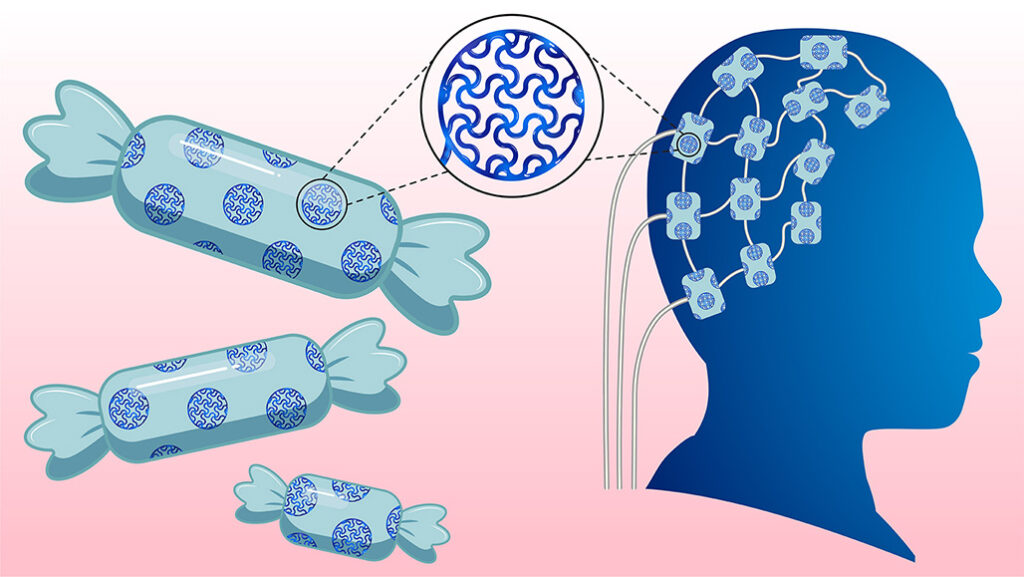
The natural sweetener D-sorbitol was used to improve conductive hydrogels for electronic implants, which are used to diagnose and treat a variety of diseases. Image courtesy of Texas A&M Engineering
Imagine treating chronic illness not with pills, but with soft, flexible electronic implants seamlessly integrated into the body. The materials for such implants already exist — they just needed a sweet touch.
Electronic implants are commonly used to diagnose and treat various diseases and to restore lost motor and sensory functions. Conductive hydrogels increase an implant’s electrical conductivity and flexibility within the body, improving the overall effectiveness of electronic implants. However, traditional electrically conductive hydrogels contain toxic additives that may have negative impacts on patients after long-term use.
In a recent study published in Science Advances, researchers led by Dr. Limei Tian reported on a sweet solution to this problem: replacing these toxic additives with D-sorbitol, a safe sugar alternative commonly found in chewing gum.
“We’re excited by the potential to create bioelectronic devices that act like extensions of the body — soft, safe, and integrated with natural tissue,” said Tian, an associate professor in the Department of Biomedical Engineering and BMEN Excellence Fellow at Texas A&M University. “These devices could revolutionize treatments for neurological disorders, paralysis, and chronic pain, making long-term implants more viable and effective.”
The researchers used D-sorbitol to develop soft, stretchable hydrogels, which are better suited for the body than rigid materials. They can conform to delicate tissues like nerves and muscles, which reduces mechanical mismatch and lowers the risk of immune rejection.
This sweet new material can be used in a wide range of neural devices including brain implants for treating Parkinson’s disease and epilepsy and nerve interfaces to help restore movement in patients with spinal cord injuries. These hydrogels have the potential to be used in wearable biosensors for continuous health monitoring, electronic skin for prosthetics, and soft robotics with touch sensitivity.
“This biocompatible material makes electronic implants safer for the body and greatly enhances their electronic performance, paving the way for more reliable, long-term use in medical devices,” said Md Saifur Rahman, a Ph.D. student in Tian’s lab and a primary author of this work.
Challenges in creating a conductive hydrogel include biocompatibility and long-term stability. Many implants trigger adverse immune responses that lead to tissue scarring and device failure. The materials and devices must remain functional for years — ideally a lifetime — without degrading or harming surrounding tissue.
By replacing toxic additives with D-sorbitol, hydrogels will have increased biocompatibility due to lowered risk of negative immune responses and device rejection.
“Our goal was to create a fully biocompatible material, free of toxic additives, that outperforms traditional materials like platinum. And it did: our hydrogel electrodes demonstrated a higher capacity to store and deliver electrical charge than platinum, a key feature for effective neural stimulation,” said Tian.
The team tested their newly developed hydrogels on rats with successful results. The hydrogels exhibit mechanical and chemical properties comparable with biological tissues, reducing the risk of adverse immune reactions in patients. Prior to testing in humans, researchers plan to further refine the properties of hydrogels and evaluate their long-term stability in large animal models.
The research team plans to collaborate with clinicians and industry partners to translate this material into real-world medical devices. Their ultimate goal is to create next-generation neural interfaces that improve patient outcomes and push the boundaries of medical technology.
Dr. Feng Zhao, a professor in the Department of Biomedical Engineering and Dr. Hangue Park, an adjunct professor in the Department of Electrical and Computer Engineering collaborated on the project.
The study also included collaborators from Texas A&M’s College of Medicine and College of Veterinary Medicine & Biomedical Sciences (VMBS). Dr. Michelle Hook, an associate professor at the College of Medicine, and Dr. Yava Jones-Hall, a VMBS associate professor, further examined the hydrogels for their applicability to both human and veterinary medicine.
“I am a board-certified veterinary pathologist, and I analyzed the histological cross sections of nerves,” said Dr. Jones-Hall. “I discovered significantly more inflammation in the perineuronal tissue with implants containing platinum than there was surrounding nerves with electrically conductive hydrogel implants. These results supported Dr. Tian’s conclusions.”
###
For more information about the Texas A&M College of Veterinary Medicine & Biomedical Sciences, please visit our website at vetmed.tamu.edu or join us on Facebook, Instagram, and X.
Contact Information: Jennifer Gauntt, Director of VMBS Communications, Texas A&M College of Veterinary Medicine & Biomedical Sciences, jgauntt@cvm.tamu.edu,979-862-4216
Developed by biopharmaceutical company Ultragenyx, GTX-102 is the first clinically developed drug targeting the genetic causes of Angelman syndrome rather than symptoms.
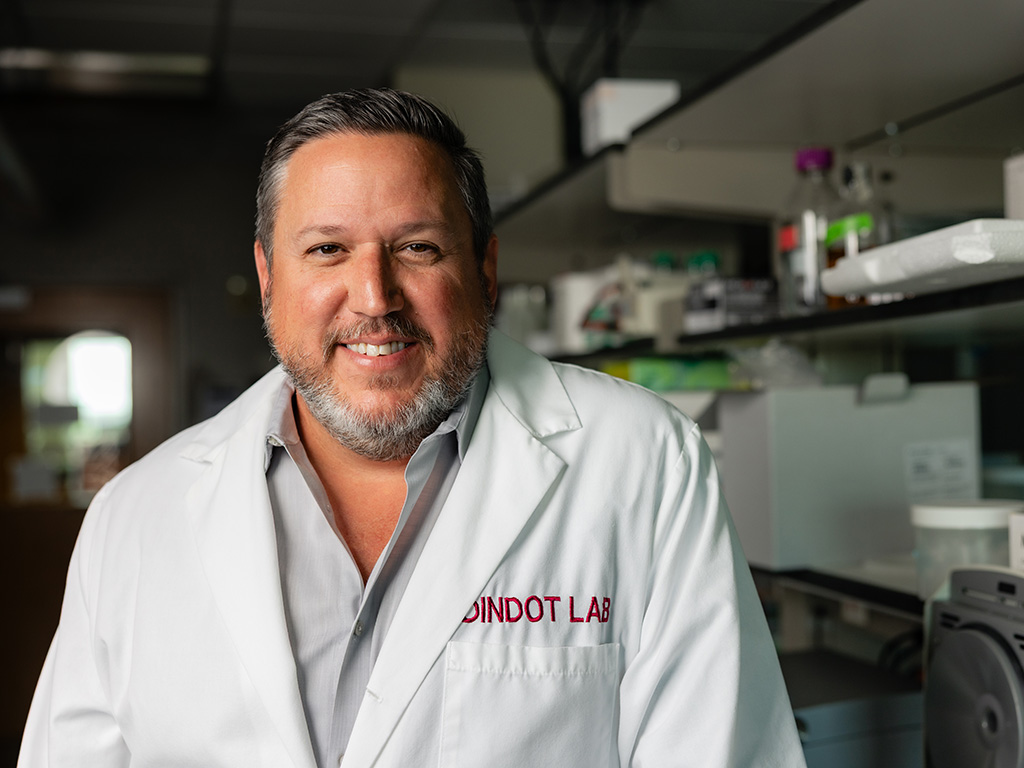
Dr. Scott Dindot, photos by Jason Nitsch ’14, VMBS Marketing & Communications
The first therapeutic drug for Angelman syndrome (AS) — discovered by Texas A&M researchers — has begun human trials, bringing it one step closer to potentially becoming available to patients.
GTX-102 was discovered by a team led by Dr. Scott Dindot, a professor in the College of Veterinary Medicine and Biomedical Sciences’ (VMBS) Department of Veterinary Pathobiology and the executive director of molecular genetics at Ultragenyx.
AS is a rare genetic disorder that affects approximately 1 in 15,000 live births per year. Symptoms, which usually appear when a child is 2 to 3 years old, include developmental delay, absent speech, movement or balance issues and seizures.
There are no approved therapies for AS, and the current standard of care is focused on behavioral therapy and controlling specific symptoms, specifically the seizures that often affect patients with AS.
GTX-102 is the first investigational drug that targets the genetic root cause of AS — loss of a gene in the brain called UBE3A inherited from the mother. Individuals with AS have genetic mutations that cause the silencing of maternal UBE3A; to replace it, GTX-102 turns on the paternal copy of the same gene, which is usually silenced.
The phase three clinical trial, run by Ultragenyx, aims to enroll 120 individuals and will run for 48 weeks.
“GTX-102 is unique not only because it targets the genetic cause of AS but also because it’s the first disease-modifying drug for AS to advance into clinical development,” Dindot said. “There are only a few examples of disease-modifying drugs being used to treat genetic disorders and even fewer examples that are being developed to treat neurodevelopmental disorders such as AS.”
“Dr. Dindot and the team at Texas A&M took a novel approach when designing GTX-102 that allows for potent knock down of the silencing of expression of the paternal copy of the UBE3A gene to directly address the underlying cause of disease,” said Eric Crombez, M.D., chief medical officer at Ultragenyx. “Our goal with the Phase 3 Aspire study is to confirm the safety and clinical efficacy of GTX-102 in a global randomized trial with a population that represents the majority of patients with Angelman syndrome. We also have plans to initiate a second study this year to further assess safety and efficacy across additional genotypes and ages.”
For Jake Edwards — father of Brantley, a 12-year-old boy with AS — the research conducted by Dindot and Ultragenyx represents hope for improving his son’s quality of life.
“For Brantley to have even a minimal amount of speech would be amazing,” Jake said. “We’d love for him to be able to tell us if something is hurting, or even what he wants for his birthday or Christmas. I don’t think there’s a single word that could describe what that would mean.
“It’s just incredible that there are people who have dedicated their lives to something as rare as AS,” he said. “When Brantley was first diagnosed, there was nothing out there to treat it. We had to navigate everything virtually on our own. But now, we are starting to see options for treatment, and we’re so proud that Aggies are involved.”
When Innovation Makes A Difference
Members of the Dindot Laboratory: (front row, left to right) Dr. Sarah Christian, Dr. Dindot, Morgan Matt, Ashley Coffel; (back row) Alasdair Taylor, Luke Myers, Tom Jepp
GTX-102 works by traveling through the body’s spinal fluid directly to the brain.
“It targets the gene that causes the disorder,” Dindot said. “If you have a headache, you might take medication for the pain, but you’re not really treating the source of the headache. GTX-102 goes after the source of the condition.”
In previous phases of GTX-102’s clinical trial, children who received the investigational drug have shown marked improvement in many areas impacted by AS.
“Typically, kids with AS have severe developmental delay and intellectual disability,” Dindot said. “They have absent speech, meaning they can make sounds but can’t form words. They have motor coordination issues, sleep issues, and many have epilepsy. People with AS require full-time lifelong care and are unable to live on their own.”
Advancing The Treatment And Diagnosis Of AS
As treatments for AS improve, there continues to be a need for earlier diagnoses so that children can begin treatment as early as possible.
“There’s usually no evidence of this disorder in families; it’s a sporadic condition,” Dindot said. “One of the first signs might be that a mother will notice something is different; they’ll notice that their baby doesn’t cry or move very much. As the child grows up, they’ll notice that they miss all their developmental milestones, like sitting up, babbling and walking.
“But developmental delay isn’t a guaranteed sign of AS,” he said. “There can be other causes. So, the child may not receive genetic testing until around 1 or 2 years of age, and that’s often if the parents are persistent and have access to advanced medical care.”
Thankfully, as genetic testing technology advances, the costs are much lower and the process is faster than it used to be.
“Genetic testing is becoming very common in medical practice,” Dindot said. “Almost all types of insurance will cover it if there is a reason. One issue is that there’s a shortage of clinical geneticists and genetic counselors, who are the ones who read and interpret the results of the genetic test so that the family understands what they mean.
“It can take some families several months to a year after the test before they get to talk to a genetic counselor,” he said.
Though the effects of GTX-102 are already remarkable, Dindot hopes that in the future, the process will become less invasive for individuals with AS and their families.
“The drug is administered through lumbar intrathecal injection,” he said. “Every three months, families have to visit the hospital to have this done. The goal in the future is to find new ways to administer the drug and improve where it goes in the brain.”
Phase Three Moves Forward
The first patient in the clinical trial has been dosed, and Ultragenyx is currently recruiting 120 children ages 4 to 17 as participants. Participants must have a genetically confirmed diagnosis of full maternal UBE3A gene deletion. The trial is randomized, though participants in the control group will be able to cross over into treatment after 48 weeks.
For more information, visit the clinical trial’s website or contact Ultragenyx at trialrecruitment@ultragenyx.com.
GTX-102 is an investigational [antisense oligonucleotide (ASO) OR therapy] that is not currently approved by any health authority.
###
For more information about the Texas A&M College of Veterinary Medicine & Biomedical Sciences, please visit our website at vetmed.tamu.edu or join us on Facebook, Instagram, and X.
Contact Information: Jennifer Gauntt, Director of VMBS Communications, Texas A&M College of Veterinary Medicine & Biomedical Sciences, jgauntt@cvm.tamu.edu,979-862-4216
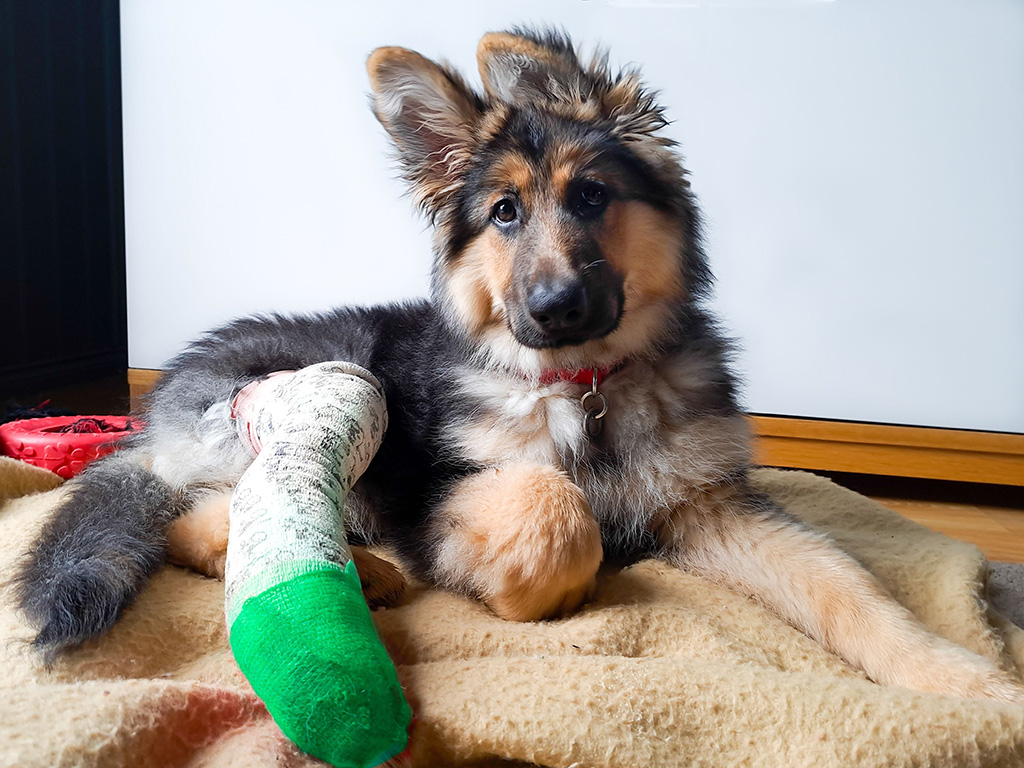
It often starts subtly — a slight limp, a hesitation before jumping, or a pet struggling to use one of their back legs. While these signs could indicate temporary soreness or a minor sprain, they may also point to a much more serious issue, a torn cranial cruciate ligament (CCL).
This common injury can significantly affect a dog’s or cat’s ability to walk, run, or even stand comfortably. Luckily, there’s a surgical solution that can help restore their mobility — Tibial Plateau Leveling Osteotomy (TPLO) surgery.
Joints are where bones meet, forming a complex network of connections that allow the body to move smoothly and in many different ways. In the knee joint, called the stifle joint in pets, one small structure plays a big role in keeping everything stable — the cranial cruciate ligament.
“The CCL is similar to the ACL in people,” Barnes said. “It connects the thigh bone (femur) to the shin bone (tibia), thereby allowing the leg to bear weight and preventing those bones from moving beyond their normal range.”
Because the stifle joint is essential for leg movement and weight bearing, it’s under constant pressure, making it especially vulnerable to wear and tear. That’s why CCL injuries often happen gradually, as the ligament weakens over time.
When the ligament tears, the bones in the leg are no longer secure and can slide beyond their normal range, especially since the top of the shin bone — which supports most of the body’s weight — has a natural slope in dogs.
“Without the CCL holding the bones in place, that slope causes instability that leads to pain, inflammation, and the development of arthritis over time,” Barnes said. “If you notice your pet limping, swelling around its knee, or even a clicking sound when they walk, it’s best to visit the veterinarian for an exam to see if a CCL tear is to blame.”
Any pet can experience a CCL tear, though it’s most often seen in dogs, especially large, active ones.
A Surgical Solution
When a CCL tear leaves the knee unstable, TPLO offers an innovative solution.
“Instead of replacing or repairing the damaged ligament, TPLO changes the anatomy of the knee to eliminate the need for the ligament entirely,” Barnes said. “This is done by making a curved cut in the top of the tibia to flatten its weight-bearing surface. The bone is then secured with a specialized bone plate and screws.”
This adjustment prevents the abnormal forward movement of the tibia that typically happens when the CCL is torn, thereby stabilizing the joint without the need for the CCL to hold the bones in place.
From start to finish, the entire process — including preparation, anesthesia, surgery, X-rays, and waking the pet — typically takes a few hours.
“Clipping the fur and scrubbing the leg beforehand is a critical step, as it helps decrease the risk of postoperative infection,” Barnes said. “Before surgery, X-rays are performed to confirm the diagnosis and rule out any other sources of pain, such as from a fracture, and blood work is done to ensure the patient is healthy for anesthesia. X-rays are also taken after surgery to ensure that the implants are well-positioned before waking the patient up.”
Setting The Stage For Success
TPLO surgery offers excellent outcomes — but success starts with choosing the right surgeon. As a highly technical procedure, TPLO demands precision and expertise at every step.
Board-certified surgeons are specially trained to provide this level of care.
“Board-certified surgeons go through years of additional specialized training,” Barnes said. “They complete an internship, do a three- to four-year surgery residency, and pass board exams — all specifically focused on surgery.”
This advanced training ensures that every phase — from preparation to implant placement to guiding owners through the recovery process — is handled with the accuracy needed to support safe healing. Without that expertise, small technical errors that can increase the risk of complications are far more likely.
TPLO is a major procedure, but when handled with the right care, it gives pets the best possible chance at regaining comfort and mobility.
Pet Talk is a service of the College of Veterinary Medicine & Biomedical Sciences, Texas A&M University. Stories can be viewed on the web at vetmed.tamu.edu/news/pet-talk. Suggestions for future topics may be directed to vmbs-editor@tamu.edu.
When a pet doesn’t seem like itself — maybe it’s limping, behaving oddly, or seems to just not feel right — getting answers quickly and accurately can make all the difference. However, some issues are hidden deep inside the body, beyond the reach of a physical exam or basic X-ray.
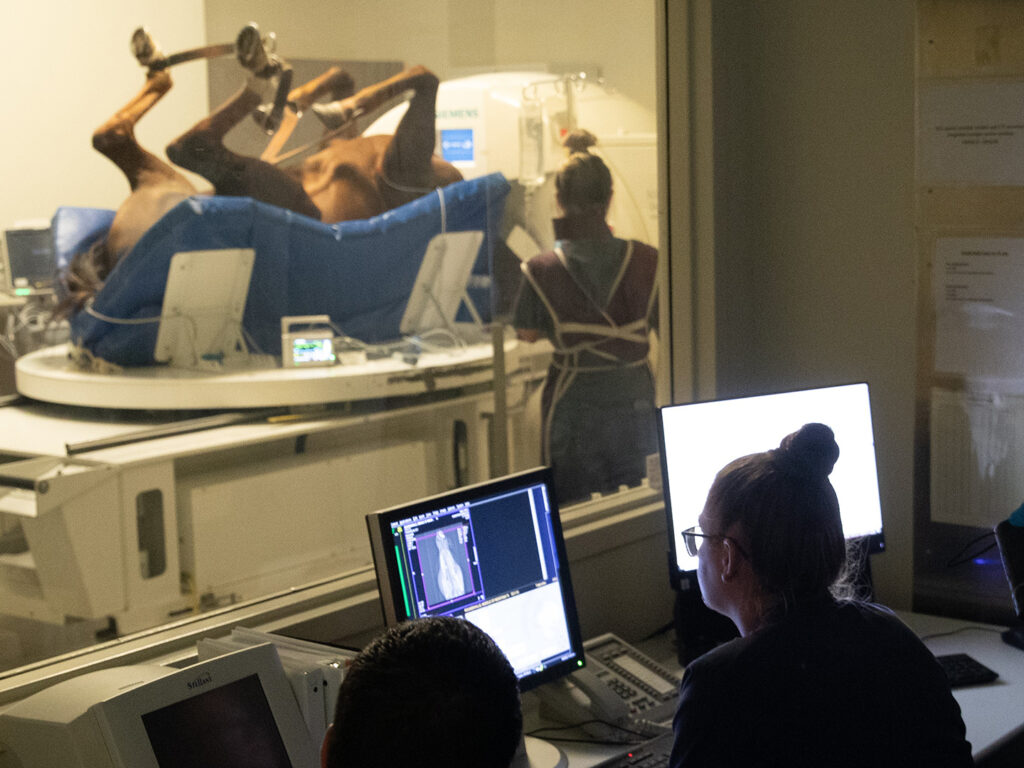
That’s where advanced imaging tools such as MRI (magnetic resonance imaging) and CT (computed tomography) come in. These technologies give veterinarians a closer, more detailed look inside a pet’s body, helping them spot problems that might otherwise be missed.
Dr. Sydney Gibson, a clinical assistant professor at the Texas A&M College of Veterinary Medicine & Biomedical Sciences, shares what pet owners need to know about these powerful tools and why image quality can directly impact your pet’s outcome.
Different Tools, Different Strengths
MRI and CT are advanced imaging methods that produce detailed internal pictures, helping veterinarians find problems that first-line tools like radiography or ultrasound may miss. Because MRI and CT have become more widely available, understanding the differences between them can help pet owners make more informed decisions about their pet’s care.
“Both MRI and CT are cross-sectional imaging modalities, meaning that images are acquired in visual slices throughout the area of interest,” Gibson said.
Think of it like a sliced loaf of bread — each slice reveals a thin layer of the body, and when stacked together, they create a detailed 3D image.
While both tools produce detailed, cross-sectional images, they work in different ways and are better suited for certain areas of the body.
“Instead of using radiation, MRI uses a large, powerful magnet and radio waves to cause subatomic particles called protons to produce signals,” Gibson said. “The machine then uses those signals to create detailed pictures of the body. In contrast, CT creates images using X-rays taken from multiple angles.”
MRI is especially helpful for looking at the brain, spinal cord, and musculoskeletal structures like joints, tendons, and ligaments. CT, on the other hand, is often better for viewing the chest, abdomen, and bones.
“However, MRI can also evaluate bone lesions and CT can also evaluate the brain, spinal cord, and musculoskeletal structures,” Gibson said.
Veterinarians weigh many factors when deciding which scan is best for each pet. MRI takes longer, always requires anesthesia, and isn’t safe for patients with metal implants or foreign objects in their body. CT is faster, may only need sedation, and often costs less.
Why Imaging Quality Matters
Not all imaging tools are the same. The clarity, detail, and resolution of MRI and CT scans depend heavily on the equipment used, how it’s maintained, and the expertise of the veterinary team operating it.
“MRI is characterized as low-field or high-field in reference to the magnetic field strength,” Gibson said. “High-field MRI systems produce higher quality images with better resolution.”
Low-field MRIs can still be useful in some cases — but they have limitations, including poorer resolution, longer scan times, and fewer specialized imaging sequences (techniques used to acquire different types of imaging).
The same goes for CT machines.
Conventional, or fan-beam, CT uses a wide, fan-shaped beam of X-rays to take multiple, thin slices of the body in a spiral, while a cone-beam CT uses a cone-shaped beam.
Although fan-beam CT sometimes requires longer scan times and higher radiation doses compared to cone-beam CT, cone-beam CT is more prone to artifacts (image imperfections).
“Fan-beam CT produces the highest quality images for most scenarios and is best for the majority of veterinary applications,” Gibson said. “Cone-beam systems have the best utility in dentistry applications and imaging of small exotic species and pocket pets.”
Higher-quality machines help veterinarians make faster, more accurate diagnoses, which can lead to quicker treatment and better outcomes. Lower-quality images may miss critical details or require repeat scans.
Although low-field or cone-beam studies may be priced slightly lower than studies from higher quality units, they may require repeat studies, which can result in an overall increased cost to the client.
Getting The Best Care For Your Pet
Pet owners don’t need to be imaging experts, but understanding the basics — and asking the right questions — can help ensure a pet receives the best care possible.
“Don’t hesitate to ask questions,” Gibson said. “Someone at the practice will likely be able to provide more information as to what imaging equipment they have available.”
In some cases, your regular veterinarian may recommend seeing a veterinary specialist to help determine which imaging method is best.
“Pet owners should work with their veterinarian to understand the goal of the imaging study and decide which modality — or combination of modalities — makes the most sense,” Gibson said.
As advanced tools like MRI and CT become more widely available, they’re helping veterinarians provide even better care.
“It’s such a gift that advanced imaging is becoming more accessible for our animal patients,” Gibson said. “These tools not only give us better answers but also help us improve how we interpret first line imaging methods like X-rays and ultrasound.”
Pet Talk is a service of the College of Veterinary Medicine & Biomedical Sciences, Texas A&M University. Stories can be viewed on the web at vetmed.tamu.edu/news/pet-talk. Suggestions for future topics may be directed to vmbs-editor@tamu.edu.
Rather than backing down in the face of difficulty, Rita Mahurin rose to meet the challenges of her biomedical sciences courses, empowering her to serve as a force for good in her future role as a healthcare professional.
Mahurin rides on the Texas A&M parade float during the 2024 Charro Days International Parade in Brownsville, photo by Yahaira Hernandez, Texas A&M University Higher Education Center at McAllen
Rita Mahurin’s story is a reminder that true growth doesn’t come from an easy path — it comes from choosing to rise through every obstacle.
Once unsure if college was even in her future, Mahurin is now a biomedical sciences (BIMS) student at Texas A&M’s Higher Education Center at McAllen, preparing for pharmacy school and leading efforts to support women in science.
Her journey — shaped by resilience, bold decisions, and a drive to make others feel seen — shows how uncertainty can become a catalyst for extraordinary change.
Discovering Her Path
Growing up in McAllen as an only child surrounded by older relatives, Mahurin spent much of her early life in caregiving spaces — nursing homes, hospital rooms, and waiting areas — unknowingly absorbing the world around her. As she got older, these visits became even more impactful.
“During the summer before high school, my grandma got sick and was in the hospital for two or three months,” Mahurin said. “I would spend the entire day at the hospital with her, watching the nurses and doctors. Seeing all these healthcare professionals work together to try to help get her better really impacted me.”
Not long after, the COVID-19 pandemic turned everything upside down. College had never been part of Mahurin’s plan, but amid the disruption, something shifted. She began excelling in school and, for the first time, started to imagine a different future for herself, one where new possibilities felt within reach.
As her confidence in the classroom grew, so did her sense of direction. The hospital environment no longer felt like a backdrop to her childhood; it began to feel like a calling. She told her mom she wanted to explore healthcare and began to search for volunteer opportunities at the hospital.
“Given the limitations of the pandemic, I assumed I’d be placed in a low-contact role — maybe in the gift shop — if anything,” Mahurin said. “When they offered me a position in the pharmacy, I was completely shocked.”
Just after her sophomore year of high school, Mahurin found herself surrounded by medications, safety protocols, and a team of professionals who were invested in her success.
“They were used to working with college students, so when I showed up, they immediately started talking to me about medicine,” Mahurin said. “I had no idea what they were talking about, but they never got frustrated or made me feel out of place; they welcomed me in and provided invaluable mentorship and support.”
Encouraged by the pharmacists and driven by her growing passion, Mahurin enrolled in her high school’s pharmacy technician program and started researching colleges with strong pre-pharmacy programs.
Finding Her Place At Texas A&M
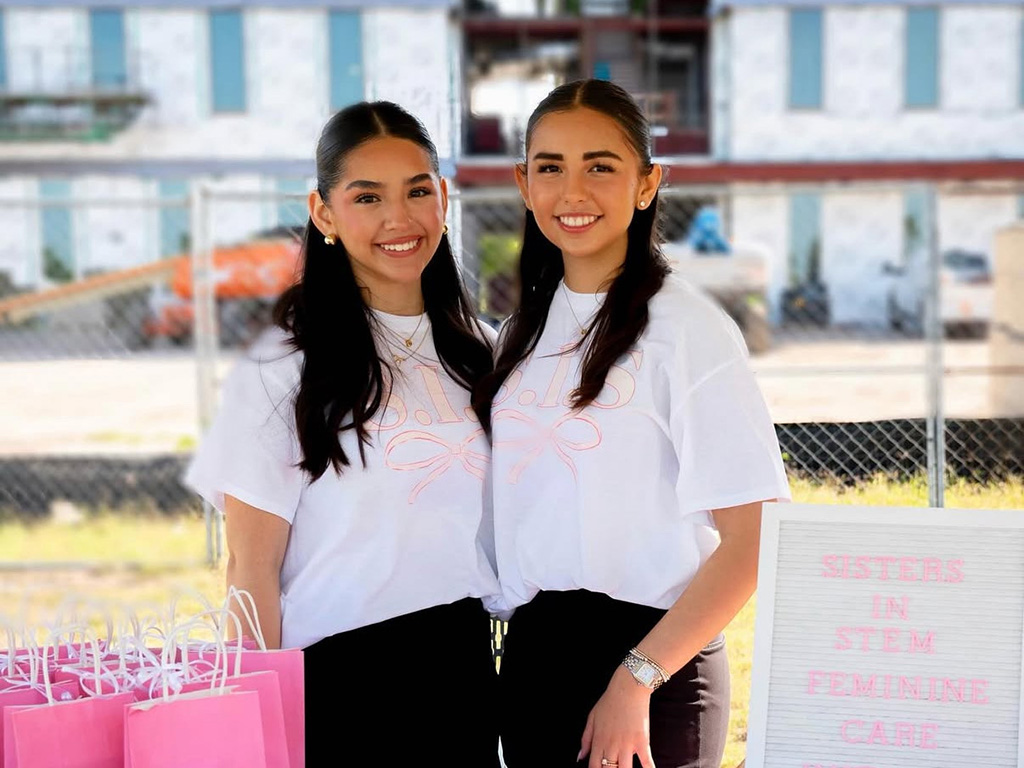
Mahurin (right) and her SIS co-founder, Dyandra Reyna
Mahurin didn’t have ties to any particular university, but when she came across the Higher Education Center at McAllen, it immediately stood out. The BIMS program checked every box for her pre-pharmacy path, and generous scholarships made it an even more appealing opportunity.
During her senior year, a campus tour solidified her decision. Meeting faculty like VMBS instructional associate professor Dr. Negin Mirhosseini left a lasting impression.
“Dr. Negin was so welcoming and instantly made me feel at home,” Mahurin said. “I’m used to being surrounded by family, love, and support, and that’s exactly what she showed me. She even ran across campus to find me a T-shirt after they ran out. That’s such a small gesture, but it meant a lot.”
Despite feeling at home, Mahurin struggled in her first year, finding herself overwhelmed by the intensity of the BIMS coursework. Unsure of what to do, she explored a variety of options before turning to her chemistry professor, instructional associate professor Dr. Xuan Wang, for advice.
Their conversation shifted everything.
Wang encouraged Mahurin not to rush through college just to reach the next step but, instead, to use this time to have experiences and build a strong foundation.
“Dr. Wang asked me, ‘Have you made an impact on your community yet?’” Mahurin said. “That question really stuck with me — I realized college isn’t just something to get through.”
Motivated by those words, Mahurin returned her focus to the BIMS program with a new mindset — embracing the challenge not just as a hurdle but as an opportunity to grow.
From Uncertainty To Empowering Others
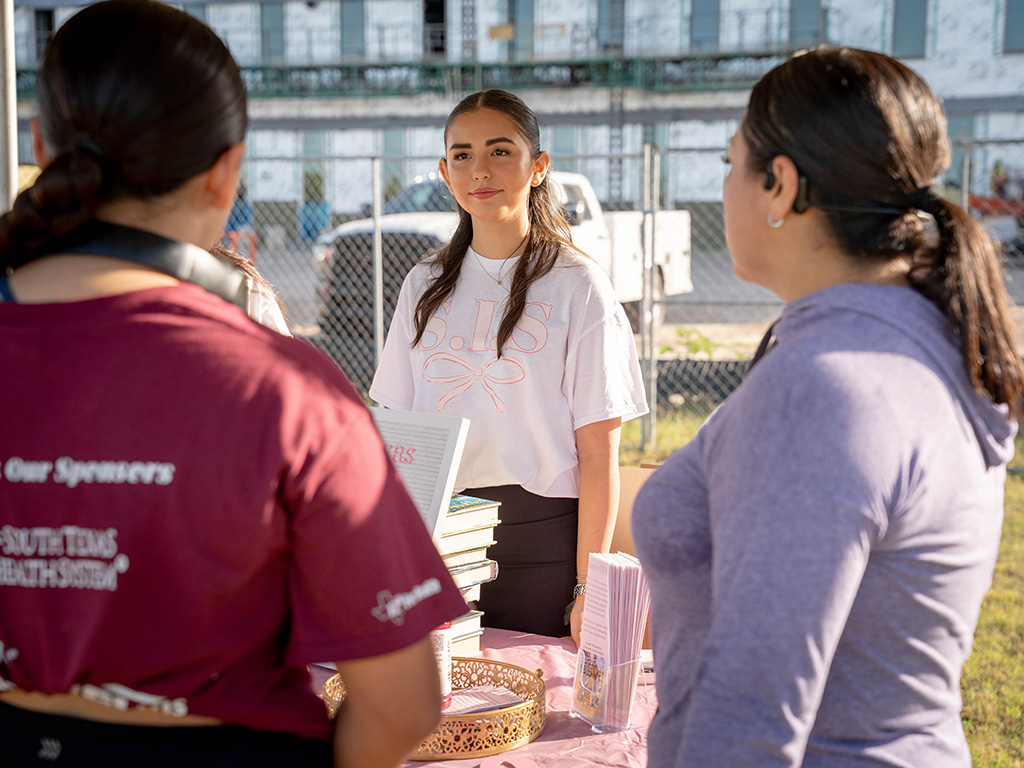
Mahurin represents Sisters in STEM during a student organization fair at the Texas A&M Higher Education Center at McAllen, photo by Yahaira Hernandez
With a new sense of purpose, Mahurin began looking beyond her own challenges and noticed she wasn’t alone. She realized other women were quietly struggling with the same feelings of uncertainty, isolation, and self-doubt.
Not long after her conversation with Wang, Mahurin came across a social media post highlighting that only about 30% of the STEM workforce is made up of women. The realization hit her hard.
“I had been so overwhelmed and intimidated, and I didn’t really have anyone to talk to about it,” Mahurin said. “No one in my family had gone into medicine. They supported me in whatever decisions I wanted to make, but I needed someone who had been through it. I needed real direction.”
That realization sparked the idea for Sisters in STEM (SIS), a student organization Mahurin has now founded to empower and support women pursuing these rigorous degrees. Her goal was to create a space where girls could feel seen, understood, and uplifted.
“When I started in BIMS, it was filled with women,” Mahurin said. “Now, in my second year, more and more are switching majors or giving up on college. I don’t want women to give up on their dreams, like I almost did, just because they don’t have the support they need.”
Through SIS, Mahurin didn’t just create a support system but a true community. By hosting events like movie nights, speaker panels, dinner etiquette classes, and bracelet-making events, she gave members a chance to build friendships and grow outside of academics.
“I wanted it to be more than just a support group,” Mahurin said. “I wanted it to be a place where girls can come together and forget the stress of school for a little while.”
Another way Mahurin brought her vision to life was by leading the group’s attendance at the Women in Science and Engineering (WISE) Conference, an event designed to connect women in STEM with industry leaders, career opportunities, and an inspiring, like-minded community. From proposing the idea and creating a budget to securing approval and coordinating travel logistics, Mahurin handled every detail to make the experience possible.
Mahurin also focused on addressing day-to-day barriers that women often face. One of her first initiatives was creating a donation-based feminine product program on campus — a project that took months of persistence but now helps ensure women never have to miss class due to a lack of access to feminine supplies.
“I want to remove any barriers that women face,” Mahurin said. “Even small things like this matter when you’re trying to succeed in a tough program like BIMS.”
Alongside SIS, Mahurin is involved in nearly every corner of campus life. She serves as a student ambassador, giving tours and representing the McAllen campus at major events; works as a peer mentor and now coordinator of the peer mentors program; and holds leadership positions in other student organizations like HOSA.
“With a challenging degree like BIMS, I’ve learned that balance is key,” Mahurin said. “Taking initiatives and working with people really makes the hard days worth it.”
Looking to The Future
Mahurin introduces a guest speaker for one of her biomedical sciences classes, photo by Yahaira Hernandez
Now a junior, standing academically as a senior, Mahurin is on track to graduate in spring 2026 and begin her next chapter in pharmacy school.
She credits her transformation to the environment at Texas A&M’s McAllen campus, a place that provided not only a strong academic foundation, but the mentorship and community she needed to thrive.
“I’ve learned so much inside the classroom but even more from the people here,” Mahurin said. “This environment has allowed me to mature, and now I feel confident and fully prepared for the next step.”
Looking back, she’s grateful she chose to stay — not just in the BIMS program but in the uncertainty, the challenge, and the growth that came with it.
“My chemistry professor was right; I just needed time — time to experience, to learn, to fail, and to find a way to impact people,” Mahurin said.
###
For more information about the Texas A&M College of Veterinary Medicine & Biomedical Sciences, please visit our website at vetmed.tamu.edu or join us on Facebook, Instagram, and X.
Contact Information: Jennifer Gauntt, Director of VMBS Communications, Texas A&M College of Veterinary Medicine & Biomedical Sciences, jgauntt@cvm.tamu.edu,979-862-4216