COLLEGE STATION, TX – The “eyes” have it, especially when it comes to horses and Texas A&M University College of Veterinary Medicine & Biomedical Sciences.
The Texas A&M CVM is now the only place in the southwest United States that is equipped with the necessary technology to perform the delicate operation necessary to remove cataracts from a horse’s eye.
Horses have a special place in our society. They are not only beloved as pets, but they are also considered high performance athletes and workers. When a horse’s vision is suddenly diminished with cataracts, they are unable to function properly, and can even develop problems with the other eye.
“Horses that work whether it is in the pasture, the arena, the racetrack, or the polo field, have a great need to be able to see well in order to do what they were trained to do,” said Dr. Millichamp. “A horse that can’t see is at risk for injuring itself or others. With the new equipment recently added to the Veterinary Medical Teaching Hospital combined with the expertise we have on staff, we are now able to treat these large animals safely and successfully, and we are the only place in the state that can do so.”
It is estimated that between five and seven percent of horses are affected by some form of lens opacity with otherwise clinically normal eyes. The only recourse many horse owners have is to take the horse out of service, or take the horse in for treatment. In this case, the only treatment is surgery.
Until now, cataract surgery was primarily reserved for dogs and human beings. The incision required was large and led to an increased risk for postoperative complications. A new procedure developed at Texas A&M by veterinarians Dr. Joan Dziezyc and Dr. Nick Millichamp called phacofragmentation uses much smaller corneal incisions allowing for greater control and minimizing the postoperative inflammation.
Over the past two years, CVM veterinarians treated 12 horses for cataracts, and that number is expected to continue to increase.
Texas A&M CVM is home to two board certified veterinary ophthalmologists. According to Millichamp, there are only a handful of other places that are able to perform similar procedures in Florida, Ohio, and Michigan.
Contact Information:
Angela G. Clendenin
Director, Communications & Public Relations
Ofc – (979) 862-2675
Cell – (979) 739-5718
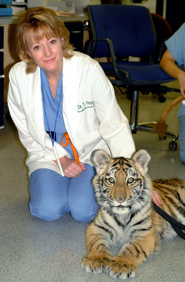
 CC, short for Copy Cat, was born Dec. 22, 2001 and became the first-ever cloned cat by a team of Texas A&M; University researchers in the College of Veterinary Medicine & Biomedical Sciences. She has since lived with Duane Kraemer, a veterinary medicine professor who helped clone her, and his wife Shirley in nearby Bryan.
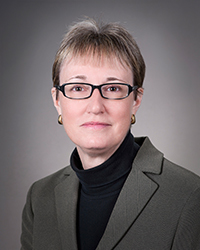 Rogers brings over 23 years of service to the college in various positions, including her current responsibilities as associate department head and co-chief of the Medicine Section in the Department of Small Animal Clinical Sciences. She is also a diplomate of the American College of Veterinary Internal Medicine and holds dual board certification in Oncology and Internal Medicine.
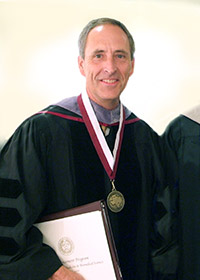 Sheppard, who earned his DVM degree from Texas A&M in 1978 and has his own practice in San Angelo, told the 125 new Aggie veterinarians to “be sure and give back to others.