
Pet Safety

Mind Over Metal: Staying Wary Of Metal-Related Toxicities
Pets encounter a variety of everyday risks, from outdoor threats like animals or parasites to physical dangers like vehicles or sharp objects and household toxins like plants or cleaners. However, many owners may underestimate the invisible dangers — such as poisonous metals — that their pets could also come across in their daily lives. While […]

Understanding The Depths Of Pet Sedation And Anesthesia
The thought of your pet undergoing sedation or anesthesia can be stressful, but these techniques can be an important step in a pet’s medical care. Dr. Courtney Baetge, clinical associate professor at the Texas A&M College of Veterinary Medicine & Biomedical Sciences, shares how veterinarians make decisions about their use in order to help owners […]

Protecting Animals, Plants, and Pipes From Winter Weather
Texas A&M College of Veterinary Medicine & Biomedical Sciences and AgriLife experts share essential tips for preparing animals and properties for freezing temperatures. Freezing temperatures eventually reach every corner of Texas, despite the state’s famously unpredictable winter weather. With advance preparation, Texans can reduce damage to their homes and landscapes while keeping animals safe when […]
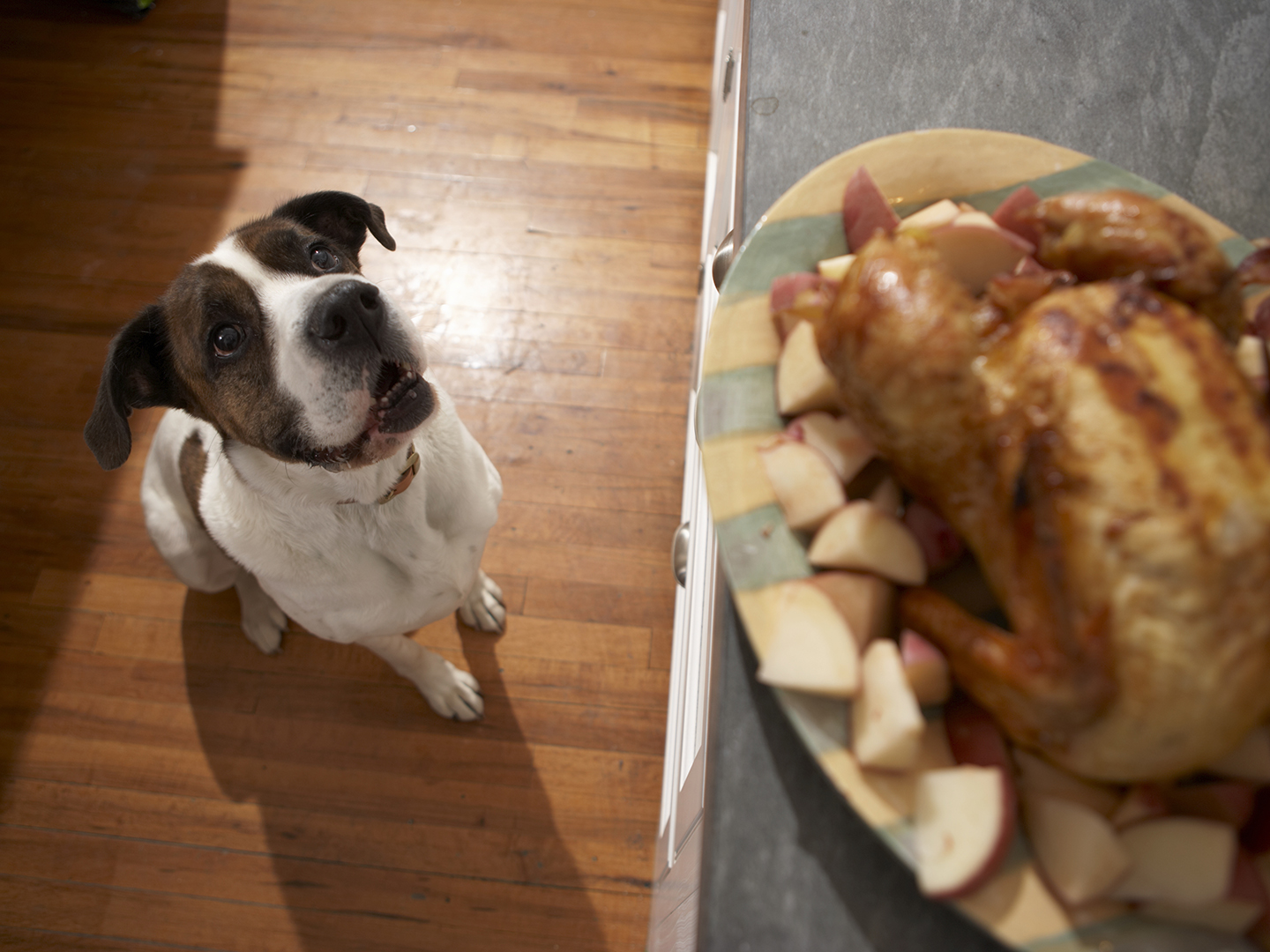
Thanksgiving Pet Safety Tips: Keeping Your Companions Happy, Healthy, and Stress-Free
Thanksgiving brings family, friends, and plenty of food to the table — but it can also create unexpected challenges for pets. From tempting treats to bustling gatherings, the holiday can be stressful and, even unsafe, for animals. Dr. Lori Teller, a clinical professor at the Texas A&M College of Veterinary Medicine & Biomedical Sciences, offers […]

Hidden Hazards: A Guide To The Potential Dangers Of Pet Toys
Pet toy options are endless, and many owners make a choice based on texture, color, or even sound, but not every toy is a compatible match for each pet. Dr. Erin Ray, a clinical assistant professor at the Texas A&M College of Veterinary Medicine & Biomedical Sciences, shares some insights on the potential risks brought […]
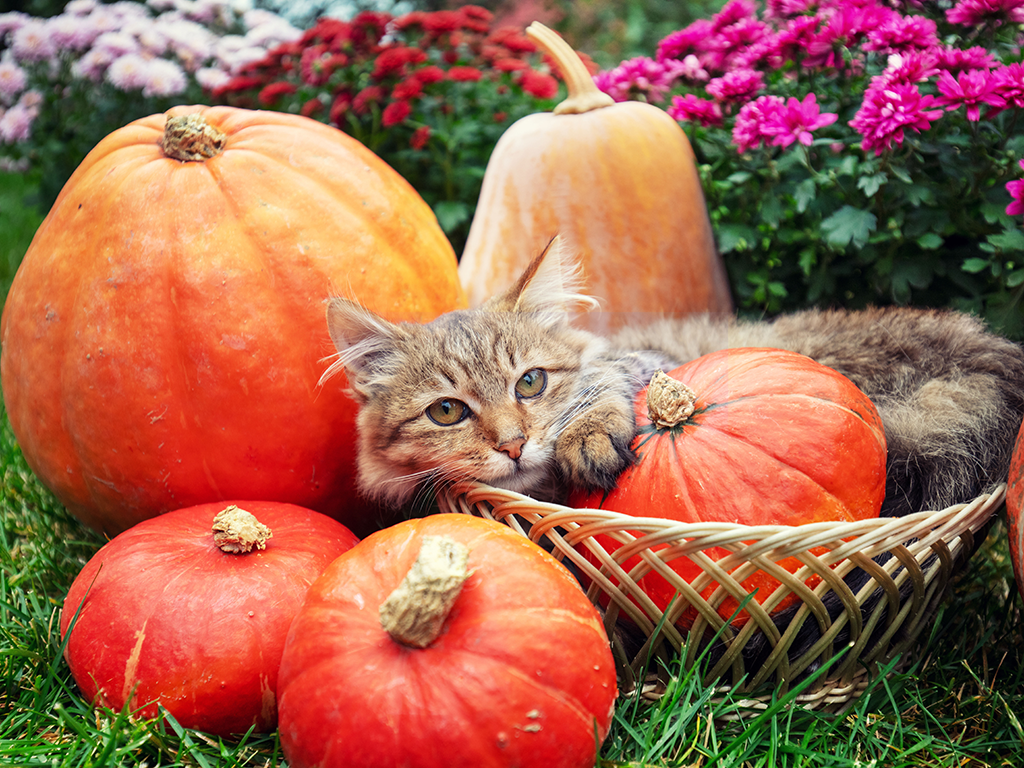
Keeping Pets Safe At Halloween: A Veterinarian’s Advice
When the leaves begin to turn colors and pumpkins appear on neighborhood porches, you know that Halloween is just around the corner. While spooky season is a fun time of the year for many people, it can also become a little too scary for pets if owners don’t take precautions. Dr. Erin Ray, a clinical […]
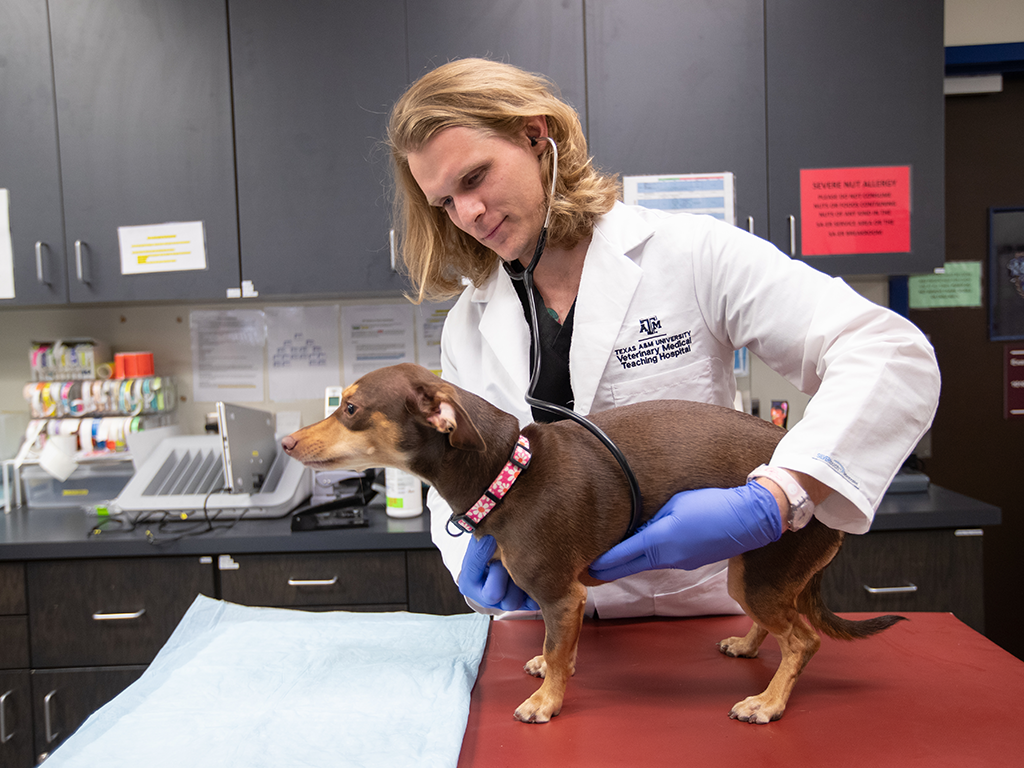
Has Your Dog Eaten A Bottle Of Pills? New Services At The Texas A&M Small Animal Teaching Hospital Can Help
Texas A&M’s veterinary hospital is now home to two innovative, life-saving veterinary treatments that clean toxins from blood. When a dog accidentally ingests pills — usually from getting into their owners’ medications or their own flavored prescriptions — it can cause acute intoxication, a medical emergency that requires quick action and immediate veterinary attention. For […]
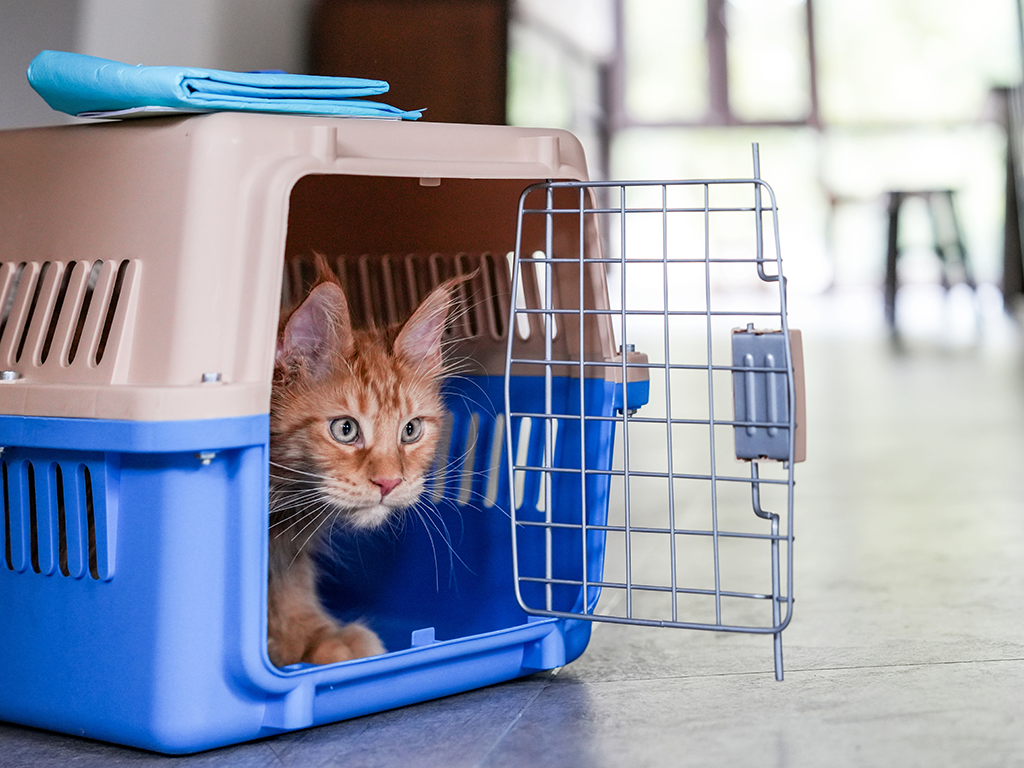
Prepared To Protect: A Small Pet Owner’s Guide To Disaster Preparedness
Weather-related disasters have increased in frequency and severity across the U.S. over the past five years, and when communities are impacted by things such as flooding, severe storms, hurricanes, wildfires, or earthquakes, the chaos can become overwhelming — especially when you have a furry companion looking to you for reassurance and support. Because having a […]

Having A Paw-some Holiday: Keeping Pets Safe, Happy, and Included
The holiday season is a time of joy, togetherness, and celebration, but for pet owners, it also comes with unique challenges. Creating a safe, festive environment for pets while involving them in the holiday fun requires a bit of planning and care. Dr. Lori Teller, a clinical professor at the Texas A&M College of Veterinary […]
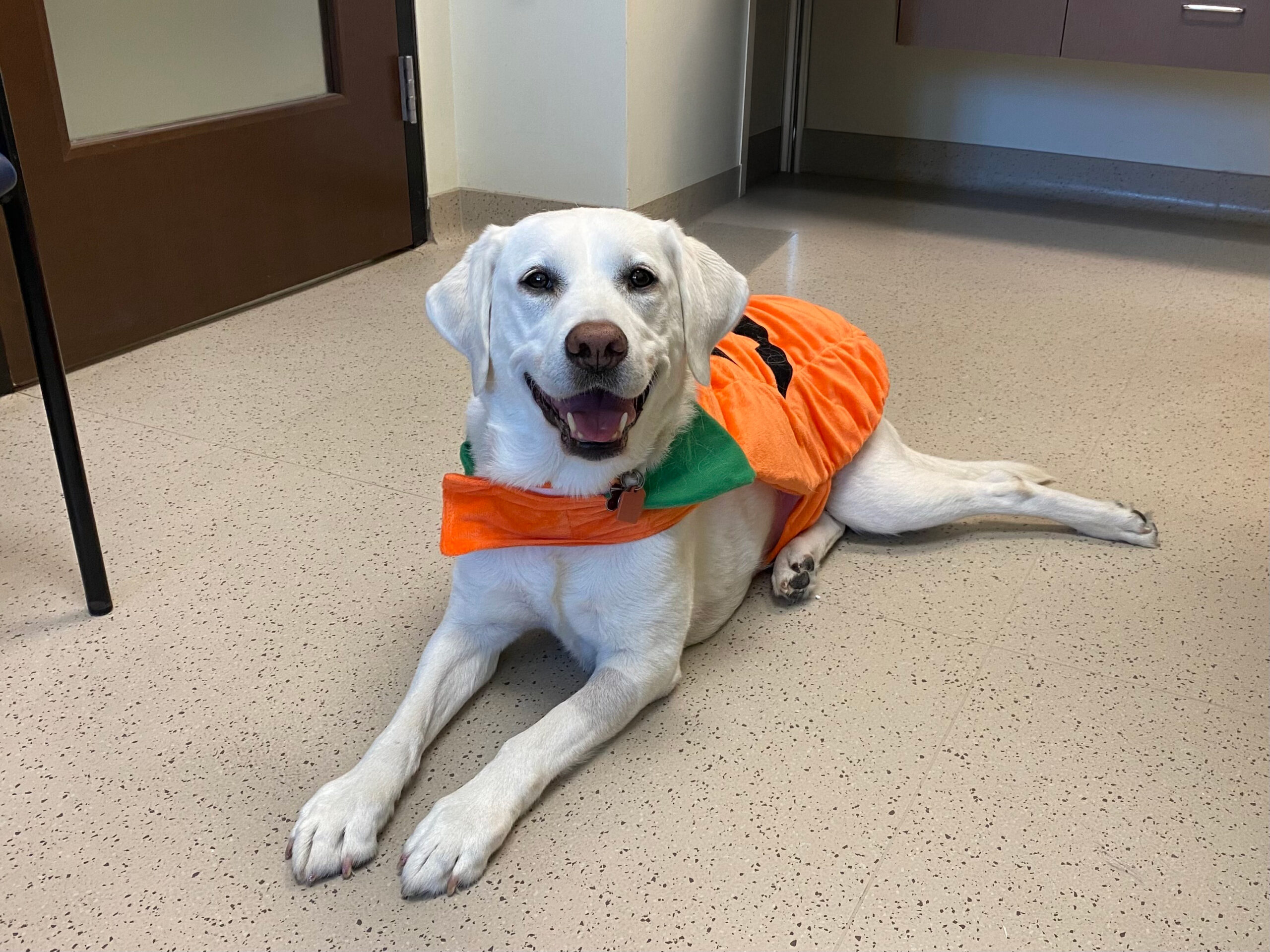
The Fright Before Halloween: Pet Preparedness For This Spooky Season
A fall chill has swept in, porches are covered in pumpkins, and an underlying need to rewatch Ghostbusters has emerged. Halloween is a fun celebration for many, but the holiday can become a little too scary for pets if precautions aren’t taken. Dr. Erin Ray, a clinical assistant professor at the Texas A&M College of […]


