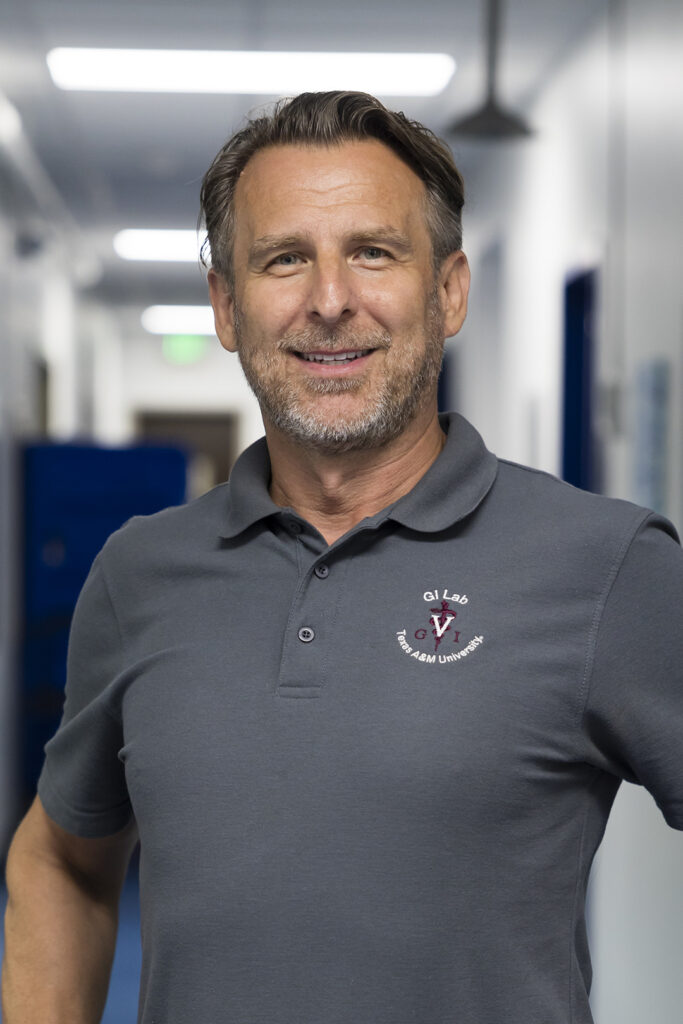
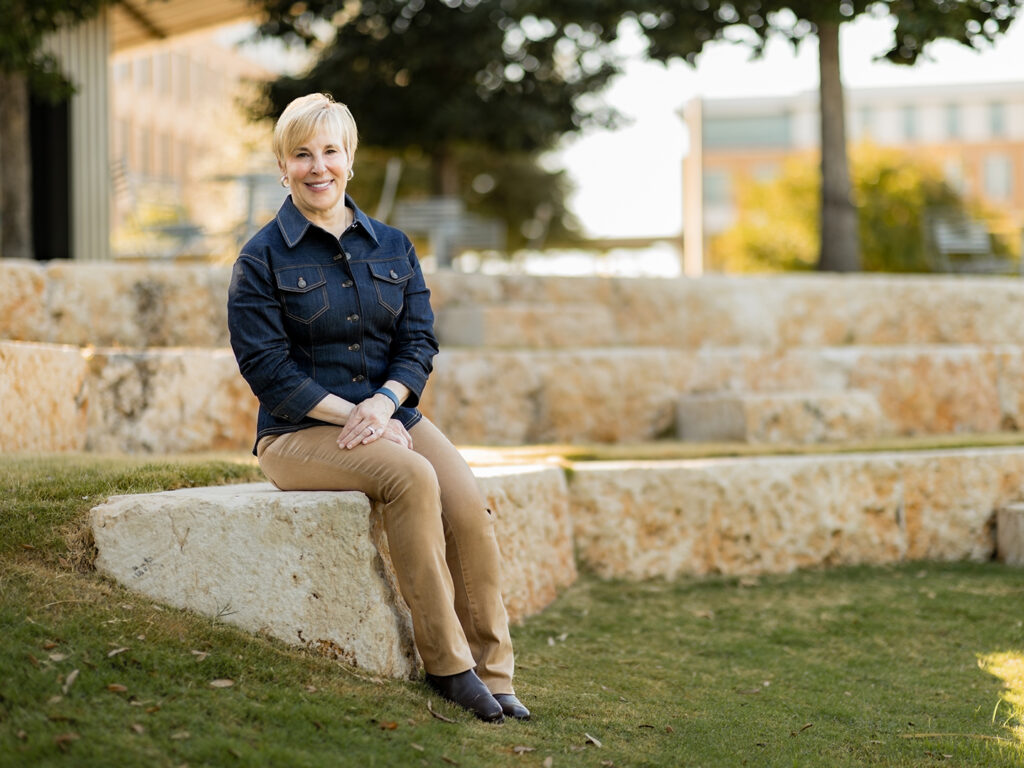
Dr. Jan Suchodolski, a professor at the Texas A&M College of Veterinary Medicine & Biomedical Sciences (VMBS), is the 2024 recipient of the American Veterinary Medical Association (AVMA) Career Achievement in Canine Research Award.
The award recognizes AVMA members who’ve made long-term contributions to research that advances dog health. Suchodolski, who also serves as associate director of the Gastrointestinal Laboratory (GI Lab) at the VMBS, has been a pioneer in advancing veterinary care for dogs and cats for over a decade.
“Dr. Suchodolski’s contributions to companion animal health have made him a leading expert in dog health,” said Dr. John R. August, the Carl B. King Dean of Veterinary Medicine at the VMBS. “His cutting-edge projects often result in a better understanding of the microbiome and produce diagnostic tests and baselines that veterinarians worldwide use to better serve their patients.”
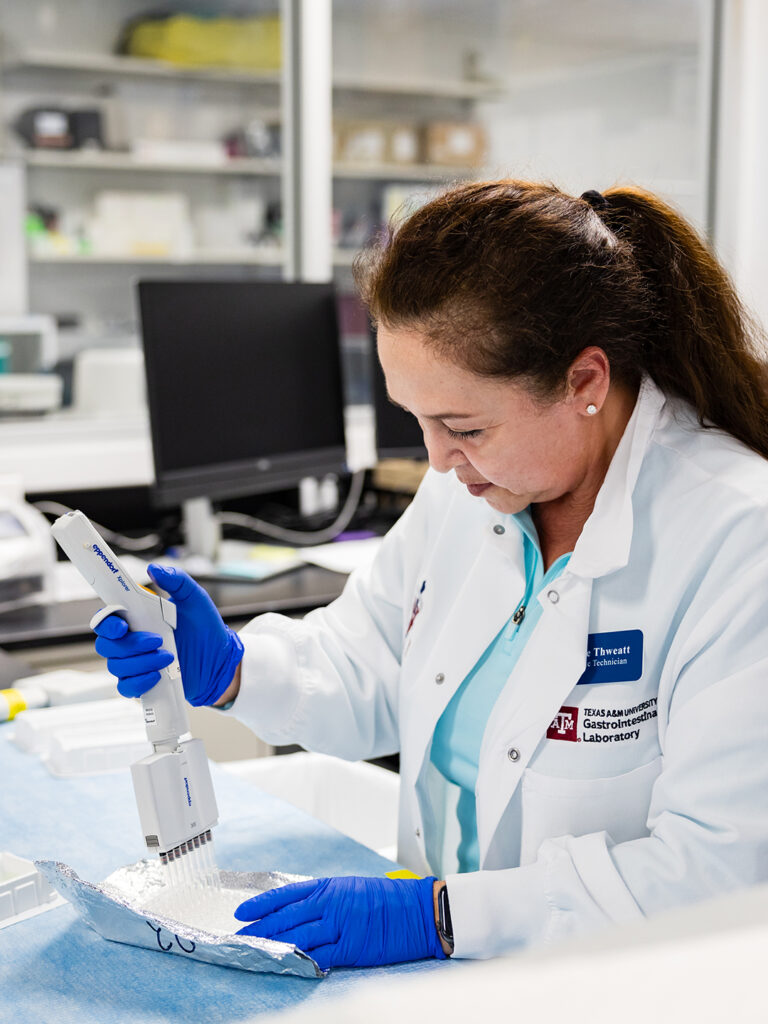
Throughout his research career, Suchodolski has contributed to more than 160 research articles about dogs. His work includes looking at the metabolome — the complete set of small-molecule chemicals produced during metabolism — of both dogs and cats and examines things like how they interact with antibiotics.
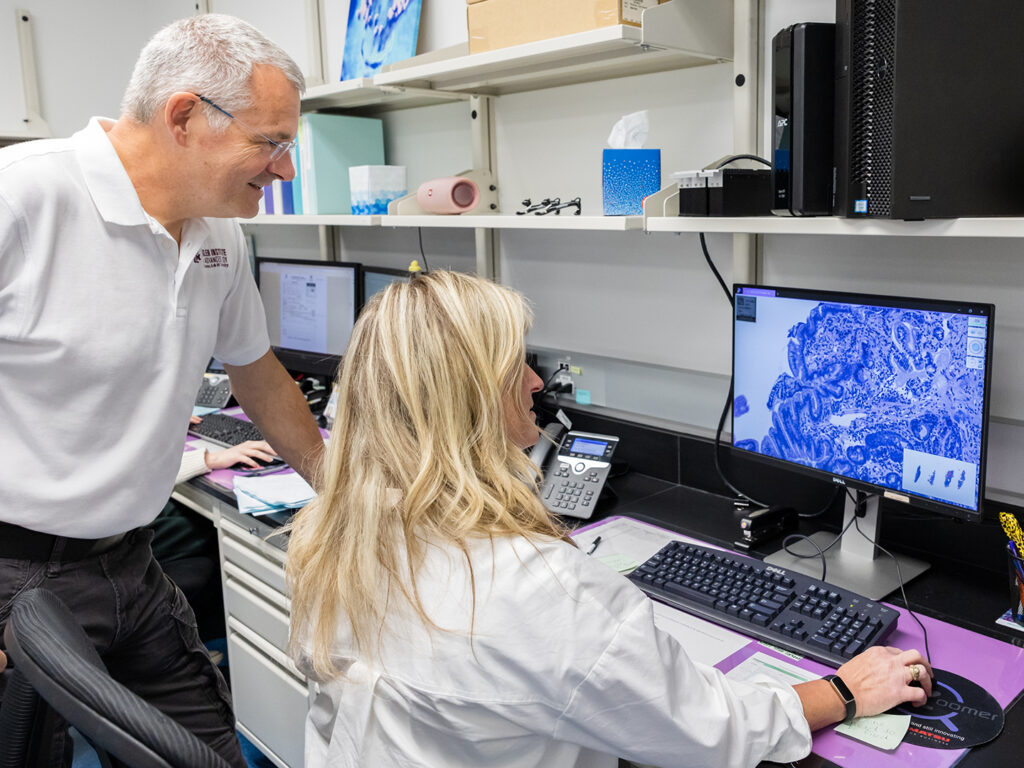
One of Suchodolski’s most recent research publications validated a new diagnostic index called the Dysbiosis Index (DI), which aids in distinguishing between acute and chronic GI dysfunction and detecting non-GI disorders.
“The Dysbiosis Index can accurately predict total shifts in the microbiome,” Suchodolski said in an article about the DI. “Doing this helps us define what is normal and abnormal for gut microbiome health so we can see when a patient’s gut system has shifted away from normal.”
Acute and chronic GI dysfunction require different management techniques, making the DI an instrumental tool in both diagnosis and treatment by ensuring the proper care can begin more quickly.
While Suchodolski’s discoveries primarily benefit dogs and cats, they also build a bank of knowledge about the bacteria composing the microbiome that also supports improvements in other species, including humans.
“Dr. Suchodolski is truly a pioneer in veterinary medicine, having nearly single-handedly defined the gastrointestinal microbiome in small animals,” said Dr. Jonathan Levine, head of the VMBS’ Department of Small Animal Clinical Sciences. “He is a field leader in canine research, and based on his metrics and discipline wide impact, highly deserving of this recognition.”
Suchodolski holds two degrees from the Veterinary University of Vienna, including his Doctor of Veterinary Medicine; a Ph.D. from Texas A&M; and is a diplomate of the American College of Veterinary Microbiologists.
He originally came to Texas A&M from Austria as a veterinary graduate to complete a short-term credit program, with the intention of returning to Austria after two years, but extended his time at Texas A&M when he was offered the opportunity to complete a Ph.D.
During the first year of his Ph.D. program, a new study examining the molecular method for studying the microbiome was published. The study ultimately changed the trajectory of Suchodolski’s career from veterinary practice to research. He officially joined the faculty at Texas A&M in 2005.
“We’re at the beginning of characterizing the different bacterial types, and we still don’t have the best methods available,” Suchodolski said. “There are a trillion bacteria that are living in our gut, and it’s exciting to be on the cutting edge of discovering what they are, what they do, and how to use them to better health outcomes for dogs, cats, and other species.”
###
For more information about the Texas A&M College of Veterinary Medicine & Biomedical Sciences, please visit our website at vetmed.tamu.edu or join us on Facebook, Instagram, and Twitter.
Contact Information: Jennifer Gauntt, Director of VMBS Communications, Texas A&M College of Veterinary Medicine & Biomedical Sciences, jgauntt@cvm.tamu.edu,979-862-4216
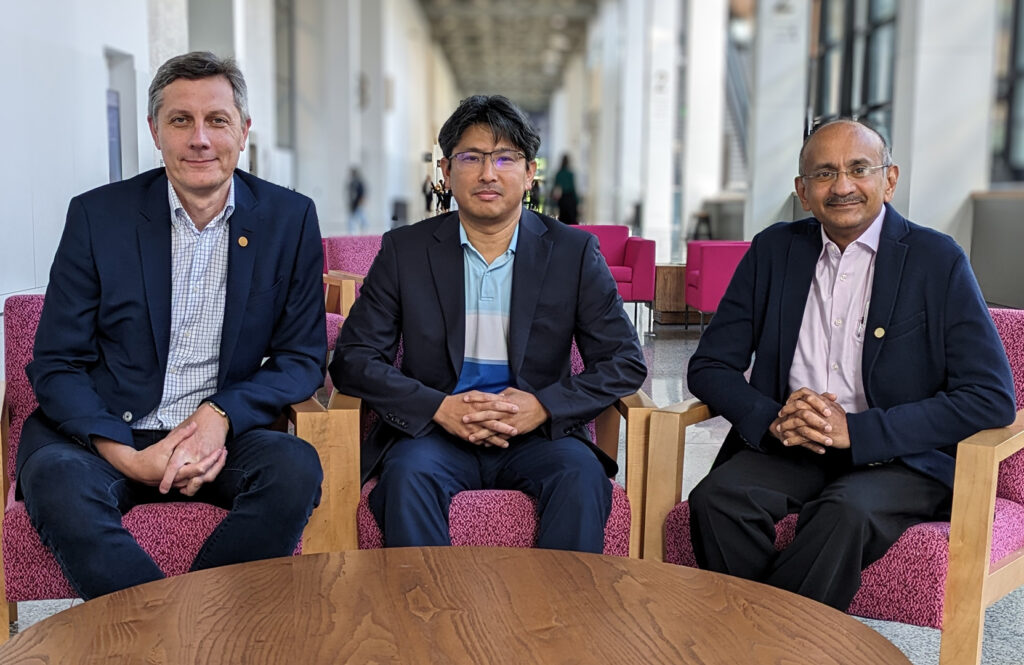
Dr. Ivan Rusyn, Dr. Arum Han, and Dr. Ramkumar Menon
The University of Texas Medical Branch and Texas A&M University have received a $7.5 million grant from the National Center for Advancing Translational Sciences (NCATS) to establish a center dedicated to promoting women’s and pregnancy health research.
The UTMB-Texas A&M partnership is one of four centers funded by NCATS and the only center that will conduct pregnancy and women’s health research. The five-year grant will establish the Translational Center for Microphysiological Systems Based Drug Development Tools for Pregnancy and Women’s Health.
This major initiative aims to use an existing, cutting-edge technology called Microphysiological Systems (MPS), or “organ-on-a-chip,” to replicate all aspects of the human female reproductive organs involved in pregnancy as a drug development tool.
UTMB will operate as the central hub for coordinating activities across a laboratory at UTMB and two others at Texas A&M.
“We are honored to receive this grant from NCATS, which will enable us to advance research in women’s health and pregnancy,” said Dr. Ramkumar Menon, professor in the Department of Obstetrics and Gynecology at UTMB and the center’s contact principal investigator.
“Our goal is to create reliable drug development tools, ultimately improving regulatory decision-making processes and advancing medical science in these critical areas,” Menon said. “Pregnant women and their fetuses are therapeutic orphans and clinical trials do not include them. With the tools developed, we will work with NCATS and the FDA to accelerate clinical trials during pregnancy in the future and reduce complications like preterm birth.”
The core functions of the Translational Center for Microphysiological Systems Based Drug Development Tools for Pregnancy and Women’s Health are managing administration and finances, integrating research, ensuring quality control of drug development tools, getting FDA approval for these tools, and translating research into commercial applications. The center will also focus on disseminating its knowledge to academic researchers, government agencies, and industry end-users, ensuring that the benefits of this research reach a broad audience.
“We believe this center will become a leading force in women’s and pregnancy health research, providing valuable resources and expertise to the scientific community and beyond,” Menon said.
Menon will be joined in the team of principal investigators by Drs. Arum Han and Ivan Rusyn, both from Texas A&M.
Han, a professor of electrical and computer engineering, will lead center’s activities on manufacturing the MPS used in drug development.
“Translating the MPS platforms we have developed into the hands of drug developers and pharmaceutical companies through this center will be an exciting new endeavor, truly bringing positive impacts to women’s health and pregnancy, together with my long-term collaborators, Drs. Menon and Rusyn,” Han said. “By supporting the qualification of MPS devices representing female reproductive systems, we hope to fill a critical gap in drug development tools.”
“We are excited to partner with Drs. Menon and Han to utilize the experience in MPS testing and qualification that we acquired through TEX-VAL Tissue Chip Testing Consortium,” Rusyn said. “The independent verification of the performance of MPS is a critical activity for end-user confidence and we are looking forward to working with our current TEX-VAL partners in the industry and government to ensure fit-for-purpose validation.”
The National Center for Advancing Translational Sciences is part of the National Institutes of Health. NCATS focuses on improving the translational process so that new treatments and cures for diseases can be delivered to patients faster. These include scientific, operational, financial, and administrative innovations that transform the way that research is done, making it faster, more efficient, and more impactful.
###
For more information about the Texas A&M College of Veterinary Medicine & Biomedical Sciences, please visit our website at vetmed.tamu.edu or join us on Facebook, Instagram, and Twitter.
Contact Information: Jennifer Gauntt, Director of VMBS Communications, Texas A&M College of Veterinary Medicine & Biomedical Sciences, jgauntt@cvm.tamu.edu,979-862-4216
The current Small Animal Teaching Hospital provides specialized care for patients from all 50 states in the U.S. Photo by Jason Nitsch ’14, Texas A&M School of Veterinary Medicine & Biomedical Sciences
The Texas A&M School of Veterinary Medicine & Biomedical Sciences (VMBS) has reached an important new milestone in its plan to build a new Clinical Veterinary Teaching & Research Complex (CVTRC), partnering with Page, a full-service architecture, engineering, and design firm, and Texas-owned Vaughn Construction to design and build its new facility.
“We are delighted to be initiating the design phase for our long-awaited new Clinical Veterinary Teaching & Research Complex,” said Dr. John R. August, the Carl B. King Dean of Veterinary Medicine. “We look forward to working with Page, Vaughn Construction, and the outstanding faculty and staff in our current Small Animal Teaching Hospital (SATH) to create a new small animal hospital that will meet not only our needs and the needs for clinical instruction and advanced training but also the needs of the patients and clients who depend on the SATH for state-of-the-art care for their beloved companion animals.”
“Our students, faculty, and staff are extremely passionate about what they do, but the building they work in is over 40 years old,” said Dr. Stacy Eckman, the associate dean for hospital operations and chief executive officer of the school’s Veterinary Medical Teaching Hospital (VMTH). “It’s much older than the hospital facilities at our peer institutions, and it no longer reflects the VMBS’s nationally ranked curriculum and exceptional patient care.”
Page brings more than 125 years of experience designing complex projects that make significant impact on the communities they serve. As a nationally recognized leader in academic medicine design, Page has worked with more than 400 institutions and has supported more than 18 million square feet of space in the Texas Medical Center, including the Paula and Joseph C. (Rusty) Walter III Tower and Centennial Tower at Houston Methodist; the Texas A&M University School of Engineering Medicine; the Wilmer Eye Institute at Johns Hopkins Medicine; and the Surgical Hospital at The University of North Carolina.
For this project, Page will collaborate with Foil Wyatt Architects, one of the country’s preeminent veterinary medicine design firms, to ensure that the new state-of-the-art facility meets the needs of patients, clinical faculty and staff, and students at the hospital.
“Page is proud to partner with Texas A&M University and the VBMS team on the new Clinical Veterinary Teaching & Research Complex. We hold Texas A&M’s veterinary program in the highest regard and understand the lasting impact this facility will have on the university, its students, and the community it serves, both animals and humans alike,” said Laura Vargas, principal, science & technology director for Page. “The leading-edge care provided by these professionals is unparalleled, and we are honored by the trust placed in us to deliver an exceptional design that will support veterinary medicine for decades to come.”
“The new small animal hospital facility will help us expand our ability to provide teaching, specialist training, research, and patient care of the very highest quality, setting the standard nationwide for academic veterinary medicine.”
Dr. John R. August
Vaughn Construction is a Texas-based commercial general contractor and construction manager that specializes in building complex and time-sensitive construction projects of any size for healthcare, higher education, and research. Their projects have included the Texas A&M Global Health Research Building, the Texas A&M Veterinary Medical Diagnostic Laboratory in College Station, the Texas A&M Nursing Education & Research Building currently being constructed at the Higher Education Center at McAllen, the Zachry Engineering Education Complex, Texas Medical Center’s TMC3 Collaborative Building, and the Texas A&M Instructional Laboratory and Innovative Learning Building, among others.
“Vaughn Construction has a strong 25-year history of delivering complex projects for the Texas A&M University System with our shared goal of providing exceptional facilities for students, faculty, and the community,” said Judd Blume, Vaughn Construction director. “As a company with many Aggie graduates, including myself, we are always excited about the opportunity to pursue another legacy project on the main campus. We are extremely honored to have the opportunity to build a new facility for one of the top veterinary medicine programs in the country, which will continue to elevate this standard. We are very thankful to be a part of this project team.”
The CVTRC is a project that has been a long time in the making but has generated new momentum under the leadership of August, who became VMBS dean in the summer of 2020.
In 2022, the VMBS reached several key milestones allowing the school to proceed with plans for the new small animal hospital, including receiving funding from Texas A&M University and the Texas Legislature. In March 2023, the VMBS received a $20 million lead gift from Linda and Dennis ’68, business owners with a dedicated love for animals and Texas A&M University. This extraordinary gift brings the total fundraising to over $30 million, significantly advancing towards our ultimate goal of $60 million to profoundly impact our faculty, clinicians, students, and programs.
“We are extraordinarily appreciative of the financial generosity that has allowed us to move forward with this once-in-a-generation project,” August said. “The new small animal hospital facility will help us expand our ability to provide teaching, specialist training, research, and patient care of the very highest quality, setting the standard nationwide for academic veterinary medicine.”
Once construction is complete, the CVTRC will be located on the corner of Raymond Stotzer Parkway and Agronomy Road, near the current SATH building.
For more information about the Texas A&M College of Veterinary Medicine & Biomedical Sciences, please visit our website at vetmed.tamu.edu or join us on Facebook, Instagram, and Twitter.
Contact Information: Jennifer Gauntt, Director of VMBS Communications, Texas A&M College of Veterinary Medicine & Biomedical Sciences, jgauntt@cvm.tamu.edu,979-862-4216
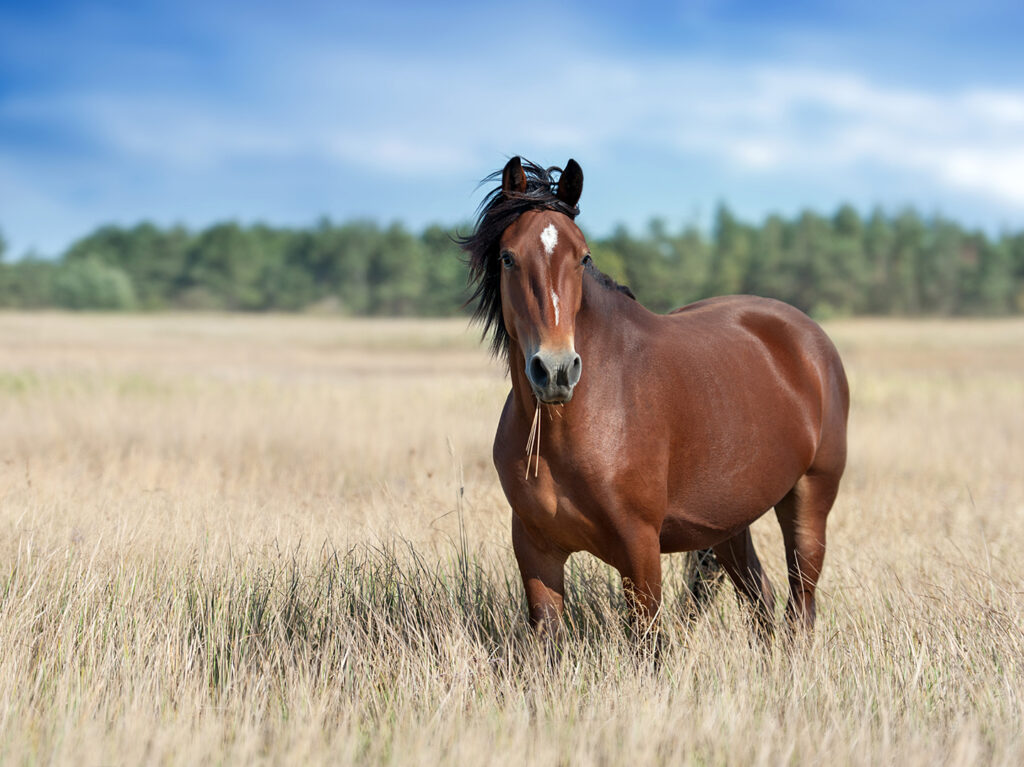
With the notorious summer heat creeping back in, horse owners may begin to worry about the sores their equine friends can develop during the scorching season.
Dr. Dustin Major, a clinical assistant professor of large animal surgery at the Texas A&M School of Veterinary Medicine & Biomedical Sciences, offers insight for horse owners on summer sores and the potential parasitic harm they can bring to horses during the warmer months.
The Site Of The Crime
Cutaneous habronemiasis, or summer sores, are the result of a parasitic infection that occurs when the life cycle of stomach worms — such as Habronema muscae, Habronema major, or Draschia megastoma — is disrupted.
In the typical life cycle, these worms harmlessly pass through the horse’s digestive tract, and their eggs are excreted by the horse. After hatching into larvae, they are ingested by maggots within the manure. Once the maggot has matured into a fly, the parasite then uses the fly as a means of transportation, continuing the cycle as the larvae are dropped off into the mouth of the horse, making their way into the stomach where their life initially began.
Where things go awry is when the fly carrying the parasitic larvae is drawn to a moist membrane such as the eyes or an open wound; if a larva is dropped in one of these vulnerable areas, it can burrow into the horse in search of their intended home — the horse’s stomach — leaving the horse with a painful, itchy sore.
“It’s important to understand that horses that develop summer sores do so because they have an increased inflammatory response to these larvae, so horses that are prone to making summer sores are more likely to experience this reaction,” Major explained.
What To Look For
Sores that appear on a horse’s eye, mouth corners, lips, sheath, urethra, or open wound are easily noticeable and unable to heal without veterinary care.
Major said it is easy to mistake summer sores for other infections, but they have one distinction — yellow spots known as sulfur granules. Sulfur granules appear as small, yellow, and hard particles within the granulation tissue of the ulcerated area.
“These wounds typically appear as round-to-irregular ulcerative sores with unhealthy-looking granulation tissue within them,” Major said. “They tend to be mildly painful and can be extremely itchy, to the point that some horses will self-traumatize by rubbing the sore.”
Major encourages owners to contact their veterinarian as soon as a sore appears to help determine if it is a summer sore or a symptom of a separate infection.
“Here in the Southern U.S., another rule-out for lesions like this is pythiosis — more commonly known as Swamp Cancer — which is an infection involving an aggressive fungal-like organism that has a poor prognosis,” Major explained. “A biopsy of the lesion is often indicated to rule out this disease as well as cancers such as squamous cell carcinoma or sarcoids.”
Prevention And Treatment
Summer sore prevention begins at the core of the issue — flies.
“Fly control is vital in the summer and key to preventing summer sores,” Major said. “This can include barn sprayer systems, fly predators, feed-through products, picking feces out of stalls and paddocks, and using fly masks and fly sheets.
“Additionally, horses that are susceptible to the development of summer sores may benefit from additional deworming with an avermectin product (e.g., ivermectin) during fly season to limit the larvae within the horse and environment,” he said.
Treatment typically includes the prescription of a steroid and triple antibiotic ointment for topical application, which can be used on early lesions.
“However, debridement, or removal of the infected tissue, is often necessary, in which case veterinary intervention would be indicated,” Major explained.
Major also said it is crucial to keep your veterinarian updated on the horse’s recovery, or lack thereof, to avoid prolonged treatment and further debilitation of the horse’s health.
“When in doubt, it’s much better to have the vet out early, because more complicated lesions can be difficult to clear up and often require multiple debridements, if not more significant surgical intervention,” Major added.
With ample knowledge and the ability to correctly identify summer sores, horses can be treated at home when the festering sore is spotted early on by their vigilant owner. Ensuring your horse remains free of summer sores this season is key to a healthy and happy summer for all.
Pasture Talk is a service of the College of Veterinary Medicine & Biomedical Sciences, Texas A&M University. Stories can be viewed on the web at vetmed.tamu.edu/news/tag/pasture-talk/. Suggestions for future topics may be directed to vmbs-editor@tamu.edu.
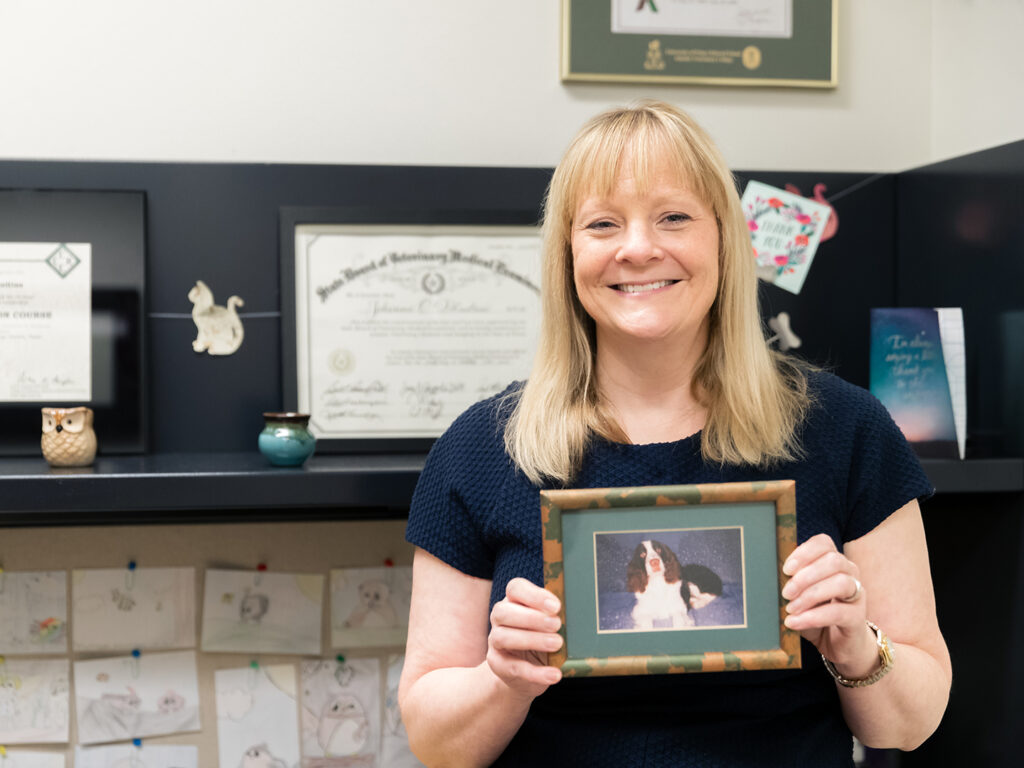
Dr. Johanna Heseltine holds her photo of Peaches. Photos by Jason Nitsch ’14, Texas A&M School of Veterinary Medicine & Biomedical Sciences
The things we display in our personal spaces tell the story of who we are. A photo shares what we hold dear, an award points out a strength, and a knickknack highlights an interest.
The office of Dr. Johanna Heseltine, a clinical associate professor in the Texas A&M School of Veterinary Medicine & Biomedical Sciences’ (VMBS) Department of Small Animal Clinical Sciences (VSCS), holds the key to her passion for veterinary medicine, her strengths as an educator, and her interest in teaching students what it means to provide gold-standard care.
A Passion For Veterinary Medicine
One of the treasures in Heseltine’s office is a photo of a patient named Peaches, whom Heseltine cared for as a fourth-year veterinary student at the University of Saskatchewan in Canada.
The experience of working with the Springer Spaniel changed the trajectory of Heseltine’s career.
“Peaches was a sweet dog born with a rare heart condition called Tetralogy of Fallot (a birth defect that affects normal blood flow through the heart),” Heseltine shared. “Her condition required open heart surgery, and it’s rare to do open heart surgery on dogs.
“The bypass team at the human hospital came over and did her bypass, and the human pediatric cardiologist assisted our surgeon with the surgery, so human and animal medicine worked together to save Peaches’ life,” she said.
The high-risk surgery required extensive follow-up care for several weeks.
“It was a coincidence that I was the student who ended up with her case, but it influenced the kind of veterinarian that I wanted to be,” Heseltine said. “I looked after Peaches for many weeks, and I had a really strong bond with her and her owners. That experience with her made me want to have that kind of case management and relationship with clients and with animals.”
Flexing Her Strength In Education
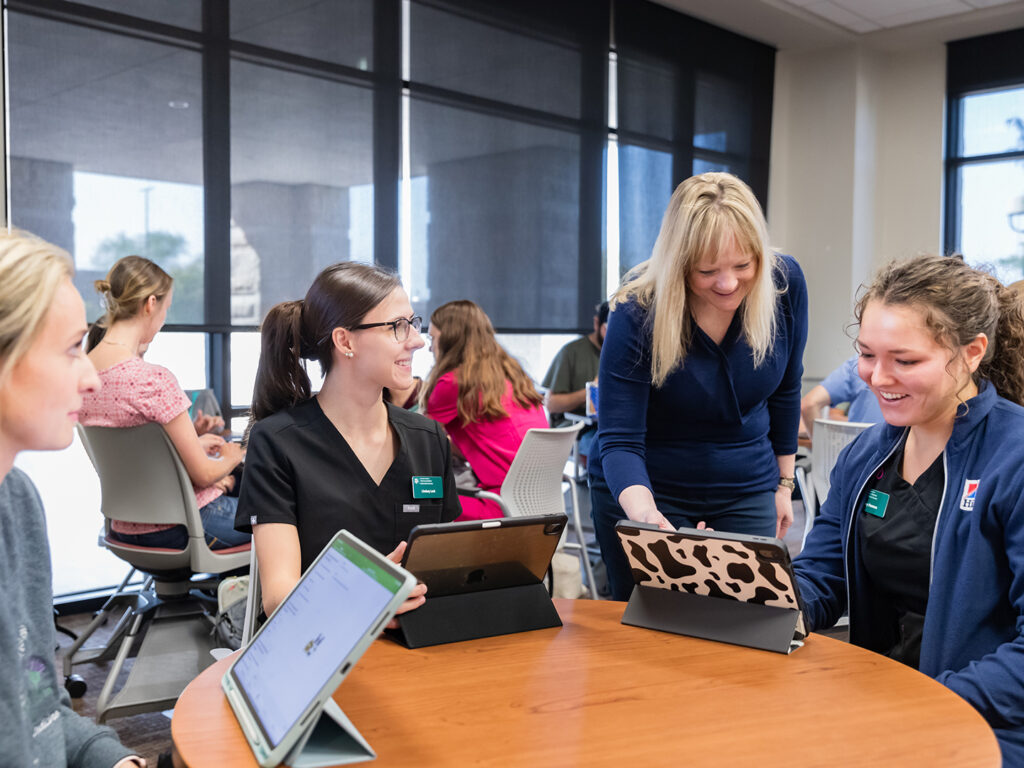
Heseltine teaching second-year veterinary medical students
Today, Heseltine draws from those kinds of patient experiences to teach her students how to apply what they learn in veterinary school.
Heseltine has served in private specialty practice, teaching hospitals, and academia in various Canadian provinces and American states, giving her a diverse background to pull from in the classroom. Most recently, she has cared for patients as a specialist in internal medicine, taught in a clinical setting, and mentored students at the Texas A&M Small Animal Teaching Hospital (SATH).
In January, however, Heseltine’s career took an unexpected turn after she had a major health condition, leading her to give up her role in the SATH’s Internal Medicine Service.
“My doctor told me to keep my blood pressure very low and to reduce stress associated with work,” she said. “So, now I focus all of my teaching in the pre-clinical years.”
Fortunately, Heseltine still has a wealth of experiences in clinical patient care that comes in handy in the classroom.
“The fact that my experiences are diverse is really helpful,” Heseltine explained. “Working with clients from different socioeconomic backgrounds helps me as a teacher, because I have worked in places where we’re able to do anything, regardless of the client’s finances, but I’ve also been in multiple areas where we’re treating empirically, or without running pricy tests, because that’s the option that’s right for the client financially.”
Rather than teaching students to recall information for a traditional pen-and-paper exam, Heseltine encourages future Aggie veterinarians to apply their knowledge to real-life former cases. She uses medical record writing to teach first-year students, with an emphasis on experiential learning.
“When they start their first year, I co-teach three critical-thinking sessions, which are about clinical reasoning and writing medical records,” she shared. “This is their introduction into thinking about the thought process used when you approach a case and how you capture that in a medical record.”
“I help students overcome this idea that they aren’t ‘good enough’ to pursue their dream in the profession. I make sure they know that if you have that dream and you have the motivation, you should pursue it because you can be successful.”
Dr. Johanna Heseltine
Heseltine also teaches second-year students in critical-thinking sessions that cover a range of health conditions, from coagulation to gastrointestinal diseases and respiratory disease.
“I try to take content that they’re getting in other second-year courses and make applying decisions to patients the focus of these sessions,” she said. “One example of this is an exercise I lead with Dr. Joanne Hardy in which they have to apply everything they’ve learned about respiratory disease in both small and large animal cases.”
Heseltine explained that in the exercise, students review patient videos in which the patients exhibit varying degrees of respiratory distress or disease. Based on the breathing patterns they can see in the videos, the students are then required to determine the next appropriate course of action.
The most rewarding part of the job, according to Heseltine, is seeing her students connect the dots from what they learned in other classes to applying that knowledge in the clinical setting.
“There’s this moment where you see the pieces connect for them,” she shared. “You see them take foundational knowledge and use it in a case to help their patient. Seeing them make those connections is a big part of what is really rewarding about this job.”
Heseltine’s outstanding efforts in the classroom regularly result in awards.
In March, she received the Provost Faculty Teaching Excellence Award, which encourages, recognizes, and rewards faculty who provide students with meaningful experiences, embrace effective teaching approaches, and value student-centered learning.
Heseltine’s efforts and genuine interest in helping her students result in a mutual respect and appreciation.
“Dr. Heseltine is a wonderful clinician,” a student said in a recent course evaluation. “She encourages independent thought and critical thinking. She respects students’ time. She gives students professional advice and recognizes the goals of each student and tailors feedback appropriately.”
Sharing An Interest With Future Aggie Veterinarians
Heseltine in her office
Heseltine’s interest in internal medicine stems from her interest in teaching.
“Internal medicine covers quite a wide variety of topics, and that is rewarding when you’re teaching,” she said. “Part of the reason I chose internal medicine as a specialty was because, at that stage of my career, I knew that I wanted to teach. Because internal medicine is at the foundation of so much of clinical medicine, I felt like that would be a really rewarding area to teach in because it’s relevant to everybody.”
Although Heseltine practiced as an internal medicine specialist, her approach to cases in the classroom is more generalized to better fit her student’s needs.
“I try to help students bridge what they see in the Veterinary Medical Teaching Hospital here to what they’ll see in their future communities by relating the cases we discuss to what they’ll be able to do in general practice,” she said. “I teach my students that gold-standard care doesn’t just mean running every test available; it means providing the highest standard of compassionate care possible while meeting the client’s and patient’s needs using the resources that are available. When we treat the patient, our focus is always on quality of life.”
Heseltine’s definition of gold-standard care is inspired by the compassion she gave Peaches as a veterinary student. It’s the same standard that she now passes on to her students.
“I absolutely love what I do, and I’m so glad that I pursued internal medicine,” Heseltine said. “I help students overcome this idea that they aren’t ‘good enough’ to pursue their dream in the profession. I make sure they know that if you have that dream and you have the motivation, you should pursue it because you can be successful.”
For more information about the Texas A&M College of Veterinary Medicine & Biomedical Sciences, please visit our website at vetmed.tamu.edu or join us on Facebook, Instagram, and Twitter.
Contact Information: Jennifer Gauntt, Director of VMBS Communications, Texas A&M College of Veterinary Medicine & Biomedical Sciences; jgauntt@cvm.tamu.edu; 979-862-4216
Dr. Lance Wheeler, a clinician in the VMTH’s Emergency & Critical Care Service
The Texas A&M Veterinary Medical Teaching Hospital (VMTH) has once again earned level two facility recertification by the Veterinary Emergency and Critical Care Society (VECCS). VECCS certification is a measure of how well a veterinary care facility is able to treat small animal patients in emergencies, including the medications available, the number and full-time status of staff, and emergency room hours of operation.
The VECCS is a global professional organization comprising veterinarians, veterinary technicians and practice managers committed to advancing knowledge and upholding superior standards in veterinary emergency and critical care. Its certification program is designed to encourage facilities to provide exceptional emergency and critical patient care that goes beyond the minimum standards.
“We’re very proud to receive this certification,” said Dr. Stacy Eckman, the associate dean for hospital operations and chief executive officer for the VMTH. “At the VMTH, it is very important that we are able to provide exceptional care to our patients while we train the world’s future veterinarians. The Emergency and Critical Care service at our Small Animal Teaching Hospital has done an outstanding job going above and beyond for our patients.”
Sarah Perry, a licensed veterinary technician at the VMTH, helped facilitate the recertification process.
“I’m very proud to be a part of the Emergency and Critical Care team and for us to be recognized by the VECCS as a facility that works hard to provide exceptional care to the pets and families in our community,” Perry said.
There are three levels of facility certification by VECCS, with level one being the highest. To receive certification, all facilities must meet a list of requirements that go beyond basic care standards, which include providing the following services:
plasma transfusions for cats and dogs
CPR
fluids
anesthesia
emergency surgery
diagnostic tests
in-facility pharmacy
support for nutrition, urinary/kidney and respiratory needs
detailed medical records
at least one dedicated full-time emergency care veterinarian
The VMTH received level two certification, which requires facilities to have even more advanced equipment, medications and full-time emergency care specialists; facilities must also be open 24/7 all year, including holidays. The hospital was previously recertified in 2020.
###
For more information about the Texas A&M College of Veterinary Medicine & Biomedical Sciences, please visit our website at vetmed.tamu.edu or join us on Facebook, Instagram, and Twitter.
Contact Information: Jennifer Gauntt, Director of VMBS Communications, Texas A&M College of Veterinary Medicine & Biomedical Sciences, jgauntt@cvm.tamu.edu,979-862-4216
In a collaborative effort, the Texas A&M College of Veterinary Medicine and Biomedical Sciences and the Department of Biomedical Engineering at Texas A&M University have welcomed Dr. Kenneth Hoyt and Dr. Elaheh Rahbar ’11 to their faculty cohort.
Strengthening the partnership between the two groups is a pillar in biomedical engineering’s strategic plan and is being fostered by Dr. Frances Ligler, university distinguished professor and Eppright Chair in biomedical engineering. Joint faculty help connect faculty with complementary clinical and research goals to foster multidisciplinary research that benefits both animals and humans, according to Ligler.
“Embedded faculty create connections between people; we have to be able to talk to each other on an ongoing basis, to understand each other’s problems and have individual, one-on-one relationships that motivate collaborations to address serious medical issues,” Ligler said. “There are serious veterinary problems for developing therapeutics, medical devices, or diagnostics that — if solved — will benefit humans as well. Engineers thrive on solving problems.”
Dr. Kenneth Hoyt
Dr. Kenneth Hoyt
Photo by Texas A&M Engineering
Hoyt, joint professor in the Department of Biomedical Engineering and the Department of Small Animal Clinical Sciences, leads the Ultrasound Research Laboratory and is focused on improving ultrasound technologies for the detection and treatment response monitoring of diseased tissue.
Hoyt says the joint appointment holds significant importance due to its interdisciplinary nature and potential for advancing affordable clinical capabilities.
“In addition to fostering collaboration between my research team and veterinarians, a joint appointment facilitates the development of innovative biomedical technologies to help address complex healthcare challenges that benefit both animal and human patients,” he said.
The partnership has already led to a review article discussing potential applications for advancing accessible ultrasound technology, with contributions from veterinary medicine collaborator Dr. John Griffin. The article examines accessible ultrasound applications in various fields, like emergency care, to facilitate more timely diagnosis.
“With the advancement of handheld systems and devices, ultrasound procedures can now be performed without the need for a patient to be physically present in a radiology department,” Hoyt said. “This allows rapid bedside tests, especially in emergency medicine or ambulatory settings where a formal radiological investigation would inevitably delay any diagnosis.”
Other projects for Hoyt include working with collaborators at Thomas Jefferson University and the University of Texas Southwestern Medical Center to explore a new noninvasive tissue characterization method for monitoring human breast cancer response to presurgical chemotherapy.
“We have data from 20 patients now, and research suggests our ultrasound technique can identify responding and non-responding patients within weeks after the start of their treatment,” Hoyt said.
Nearly a year in, Hoyt still says he has an exciting journey ahead at Texas A&M.
“Texas A&M is renowned for its strong research programs across numerous disciplines,” he said. “As I embark on my new faculty position, I look forward to the research opportunities, teaching and mentorship, and being part of a vibrant academic community.”
Dr. Elaheh Rahbar
Dr. Elaheh Rahbar
Photo by Texas A&M Engineering
Rahbar first came to Texas A&M in 2004 as an undergraduate summer researcher in Dr. Jimmy Moore’s lab. Hailing from Michigan State University as a materials science major, Rahbar returned to Texas A&M two years later for her doctorate in biomedical engineering, which she received in 2011.
The E.R. Lab is focused on engineering personalized trauma and critical care solutions. The lab utilizes engineering and computational approaches to identify biomarkers that can be plugged into algorithms for patient care. Rahbar says that human and animal research for critical care share many similarities and that animal responses can inform future human care in traumatic injuries and in the acute physiologic changes after an injury.
“Being a joint faculty member between the school and biomedical engineering allows our lab to have fluid interactions with both veterinarians and engineers,” she said. “We hope to invigorate more interest in this research space where there is a huge need for improved devices, diagnostics and clinical decision support tools.”
With 12 years of experience in a medical school environment, Rahbar said she looks forward to building strong collaborations between veterinary medicine, the Texas A&M medical school and the College of Engineering.
“There really is a shortage of engineers in the emergency medicine and critical care space,” she said. “I am really excited to build new programs that will equip not only our vet students, but engineers and medical students, with the necessary training to revolutionize how we handle trauma care.”
Rahbar and Hoyt are located at the Texas A&M Institute for Preclinical Studies (TIPS) building, which was established to enable translational research with large animals and is equipped with operating rooms and advanced imaging suites. They are working with other engineering and veterinary medicine faculty to expand the imaging and hemodynamic data acquisition modalities used at TIPS.
“They are both enthusiastic leaders for collaboration, generate outstanding new ideas, and have proven ability to obtain federal research funding to investigate those ideas,” Ligler said. “They each have individual expertise that fit well in our department and meet the needs of the veterinary community. They are both perfect fits.”
###
For more information about the Texas A&M College of Veterinary Medicine & Biomedical Sciences, please visit our website at vetmed.tamu.edu or join us on Facebook, Instagram, and Twitter.
Contact Information: Jennifer Gauntt, Director of VMBS Communications, Texas A&M College of Veterinary Medicine & Biomedical Sciences, jgauntt@cvm.tamu.edu,979-862-4216
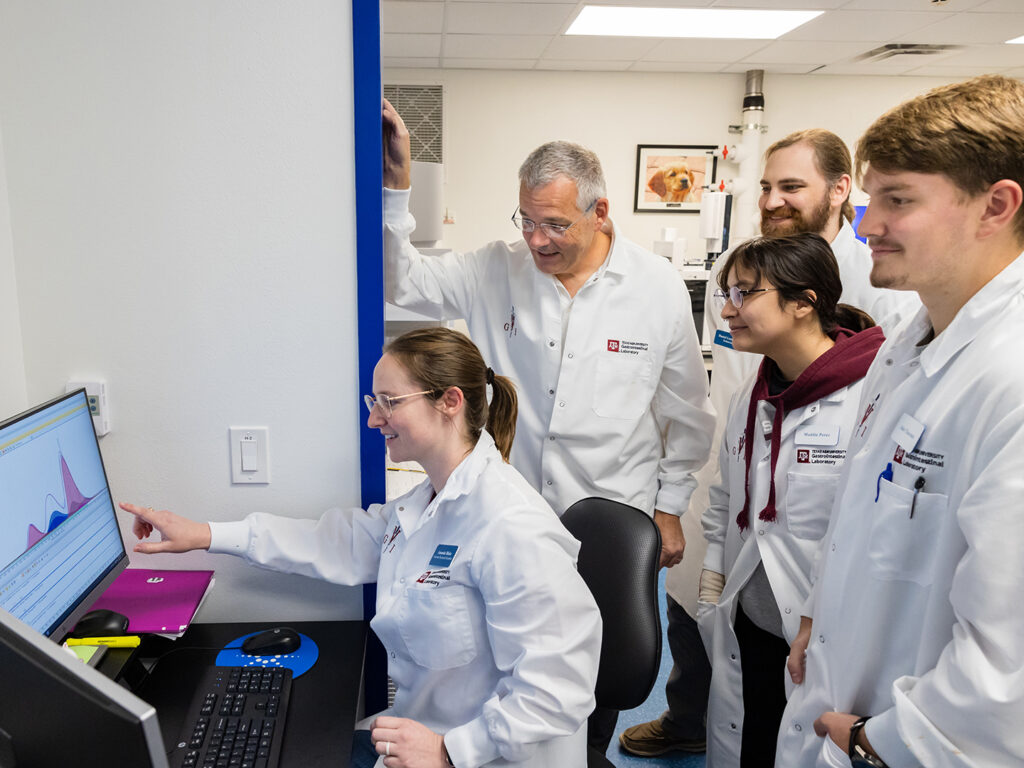
Dr. Amanda Blake and Dr. Jörg Steiner discuss some statistics with student researchers in the GI Lab. Photos by Jason Nitsch ’14, Texas A&M School of Veterinary Medicine & Biomedical Sciences
Gastrointestinal disorders are some of the most common health problems facing pets today. In fact, more than 10% of all new visits to a veterinarian are related to GI disease in both dogs and cats, according to Dr. Jörg Steiner, a Universrity Distinguished Professor at the Texas A&M School of Veterinary Medicine & Biomedical Sciences (VMBS) and director of the school’s Gastrointestinal Laboratory (GI Lab).
“Ten percent may not sound like a lot, but that includes wellness visits and vaccinations,” he said. “Every veterinarian is touched by it.”
Even so, most people don’t realize that GI problems affect many organs.
“The term gastrointestinal means different things to different people,” Steiner said. “At the GI Lab, it means that we deal with anything that’s related to the gastrointestinal system, which is everything from the esophagus to the intestines and colon. But it also includes the liver and pancreas. As long as it touches on one of those organs, we’re involved.”
As such, the GI Lab at Texas A&M is a global center for diagnostics and research related to gastrointestinal issues, primarily in animals.
They service veterinary clinics all over the world that need samples analyzed for research or diagnosing patients. The lab’s scientists also conduct their own primary research, including testing new drugs, testing new pet foods, and searching for better ways to aid in patient diagnosis and recovery.
Making The Most Of A Global Network
As a lab that services both the Texas A&M Veterinary Medical Teaching Hospital (VMTH) and other veterinarians around the country, the GI Lab is uniquely situated to study a wide variety of GI health problems.
“We probably have the largest access to clinical cases of anyone in the world,” Steiner said. “Not only do we have access to local clinical cases, but we also have access to samples from around 100,000 animals a year that have gastrointestinal diseases. If you’re trying to study a disease and you have that many patients, your chances of finding 20 or 30 cases of one disease are very good. By comparison, the entire vet school only sees about 28,000 cases a year.”
The additional cases that come in from around the world help guarantee that the GI Lab will get the number it needs to make meaningful assessments.
“For example, there is a new virus recently discovered in Australia that we learned is connected to liver cancer,” he explained. “We were able to collect about 30 cases of liver cancer in cats thanks to our connections, versus the one or two cases we might have found had we only looked at one vet school.
“If we’d only found a couple of cats positive for the virus, that wouldn’t have been enough information to draw conclusions,” he said. “But because we had 30 cases, and one-quarter were positive, that became meaningful information.”
Jasmine Thweatt
When it comes to testing out new medical drugs, numbers once again play an important role.
“For a treatment trial, you may need 30 or 40 cases to show whether a new drug works well,” Steiner said. “And you have to be able to gather those cases in a reasonable amount of time. A single institution might need 20 years to gather all those cases, but we can do it much faster.”
The large number of cases is not the only advantage that the GI Lab has; with nine full-time faculty members, it also has one of the largest gastroenterologist teams in the world. When you include graduate students, postdocs, and staff members, the number is closer to 80 people.
“Most groups that do GI research have only one or two people,” Steiner explained. “It’s usually two clinical scientists and they may work together with a pathologist. We’re the only lab with the kind of depth needed to have special research groups.”
Conducting Cutting-Edge Research
Besides servicing veterinary clinics, the GI Lab is involved with a wide variety of research projects.
“At any given time, we’re involved in more than 100 research projects,” Steiner said. “Half of those come from within the GI Lab — meaning our faculty do the research. Then, there’s another 20% that comes from faculty at the VMTH who utilize our technology. The rest come from collaborative researchers who are at other universities or private companies.”
The GI Lab conducts research mainly in three areas: etiology, diagnostics, and therapeutic research.
“Etiology is the search for causes,” Steiner said. “It includes questions like, how does an animal get a disease? Why does it happen? What nutritional deficiency or genetic mutation is causing it?”
The biggest area of research for the lab is diagnostics, which involves detecting and identifying illnesses through the use of novel diagnostic tools.
“Many diseases in veterinary medicine lack good diagnostic tests,” Steiner said. “We usually develop about two new tests a year, but only 10% of new tests turn out to be really useful. It’s a painful development path because you have to think of new ideas, develop the tool, and then test it. They typically don’t turn out to be as helpful as we were hoping, but the ones that do can make a real difference in how veterinarians in everyday practice diagnose those diseases.”
The last major area of research that the lab is involved with is therapeutic research.
“Many diseases don’t have a specific treatment,” Steiner explained. “For those that don’t, we can only do what we call management — we support the body while we wait for it to heal itself. Or we can reduce the severity of symptoms. So there is a real need to find better therapeutic tools. For example, we often work with pet food companies to look at novel diets that help manage certain diseases. Other times, we work with drug manufacturers.”
Many of the research projects at the GI Lab are at the cutting edge of veterinary medicine.
Steiner and Kelly Mallett, supervisor of the histopathology lab, examine an intestinal biopsy.
“One of our projects was to support a pharmaceutical company who just received conditional approval for a drug that is the first treatment of pancreatitis in any species,” Steiner said. “That treatment doesn’t even exist yet in humans. We try to be on the forefront of research.”
While pancreatitis treatments in humans may not be available yet, there are other projects going on at the lab that do translate from animal to human medicine.
For example, one project at the lab works with copper hepatopathy, which is called Wilson’s disease when it occurs in humans. People and animals with this disease can’t rid their bodies of excess copper, which causes liver problems and significant mortality.
“There are some new treatments for copper hepatopathy in dogs on the horizon,” Steiner said. “These treatments would be much faster, possibly getting rid of all the copper in the patient’s liver in two weeks. We could actually keep human patients from ever needing a liver transplant if we were to use these treatments in human Wilson’s disease patients. If the treatment works for dogs, it may also work for people.”
Envisioning The Future Of GI Research
Even though the GI Lab is already a one-of-a-kind research institution, Steiner isn’t interested in coasting on the lab’s existing reputation. His current focus is hiring more faculty, including multiple full-time veterinary nutritionists to work in the lab and launch a clinical nutrition program.
Having nutritionists would significantly enhance the lab’s ability to study the whole picture of GI diseases.
“Most people know basic nutrition principles, like eating less sugar,” Steiner said. “But they don’t know how to put it into scientific terms. In general, the same is true for veterinarians. If a patient has a GI disease that causes diarrhea, they could tell the owner to try a diet with certain proteins, but they wouldn’t necessarily know the nitty-gritty details behind how that diet works. That’s where the nutritionist comes in.”
Nutrition is a vital component of treating almost any kind of health problem.
“If you are hit by a car, nutrition is really crucial for your body to be able to heal itself quickly,” Steiner said. “Or if you have pancreatitis, you don’t want to end up making it worse by having the wrong components in your diet. So, nutrition touches every aspect of health.”
Nutritionists aren’t the only people Steiner hopes to hire in the future. By bringing on pathologists and a statistician epidemiologist, the GI Lab will be prepared to stay at the forefront of research and continue training students and junior researchers.
“The goal of the GI Lab is really to train the next generation of clinician scientists,” Steiner said. “We want to be at the center of that movement.”
For more information about the Texas A&M College of Veterinary Medicine & Biomedical Sciences, please visit our website at vetmed.tamu.edu or join us on Facebook, Instagram, and Twitter.
Contact Information: Jennifer Gauntt, Director of VMBS Communications, Texas A&M College of Veterinary Medicine & Biomedical Sciences; jgauntt@cvm.tamu.edu; 979-862-4216
Walking your dog daily is an excellent activity for dogs and owners, alike, because it brings mental and physical stimulation to your pet and creates an unbreakable bond between you and your furry friend. However, as summer approaches and the temperature begins to rise, owners should be aware of the risks associated with walking pets in the heat.
Dr. Lori Teller, a clinical professor at the Texas A&M School of Veterinary Medicine & Biomedical Sciences, has some tips on identifying signs that it may be too hot to walk your pet and suggestions on ways to exercise them more safely on hot summer days.
Recognizing When It’s ‘Too Hot To Walk’
It is important to pay attention to your dog and know when it might be too hot to take them for a walk.
“When it is hot outside, many dogs can be adversely impacted and suffer from heat exhaustion or heat stroke,” Teller said. “Dogs cannot sweat, and panting is not an effective mechanism for cooling off, so dogs do not have efficient ways of handling excessive heat.”
Teller also said there is no specific temperature that is too hot for dogs.
“A good rule is to avoid the hottest times of the day in the summer and limit walks or runs to early morning or late evening times when the temperatures have dropped some,” Teller said. “It may also be a good idea to consider booties to protect your dog’s feet from the hot pavement.”
In addition to being mindful of the time of day, owners should be extra cautious with both very young and older dogs as well as those with underlying medical conditions.
“Dogs with respiratory disease, heart disease, obesity, and breeds with flat or smushed faces — such as pugs, boxers, bulldogs, Shih Tzus, and more — are more likely to be heat-intolerant, or sensitive to the warmer temperatures.”
Another consideration for owners is how adjusted your dog is to the climate.
“Dogs that have recently relocated from cooler climates are also less likely to be acclimated to warmer temperatures,” Teller said.
Identifying When A Pet Is Overheating
While prevention is the best way to keep pets safe from overheating, Teller said it is also important to know the signs that a dog is struggling with the soaring temperatures. This is especially true for owners who take summer road trips that include outdoor breaks for their pets or who experience an air conditioning outage in the summer months.
Some signs to look out for in case your pet becomes overheated include anxiousness or restlessness; excessive panting or drooling; vomiting or diarrhea; abnormal gum or tongue color; unsteadiness while walking; or collapsing.
“If your pet appears to be overheated, place some cool, wet towels around your pet and seek veterinary care immediately,” Teller said. “Time is definitely of the essence.”
Alternative Ways To Exercise Your Pet
While the heat may pose challenges for keeping your dog active, exercise is important year-round to keep dogs healthy.
“Exercise is a great way for more active dogs to burn off some energy, and it can help lessen anxiety in dogs that are stressed,” Teller said. “It also promotes heart and joint health and helps with weight management. Just remember to consult with your veterinarian before beginning any exercise program to discuss what is most appropriate for your pet’s current health status.”
There are many alternatives to walks during the heat of the day that still get you and your pet outside of the house.
“Dog owners can explore indoor areas such as places to participate in flyball, agility, or even doggy social events,” Teller said. “Swimming or dock diving is also a great activity for dogs that enjoy water.”
If leaving the house is not an ideal option, Teller recommends owners find opportunities to exercise their pet indoors.
“At home, people can make use of long hallways for a game of fetch or create a dog-safe obstacle course,” Teller said. “Some dogs will chase a laser point, like those used for cats.”
Finding ways to exercise your dog during the summer can be challenging, but mentally and physically stimulating our furry friends without the risks of heat exhaustion and heat stroke can be fun for the whole family. By planning ahead and finding alternatives to daily walks, you can keep your dog happy and healthy all summer long.
Pet Talk is a service of the College of Veterinary Medicine & Biomedical Sciences, Texas A&M University. Stories can be viewed on the web at vetmed.tamu.edu/news/pet-talk. Suggestions for future topics may be directed to vmbs-editor@tamu.edu.
The clinical professor at the Texas A&M School of Veterinary Medicine & Biomedical Sciences (VMBS) already has a busy workload leading the school’s Virtual Vet telemedicine program, treating patients in the Small Animal Teaching Hospital’s Primary Care Service, and teaching Doctor of Veterinary Medicine students at all levels.
On top of that, Teller regularly takes on new leadership opportunities outside of Texas A&M University, including with organized industry groups like the Texas Veterinary Medical Association and the American Board of Veterinary Practitioners. Most recently, she completed a one-year term as president of the American Veterinary Medical Association (AVMA), the nation’s leading advocate for the veterinary profession.
In this position, Teller was responsible for representing more than 100,000 veterinary professionals through activities like congressional testimonies, media interviews, international meetings, and more.
As Teller reflects on her year as president of the AVMA, she also looks forward to using those experiences to enhance her role at Texas A&M.
Q&A: An Interview With Dr. Lori Teller, Immediate Past President Of The AVMA
Q: What led you to pursue this position?
A: My main impetus to run was the possibility to impact more than 100,000 veterinarians, plus thousands and thousands of other veterinary team members. A lot of that goes with policymaking and being able to advocate on their behalf, whether that was at state legislatures, Congress, regulatory agencies, or even with the general public and the media. It was an opportunity to really help others understand what veterinarians do.
Q: What were some of your biggest accomplishments during your time as president?
A: It was essentially a full-time job on top of my full-time job, but it was great because of the variety of things I got to do, the people I got to meet, and the places I got to go across the country and around the world.
I spent a lot of time studying and taking a deeper dive on a variety of issues before meeting with the appropriate audience members, whether that was legislators, regulators, or the media.
I also met with veterinary technicians and hospital managers who support veterinarians, industry groups, and sometimes even pre-veterinary and veterinary students. I enjoyed talking to them about what it means to be a veterinarian and what a rewarding career path it can be.
There were several international trips associated with my presidency, and it’s amazing, the similarities that we have with our colleagues in Europe and Asia and Australia. It was also important to see some of the differences in lower-resourced countries and the challenges they face so that we could determine what the AVMA and the international veterinary community can do to support them.
It was a once-in-a-lifetime opportunity to really make a difference and elevate the veterinary profession, both here in the U.S. and around the world.
Q: What are some of your favorite memories from the past year?
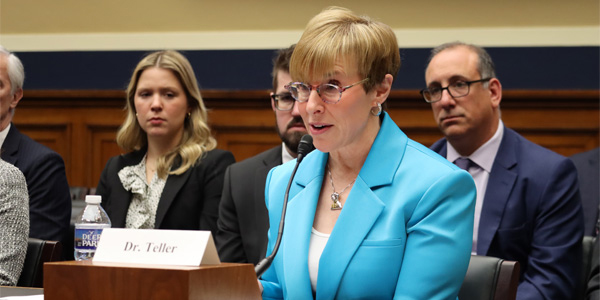
Teller testified before Congress in March to advocate for veterinarians’ continued access to name-brand and generic drugs.
A: We all know veterinarians are amazing, even under stress, and that we have to pivot a lot when something comes up. Last November, I was in a fascinating meeting in Malta about some of the similarities and differences between how veterinarians can practice in the European Union versus in the U.S. A speaker finished his talk and stepped off the podium, and then when somebody asked a question and he turned around to answer, he collapsed from a massive heart attack. The veterinarians around him raced over and immediately started doing CPR while somebody ran to get the AED device and someone else called the emergency response number. They had to do CPR on him for 26 minutes and shock him six or seven times with the AED before the paramedics arrived. As he was being wheeled out on the gurney, he looked at the crowd and put his thumb up to say, “Everything is OK.” It was amazing. If you have to have a heart attack and can’t be in an ER surrounded by cardiologists, then your next best choice is to be surrounded by a group of veterinarians who will immediately act to ensure that their colleague is going to survive.
I also went to the U.S. Veterinary Military Corps program in Garmisch, Germany, in May, spending several days with U.S. veterinarians and our NATO ally veterinarians and technicians. It was fascinating to learn what that very small group does — there are only about 500 veterinarians in the military around the world — and the vast responsibility they have. The veterinarians in the U.S. are responsible for ensuring a safe and secure food supply for the military. Think about the hundreds of thousands of people we have in the military and only a few hundred are responsible for ensuring the entire food supply. Different segments of military veterinarians are also responsible for the health of military working animals — dogs, horses, and even the dolphins in the Navy — and any pets that our military personnel may have. They are an amazing group of people.
Testifying before Congress in March to advocate for veterinarians’ continued ability to have access to both name- brand drugs and generic drugs was a big highlight as well.
Finally, putting together the AVMA’s holiday video (providing an annual health checkup for Santa’s reindeer) was a lot of fun. Those juvenile reindeer were hilarious; they’re like Labrador Retriever puppies. They wear harnesses like gentle leaders and one reindeer was not happy about it, so he came over and kept rubbing his face on my leg to try to get it off, but he kept bopping me in the face with his antler. It was pretty funny. I also learned that while raisins are toxic to dogs, they’re a major treat for training reindeer. I think we went through an entire tub of raisins doing the video.
Q: Do you have plans for pursuing future leadership positions?
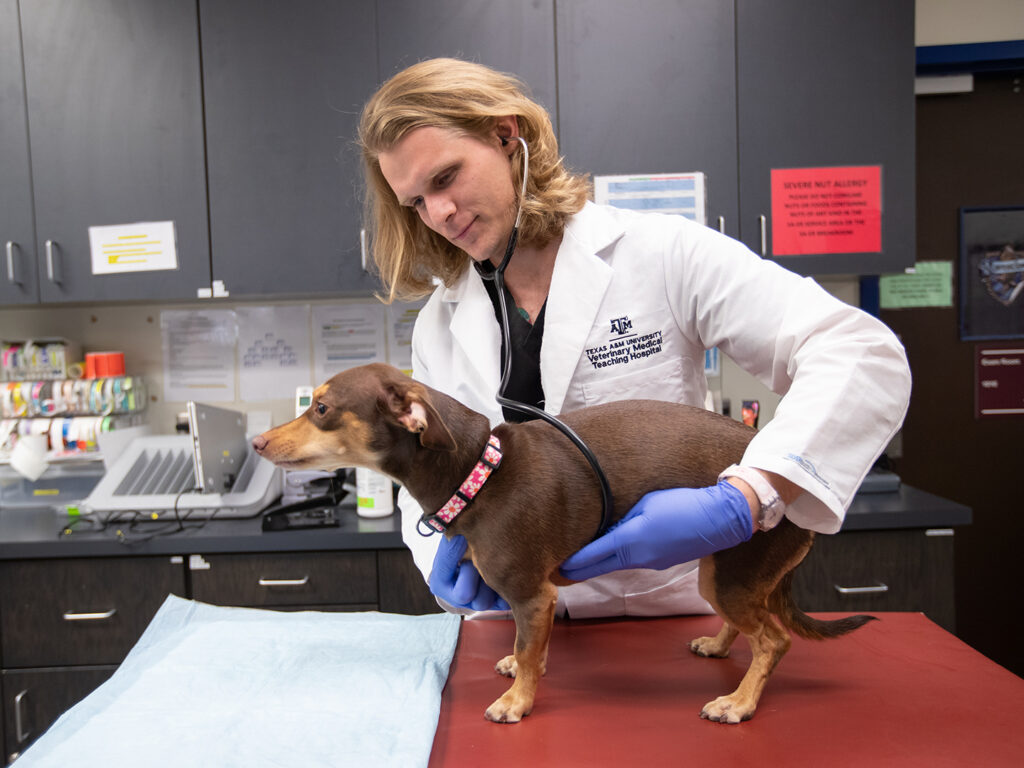
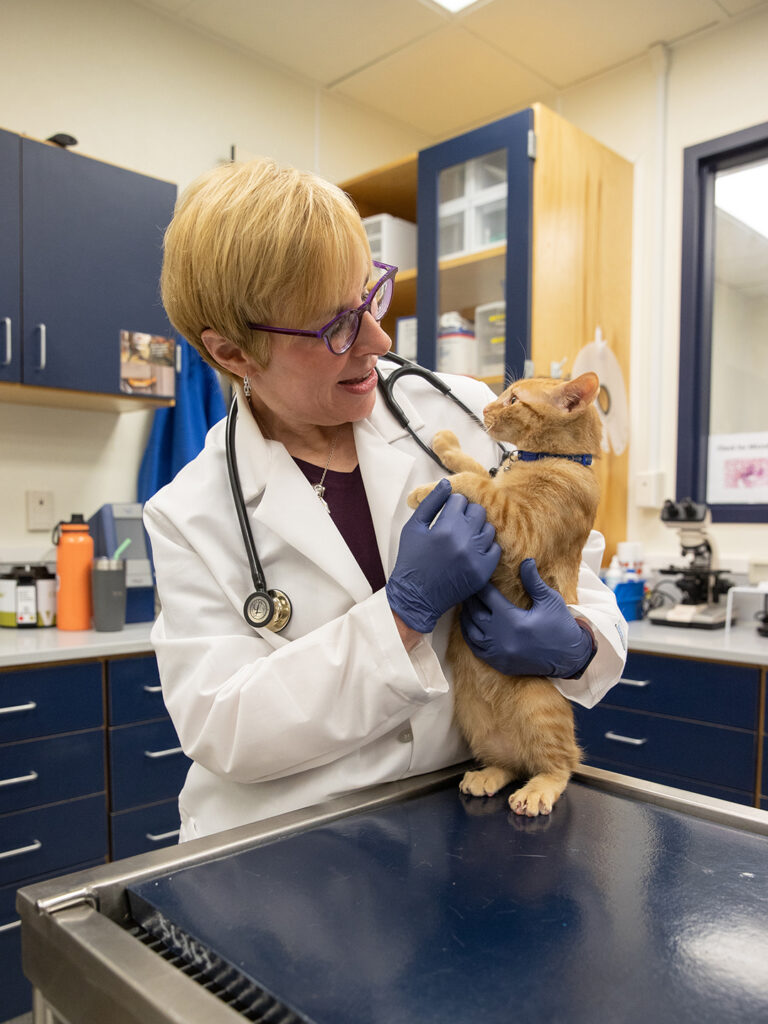
Teller with a patient at the Texas A&M Small Animal Teaching Hospital.
A: I was just elected to the Board of Directors for the American Board of Veterinary Practitioners and I also serve as their Canine/Feline Regent, so I’m the liaison between the board and the general diplomats who are boarded canine/feline.
For the AVMA, the immediate past-president automatically becomes the chair of the American Veterinary Medical Foundation, so I’ll be doing that for the next year as well.
Q: How will your time as president impact your work at Texas A&M?
A: The biggest thing is that I have learned and grown even more as a leader and a mentor, and I have a better understanding of the impact and importance of those roles. That will help guide my interactions with students and junior faculty members.
I’ll also have new experiences to share in some of the classes I teach. For example, I discuss the important role of organized veterinary medicine in the first-year class “Veterinarians in Society.” I also have a class about advocacy and hot topics in the veterinary profession, as well as a panel about the different organizations in veterinary medicine and how they can support someone’s veterinary career.
There were also lots of connections I made that can help the university and the veterinary school to expand the ways we can teach our students and attract new faculty and staff to the school. If there’s anything that I can do to help support that, I will.
At the end of her tenure, Teller had the opportunity to recognize three institutions that have been most instrumental in her professional development with the AVMA President’s Award. She presented one of these awards to the VMBS during the 2023 AVMA Convention on July 14.
“It is no easy task to teach students everything they need to know to be ready for practice after graduation,” Teller said while presenting the award to Dr. John R. August, the Carl B. King Dean of Veterinary Medicine at Texas A&M. “The compassion, intelligence, patience, and grace of the faculty and staff at the Texas A&M University School of Veterinary Medicine & Biomedical Sciences continue to inspire me, and much of what they do is unrecognized and under-appreciated by the veterinary profession. Their support of my endeavors is most definitely appreciated. Because of the work that they do, the future of veterinary medicine is indeed very bright.”
For more information about the Texas A&M College of Veterinary Medicine & Biomedical Sciences, please visit our website at vetmed.tamu.edu or join us on Facebook, Instagram, and Twitter.
Contact Information: Jennifer Gauntt, Director of VMBS Communications, Texas A&M College of Veterinary Medicine & Biomedical Sciences; jgauntt@cvm.tamu.edu; 979-862-4216