Texas A&M Graduates Support Future Aggie Veterinarians, Entrepreneurs

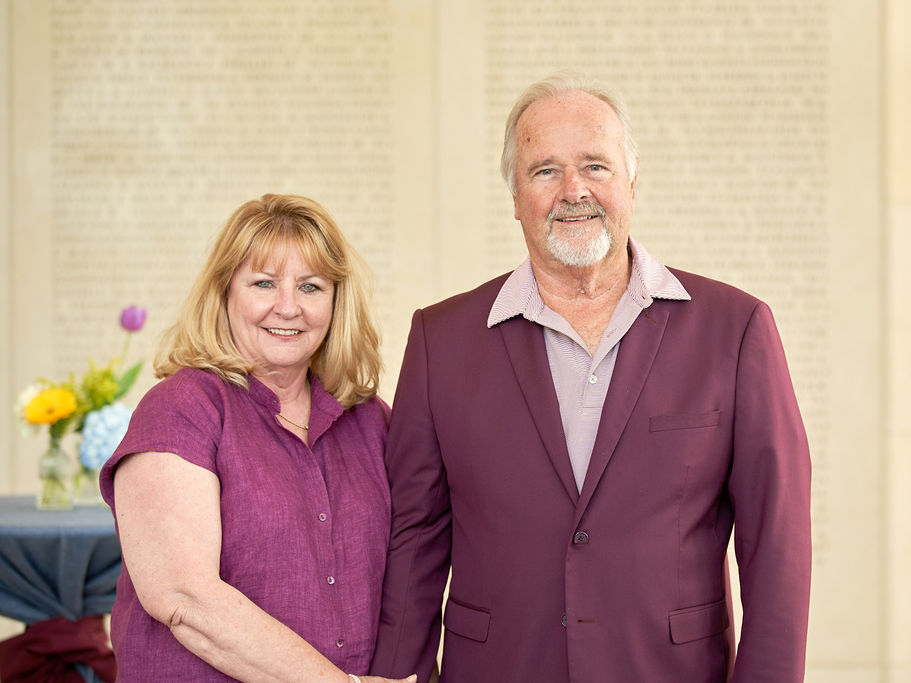
Pam and Larry Little
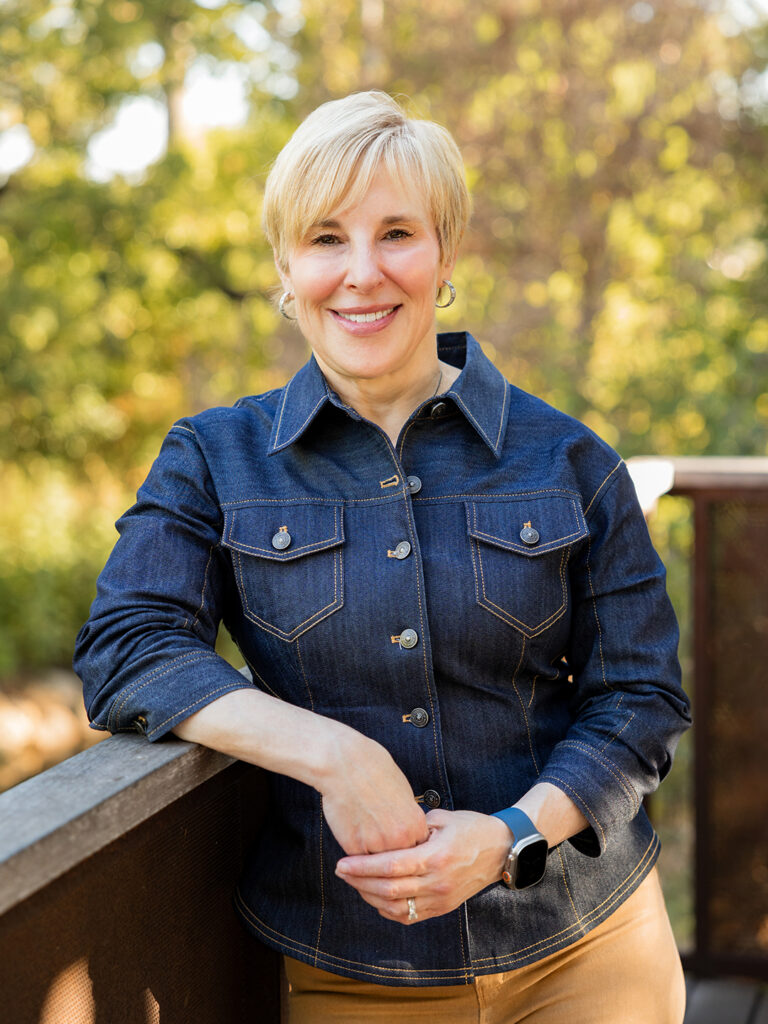
Pam ‘75 and Larry ‘73 Little
Photos by Butch Ireland

Pam ‘75 and Larry ‘73 Little have funded some of the largest scholarships in the history of both the Texas A&M School of Veterinary Medicine & Biomedical Sciences (VMBS) and Mays Business School with a $4 million donation made through the Texas A&M Foundation (TAMF). 

The scholarships will support both future Aggie veterinarians and future Aggie entrepreneurs in their higher education studies.

“Veterinary students graduate from the VMBS with less student debt than their peers across the United States thanks to the generosity of donors like Pam and Larry Little,” said Dr. John R. August, the Carl B. King Dean of Veterinary Medicine at the VMBS. “Their commitment to our veterinary students ensures that Aggie veterinarians graduate ready to serve thousands of animals across the state of Texas. We cannot thank them enough for their generosity.”

Embodying The Spirit

The Littles personify the first two lines of The Spirit of Aggieland, — “We are the Aggies, the Aggies are we. True to each other as Aggies can be.”

“The Littles truly believe in Aggies and give from the heart in supporting their education at Texas A&M University,” said Chastity Carrigan ‘16, vice president for engagement at the TAMF. “When they meet a student, they are called to the duty of supporting them. We’re all taught at Texas A&M that Aggies help Aggies, and they truly embody that spirit.”

The $2 million donation that will support the VMBS’ Doctor of Veterinary Medicine (DVM) students highlights the Littles’ Aggie spirit and shared Aggie core values; the scholarships also reflect the soft spot in their hearts for animals and supporting deserving students, with the gift providing 10, $20,000 annual scholarships for DVM students who are studying large animal medicine, equine medicine, and small animal medicine. 

“Veterinary school is expensive and requires a level of studying that makes it more challenging for these students to work throughout vet school,” Larry said. “These kids need as much help as they can get, so they can focus on their studies and start supporting the animals who need them when they graduate.” 

Empowering Future Aggie Veterinarians
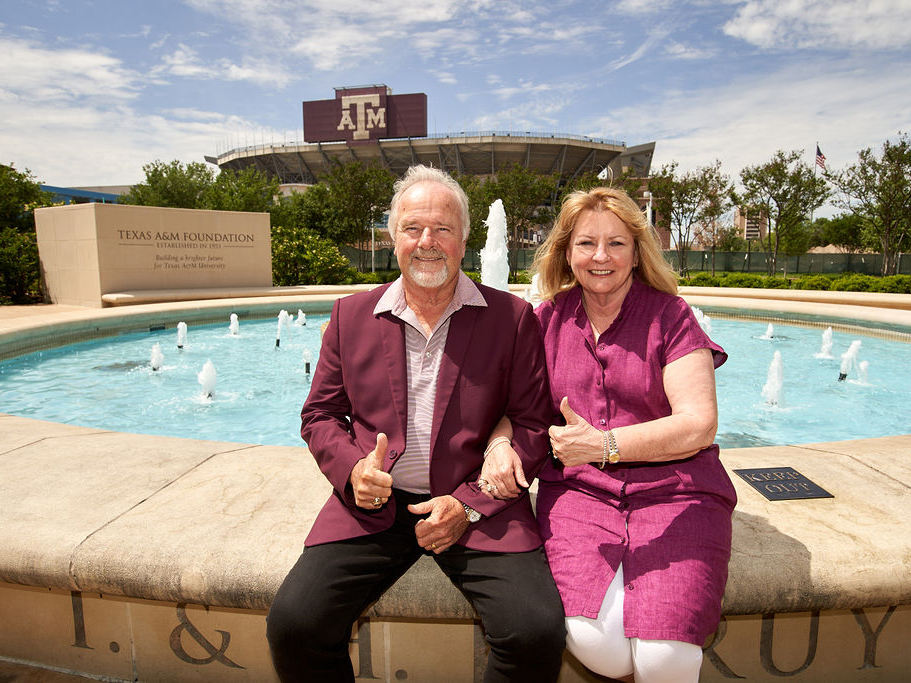
The Littles sitting by a fountain outside the Texas A&M Foundation building

The Littles are both long-time animal lovers who grew up in Bryan-College Station. 

“We used to take our pets to the Texas A&M veterinary hospital when I was growing up,” Pam shared. “I have very fond memories of bringing my dogs here with my dad.”

Like Pam, animal lovers from around the world have trusted the Texas A&M Veterinary Medical Teaching Hospital (VMTH) with the care of their animals for more than 100 years. The VMBS’ tradition of veterinary excellence has ranked the institution No. 4 in the United States, No. 7 in the world, according to the 2024 Quacquarelli Symonds (QS) World University Rankings in veterinary science. 

“Texas A&M is a leading veterinary hospital in the nation,” Larry said. “Pets are a population that is growing, so we need to keep pace and support our future veterinarians. It’s just the right thing to do.” 

Supporting Aggie Veterinary Excellence

The VMBS is home to one of the largest DVM programs in the nation, with 180 students accepted each year, and is home to one of the most successful classes annually, with the DVM Class of 2023 receiving the highest pass rate in the nation for the North American Veterinary Licensing Examination. 

In addition to rigorous coursework that shapes DVM students into compassionate, service driven veterinarians, students also gain hands-on learning experiences at the VMTH where they help treat more than 25,000 cases each year.

“It means a lot to me to be able to support future Aggie veterinarians, because of our love for animals,” Pam said. “People need to take care of their animals. One of the ways that people can be responsible for their pets is to take care of them physically by working with a veterinarian.”

“It’s just a necessary part of life,” Larry added. “When you get sick, you go to the doctor. When your pet gets sick, you make sure they go to the veterinarian. It’s essential that everyone do what is within their means to help make sure that happens and supporting veterinary students that can take care of the animals is a good way to do that.”

###

For more information about the Texas A&M College of Veterinary Medicine & Biomedical Sciences, please visit our website at vetmed.tamu.edu or join us on FacebookInstagram, and Twitter.

Contact Information: Jennifer Gauntt, Director of VMBS Communications, Texas A&M College of Veterinary Medicine & Biomedical Sciences, jgauntt@cvm.tamu.edu, 979-862-4216
VMBS Researcher Noah Cohen Awarded 2023 American Association For The Advancement Of Science Fellowship

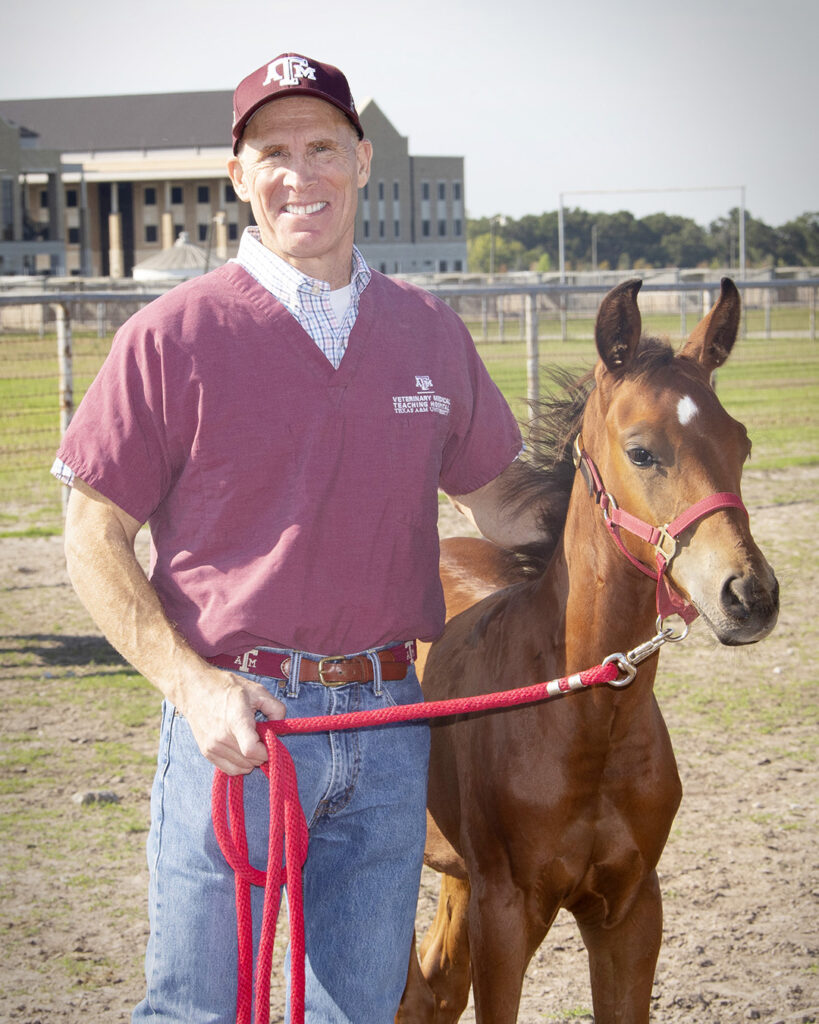
Dr. Noah Cohen with a foal
Dr. Noah Cohen

Dr. Noah Cohen — Texas A&M University Distinguished Professor, Regents Professor of Large Animal Internal Medicine, and Dr. Glen Blodgett Chair of Equine Studies in the Texas A&M School of Veterinary Medicine & Biomedical Sciences (VMBS) — is one of 502 individuals elected to the 2023 class of American Association for the Advancement of Science (AAAS) Fellows.

AAAS Fellows are a distinguished cadre of scientists, engineers, and innovators who have been recognized for their achievements across disciplines, from research, teaching, and technology to administration in academia, industry, and government. These individuals are known for their excellence in communicating and interpreting science to the public.

Fellows have included famous individuals like inventor Thomas Edison and sociologist W.E.B. DuBois.

Cohen has received this honor for his distinguished contributions to the field of veterinary medicine, and particularly for clinical applications of epidemiology, infectious disease epidemiology, and epidemiological studies of racing injuries and colic in horses.

“We are exceptionally proud of Dr. Cohen and his work,” said Dr. John R. August, the Carl B. King Dean of Veterinary Medicine. “Dr. Cohen has spent many years conducting research in several critical areas of equine medicine, has mentored graduate students as they study colic and the equine microbiome, and has assisted regulatory organizations to promote the well-being of racehorses. These efforts make him very deserving of this prestigious fellowship.”

“I’m so pleased that Dr. Cohen has attracted this recognition,” said Dr. Michael Criscitiello, a professor in the VMBS’ Department of Veterinary Pathobiology and associate dean for the VMBS’ Office of Research & Graduate Studies. “He is a model for prolific and rigorous clinical research using veterinary models with results impacting interventions for animal and human health.”

Fighting Foal Pneumonia

For many years, Cohen has been researching ways to control and prevent pneumonia in foals caused by Rhodococcus equi, a type of bacteria that lives in the soil and manure of horses. The pneumonia produced by R. equi is often difficult to detect until it produces clinical signs, and by that point, it may already be too late to treat.

Cohen and his team have used epidemiological, immunological, microbiological, molecular genetic, and pharmacological methods to improve prevention and treatment of this disease. One important example was the use of epidemiological evidence to indicate that foals are infected with R. equi very soon after birth, rather than when they were one to two months of age as had been the longstanding belief.

This discovery was important because it meant that methods to prevent this disease — such as giving transfusions of anti-rhodococcal plasma to foals — needed to be shifted to earlier ages. This contribution to the field not only changed understanding of the disease but also veterinary medical practices.

Cohen’s laboratory has also developed novel diagnostic tests for equine infectious diseases (some of which are in commercial use), novel antimicrobials to treat rhodococcal infections, and vaccines for rhodococcal pneumonia. Recently, they have used mRNA as a method to deliver monoclonal antibodies to foals. Cohen has also made important contributions to understanding factors contributing to equine colic and equine racing injuries.

A Distinguished Career

Cohen earned his Veterinariae Medicinae Doctoris (VMD) degree (equivalent to a Doctor of Veterinary Medicine) from the University of Pennsylvania in 1983, followed by two years in private practice, and then a Master of Public Health and Ph.D. in epidemiology from Johns Hopkins University in 1986 and 1988, respectively.

He joined the VMBS faculty in 1988, completed a large animal internal medicine residency at Texas A&M in 1991, and became a board-certified member of the American College of Veterinary Internal Medicine (Large Animal Internal Medicine) in 1992.

Since joining the VMBS’ Department of Large Animal Clinical Sciences, he has taught numerous courses for undergraduate, graduate, and veterinary students on topics such as equine infectious diseases, host-pathogen interaction, and large animal clinical skills. In addition, he has served as a mentor for many undergraduate and graduate students, veterinary residents, and postdoctoral researchers.

Cohen has received numerous awards in recognition of his exemplary performance; in 2021, he was named Distinguished Professor at Texas A&M University; in 2022, Cohen was selected to hold the Glenn Blodgett Equine Chair in recognition for his unparalleled efforts in equine medicine research and teaching; and in 2023, he became one of just 306 faculty members named as a Texas A&M University System Regents Professor.

Only four other VMBS faculty members are also AAAS Fellows — Dr. Stephen Safe, a distinguished professor in the Department of Veterinary Physiology & Pharmacology; Dr. William Murphy, a professor in the Department of Veterinary Integrative Biosciences (VIBS) and assistant dean for the VMBS’ Office of Research & Graduate Studies; Dr. Fuller Bazer, a VIBS distinguished professor; and Dr. Barbara Gastel, a VIBS professor and coordinator of the Science & Technology Journalism Graduate Program.

“I am humbled to receive this honor from the AAAS because of the excellent work the Association has done to advance scientific discovery and education,” Cohen said. “I only received this honor because Dr. Stephen Safe nominated me and because Drs. Warwick Bayly and Katrina Mealey, AAAS Fellows and distinguished veterinary scientists, supported my application. I am very fortunate for the resources for clinical research available at the VMBS and to work with Dr. Angela Bordin and a team of wonderful staff and students working hard for a common goal of helping improve the health and welfare of horses.”

###

For more information about the Texas A&M College of Veterinary Medicine & Biomedical Sciences, please visit our website at vetmed.tamu.edu or join us on FacebookInstagram, and Twitter.

Contact Information: Jennifer Gauntt, Director of VMBS Communications, Texas A&M College of Veterinary Medicine & Biomedical Sciences, jgauntt@cvm.tamu.edu, 979-862-4216
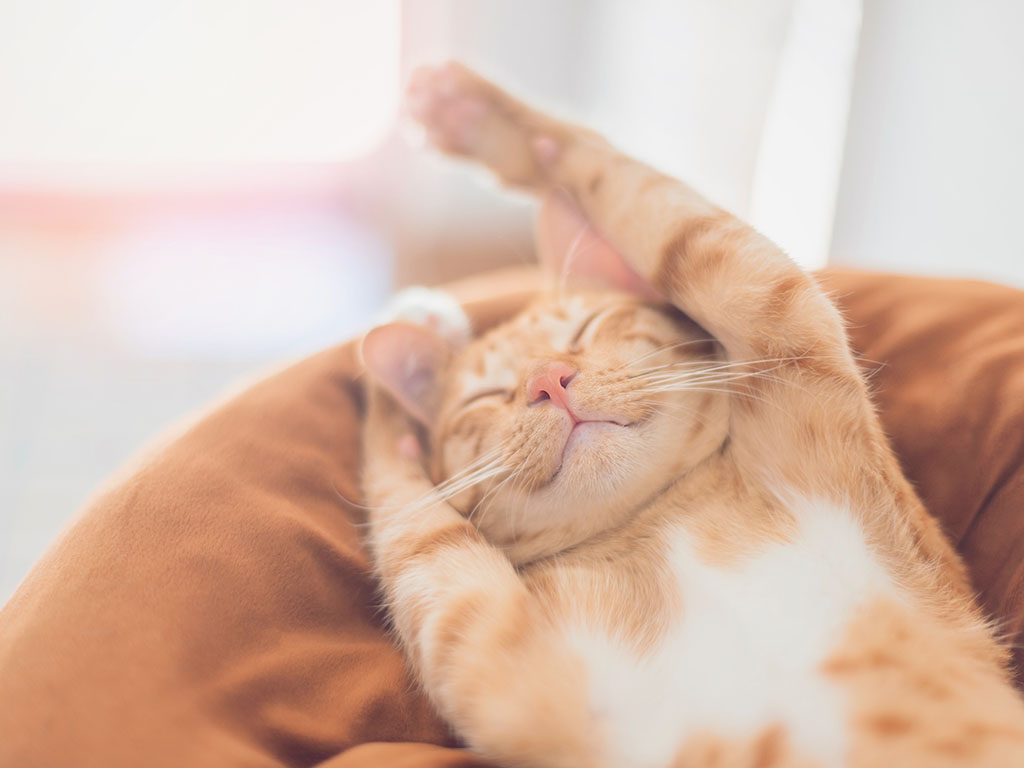
How To Help Your Cat Breathe Easy With Feline Asthma

Orange cat stretching its arms up

Spring is often described as a time of renewal and beauty, with flowers blooming and trees budding. However, spring flowers and budding trees also cause higher pollen counts, and for those with asthma, higher pollen counts can bring a greater risk of an asthma attack. 

Fortunately for our feline friends, asthma attacks in cats are not as common as they are in humans, although cats who have the condition will still require a proper diagnosis and treatment plan to manage their condition.

Dr. Audrey Cook, a professor at the Texas A&M School of Veterinary Medicine & Biomedical Sciences, explores how owners can monitor their cats for signs of asthma so that they may seek veterinary care early, helping to improve their cat’s quality of life and reduce the frequency of asthma attacks.

Diagnosing Asthmatic Cats

Feline asthma is a chronic respiratory condition characterized by inflammation and narrowing of the airways, leading to difficulty in breathing that makes daily activities difficult to accomplish.

“Most cats are young adults — between 3 and 4 years old — when diagnosed with asthma, but it can affect cats of any age,” Cook said. “Cats with asthma tend to be limited in their ability to play and climb, as they can become short of breath and exertion makes them feel worse. Affected cats may even hide or isolate themselves.”

Cook pointed out that wheezing is often a strong indication of asthma, but there are also other signs that can be used to help make a diagnosis.

“Signs include increased breathing effort and rate, breathing with an open mouth, and coughing,” Cook said. ”Because most of the signs are less specific, testing is needed to confirm a diagnosis.”

Other conditions can mimic asthma symptoms, which is why a formal diagnosis by a veterinarian is necessary to determine the true underlying cause. This ensures that the cat receives the most appropriate treatment.

“Those signs are not specific to asthma and can also be seen in cats with respiratory infections, heartworm disease, heart failure, or cancer,” Cook said. “All of these conditions are serious, so it is very important to seek veterinary care quickly for any cat that experiences changes in breathing patterns.”

Effective Management

If a cat has been diagnosed with asthma, its veterinarian will prescribe medication to manage the condition. Without proper management, asthma symptoms can worsen over time and lead to serious complications, such as respiratory failure. 

“The mainstay of therapy is glucocorticoids, a type of steroid that reduces the underlying airway inflammation,” Cook said. “These may be given by injection or by mouth during acute episodes, but we prefer to use inhaled steroids for long-term control as these have less side effects.

“Although it does not address inflammation and should not be used as a sole therapy, bronchodilators – a type of medication that relaxes the muscles in the airways – can provide short-term improvements in breathing and reduce coughing,” Cook continued. “These also can be given by injection, mouth, or inhaler.”

After determining the best medication for managing your cat’s asthma, a veterinarian can show you how to administer their treatment.

Regular veterinary check-ups also are helpful to ensure a cat’s asthma condition is properly managed, allowing veterinarians to monitor their respiratory health, assess the effectiveness of current treatments, and make any necessary adjustments to the treatment plan. 

Additionally, owners can help further reduce the risk of asthma attacks and improve their cat’s overall respiratory health by keeping them away from allergens and irritants.

“We don’t fully understand what drives asthma in cats, but it is clear that environmental allergens (pollens or other pets) and irritants (cigarette smoke, air fresheners, or litter dust) can make things worse,” Cook explained. “Trying to limit a cat’s exposure to things that can exacerbate airway inflammation is very important.”

Despite the challenges it presents, many cats with asthma can lead happy and comfortable lives with the help of proper management and a little extra care from their owners.

Pet Talk is a service of the College of Veterinary Medicine & Biomedical Sciences, Texas A&M University. Stories can be viewed on the web at vetmed.tamu.edu/news/pet-talk. Suggestions for future topics may be directed to vmbs-editor@tamu.edu.

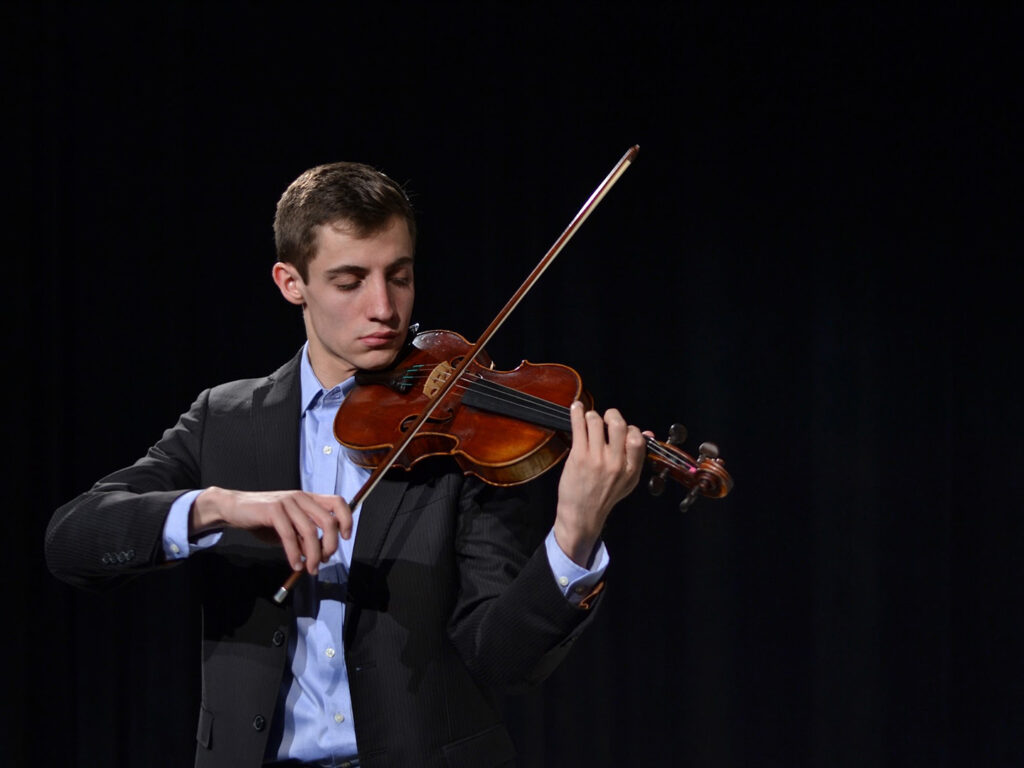
The Violinist Veterinarian: Texas A&M Veterinary Student Combines Passions For Music, Animals

Doug Ferry playing violin
Doug Ferry

Between music and medicine, violinist and Texas A&M College of Veterinary Medicine & Biomedical Sciences (VMBS) fourth-year veterinary student Doug Ferry has always done more than just measure up.

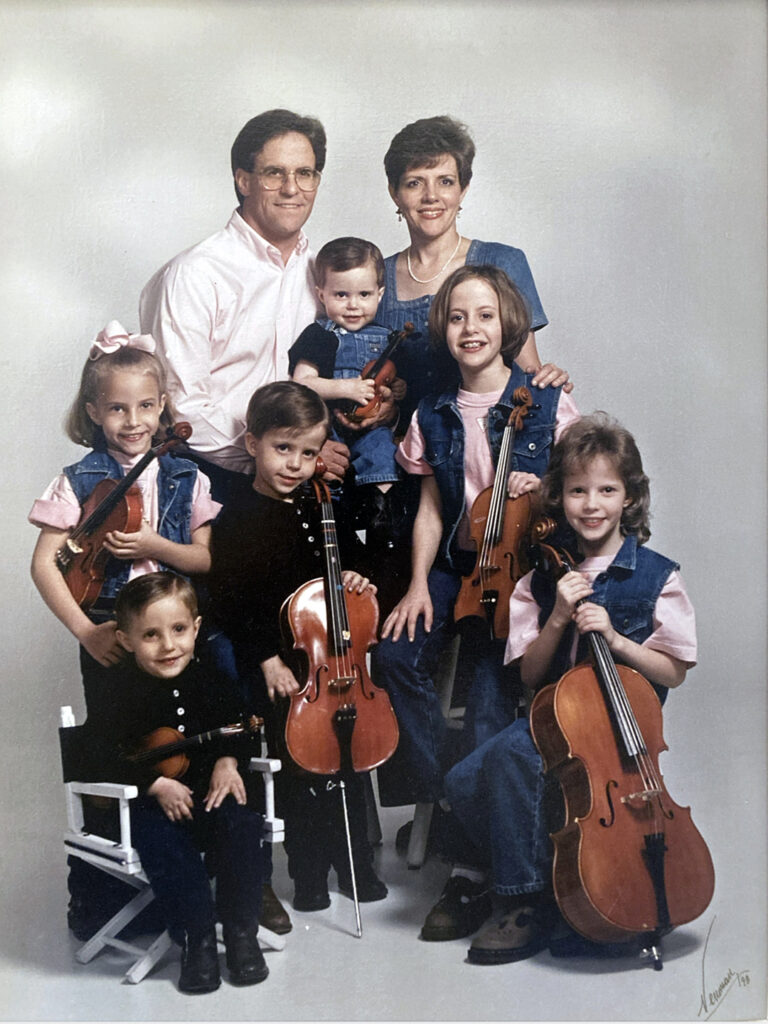
While growing up on a ranch in the small town of Corinne, Utah, Ferry and his six siblings were expected to learn a musical instrument. It was more than an expectation — it was tradition.

“My mom is a musician who comes from a very musical family,” Ferry said. “Her mother was a well-respected piano teacher for many years and raised all of her children as musicians. All of my aunts and uncles on that side were instrumentalists of some sort, whether it was brass, wind, piano, or strings.”

Ferry’s mother decided to carry on the tradition with her own children, who began their instruction at the ages of 2 or 3. Each had a principal instrument — either violin or cello; all were also raised as vocalists and pianists, with their grandmother providing piano instruction.

“It was basically a part of our family culture,” Ferry said. “We would perform together a lot.”

The Ferry family’s musical gifts blessed many in their agricultural community. They became known as the Ferry Family Fiddlers, or the Ferry Family Strings, and performed at weddings, charity fundraisers, nursing homes, and more.

“People would hear us and say, ‘Oh, it sounds so good. I’d love to hear you rehearse at home,’ and we were like, ‘You do not want that,’” Ferry joked. “We were all driven and opinionated individuals and rehearsing was, at times, somewhat colorful.”

While music was something to both fight over and bond over, Ferry said that some of his best memories are centered around music and performances with his family.

A Veterinary Overture

A group of young people playing string instruments on stage
Ferry and his siblings in recital at BYU

After becoming an award-winning violinist on state and international levels, Ferry pursued a degree at Brigham Young University as one of 10 freshmen violinists accepted into its Bachelor of Music program. However, after serving for two years as a full-time missionary for The Church of Jesus Christ of Latter-day Saints, he decided to switch his degree to a Bachelor of Arts in music, with a minor in business, so that he could incorporate pre-veterinary coursework into his undergraduate studies.

“After coming back from the mission, I needed to make a decision as to where I was going to go and what I was going to pursue professionally,” he said. “It was a challenging decision. I was leaning toward being a professional musician, but I thought about other professions as well. I explored marketing, orthodontics, dentistry, law school, and being a violin professor, but the profession that felt the very best in my heart was veterinary medicine.”

After coming to the VMBS, Doug came to enjoy the focus of a single program, despite the range of content in the veterinary curriculum.

Although the beginning of his veterinary school career coincided with a time of personal difficulty, Ferry quickly found strength in the Aggie community, especially within the veterinary Class of 2024.

“When I got here, I didn’t really feel like getting out of my shell and connecting with other people,” he said. “But I decided to overcome that fear and be intentional about connecting with others and developing friendships.

“I’ve been blown away by how kind and accepting and genuine my classmates have been,” he said. “It has made for a really memorable experience to know that I have over 150 great friends. And I don’t say that lightly; every single person in our class has been so good to me, and that has been a really fulfilling experience.”

Medicine And Music

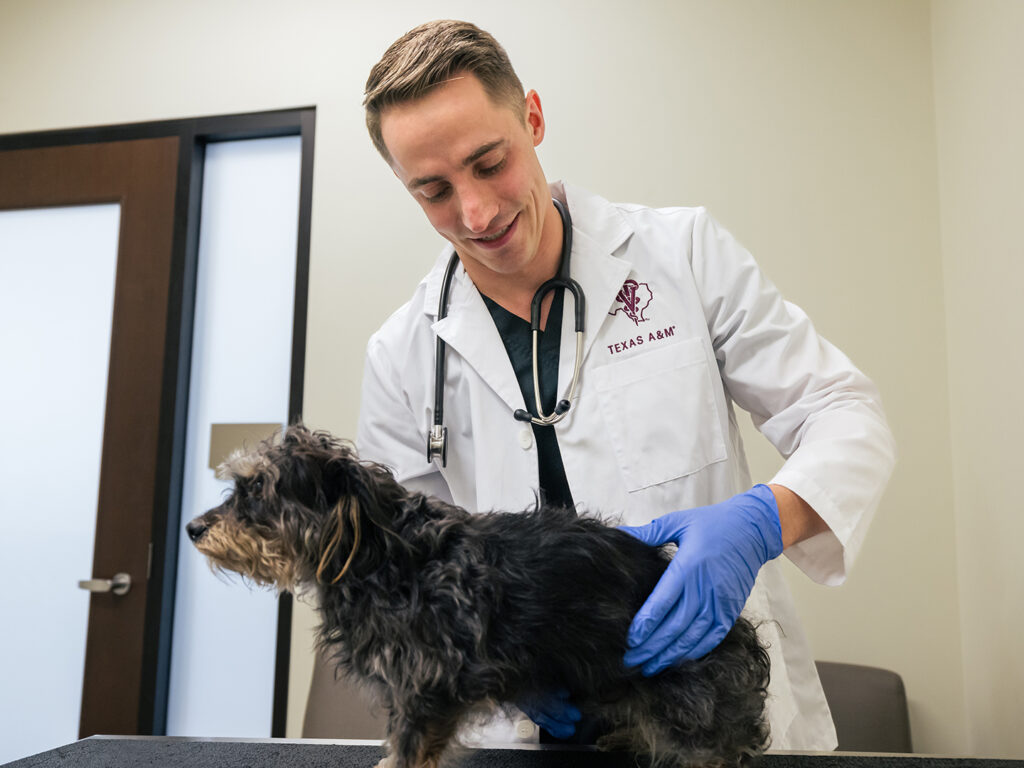
Doug Ferry in a white coat examining a small terrier dog
Ferry examines a patient at the Texas A&M Small Animal Teaching Hospital.
Photo by Jason Nitsch ’14, College of Veterinary Medicine & Biomedical Sciences

Despite the rigor of veterinary school and his leadership responsibilities as the Class of 2024 president, Ferry has made sure to incorporate music into his busy routine.

Throughout all four years of veterinary school, he maintained a private violin studio, which he used to teach classical violin to youth in the Bryan-College Station community. Teaching violin is one of his favorite things and has been a meaningful way to pay forward the gift of music he received, Ferry said.

Additionally, he performed as a guest violinist and vocalist at the VMBS’ Coffee, Culture, & Conversations events that showcase student, faculty, and staff artistic talent.

“There is nothing that can replace the impact that music has on us as people,” he said. “It is a medium through which I have experienced a lot of healing, and other people experience that as well. It is very exciting. It is a great way to express yourself.”

Along with the restorative benefits, Ferry has found plenty of crossover between the skills he needs as a veterinarian and those he employs as a violinist.

“The first skills you develop as a musician are the resilience and discipline to stick to a task until it sticks to you and to have in mind what you want to create and then work toward your end result,” Ferry said. “A lot of those principles apply to veterinary medicine. You need that to be able to, across weeks and weeks of exams, have the end goal in mind of being a veterinarian, of being able to make an impact in the lives of others and in the community.”

Music As Therapy

Two parents and six kids, all with string instruments
The Ferry Family Fiddlers

After graduation, Ferry plans to enter into small animal general practice and, eventually, work on creating a hospital system where the experience of the clients, employees, and animals involved is mastered.

He also hopes to explore more of the connections between music and veterinary medicine, including the therapeutic benefits of music and epigenetics, the study of how an individual’s behavior and environment change the way their genes work.

According to researchers, music may have therapeutic benefits because of sound frequencies interacting with the genes in an individual’s DNA. Theoretically, the frequencies influence the way genes activate or deactivate, causing different gene expressions through a process called tagging.

“It’s interesting to consider the long-term effects that epigenetic tagging might have on the well-being of a mammal,” Ferry said. “It would be really cool to determine if there are specific combinations of frequencies that positively influence the epigenome of, say, a dog, and create those sounds so that animals get a dose of ‘music therapy.’”

Composing A Veterinary Career

No matter where his veterinary future takes him, Ferry is sure that music will always be a large part of his life. He aims to continue sharing the healing and enriching power of music with others — both people and pets.

“One of the most important parts of treating animals is ensuring they experience minimal stress and anxiety,” Ferry said. “Music has been so healing and strengthening for me, and I hope to incorporate that in the clinical setting for a pet.

“I’ve had the vision of creating a hospital system that strikes the balance between the resources of a large corporate entity but also maintains the culture and community of a smaller practice,” he said. “I want the hospital setting to be where my colleagues can really practice their art as wonderful physicians while enjoying a beautiful, balanced life.” 

###

Note: This story originally appeared in the Fall 2023 issue of VMBS Today.

For more information about the Texas A&M College of Veterinary Medicine & Biomedical Sciences, please visit our website at vetmed.tamu.edu or join us on FacebookInstagram, and Twitter.

Contact Information: Jennifer Gauntt, Director of VMBS Communications, Texas A&M College of Veterinary Medicine & Biomedical Sciences; jgauntt@cvm.tamu.edu; 979-862-4216

VMBS Faculty, Staff Members Recognized By TVMA Outgoing President

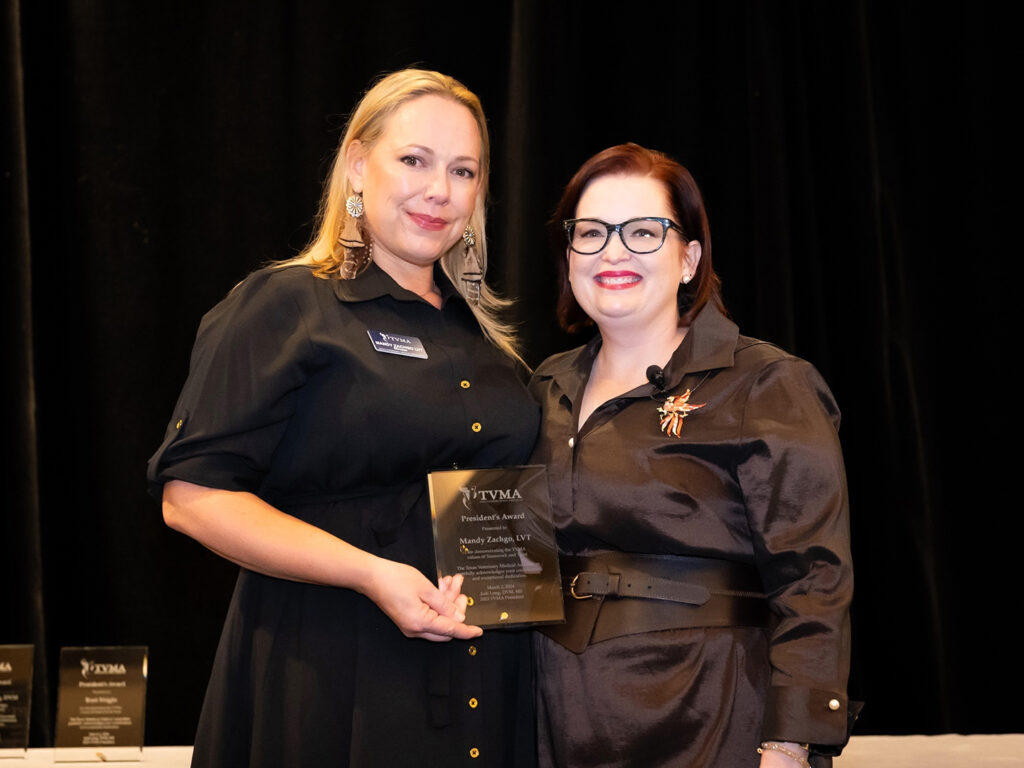
Mandy Zachgo receiving her award on-stage with Dr. Jodi Long
Mandy Zachgo and Dr. Jodi Long

Two individuals from the Texas A&M School of Veterinary Medicine & Biomedical Sciences (VMBS) received 2024 President’s Awards from the Texas Veterinary Medical Association (TVMA) in recognition of their support for the outgoing president, Dr. Jodi Long.

Dr. Lori Teller, a VMBS clinical professor, and Mandy Zachgo, a veterinary technician IV, were chosen by Long for their contributions to her success as president and their many years of support to the TVMA and veterinary profession.

This year, Long chose to present the President’s Awards based on each individual’s commitment to one or more of the TVMA’s core values. Teller was recognized for demonstrating the TVMA value of integrity, and Zachgo was awarded for demonstrating the values of teamwork and trust.

“Dr. Lori Teller has been a tour de force in veterinary medicine for a long, long time, and I definitely would not be where I am and would not have been in a leadership role at TVMA without her help,” Long said. “Her service to veterinary medicine, as a whole, and to the TVMA, specifically, embodies the value of integrity.”

Dr. Lori Teller in a park
Dr. Lori Teller
Photo by Jason Nitsch ’14, School of Veterinary Medicine & Biomedical Sciences

Teller has previously served as TVMA president herself and also served as president of the American Veterinary Medical Association from August 2022-2023.

“We all know that veterinary medicine is such a rewarding profession, though not without its challenges,” Teller said. “Whether I am taking care of clients and patients, teaching students, working with mentees, or advocating on behalf of the profession, I try to make decisions that enhance our abilities to support animal health and ensure the sustainability of veterinary medicine for a long time to come. Working with my colleagues and friends in TVMA and AVMA is one way that I can do this, and I very much appreciate Dr. Long’s support and efforts leading TVMA through some challenging times.”

Zachgo serves as the representative for licensed veterinary technicians (LVTs) on the TVMA Board of Directors, representing LVTs across the entire state.

“Mandy received this award for teamwork and trust,” Long said. “She has been incredibly integral for helping build good, solid relationships with organizations allied with TVMA and helping TVMA get stronger moving forward.”

“Belonging to TVMA and advocating for my profession are important to me, so I am truly honored to receive this recognition from Dr. Long,” Zachgo said.

The awards were presented during the 2024 TVMA Annual Conference in March.

The other four recipients of the 2024 President’s Award were Dr. Bridget Heilsberg, a veterinarian at Crown 3 Equine Veterinary Services; Randal Howard, a veterinary student at Texas Tech University; Dr. Keven McShane ‘92, a veterinarian in Bee Cave, Texas; and Brett Wright, an area business manager at Zoetis, Inc.

###

For more information about the Texas A&M College of Veterinary Medicine & Biomedical Sciences, please visit our website at vetmed.tamu.edu or join us on FacebookInstagram, and Twitter.

Contact Information: Jennifer Gauntt, Director of VMBS Communications, Texas A&M College of Veterinary Medicine & Biomedical Sciences, jgauntt@cvm.tamu.edu, 979-862-4216
Texas A&M Small Animal Teaching Hospital Welcomes New Dentist

Adriana Regalado headshot
Dr. Adriana Regalado

As the Texas A&M Small Animal Teaching Hospital’s (SATH) newest veterinary dentist, Dr. Adriana Regalado is advancing veterinary dental techniques while educating Aggie veterinary students on the importance of caring for patients’ teeth.

Regalado joins the SATH’s Dentistry Service as a clinical assistant professor in the Texas A&M School of Veterinary Medicine & Biomedical Sciences’ (VMBS) Department of Small Animal Clinical Sciences.

She looks forward to bringing her specialized knowledge of oral surgery techniques to the SATH as well as collaborating with other university researchers to improve dental care for dogs with compressed facial structures.

Finding A Place To Belong

Teeth weren’t always Regalado’s passion; while in veterinary school at the University of Guadalajara, she had planned to specialize in shelter medicine and soft tissue surgery.

“After veterinary school, I worked in several places, including the Small Animal University Hospital in Guadalajara and at Novartis, a veterinary medicine producer. Eventually, I moved to Canada and went to the University of Guelph to learn English and work on my veterinarian board certification,” she said. “Then, in Vancouver, I worked as a technician in a local veterinary clinic, and the vet I worked for was studying to become a dentistry specialist.”

Inspired by the hands-on experience she was gaining at the clinic, Regalado decided to pursue a dentistry specialization herself.

“Dental hygiene is so important because it’s one of the main ways that infection enters the body,” she said. “If you want to protect your pet from infection and disease, you have to include protecting their teeth and gums.”

To ensure that her patients received the best care possible, Regalado continued to pursue advanced training and research opportunities in veterinary dentistry, eventually earning her board certification through the American Veterinary Dentistry Association. She also completed a private residency program in a veterinary dental speciality clinic in Vancouver.

Most recently, Regalado completed a prestigious fellowship in maxillofacial surgery at the University of Pennsylvania, which gave her experience in many advanced types of surgery, including cleft palate repair, facial fracture repair, and difficult cancer removal surgeries. She is currently completing her fellowship certification in the speciality.

It was during her time at the University of Pennsylvania that Regalado heard about the job opening Texas A&M. Though Regalado specializes in dentistry for small animals, her alma mater in Mexico has agricultural roots similar to Texas A&M, which encouraged her to consider applying.

“One of my mentors at the University of Pennsylvania pointed out the similarities between the schools and told me I would feel comfortable at Texas A&M,” she said. “I like the fact that the veterinary students are preparing for all kinds of practices, whether it’s small animal or a more agricultural focus. It helps you stay in touch with all parts of the veterinary practice.”

Advancing Veterinary Dentistry

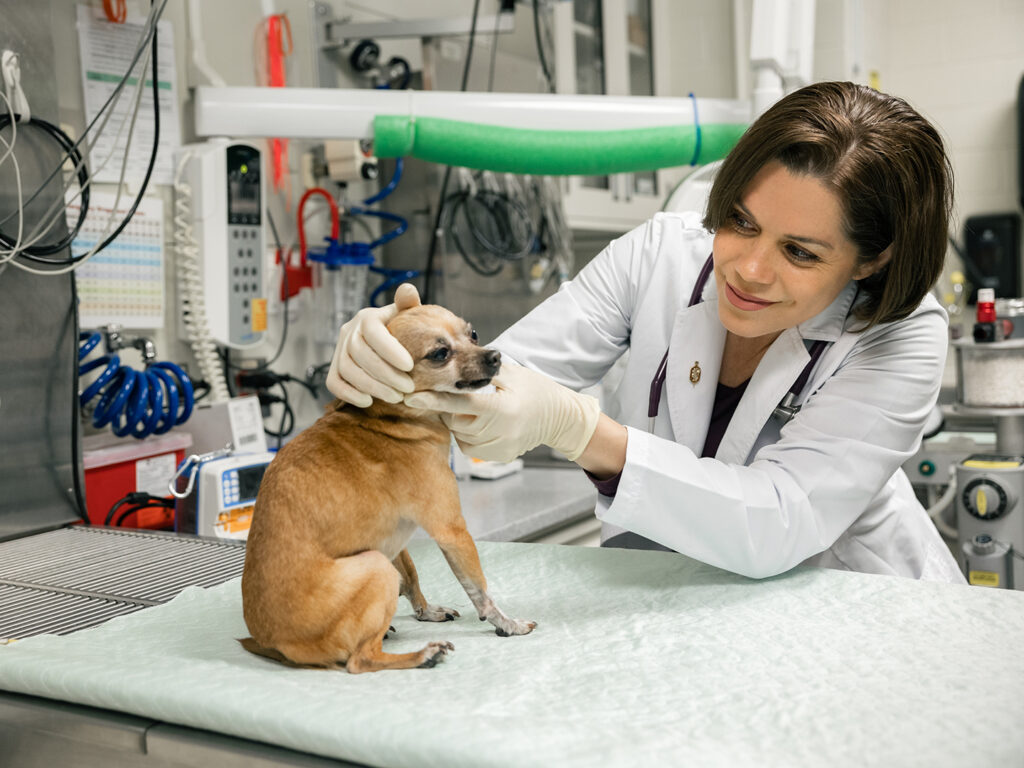
Regalado examining a Chihuahua's teeth
Dr. Adriana Regalado and Paco
Photo by Jason Nitsch ’14, School of Veterinary Medicine & Biomedical Sciences

As a clinician scientist — someone who treats patients and also conducts medical research — Regalado looks forward to continuing her work in several key areas of veterinary dental health at Texas A&M.

One health issue that she’s researched is a growth called papilloma that some dogs get in their mouths.

“Most of the time, these papilloma are benign, but we’re finding that some of these papilloma can transform into cancerous growths, and there is no cure,” Regalado said.

“These growths also appear to resemble similar types of growths that occur in humans,” she said. “This means that research into malignant canine papilloma may result in information or treatments that can benefit both dogs and humans.”

Regalado also is studying ways to better help diagnose and treat dental concerns in certain breeds of dogs that have shortened snouts — often referred to as brachycephalic breeds.

“Brachycephalic breeds include dogs like bulldogs, boxers and pugs that have unique face and jaw structures,” she said. “Because everything is closer together, it’s more difficult to detect certain types of dental problems, and we may have to use different techniques to treat them. To do that, we need to continue studying and documenting their facial structures.”

Finally, Regalado is also passionate about bringing atraumatic — or less invasive — tooth extraction techniques to veterinary medicine.

“Over the past 15 years, significant advancements have been made in atraumatic extraction methods in the field of human dentistry,” she explained. “However, these techniques are not widely known or utilized in the extraction of teeth in dogs and cats. My interest lies in adapting these techniques to prioritize minimal trauma to surrounding tissues, as well as to preserve bone integrity, enhance patient comfort, promote faster healing, and reduce the risk of postoperative complications in dogs and cats.”

Most exciting to Regalado is the opportunity she sees to partner with other specialists and services at Texas A&M to make these medical advancements happen.

“At Texas A&M, I see the potential to continue my studies of brachycephalic dog facial anatomy with the use of advanced imaging techniques available at the SATH,” she said. “I am also optimistic that we can develop a collaboration with the Texas A&M Department of Biomedical Engineering to make the necessary adaptations to existing extraction tools or design new instruments for atraumatic tooth extraction.”

Giving Back

Now that Regalado has joined the SATH team, she’s ready to begin helping patients and making sure that future Aggie veterinarians leave the school well-prepared to care for animals, and their smiles, all over Texas and beyond.

“I like teaching because I can share everything I know with someone else and help them learn and grow,” she said. “I can also make sure every student is engaged and knows that there are no stupid questions. I want to be there to encourage them.”

Regalado also has long-term plans to help build the SATH’s veterinary dentistry service.

“When I took this job, I knew that Texas A&M was looking for someone willing to commit to being here for many years. It’s one of the reasons I ended up coming here instead of going somewhere else. I’m hoping that while I’m here, we can start a residency program in dentistry so that more people can get the training required to become board-certified veterinary dentists,” she said.

Being able to give back to the community is one of the parts of the job that Regalado is most excited for.

“I have everything I need to be able to pay back to the community and my field,” Regalado said. “I really love getting to help animals and the families who love them, and I love serving my community by finding ways to make veterinary care more accessible. Being a veterinarian gives you so many opportunities to give back and feel like you are making a difference.”

###

For more information about the Texas A&M College of Veterinary Medicine & Biomedical Sciences, please visit our website at vetmed.tamu.edu or join us on FacebookInstagram, and Twitter.

Contact Information: Jennifer Gauntt, Director of VMBS Communications, Texas A&M College of Veterinary Medicine & Biomedical Sciences, jgauntt@cvm.tamu.edu, 979-862-4216

Texas A&M Veterinary School Rises In National, Global Rankings

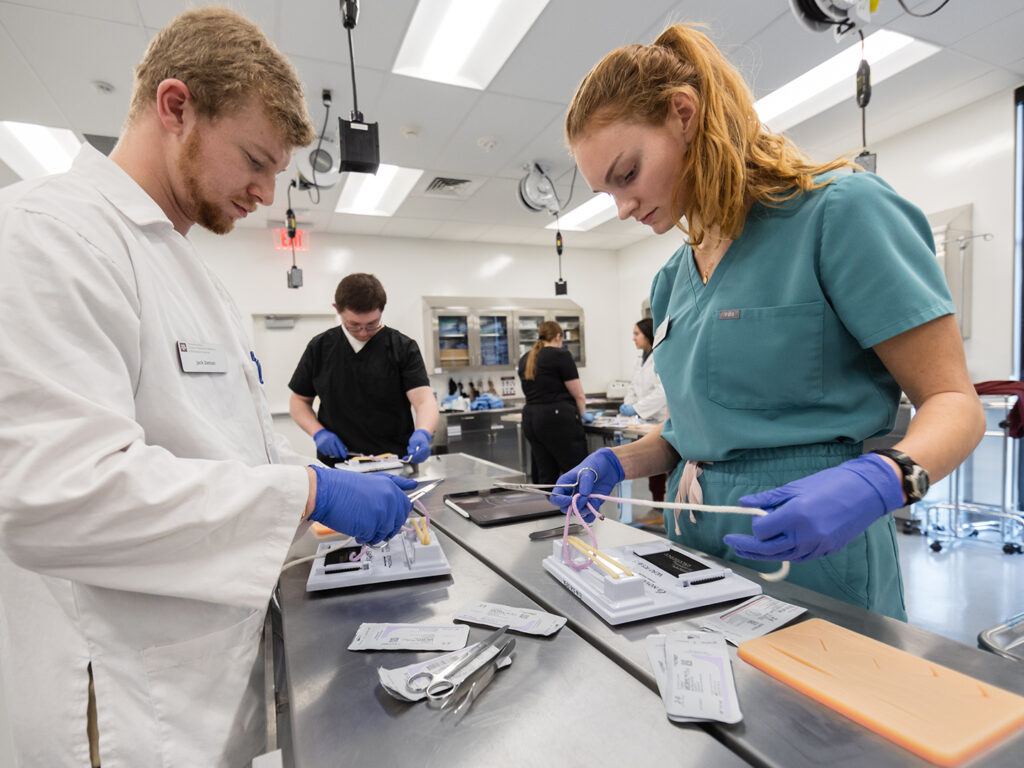
Two veterinary students practicing surgical knots
Texas A&M veterinary students begin learning principles of surgery, such as surgical knots, in their first year.
Photo by Jason Nitsch ’14, Texas A&M College of Veterinary Medicine & Biomedical Sciences

The Texas A&M College of Veterinary Medicine & Biomedical Sciences (VMBS) has climbed the veterinary school rankings to No. 4 in the United States and No. 7 in the world, according to the 2024 Quacquarelli Symonds (QS) World University Rankings in veterinary science.

Of the top 10 veterinary schools in the world, the VMBS is the only one that rose in the rankings this year, having gone up four places worldwide since 2023.

“We are proud to represent Texas A&M University so highly in the 2024 QS World University Rankings,” said Dr. John R. August, the Carl B. King Dean of Veterinary Medicine. “The Texas A&M College of Veterinary Medicine & Biomedical Sciences’ new ranking is a clear indication of the quality of our students, faculty, and staff, and of the positive impacts our education, research, and service initiatives have made across the state of Texas and beyond.”

For more than 100 years, the VMBS has been dedicated to enhancing animal and human health through transformational education, discovery, innovation, patient care, and public service that impact our diverse and evolving world.

The VMBS’ Doctor of Veterinary Medicine (DVM) program is one of the largest in the nation, with 180 students accepted each year. The program’s curriculum has been refined to prepare students for a variety of career paths within veterinary medicine; its success has been shown through the DVM Class of 2023 receiving the highest pass rate in the nation for the North American Veterinary Licensing Examination.

“We are thrilled to be recognized as one of the top seven veterinary programs worldwide,” said Dr. Karen Cornell, the associate dean for the DVM Professional Program. “Texas A&M strives for excellence in each of our three core missions — teaching, research, and service. This type of acknowledgement is not achieved without significant commitment and hard work on the part of the faculty, staff, and students.”

In their first three years of the veterinary curriculum, students complete a series of Professional & Clinical Skills courses that cover communication, decision making, and crisis management in addition to basic and advanced veterinary clinical skills. Fourth-year students then complete a year of clinical rotations at the Veterinary Medical Teaching Hospital (VMTH), Texas A&M’s largest educational laboratory and the state’s only veterinary medical teaching hospital.

At the VMTH, students help treat more than 25,000 cases each year and receive training from small and large animal veterinary specialists in more than two dozen services. Exceptional patient care and innovation are key values at the hospital that extend beyond the facility’s walls through veterinary clinical trials and primary care outreach clinics.

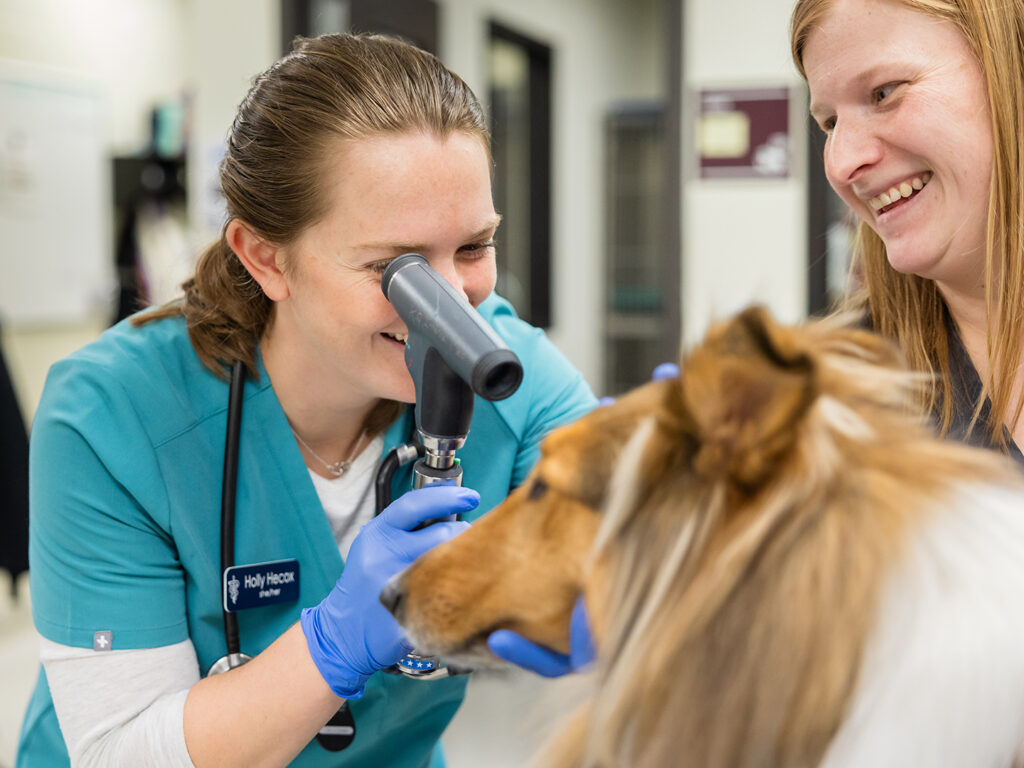
Student examines Reveile's eye
Fourth-year veterinary students complete clinical rotations at the Veterinary Medical Teaching Hospital, which includes caring for patients like Reveille X.
Photo by Jason Nitsch ’14, Texas A&M College of Veterinary Medicine & Biomedical Sciences

The VMBS is also a renowned center for research that supports both animal and human health. Excellence in research at the VMBS is evidenced, in part, by the millions of dollars obtained annually in extramural funding by faculty members, including significant funding from the National Institutes of Health, National Science Foundation, U.S. Department of Agriculture, private foundations, industry, and the State of Texas during recent years.

“The translational and biomedical research programs of the VMBS have far-reaching impacts and represent the high caliber of our faculty and of the training they provide to students,” said Dr. Ramesh Vemulapalli, VMBS executive associate dean. “We’re excited to see our research excellence recognized with the 2024 QS ranking.”

The school’s research efforts are an important aspect in training its more than 250 graduate students studying biomedical sciences, toxicology, genetics, science journalism, and veterinary public health.

Recent growth ensures that the VMBS’ educational and research expertise stretches across the state.

The Veterinary Education, Research, & Outreach (VERO) program, housed on the West Texas A&M University campus in Canyon, brings more than 100 years of Texas Aggie veterinary excellence to the Texas Panhandle and is home to the VMBS’ 2+2 DVM program.

The program offers up to 18 students the opportunity to complete the first two years of their veterinary medical education at VERO before joining their peers in College Station for their third and clinical years. VERO is also a hub for research that addresses some of the most pressing issues in the food animal industry today, such as antimicrobial resistance and bovine respiratory disease.

In McAllen, the VMBS’ stretches veterinary care and research to the southern portion of the state with space in the new Texas A&M Health Nursing Education & Research Building set to serve as an important resource for the school’s faculty and students studying transboundary infectious diseases, large animal biosecurity, zoonotic diseases, veterinary public health, and bilingual public outreach in South Texas.

QS World University Rankings cover 55 subjects and consider academic reputation, employer reputation, and faculty research. These rankings are used by prospective students to help identify the leading universities in a particular subject.

###

For more information about the Texas A&M College of Veterinary Medicine & Biomedical Sciences, please visit our website at vetmed.tamu.edu or join us on FacebookInstagram, and Twitter.

Contact Information: Jennifer Gauntt, Director of VMBS Communications, Texas A&M College of Veterinary Medicine & Biomedical Sciences, jgauntt@cvm.tamu.edu, 979-862-4216
Snake Alert: What To Do If Your Pet Is Bitten

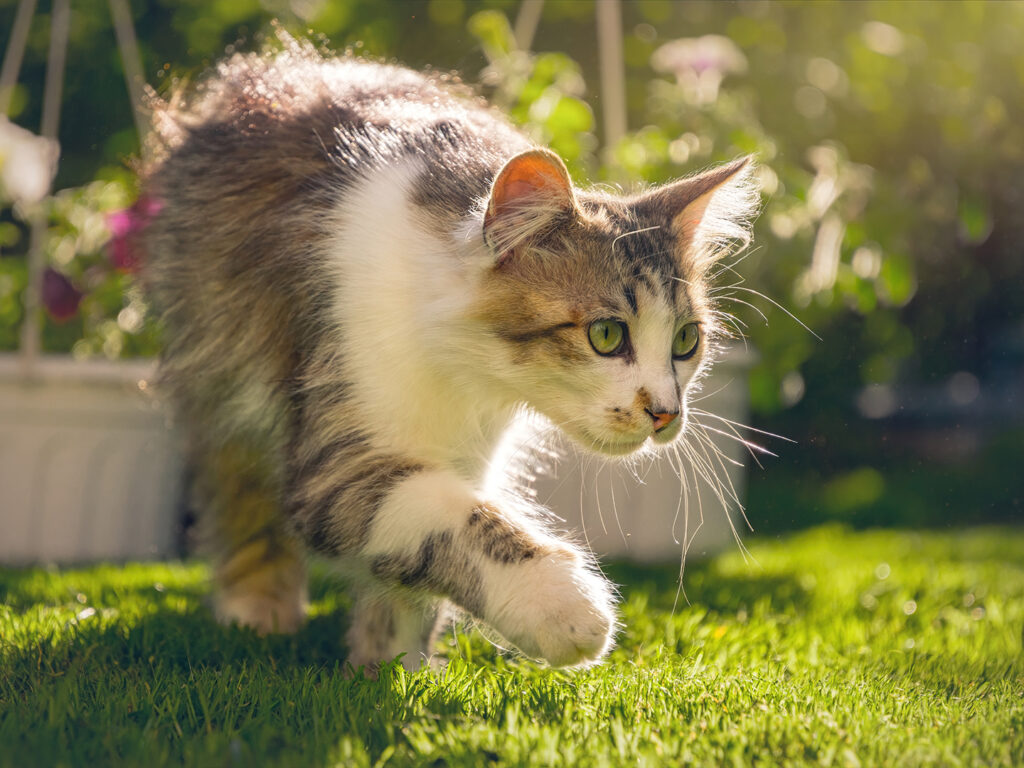
A fluffy tabby cat on the hunt

Spring has sprung, but flowers may not be the only things popping up in your yard; this also is the season when snakes come out of hibernation.

There are almost 3,000 different species of snakes in the world, with less than a third considered venomous, according to the U.S. Department of Agriculture’s Forest Service. However, only four types of venomous snakes are found in the U.S., including rattlesnakes, copperheads, cottonmouths or water moccasins, and coral snakes — and all of them are present in Texas.

Regardless of the type of snake you may encounter, Dr. Christine Rutter, a clinical associate professor of emergency medicine at the Texas A&M School of Veterinary Medicine & Biomedical Sciences, encourages owners to have all snake bites evaluated by a veterinarian if they suspect their pet has been bitten, as bites from non-venomous snakes can lead to medical complications as well.

Understanding Snake Behavior

Snakes, with their remarkable adaptability, live in a wide variety of places, from dense rainforests and arid deserts to urban environments.

“I live in a suburban environment, and I have seen snakes even in my small yard,” Rutter said. “I make sure I turn on the house lights and make a bit of noise before letting my pets out, giving snakes a bit of warning and hopefully time to move away and hide. Snakes themselves don’t want to interact with people or pets because they are interested in being left alone; they defend themselves only if they feel threatened.”

To remain unnoticed, snakes often seek out hiding places, but this natural inclination to hide can sometimes make it difficult for pets to notice them until they are too close, potentially causing the snake to react defensively.

“Snakes really love patches of tall grass, leaf piles, wood piles, sheds, and areas that have lower daily traffic, such as garages and storage buildings,” Rutter said. “Snake deterrents and chemicals, unfortunately, don’t work, so owners should keep pets away from outbuildings and maintain the pet’s environment by removing leaves, debris, and tall grass.”

Immediate Actions When Bitten

Despite taking precautions, there is always a chance that pets come across snakes, which is why it is important for owners to be able to recognize signs that their pet has been bitten.

“Dogs are most commonly bitten on the face, neck, and front limbs, while cats are most commonly bitten on their front paws,” Rutter explained. “Because some snakes don’t leave a typical ‘bite’ on a pet, owners may not find one or two bleeding puncture wounds. Instead, they should look for other signs in their pet, including pain, fear, abnormal mentality, seizures, or difficulty walking.”

Unlike some other injuries or illnesses where first aid measures can be applied at home, all snake bites require immediate veterinary attention.

“Owners should immediately remove the collar of any animal that has been bitten to prevent it from becoming constricting should the pet have swelling around their head or neck,” Rutter said. “Otherwise, there are no medications that can be given at home that are effective at treating snake bites or are appropriate to control the pain, so don’t administer anything – just see your veterinarian.”

If possible, owners also should try to gather information about the snake culprit without putting themselves in danger, either by taking a picture of the snake from a safe distance or describing its size, color, and distinctive markings from afar.

“Many snakes are not venomous, but differentiating between venomous and nonvenomous snakes is quite difficult, especially in the moment,” Rutter said. “Common things veterinarians will want to know are the snake’s color(s); patterns such as stripes or shapes versus a solid color; and the presence of a rattle. Sometimes a snake’s tail is a unique color, which can also be a helpful indicator.”

Information about the snake can help veterinarians in determining the type of snake and whether administering an appropriate antivenom will be necessary, but owners should prioritize getting their pet to the veterinarian before a snake bite begins causing severe health problems such as difficulty breathing.

By being aware of your pet’s surroundings and making small adjustments to their environment, you can help keep them safe from hidden dangers like snakes. Remember, if you have reason to believe your pet was bitten by a snake, it’s important to visit your veterinarian as soon as possible.

Pet Talk is a service of the College of Veterinary Medicine & Biomedical Sciences, Texas A&M University. Stories can be viewed on the web at vetmed.tamu.edu/news/pet-talk. Suggestions for future topics may be directed to vmbs-editor@tamu.edu.

Graduating Texas A&M Student Pursues Passion For Beef Cattle Medicine

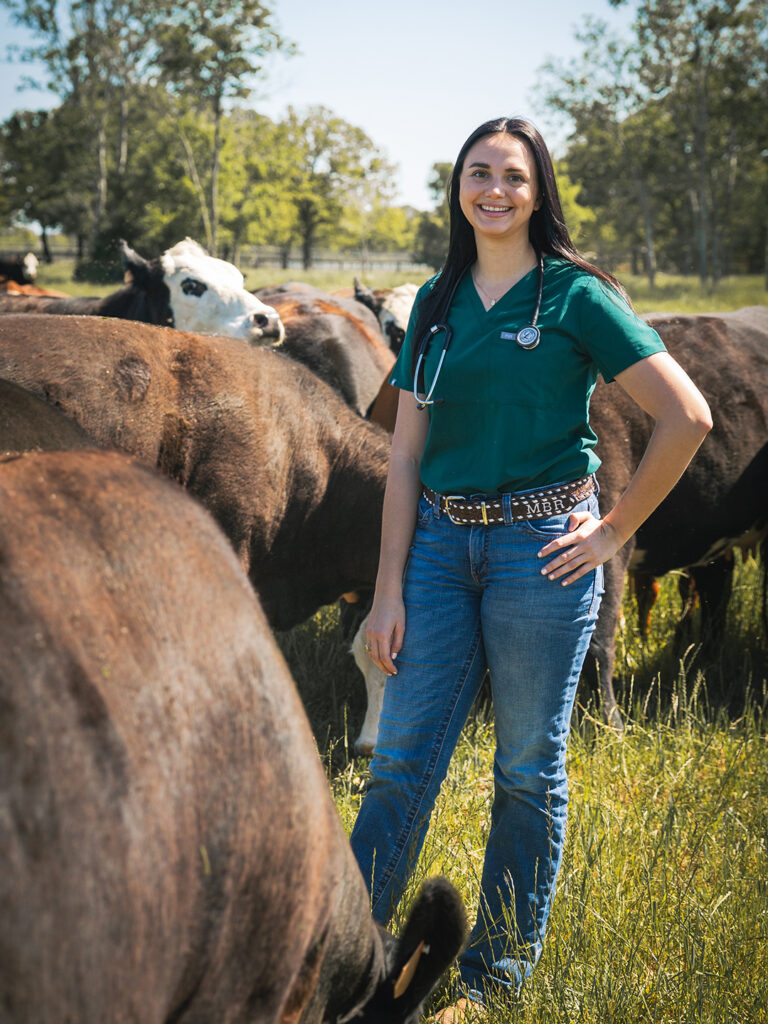
Madison Roberds standing in a field among beef cattle
Madison Roberds
Photo by Jason Nitsch ’14, Texas A&M School of Veterinary Medicine & Biomedical Sciences

Since she was a young girl walking among her family’s cattle, Madison Roberds has dreamed of becoming a food animal veterinarian and serving the hard-working ranchers of South Texas.

This May, as she graduates from the Texas A&M School of Veterinary Medicine & Biomedical Sciences (VMBS) and joins South Texas Veterinary Clinic in Beeville, Texas, Roberds will get to see her years of hard work pay off and her dreams fully realized.

“Beef cattle is my background; I always knew I wanted to go into large animal and production medicine,” Roberds said. “When I was around 5 years old, I remember going out to the ranch with all the cows and thinking, ‘This is it.’ So, literally everything I’ve done since then has been to get to where I am now.”

In both Texas and the United States as a whole, rural communities are experiencing a record-high shortage of veterinarians, especially those trained specifically in food animal medicine.

The United States Department of Agriculture’s Veterinarian Shortage Situations map shows shortages in 47 states, including more than 30 counties in Texas alone.

Recognizing this need is one of many factors that drew Roberds to dedicate her career to caring for beef cattle in South Texas.

“I love the farmers and ranchers,” she said. “They are what our country runs on, and we have to protect that livelihood. If not me, then who? They have such a need for someone down there, and that’s my big driving force.”

Hitting The Mark

Growing up, Roberds took every opportunity she could find to strengthen her veterinary school application, whether that be raising show pigs for FFA, shadowing veterinarians at her local clinic, or excelling academically in high school to ensure her acceptance to Texas A&M.

“I knew I was going to go to Texas A&M; it was just another one of those things that was never a question,” Roberds said. “I fell in love with the culture of A&M. Aggies take care of Aggies, and I knew the Aggie network would take care of me. There are so many Aggies who have helped me get to where I am today, and I am forever thankful.”

After earning her undergraduate degree in biomedical sciences in December 2019, Roberds was thrilled to be accepted into the VMBS’ Doctor of Veterinary Medicine program for the following fall.

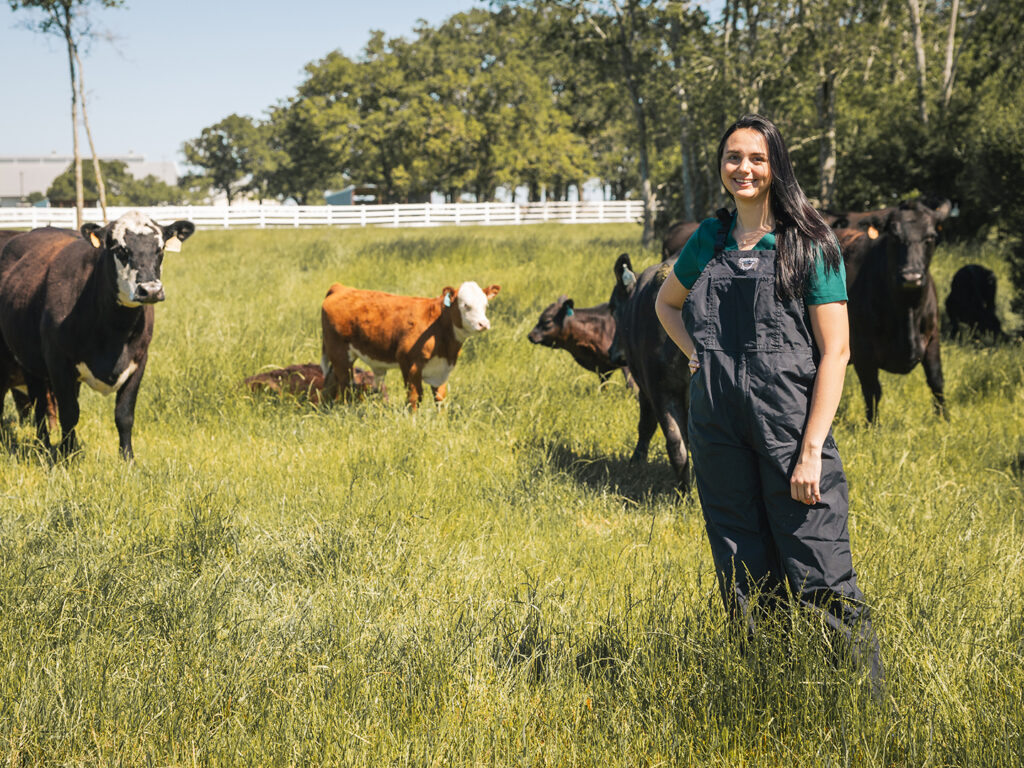
Roberds in coveralls in a field with beef cattle
Madison Roberds
Photo by Jason Nitsch ’14, Texas A&M School of Veterinary Medicine & Biomedical Sciences

“This place is so special. You have a cohesive group of people working toward the same goal. We’re all striving for excellence and we hold ourselves to a very high standard,” she said.

During her time at the VMBS, Roberds dedicated herself to her studies and participated in student organizations such as Swine Vets and the Texas A&M Student Chapter of the American Association of Bovine Practitioners.

Through it all, with the help of her classmates and professors, Roberds remained committed to her chosen career path.

“Dr. Jennifer Schleining (a food animal veterinarian and head of the VMBS’ Large Animal Clinical Sciences department) was my mentor, and without her, I don’t know if I ever would’ve ended up fully pursuing my dreams,” Roberds said. “I walked into her office one day and said, ‘I am a woman trying to go into a male-dominated industry. How is this ever going to happen for me?’ And she said, ‘It’s going to happen because we’re going to make it happen.’

“That was definitely a blessing and I am always going to be very grateful to have her in my corner,” Roberds said.

Preparing For The Next Chapter

At South Texas Veterinary Clinic, Roberds will be focusing on beef cattle while also treating other large animals like horses.

“It’s the perfect place for me because it’s deep cattle country with genuine South Texas folks,” she said. “It’s a place with the facilities, the mentorship, the clientele, and the resources I wanted.”

Looking back, Roberds believes that the key to achieving her dreams was believing all along that it was possible.

“If you had asked me 15 years ago if, at the end of the road, I would actually sign for my dream job, I would’ve said, ‘Yes,’” she said. “If you put your head down, work hard, and truly believe it, it’s going to happen.”

“I’m proud to be an Aggie twice over, and I’m really proud to be a woman in large animal medicine,” Roberds said. “I’m extremely honored to be part of the beef cattle industry.”

###

For more information about the Texas A&M College of Veterinary Medicine & Biomedical Sciences, please visit our website at vetmed.tamu.edu or join us on FacebookInstagram, and Twitter.

Contact Information: Jennifer Gauntt, Director of VMBS Communications, Texas A&M College of Veterinary Medicine & Biomedical Sciences, jgauntt@cvm.tamu.edu, 979-862-4216
Is Smallpox Still A Threat Worth Preparing For? Report with Texas A&M Scientist Contribution Says Yes

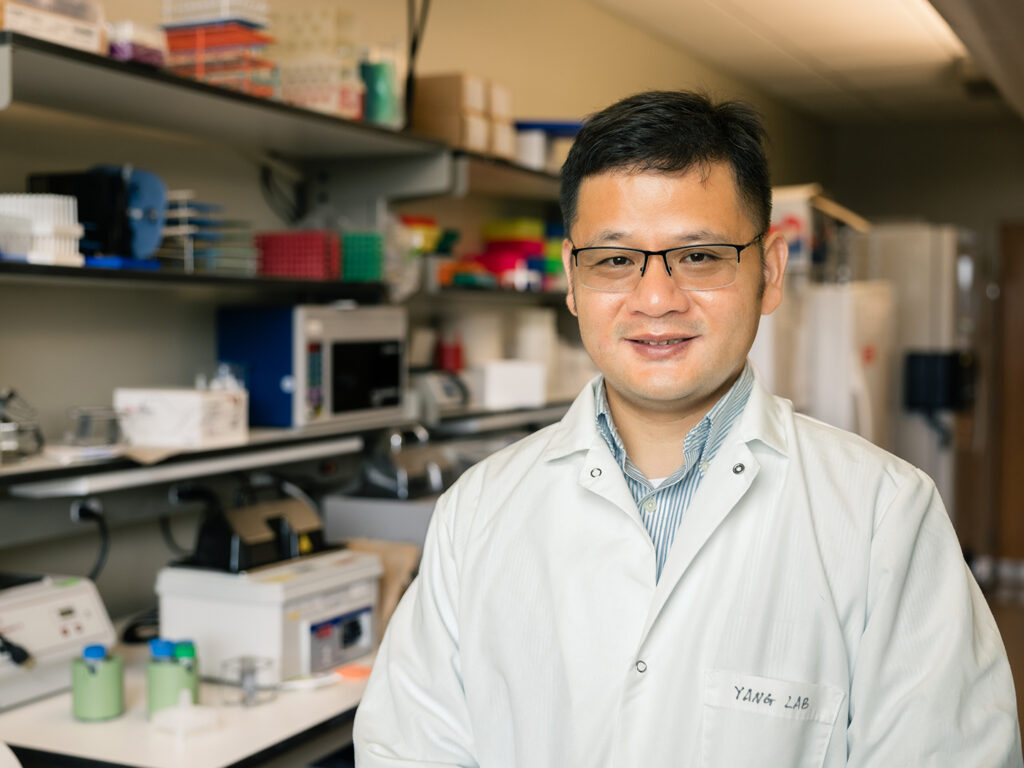
Dr. Zhilong Yang
Dr. Zhilong Yang
Photo by Jason Nitsch ’14, School of Veterinary Medicine & Biomedical Sciences

Smallpox, a disease that killed an estimated 500 million people in the 20th century alone, is the only human disease to be eradicated. However, a new report, Future State of Smallpox Medical Countermeasures, from the National Academies of Science, Engineering, and Medicine (NASEM) argues that the U.S. and the global community should prepare for smallpox to make a return.

Dr. Zhilong Yang, an associate professor in the Texas A&M School of Veterinary Medicine & Biomedical Sciences’ Department of Veterinary Pathobiology, served on the committee that produced the report, which draws conclusions from the COVID-19 pandemic and mpox multi-country outbreak to assess the state of smallpox preparedness.

According to the report, smallpox could return through an accidental “leak,” or even through an act of terrorism. It also states that preparing for the return of smallpox is key to preventing the spread of other diseases caused by viruses within the same family, like the mpox virus, which became a global outbreak in 2022 and continues to be a health concern.

“Smallpox vaccines and drugs also hold the promises and potentials to prevent and treat mpox and other viruses within the same family of smallpox virus, which is another important reason that we should continue to research poxviruses and develop smallpox medical countermeasures, including diagnostics, vaccines, and therapeutics,” Yang said.

Currently, only two laboratories in the world — the U.S. Centers for Disease Control and Prevention in Atlanta, Georgia, and the Laboratory for Applied Microbiology at Koltsovo in Russia — have official collections of the virus that causes smallpox, making the chance of an accidental “leak” extremely low. However, there are enough publicly available genetic sequences of the smallpox virus to make it possible for the smallpox virus to be re-created, especially with the advance of synthetic biology and artificial intelligence.

“Even one case of smallpox outbreak would be a huge global issue, so we must stay vigilant,” Yang said. “Scientists and medical professionals must also be aware that smallpox’s symptoms are very similar to diseases like mpox that have been prevalent more recently. If there is a smallpox outbreak, we must be quick to recognize it.”

###

For more information about the Texas A&M College of Veterinary Medicine & Biomedical Sciences, please visit our website at vetmed.tamu.edu or join us on FacebookInstagram, and Twitter.

Contact Information: Jennifer Gauntt, Director of VMBS Communications, Texas A&M College of Veterinary Medicine & Biomedical Sciences, jgauntt@cvm.tamu.edu, 979-862-4216