New Year, New Papers!

It’s been a busy year and that means lots, and lots of papers! The last time we updated our recently published papers was in Spring(!), so we have a ton of hard work to share from the past year. We hope everyone had a wonderful break and we look forward to another productive new semester.

What lies behind the curtain: Cryptic diversity in helminth parasites of human and veterinary importance

Extensive Aberrant Migration of Onchocerca lupi in a Dog

MORPHOMETRY OF FIRST-STAGE LARVAE OF ORTHOSTRONGYLUS MACROTIS (NEMATODA: PROTOSTRONGYLIDAE), LUNGWORM OF WILD UNGULATES FROM WESTERN NORTH AMERICA

Detection of Dirofilaria immitis via integrated serological and molecular analyses in coyotes from Texas, United States

Heartworm, Dirofilaria immitis, in carnivores kept in zoos located in Texas, USA: Risk perception, practices, and prevalence 

LupiQuant: A real-time PCR based assay for determining host-to-parasite DNA ratios of Onchocerca lupi and host Canis lupus from onchocercosis samples

The Prevalence and Control of Lungworms of Pastoral Ruminants in Iran

Probe-based qPCR as an alternative to modified Knott’s test when screening dogs for heartworm (Dirofilaria immitis) infection in combination with antigen detection tests

High prevalence of canine heartworm, Dirofilaria immitis, in pet dogs in south Texas, USA, with evidence of Aedes aegypti mosquitoes contributing to transmission

Evaluation of urine for Dirofilaria immitis antigen detection in dogs

An unusual case of Brugia sp. infection in a dog from Alberta, Canada

Sores of boreal moose reveal a previously unknown genetic lineage of parasitic nematode within the genus Onchocerca

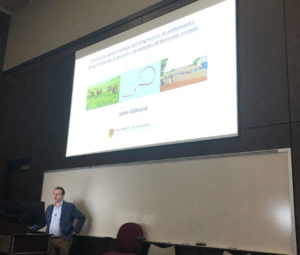
Dr. John Gilleard visits the Verocai Lab!

This week the Verocai Lab hosted distinguished parasitologist Dr. John Gilleard at Texas A&M University. Dr. Gilleard is a Professor of Parasitology and Associate Dean of Research at the University
of Calgary Faculty of Veterinary Medicine. His research group integrates parasitology, genetic
and genomic approaches to study the molecular mechanisms of drug resistance in parasites and population genetic approaches to investigate its emergence and spread. Furthermore, Dr. Gilleard has developed novel molecular approaches to study the epidemiology of parasitic infections. Many of these ideas were highlighted in his very informative and engaging VTPB Seminar at the TAMU Veterinary School.

Not only is Dr. Gilleard an esteemed colleague of the parasitology community, he is also a active mentor and supporter of the Verocai lab. Together, we are always excited to share ongoing research projects and discuss potential collaborative opportunities to advance the study of parasitology. Indeed, we are very lucky to have wonderful colleagues like Dr. Gilleard, and we were honored to host him for these days of parasitology fun. The only downside was the sudden gray, cold weather (a bit too ‘English’ as Dr. Gilleard would put it, a native Liverpool resident), but we will make sure to bring him back for some of that Texas heat and sunshine!

NCVP Newsletter features the lab!

Check out this month’s NCVP Fall Newsletter! Many current and former members of the lab are highlighted in the newsletter, including the cover! Congratulations to Dr. Verocai (the boss), Dr. Caroline Sobotyk (former post-doc), (soon-to-be) Dr. Tiana Sanders (former visiting student), and Dr. Sarah Myers (former visiting student) on all their recent successes and parasitology fame.

Juan David visits from Spain!

Juan David Carbonell Bonelo is a veterinarian from Cali, Colombia, has a master’s degree in tropical parasitic diseases, and is currently a resident of the European College of Veterinary Parasitology at the Complutense University of Madrid (UCM). He is also a Ph.D. student in the department of animal health of the UCM under the supervision of professor Aranzazu Meana Mañes. His research focuses on parasitic dermatitis in horses, particularly hypersensitivity to insect bites due to Culicoides, or biting midges. Juan David elaborated on his work: “I hope to understand the ecology, biology and diversity of biting midges that affect horses in southern Spain and to carry out in vitro and in vivo clinical trials of insecticides and repellents that improve the welfare of these pruritic animals.” Juan David’s passion for parasitology stems from his desire to end human and animal suffering: “I believe I can help humans through animals, whether they are companion animals, food animals, or wildlife.”

In order to expand his parasitic and diagnostic knowledge, Juan David chose to come to the Verocai Lab! In the Verocai Lab, he was learning a variety of molecular techniques that will allow him to diagnose and reveal vector hosts for his doctoral research involving Onchocerca cervicalis: “Onchocerca cervicalis is a parasite of equids transmitted by biting midges. This parasite generates clinical signs similar to that of insect bite hypersensitivity in horses; therefore, it should be considered an important differential diagnosis upon discovery of equine dermatitis”.

Juan David also discussed further why the Verocai Lab stood out to him personally: “It impressed me the large volume of samples analyzed in the diagnostic laboratory compared to other labs I have seen. This will certainly help me apply my knowledge in daily practice when I become a European Diplomate and specialist in veterinary parasitology. Not only did they receive a large volume, but also from a wide range domestic and wild animals. I had the opportunity to analyze samples from giraffes, zebras, and even bison from different wild and zoo populations!”

Overall, we were thrilled to have Juan David come to Texas! Juan David is a great example of the type of mutual collaboration we strive to provide for students, post-docs, and/or other professionals here. We at the Verocai lab know that our scientific colleagues, both locally and internationally, are critical to unravel the mysteries of the parasitology world and we are very fortunate that we can mediate such collaborative studies here in College Station, Texas!

American Heartworm Society’s Triennial Symposium

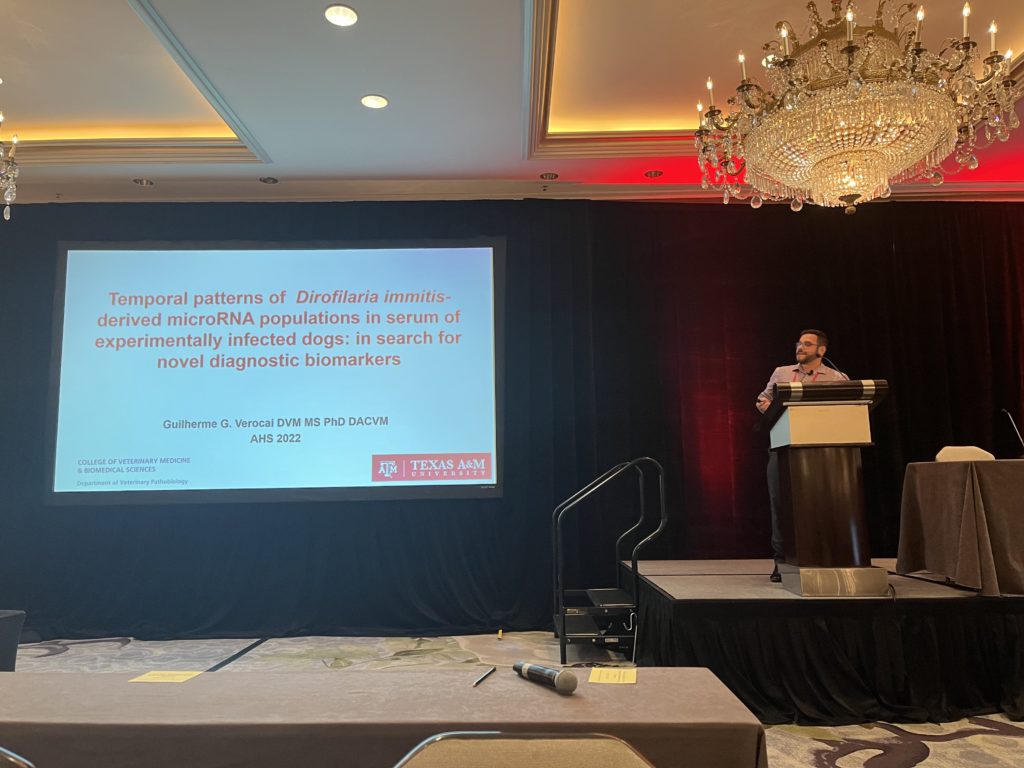
Multiple current and former members of the Verocai Lab showed out at the American Heartworm Society’s Triennial Symposium this year! This included:

  • Dr. Guilherme Verocai
    • Temporal patterns of Dirofilaria  immitis–derived microRNA populations in serum of experimentally infected dogs in the search for novel diagnostic biomarkers
    • Probe-based qPCR as an alternative Knott’s test when screening dogs for heartworm infection in combination with antigen detection tests 
  • Dr. Caroline Sobotyk (recent resident and postdoc with Dr. Verocai; now clinical assistant professor at UPenn)
    • Detection of Dirofilaria immitis via integrated serological and molecular analyses in coyotes from Texas, USA (oral)
    • Assessing the field performance of a cell-phone based video-microscope for diagnosing heartworm infections in dogs (poster)
  • Dr. Kaitlyn Upton (veterinary student researcher with Dr. Verocai; now large animal intern at University of Tennessee)
    • Heartworm, Dirofilaria immitis, in carnivores kept in zoos located in Texas, USA: Risk perception, practices, and prevalence 
  • Dr. Meriam Saleh
    • Evaluation of urine for Dirofilaria immitis antigen detection in dogs
  • Dr. Sarah Lane (veterinary student researcher with Dr. Verocai; now veterinarian at Oak Forest Animal Hospital in Houston, TX)

You can read more about the event in the VMBS News article that was just recently published. Congratulations everyone!

A ‘cheesy’ post from our Wisconsin visitor!

Hello, my name is Kailey Wichman and I am currently a vet student at the University of Wisconsin Madison School of Veterinary Medicine. I first received my Bachelor of Dairy Science degree from the University of Wisconsin-River Falls and, as you can guess, my hope is to go into farm animal medicine. I also have a strong interest in parasitology focusing in farm animal diagnostic and treatment. Therefore, I chose to visit and spend time in the Verocai Lab where they routinely perform cattle parasite diagnostics along with a variety of other domestic and wild animals. My time with the Verocai lab was amazing! 10/10 would recommend! Everyone was friendly and helpful right away. I was taught how to perform diagnostic techniques from the moment I walked in and not only could I ask any question that I had, but they would also ask questions back which helped solidify my learning. Not only have I gained the ability and knowledge to perform parasitology diagnostics but I am confident in my ability to identify specific parasites for an appropriate treatment plan. A huge Texas thank you goes out to everyone at the Verocai Lab for making it such an amazing experience!! 

Congrats Vet Students!

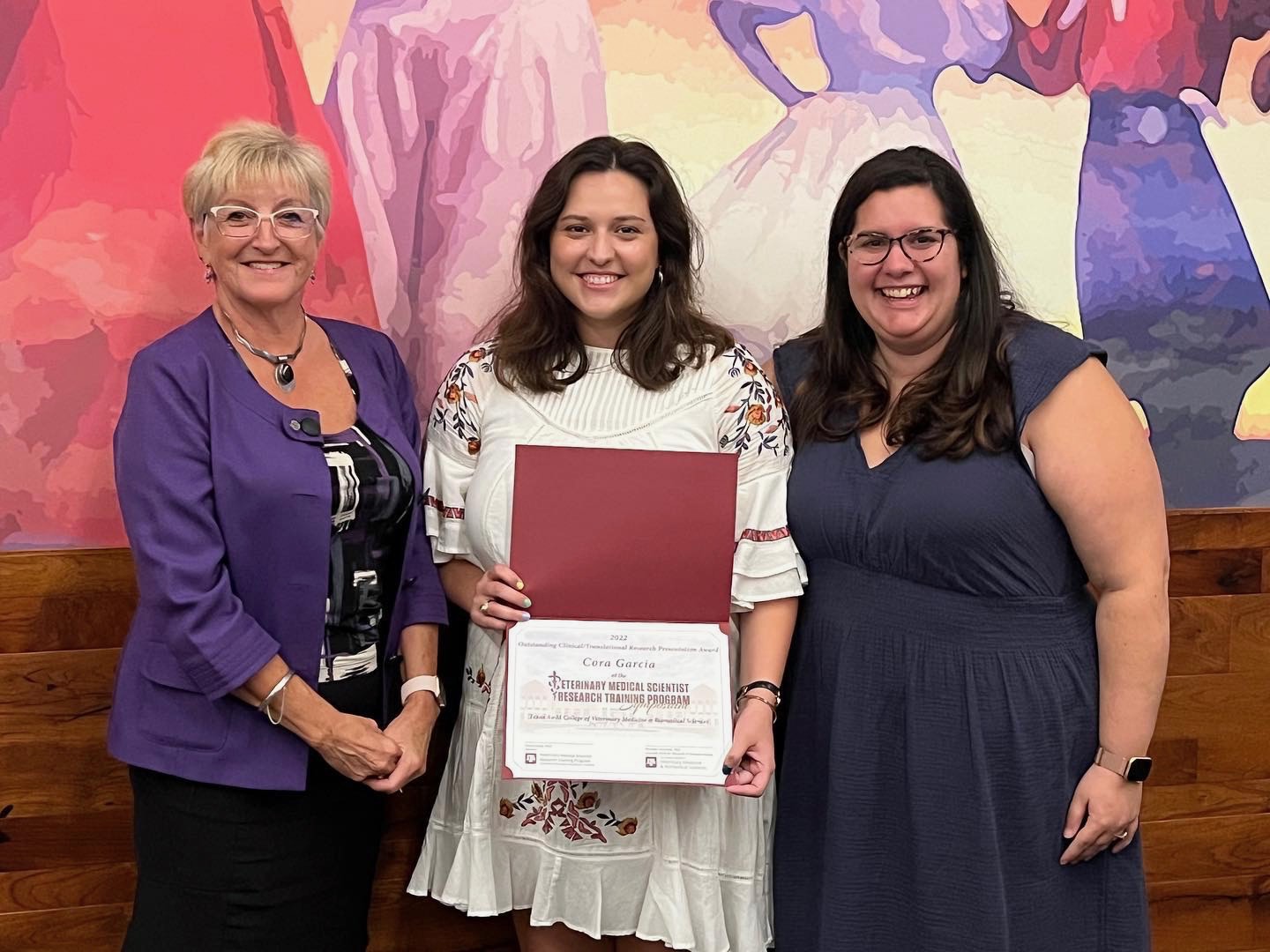
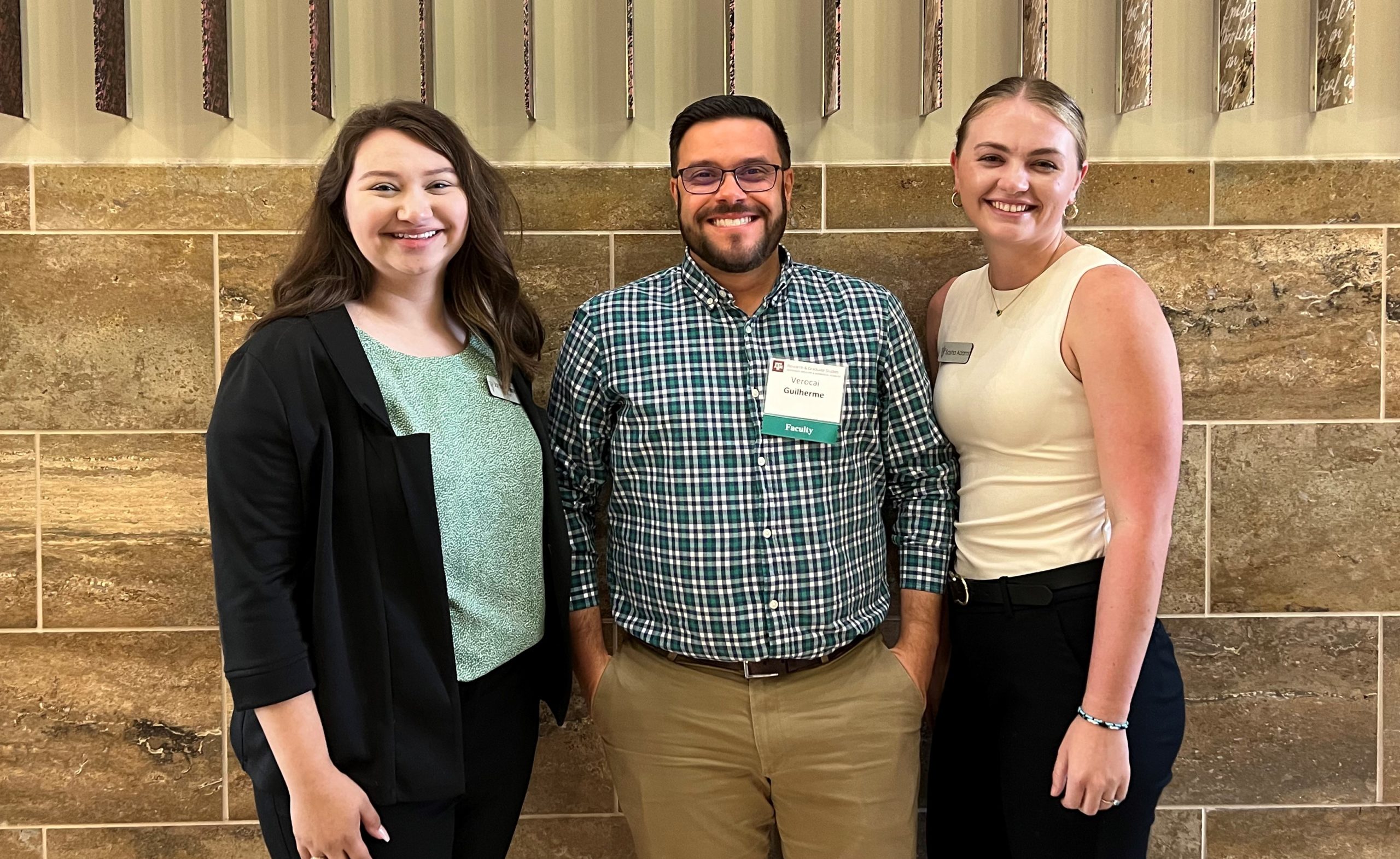
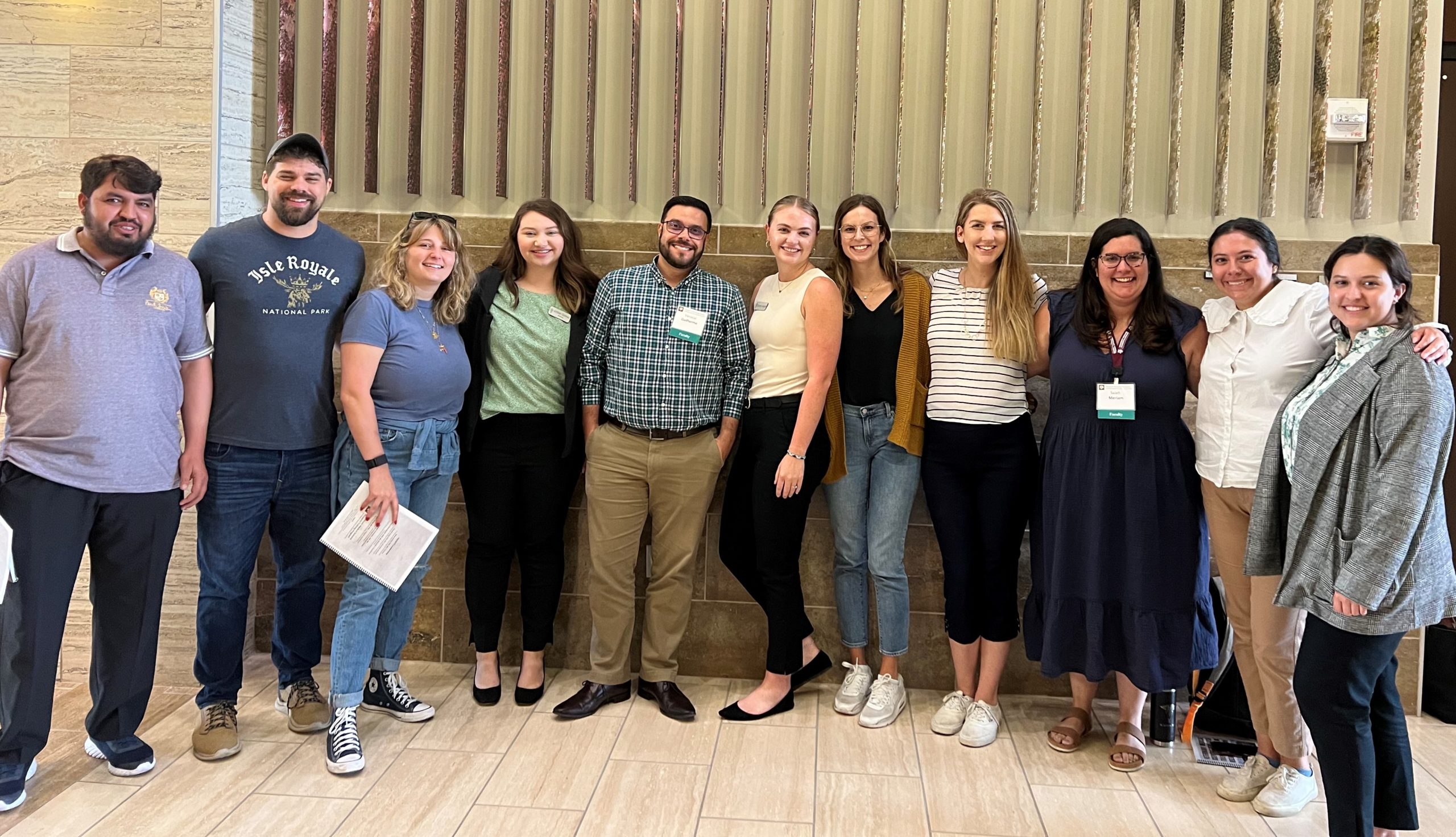
As summer now officially comes to an end, we need to congratulate our veterinary students for completing the Veterinary Medical Scientist Research Training Program (VMSRTP). All three made the Verocai lab proud and we our so grateful they came to our lab to pursue and experience parasitology research. The amazing projects and students included:

Jordan Gomez – Validation of a species-specific probe-based qPCR for detection of Setaria yehi in Alaskan moose (Alces alces)
Sasha Adams – Don’t lose your head: Probe-based real-time PCR for detection of Onchocerca lupi in black flies
Cora Garcia – Direct threat assessment of African Swine Fever virus competent ticks, Ornithodoros spp. in Texas

We want to especially congratulate Cora Garcia for winning the ‘Outstanding Clinical/Translational Presentation Award’ for her talk on Ticks and African Swine Fever. Great work Cora and awesome job to all three of you!

________________________________________________________________________________________________________________

Don’t forget if you area veterinary student and interested in veterinary parasitology, check out the VMSRTP website and make sure to contact us!

Congrats and Good Luck Neha!

We again have to say goodbye and congratulations to another wonderful friend and colleague, Neha Tyagi. As our research associate, Neha was what we all would consider the “glue” that held our lab together at its metaphorical seams! From establishing new techniques and protocols to maintaining the daily upkeep of a busy molecular lab, Neha ensured that our lab’s research carried on unabated. In addition, her willingness to provide help and support for all was crucial to the lab’s project goals and fostered an environment of collaborative teamwork. While we are excited for her new career opportunity, we will especially miss her thoughtfulness, dedication, and her famous samosas (however, she is probably relieved she does not need to make them for all our birthdays anymore). We wish the best and hope to see you soon in the near future!

ASP 2022 & ‘Parasites on the Green’

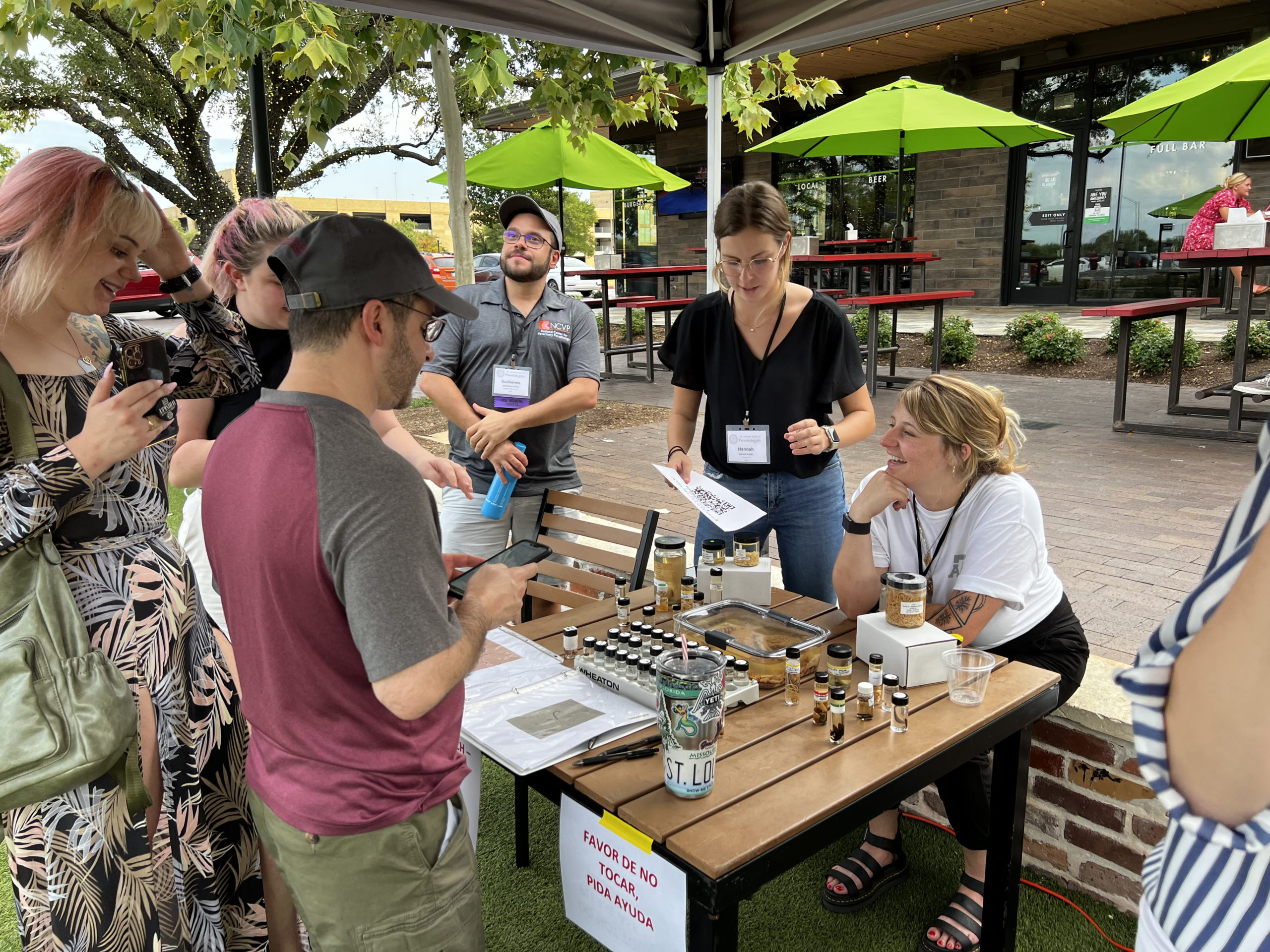
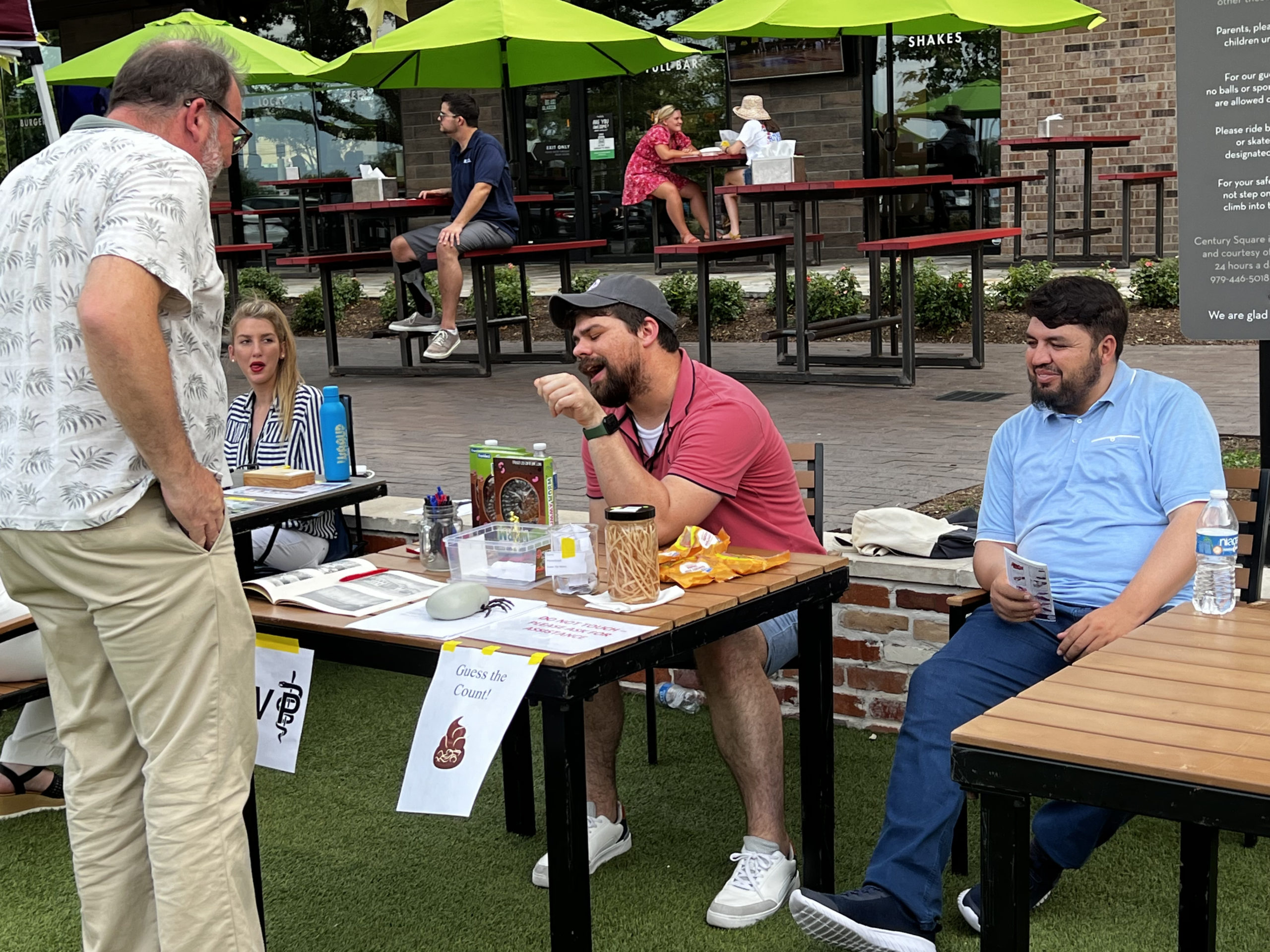
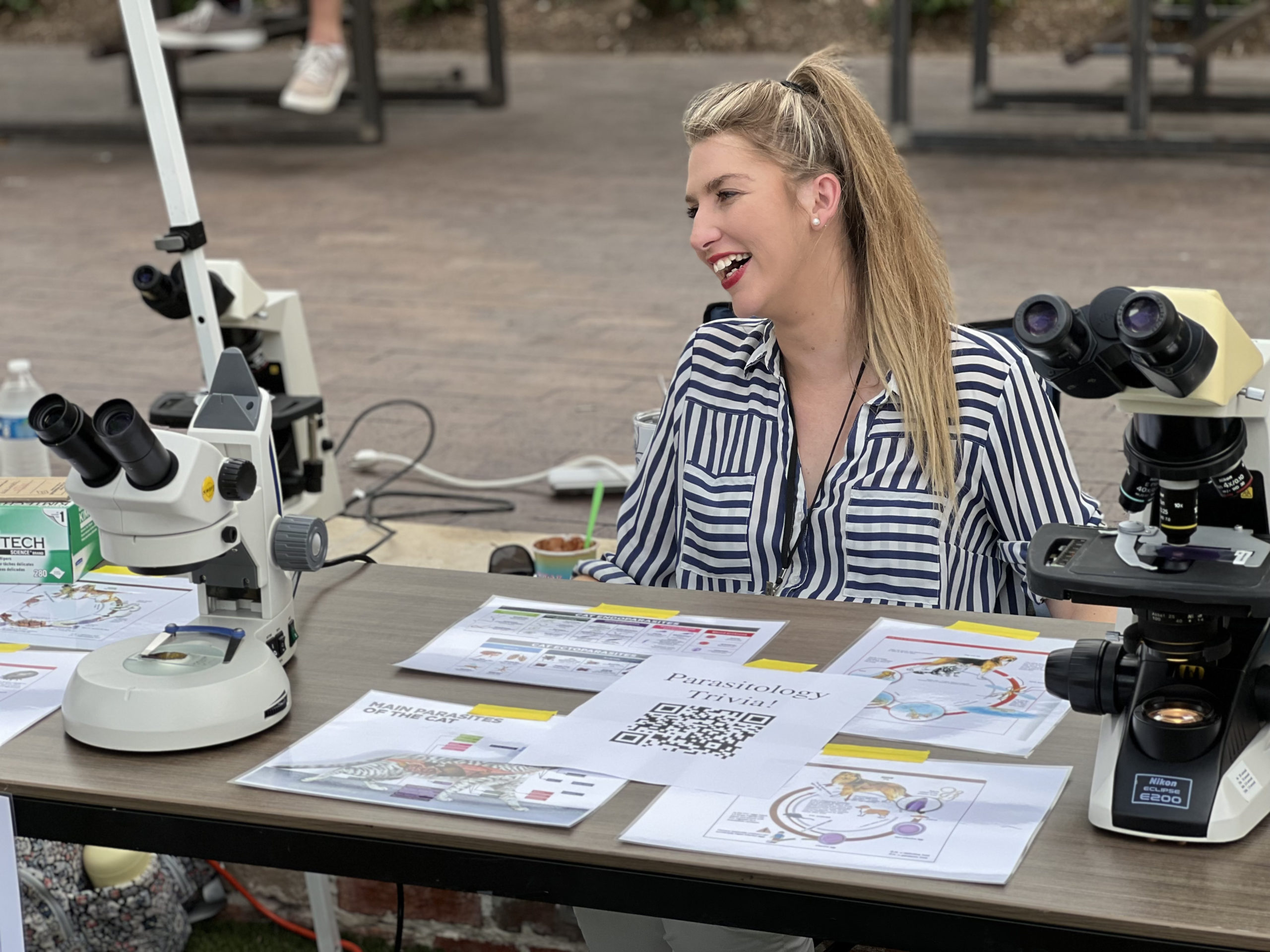
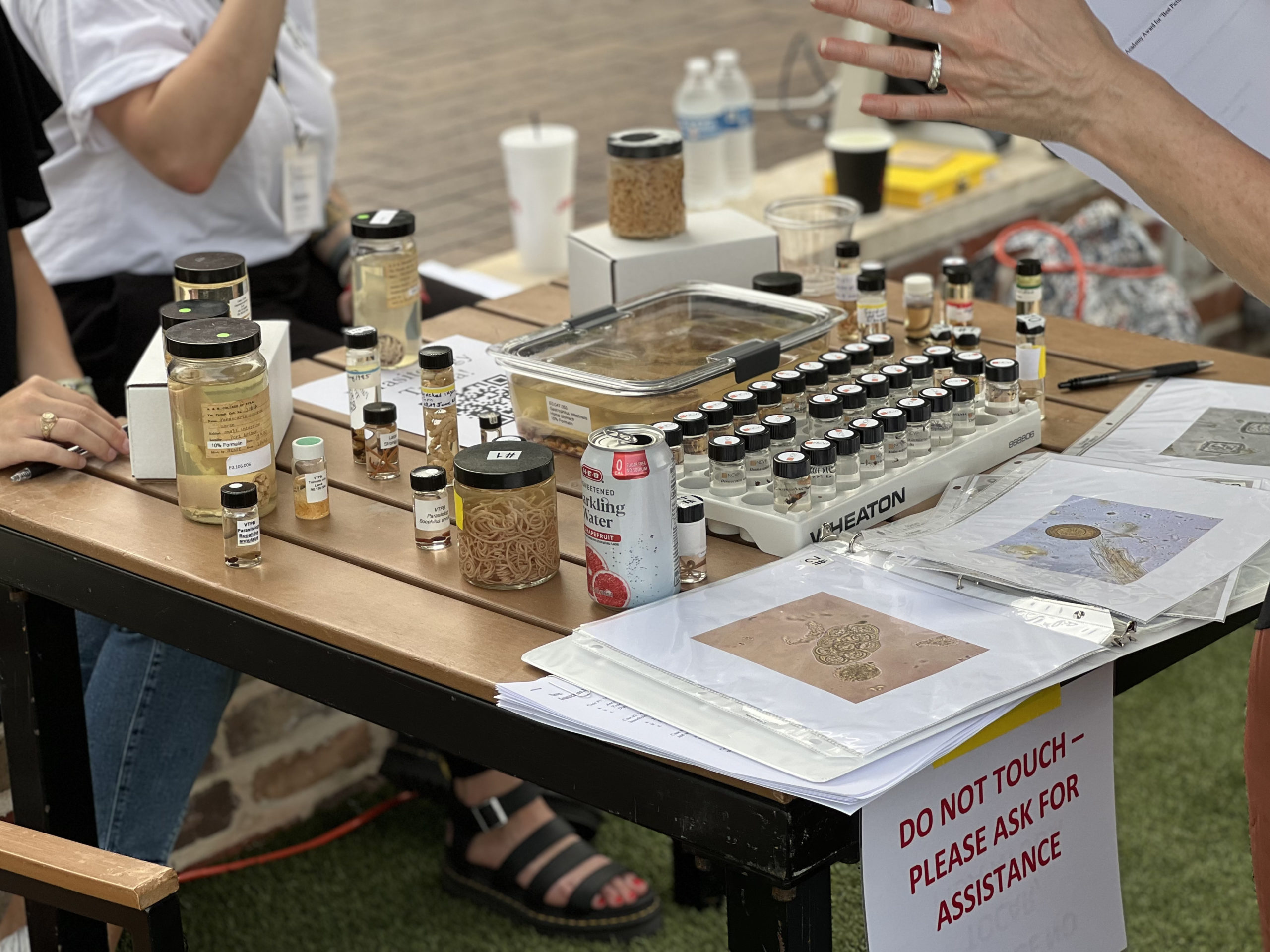
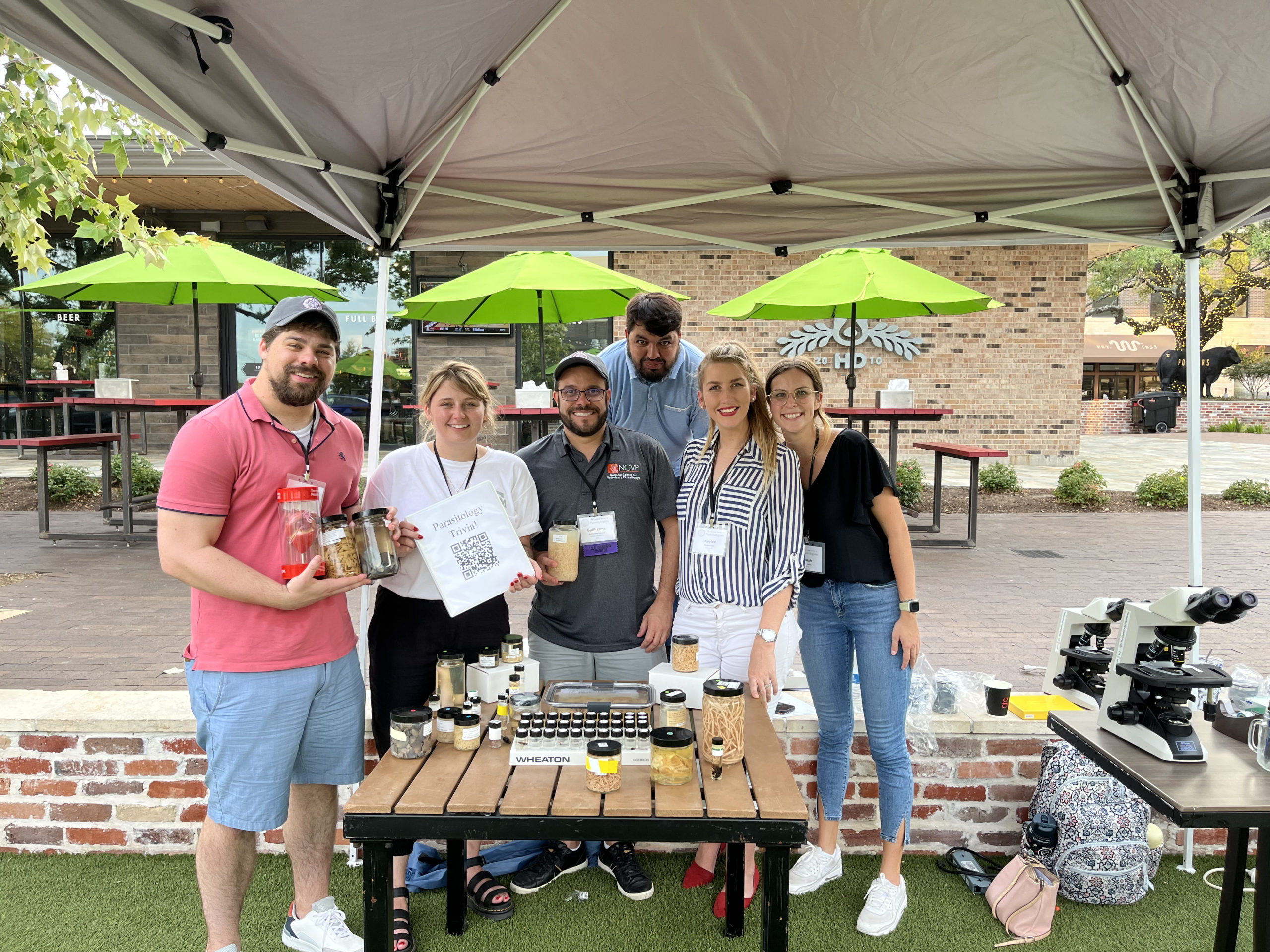
In early July we were able to ‘travel’ to the 97th annual conference of the American Society of Parasitologists in College Station, Texas! Although only down the road from our lab, our team was exposed to new colleagues, ideas, and all kinds of strange parasites (if you don’t know about the horse hairworm, we suggest you take look!). Not only did we attend and give four oral lectures at this meeting, but we also were able to help bring parasites to the our local Texas community! “Parasites on the Green”, our parasitology-centric event at Century Square, was a resounding success of fun, games, prizes, and learning. Take a look at all the Verocai Lab experiences below!
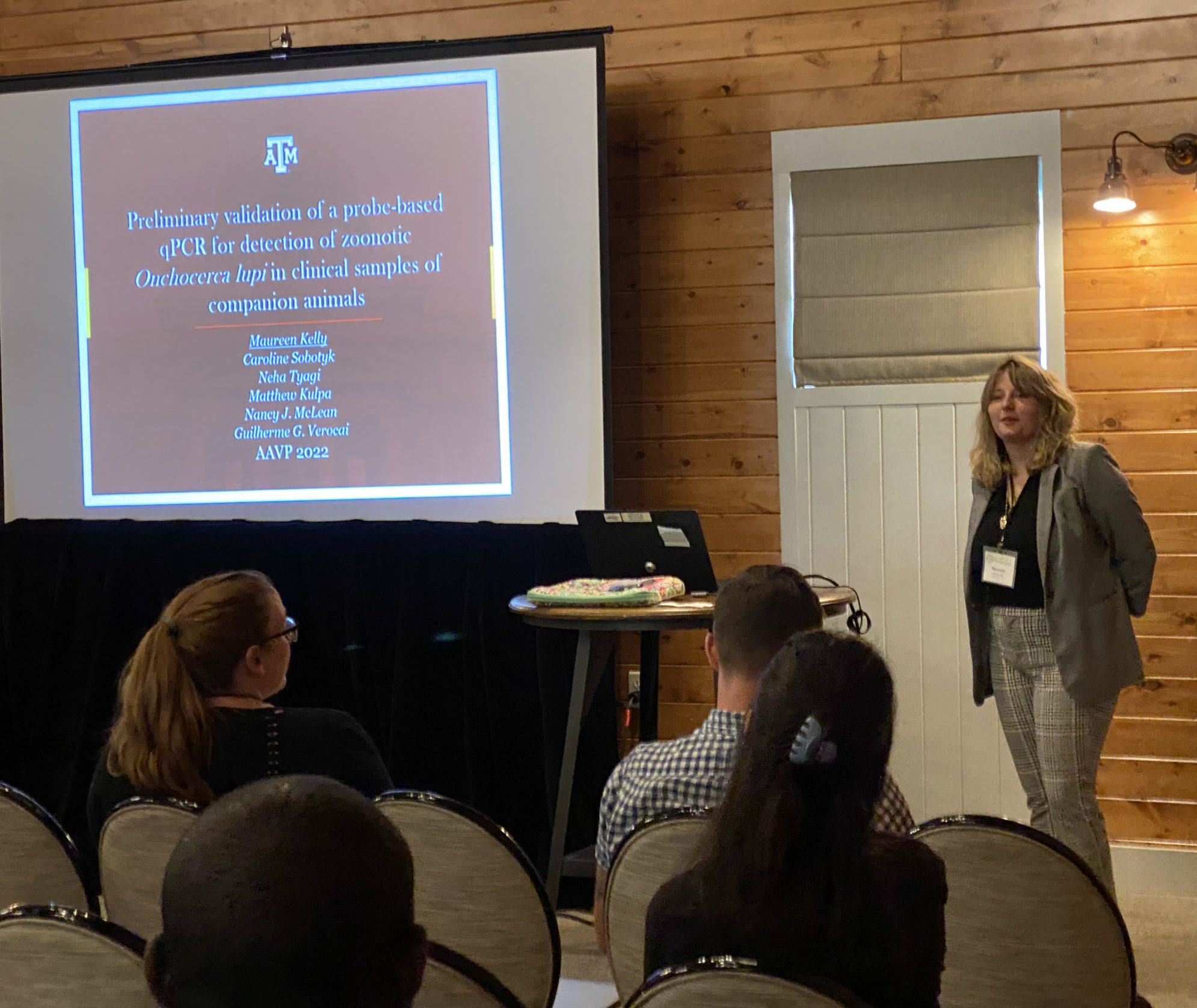
Conference Presentations

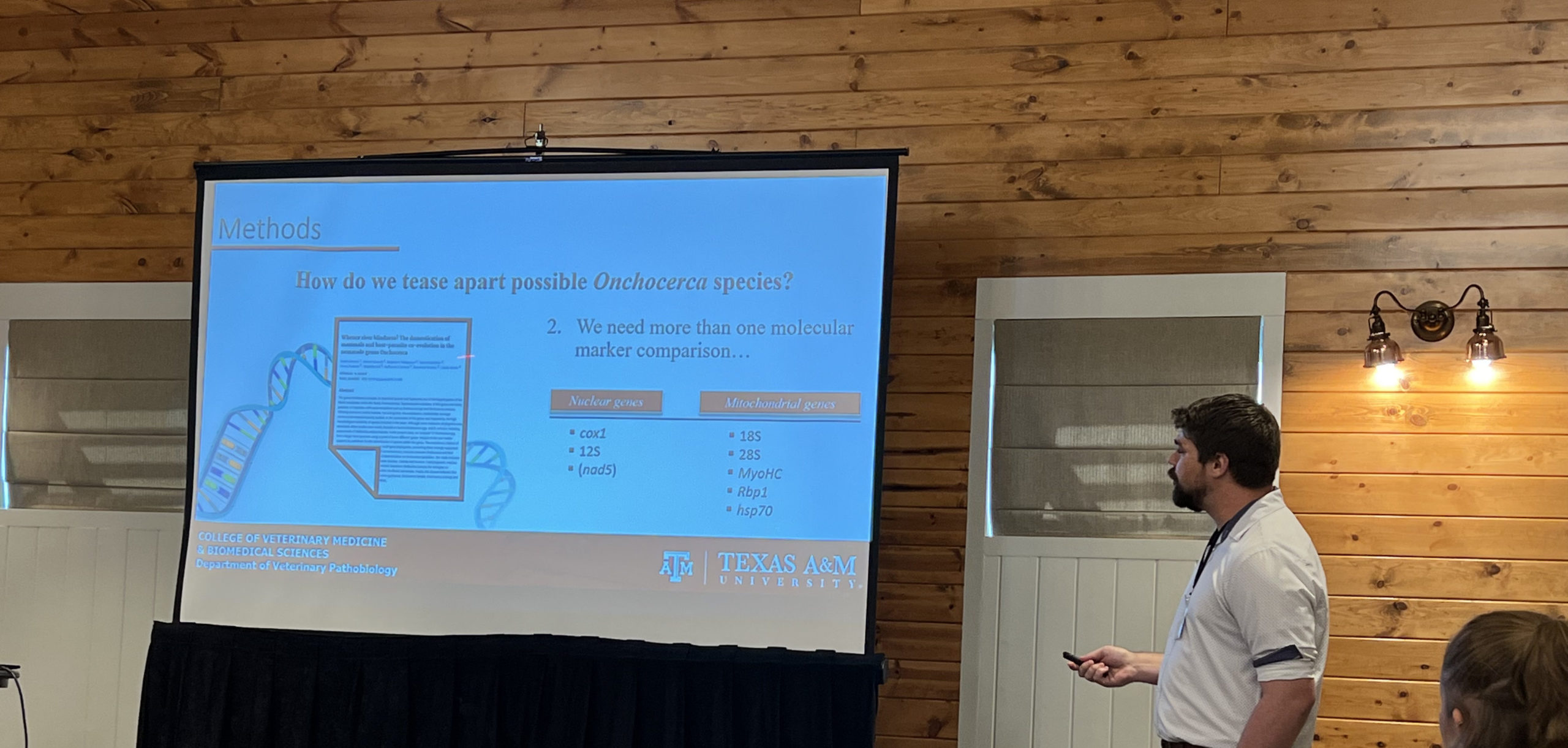
  • Matthew Kulpa (PhD student) – MULTI-LOCUS PHYLOGENETIC RELATIONSHIPS AMONG ONCHOCERCA ISOLATES FROM NEW YORK AND CALIFORNIAN UNGULATES.
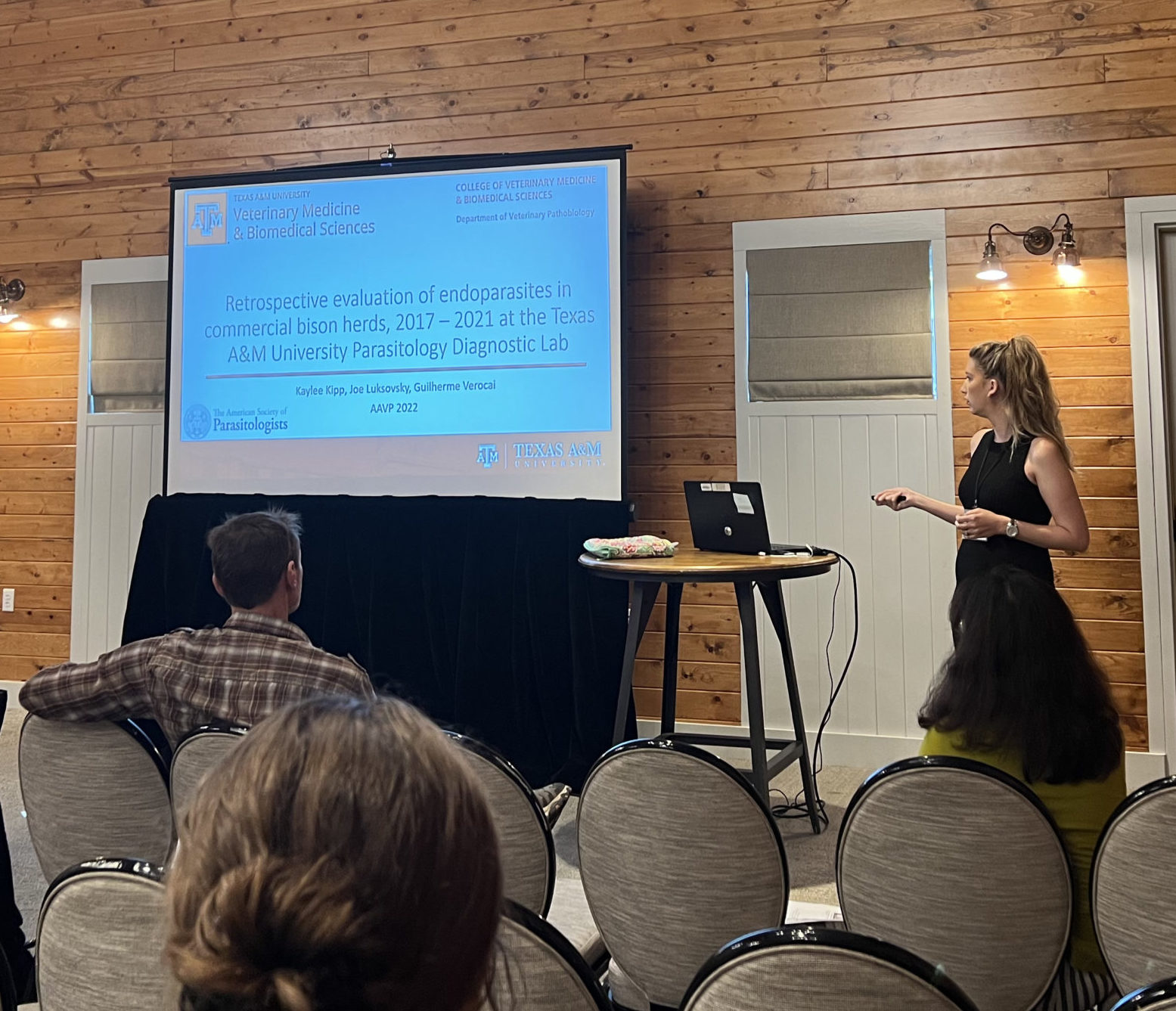
  • Kaylee Kipp (PhD student) – RETROSPECTIVE EVALUATION OF GASTROINTESTINAL NEMATODES IN COMMERCIAL NORTH AMERICAN BISON HERDS. 2017-2021 AT THE TEXAS A&M UNIVERSITY PARASITOLOGY DIAGNOSTIC LAB
  • Maureen Kelly (PhD student) – PRELIMINARY VALIDATION OF A PROBE-BASED QPCR FOR DETECTION OF ZOONOTIC ONCHOCERCA LUPI IN CLINICAL SAMPLES OF COMPANION ANIMALS
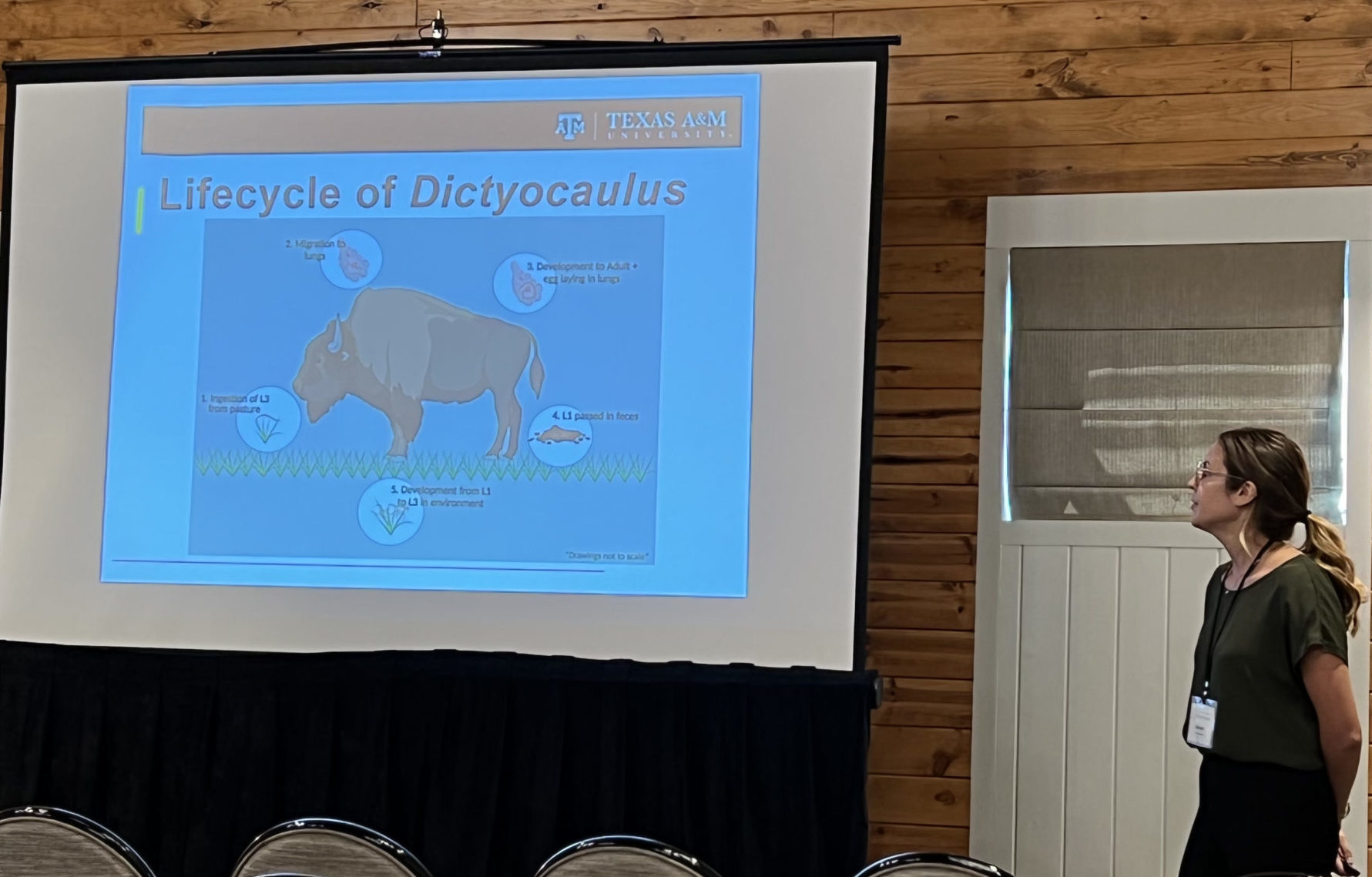
  • Hannah Danks (veterinary student) – OPENING A CAN OF (LUNG)WORMS: MOLECULAR CHARACTERIZATION OF DICTYOCAULUS (NEMATODA; DICTYOCAULIDAE) INFECTING NORTH AMERICAN BISON (BISON BISON). [Recently published here]

ASP Conference

Parasites on the Green