AAVMC Names Dean Eleanor Green Recipient of 2020 Billy E. Hooper Award

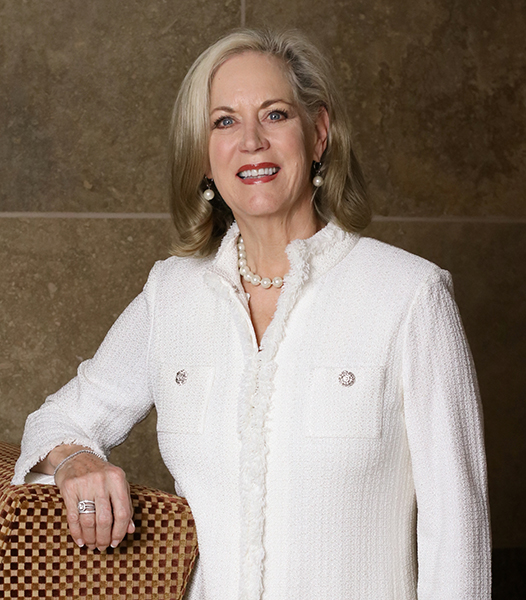
Dr. Eleanor Green, the Carl B. King Dean of Veterinary Medicine

Washington, D.C., January 27, 2020  ­– The Association of American Veterinary Medical Colleges (AAVMC) has named Dr. Eleanor Green, the Carl B. King Dean of Veterinary Medicine at Texas A&M University (TAMU), as the recipient of the 2020 AAVMC Billy E Hooper Award for Distinguished Service. The award is sponsored this year by the Stanton Foundation.

The award is presented by the AAVMC to an individual whose leadership and vision has made a significant contribution to academic veterinary medicine and the veterinary profession. The Billy E Hooper Award for Distinguished Service will be presented during the AAVMC’s 2020 Annual Conference and Iverson Bell Symposium, March 6-8, 2020 at the Hyatt Regency Washington on Capitol Hill in Washington, D.C.

“Every day, educators and researchers at our member institutions make outstanding contributions to academic veterinary medicine that inspire others, contribute to medical breakthroughs and work to educate upcoming generations of veterinarians,” said AAVMC Chief Executive Officer Dr. Andrew T. Maccabe. “We are pleased to honor these extraordinary individuals through our awards program and look forward to recognizing their achievements during our 2020 annual conference.”

Dr. Green has a special interest in the future of veterinary medicine and the innovations that will help ensure a thriving profession. She was recently named a senior advisor and consultant for the Animal Policy Group in Washington, D.C. and will complete her tenure as dean in June 2020.

“I can attest to the fact that Dean Green’s administrative record at TAMU is one of sustained leadership and service that is perhaps unmatched in the more than 100-year history of the CVM in terms of both inclusiveness and effectiveness,” said Dr. Kenita Rogers, TAMU’s executive associate dean and director for diversity and inclusion. “She has brought about positive, enduring change to our college, university, and profession.”

Dr. Green became dean at TAMU in 2009 and oversaw many ambitious projects at the college, including construction of the Veterinary & Biomedical Education Complex, establishment of the Center for Educational Technologies, Office of Innovation and Entrepreneurship, Global One Health, and Equine Initiatives. She also developed inter-university partnerships designed to increase the number of DVM graduates and address issues facing food animal and rural practice veterinary medicine in Texas.

Her academic appointments have included: equine faculty member at University of Missouri; head of the Department of Large Animal Clinical Sciences and director of the large animal hospital at the University of Tennessee; chair of the Department of Large Animal Clinical Sciences and the Chief of Staff of the large animal hospital at the University of Florida.

She is a diplomate of the American College of Veterinary Internal Medicine (ACVIM), Large Animal, and the American Board of Veterinary Practitioners (ABVP), Certified in Equine Practice.

Dr. Green received her BS in Animal Science from the University of Florida and a Doctor of Veterinary Medicine (DVM) from Auburn University. She established a veterinary practice in Mississippi as partner/owner. She became a founding faculty member of the College of Veterinary Medicine at Mississippi State University.

She has served as president of four national organizations: the American Association of Equine Practitioners (AAEP), the American Board of Veterinary Practitioners (ABVP), the American Association of Veterinary Clinicians (AAVC), and the Association of American Veterinary Medical Colleges (AAVMC).

Her awards include: 2004 Award of Distinction from the University of Florida College of Agriculture and Life Sciences, 2011 Wilford S. Bailey Distinguished Alumni Award from Auburn University, 2012 Women‘s Progress Award for Administration, induction into the National Cowgirl Hall of Fame in 2013, 2015 Distinguished Achievement Award for Administration at Texas A&M University, and 2020 Bridge Club Veterinary Industry ICON.

The member institutions of the Association of American Veterinary Medical Colleges (AAVMC) promote and protect the health and wellbeing of people, animals and the environment by advancing the profession of veterinary medicine and preparing new generations of veterinarians to meet the evolving needs of a changing world. Founded in 1966, the AAVMC represents more than 40,000 faculty, staff and students across the global academic veterinary medical community. Our member institutions include 53 Council on Education (COE) accredited veterinary medical colleges and schools in the United States, Canada, Mexico, the Caribbean, Europe, Asia, Australia, and New Zealand; as well as 23 provisional and collaborating members, and departments of veterinary science and departments of comparative medicine in the U.S.

###

For more information about the Texas A&M College of Veterinary Medicine & Biomedical Sciences, please visit our website at vetmed.tamu.edu or join us on FacebookInstagram, and Twitter.

Contact Information: Jennifer Gauntt, Director of Communications, Texas A&M College of Veterinary Medicine & Biomedical Sciences; jgauntt@cvm.tamu.edu; 979-862-4216
CVM Global One Health Expert Discusses Coronavirus Outbreak

The spread of 2019-nCoV, commonly known as the novel coronavirus, from China to at least 11 countries, to date, including the United States, has led the disease and its growing impacts to become a trending topic in both the news and conversation.

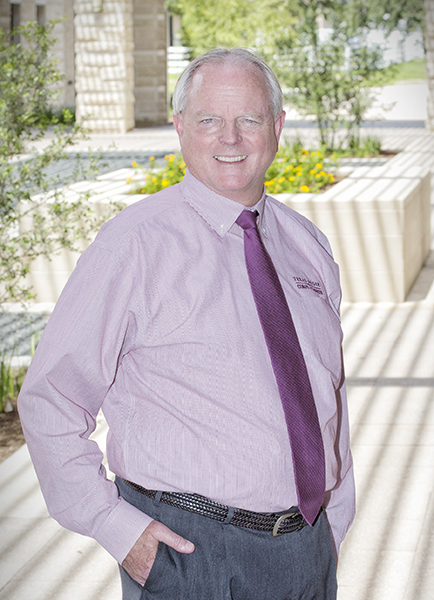
Dr. Gerald Parker
Dr. Gerald Parker

Dr. Gerald Parker, the associate dean for Global One Health at the Texas A&M College of Veterinary Medicine & Biomedical Sciences (CVM), is on the front lines among the U.S.’s leaders in response to the current outbreak; he and others continuously work to elevate the importance of pandemic preparedness and need for more effective biosecurity policies.

Parker and other leaders are closely following the fast-changing coronavirus and are looking at the Severe Acute Respiratory Syndrome virus (SARS) response as a model.

SARS, a related coronavirus that first appeared in Asia in 2002, spread worldwide in just a few months. Before the outbreak was contained in 2003, there were more than 8,000 confirmed cases and 774 deaths, with widespread disruption and significant economic losses in impacted communities.

“Lessons learned from SARS included significant shortfalls in early disease reporting, transparency, global disease surveillance systems, collaboration, and leadership,” Parker said. “SARS was a wake-up call that an outbreak anywhere can quickly become a risk everywhere and catalyzed global health public health preparedness efforts.”

The 2019-nCoV outbreak is a serious emergency in China, and it is not yet known how this will impact the global community.

“Rest assured, the global public health and scientific enterprises are on high alert and taking urgent actions building on lessons learned from SARS, Ebola, and influenza outbreaks,” Parker said. “However, we still have many unanswered questions in the early phase of this emergency that unfortunately require more time to evolve.

“Several reports are largely positive regarding improved transparency, disease reporting, and response in China and from the World Health Organization (WHO),” he said. “But there are also concerns that transparency and sharing of viral isolates and other data from China needed for research, vaccine development, and public health guidance are not where it needs to be to enable a more effective international response.

“Our scientific and public health understanding of the underlying science will evolve daily, maybe hourly, and public health authorities at all levels will have to react to new facts, take appropriate action, and communicate effectively to the public,” Parker said.

On Thursday, when news broke that a Texas A&M student in College Station was being quarantined for a suspected case of coronavirus (it was revealed Sunday that the test was negative), many in the local community began to worry about the disease with a new perspective. While this outbreak is concerning and has global implications, the current risk to the Bryan/College Station community is low, according to Parker.

“Regarding the suspect case in College Station, we should take reassurance that public health guidance to front-line health care providers is working in our community,” Parker said.

Dr. Tedros Adhanom Ghebreyesus, the WHO director-general, has not declared a public health emergency of international concern for the coronavirus outbreak, but the WHO stressed that this outbreak is a serious emergency in China despite not yet reaching the threshold as a global emergency.

“This could change quickly, and I anticipate the outbreak will lead to an international emergency declaration,” Parker said.

As of this date, there are more than 2,800 confirmed cases of 2019-nCoV and at least 81 reported deaths worldwide; more than 8,000 people are under observation. To date, serious illness and deaths from this novel coronavirus have been largely confined to individuals over the age of 50 with underlying health conditions, according to Parker.

Human-to-human spread is believed to have only occurred in close contact with family members and health care providers.

Chinese authorities have implemented extensive travel bands in Wuhan, where the virus was first detected. This functional quarantine was extended to several other major cities on Saturday, impacting upwards of 40 million people.

“This is an unprecedented action, particularly since the virus has already spread beyond that region,” Parker said. “Our policy research will attempt to determine what drove this extraordinary decision.”

Wuhan is also the home of a new biosafety level 4, the highest level of biosafety precautions, high-containment lab that is a “center of gravity” for research on SARS in China.

“The high containment lab in Wuhan has internationally renowned SARS scientists and I have colleagues in almost daily contact with this laboratory,” Parker said. “There are good lines of communications open at the scientist to scientist level.

“Research and our scientific enterprise in the U.S. and across the global are the foundation of preparedness and response for infectious diseases with pandemic potential,” Parker said.

Parker recently took on an additional duty as Chair of the National Institutes of Health National Science Advisory Board for Biosecurity (NSABB).  This federal advisory board informs policy by making recommendations to the federal government with a goal to enable essential research on enhanced potential pandemic pathogens with appropriate oversight.

“During the NSABB public meeting on Jan. 23-24 in Washington, D.C., the novel coronavirus outbreak was mentioned frequently during public presentations and board deliberations,” Parker said.

Texas A&M’s Global One Health aims to make the world safe and secure from emerging infectious with pandemic potential by promoting the One Health approach—the synergy of animal, human, and environmental sciences—to global health and security. Through Global One Health’s national and international outreach, as well as promotion of collaborative, zoonotic One Health research, and building of interdisciplinary learning environments, Parker continues to make advancements in policy, research, education, and service.

“There is no doubt the 2019-nCoV outbreak is a prime example of why the application and practice of One Health are essential to tackle global challenges, like infectious diseases with pandemic potential,” Parker said.

While waiting for further information, everyone can do their part to limit the spread of disease by washing hands, using hand sanitizer, and avoiding touching of the face. If you are showing any symptoms of illness, stay home and seek guidance from your health care provider.

###

For more information about the Texas A&M College of Veterinary Medicine & Biomedical Sciences, please visit our website at vetmed.tamu.edu or join us on FacebookInstagram, and Twitter.

Contact Information: Jennifer Gauntt, Director of Communications, Texas A&M College of Veterinary Medicine & Biomedical Sciences;
jgauntt@cvm.tamu.edu;
 979-862-4216
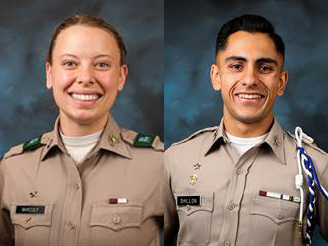
Twenty Cadets from CVM Earned Gold, Silver Stars

Male and female cadets wearing gold and silver stars on their uniforms
Cadets wearing gold and silver stars

Several Texas A&M College of Veterinary Medicine & Biomedical Sciences (CVM) students in the Corps of Cadets were recognized by the Office of the Commandant with silver and gold stars for academic excellence in the fall 2019 semester.

These stars, worn over the right shirt pocket on a cadet’s uniform, were presented to 20 CVM students to wear during the spring 2020 semester. Gold stars are awarded to cadets who earned a 4.0 GPR on a minimum of 12 hours in the previous semester and silver stars are awarded to cadets who earned at least a 3.5 GPR.

The cadets who received gold stars were John Arrington, Hunter Butler, Carter Gansky, David Lyons, Emily Orr, and An Trinh.

The cadets who received silver stars were Jacob Abell, Justin Abshire, Madison Beall, Lincoln Fitzgerald, Jazzlyn Gonzalez, Mason Hoover, Kathryn Kuczkowski, Katlyn Lang, Braxton Macias, Luke Morgan, Carson Shults, Kyle Theule, Connor Timmons, and Jaden Wilcoxen.

Barn Cats: Made to Live in the Great Outdoors

Whether your feline friend is curled up next to you on the couch or lives outdoors, cats have a way of making their way into our hearts one way or another.

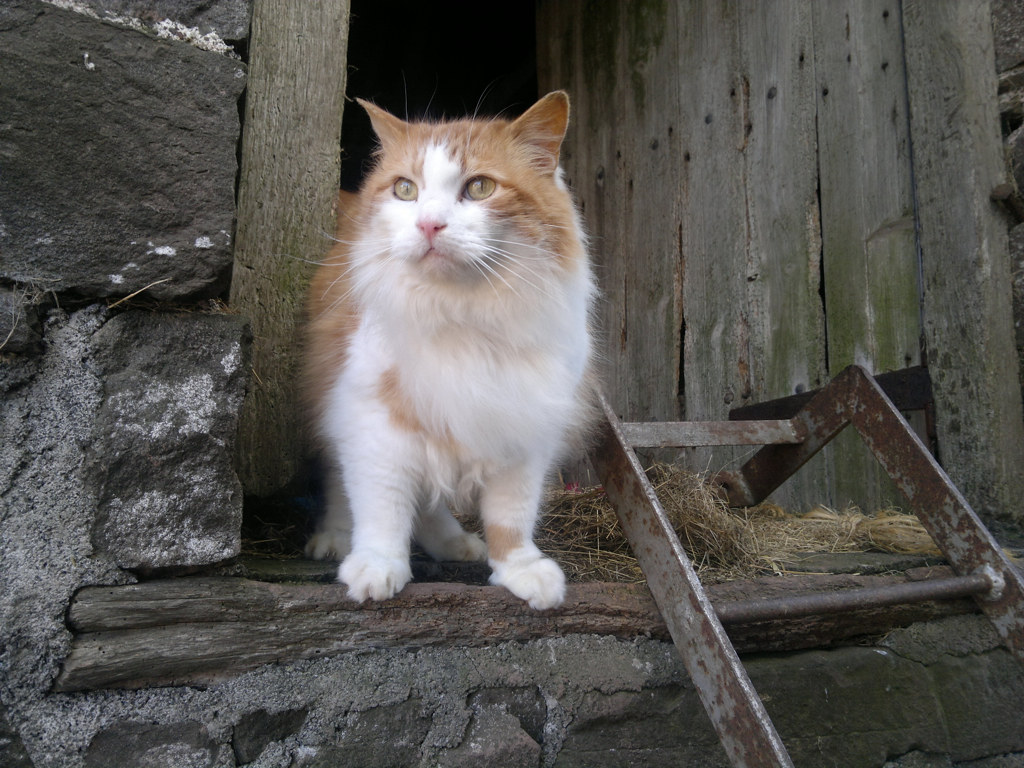
An orange and white fluffy cat looks out from a window in a stone and wood building

When Dr. Elizabeth Jeter isn’t lecturing in the Texas A&M College of Veterinary Medicine & Biomedical Sciences’ Department of Veterinary Pathobiology, she can be found bringing fourth-year veterinary students to care for the animals at the Aggieland Humane Society, including those in the Barn Cat program.

While some cats do prefer living outside, “all cats are considered domestic,” Jeter said, adding that there are some differences that set these felines apart from others.

One of those differences is that barn cats serve a specific purpose.

“Most people seek out barn cats for the main purpose of having a form of organic pest control,” Jeter said. “They help control mice and rat populations, which is especially important in barns due to diseases that can be transmitted to livestock.”

According to Jeter, outdoor cats can have a wide range of personalities—they can be very social and friendly, or they can be feral, meaning they do not associate with humans and may even avoid human contact altogether.

“Each cat is as unique as a person,” Jeter said.

Because of this, the level of interaction between barn cats and humans will depend on the cat as well as the human.

“Some cats become a household icon, greeting everyone who comes to the barn, while others are rarely seen,” Jeter said. “Both cats are still working cats—they just have different attitudes.”

Barn cats have the same basic needs as other pets, but Jeter says it’s important for owners to acknowledge that caring for barn cats looks a little different.

“Special care needs to be taken with these cats, since they do not obey the same rules as friendly or indoor cats and are often treated more as wildlife,” she said. “An example of this special care may be working with veterinarians who understand how to handle feral cats, since they cannot be caught and handled like friendly or indoor cats and may need to be trapped in humane live traps.”

When owners bring a new barn cat home, they should be placed in a secure location, like a tack room or an indoor enclosure, where they cannot escape for the first three to four weeks.

“This allows them to acclimate to their new environment and familiarize themselves with where they will be fed,” Jeter said.

As with any other pet, it is important to provide outdoor cats with protective medical care, including vaccinations and spaying/neutering. Jeter explained that long-term medical care is necessary, especially since barn cats are exposed to hazards such as wildlife more than your standard house pet.

“It is most ideal to spay or neuter barn cats so they are not reproducing or displaying nuisance behavior, such as fighting or yowling,” Jeter said. “Spaying or neutering will also help them to do their job more effectively and make them more likely to stick around.

“Sometimes the barn cat life chooses you, and other times there may already be outdoor cats established in your area,” Jeter said. “It’s important for prospective owners to be willing and able to provide care for their outdoor companions to help them live their best lives.”

Pet Talk is a service of the College of Veterinary Medicine & Biomedical Sciences, Texas A&M University. Stories can be viewed on the web at vetmed.tamu.edu/news/pet-talk. Suggestions for future topics may be directed to editor@cvm.tamu.edu.

Blazing New Trails

Dr. Lori Teller explores the endless applications of telemedicine in the Texas A&M Veterinary Medical Teaching Hospital (VMTH) as the first university-based veterinary telehealth expert.

Teller in front of a computer
Dr. Lori Teller

Dr. Lori Teller says telehealth—connecting veterinarians and clients electronically so that care can be provided without the time and expense of travel—is a game-changer, and Texas A&M once again is at the forefront.

As the world’s first university-based veterinary telehealth expert, she should know.

Teller gained expertise in telemedicine, in 2015, when she was in private practice and joined the board of directors of the American Veterinary Medical Association (AVMA).

“Telemedicine has been available in human health care for decades, and the handwriting was on the wall that it was coming to veterinary medicine,” she said. “I suggested that this was something the AVMA should look into and a working group was formed. I was its liaison to the board.”

The working group had more than 50 members, including veterinarians, legal and policy experts, and other stakeholders. The AVMA adopted the telemedicine policy they developed in July 2017.

“I think what we learned opened a lot of eyes,” she said. 

In 2018, she enthusiastically accepted the opportunity to focus on veterinary telemedicine at her alma mater.

“I still have to pinch myself,” she said about returning as a CVM faculty member. “I walk in the shadows of giants—those who educated me and helped shape my career. I never imagined as a student, or as a private practitioner, that I would be worthy of following in their footsteps.”

Following Giants While Blazing A New Trail

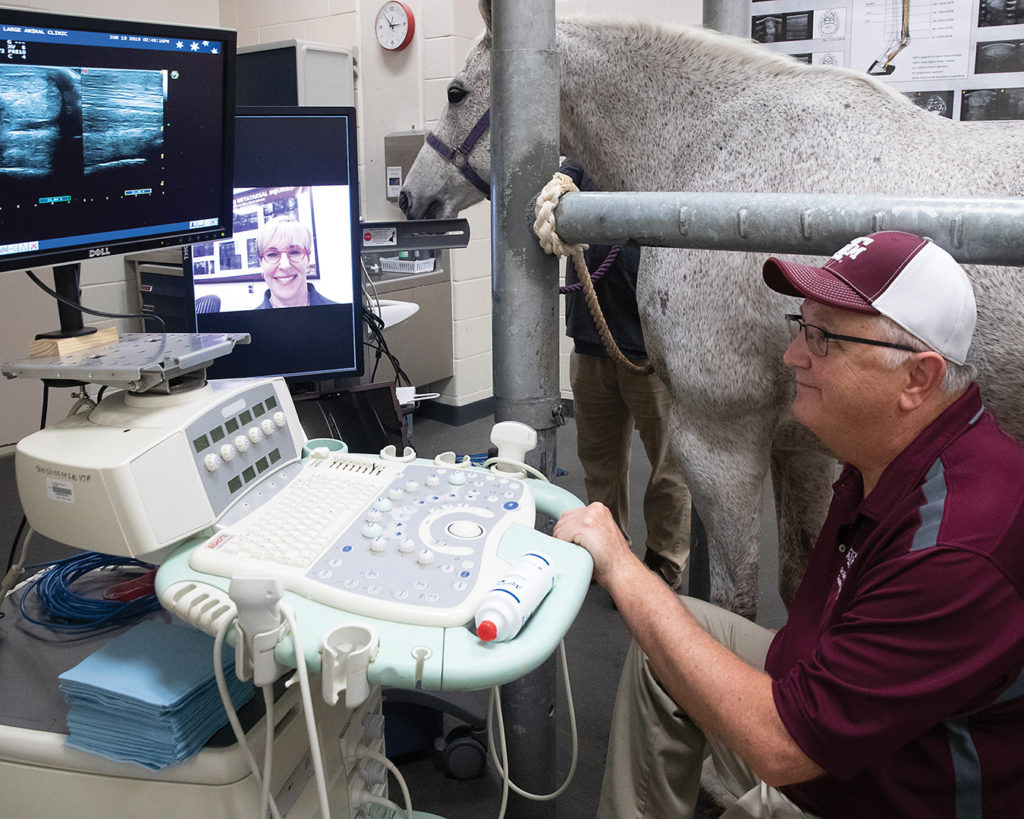
Man on computer with woman on video screen
Dr. Keith Chaffin and Dr. Lori Teller discuss an equine ultrasound.

“I think we’re going to see a lot more virtual care,” she said. 

For one thing, accessing a veterinarian from home brings clients peace of mind during potential—or real—emergencies.

“Let’s say a dog owner comes home late at night and finds vomit on the floor but her dog is acting fine,” Teller said. “Does she need to go to the emergency clinic or can it wait until morning? Virtual care reduces the stress involved in figuring out what to do.”

It also is an ideal way to provide care in non-emergency areas such as behavior and nutrition. 

“Animals often hide their ailments at the hospital,” Teller said. “So once a physical exam is conducted to determine if there is a disease, future visits could be done virtually so the patient is in its own environment and acts naturally.”

Virtual care also reduces obstacles for clients who cannot easily visit a veterinarian because of financial, health, or transportation issues.

Veterinary telehealth also benefits practitioners.

“Our clinicians can work virtually with general practitioners in remote areas of the state who are dealing with an unusual case or procedure, and if a referral is needed, then the client, the referring DVM, and the specialist at Texas A&M are already prepared for what to expect,” she said.

Giving these veterinarians—as well as new practitioners—access to a specialist who will help guide them through a problem can make the veterinarian feel less alone while gaining new knowledge and skills.

What’s Next For Telehealth

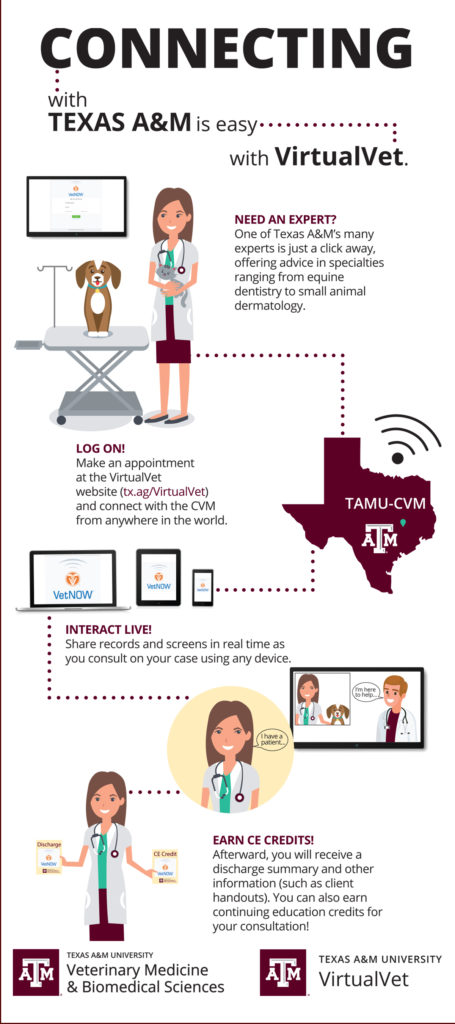
graphic showing virtual vet process

In the next few months, the CVM will provide virtual consults to veterinarians around the state to provide just such guidance, from how to treat a complicated canine dermatology case to real-time guidance when performing an ultrasound on a horse.

“What’s particularly great about the service we’ll be providing is that a discharge summary and other information, such as client handouts or scientific articles, can be provided at the end of the virtual visit,” Teller said. “Not only that, but the referring DVM can get continuing education credits for the consult. We are very excited about this unique aspect of what we are offering.”

Over the next few years, Teller predicts a major increase in the number of practices that incorporate virtual care for recheck visits, triage, and more.

“As the technology improves and people get more comfortable using it, the laws and regulations will adapt appropriately,” she said.

Remote care monitoring is another area with potential.

“This is a big growth area in human health care right now, and it will eventually move into our realm, too” Teller said. 

For example, remote care monitoring would help veterinary practices that need to hospitalize an animal overnight but don’t have around-the-clock staffing. Animals with heart disease, diabetes, or other chronic diseases also would benefit from continuous monitoring.

“As wearable technology improves, the data from wearables can be uploaded in real time and an alert sent to the owner if something is off and requires veterinary attention,” Teller said.

Augmented intelligence and virtual reality will also play a bigger role in veterinary care. 

“It will be possible for one of our surgeons to remotely help a surgeon in another city or even another country—a tremendous benefit for people in underserved areas or developing countries,” Teller said. “The applications are endless. It will be possible, for example, to overlay an MRI image onto the patient to more precisely guide where incisions should be made and where to watch out for nerves or vessels.” 

Getting It Right At The CVM

Teller decided to become a veterinarian at age 6 and started working for her family’s veterinarian in Houston at age 12.

“I fainted on my first day!” she said. “But I was hooked.”

Since joining the CVM faculty, she has been impressed by the spirit of innovation and collaboration. 

“The CVM offers tremendous opportunities to try new things,” she said. “The human health care providers did many things well with telehealth, but also made mistakes. We can learn from them and get it right for our colleagues, clients, and patients.”

Teller is confident that animals that do not currently receive veterinary care, or the level of care required, will soon have opportunities to get help through the CVM’s telehealth programs

“Just like anything else worth doing, virtual care is worth doing well, and of course, there is a cost to making this new work happen,” she said. “We are grateful to those who support us. I would tell each of them that no profession is more exhilarating than veterinary medicine!”

###

Note: This story originally appeared in the Fall 2019 edition of CVMBS Today.

For more information about the Texas A&M College of Veterinary Medicine & Biomedical Sciences, please visit our website at vetmed.tamu.edu or join us on FacebookInstagram, and Twitter.

Contact Information: Jennifer Gauntt, Director of CVMBS Communications, Texas A&M College of Veterinary Medicine & Biomedical Sciences; jgauntt@cvm.tamu.edu; 979-862-4216
Blazing New Trails

Texas A&M Superfund Center to Host ‘Plan Ahead, Be Prepared’ Event

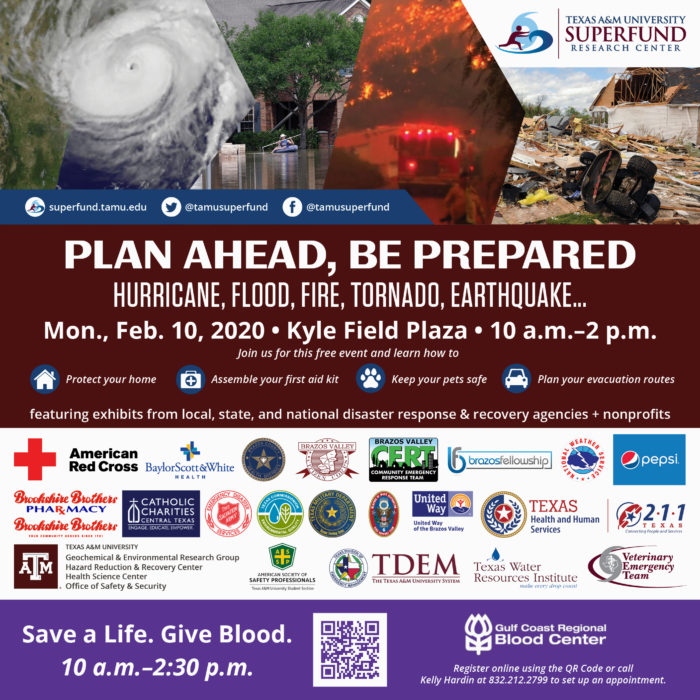
2020 Plan Ahead Be Prepared Flyer

In conjunction with Texas A&M’s Disaster Week 2020, the Texas A&M Superfund Research Center will bring together members of the emergency response community to share with students, faculty, and staff valuable tips on planning ahead.

“Plan Ahead Be Prepared” will be held on Feb. 10 from 10 a.m. to 2 p.m. at the Kyle Field Plaza, during which members of the Texas A&M community can get tips on being prepared for a variety of hazards related to natural disasters, including how to protect your home, assembling first aid kits, keeping pets safe, and planning evacuation routes.

In addition to the Superfund Research Center, participating organizations from Texas A&M include the Geochemical & Environmental Research Group, the Hazard Reduction & Recovery Center, the Health Science Center, the Office of Safety & Security, the campus chapter of the American Society of Safety Professionals, the Texas Water Resources Institute, and the Veterinary Emergency Team.

Participating organizations from the community and the state include the American Red Cross, Baylor Scott & White Health, the Brazos County Health District Emergency Preparedness, the Brazos Valley Citizen Corps/Community Emergency Response Team, Brazos Fellowship, the National Weather Service, Brookshire Brothers and Brookshire Brothers Pharmacy, Catholic Charities of Central Texas, the Salvation Army Emergency Disaster Services, the Texas Commission on Environmental Quality, the Texas Military Department’s 6th Weapons of Mass Destruction Civil Support Team, the Texas Division of Emergency Management, the United Way of the Brazos Valley/2-1-1 Texas, and the Texas Department of State Health Services.

Each organization will have informational tables at which team members will discuss their efforts related to disaster preparedness and tips to help Aggies prepare in all capacities—protecting their homes, families, and pets—in the event of an emergency.

“Educating the public on the hazards related to all types of disaster events is incredibly important,” said Arlean Rohde, Superfund Center manager. “Awareness and preparation are key; knowing the potential hazards and taking the necessary steps to protect yourself, your family, and your pets can make the difference between life and death.”

The event is free and open to the public.

In addition, the Superfund Research Center will sponsor a blood drive with Gulf Coast Regional Blood Center on that day, from 10 a.m. to 2:30 p.m. at Kyle Field Plaza. Donors can pre-register to give blood at https://tinyurl.com/tamufeb10.

The Texas A&M Superfund Research Center is a National Institute of Environmental Health Sciences (NIEHS)-funded program comprising researchers from across the Texas A&M campus and several other academic centers that aims to comprehensively evaluate hazards of exposures to chemical mixtures and potential adverse health impacts to those affected by natural disasters, such as hurricanes. A goal of the center is to develop better, faster, more informative tools that can aid in decision-making for planning and response to environmental contamination events.

For more information, contact Rohde at arohde@cvm.tamu.edu or 979.862.4063.

###

For more information about the Texas A&M College of Veterinary Medicine & Biomedical Sciences, please visit our website at vetmed.tamu.edu or join us on FacebookInstagram, and Twitter.

Contact Information: Jennifer Gauntt, Director of Communications, Texas A&M College of Veterinary Medicine & Biomedical Sciences;
jgauntt@cvm.tamu.edu;
 979-862-4216
An Unbreakable Bond

Dr. William McCain and Brenda Bridges are paying tribute to their beloved Jetty — and her teddy — with an endowed residency at the Texas A&M Small Animal Hospital.

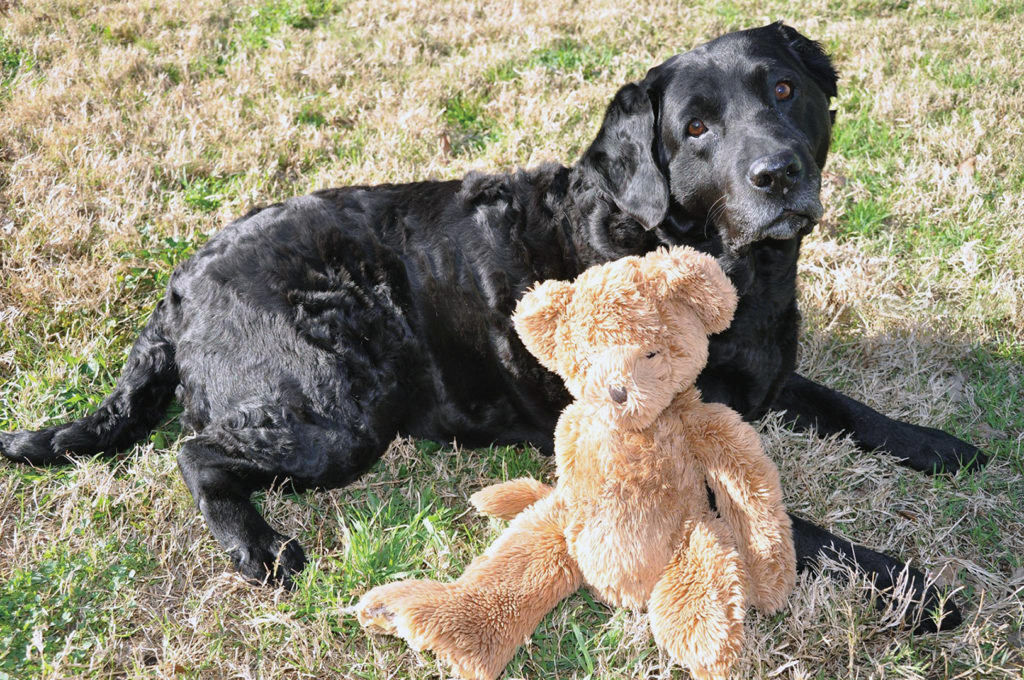
black lab dog Jetty laying on the grass with a teddy bear
Jetty and her teddy

Jetty Bridges is a legacy. As a frequent visitor of the Texas A&M Small Animal Hospital (SAH), Jetty was known as the sweet black lab who could always be found carrying her beloved and well-worn teddy bear in her mouth.

Following Jetty’s death in 2017, her legacy has taken on a different form—the namesake for the College of Veterinary Medicine & Biomedical Sciences’ (CVM) first endowed residency, established in her honor by owners Dr. William McCain and Brenda Bridges.

Everyone’s Friend

Jetty first came to the VMTH when Bridges brought her to participate in a radiography study of the front limbs of healthy Labrador retrievers. For several weeks, Jetty visited the clinic to receive imaging that would one day be part of a published paper, contributing to the body of knowledge about standing radiographs.

When Jetty was 5 years old, she returned to the Small Animal Hospital (SAH), this time receiving a diagnosis of Chagas disease, a parasitic disease caused by kissing bugs. 

It was an alarming diagnosis, as Chagas disease can often be fatal to dogs and people, but Bridges and McCain knew Jetty was in good hands.

Over the years, Jetty was seen by nearly every service in the SAH, from cardiology to dermatology to neurology. 

Throughout her life, she underwent several surgeries, including a partial pinealectomy and several surgeries on her elbow, including a canine unicompartmental elbow replacement in 2013.

Thanks to the SAH, Jetty lived for 9 years after her Chagas disease diagnosis. She was almost 14 when she passed away. She was cremated with her beloved bear.

Over those years, countless students, interns, and residents learned from Jetty and became better prepared for their veterinary careers as a result of treating her.

“Through all of her surgeries, Jetty never balked at entering the CVM,” Bridges said. “It was her stage. She loved going there and seeing the doctors and staff. This stoic, small Labrador toughed out whatever fate threw her way.”

Following Jetty’s death, clinicians throughout the hospital commented on the loss.

“Jetty brightened any room and made everyone smile,” said one of Jetty’s clinicians.

“Losing Jetty hurts a bit more than other losses. She was a good friend,” said another. “The good fight is over, but Jetty and teddy will not be forgotten.”

The Happy Huntress

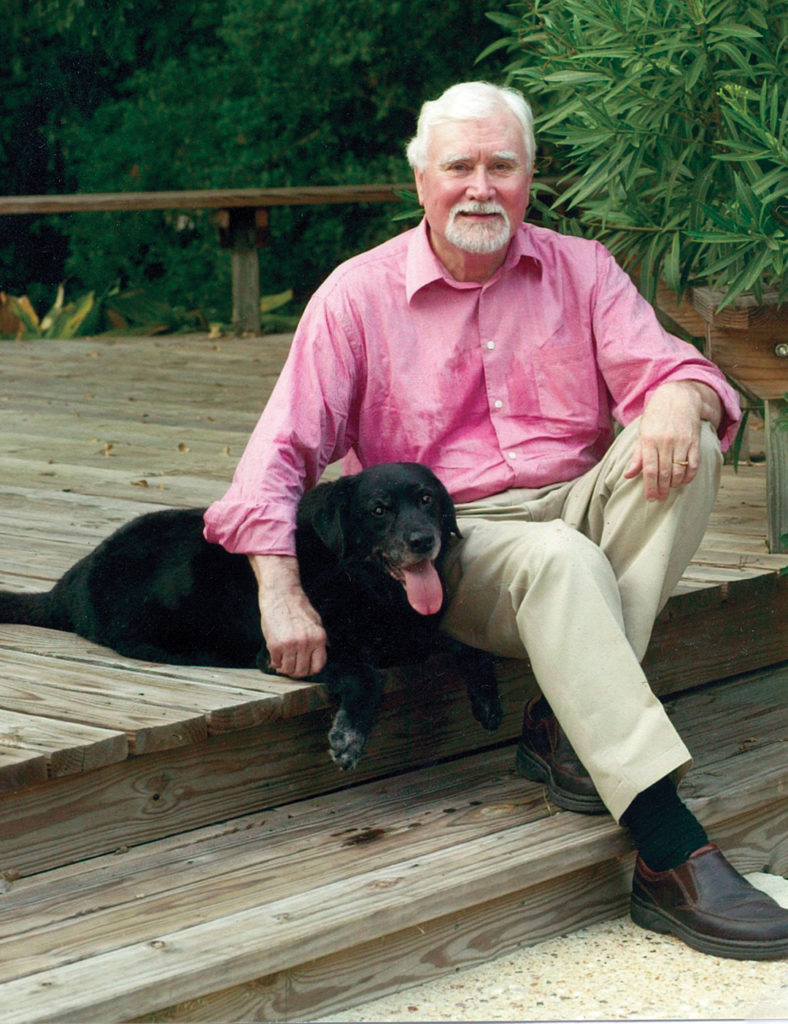
man and black lab Jetty sitting on a deck
Dr. William McCain and Jetty

Outside of the SAH, Jetty was an elite show dog with a much longer title: CH Dewberries Argonaut Atalanta RA SH.

She was one of a select number of dogs to receive this combination of titles by excelling in more than one AKC sport—CH is conformation “Champion;” RA is “Rally Advanced;” and SH is “Senior Hunter.” In Greek mythology, Atalanta was a fierce huntress and was always happy; Jetty was both.

But to her family, she was simply “Jetty,” a name given to her because a jetty protects a harbor.

Bridges spent many years breeding black Labrador retrievers, and there were always dogs at the house. Jetty immediately stood out to her and McCain as a special pup, so they decided to keep her. 

But it wasn’t until a few years later that McCain knew she was his dog and understood their unbreakable bond.

“Jetty had done her conformation championship, and one weekend we had taken her to do her senior hunter test,” McCain said. “During the water test, I was sitting under a tree in a folding chair, and when she finished the trial, she cut a trail directly to me. She was completely sopping wet, but she jumped into my lap and started kissing me in the face. That’s when I knew I’d been selected!”

McCain and Jetty grew even closer over the years—he is full of stories about her exceptional abilities. 

He recalls how she would ride with him in the elevator to his apartment. Each time they’d go up, she’d wait in the corner of the elevator with her teddy.

“Just before it got to my floor, she’d deliberately walk over to the door so that when she got to the door, it would open as if on cue,” McCain said. “I wondered, ‘How does she know which floor we live on?’ And then I realized she could count.”

Honoring Jetty

For McCain and Bridges, honoring Jetty with a residency was an important way to pay tribute to their favorite dog.

The endowment will fund a full-time resident in the Department of Small Animal Clinical Sciences (VSCS).

Veterinary residencies provide advanced training in a clinical specialty that leads to specialized certification. These positions typically last for three-year periods and are critical to the hospital, as they allow for increased caseloads and create more opportunities for invaluable research. 

Residents gain experience in professional veterinary medical education and develop invaluable skills as veterinary teachers.

McCain and Bridges hope that future recipients will be proud to earn the title of “Jetty’s Resident.”

###

Note: This story originally appeared in the Fall 2019 edition of CVMBS Today.

For more information about the Texas A&M College of Veterinary Medicine & Biomedical Sciences, please visit our website at vetmed.tamu.edu or join us on FacebookInstagram, and Twitter.

Contact Information: Jennifer Gauntt, Director of CVMBS Communications, Texas A&M College of Veterinary Medicine & Biomedical Sciences; jgauntt@cvm.tamu.edu; 979-862-4216
An Unbreakable Bond

Lee, Whitaker Represent CVM Staff at University Staff Council Meeting

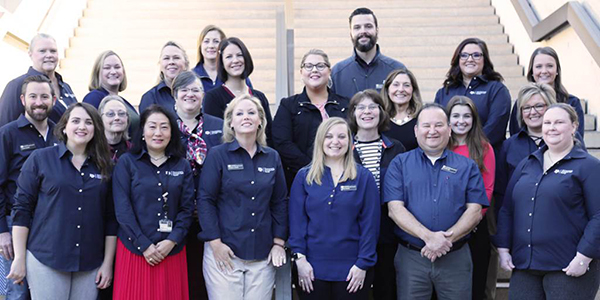
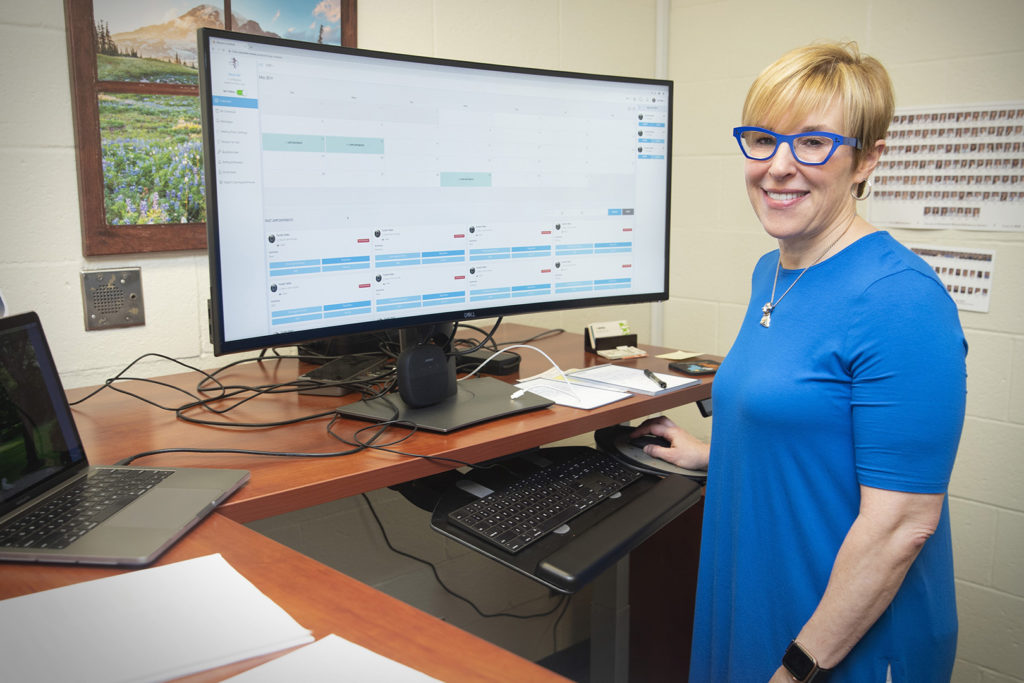
University staff council members from a recent meeting

The Texas A&M College of Veterinary Medicine & Biomedical Sciences (CVM) staff gives a special thanks to Jill Lee and Dana Whitaker, the two CVM representatives on the Texas A&M University Staff Council (USC).

Lee and Whitaker did a wonderful job representing CVM staff during a recent USC meeting to discuss the new wellness program Flourish, Staff Appreciation Week reformatting, and USC budget changes.

Lee, whose term on the staff council is from 2018 to 2021, serves on the Communications and Outreach Committee to coordinate internal and external USC communications and increase the visibility of the USC to all university staff.

Whitaker, whose term is from 2019 to 2022, serves on the Work Life and Benefits Committee to enhance the quality of work life for university employees, including issues such as safety and wellness, benefits, employee incentive programs, alternative work models, and dependent care.

The University Staff Council cultivates a collaborative work environment for Texas A&M staff under the Office of the President through quality representation, impactful service, innovative programs, and open workplace communication.

Texas A&M CVM Researcher Develops Potential Therapeutic Treatment For Cancers, Endometriosis

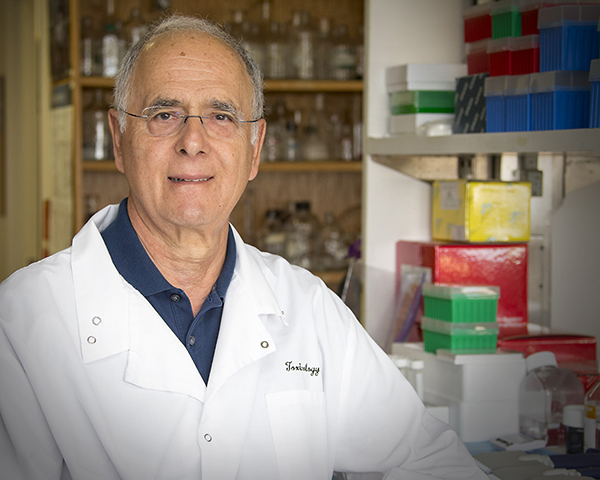
Dr. Stephen Safe in his lab
Dr. Stephen Safe

Dr. Stephen Safe, a Distinguished Professor in the Texas A&M College of Veterinary Medicine & Biomedical Sciences’ (CVM) Department of Veterinary Physiology & Pharmacology (VTPP), has developed a family of pharmaceutical compounds (C-DIMs) that could be a potential treatment method for a variety of diseases.

Safe’s team has now established a research collaboration and licensing agreement with the Scottsdale, Arizona,-based Systems Oncology to commercially develop a series of pharmaceutical compounds based on the Texas A&M team’s work.

Safe’s lab discovered that their C-DIMs bind and inactivate a set of orphan nuclear receptors, NR4A1 and NR4A2, known to have increased activity in such conditions as breast cancer, glioblastoma, rhabdomyosarcoma, endometrial cancer, and endometriosis.

Because NR4A-nuclear receptors play a significant role in inflammation and cell division, Safe and his team have primarily focused on cancer and endometriosis models, targeting the receptor as a means for treating these diseases.

“This receptor has been identified in several laboratories and is also involved in metabolic disease, arthritis and cardiovascular disease,” Safe said. “It’s really becoming an important drug target.”

The NR4A-family of nuclear receptors have been found to activate many cellular processes related to cancer progression, such as rapid reproduction of malignant cells, inhibiting programmed cell death, and invasion. C-DIMs have the ability to eliminate those processes without affecting normal cells.

“The nuclear orphan receptor NR4A1 seems to be very pro-oncogenic; it makes cells grow and divide and invade, and it has all sorts of cancer-like properties,” Safe said. “Our compounds bind to this receptor and inactivate it, so all the pro-cancerous activity of this receptor in solid tumors is inactivated by our C-DIMs.”

The initial research on the role of C-DIM/NR4A antagonists for treating Rhabdomyosarcoma, a serious pediatric cancer, was funded by the Kleberg Foundation; this has resulted in several publications, including a paper in Cancer Research, a publication from the American Association for Cancer Research.

In addition, Safe’s studies of endometriosis in collaboration with Dr. Sang Jun Han, at Baylor College of Medicine, have found that NR4A1 levels are higher in women with the condition than those without. Endometriosis affects nearly 15 percent of women of reproductive age, but the only treatment for the condition is hormonal medications. C-DIMs could provide a non-hormonal therapy for treating this condition.

“Our drugs target this receptor,” Safe said. “In cancer, the drugs inhibit all of these oncogenic pathways, and in endometriosis, they inhibit inflammatory pathways.”

The Safe laboratory, in collaboration with CVM assistant research scientist Dr. Gus Wright, has also been developing C-DIMs as small molecule mimics of immunotherapeutics, which are a new class of drugs that have limited, but highly effective, anticancer activities.

Studies by Wright and Dr. Keshav Karki, a graduate student in the Safe laboratory, have now demonstrated that C-DIMs mimic the activities of immunotherapeutics in mouse models of breast cancer; this research—supported by the National Institutes of Health, Texas A&M AgriLife Research, and the Sid Kyle Chair Endowment—is also described in a publication that has been accepted by Cancer Research (https://cancerres.aacrjournals.org/content/early/2020/01/07/0008-5472.CAN-19-2314).

Before the treatment can be given to humans, C-DIMs must be tested and optimized for a targeted disease, which is where Systems Oncology comes in. Systems Oncology will steer the most promising C-DIM(s) through the pharmaceutical regulatory process through early-stage clinical trials and, subsequently, will form partnerships with other pharmaceutical companies to enable the clinical use of these C-DIMs in the future.

Additionally, Systems Oncology has made a commitment to sponsor further research and development activities in Safe’s lab over the next three years.

Safe believes the drugs can be used to help in the treatment of cancer, endometriosis, and potentially other disease.

“We’re pretty excited about it,” Safe said. “We’re getting more information on the drugs’ ability to treat cancer, endometriosis, and potentially other diseases, and it all looks good. We’re just hoping we can bring it forward so that C-DIMs can proceed into clinical trials and provide benefits to patients.”

###

For more information about the Texas A&M College of Veterinary Medicine & Biomedical Sciences, please visit our website at vetmed.tamu.edu or join us on FacebookInstagram, and Twitter.

Contact Information: Jennifer Gauntt, Director of Communications, Texas A&M College of Veterinary Medicine & Biomedical Sciences; jgauntt@cvm.tamu.edu; 979-862-4216
Hard to Hear: The Facts of Canine Ear Infections

While ear infections are pesky conditions that affect many species, dogs are especially at risk because of the shape of their ear canals.

Dr. Lori Teller, a clinical associate professor at the Texas A&M College of Veterinary Medicine & Biomedical Sciences, says that diagnosis and treatment should always be handled by a veterinarian, but dog owners should still be informed on the nature of this condition to keep their furry friend in tip-top shape.

“There are multiple causes of ear infections (otitis externa), including allergies (most common), ear mites, a foreign body (this can include polyps or neoplasia), excess hair in the ear canal, anatomic changes in the ear canal, excess moisture in the ear canal, injury, immune-mediated diseases, endocrine disease, and excessive cleaning,” Teller said. “Any of these causes allow for bacteria and/or yeast to overgrow in the ear, leading to the infection.”

Symptoms of canine ear infections include head shaking, scratching at or rubbing the affected ear, discharge, bad odor, redness inside the ear, swelling of the ear canal, pain, itchiness, and crusts or scabs inside the ear or along the ear margin. Owners who suspect that their dog may be suffering from an ear infection should seek veterinary help immediately, as these infections can become more severe if left untreated.

Once diagnosed, your dog’s treatment plan will depend on what caused the ear infection in the first place.

Teller said that topical ointments may be used to treat bacteria and yeast present in the canal. Severe infections or those involving the middle or inner ear canal may be treated with oral antibiotics and anti-inflammatory drugs. Medicated ear cleansers to clear away discharge and debris from the infected canal may also be prescribed.

“Dogs that develop ear infections frequently will need to have the underlying cause addressed,” Teller said. “Some may require therapies to control allergies. If a food allergy is a cause of the problem, then switching to a hypoallergenic or limited-ingredient diet may prevent future problems. It is very important to work with your veterinarian before switching your dog’s diet.”

Dogs that swim frequently are also more prone to ear infections, and special care should be taken by owners to appropriately clean and dry their pet’s ears after being in the water. Cotton swabs should never be used in the inner canal of a dog’s ear. Teller also advised that dog owners should not allow other dogs to lick their pet’s ears.

To diagnose your pet, a veterinarian might sample ear discharge or look through the ear canal to observe the state of the eardrum. Your dog may need to be sedated for this procedure, depending on the situation.

Although the prospect of a canine ear infection may be daunting, timely veterinary intervention can prevent permanent damage from occurring. Proper care will have your pooch back to their super-hearing self in no time!

Pet Talk is a service of the College of Veterinary Medicine & Biomedical Sciences, Texas A&M University. Stories can be viewed on the web at vetmed.tamu.edu/news/pet-talk. Suggestions for future topics may be directed to editor@cvm.tamu.edu.