For many people, making efforts to reduce their environmental impact is important, but some pet owners may find that making this lifestyle change can be a complicated process because of the additional supplies needed to care for their animals.
Oftentimes, pet owners may be able to swap out their usual pet care products for more eco-friendly versions. For example, Rodriguez and Yu recommend that owners seek out compostable cat litter, biodegradable waste bags, and pet toys and accessories made from recycled or plant-based materials.
When pet care essentials are not offered in more sustainable options, owners can still be proactive in disposing of packaging waste responsibly.
“Pet owners can recycle empty and clean items such as aluminum cans for wet pet food and cat litter containers,” Yu said. “There are also recycling programs for certain brands of pet food bags.”
Owners may also reduce waste by donating items that their pet no longer needs. This not only keeps trash out of landfills, but also reduces the number of items that must be produced. Donating old pet care supplies to charitable organizations has the added benefit of supporting valuable causes.
“Rescues and shelters may accept donations of gently used pet items, including dog beds, toys, pet carriers, crates, exercise pens, collars, leashes, and bowls,” Yu said. “They might also accept household items, including newspapers, towels, and blankets. Contact your local animal shelter to learn what gently used items they will accept.”
In addition to supporting shelters and rescues by donating supplies, owners can also adopt pets from these agencies to reduce overcrowding, and spaying and neutering pets can benefit the environment by preventing overpopulation, says Rodriguez.
One significant but preventable environmental issue is large populations of feral cats and the disruptions they introduce to an environment. When pet cats are allowed outdoors, they will sometimes breed and generate populations of stray cats that disrupt local ecosystems by hunting wild birds. For this reason, pet cats allowed outdoors should be spayed or neutered and should have a bell on their collar to help lessen their success when hunting.
Although some aspects of pet care generate unavoidable waste, there are also areas in which owners can make adjustments to care for their furry friends in an eco-friendly manner. There is no reason why pet owners can’t take care of their pet and the Earth at the same time!
Pet Talk is a service of the College of Veterinary Medicine & Biomedical Sciences, Texas A&M University. Stories can be viewed on the web at vetmed.tamu.edu/news/pet-talk. Suggestions for future topics may be directed to editor@cvm.tamu.edu.
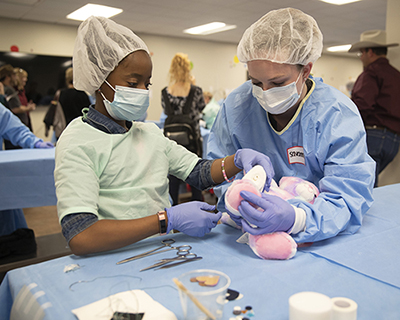
Teddy bear surgery at the 2019 Veterinary School Open House
As veterinary students prepare for the 27th annual Veterinary School Open House at the Texas A&M College of Veterinary Medicine & Biomedical Sciences (CVM), anticipation is building among local animal lovers of all ages.
From 9 a.m. to 4 p.m. on Saturday, March 28, members of the public will be welcomed into the CVM’s Veterinary & Biomedical Education Complex (VBEC), Small Animal Hospital (SAH), and Large Animal Hospital (LAH) for a fun day of free activities.
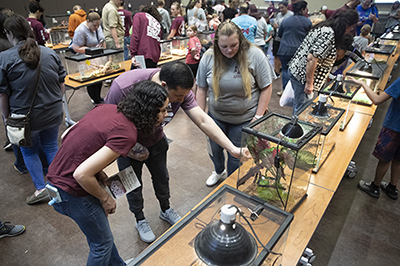
Along with the chance to meet 50 different species of animals, Open House attendees can expect many unique experiences, including teddy bear surgery, Bryan police dog demonstrations, and a visit from the Houston Mounted Patrol.
This hall will also feature animal-themed artwork by children and teens in kindergarten through 12th grade from across the country.
The Reptile Room at the 2019 Veterinary School Open House
Attendees will also have the opportunity to meet and take photos with the First Lady of Aggieland, Miss Reveille.
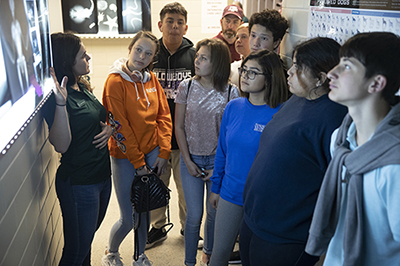
Throughout the day, visitors can learn about some of the many hospital services and innovative treatments offered to patients of the Texas A&M Small and Large Animal Hospitals during educational tours and demonstrations, all organized and run by veterinary student volunteers.
The SAH will offer three tour options, for which guests can pre-register. Though pre-registration is not required, it is recommended, as the spots are filled on a first-come, first-served basis. To pre-register for a tour, email OHSAHCoordinators@cvm.tamu.edu with a name, the number of adults/children in the group, and what time the group would like to tour.
Walk ups will also be welcome for both the SAH and LAH tours, with spots being filled on a first-come, first-served basis.
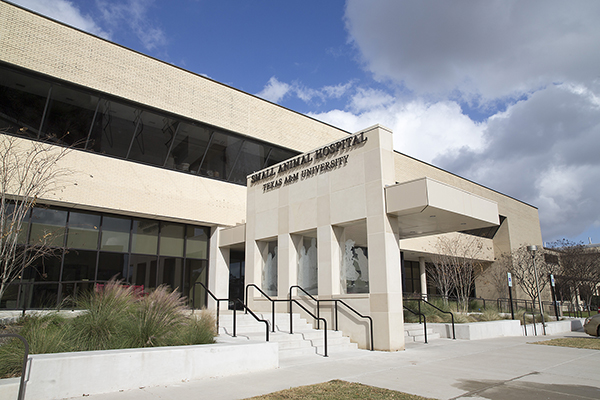
A tour group visits the Small Animal Hospital during the 2019 Veterinary School Open House
The first Veterinary School Open House was held in 1993 and has grown to serve an average of 8,000 attendees each year. Open House relies solely on volunteer efforts and is made possible by the planning of a team of dedicated student officers.
“More than 80 veterinary students work year-round to coordinate all of the different exhibits and demonstrations for this one exciting day,” said Open House co-director Stephanie Hill, a third-year veterinary student. “It is truly a collaborative effort that wouldn’t be possible without the passion our classmates have for our profession and for giving back to the next generation of Aggie veterinarians.”
“We love this event, as we get to connect with our community and show them why we love veterinary medicine and this college,” said Tori Chambers, Open House co-director and third-year veterinary student.
From a puppy kissing booth to a veterinary student Q&A, the Veterinary School Open House has something to offer for everyone.
For more information about the Texas A&M College of Veterinary Medicine & Biomedical Sciences, please visit our website at vetmed.tamu.edu or join us on Facebook, Instagram, and Twitter.
Contact Information: Jennifer Gauntt, Director of Communications, Texas A&M College of Veterinary Medicine & Biomedical Sciences; jgauntt@cvm.tamu.edu; 979-862-4216
By recognizing hospitals that meet and exceed the minimum standards and guidelines published, the VECCS hopes to raise the standard of care while also increasing public and professional awareness in the area of veterinary emergency and critical patient care.
The VMTH’s Emergency & Critical Care (ECC) Service was designated as level II for exceeding the minimum requirements for certification under VECCS and being open to patients 24 hours a day, seven days a week, 365 days a year.
“This is a nice way to display the dedication and level of training that we provide through the emergency service here at TAMU,” said Dr. Christine Rutter, a CVM clinical assistant professor and head of the Small Animal Hospital (SAH) Intensive Care Unit (ICU). “It acknowledges that our team is in a category with some of the best hospitals in the country.”
Level II facilities are required to have a dedicated surgical preparation area and keep in stock items such as canine and feline packed red blood cells, central venous catheters, and several medications used in emergency situations.
In addition, the facility must be able to provide nutritional support, both directly to the gut and through the blood stream, and consult with a diplomate of the American College of Veterinary Radiology for the review of diagnostic images when necessary.
By meeting all these requirements, the VMTH ensures that the Emergency Service and ICU have all supplies and staff necessary to give patients every chance at recovery. The certification also represents the VMTH’s commitment to a positive environment and team approach.
“I think the best part about bringing your pet to the Texas A&M Emergency & Critical Care Service is that we use a team approach to health care,” Rutter said. “You aren’t just getting the experience and care of the doctor you see; you are getting the care and expertise of a huge technician team and access to a wide variety of specialists who provide the most complete care possible for your pet.”
The VECCS certified facility logo
Texas A&M’s VMTH will display the VECCS certified facility logo for the next two years, after which recertification will be necessary to remain a level II facility.
“I think it’s great that VECCS has found a way to identify practices based on the service and care they are able to provide,” Rutter said. “Our ECC team worked very hard to get the application and certification materials together. It’s a huge effort, but it’s worth it to be able to show people who we are.”
###
For more information about the Texas A&M College of Veterinary Medicine & Biomedical Sciences, please visit our website at vetmed.tamu.edu or join us on Facebook, Instagram, and Twitter.
Contact Information: Jennifer Gauntt, Director of Communications, Texas A&M College of Veterinary Medicine & Biomedical Sciences; jgauntt@cvm.tamu.edu; 979-862-4216
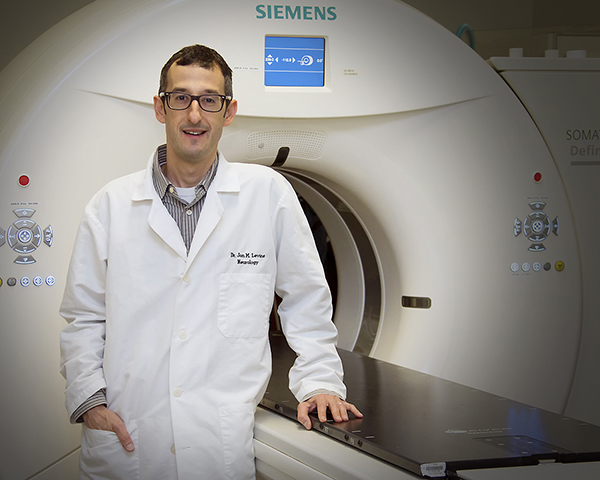
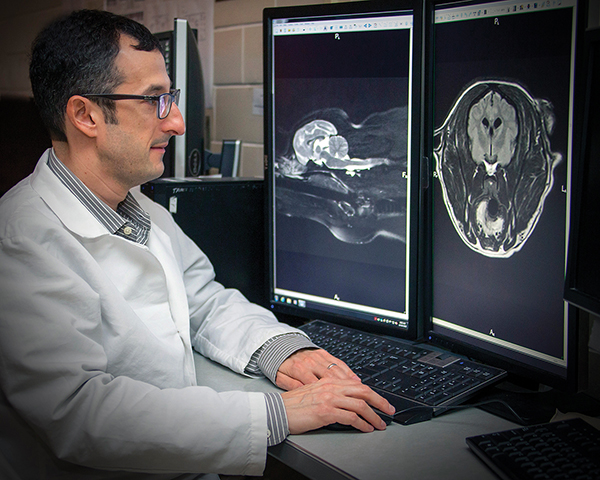
Dr. Jonathan Levine, head of the Small Animal Clinical Sciences Department, shares his perspective on how the Small Animal Hospital has changed, what makes it great, and his vision for the future.
Levine, a professor of neurology and the Helen McWhorter Chair of VSCS, works to ensure that the Small Animal Hospital (SAH) maintains its three core functions—leading-edge patient and client care, innovative teaching, and clinical research—by taking care of both the people who provide those services and the clients who entrust the SAH with the care of their beloved pets.
“I’m proud of our people. Everybody—from the technical staff to our faculty, to our interns and residents—does amazing, amazing work, and to be part of all they do is a real gift,” Levine said. “Our job is to support people; we want to help them to be the best and that feeds into our clients, our research, and, really, everything we do.”
As the VSCS leader for the past four years, Levine has emphasized the importance of listening, accepting both positive and negative feedback, and offering compassion. He’s also sought the guidance of psychologists and social workers to create a climate that values mindfulness and the general wellbeing of his employees.
At the same time, the SAH has experienced massive growth in energetic clinicians and specialty areas that have allowed the hospital to expand their advanced services.
“Look at oncology,” Levine said. “In 2015, we had one radiation oncologist, two board-certified oncologists, and a couple of residents. Today that group has grown into a comprehensive oncology service that provides each client with integrated expertise from surgeons, medical oncologists, and radiation oncologists. The number of cases coming in has exploded in that area, and a lot of them are referred to us by other specialists.”
Through his “listening” approach, the hospital also has begun to identify areas within its 16 specialty services—which range from emergency medicine to dentistry, to ophthalmology, diagnostic imaging, and sports medicine & rehabilitation—where workflow can be improved.
“Everyone who works in the SAH knows we can improve how we see patients and deliver care,” he said. “Although focusing on processes is not the most exciting work, we believe that when we get workflow right, it makes people’s lives better, whether it’s our clients, our patients, or the people who are doing the day-to-day clinical work, and we want to do that.”
Intricately linked to the missions of patient care, teaching, and research are the top-tier clinicians who are dedicated to the values of innovation and discovery.
Dr. Jonathan Levine
This has been facilitated by supporting investigators such as Kate Creevy, an associate professor of small animal internal medicine, who recently received a $22-million National Institutes of Aging grant for her Dog Aging Project, a long-term study designed to understand how genes, lifestyle, and environment influence aging.
The discoveries clinician-scientists like Creevy will make will not only impact veterinary medicine, but human medicine, as well. External collaborations between SAH clinicians and those at Baylor College of Medicine and MD Anderson further emphasize that point.
“There’s a tremendous opportunity for teaching hospitals to be innovation engines and places where new, meaningful discoveries blend with excellent patient/client care,” Levine said. “What does that look like? It looks like clinical trials that are done with human health care partners, wherein everything from cancer drugs to cardioprotective drugs, to new ways to battle arthritis are approached in animals, with the hope for future changes to human health care.
“It also can look like new cardiac devices that have already been used in human medicine making their way into veterinary medicine,” he said. “Our teams have been among the pioneers for generating everything from implants to procedures that are changing lives.”
His dedication to thinking about the SAH as an “innovation hub” has been a game changer for the hospital, while also representing the future of veterinary medicine.
“The telehealth program that we’re embarking on is like being on a ship, and there’s this distant land far away. We know how valuable it is in human medicine and we’ve seen parts of it in veterinary medicine with teleradiology, for example,” Levine said.
“Now there’s this opportunity through change in the profession to look at how we deliver the VMTH into someone’s house. That’s incredible, to have internationally recognized experts, primary care clinicians, and ER docs talking with either an established client or a new client,” he said. “How do you get a practitioner who’s living in rural Oklahoma, or Houston, or West Texas access to a dermatologist? If that clinician can virtually be in an exam room, receive digital images at Texas A&M, and talk with clients live, it’s a game changer.”
While what’s on the horizon for veterinary medicine is exciting, making those things accessible will have the biggest impact on both the patient and the client, in whom hospital clinicians, students, and staff regularly witness the profundity of the human-animal bond.
“Everything we do ultimately impacts individuals. We’re able to deliver excellent care because the environment in the hospital is right, because the values are aligned, because we’ve helped innovate care. We’ve built it,” Levine said.
“When all our arrows are pointing in the right direction, the outcomes are great for clients. Our clients are treated kindly and respectfully and are listened to, because that’s modeled throughout our organization.”
For more information about the Texas A&M College of Veterinary Medicine & Biomedical Sciences, please visit our website at vetmed.tamu.edu or join us on Facebook, Instagram, and Twitter.
Contact Information: Jennifer Gauntt, Director of Communications, Texas A&M College of Veterinary Medicine & Biomedical Sciences; jgauntt@cvm.tamu.edu; 979-862-4216
February is Pet Dental Health Month, an opportune time for pet owners to check on in the health of their furry friend’s mouth.
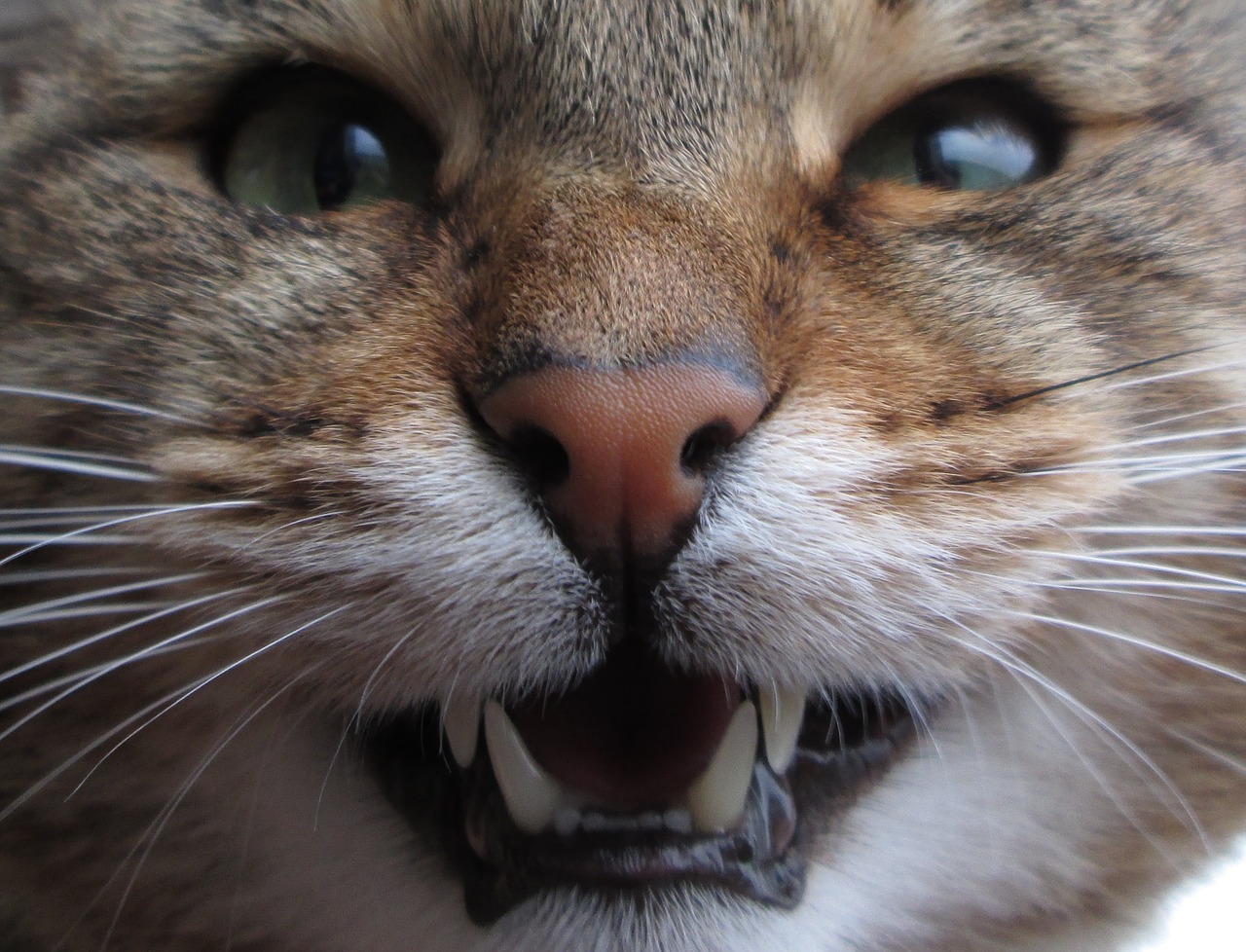
While pet owners may be more familiar with the importance of the oral health of their dogs, cats especially are at risk for developing dental disease, so regular dental care is paramount to maintaining their healthy set of teeth.
“Cats are at risk for periodontal disease, caudal stomatitis, tooth resorption, and oral cancer,” Dodd said, adding that an at-home dental care routine for cats should include daily tooth brushing, a water additive, a dental diet, and dental chews.
Liquid water additives that owners can add to their pet’s water bowl can prevent a buildup of plaque and tartar. Many brands will also freshen your pet’s breath.
Similarly, kibble dental diets are designed to gently scrape plaque and tartar from your cat’s teeth as they chew. Both water additives and dental diets promote a cat’s dental health but should be used in addition to, not instead of, good oral hygiene and regular brushing.
Cat owners should brush the teeth of their feline friend daily, Dodd advised. Special feline toothbrushes and toothpaste can be purchased from most pet supply stores. Human toothpaste should never be used to clean the teeth of an animal, as cleaning agents harmless to humans may cause toxicity in pets.
When first implementing a dental care routine, pet owners may wish to consult with their veterinarian for advice on brushing techniques and acclimatizing their animal to a new routine.
“Dental care chew toys and treats for cats can also help clean the animal’s teeth,” Dodd said.
Aside from a regular at-home dental care routine, Dodd also said owners should bring their pet in annually for a dental cleaning and check-up. Since February is Pet Dental Health Month, many clinics may offer specials on dental care services in the coming weeks—now is a great time to schedule an appointment for your pet!
Cats acting abnormally, including dropping their food, head shyness, and lack of self-grooming, might be suffering from dental problems. Cat owners should not to ignore these signs and should seek veterinary help if they suspect their pet is unwell, according to Dodd.
Preventative dental care efforts pay off in the long run by protecting your cat’s mouth from disease and you from costly dental procedures. Though the notion of brushing a cat’s teeth might seem silly, it is necessary to ensure your pet feels their best.
Pet Talk is a service of the College of Veterinary Medicine & Biomedical Sciences, Texas A&M University. Stories can be viewed on the web at vetmed.tamu.edu/news/pet-talk. Suggestions for future topics may be directed to editor@cvm.tamu.edu.
Veterinary residents often endure long, challenging days, but Dr. Whitney Hinson is grateful for the opportunity to hone her surgical skills at Texas A&M—and save lives while doing it.
Dr. Whitney Hinson and Todo
Veterinary residents at the Texas A&M Small Animal Hospital (SAH) spend their days seeing appointments, providing treatments to patients, and communicating with clients. They work long hours and weekends, teaching students while still learning new things every day.
According to Dr. Whitney Hinson, a small animal surgery resident at the SAH, the hard work is worth it, especially when she can make a difference and save an animal’s life.
Veterinary students have the option to go straight to general practice after graduation, but Hinson recommends they consider a rotating internship, to get more training and experience in the first year out of school. Residencies typically last at least three years and allow veterinarians to focus their time on a specialty, similar to human medicine residencies.
“You’re really getting more and more exposure to a variety of cases and how to adapt based on individual patient circumstances,” Hinson said. “I feel like that’s probably the biggest thing with residency. It’s just getting that extra clinical experience, immersing yourself in a specialty, and learning from the experiences of your mentors and peers.”
“We learn to manage complicated cases and develop strategies moving forward to give the best care and outcome possible for all of our patients,” she said. “It’s a daily learning experience.”
As a surgical resident, Hinson’s schedule switches between days receiving patients and days performing surgery.
The surgical caseload at the SAH is diverse—including orthopedic, soft tissue, oncologic, and neurosurgery cases—which is ideal for training surgical residents because it provides exposure to a variety of surgical training in the limited amount of time they have in a residency.
Residents also spend time on call for cases requiring emergency surgery after hours on weekdays and on weekends.
“Exposure to emergency cases and rotating through multiple services in the hospital allows surgery residents to become well-rounded clinicians and not just skilled surgeons,” Hinson said.
Teaching is also a big part of her job as a resident, and Hinson tries to challenge her students to become independent thinkers and problem solvers as soon as possible to prepare for their future.
“Knowing that our students become our referring veterinarians, we also try to encourage a sense of collegiality among them in the hopes that they will always feel comfortable referring patients in the future,” Hinson said.
As she enters her third clinical year of residency, Hinson is now working toward becoming a board-certified specialist, or diplomate, in small animal surgery. She hopes that her training and experience with advanced surgeries will allow her to be a resource for other veterinarians in the future.
Discovering Her Passion
Dr. Whitney Hinson and Todo
Hinson first considered a career in medicine when she was a teenager, but she quickly realized that she would prefer to treat animals rather than people.
“I wasn’t really drawn to human medicine; I was more drawn to working with animals,” Hinson said. “I used to watch ridiculous amounts of Animal Planet and that also kind of sparked my interest, which developed into a passion, for veterinary medicine.”
After shadowing some veterinarians in her hometown of Statesboro, Georgia, Hinson decided that a veterinary career was the right path for her.
She graduated from veterinary school at the University of Georgia and immediately moved to College Station to begin her veterinary career, first completing a small animal rotating internship and then beginning a four-year residency in small animal surgery.
Her decision to be a surgeon was reaffirmed when she saw a case involving a Husky in need of complicated lung surgery. After considering many different treatment options, Hinson explained to the Husky’s owner that the surgery had several possible complications and that the lung condition could return.
Hinson said the Husky’s owner took several hours to think before finally deciding to take the risk with the surgery.
“After surgery, the owner was so happy with her decision and that surgery had been an option for her dog,” Hinson said. “She sent me an email and also sent me a card with the dog’s picture in it one year later saying that he was doing better than ever.
“It’s days like those when I know I made the right choice with what I want to do with my life, and it’s such a good feeling,” she said. “Sometimes you lose a patient, but, thankfully, more often, you save someone’s pet and you give the owners months to years longer with their pet than they would have had otherwise.”
Hinson has not yet decided where she wants to work when her residency is over, but she said she has loved her time at the SAH, largely because of the people.
“Everyone is really welcoming and that’s one of the things that I really love about my program and just about the Texas A&M hospital, in general,” Hinson said. “It’s the friendly dynamic, collegiality, progressive mentality, and collaboration for the greater good of our patients that makes the SAH such an amazing place to train.
“We’re also spoiled,” she said. “We have some of the most state-of-the-art equipment that we get to use to provide the highest level of care to our patients.”
While her future practice location is uncertain, Hinson already plans to see orthopedic, soft tissue, and neurosurgery cases following residency; all three, she says, are challenging and rewarding in their own ways.
“As I get closer to the end of my residency training, I am comforted by the gratifying feeling that I’ve chosen the right career path for me,” Hinson said. “Despite the challenges of residency life, I can honestly say I’m thankful for every day of my residency and am grateful for the opportunity I’ve been given to do what I love.”
###
This story originally appeared in the Fall 2019 edition of CVM Today.
For more information about the Texas A&M College of Veterinary Medicine & Biomedical Sciences, please visit our website at vetmed.tamu.edu or join us on Facebook, Instagram, and Twitter.
Contact Information: Jennifer Gauntt, Director of CVMBS Communications, Texas A&M College of Veterinary Medicine & Biomedical Sciences; jgauntt@cvm.tamu.edu; 979-862-4216
The RECOVER initiative, the first standardized CPR training to offer certification through the American College of Veterinary Emergency and Critical Care (ACVECC), was created in 2010 with the goal of developing and disseminating the first true evidence-based veterinary cardiopulmonary resuscitation (CPR) guidelines.
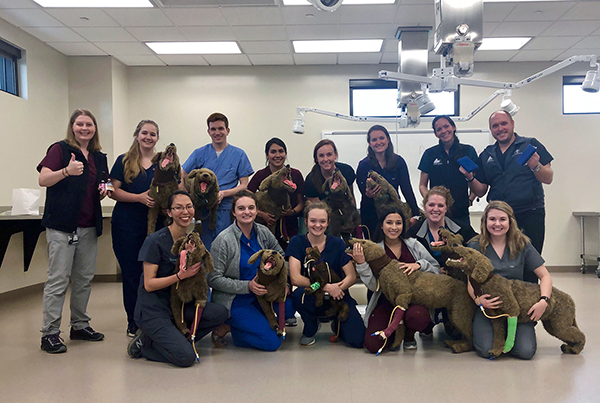
The CVM chapter of the Student Veterinary Emergency and Critical Care Society (SVECCS) hosted a RECOVER CPR certification training on Jan. 18 to provide an opportunity for veterinarians and veterinary students to further their training on CPR techniques.
“Here at A&M, we offer both CPR certification levels, which is a really unique opportunity,” said Dr. Christine Rutter, a clinical assistant professor and SVECCS faculty adviser. “We’re one of only a few places in the country that are able to use interactive simulators for the advanced class.”
The RECOVER CPR training consists of online modules, videos, and quizzes, followed by a six-hour day of hands-on practice with CPR simulators known as “Jerry” dogs.
“You really learn the physiology behind CPR, as well as how you can use that physiology to better adapt your technique or your strategies (for resuscitating an animal),” said Katie Freeman, a second-year veterinary student and SVECCS treasurer. “It was very one-on-one. The instructors were always there giving critiques or feedback.”
Besides the physical motions of CPR, the training also focused on the communication skills that are necessary to help maintain order in emergency situations.
“As a student, being able to lead a team and learn how to actually walk through the steps and come across as appropriate and professional, but also get done what needs to get done, was one of the coolest things that I learned and why I think this course was so vital,” Freeman said.
Students and faculty pose with CPR simulators known as “Jerry” dogs
While the RECOVER CPR training is not yet offered to the general public, Rutter hopes that it will become an option in the future.
“The hospital members who learn can teach everybody at the Small Animal Hospital, and then when we go off as veterinarians, we can teach our technicians,” said Alyssa Gentry, a third-year veterinary student and SVECCS president. “It really spreads all the knowledge and raises the standard of care, as far as CPR goes.”
Though CPR is often portrayed in movies and TV shows as being successful nearly every time, it is typically only effective 50 percent of the time for animal patients under anesthesia and 5 percent or less for patients not under anesthesia.
“With these techniques we’ve been learning, our hope is to raise those numbers,” Freeman said. “Across the board, everybody is going to experience an emergency case and should be equipped to perform CPR. Emergencies can happen at any time of the day, at any point in your career. It’s better to be prepared.”
“There’s so much of veterinary medicine that’s hard for practitioners, for owners, and for the animals,” said Lauren Minner, a second-year veterinary student and SVECCS education coordinator. “CPR really is a thing where you can perform a miracle if you have your stuff together.”
The RECOVER training also gives veterinary students the opportunity to build upon and practice the CPR training they receive as part of the CVM’s Doctor of Veterinary Medicine (DVM) curriculum before they enter the VMTH for their fourth-year clinical rotations.
“The training these students have had is going to really help them when they come to clinics because the biggest thing I see whenever students see their first code (when a patient enters cardiac arrest) is that it’s a traumatic place to be,” Rutter said. “Rather than having a group of students who kind of stand against the wall and watch, these students have already been in these simulated environments.
“If you do a good job in the right situation, there’s a chance you can get that pet home, which is a miracle for that pet and that owner,” Rutter said. “That’s really what we’re all looking for. For the ones you can save, it means everything to that pet and that family.”
###
For more information about the Texas A&M College of Veterinary Medicine & Biomedical Sciences, please visit our website at vetmed.tamu.edu or join us on Facebook, Instagram, and Twitter.
Contact Information: Jennifer Gauntt, Director of Communications, Texas A&M College of Veterinary Medicine & Biomedical Sciences; jgauntt@cvm.tamu.edu; 979-862-4216
Hosted by the Texas A&M College of Engineering on Jan.13, the STEM 4 Innovation Conference is an interactive, experiential event for K-12 STEM (Science, Technology, Engineering, and Math) educators, administrators, and counselors from across Texas.
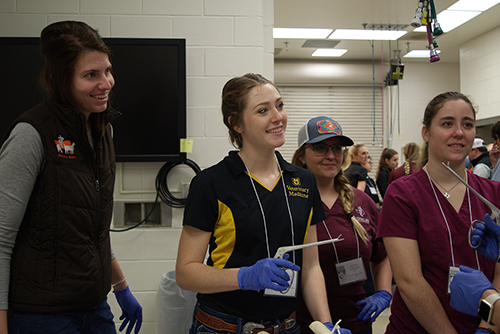
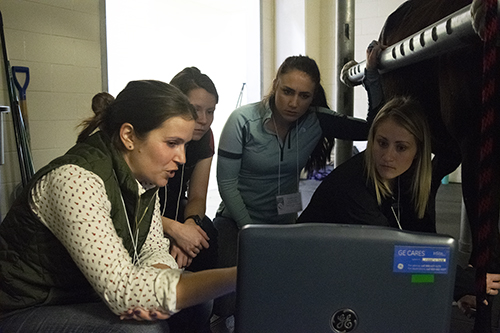
The PEER Program presented materials during a breakout teacher professional development session and hosted a display booth at the conference. Dr. Larry Johnson, PEER principal investigator, distributed STEM career pamphlets and veterinary school posters to a host of teachers and school counselors visiting the PEER display booth.
PEER’s One Health curriculum features
PEER’s two-hour breakout session introduced middle and high school teachers to the “Infectious Diseases and Vaccinations” module from the National Institutes of Health (NIH)-funded One Health curriculum and app. Within this module, students receive instruction on data organization and analysis, identifying trends, and drawing conclusions utilizing real-world information about infectious diseases from the Centers for Disease Control and Prevention (CDC) and World Health Organization (WHO).
Teachers had the opportunity to explore the many features of the module, including the following:
“Essential Knowledge:” standards-based content within an interactive slide show style presentation.
“Make a Note of That:” note-taking templates with guiding questions and vocabulary words to consider while exploring “Essential Knowledge.”
“Backpack Adventures:” a fictional story with factual science content providing motivation and engagement for learning science standards.
“Meet a Scientist:” a short biography about a scientist instrumental in the area of science related to that module.
“Real Science Review:” an actual research article edited to middle school readability which students review using the scientific method as scaffolding.
“Scientist Videos:” interviews with Texas A&M scientists describing the impact of science concepts in research, careers, or other aspects of the field.
“Practice:” various online games and activities to gain or reinforce knowledge about the module’s key concepts.
In addition to delving into the PEER One Health curriculum, teachers were also provided with a scientist’s perspective on influenza.
Dr. Christine Budke, a CVM professor and associate department head of Veterinary Integrative Biosciences (VIBS), shared a brief lecture covering the characteristics and types of influenza viruses as well as distinguishing between epidemics and pandemics. Interactions of this nature enable teachers to better provide their students with examples of science applied to the real world.
Teachers attending the session unanimously agreed that the resources provided by the PEER Program are applicable to their jobs. Further, 75 percent of attendees believed that the curriculum would motivate increased engagement of students, while almost 90 percent believed the PEER resources would increase students’ content mastery of required science standards.
The PEER Program strives to further K-12 STEM education through opportunities such as the STEM 4 Innovation Conference, which helps provide teachers with engaging and applicable educational resources and scientist collaborations.
The lab provides veterinary students with the opportunity to practice a variety of skills in the field of equine medicine.
“The SCAAEP wet lab provides an environment to learn new skills and network with students, instructors, veterinarians, and veterinary clinics from across the nation,” said 2020 wet lab coordinator Sarah Caty Cochrum. “This collaborative event, unique to the Texas A&M College of Veterinary Medicine, is the only equine, student-run wet lab in the country in which students from all veterinary colleges are invited to participate.”
The day began with a case panel breakfast session and dentistry aging session in the Veterinary & Biomedical Education Complex (VBEC), followed by 21 different lab options in four, one-hour time slots.
After lunch with guest speaker Dr. Chris Ray, “Rock Star Vet,” the students attended a job fair with equine and mixed-animal veterinary clinics from several states.
Labs were offered on a variety of topics, including alternative medicine, field anesthesia, lower limb surgical procedures, laceration repair, and stallion reproduction.
The event was made possible by the support and hard work of the wet lab officer team, 62 clinicians and lab instructors, 35 student volunteers, and 14 sponsors.
“Every year we have a team of 20 students working together to make the wet lab an incredible opportunity for our students,” Cochrum said. “It’s an intensive and collective effort that is made possible through the dedication and passion of the SCAAEP wet lab team. Dr. (Canaan) Whitfield and many other faculty members, in addition to their rigorous schedules, provide extraordinary support for an event of this magnitude.”
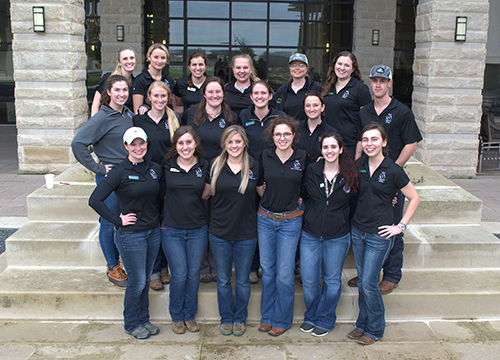
The SCAAEP officer team
The SCAAEP wet lab, which has been an annual event for the past 25 years, typically involves 10 months of planning, budgeting, and gathering supplies by students and faculty members.
“There are hundreds of people who deserve recognition including the many student volunteers, SCAAEP officer team, and especially the faculty and staff of Texas A&M who devoted their Saturday to teach these labs and showcase what an amazing institution we have here,” said Whitfield, the wet lab faculty adviser and an assistant professor of large animal surgery at the CVM.
“The TAMU SCAAEP wet lab 2020 was a great success,” Cochrum said. “It has been an honor to work with my colleagues in coordinating such an exciting event! The student chapter of the AAEP looks forward to hosting another incredible wet lab in 2021.”
The research that Dr. Jan Suchodolski conducts at Texas A&M may be confirming the age-old trope that all of our pets are special—or at least their digestive systems are.
Suchodolski, an associate professor of gastroenterology in the College of Veterinary Medicine & Biomedical Sciences (CVM), and his associates are working to understand the microbiome of companion animals, or the collection of bacteria living in the digestive systems of cats and dogs.
While the microbiome has been thoroughly identified, there is still a lot of room for discovery.
“It’s a very complex field; we’re still at the beginning of characterizing all of the different bacterial types, and we still don’t have the best methods available,” Suchodolski said. “There are a trillion bacteria that are living in our gut; simply describing not only who they are but what they are doing, we are still trying to understand that.”
An Inside Look
Suchodolski‘s research works to expand this knowledge, including by looking at the effects of nutrition and treatments like antibiotics on this unique system.
“We understand the gut microbiota as a missing link; as we discover more and more about the microbiome, we’ve recognized it as part of our physiology,” Suchodolski said. “We have learned over the last few years that we have to see the host and microbiome as one unit. For example, there are some pathways that only microbiota take, and those benefit us. So, you cannot really see the microbiome as an external thing. It’s a part of the whole physiology.
“Ultimately, feeding and properly maintaining our gut microbiota is crucial; studies have shown that a lot of chronic diseases that we have examined are probably due to not taking care of our microbiota, meaning we don’t have the proper nutrition, we don’t have enough fiber, usually, in our diets,” he said. “The benefits of antibiotics in saving us from infectious diseases are huge, but we also realize that the side effect of antibiotics is diminishing the microbiota. So, we need to be aware of the importance of gut bacteria.”
Thinking of the microbiome as part of our physiology has opened the door to Suchodolski exploring the ways the microbiome is implicated in different disease types beyond the GI tract, just as it has in human medicine.
“A big area of research now is the gut-brain axis, because if we manipulate certain populations of gut bacteria we can affect cognition and behavior,” he said. “There is now a commercial probiotic available that reduces anxiety in dogs.”
Because of the many connections researchers have made between the microbiome of humans and animals, Suchodolski has also been able to examine procedures that have been successful in humans—such as fecal transplants—for animals.
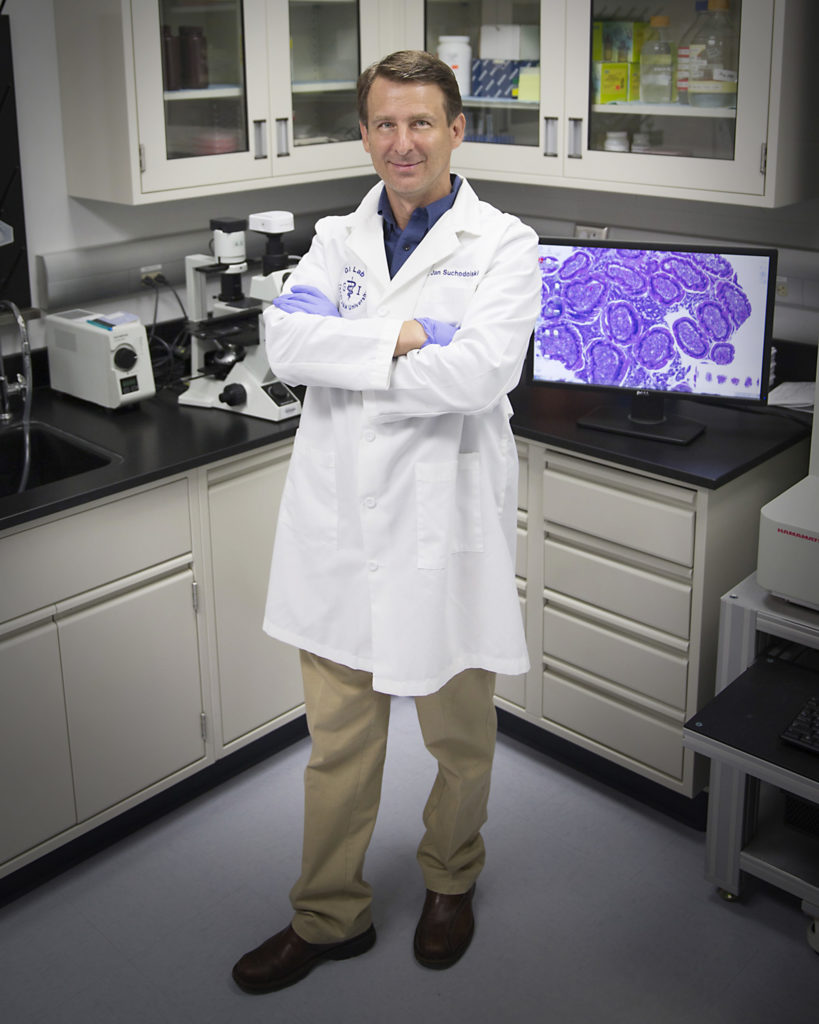
Dr. Jan Suchodolski
“We have performed different studies, and noticed that the success rate differs for various diseases; we see in some diseases, especially acute or mild disease, a very high success rate, but in a chronic disease, the success is lower,” he said. “And it’s not just as simple as changing the gut’s bacteria; we’re discovering that it also depends on other things, like metabolic changes.”
The next step, Suchodolski said, is building predictive models that will help his team determine which cases will benefit from treatments such as fecal transplants.
“To build a predictive model, we have to determine what combinations of bacteria and their metabolites conjure the disease so you can predict better targets,” he said. “What we’ve discovered is that it’s not as simple as looking at the bacteria; we also need to look at what they’re doing. So, that’s our future goal.”
Developing A Symbiotic Relationship With The CVM
With so many cutting-edge projects, it seems that Suchodolski was born to do research; however, that wasn’t always his plan.
“I always wanted to be a veterinarian,” he said. “My career as a researcher was kind of a coincidence, but I simply love it. Every day there are new opportunities, new ideas, new exposures.”
Suchodolski came to Texas from Austria as a veterinary graduate to complete a short-term credit program; he had planned to return to Austria after his two years in Texas, but then he was offered the opportunity to complete a Ph.D.
He had begun studying abnormal bacterial populations in canine small intestines, but during his first year of his Ph.D. program, a paper looking at a new, molecular method for studying the microbiome was published; this discovery, had a significant impact on the field, and wanting to be a part of something new and exciting, he made the switch.
“That gave me the opportunity to develop this area because it was, back then, very novel,” Suchodolski said. “I was able to be a part of really building this field and pretty much become an expert in this area.”
After completing his doctorate, he decided to join the CVM faculty and hasn’t looked back. He said he is grateful for the opportunities that the CVM has allowed him and his research, which ultimately works to provide better, more individualized care to our pets.
“This a place that really has a culture of collaboration, of making things happen,” he said.
“It is because of our collaborations that we have earned international recognition; our lab is probably considered the most successful lab of its kind. This might not have been possible in other places but has happened here because A&M’s culture is very supportive.”
###
This story first appeared in the Fall 2019 edition of CVM Today.
For more information about the Texas A&M College of Veterinary Medicine & Biomedical Sciences, please visit our website at vetmed.tamu.edu or join us on Facebook, Instagram, and Twitter.
Contact Information: Jennifer Gauntt, Director of CVMBS Communications, Texas A&M College of Veterinary Medicine & Biomedical Sciences; jgauntt@cvm.tamu.edu; 979-862-4216