CVM Researchers Develop New Tool To Help Communities Access Data On Environmental Risk

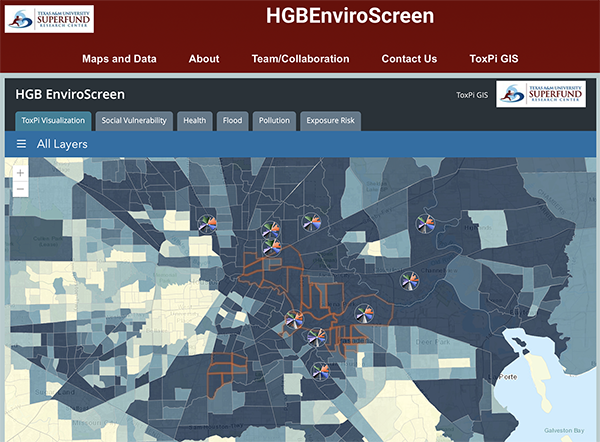
A screenshot from the HGBEnviroScreen website

Researchers at Texas A&M have developed a tool called HGBEnviroScreen that makes data reporting environmental and social risks more accessible to community members and community-based organizations (CBOs).

Published in the International Journal of Environmental and Public Health, this project is a collaboration with North Carolina State University and the Environmental Defense Fund. The project team, led by Dr. Weihsueh Chiu, a professor at the Texas A&M College of Veterinary Medicine & Biomedical Sciences (CVM), created the online tool to serve the Houston-Galveston-Brazoria (HGB) region in integrating and visualizing national and local data on environmental health to address regional concerns.

The project is part of the Texas A&M Superfund Research Center’s five-year, $10 million grant from the National Institute of Environmental Health Sciences (NIEHS) that is comprehensively evaluating the complexities of hazardous chemical exposures, potential adverse health impacts, and potential hazards of exposures to complex mixtures through a series of multi-disciplinary projects that derive from a case study utilizing Galveston Bay and the Houston Ship Channel.

Historically disadvantaged communities are often subject to higher environmental risks resulting from both industrial and natural impacts. These communities are also less likely to have access to data that evaluates the scope and extent of these risks.

“One of the issues is that communities don’t have good access to data, even if it’s freely available,” Chiu said. “They don’t know how to collect it, how to organize it, and how to visualize it in a way that that can be meaningful to help them to advocate for themselves.”

HGBEnviroScreen compiles data from five key categories—social vulnerability, baseline health, environmental exposures and risks, environmental sources, and flooding—to create a comprehensive evaluation that can be easily accessed and understood by community members and CBOs. The tool then visualizes the data for each census tract in a pie chart-like graphic known as “ToxPi,” while also providing an overall score of community vulnerability.

Existing tools do make some of this data publicly available, but either each metric is displayed on a separate screen, or only the overall score is shown, making it difficult for individuals unaccustomed to the environmental justice field to see how different elements of environmental health fit together.

“This tool can help communities develop action plans as to how they’re either asking the municipalities for better services or working with the local businesses and industry to make sure that their community is not being overly exposed,” Chiu said.

Chiu hopes that this tool will act as an initial screen to point out which specific concerns a community should focus on first. Equipping community action groups with not only the data they need to identify problems, but also a platform on which to interpret this data creates increased accessibility that allows nonspecialists to become involved in the conversation of their community’s health.

This information, drawn from 1,090 census tracts in the HGB region, includes common environmental justice concerns, like social vulnerability and air pollution, in addition to HGB-specific concerns like flooding and a large industrial presence.

The multifaceted environmental vulnerabilities faced by the HGB region creates a “perfect storm” that puts the area at increased risk, and HGBEnviroScreen can help local authorities focus in on weaker areas to mitigate threats, according to Chiu.

Dr. Sharmila Bhandari, a postdoctoral researcher at the CVM who also contributed to this project, sees tools such as HGBEnviroScreen as important to the future of environmental justice movements. She says that the information compiled by these tools can not only aid in planning future environmental initiatives, but also to recovering from disasters after they occur.

“This tool can be really helpful to provide area-specific information to various stakeholders in order to inform how to better assess exposure and risk, as well as how to reduce exposure during and after an emergency storm event.”

HGBEnviroscreen is accessible to the public at https://hgbenviroscreen.org.

###

For more information about the Texas A&M College of Veterinary Medicine & Biomedical Sciences, please visit our website at vetmed.tamu.edu or join us on FacebookInstagram, and Twitter.

Contact Information: Jennifer Gauntt, Director of Communications, Texas A&M College of Veterinary Medicine & Biomedical Sciences; jgauntt@cvm.tamu.edu; 979-862-4216
CVM Doctoral Programs Strive To Enhance Diversity In Biomedical Sciences

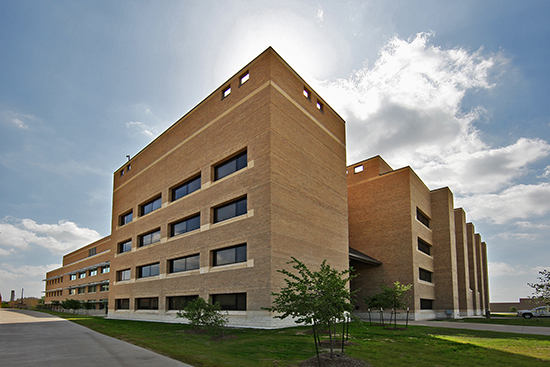
The Veterinary Research Building
The Veterinary Research Building, where many doctoral students conduct research for their Ph.D.s.

Two graduate programs housed within the Texas A&M College of Veterinary Medicine & Biomedical Sciences (CVM) will take part in the new campus-wide Initiative for Maximizing Student Diversity (IMSD) to increase recruitment and retention of Doctor of Philosophy (Ph.D.) students from underrepresented populations.

The initiative, created to enhance diversity in biomedical sciences, is supported by a five-year, $1.2 million grant from the National Institute of General Medical Sciences, one of the National Institutes of Health (NIH).

IMSD focuses on students in various Ph.D. degree programs that fall within the general field of biomedical sciences, including the CVM’s Biomedical Sciences Graduate Program and the toxicology program under the Interdisciplinary Faculty of Toxicology (IFT), housed at the CVM.

Alongside the Texas A&M Office of Graduate and Professional Studies (OGAPS), an executive committee of six faculty members will help lead the initiative. Those representing the CVM and the IFT include Dr. Weihsueh Chiu, Dr. Candice Brinkmeyer-Langford, and University Professor Dr. Ivan Rusyn.

The initiative will provide 12 pre-doctoral trainees, two for each program, across campus with a training grant for their first year in a Ph.D. program, allowing them to explore opportunities in a way they could not if they were funded solely by a research grant.

“Because Ph.D. students do not yet receive research grant funding in their first year, this funding will allow them to take the summer to do a nonacademic internship,” said Chiu, a professor in the CVM’s Department of Veterinary Integrative Biosciences (VIBS) who will help connect IMSD students with internship and externship opportunities.

“This type of internship and externship experience is very useful for them in figuring out what it’s really like out there after you get your Ph.D. because they can explore different sectors, whether it’s government or industry or consulting or nonprofits earlier in their Ph.D. program,” he said.

The Texas A&M IMSD will also bring together the selected students for regular “boot camps” that are designed to teach students skills they will need for the remainder of their doctoral journey, such as how to publish a paper and write a grant. These optional workshops, led by Brinkmeyer-Langford, will provide the opportunity to network with fellow students from underrepresented populations in similar fields of science.

“One of the objectives is to create a supportive community of underrepresented minority scholars, because they’re coming from similar backgrounds,” said Brinkmeyer-Langford, a research assistant professor in VIBS. “Some of these students may come from very difficult situations. One of the objectives is to create a community whereby they can support each other.

“We want to show people that we’re welcoming to people of diverse backgrounds; we have a community for them,” she said.

Unfortunately, many students pursuing Ph.D. degrees leave programs before they finish, either because of financial or personal reasons.

“If we build a good foundation, they’re less likely to leave early,” Chiu said. “We want to make sure that the potential non-financial reasons for leaving—that they’re not supported or they feel isolated—aren’t an impediment to them completing their degree.”

As students go through their first year of study with the support system and financial backing from IMSD, the hope is that they will enter the following years with the tools they need to succeed.

###

For more information about the Texas A&M College of Veterinary Medicine & Biomedical Sciences, please visit our website at vetmed.tamu.edu or join us on FacebookInstagram, and Twitter.

Contact Information: Jennifer Gauntt, Director of Communications, Texas A&M College of Veterinary Medicine & Biomedical Sciences; jgauntt@cvm.tamu.edu; 979-862-4216
A Heart of Gold

Since making her first contribution to the Small Animal Hospital in honor of an Aggie veterinarian, Janel Griffey has decided to help other pets receive the same quality of care her dogs have received by establishing Emma’s Fund.

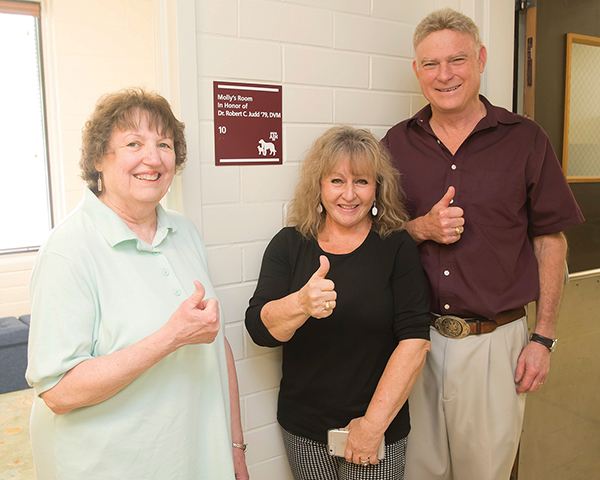
Janel Griffey with Dr. Robert Judd '79 and his wife Deborah in front of Molly's room
Janel Griffey with Dr. Robert Judd ’79 and his wife Deborah

Janel Griffey is not an Aggie, but Texas A&M has her heart.

Her connection to the university hinges upon the love she has for the Aggie veterinarians and veterinarians-in-training who have treated her family of dogs during the last decade and a half.

For years, Griffey has been a loyal client of Dr. Robert Judd ’79, her veterinarian in Waco. It was through her interactions with Judd that Griffey saw the power of the Aggie spirit and experienced the true selfless service that Texas A&M has imparted in all its graduates.

When Judd referred Griffey to Texas A&M for her dogs, Griffey knew that she had found a unique and trustworthy place for her beloved companions. She was impressed with the many students she met and has even tried to recruit a couple to move to Waco and work with Judd after graduation.

Because of the connections she has made, Griffey has become one of the College of Veterinary Medicine & Biomedical Sciences’ (CVM) most generous supporters.

COMFORT FOR ANIMAL LOVERS

Griffey’s first gift to the college was a donation of two comfort rooms to the Small Animal Hospital (SAH), which provide hospital clients a home-like environment to reflect on their pet’s medical options and, for those who face the pain of saying goodbye, a quiet, peaceful place to spend their final moments with their beloved pet.

Molly’s Room was named for Griffey’s cherished dog, a 5-pound poodle who stole her heart from the beginning.

“Molly had over a dozen health problems, but due to Dr. Judd’s medical expertise, she lived almost two years longer than expected,” Griffey said. “I’d lost many pets before Molly. It’s always horrible, but this time there were difficulties.”

Griffey knew she needed to honor Molly in a special way to make peace with her death.

She also knew there was a need for another comfort room at the SAH; hence, Molly’s Room was born. In addition, the room honors Judd for his commitment to veterinary excellence and his exemplary care of Griffey’s pets.

“While at the SAH discussing Molly’s Room, I decided to make an additional gift of a second comfort room in memory of my great-aunt Emma,” Griffey said. “The Griffey Gang Room is adjacent to Molly’s Room. Its name is a nod to the moniker given to the original eight dogs I had rescued from a local no-kill shelter. When people saw us coming they called us the Griffey Gang, and the name stuck!”

EMMA’S FUND

Griffey’s great-aunt became the inspiration for a second gift to the CVM. A year later, she established Emma’s Fund.

Emma’s Fund assists pet owners 60 years old or older who are on a fixed income and require additional support within the Veterinary Medical Teaching Hospital (VMTH) to afford their pet’s life-saving care. To qualify, the treatment must be performed at the VMTH and the pet must have a good prognosis.

“My aunt loved all living creatures. She would rescue baby birds or newborn squirrels found in her backyard and valiantly try to save their lives,” Griffey said. “When finishing a meal at a restaurant, she never left an uneaten dinner roll or scrap of food. Instead, she placed the leftovers into a plastic bag kept in her ‘pocketbook’ just for the purpose of carrying little tidbits to the parking lot to be placed on the grass for ‘some poor bird or animal looking for food.’”

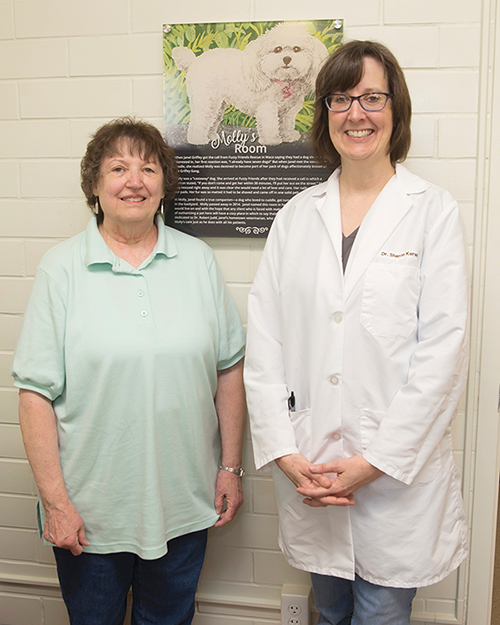
Janel Griffey and Dr. Sharon Kerwin in front of a sign commemorating Molly
Janel Griffey and Dr. Sharon Kerwin

Griffey recalls Emma’s home, which was never without a few stray cats and dogs tenderly cared for by her aunt.

“She is the one from whom I learned that all creatures deserved to be loved, not just the pampered and pretty ones,” Griffey said.

Emma’s Fund has also helped with the VMTH’s Meals on Wheels Pets Assisting the Lives of Seniors (PALS) program, which allows veterinary students to make home visits to Meals on Wheels recipients to provide preventative care to their pets.

“I love talking with senior citizens,” Griffey said. “Their stories are rich and vibrant, and if you take the time to listen, there’s much you can learn from them! Aunt Emma and I had many long phone conversations. I’m sure one of her pets was on her lap the whole time, being petted.

“Often the only companions our senior citizens have is their pet. That pet is their entire world to them,” she said. “It hurts my soul to think some little old lady or man would have to euthanize an animal because they lack funds for medical care. I need only to think of Aunt Emma or my best friend, both on fixed incomes. What would they do? It was a no-brainer for me to establish Emma’s Fund!”

To ensure her generosity continues after her lifetime, Griffey has also left provisions in her estate to support the CVM. Her gifts will permanently endow Emma’s Fund and provide endowed support for the CVM’s shelter medicine program. She also has ensured that all of her dogs will have a home in the Stevenson Companion Animal Life-Care Center after her lifetime.

Griffey credits her father for her ability to make these contributions to support the causes about which she is passionate.

“My father was a self-made man. He was born to a dirt- poor tobacco farmer in Tennessee. He had a third-grade education, and by age 13, he held his first job as short-order cook. He died a multi-millionaire,” Griffey said. “I didn’t live with my father, but he blessed me by sharing part of his estate with me.

“I didn’t work for this money, so it’s not mine to waste. I want to make sure that when I am no longer here, my dad’s money still benefits others. That’s why my animals will live at the Stevenson Center and my entire estate will be donated to the CVM and the SAH.”

To support further innovations in veterinary medicine, please contact Chastity Carrigan, Assistant Vice President for Development for the CVM, at ccarrigan@txamfoundation.com or 979.845.9043.

###

Note: This story originally appeared in the Fall 2019 edition of CVM Today.

For more information about the Texas A&M College of Veterinary Medicine & Biomedical Sciences, please visit our website at vetmed.tamu.edu or join us on FacebookInstagram, and Twitter.

Contact Information: Jennifer Gauntt, Director of Communications, Texas A&M College of Veterinary Medicine & Biomedical Sciences; jgauntt@cvm.tamu.edu; 979-862-4216
The Rundown on Equine Shoulder Sweeney

Horses are remarkably active animals that make good use of their limbs and joints as they canter, gallop, and trot. As such, it is important that owners are cognizant of their horse’s health and of potential conditions that might arise.

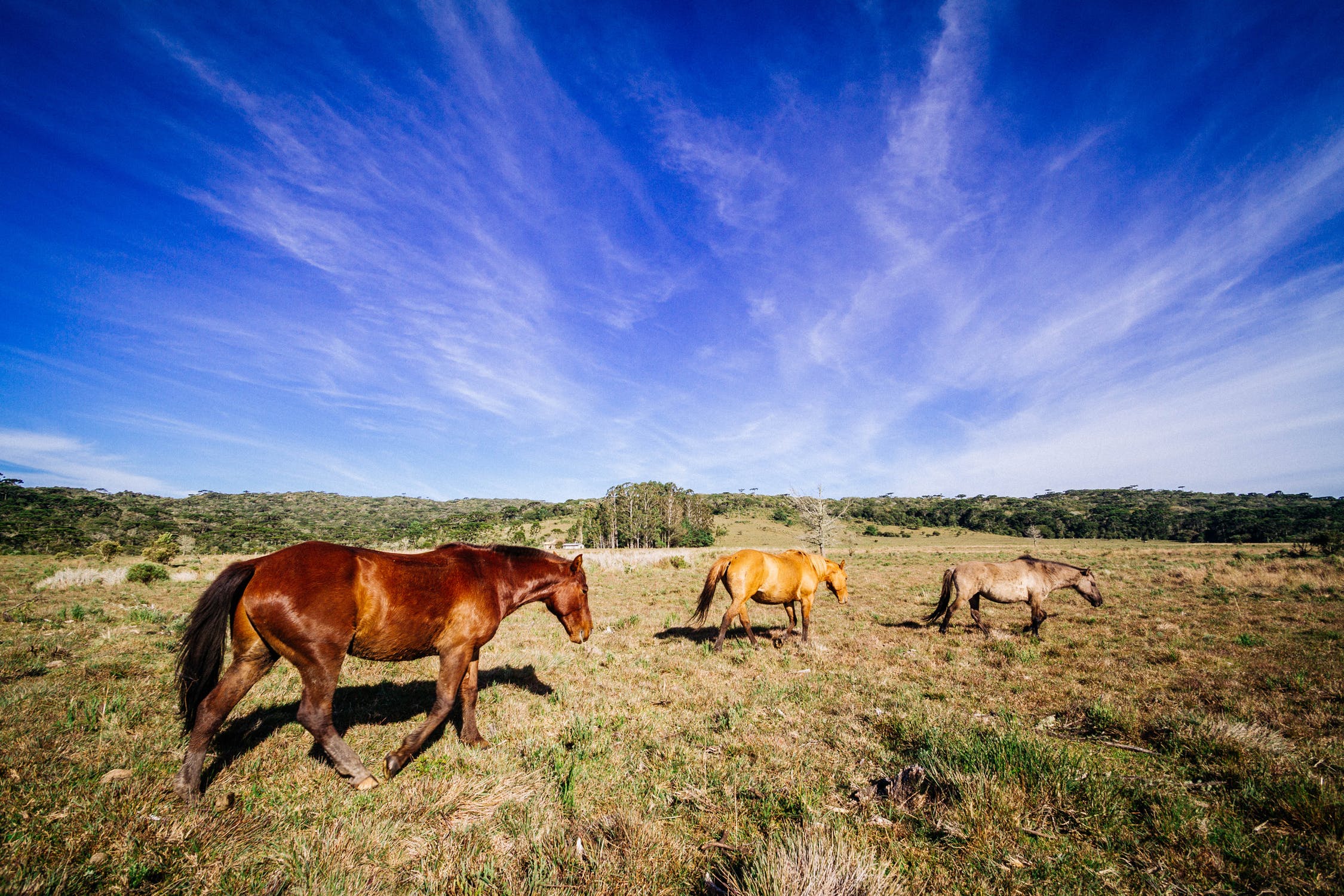
Three horses in a fieldDr. Jeffrey Watkins, a professor at the Texas A&M College of Veterinary Medicine & Biomedical Sciences, weighs in on shoulder Sweeney, also known as suprascapular neuropathy, a condition affecting the nerves and muscles of a horse’s shoulder region.

“Shoulder Sweeney refers to an injury of the suprascapular nerve, which runs over the front part of the scapula and provides the nerve supply to two major muscles that support the shoulder joint,” Watkins said. “When the nerve is injured, these muscles are unable to function normally and will undergo atrophy, which can occur very rapidly.”

This condition presents in two forms, chronic and acute, according to Watkins.

The chronic form of shoulder Sweeney was once common in horses that often pulled heavy loads, such as wagons and farm equipment, and was attributed to repetitive nerve injury often associated with ill-fitting harness collars.

In these chronic cases, clinicians typically find significant atrophy of the two major muscles that are supplied by the nerve overlying the scapula, and when these muscles atrophy, the bony spine of the scapula becomes very prominent.

Chronic shoulder Sweeney has become less frequent, as workhorses are less common.

“What we see today, most of the time, is a much more acute injury,” he said. “Usually, it’s because the horse is running fast and hits something immovable, another horse or a fence post, very forcefully with the point of their shoulder.”

This impact causes an acute nerve injury that results in dysfunction of the two major muscles noted above.  These muscles are responsible for maintaining the lateral stability of the shoulder joint and when they lose their nerve supply acutely, the shoulder region becomes unstable.

Watkins said it is important to consider other potential conditions that can occur secondary to a high-impact injury to the shoulder region. An examination by a veterinarian, including high-quality radiographs of the shoulder region, is necessary to rule out other injuries, such as a fracture.

Equine shoulder Sweeney is usually diagnosed by observing the gait of the horse and tends to be straightforward.

“They have a very characteristic gait where whenever they try to put weight on their leg, their shoulder joint partially dislocates to the outside,” Watkins said. “These horses don’t walk well; they have a very obvious gait abnormality that basically makes them unusable in the short-term.”

Though this condition can significantly impact a horse’s function in the short term, the good news is that most horses suffering from an acute shoulder Sweeney will recover stability in that joint over time and will be able to function normally again. But the process requires rest and patience.

“It’s important to recognize it can take quite a long time for that nerve to heal and to basically regrow,” Watkins said. “We usually say it will take six to eight months for that nerve to begin to regain function and for that shoulder to stabilize and no longer have issues.”

Although most horses recover their ability to move normally, atrophy of the muscles overlying the shoulder blade will usually be permanent and the horse will have the characteristic boney protrusion of the shoulder area associated with equine shoulder Sweeney for the remainder of its life.

Pet Talk is a service of the College of Veterinary Medicine & Biomedical Sciences, Texas A&M University. Stories can be viewed on the web at vetmed.tamu.edu/news/pet-talk. Suggestions for future topics may be directed to editor@cvm.tamu.edu.

CVM Faculty Members Awarded Inaugural Provost Academic Professional Track Teaching Excellence Awards

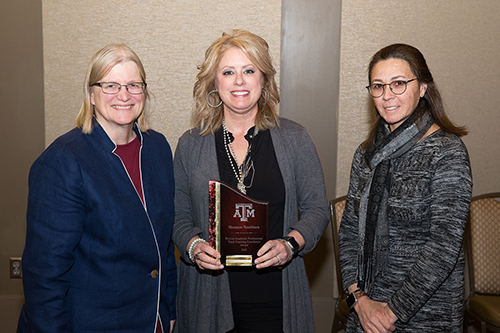
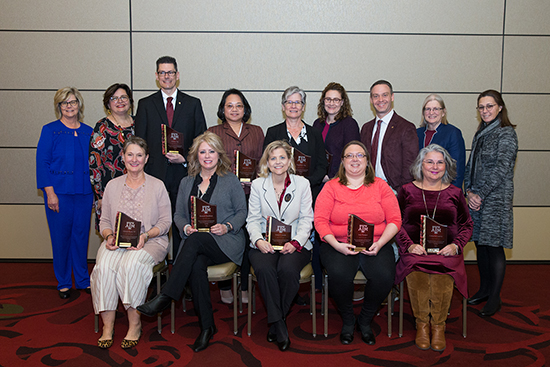
The 2020 Provost Academic Professional Track Teaching Excellence Award recipients with their awards.
The 2020 Provost Academic Professional Track Teaching Excellence Award recipients.

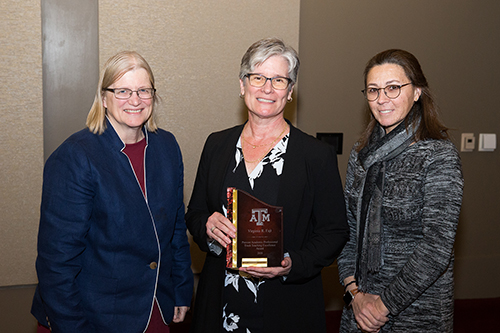
The Texas A&M Center for Teaching Excellence (CTE) awarded two Texas A&M College of Veterinary Medicine & Biomedical Sciences (CVM) faculty members with the inaugural Provost Academic Professional Track Teaching Excellence Awards.

Dr. Virginia Fajt, clinical professor, and Dr. Shannon Washburn, clinical associate professor, both from the CVM’s Department of Veterinary Physiology and Pharmacology (VTPP), were recognized during an award luncheon on Feb. 27.

This new award honors 10 Academic Professional Track (APT) faculty who give students meaningful educational experiences through effective teaching methods and celebrate those who value student-centered learning.

The Provost APT Faculty Teaching Excellence scholars will receive a $5,000 cash stipend gifted by the Marie M. and James H. Galloway Foundation.

“I am honored to be one of two awardees from our college,” Fajt said. “I am excited that Texas A&M is specifically acknowledging the major contributions of professional track faculty on this campus.”

“It is gratifying to get good reviews of my teaching, to hear how helpful my methods were in helping the students understand difficult concepts, or to receive notice that a paper has been accepted for publication,” Washburn said. “I am proud of the progress I have made in these areas, and I am proud to receive this award recognizing my efforts.

“Knowing that the work I do and the relationships I foster have a positive impact not only on individual people but also the profession I love is the most rewarding aspect of my job,” Washburn said.

Texas A&M Provost & Executive Vice President Dr. Carol A. Fierke, Dr. Virginia Fajt, and Associate Provost Blanca Lupiani.

Dr. Virginia Fajt

Fajt joined the CVM faculty in 2005 and has continued to fulfill a key role in research and understanding of the function of pharmaceutical use in the food animal industry, both in the classroom and in the laboratory.

“The level of professionalism and educational expertise that Dr. Fajt brings to her teaching and leadership activities at Texas A&M University are extraordinary and carry over into every aspect of her professional life,” Dr. Fajt’s nominator said.

One of the projects Fajt has been a part of is a three-year, multi-institutional research project that includes researchers from Texas A&M and Cornell University. Fajt and other leaders in the field of veterinary medicine education have worked to develop a comprehensive online collection of educational resources on antimicrobial resistance. These resources would be made available to veterinary education programs across the country, as well as under-represented student populations within the Texas A&M System.

Fajt also has earned several awards and recognitions, including the Montague-Center for Teaching Excellence Scholar, Texas Veterinary Medical Association (TVMA) Faculty Achievement Award, and, in 2018, Fajt was awarded the American Association of Bovine Practitioners Award of Excellence.

“I respect and admire her and her work greatly, and I now value her expertise as both a colleague and a friend,” a former student said. “I received a wonderful education at Texas A&M, and Dr. Fajt remains one of my instructors of whom I was, and remain, most fond. I am a better veterinarian for having learned from her and a better person for knowing her.”

Texas A&M Provost & Executive Vice President Dr. Carol A. Fierke, Dr. Shannon Washburn, and Associate Provost Blanca Lupiani.

Dr. Shannon Washburn

Washburn’s research focuses on both veterinary and human medicine, with a specific concentration on fetal-maternal health, as well as educational research on teaching and learning methodology.

Washburn’s commitment to teaching and providing quality educational experiences to students is not limited to the classrooms at Texas A&M. She has developed and published an online instructional module that demonstrates the function of the hypothalamus-pituitary-target gland axis, which has been made available to other academic institutions.

“Her work ethic and commitment to excellence in education are unparalleled, in my view,” one colleague said.

Washburn has also received the John H. Milliff Teaching Award, AFS College Level Distinguished Teaching Award, Texas Veterinary Medical Association Outstanding Research Scientist Award, and others recognizing her outstanding scientific and teaching achievements.

“Dr. Shannon Washburn is more than a teacher to me and referring to her as such is somewhat of an insult,” a former student said about Dr. Washburn’s commitment to being more than an educator. “Indeed, she is an amazing teacher, but more importantly, she was there when I needed a friend and family.

“She is an advocate for the student, and my class will always be grateful for how hard she worked for us,” the former student continued. “She gave us everything she had to make us better veterinarians.”

Washburn says she is most inspired by the feedback she receives from her students and how she is able to support them, when she sees them succeed, and finally walk the stage at graduation.

###

For more information about the Texas A&M College of Veterinary Medicine & Biomedical Sciences, please visit our website at vetmed.tamu.edu or join us on FacebookInstagram, and Twitter.

Contact Information: Jennifer Gauntt, Director of Communications, Texas A&M College of Veterinary Medicine & Biomedical Sciences; jgauntt@cvm.tamu.edu; 979-862-4216
Texas A&M Says Goodbye to CC, World’s First Cloned Cat

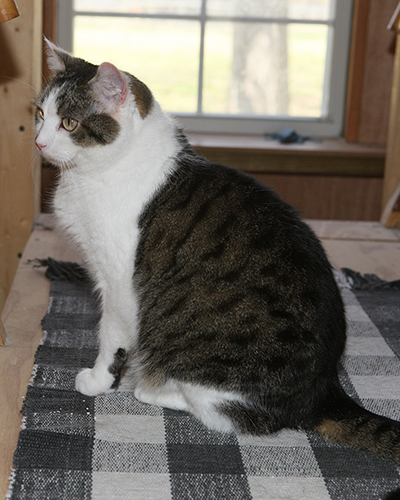
CC, a white and brown tabby cat
CC

CC, the world’s first cloned cat, has passed away at the age of 18, after being diagnosed with kidney failure.

CC, short for Copy Cat, passed away on March 3 in College Station, the same place where her life began as a result of groundbreaking cloning work done by Texas A&M College of Veterinary Medicine & Biomedical Sciences (CVM) researchers.

CC was born on Dec. 22, 2001, and was adopted by Dr. Duane Kraemer, a senior professor in the college’s Reproduction Sciences Laboratory, and his wife, Shirley, six months after her birth.

“We in the CVM are saddened by the passing of CC. As the first cloned cat, CC advanced science by helping all in the scientific community understand that cloning can be effective in producing a healthy animal,” said Dr. Eleanor M. Green, the Carl B. King dean of Veterinary Medicine at Texas A&M.

“While she lived a long, normal, and happy life, CC was extraordinary in what she represented to the Kraemers, the CVM, and science as a whole,” Green said. “The entire CVM community mourns her loss, as all at Texas A&M cared deeply about her as a member of the Aggie family, and especially for the Kraemers, for whom CC was a beloved pet for 18 years.”

CC’s story began with Dr. Mark Westhusin, a CVM professor and the principal investigator of the Missyplicity Project, a $3.7 million effort to clone a mixed-breed dog named Missy that was owned by John Sperling, founder of the University of Phoenix.

When the news of this project spread, people around the country became interested in saving pets’ tissues that could possibly be used for cloning in the future. This demand resulted in the establishment of Genetic Savings and Clone (GSC), Inc., led by Sperling’s colleague Lou Hawthorne and Dr. Charles Long.

While GSC became a bank for these tissues, Westhusin and his team at Texas A&M began to explore the cloning of other pet species, specifically cats.

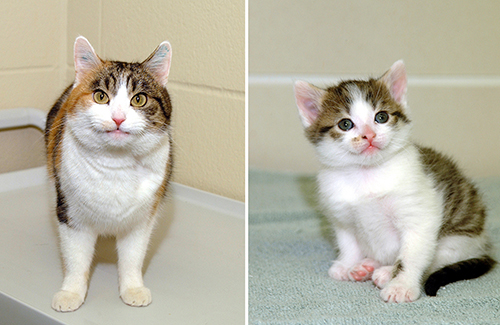
CC was produced using nuclear transfer of DNA from cells that were derived from a female domestic shorthair named Rainbow.

Rainbow and CC
Rainbow, CC’s genetic donor, and CC as a kitten

Once it was clear the nuclear transfer was successful, Kraemer and other scientists transferred the embryos into a surrogate mother, who gave birth to a healthy kitten about two months later.

Though the cats were identical on a genetic level, developmental factors led them to have slightly different coat patterns and color distributions.

“CC was the biggest story out of A&M ever and still is, as far as international reach is concerned,” Kraemer said. “Every paper and magazine had pictures of her in it. She was one of the biggest accomplishments of my career.”

“CC’s passing makes me reflect on my own life as much as hers,” Westhusin said. “Cloning now is becoming so common, but it was incredible when it was beginning. Our work with CC was an important seed to plant to keep the science and the ideas and imagination moving forward.”

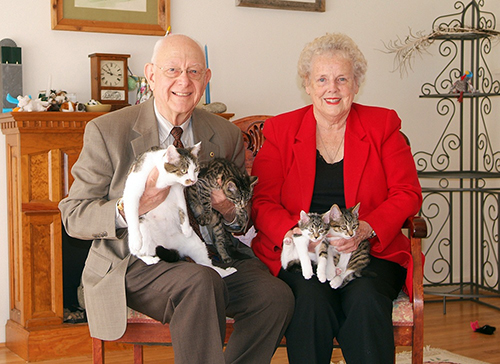
CC also became one of the first cloned cats to become a mother—when CC was 5 years old, she gave birth to three kittens that lived with CC for the rest of her life in a custom, two-story “cat house” in the Kraemers’ backyard.

While CC represented a great advancement in genetic research, to the Kraemers, she was also a beloved pet. She will be missed by them, especially, but also by those at the CVM, Texas A&M, and beyond who have followed her story since birth.

“CC was a great cat and a real joy,” Kraemer said. “She was part of the family and very special to us. We will miss her every day.”

Dr. Duane Kraemer, Shirley Kraemer, CC, and her three kittens
Dr. Duane and Shirley Kraemer with CC (far left) and her three kittens (Photo from Texas A&M Today)

Throughout her lifetime, CC regularly made news for her birth, pregnancy, and each birthday. She proved to the world that cloned animals can live the same full, healthy lives as non-cloned animals, including being able to produce healthy offspring.

Before CC, no pet had ever been successfully cloned with 100 percent genetic identity.

The research that led to CC’s birth kickstarted a global pet cloning industry led by ViaGen Pets, which today clones cats for $35,000 and dogs for $50,000.

Though CC was the first successfully cloned pet, Texas A&M has gone on to clone more species than any other institution in the world, including horses, pigs, goats, cattle, and deer.

###

For more information about the Texas A&M College of Veterinary Medicine & Biomedical Sciences, please visit our website at vetmed.tamu.edu or join us on FacebookInstagram, and Twitter.

Contact Information: Jennifer Gauntt, Director of Communications, Texas A&M College of Veterinary Medicine & Biomedical Sciences; jgauntt@cvm.tamu.edu; 979-862-4216
Dean’s Corner | March 2020

dean's corner march 2020 newsletter header image

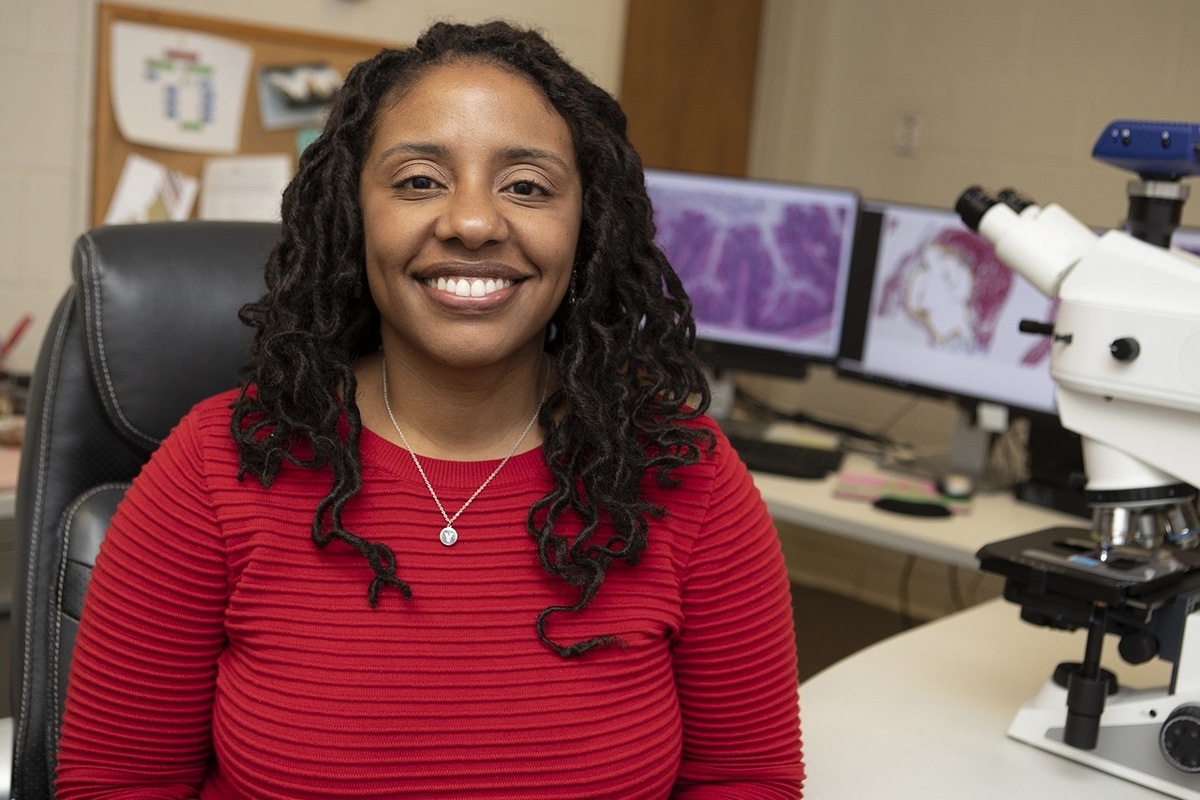
Dr. Yava Jones-Hall in her lab

CVM Researcher Recognized
on National List of Inspiring Black Scientists

Dr. Yava Jones-Hall is leading in the field of veterinary medicine as the only
veterinarian selected for CrossTalk’s list of 100 inspiring black scientists in America.

Read More

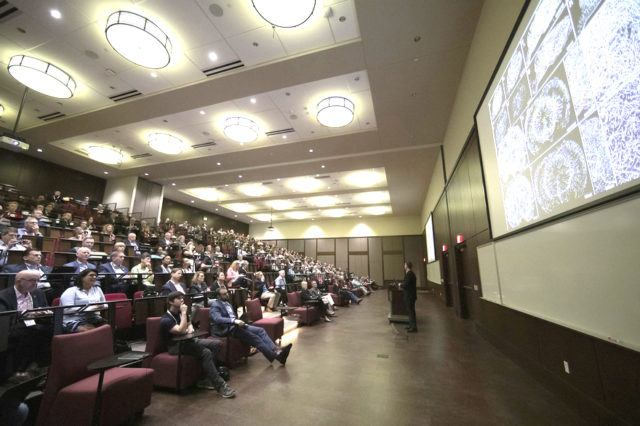
Veterinary Innovation Summit Keynote Speech Room

Texas A&M to Host Fourth Annual
Veterinary Innovation Summit

The Texas A&M College of Veterinary Medicine & Biomedical Sciences (CVM)
and the North American Veterinary Community (NAVC) invite members of the
veterinary medicine community and emerging technology enthusiasts
to the Veterinary Innovation Summit (VIS), April 3-5 in College Station.

Read More

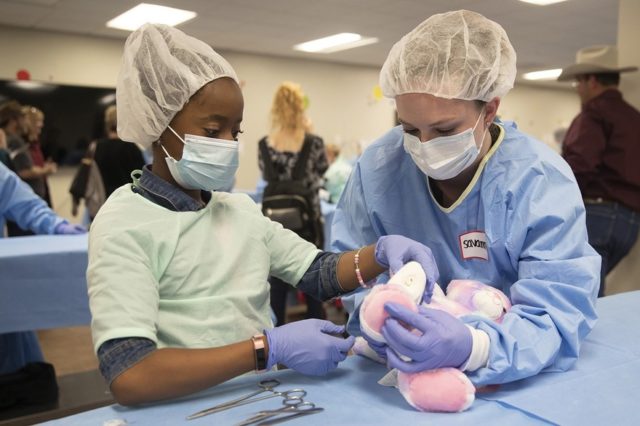
a child is aided in sewing a stuffed animal by a veterinary student both in surgical attire for Teddy Bear Surgery

CVM Gears Up for Annual
Veterinary School Open House

On Saturday, March 28, members of the community are invited to the
27th annual Veterinary School Open House for a fun day of free activities,
learning opportunities, and tours of the Small and Large Animal Hospitals.

Read More

Foundation Many Passions One Purpose LogoTexas A&M Foundation
Launches Faculty/Staff
Giving Campaign

Read More

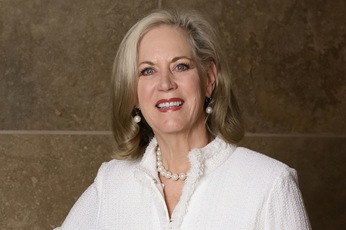
Dr. Eleanor M. GreenDean Eleanor Green
to Receive 2020 AAVMC
Billy E. Hooper Award

Read More

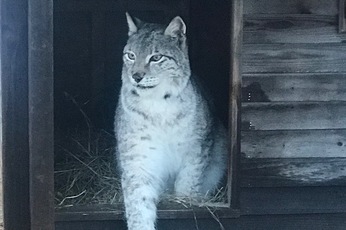
a grey lynx in a wooden habitatLynx Finds Fur-ever
Home at Texas A&M
Wildlife Center

Read More


Other Stories


In The News


CVM Calendar of Events

Superfund Center Celebrates Successful ‘Plan Ahead, Be Prepared’ Event

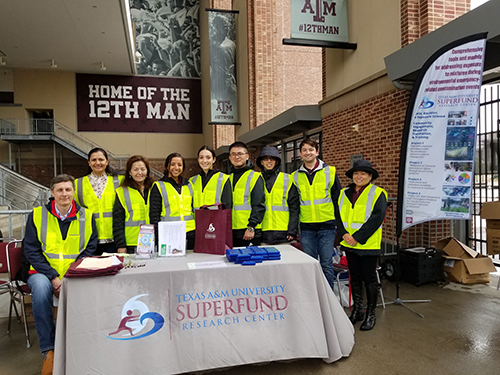
The Superfund Research Center team with their booth

The Texas A&M Superfund Research Center’s “Plan Ahead, Be Prepared” event gathered emergency response experts from across the state to educate Texas A&M faculty, staff, and students and the Bryan/College Station community on the importance of being prepared for natural disasters.

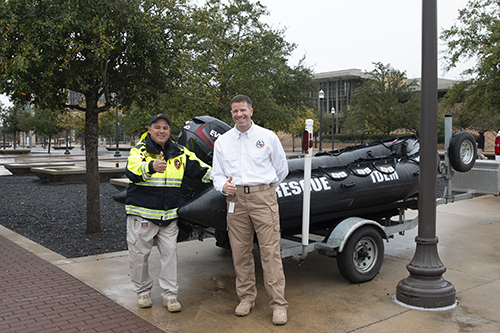
On Feb. 10, emergency vehicles of all types filled Kyle Field Plaza while Texas A&M and external organizations set up informational tables nearby. Students visiting tables received free swag and advice for protecting their homes, families, and pets from hazards related to disasters.

“Awareness and preparation are key in taking the necessary steps to protect yourself,” said Arlean Rohde, Superfund Center manager. “We hope that the attendees not only gained tips on how to prepare themselves but also became aware of the various agencies that are involved in disaster response and the resources that are available to the Bryan/College Station community.

“As the kick-off for Texas A&M’s Disaster Week, this event was a great opportunity for the emergency response community to come together to share valuable tips with Aggies and the local Bryan/College Station community on planning ahead for natural and manmade disasters,” she said. “We were very pleased with the diverse participation from local, state, and national organizations, representing various sectors in the community, all focused on disaster preparedness.”

In addition to the Superfund Research Center, participating organizations from Texas A&M included the Center on Disability and Development, Geochemical & Environmental Research Group, the Hazard Reduction & Recovery Center, the Health Science Center, the Office of Safety & Security, the campus chapter of the American Society of Safety Professionals, the Texas Water Resources Institute, and the Veterinary Emergency Team.

Texas Department of Emergency Management officials with a rescue boat

Participating organizations from the community and the state included the American Red Cross, Baylor Scott & White Health, the Brazos County Health District Emergency Preparedness, the Brazos Valley Citizen Corps/Community Emergency Response Team, Brazos Fellowship, the City of College Station/FEMA Floodplain,  the National Weather Service, Brookshire Brothers and Brookshire Brothers Pharmacy, Catholic Charities of Central Texas, the Salvation Army Emergency Disaster Services, the Texas Commission on Environmental Quality, the Texas Military Department’s 6th Weapons of Mass Destruction Civil Support Team, the Texas Division of Emergency Management, the Texas Engineering Extension Service/Task Force 1, the Texas Veterinary Medical Reserve Corp, the United Way of the Brazos Valley/2-1-1 Texas, and the Texas Department of State Health Services.

Those who attended the event also had the opportunity to donate to the Gulf Coast Regional Blood Center’s mobile blood drive unit.

The Texas A&M Superfund Research Center is a National Institute of Environmental Health Sciences (NIEHS)-funded program comprising researchers from across the Texas A&M campus and several other academic centers that aims to comprehensively evaluate hazards of exposures to chemical mixtures and potential adverse health impacts to those affected by natural disasters, such as hurricanes. A goal of the center is to develop better, faster, more informative tools that can aid in decision-making for planning and response to environmental contamination events.

Get announcements and updates for next year’s “Plan Ahead, Be Prepared” event on the Superfund Center’s Facebook and Twitter pages.

A Canine Connection

Through her Dogs Helping Dogs laboratory, Dr. Unity Jeffery studies common canine diseases to improve veterinary care in the future.

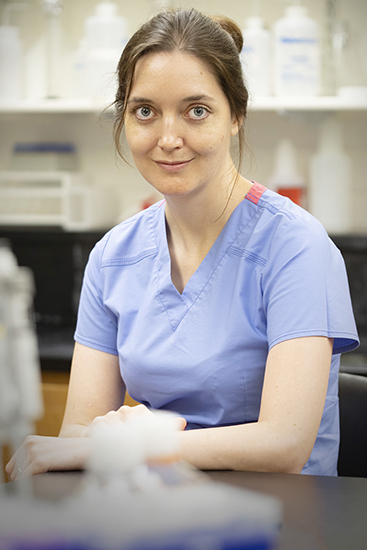
Dr. Unity Jeffery in her lab
Dr. Unity Jeffery

If you ask for Dr. Jeffery at the Texas A&M College of Veterinary Medicine & Biomedical Sciences (CVM), you’ll need to be more specific. Dr. Nick Jeffery and Dr. Unity Jeffery are a husband-and-wife team who both devote their lives to advancing animal health care at the CVM.

An assistant professor of veterinary pathobiology, Unity Jeffery utilizes her Dogs Helping Dogs laboratory to better understand, diagnose, and treat common canine diseases.

She got the idea while earning her Ph.D. at Iowa State University.

“To get research funding, small animal veterinarians typically have to focus on problems that overlap with human medicine,” she said. “Dogs Helping Dogs focuses on problems that aren’t so interesting to funding agencies.”

TACKLING THE MOST IMPORTANT PROBLEMS 

At the moment, she’s working on some of the biggest problems a dog can have—heatstroke and a disease associated with it (and other conditions), called disseminated intravascular coagulation (DIC).

Heatstroke can occur quickly and is deadly in the majority of cases. It is of particular concern for dogs with thick fur and short noses, as well as those that are obese or have other medical conditions.

DIC is less well known to most dog lovers and occurs when numerous small blood clots form throughout the body in conjunction with a severe illness such as cancer, sepsis, and liver or kidney disease.

About 150 dogs have provided blood for her studies so far. Healthy dogs, mostly the pets of staff and students at the CVM, provide control samples, and others come from dogs that have been treated at the Small Animal Hospital (SAH).

“The patients we work with today are teaching us how to improve future care,” Jeffery said. “I am very grateful for the generosity of the owners and pets who participate in our studies and the technicians, interns, residents, and clinicians who help make this possible.”

Gathering data in these kinds of clinical studies takes much longer than in traditional experimental research, but Jeffery says the enrollment target for two studies was reached in June.

“I’m really excited to see the final results,” she said. “With one study, we’re hoping to take a first step in developing new tests and therapies for dogs affected by heatstroke. The other looks at how different fluid therapies affect the health of blood vessels, which we hope will help us keep patients from developing DIC.”

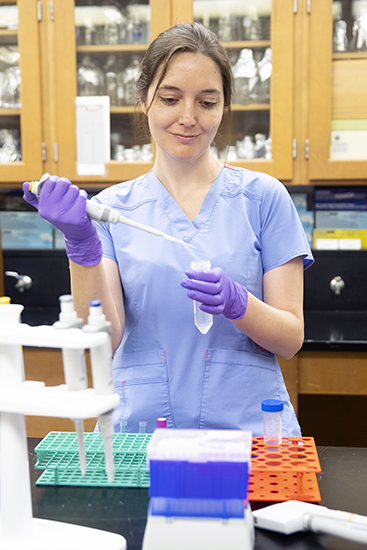
Dr. Unity Jeffery working in her lab
Dr. Unity Jeffery

ASSESSING LABORATORY ACCURACY

Jeffery’s other main focus is to improve the accuracy of the tests given by veterinarians during an examination and the laboratory results of these tests.

“Laboratory and point-of-care analyzers can be marketed to veterinarians even though they may not consistently provide accurate results,” she said. “Laboratory accuracy is important to us because it is a major patient safety issue and we base so many of our diagnostic and treatment decisions on laboratory testing.”

Several projects are underway or recently completed. In one, she and CVM emergency and critical care team member Dr. Christine Rutter worked with a couple of point-of-care instrument manufacturers to assess the performance of their analyzers in clinical patients. In another, she and clinical pathology resident Carolina Azevedo looked at how high blood lipid concentrations interfere with lab testing.

“One of the projects that I’m most excited about is a study involving data from the Morris Animal Foundation’s Golden Retriever Lifetime Project,” Jeffery said. “We’re using annual health check data from the dogs enrolled in this study to determine how much lab results vary in healthy dogs. The results will help us determine if changes detected at annual wellness checks are clinically important or just normal fluctuations.”

Jeffery expects some of these studies to have an immediate impact.

“I hope our fluid therapy study will help improve the standard of care of canine patients almost immediately after it is published,” she said. “Others, like the heatstroke study, are chipping away at a really big problem. It will probably be a few years before it pays off, but without these initial studies we’ll never improve survival for these patients.”

Her colleagues understand the importance of this work.

“I’ve got great collaborators in the Small Animal Hospital who take the time to enroll patients and collect samples, even when their day-to-day clinical work is very demanding,” she said. “This is particularly true of our emergency and critical care service. They deal with the most seriously ill patients in the hospital but they recognize that clinical research holds the key to improving care for their patients.”

###

Note: This story originally appeared in the Fall 2019 edition of CVM Today.

For more information about the Texas A&M College of Veterinary Medicine & Biomedical Sciences, please visit our website at vetmed.tamu.edu or join us on FacebookInstagram, and Twitter.

Contact Information: Jennifer Gauntt, Director of Communications, Texas A&M College of Veterinary Medicine & Biomedical Sciences; jgauntt@cvm.tamu.edu; 979-862-4216
Texas A&M Foundation Honors Presnal with Partner in Philanthropy Award

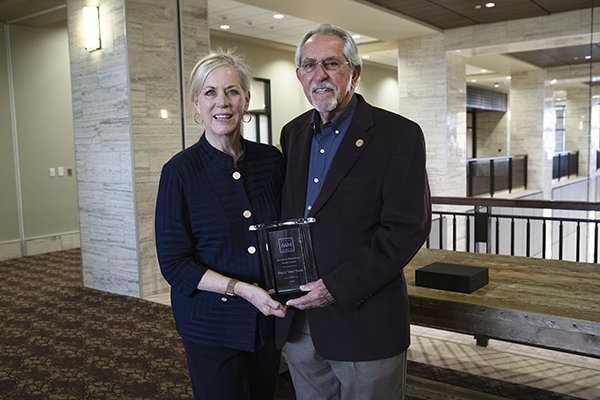
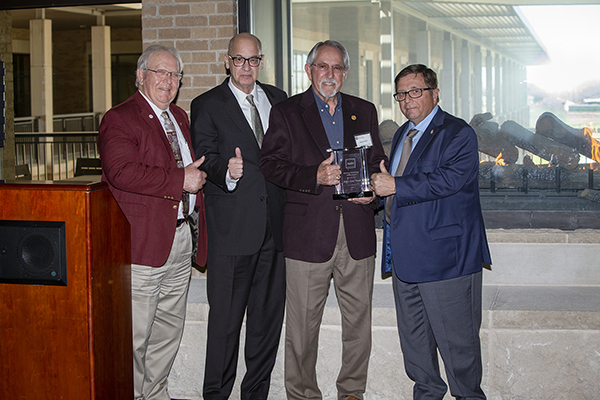
Dean Eleanor M. Green and Dr. Sonny Presnal with his award
Dean Eleanor M. Green and Dr. Sonny Presnal

COLLEGE STATION, TEXAS—The Texas A&M Foundation has selected Dr. Henry L. “Sonny” Presnal ’57, longtime director of the Stevenson Companion Animal Life-Care Center in the Texas A&M College of Veterinary Medicine & Biomedical Sciences (CVM), as a recipient of its 2020 Partner in Philanthropy Award. Presnal received the award for his lifelong devotion to Texas A&M University and the Stevenson Center at a presentation on Feb. 27.

The award was initially established by the Foundation’s Board of Trustees in 2016 as the Partner in Philanthropy Faculty Award to celebrate faculty members who demonstrate dedicated and lasting participation, commitment and creative leadership to philanthropy and Texas A&M University. Recently, the award’s criteria were expanded to honor Texas A&M staff members as well, with the name amended to reflect the new criteria. Presnal is the first non-faculty member to receive the award.

To be selected, Texas A&M faculty or staff must be nominated by a member of the Texas A&M Foundation development staff. Dr. O.J. “Bubba” Woytek ’64, assistant vice president of development and alumni relations for the CVM, nominated Presnal for the award.

“I’ve worked with Sonny for most of my career, and he is an invaluable member of our team and what we do at the CVM,” Woytek said.

Dr. Bubba Woytek, Texas A&M Foundation staff, and Dr. Sonny Presnal

“Dr. Presnal is the living embodiment of the Aggie core value of selfless service,” added Tyson Voelkel ’96, president of the Texas A&M Foundation. “We’re talking about a man who has spent the overwhelming majority of his life serving those around him, serving his community, and serving Texas A&M however he could. People like Sonny make this university very special.”

In his 21 years as director of the Stevenson Center, Presnal has played a critical role in building philanthropic relationships for the center as well as for the CVM and Texas A&M University at large. He has also helped build the Stevenson Center’s impressive endowment, which now exceeds $20 million. Woytek added that Presnal was directly and indirectly responsible for approximately $22.5 million in current endowments for the Stevenson Center as well as many more future endowments from the animals enrolled currently to enter the center in the future.

“You won’t find someone more passionate about Texas A&M and his work than Dr. Presnal,” said Otway Denny ’71, chairman of the Foundation’s Board of Trustees. “He has seen the university evolve over half a century, and he has remained a believer in its people and its mission the entire time. You couldn’t ask for a better ambassador for the College of Veterinary Medicine & Biomedical Sciences, and you couldn’t ask for a more deserving recipient of this award.”

In addition to fostering private giving to the Stevenson Center and Texas A&M, Presnal has also established a $50,000 planned gift in his will to create an endowed scholarship for students pursuing a Doctor of Veterinary Medicine who are married and have children. He supports Texas A&M athletics through the 12th Man Foundation and local youths participating in 4-H Club work. Furthermore, he created an endowed Aggie ring scholarship through The Association of Former Students in honor of his late wife, Lou. He plans to direct his $10,000 Partner in Philanthropy monetary award toward that endowment to fund more rings for future Aggies.

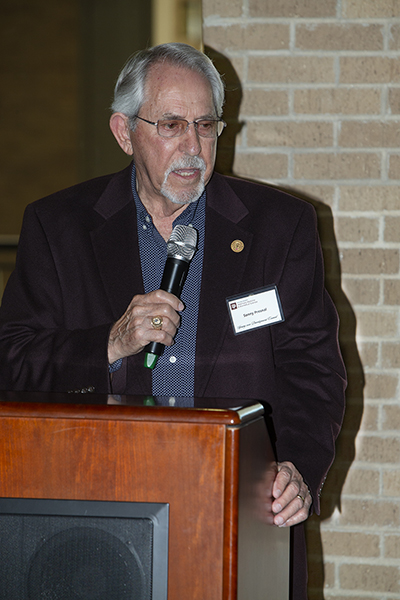
Dr. Sonny Presnal speaks after receiving his award

“While I’m extremely honored, I don’t consider this award being for me, specifically,” Presnal said. “I look at it as an award for the Stevenson Center program and all of my staff and students for what they have done. Someone has to receive the award, so that’s my role. But we’re all very appreciative of the recognition of the program by the Texas A&M Foundation.”

Born and raised in Bryan-College Station, Presnal earned dual bachelor’s degrees in animal husbandry in 1957 and veterinary science in 1968. Upon returning from his eight years of service in the U.S. Army, he returned to Texas A&M to earn a Doctor of Veterinary Medicine (DVM) degree in 1969 before establishing a private practice in Bryan. He was an organizing director and chairman of the board of a local bank from 1981 until 1997.

Presnal became director of the Stevenson Center in 1998. Publicized as a “retirement home for pets,” the Stevenson Center provides physical, emotional, and medical needs for companion animals whose owners are no longer able to provide them with care. There are more than 650 animals enrolled to receive care from the center when their owners can no longer care for them. Additionally, 109 animals have lived out their lives at the center, while there are currently 29 animals living at the center.

As an ambassador for the Stevenson Center, Presnal routinely travels throughout Texas and other states to visit current and potential donors and conduct speaking engagements and presentations on the center’s behalf. When he’s not traveling, he still spends much of his time on weekly phone calls to donors, updating them about developments to the center and staying in touch.

Stevenson Companion Animal Life-Care Center

To learn more about the Stevenson Companion Animal Life-Care Center, visit https://vetmed.tamu.edu/stevenson-center/.

Texas A&M Foundation 

The Texas A&M Foundation is a nonprofit organization that aspires to be among the most trusted philanthropies in higher education. It builds a brighter future for Texas A&M University, one relationship at a time. To learn more, visit txamfoundation.com.

###

For more information about the Texas A&M College of Veterinary Medicine & Biomedical Sciences, please visit our website at vetmed.tamu.edu or join us on FacebookInstagram, and Twitter.

Contact Information: Dunae Reader, Assistant Director of Marketing & Communications, Texas A&M Foundation (txamfoundation.com), (979) 845-7461; dreader@txamfoundation.com; Jennifer Gauntt, Director of Communications, Texas A&M College of Veterinary Medicine & Biomedical Sciences; jgauntt@cvm.tamu.edu; 979-862-4216