On the Right Track: Activity Monitors for Pets

Activity trackers are wearable electronic accessories that many individuals use to track their health and help them meet their fitness goals. Though activity trackers are a useful tool for humans looking to improve their well-being, they may also be beneficial to pet owners looking for more insight into the health metrics of their furry friend.
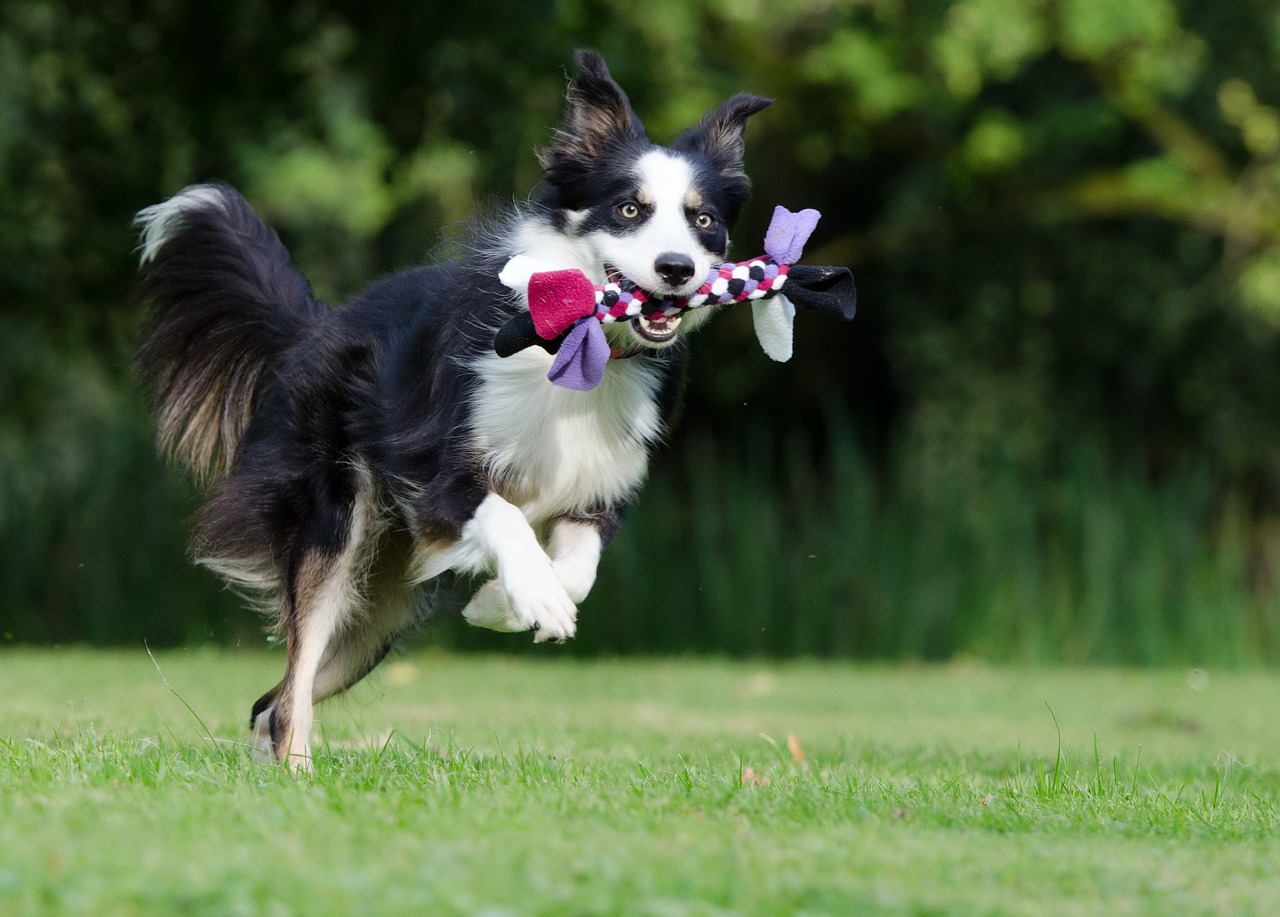
Black and white dog running in field with rope toy in mouth

Dr. Lori Teller, a clinical associate professor at the Texas A&M College of Veterinary Medicine & Biomedical Sciences, offers some insight on the benefits and drawbacks of these monitors, as well as whether an activity tracker is right for your pet.

Activity monitors for pets may be able to measure step count, quality of sleep, heart rate, respiration rate, ambient temperature, and the pet’s location via GPS.

“Owners who use their own trackers may find it fun to compare with their pet’s information or use it as motivation to increase their pet’s activity,” Teller said.

Data collected from these activity trackers also can be useful in establishing trends in your pet’s health.

“If a pet has maintained a certain level of activity and then it decreases, that could be reflective of early illness or an injury,” Teller said. “Veterinarians could also use the activity data to measure response to treatment.”

Activity trackers most commonly attach to a pet’s collar.

For accurate data collection, it is essential that the tracker and collar fit correctly. Since some trackers are heavy, a proper fit can also decrease the likelihood that your pet experiences discomfort from wearing the device.

These monitors also may encounter more challenges than their human counterparts.

“Because dogs and cats have four legs and a different walking motion than bipeds, measuring steps in the classical human sense is very difficult,” Teller said. “The technology behind 3D accelerometers (used in pet activity monitors) measures motion instead of steps. This technology is used in research studies and appears to be reliable.”

Though activity trackers for pets provide an innovative method for pet owners to engage with the health of their animal, Teller advises owners to exercise caution in how much trust they place in these devices.

“Owners should determine if an activity tracker will provide them with information that they want or that their veterinarian could use, especially when monitoring chronic conditions or response to treatment plans,” Teller said.

“This is a relatively new area in veterinary medicine, so the data obtained from activity monitors should only be used as one method of assessing your pet’s health,” she said. “Activity monitors do not replace regular veterinary visits and common sense.”

Pet Talk is a service of the College of Veterinary Medicine & Biomedical Sciences, Texas A&M University. Stories can be viewed on the web at vetmed.tamu.edu/news/pet-talk. Suggestions for future topics may be directed to editor@cvm.tamu.edu.
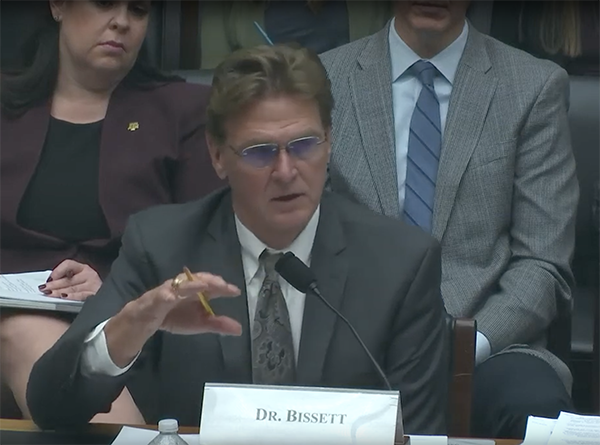
Bissett Testifies on Animals in Disasters Before House Subcommittee

Dr. Wesley Bissett during his testimony

Dr. Wesley Bissett, director of the Texas A&M College of Veterinary Medicine & Biomedical Sciences’ (CVM) Veterinary Emergency Team (VET), recently testified on how disasters impact animals in a hearing before the United States House of Representatives Subcommittee on Economic Development, Public Buildings, and Emergency Management.

On Feb. 12, Bissett, who also serves as an associate professor of emergency management at the CVM, attended the “Animals in Disasters” hearing in Washington, D.C., to discuss the importance of caring for animals during and after natural and man-made disasters.

The hearing was called to discuss current federal efforts to care for animals in disasters and how those efforts can be improved to better promote animal welfare.

“All too often, disaster impacts on animals and their owners are seen as separate issues,” Bissett said during the hearing. “As you will hear from my testimony, they are one and the same and must be looked at in that manner.”

As Bissett and other members of the VET have seen firsthand, people often factor in their animals when making decisions during disaster situations. Some would rather risk their own lives than leave a pet behind.

“As the director of the Texas A&M VET, I’ve experienced how intertwined the human and animal condition is through our response to numerous disasters in Texas and the Camp Wildlife in Paradise, California,” Bissett said. “The highest priority—human health, wellbeing, and safety—can never be fully addressed without addressing the animal condition.”

He discussed the importance of the VET to Texas’ animals and the VET’s work in four domains—aid in local-level emergency planning, veterinary medical support in response to disasters, care for Texas Task Force and Urban Search and Rescue (USAR) canines, and training of veterinary students in emergency response.

To watch a recording of the hearing and access a copy of Bissett’s full written testimony, visit https://transportation.house.gov/committee-activity/hearings/animals-in-disasters.

Bissett was joined at the hearing by fellow witnesses Dr. R. Douglas Meckes, the North Carolina state veterinarian; Teresa MacPherson, a canine search specialist for Virginia Task Force 1; and Richard Patch, the vice president of federal affairs for the American Society for the Prevention of Cruelty to Animals (ASPCA).

The Subcommittee on Economic Development, Public Buildings, and Emergency Management, under the House Committee on Transportation and Infrastructure, is responsible for the authorization and oversight of programs addressing the federal management of emergencies and disasters, including the Federal Emergency Management Agency (FEMA).

CVM Students Participate in Annual Disaster Day Training

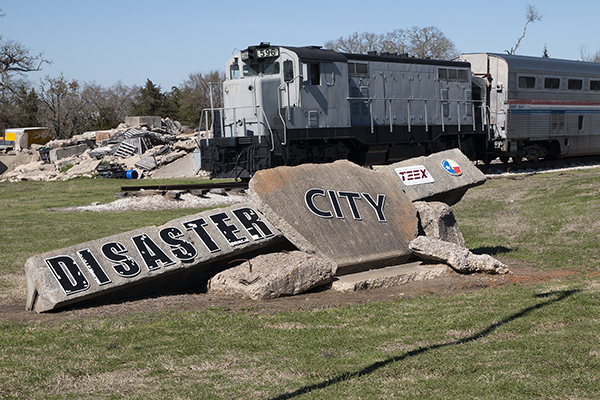
Disaster City sign

Veterinary students from the Texas A&M College of Veterinary Medicine & Biomedical Sciences (CVM) and the Student Veterinary Response Team (SVRT) put their knowledge and skills to the test on Feb. 14 during the Health Science Center’s (HSC) Disaster Day event, an annual interprofessional, interdepartmental disaster simulation.

Held at the Texas A&M Engineering Service’s Brayton Fire Training Field and Disaster City—a mock city with collapsed building structures, derailed train, and other disaster scenario facilities—Disaster Day provides a unique training experience for students from all of Texas A&M’s health and medical disciplines by providing an opportunity to practice critical skills needed during crisis situations.

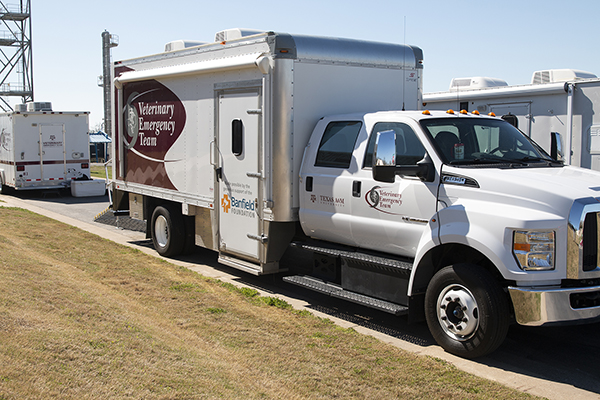
“Disaster Day is a good experience for the veterinary students,” said Dr. Deb Zoran, a professor in the CVM Department of Small Animal Clinical Sciences (VSCS) and a member of the Veterinary Emergency Team (VET), which supports CVM students’ involvement by providing some of the team’s equipment for the students to use.  “It gives them a chance to practice some of their disaster skills, such as triaging and thinking about a case in a disaster environment and how it would be different in a real hospital.”

This year’s scenario involving the city of Dallas experiencing a 6.1 magnitude earthquake that caused a building collapse, a derailed train, and a potential nuclear disaster.

Sarah Manning, second-year veterinary student and SVRT president, played a major role in writing the 15 different veterinary cases and working with the HSC to create an integrative scenario for all departments involved.

VET truck

“I was able to put a public health play on the veterinary cases because we really wanted to bring in the interdisciplinary Global One Health aspect to the event, not only because we’re all working together so closely but because this is a very integrated interprofessional simulation,” Manning said. “Global One Health is a big component of it, so when possible, I wrote in components to involve medicine, nursing, and public health anywhere and everywhere we could.”

Actors were given a predetermined medical scenario for which the medical and nursing students must find a solution. In order to integrate the veterinary medicine aspect of Disaster Day, some of the actors were assigned an animal that was also involved in the scenario. This integration brought an emphasis of communication between the veterinary students and the owners of the injured animals.

During an actual disaster, pet owners may not want to be separated from their pets out of fear that they will never find them again, so it was important that the students were able to see that the animals were being appropriately cared for while encouraging the owners to seek medical attention if they needed it, according to Manning.

The SVRT members acted as a veterinary health care provider, treating the injured animals while providing emotional and, potentially, physical support for the owners.

“Not only are veterinary student having to cater to the medical needs of these animals, they’re actually having to work with these actors that are pet owners and have just been through a disaster, too,” Manning said.

Morgan Marshall, a second-year veterinary student and SVRT member, describes Disaster Day as “controlled chaos.”

From members of the Corps of Cadets, nursing, pharmacy, and medical students, as well as those overseeing the event, everyone had a job, and those jobs were taken seriously, as if a real-life disaster had taken place.

“Along with my team, I was charged with taking care of all of the animal cases that were rescued from the disaster setting,” Marshall said. “We had to assign each patient with a triage rating based on the severity of its injuries, come up with a treatment plan, and communicate with any owners we could associate with the patient.”

Marshall explained that a goal for Disaster Day is to give all of Texas A&M’s health care profession schools a chance to play out a multidisciplinary response to a devastating event.

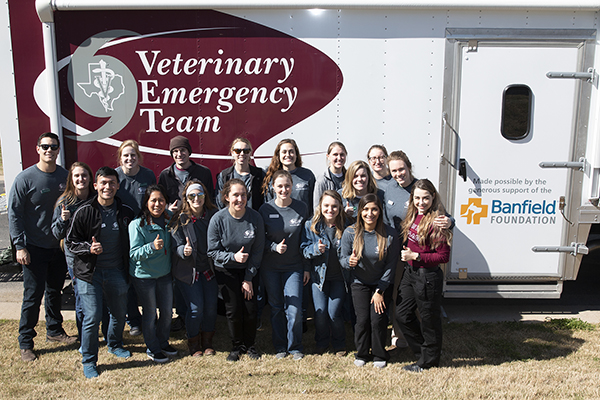
SVRT Students in front of VET Truck
SVRT Students

“This will hopefully create human and animal health professionals, as well as future first responders, who understand the dynamic chaos of working together to save lives in a disaster setting,” Marshall said. “This experience also gives us a chance to make mistakes and ask lots of questions when the stakes are low, so that when we get into a real-world experience, we can be confident in our actions.

“In my opinion, Disaster Day is very realistic for what a real disaster would be like,” Marshall said. “There were lots of people screaming and running here and there, trying their best to communicate with each other to help people and animals.”

In what she calls the most memorable moment of the day, Marshall and her classmate were charged with the responsibility of finding the owner of a dog that was unlikely to survive because of the severity of its injuries. In this case, both the pet and the owner were exposed to a live wire during the earthquake.

“We knew it would be a difficult conversation, but we were not really prepared for what we found,” Marshall said. “When we came into the hospital and asked the nurse if we could speak to their patient, because her animal was very critical, we were informed that the human patient had ‘passed away.’

“That was a surreal moment, realizing that this simulation is a real representation of a disaster situation in which you cannot save every human or animal life,” Marshall continued. “It made me very appreciative for the people who devote themselves every day to emergency work and grateful for the change to see a glimpse of that world.”

###

For more information about the Texas A&M College of Veterinary Medicine & Biomedical Sciences, please visit our website at vetmed.tamu.edu or join us on FacebookInstagram, and Twitter.

Contact Information: Jennifer Gauntt, Director of Communications, Texas A&M College of Veterinary Medicine & Biomedical Sciences; jgauntt@cvm.tamu.edu; 979-862-4216

Learning in the Lab

The Texas A&M Gastrointestinal Laboratory has provided veterinary student Marshal Covin with opportunities to explore and expand upon his classroom studies.

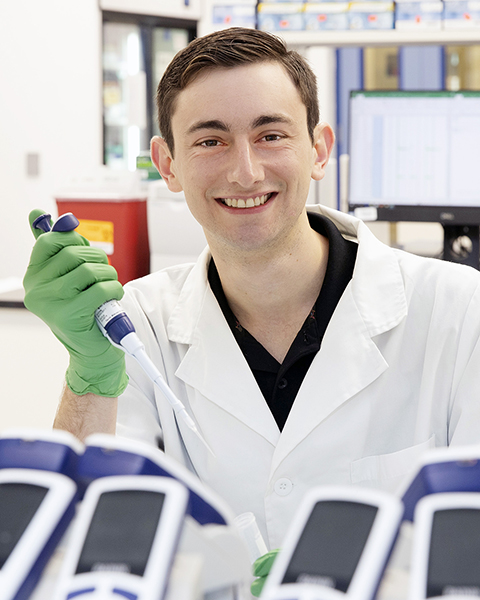
Marshal Covin with a pipette in the lab
Marshal Covin

Marshal Covin, a second-year veterinary student at the Texas A&M College of Veterinary Medicine & Biomedical Sciences (CVM), never expected a simple “howdy” to lead to countless opportunities for advancing his veterinary career.

But after introducing himself and striking up a conversation with an unfamiliar staff member, who turned out to be veterinary technician Chanel Reinertsen, Covin was encouraged to apply for jobs at the CVM and was soon employed at the Gastrointestinal Laboratory (GI Lab) as a junior biomedical sciences major.

“For about a year or so, I was a student worker there helping with service,” Covin said. “Veterinary clinics from around the world send fecal, serum, and other samples to the GI Lab, and I’d help them process it, put it where it’s supposed to be, answer phones, and things like that.”

Soon, Dr. Jörg Steiner, GI Lab director, distinguished professor, and Dr. Mark Morris Chair in small animal gastroenterology and nutrition, noticed Covin’s potential and requested his help on a research project. They began to develop a real-time polymerase chain reaction test to detect an especially elusive liver fluke called O. viverrini, a zoonotic parasite that can cause serious illness in animals and people.

“We extracted DNA from adult specimens of O. viverrini and chose a primer to target the gene we wanted, but we were unsuccessful in getting sufficient amplification of the DNA in our test,” Covin said. “Thus, more work is needed on the project.”

After that project was put on hold, Covin was moved to the research sector of the GI Lab and given his next project, for which he used analytical validation to prove that two new protein tests were as effective as the older version that took a far greater amount of time to run. These new tests detect C-reactive protein in dogs, a common marker for inflammation from various causes, including pancreatitis, parvovirus infection, and surgical trauma.

“These projects may help improve patient care for any clinic or lab that is looking to use either of these two tests to measure canine C-reactive protein,” Covin said.

“I got two abstracts out of it, which is really awesome,” he added. “I was fortunate enough to go to Seattle and present the first one at the Annual Forum of the American College of Veterinary Internal Medicine, and then Dr. Jonathan Lidbury presented the second at the European College of Veterinary Internal Medicine Congress in Rotterdam, the Netherlands, in Europe.”

Covin’s current project with Steiner involves studying blood serum to develop a new medication for Wilson’s Disease, a genetic disorder in people and dogs.

“It’s a copper-storage disease wherein people can’t excrete copper, so their liver ends up failing,” Covin said. “The current medication for it takes a year to work. This new one that we’re trying to work on takes potentially a week.”

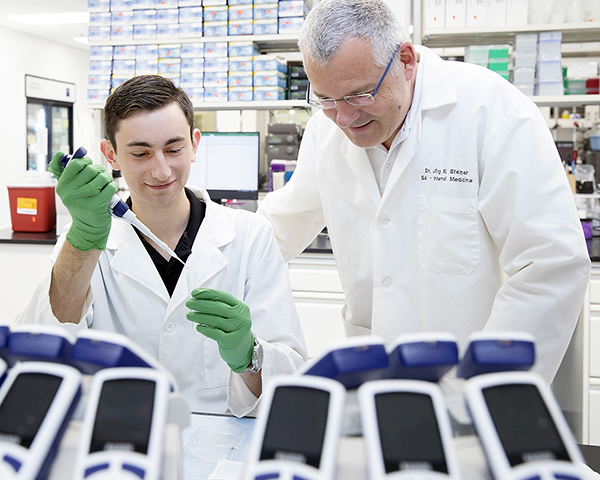
Marshal Covin with mentor Dr. Jörg Steiner pipetting in the lab
Marshal Covin with mentor Dr. Jörg Steiner

Though Covin and Steiner have only worked on a few projects together, Covin said it has been fantastic having the opportunity to work in the GI Lab with CVM faculty members who enjoy mentoring students.

“I think we’re really fortunate here, because we have such wonderful faculty who are willing to take us under their wings,” he said. “Dr. Steiner has helped me in so many ways.”

Covin even had the opportunity to travel to Germany this summer with Steiner and two other CVM veterinary students. There, they studied pigs in an effort to develop a new pancreatitis treatment for humans.

“Besides the world-class mentorship I get from Dr. Steiner and Dr. Lidbury, I also get a ton of help from other GI Lab staff,” Covin said. “Our technicians, Ph.D. students, and supervisors are always eager to lend a helping hand, which is one of the things I love the most about the GI Lab.

“We definitely have a team-player mentality,” he said. “I can confidently say that none of my research would have been possible without their support and guidance.”

With three years left at the CVM, Covin has plenty of time to work on many more research projects with GI Lab faculty and staff members. As for now, he finds his past and present research projects to have been a very interesting part of his time at the CVM.

“They’re all really cool,” he said. “I can’t even pick a favorite. Each one has its own unique challenges.”

Even though Covin doesn’t plan to go into research after graduation, his experiences in the GI Lab will be beneficial when he is working as a mixed-practice veterinarian.

“As a general practitioner, having a background in research is really helpful because you can help enroll clients in clinical trials and keep up to date with the latest and greatest innovations,” Covin said. “But, at some point in the future, I might absolutely go back to academics or research.”

With the years of practical experience and the multitude of contacts with world-renowned experts Covin has gotten from his position in the GI Lab, who knows where the future will take him?

###

Note: This story originally appeared in the Fall 2019 edition of CVM Today.

For more information about the Texas A&M College of Veterinary Medicine & Biomedical Sciences, please visit our website at vetmed.tamu.edu or join us on FacebookInstagram, and Twitter.

Contact Information: Jennifer Gauntt, Director of Communications, Texas A&M College of Veterinary Medicine & Biomedical Sciences; jgauntt@cvm.tamu.edu; 979-862-4216

CVM Veterinary Student Shares Journey with Thousands of Prospective Students

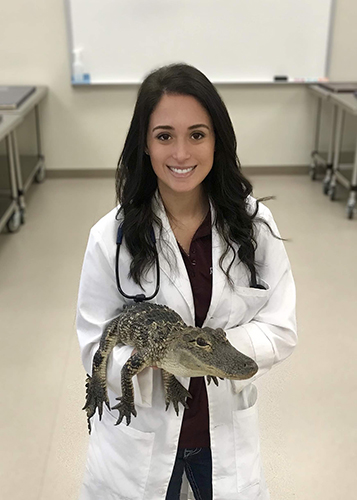
Rachel Ellerd holding a baby alligator
Rachel Ellerd

The path through veterinary school is filled with many excitements and challenges, and one veterinary student at the Texas A&M College of Veterinary Medicine & Biomedical Sciences (CVM) is sharing them all.

Third-year veterinary student Rachel Ellerd has more than 8,000 followers on Instagram and a popular blog, both of which she uses to share her journey as a veterinary student and fun facts about exotic animal medicine, a field in which she hopes to specialize.

By frequently sharing tips on how to prepare for veterinary school and updates on her current research on reptiles and amphibians, Ellerd finds many ways to encourage and excite those interested in attending veterinary school.

“I’ve had prospective students tell me that they’ve decided to apply to Texas A&M after seeing how amazing the program has been for me,” Ellerd said. “I’ve had others tell me that I inspired them to follow their dreams of practicing exotic animal medicine, regardless of the challenging path that it takes.”

Her following consists mostly of prospective veterinary students, current veterinary students, and veterinarians, but she has also gained a following among those interested exotic pets, wildlife, conservation, and other fields of One Health.

“Unfortunately, many exotic pets’ ailments happen because of improper husbandry; their care isn’t as straightforward as typical dogs and cats,” Ellerd said. “Many owners are unaware of exotic pets’ specific temperature, lighting, humidity, and dietary requirements, so I like to share husbandry tips to help people keep their pets healthy.”

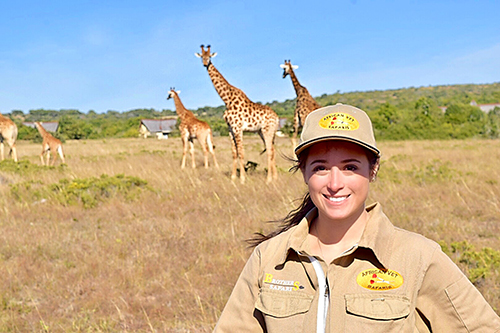
Rachel Ellerd in safari attire with giraffes in the background
Rachel Ellerd

One of Ellerd’s most popular posts shows her adventures studying abroad in South Africa with one of her veterinary mentors, CVM clinical associate professor Dr. Alice Blue-McClendon, and doing veterinary volunteer work in Thailand and Vietnam.

“I love educating people about exotic animals,” she said. “While working at the Austin Aquarium, it made me so happy to help someone overcome their fear of snakes and birds. These animals are so important for the environment, but sometimes they’re misunderstood and suffer for it. Education is the only way to change people’s attitudes toward these amazing species.”

Ellerd has been sponsored by a few companies wishing to share their products with the veterinary community, including the popular scrubs company FIGS and stethoscope company Eko Health.

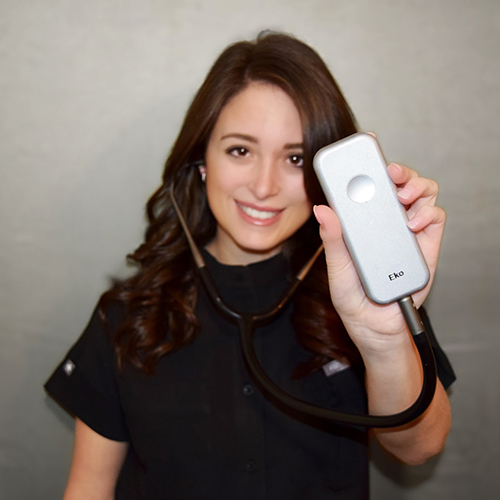
Ellerd with her Eko Health stethoscope and FIGS scrubs
Rachel Ellerd with her Eko Health stethoscope and FIGS scrubs

“I’ve had a couple different companies contact me for advertisement, but I only endorse the ones I’m truly passionate about,” she said. “For instance, I really got behind Eko Health because of their revolutionary stethoscopes. As a student with hearing-impairment, their digital stethoscope that could increase its volume was life-changing for me. The fact that it doubles as a portable ECG was revolutionary when I was monitoring wildlife while doing field work or working in rural areas in Thailand.”

Ellerd hopes to continue sharing her journey through veterinary school and beyond, especially during her fourth-year clinical rotations. She has externships planned at The Dallas Zoo, Fort Worth Zoo, Toronto Zoo, and Texas Avian and Exotic Hospital, an exotics-only clinic that she has shadowed at in the past.

“One of the veterinarians I look up to most is Dr. Lauren Thielen (CVM Class of 2013) at Texas Avian and Exotic Hospital,” Ellerd said. “Not only is she an incredible exotic animal veterinarian, but she inspires and educates so many people about exotic pets through her TV show ‘Dr. T Lone Star Vet.’ It would be the dream to learn from her and follow in her footsteps.”

Thanks to her social media presence and blog, as Ellerd goes on to follow her dreams, she’ll help future generations of veterinarians create and follow their own dreams, too.

Texas A&M To Host Fourth Annual Veterinary Innovation Summit

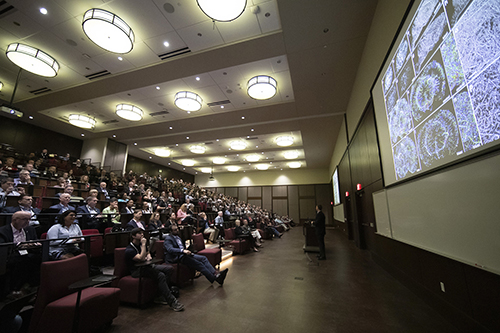
A room full of people listen to a man speak, with images of medical scans on the wall
A 2019 Veterinary Innovation Summit keynote speaker

Texas A&M College of Veterinary Medicine & Biomedical Sciences (CVM) and the North American Veterinary Community (NAVC) invite members of the veterinary medicine community and emerging technology enthusiasts, alike, to the fourth annual Veterinary Innovation Summit (VIS), April 3-5 in College Station.

VIS offers attendees a range of breakout workshops and TED-style presentations during which attendees will learn about various issues that challenge the field of veterinary medicine.

Activities will begin on Friday at the Texas A&M Hotel and Conference Center’s Century Ballroom, including welcoming remarks from the first of two keynote speakers for the event—author, speaker, and independent adviser for professional firms and governmental entities Richard Susskind, who will discuss “Technology and Your Future.”

Saturday’s and Sunday’s activities—held at the CVM’s Veterinary & Biomedical Education Complex (VBEC)—will include presentations, demonstrations, and fresh perspectives from today’s veterinary entrepreneurs.

Building on those presentations, over the course of the three-day event, there will be 10 different interactive breakout sessions that will give participants a chance to collaborate with their peers to solve complex issues that challenge the field of veterinary medicine. With this format, attendees will be able to curate their own schedule to fit the needs and interests for themselves and their teams.

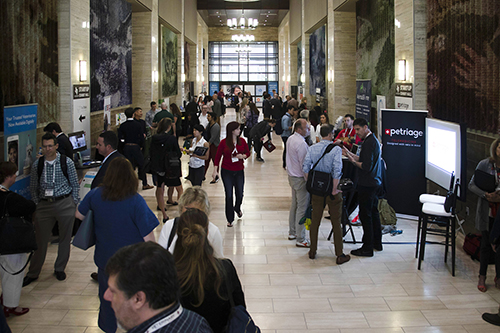
The main hallway of the VENI building is full of tables and people
Start-up companies lined the halls at the 2019 Veterinary Innovation Summit

New this year, the VIS, in partnership with the DORIS Group, will focus on finding solutions for four Grand Challenges—the healthcare team, big data, research, and training.

These Grand Challenges will be facilitated by the DORIS Group, a team of design researchers who specialize in high-energy, engaging workshops that enable people to solve complex challenges, which has developed a tool specifically for VIS geared toward empowering attendees to produce many diverse solutions to the grand challenges facing veterinary medicine.

As part of a three-hour Grand Challenges workshop, participants will have the chance to contribute solutions to one of the Grand Challenges.

“We are excited to have the DORIS Group join us for the fourth annual Veterinary Innovation Summit,” said Dr. Eleanor M. Green, the Carl B. King Dean of Veterinary Medicine at Texas A&M. “This group knows that the most innovative solutions come from creativity, so they will use their design thinking methods to unleash out-of-the-box ideas, making it fun for each group to think of the next amazing thing.”

On Sunday, following the VIS’s second keynote presentation—”Leadership—It’s Not a Problem, It’s a System!” by Dr. Barbara Kellerman, the James McGregor Burns Lecturer in Public Leadership from Harvard University—the entire conference will come back together with the DORIS Group for Grand Challenges presentations and discussions.

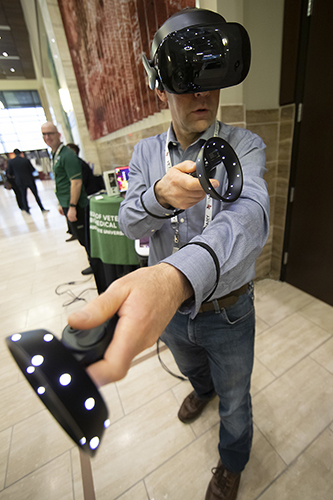
A man using a virtual reality headset
The Veterinary Innovation Summit features emerging technologies

Then, attendees will choose a grand challenge they are interested in working on throughout the year, and DORIS will provide guidance through planning how each idea can be developed.

Opportunities to network with others and discussion panels will also be provided throughout the weekend.

For more information on this year’s VIS, visit veterinaryinnovationsummit.com.

About the Texas A&M College of Veterinary Medicine & Biomedical Sciences

One of only 31 Colleges of Veterinary Medicine in the United States and Canada, the CVM was established in 1916 and, since that time, has graduated nearly 8,000 veterinarians. Texas Aggie veterinarians proudly serve Texas, the nation, and, indeed, the world in countless ways. From highly sophisticated veterinary practices serving the 19 million residents of Texas and their animals to military, industrial, government, and university roles, Aggie veterinarians hold positions of prestige and responsibility. The faculty and staff of the college are committed to exceptional teaching, research, and patient care. The research addresses significant problems in both animal and human health, which impacts both Texas and the world.

About the NAVC

Founded in 1982 and headquartered in Gainesville, Florida, with offices in Orlando, Florida, the North American Veterinary Community (NAVC) is a non-profit organization that provides world-class professional development to the global veterinary healthcare community. Its largest initiative, the annual VMX: Veterinary Meeting & Expo, formerly the NAVC Conference, hosts more than 17,000 attendees each year. Other offerings include VetFolio, an online CE platform in conjunction with AAHA; its official journals: Today’s Veterinary Business, Today’s Veterinary Practice, Today’s Veterinary Nurse, and Veterinary Advantage; and educational event offerings: the NAVC Institute, NAVC LIVE, and NAVC Discover. Visit NAVC.com for more details.

###

For more information about the Texas A&M College of Veterinary Medicine & Biomedical Sciences, please visit our website at vetmed.tamu.edu or join us on FacebookInstagram, and Twitter.

Contact Information: Jennifer Gauntt, Director of Communications, Texas A&M College of Veterinary Medicine & Biomedical Sciences; jgauntt@cvm.tamu.edu; 979-862-4216

CVM Researcher Recognized on National List of Inspiring Black Scientists

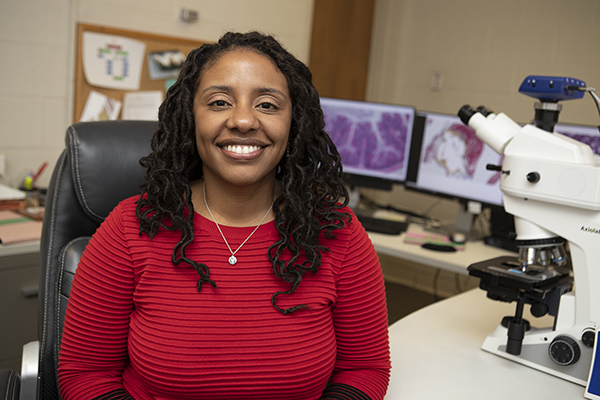
Dr. Yava Jones-Hall
Dr. Yava Jones-Hall

Dr. Yava Jones-Hall, an associate professor in the Department of Veterinary Pathobiology (VTPB) at the Texas A&M College of Veterinary Medicine & Biomedical Sciences (CVM), is leading in the field of veterinary medicine as the only veterinarian selected for CrossTalk’s list of 100 inspiring black scientists in America.

CrossTalk is the official blog of Cell Press, a leading publisher of more than 50 scientific journals across the life, physical, earth, and health sciences.

“We are very happy to see one of our high-caliber faculty members being recognized for their outstanding work,” said Dr. Carol A. Fierke, Texas A&M University provost and executive vice president.

Jones-Hall is joined on the list by scientists from African, Afro-Caribbean, Afro-Latinx, and African-American backgrounds ranging from assistant professors to department heads at universities across the country.

“It was surprising and amazing to be selected, especially being a veterinarian,” Jones-Hall said. “It was nice to see veterinary medicine represented.”

The list of inspiring black scientists was created to encourage current and future generations of scientists and emphasize the importance of diversity in science. CrossTalk clarified that while there are many more than 100 black scientists in the U.S. deserving of recognition, the list was created to provide an example of the impact black scientists can have on America.

“Diversity drives excellence in everything that we do as a team, including biomedical education and research,” said Dr. Ramesh Vemulapalli, VTPB department head. “We are very proud to have Dr. Yava Jones-Hall on our faculty. She is a great role model to minority students aspiring to pursue a career in veterinary medicine.”

“I definitely see diversity in veterinary medicine as an important concept,” Jones-Hall said. “The reality is, the world is not homogeneous. We need our students to be exposed to working with different types of people to have cultural sensitivity and understand that not everybody is like you. Also, once you have diversity within any program, you get diverse ideas.”

While earning her Doctor of Veterinary Medicine (DVM) degree at the Tuskegee University College of Veterinary Medicine, Jones-Hall was introduced to the field of pathology—the study of the causes and effects of disease—and once she saw how seamlessly pathology combines with collaborative research, she was hooked.

“As a veterinary pathologist, I’m trained to understand disease in any organ in a multitude of species,” Jones-Hall said. “Whatever field of research an investigator’s in, I help them figure out how best a pathologist can tease out the data for them to see what’s happening and how best to frame the research.”

Considering herself a “veterinary detective,” Jones-Hall helps researchers look at clues in cells and body tissues to find the best way for the research to progress. Working on a variety of research topics, and never knowing what will come through the door next, are what make the field of pathology so appealing to her.

Jones-Hall joined the CVM from the Purdue University College of Veterinary Medicine last August and, as the Director of the CVM’s Histology Laboratory, began the project of creating a digital pathology program to increase the efficiency and accuracy of one of a pathologist’s typical jobs—analyzing slides of cells to count those of the same kind.

“Traditionally, pathologists would look at the slide under the microscope and give a subjective assessment of disease,” Jones-Hall said. “Digital pathology augments traditional pathology by allowing the pathologist to use computer-generated algorithms to assess disease. This gives objective, quantifiable, and repeatable results.

“Whereas it would take me weeks to look at hundreds of slides, I scan the slides to make a digital image and direct a computer program to find the cells of interest or disease state,” she said. “Hundreds of slides can now be analyzed in hours instead of weeks.”

Outside of the lab, Jones-Hall donates much of her spare time to volunteering for community outreach efforts and taking any opportunity she can to promote STEM careers, and specifically veterinary medicine, to disadvantaged youth.

She is also a member of Texas A&M’s STRIDE (Strategies and Tactics for Recruiting to Improve Diversity and Excellence) Committee, leading workshops for faculty members involved in faculty recruitment.

“Diversity is important, in general, and it’s important to me, so I’m willing to do more in order to improve the climate and increase everyone’s awareness” she said.

Jones-Hall hopes that her recognition from CrossTalk can inspire others to spend their careers thinking not only of themselves, but also those who may not have had the same advantages.

“The CVM is extremely proud of Dr. Yava Jones-Hall for her accomplishments as an individual and as the only veterinarian to appear on the list of 100 inspiring black scientists,” said Dr. Eleanor M. Green, the Carl B. King Dean of Veterinary Medicine at Texas A&M University (TAMU). “The work she does within and outside of the university will undoubtedly make a huge impact, both for the college and within the community, as she demonstrates the possibilities for budding scientists from all backgrounds.”

###

For more information about the Texas A&M College of Veterinary Medicine & Biomedical Sciences, please visit our website at vetmed.tamu.edu or join us on FacebookInstagram, and Twitter.

Contact Information: Jennifer Gauntt, Director of Communications, Texas A&M College of Veterinary Medicine & Biomedical Sciences; jgauntt@cvm.tamu.edu; 979-862-4216

Lynx Finds Fur-ever Home at Texas A&M Wildlife Center

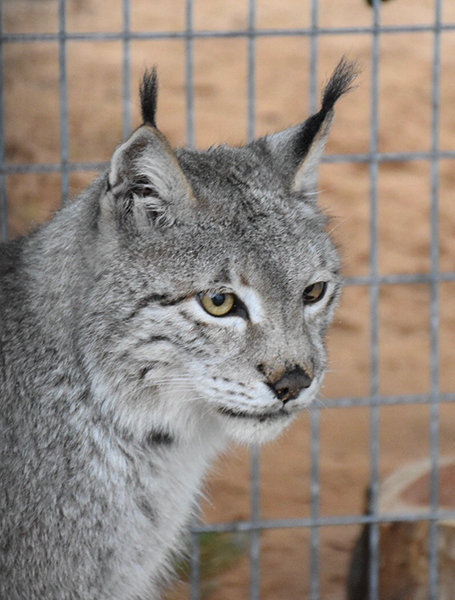
Close up on Kisa the lynx's face at the Texas A&M wildlife center
Kisa the Eurasian Lynx

As the newest exotic animal resident of the Texas A&M College of Veterinary Medicine & Biomedical Sciences’ (CVM) Winnie Carter Wildlife Center, Kisa the lynx has found the purr-fect place to call home.

The 11-year-old Eurasian lynx came to Texas A&M’s Wildlife Center in February from a conservation breeding facility in Arkansas. Because Kisa (киса, in Russian, means “kitty”) is now considered “middle-aged,” she is retiring from conservation work and taking on the role of an ambassador species for Texas A&M’s Wildlife Center.

“She will be one of our educational animals; she will help teach students about the special routine care and feeding of exotic cats, including preventative veterinary care,” said Dr. Alice Blue-McLendon, director of the Winnie Carter Wildlife Center.

The Wildlife Center also cares for two other species of small exotic cats, a serval and three Asian leopard cats, so the addition of a lynx will increase the variety of learning opportunities for students and emphasize the differences between similar species.

“Even though the management of the species might be very similar, the animals’ behavior will be different,” Blue-McLendon said. “The animals have different personalities even though they may be similar in size.”

Kisa’s arrival also provided an opportunity for collaboration across colleges; soon after Blue-McLendon knew she would need to build a habitat for Kisa, she reached out to Dr. José Fernández Solís, an associate instructional professor of construction science at the Texas A&M College of Architecture, for help designing the perfect space.

“It’s really been fun to work with Dr. Solís because he just loves students and he loves to have projects,” Blue-McLendon said. “His input has been delightful and he has really understood that I wanted to do sustainable construction as best we could. He drew up some plans for us and had all kinds of interesting ideas.”

As the vice president of architecture at Lord Aeck Sargent, a design firm headquartered in Atlanta, Solís has experience designing exotic animal habitats from his work on a multilevel renovation and addition to the Atlanta Zoo’s orangutan habitat in 1996.

“No two wildlife projects are the same but all have a common theme—what is the natural habitat of the wildlife that can best be represented in a confined space?” Solís said.

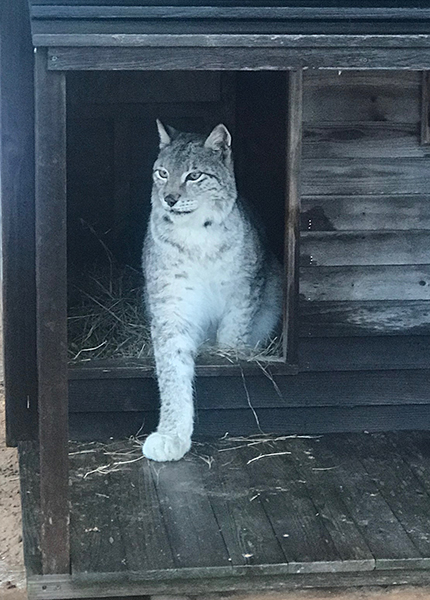
Kisa the lynx in a shelter at the Texas A&M wildlife center
Kisa

For the Winnie Carter Wildlife Center’s lynx enclosure project, Solís’ design was based on a close collaboration with Blue-McLendon and Dave Goltz, director of the College of Architecture’s Automated Fabrication and Design Lab.

“We worked hand-in-hand to solve issues and develop alternative solutions that resulted in this new facility,” Solís said. “Vertical wire fence was embedded four to six inches into a steel reinforced-grade beam so neither the lynx nor any future exotic animal will be able to dig under.

“The collective interdisciplinary effort was very rewarding and interactive,” he said. “The design maximizes what a group of volunteer students could build with oversight from the Wildlife Center, Department of Construction Science, and additional supervisors.”

The creation of Kisa’s habitat was made possible thanks to the generosity of many who donated time, money, and resources. From concrete to cedar logs, most of the materials for the enclosure were freely given by people who wanted to support the Wildlife Center’s goal to give Kisa the best home possible.

Kisa’s finished enclosure is 2,000 square feet full of shelters, climbing objects, and several other forms of enrichment.

“One of the best enrichments is that she will have lots of people around all day long,” Blue-McLendon said. “She’s apparently been around humans her entire life and she likes the presence of people. Just providing lots of students to talk to her will be fantastic.”

Enrichment coordinators, the Wildlife Center’s new volunteer student positions, will be in charge of conducting research online and at other wildlife sanctuaries to find new ways to entertain Kisa as time goes on.

“They’ve already built one structure, a cedar log with another log coming out at an angle and they’re going to hang a PVC toy from it that’s wrapped in rope,” Blue-McLendon said. “I got the idea for this after visiting another wildlife facility recently; their leopard had one and absolutely loved it.”

Best of all, Kisa will have access to the best veterinary care from Blue-McLendon and other talented specialists at the CVM. Using training and the benefits of her custom enclosure, Kisa’s veterinarians will be able to regularly examine her to monitor her weight and health.

As Kisa settles into her new home, Blue-McLendon and veterinary students at the Wildlife Center are looking forward to getting to know her and seeing her personality bloom.

“We’re excited. It’s really fun to partner with people and get people excited about things,” Blue-McLendon said. “It’s been fun to interact with lots of different people who understand the mission of providing sanctuary for an animal for the rest of its life and allowing students to get exposure to things that they normally could not on a college campus.”

###

For more information about the Texas A&M College of Veterinary Medicine & Biomedical Sciences, please visit our website at vetmed.tamu.edu or join us on FacebookInstagram, and Twitter.

Contact Information: Jennifer Gauntt, Director of Communications, Texas A&M College of Veterinary Medicine & Biomedical Sciences; jgauntt@cvm.tamu.edu; 979-862-4216

Texas A&M Research Examines Human, Canine Links Between Gliomas, Expanding Treatment, Research Possibilities

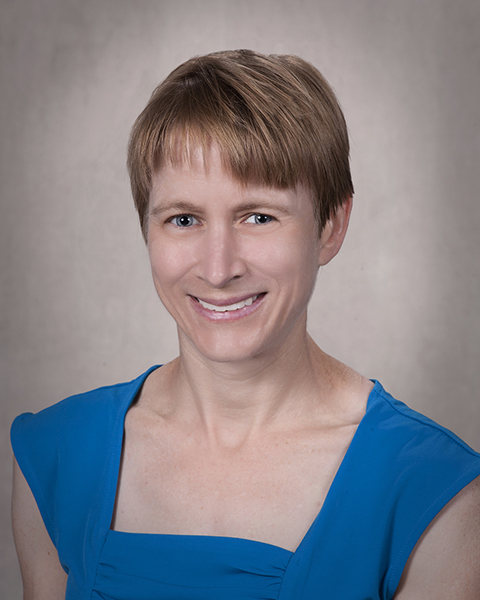
Dr. Beth Boudreau headshot
Dr. Beth Boudreau

Researchers at the Texas A&M College of Veterinary Medicine & Biomedical Sciences (CVM) have been working for years to study the connection between canine and human gliomas.

In the most thorough examination of canine gliomas to date, the team—working in collaboration with the Jackson Laboratory for Genomic Medicine in Farmington, Connecticut and the MD Anderson Cancer Center—has now identified similarities between canine and human gliomas that may also allow researchers to use the knowledge we have on human gliomas in the treatment and research of canine gliomas, and vice versa.

Dr. Beth Boudreau, an assistant professor of neurology at the CVM, and colleagues worked to examine the glioma cells at a molecular level, analyzing the genetic material of diseased tissues in humans and dogs to determine which genes are present and when, which genes are used, and how the cell regulates use of these genes.

What they found was that molecular similarities exist between canine gliomas and human pediatric gliomas that suggest the two diseases follow similar cancer-causing mutational processes.

The knowledge of how a diseased cell is operating at a genetic level also will allow researchers to better understand how to interrupt the disease processes of gliomas and develop new treatment options.

This study is the largest canine genomic dataset that’s been collected and analyzed,” Boudreau said. “The reason that’s important is that it gives us the best picture, at a genomic level, of how these tumors work and how they relate to similar human tumors.”

Canine gliomas are a form of cancer affecting the glial cells of the brain or spine of a dog. These tumors lack a distinct boundary between tumor and healthy tissue, which makes them notoriously difficult to remove surgically.

Gliomas are the second most common type of brain cancer in dogs and have a poor prognosis; with symptomatic therapy, the average survival time is just a few months.

Boudreau’s research aimed to create a molecular profile of canine glioma and compare this data to the molecular profiles of human pediatric and adult gliomas. The profiles included an analysis of which versions of genes are present and when, which genes are used, and how the cell regulates use of these genes.

“Overall, our goal was trying to figure out if we could leverage all of the information we know about human tumors to be able to treat our dogs better,” Boudreau said.

The study found that canine gliomas and human pediatric gliomas share alterations to multiple cell pathways, genes, and pieces of cellular machinery. These and other similarities suggest that both canine gliomas and human pediatric gliomas might have similar cancer-causing alterations and similar timelines of when these cancer-causing alterations occur.

“We’re trying to figure out what cells are there and what they are doing,” Boudreau said. “Are they active or inactive? How many of them are there? When did they go there? What called them? That’s the information that we need to design a sensible clinical trial.”

The study, published in Cancer Cell, was also co-authored by CVM faculty Dr. Brian Porter and Dr. Jonathan Levine, as well as collaborators from the Jackson Laboratory for Genomic Medicine.

This further knowledge of the nature of canine gliomas is not only a step toward developing new treatments for these cancers in dogs, but may also allow clinicians to apply knowledge of human pediatric gliomas to the treatment and research of canine gliomas, and vice versa.

Boudreau is optimistic that this expansion of applicable knowledge will be useful in improving the prognosis of affected dogs.

“To me, the most important thing is to try to find a way to make this information into something that helps us treat these tumors better in dogs,” she said.

This project is part of a larger collaboration between the world-renowned MD Anderson Cancer Center and the CVM. Though this project has culminated to a published paper, other ongoing studies at the CVM continue to investigate the molecular basis of cancers in hopes of gaining knowledge and creating new and better treatment options.

“The future of MD Anderson working with Texas A&M to do comparative genomic research between dogs and people is absolutely not done,” Boudreau said. “This research is very modular; there are so many other tumor types that we could apply this strategy to. I’m really excited for the future.”

###

For more information about the Texas A&M College of Veterinary Medicine & Biomedical Sciences, please visit our website at vetmed.tamu.edu or join us on FacebookInstagram, and Twitter.

Contact Information: Jennifer Gauntt, Director of Communications, Texas A&M College of Veterinary Medicine & Biomedical Sciences; jgauntt@cvm.tamu.edu; 979-862-4216

Shrink Your Carbon Pawprint with Eco-Friendly Pet Care

For many people, making efforts to reduce their environmental impact is important, but some pet owners may find that making this lifestyle change can be a complicated process because of the additional supplies needed to care for their animals.

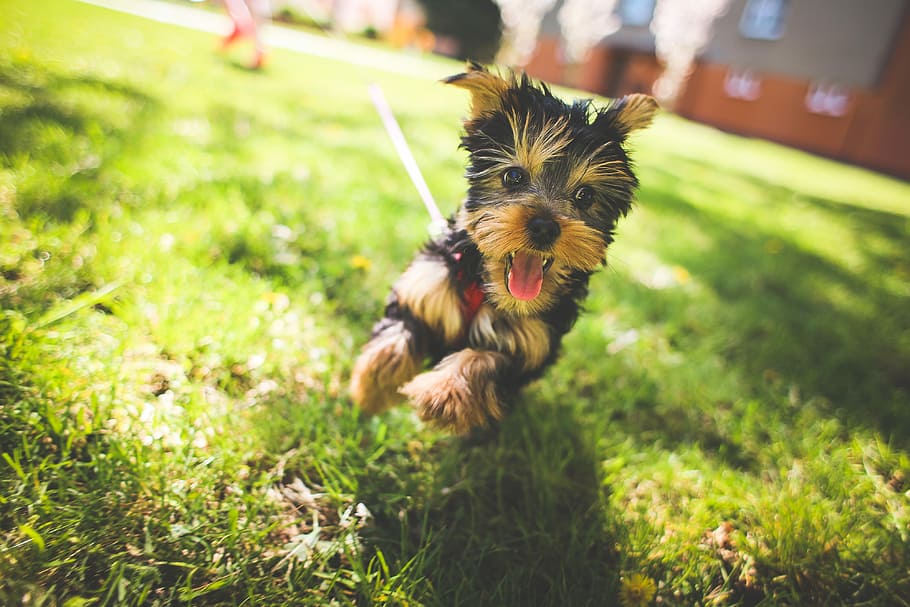
Small black and brown dog running in a grass yard

Emerald Rodriguez and Kristy Yu, two veterinary students at the Texas A&M College of Veterinary Medicine & Biomedical Sciences (CVM) and members of the Green Vets student organization, advise pet owners on what steps they can take to keep their furry friend happy while being more environmentally conscious.

Oftentimes, pet owners may be able to swap out their usual pet care products for more eco-friendly versions. For example, Rodriguez and Yu recommend that owners seek out compostable cat litter, biodegradable waste bags, and pet toys and accessories made from recycled or plant-based materials.

When pet care essentials are not offered in more sustainable options, owners can still be proactive in disposing of packaging waste responsibly.

“Pet owners can recycle empty and clean items such as aluminum cans for wet pet food and cat litter containers,” Yu said. “There are also recycling programs for certain brands of pet food bags.”

Owners may also reduce waste by donating items that their pet no longer needs. This not only keeps trash out of landfills, but also reduces the number of items that must be produced. Donating old pet care supplies to charitable organizations has the added benefit of supporting valuable causes.

“Rescues and shelters may accept donations of gently used pet items, including dog beds, toys, pet carriers, crates, exercise pens, collars, leashes, and bowls,” Yu said. “They might also accept household items, including newspapers, towels, and blankets. Contact your local animal shelter to learn what gently used items they will accept.”

In addition to supporting shelters and rescues by donating supplies, owners can also adopt pets from these agencies to reduce overcrowding, and spaying and neutering pets can benefit the environment by preventing overpopulation, says Rodriguez.

One significant but preventable environmental issue is large populations of feral cats and the disruptions they introduce to an environment. When pet cats are allowed outdoors, they will sometimes breed and generate populations of stray cats that disrupt local ecosystems by hunting wild birds. For this reason, pet cats allowed outdoors should be spayed or neutered and should have a bell on their collar to help lessen their success when hunting.

Although some aspects of pet care generate unavoidable waste, there are also areas in which owners can make adjustments to care for their furry friends in an eco-friendly manner. There is no reason why pet owners can’t take care of their pet and the Earth at the same time!

Pet Talk is a service of the College of Veterinary Medicine & Biomedical Sciences, Texas A&M University. Stories can be viewed on the web at vetmed.tamu.edu/news/pet-talk. Suggestions for future topics may be directed to editor@cvm.tamu.edu.