Bark Voyage: Traveling With Pets

Pet owners choosing to travel domestically while following the appropriate precautions or those planning a post-COVID adventure may be apprehensive about leaving their animal companion at home during their vacation. Carrying a critter cross-country may seem daunting, but with the proper planning, owners should be confident that they can get their furry friend where they need to go.
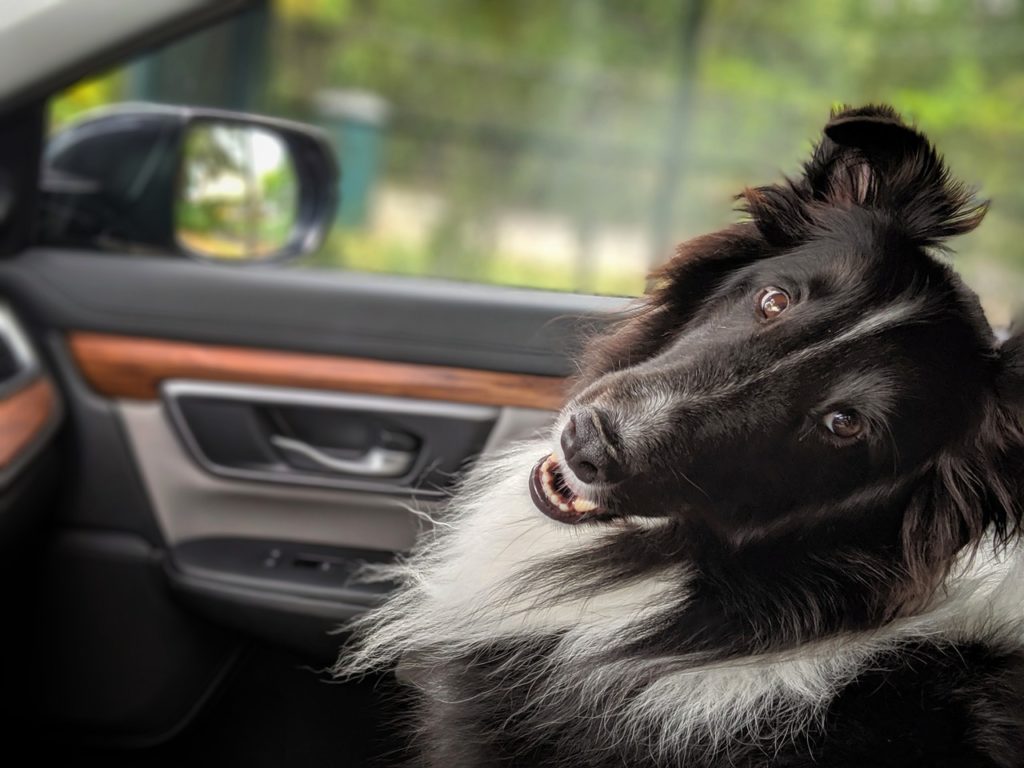
A black and white dog travels in a car

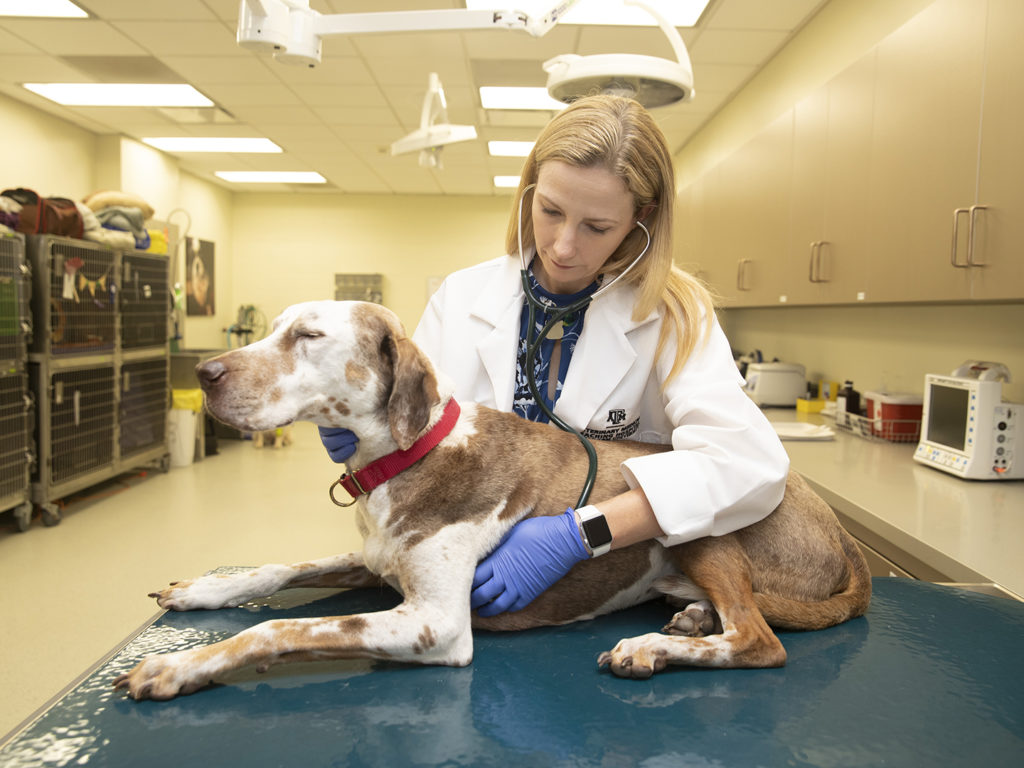
Dr. Christine Rutter, a clinical assistant professor at the Texas A&M College of Veterinary Medicine & Biomedical Sciences, says that pet owners need to notify their airline, lodging, and veterinarian of their intention to travel with their pet as early as possible. Owners should also reach out to the appropriate authorities to ensure their pet has the proper documentation.

“Technically, any transport of an animal across state lines requires a USDA health certificate issued by a USDA certified veterinarian,” Rutter said. It is best to check the specific requirements of your destination to ensure that you are in compliance with all relevant laws and regulations when you arrive.

When obtaining the proper documentation from your veterinarian, owners should ensure that their pet is up to date on all vaccinations, heartworm prevention, ectoparasite (such as fleas and ticks) prevention, has a registered microchip with current contact information, and has a legible tag on their collar or harness. Tags should include a pet’s name, an emergency phone number, and any pertinent medical information.

“If your pet receives daily medications, be sure you have enough to last through your trip and ask your veterinarian if it would be worth having a paper copy of prescriptions in case medications get lost,” Rutter said.

Owners of pets who rely on a medical device, such as a glucose monitor or pacemaker, should speak with their veterinarian about what resources are available near their destination. If your pet struggles with anxiety or motion sickness, ask your veterinarian how to best accommodate their needs during travel.

“Many of our pets don’t live terribly exciting lives when it comes to travel, so the hustle and bustle of travel can come as a real shock,” Rutter said. “Weeks before you travel, familiarize your pet with the crate or carrier that they will be traveling in. Hiding treats or feeding your pet in the carrier, providing a comfortable bed in the carrier, and going on short drives in the car (full of praise!) in the carrier can help make the travel experience less scary.”

Rutter also recommends keeping your pet in a travel crate or carrier when they are unattended in a new environment. This keeps your pet out of mischief and ensures that your pet is in a safe and familiar place. 

Owners can also help foster a familiar environment for their pet by using the same litter their cat uses at home when traveling, and by feeding them a consistent diet. Avoiding the introduction of new food and treats while traveling may also reduce the risk of digestive incidents.

Most importantly, Rutter recommends that pet owners anticipate the needs of their furry friend and prepare for emergencies. This includes carrying waste bags, water, time-sensitive medications, and at least a small portion of your pet’s food. Owners should also be aware of airport pet relief areas, as applicable.

Owners may wish to research where local emergency veterinary centers are along their route or near their destination. They may also wish to purchase pet insurance for their animal and should keep their policy on-hand when traveling. If possible, include insurance information on your pet’s collar or harness tag.

Finally, Rutter reminds owners that their furry friend may behave differently when exposed to the stressors of travel. Be sure your pet wears a collar or harness with a tag at all times while traveling in case of escape attempts. Fearful pets may also bite, so give your pet ample time to acclimate to new environments before challenging them with meeting new people and other animals, and ensure that they are properly monitored.

Although traveling with pets requires additional preparation and consideration of their special needs, it is possible to transport your furry friend safely and comfortably to wherever they need to go.

Pet Talk is a service of the College of Veterinary Medicine & Biomedical Sciences, Texas A&M University. Stories can be viewed on the web at vetmed.tamu.edu/news/pet-talk. Suggestions for future topics may be directed to editor@cvm.tamu.edu.
CVMBS Professor Murphy Elected To World’s Largest Scientific Society

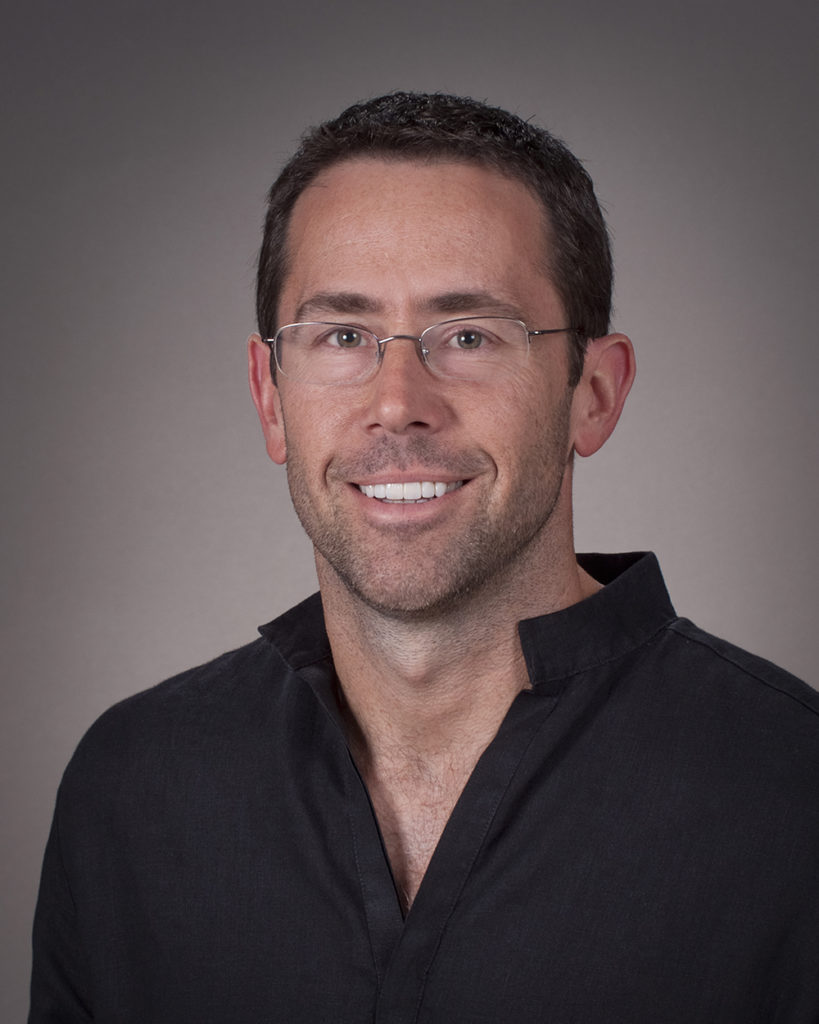
AAAS fellow Dr. William Murphy headshot
Dr. William Murphy

Dr. William Murphy, a professor in the Department of Veterinary Integrative Biosciences (VIBS) at the Texas A&M College of Veterinary Medicine & Biomedical Sciences (CVMBS), was recently named a fellow by the American Association for the Advancement of Science (AAAS), the world’s largest multidisciplinary scientific society and a leading publisher of cutting-edge research through its Science family of journals.

Murphy was elected for distinguished contributions to the field of comparative genomics, particularly for mammalian chromosome and felid evolution advances, according to the AAAS announcement.

“I feel very honored and humbled to have been selected by AAAS as a fellow,” Murphy said. “I owe many thanks to many supportive mentors, collaborators, and colleagues throughout my career.”

VIBS colleague, professor Dr. Leif Andersson, said that Murphy was a deserving candidate for the fellowship.

“It is a very well-deserved honor for Dr. Murphy to become an AAAS fellow due to his outstanding contributions to genome biology,” Andersson said.

Dr. David Threadgill, a university distinguished professor at the Texas A&M College of Medicine and AAAS Fellow himself, said Murphy is more than deserving of the recognition.

“Being elected an AAAS fellow is a prestigious achievement,” Threadgill said. “It shows recognition of impactful scholarship in science that transcends fields, which is certainly true of Dr. Murphy.

“Dr. Murphy has clearly established himself as a leading authority in comparative genomics of mammalian evolution,” he said. “Not only has he produced the foundation for the field, (but) he has recently expanded the application of his pioneering work to provide a focused view of felid evolution. These advances will no doubt be profoundly impactful for understanding how mammals evolved and, more importantly, how changing ecosystems may impact species preservation and future evolutionary adaptations.”

Earlier this year, Murphy was named a Chancellor Enhancing Development and Generating Excellence in Scholarship (EDGES) Fellow by The Texas A&M University System as well as being named a University Professor.

Fellow Aggie Fellows

He is among 489 scientists, engineers, and innovators, including five others from Texas A&M University, who will be inducted during the AAAS virtual meeting in February 2021.

“Congratulations to our 2020 class of AAAS Fellows,” Texas A&M Vice President for Research Mark A. Barteau said. “Each of these outstanding faculty members has made significant contributions to the advancement of science around the world, as well as to The Texas A&M University System, Texas A&M, and our research missions.”

The other 2020 AAAS Fellows from Texas A&M University are:

  • Harold Boas, Regents Professor, Department of Mathematics, College of Science
  • David Cairns, department head and professor, Department of Geography, College of Geosciences
  • Paul Hardin, University Distinguished Professor, Department of Biology, College of Science
  • Ravi Kumar, professor, Department of Pharmaceutical Sciences, College of Pharmacy
  • Karen Wooley, University Distinguished Professor and holder of the W.T. Doherty-Welch Foundation Chair, Department of Chemistry, College of Science

###

For more information about the Texas A&M College of Veterinary Medicine & Biomedical Sciences, please visit our website at vetmed.tamu.edu or join us on FacebookInstagram, and Twitter.

Contact Information: Jennifer Gauntt, Director of CVMBS Communications, Texas A&M College of Veterinary Medicine & Biomedical Sciences; jgauntt@cvm.tamu.edu; 979-862-4216

It’s A Wrap: Pet-Safe DIY Toys And Treats

The holiday season is a time to show appreciation to our loved ones, both people and pets. Handmade toys and treats are a wonderful way to do so and allow owners to avoid busy stores during the pandemic, to ensure their gift is pet-safe, and to add a personalized DIY touch.

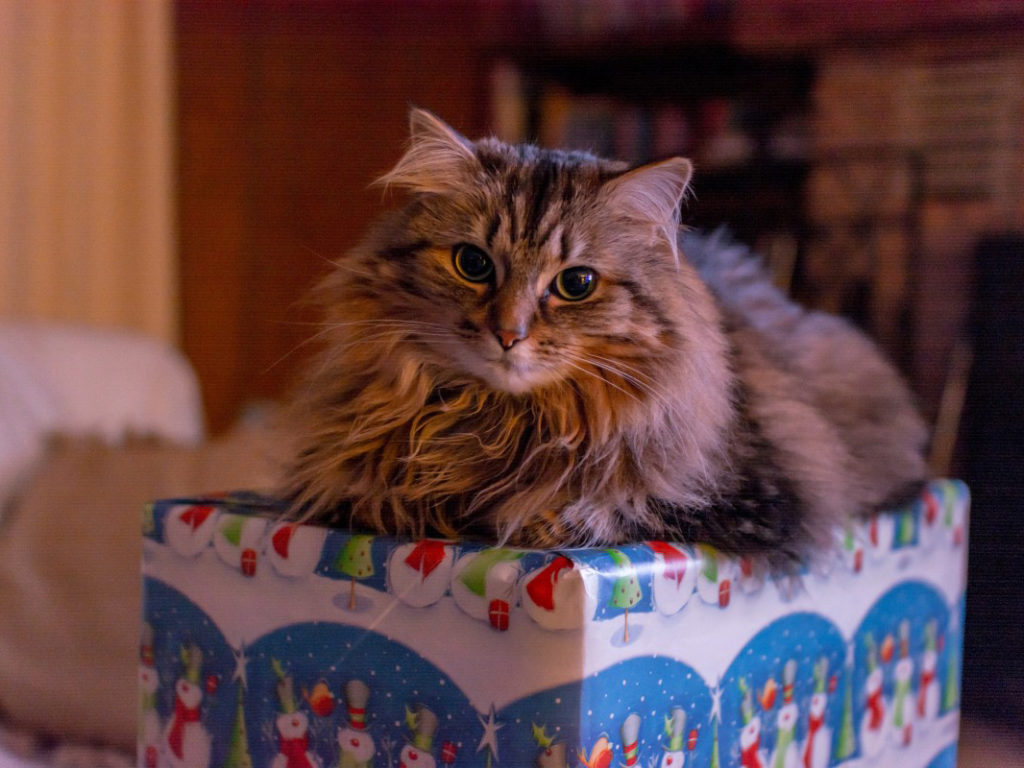
a cat sits on top of a Christmas gift

Courtney Markley, a veterinary student ambassador at the Texas A&M College of Veterinary Medicine & Biomedical Sciences, offers some ideas for pet-safe holiday fun that can be found around your home.

Pet-Approved Treats

While the roast Fido may reach for during your holiday dinner can cause gastrointestinal issues, pet owners can provide safe and tasty treats as alternatives that hit the spot for their pooch. Markley offers up two holiday recipes that dog owners can make from pantry staples:

Holiday Ice Cream Treats for Dogs

  1. Blend together 3 ripe bananas, 32 oz plain yogurt, and 1 cup peanut butter.
  2. Pour mixture into holiday shaped ice cube trays.
  3. Freeze.

“Rub coconut oil on the ice cube tray before adding the mixture to make getting them out easier,” Markley recommends.

For a more traditional treat, owners can make pet-safe holiday cookies for their dog to enjoy.

Peanut Butter Holiday Cookies for Dogs

  1. Grease a cookie sheet with coconut oil.
  2. Mix together 1 cup flour (or wheat flour), ½ cup oats, 1 egg, 1/3 cup peanut butter, 1 mashed banana, and 1 tablespoon honey.
  3. In a separate cup, lightly beat 1 egg white.
  4. Roll out the dough to ¼ inch thick on a floured surface.
  5. Use holiday cookie cutters to cut into desired shapes.
  6. Place on cookie sheet and brush with the egg white.
  7. Bake at 300 degrees until golden and firm, about 35 minutes.

Terrific Toys

For a more permanent gift, pet owners can make low-cost, but high-fun, toys out of common household items. For dogs, Markley says all pet owners need to make a festive toy is a holiday themed sock and a tennis ball.

“Place an old tennis ball inside a holiday sock and tie a knot in the sock just above the ball,” she said. “These toys are fun to throw long distances and for tug of war!”

Cat owners can also get in on the fun. For a simple, but effective, toy, pet owners can decorate empty toilet paper rolls with a holiday theme and cut fringe on the edge of the roll or shapes out of the middle.

“If you have an old mitten or a mitten that’s missing its mate, you can pour cat nip into the glove and hand sew it closed with a simple stitching pattern,” Markley said. Your feline friend won’t be able to keep their paws off of it!

Keepsakes For Pet Parents

Owners also can make a holiday decoration for themselves to remember the merry season spent with their pet. Markley offers a recipe for a simple salt dough that can be stamped with your pet’s paw and baked to harden.

Pawprint Ornaments

  1. Mix together 2 cups flour, 1 cup salt, and 1 cup of water by hand until a dough is formed.
  2. Roll out the dough to ½ inch thick and smooth out the top.
  3. Use cookie cutters or free hand a design in the dough into whatever shape you desire.
  4. Gently and firmly press your pet’s paw into the dough until you can see the impression of the paw on the dough.
  5. IMPORTANT: thoroughly rinse the paw to remove any dough that may have stuck to it. Alternative: use your own fingers to create a paw shape in the dough.
  6. Use a straw to create a hole at the top for the ribbon.
  7. Bake at 250 degrees for about 2 hours until it is hardened.
  8. Cool overnight and then decorate with paint, markers, or whatever you have available.
  9. Attach a ribbon through the hole to hang it.

It is important that owners do not allow their pet to eat the dough or the baked ornament because the quantity of salt will make them sick.

There is plenty of holiday fun to be found at home this season. By using common household items and a bit of creativity when crafting gifts, pet owners can help their animals have a happy holiday without ever needing to brave the cold!

Pet Talk is a service of the College of Veterinary Medicine & Biomedical Sciences, Texas A&M University. Stories can be viewed on the web at vetmed.tamu.edu/news/pet-talk. Suggestions for future topics may be directed to editor@cvm.tamu.edu.
Texas A&M Superfund Research Center Hosts Annual Program Meeting, More Than 650 Attendees

More than 650 people from across the United States attended the 2020 Annual Meeting of the National Institute of Environmental Health Sciences’ (NIEHS) Hazardous Substance Basic Research and Training Program (Superfund Research Program) on Dec. 14-15, during which researchers from across the country came together to showcase and discuss the latest research and accomplishments in environmental health and biomedical sciences.

Text reads virtual NIH/NIEHS SRP 2020 Annual Meeting, December 14-15, 2020, SRP2020.org

The Superfund Research Program provides practical, scientific solutions to protect health, the environment, and communities.

As part of the NIEHS, an institute of the National Institutes of Health (NIH), the Superfund Research Program works to learn more about ways to protect the public from exposure to hazardous substances, such as industrial solvents, arsenic, lead, and mercury. These and other toxic substances are found in contaminated water, soil, and air at hazardous waste sites throughout the U.S.

The NIEHS-funded Superfund Center at Texas A&M University was the host for the program-wide meeting. Originally scheduled to be an in-person even held at the Texas A&M Hotel and Conference Center, the meeting was converted to a virtual format, with the original program kept largely intact.

This event attracted twice the number of the usual university-hosted annual meeting, with 672 registered participants and 264 abstracts submitted by scientists at more than 30 U.S. universities. In addition, more than 170 trainees presented their posters in four sessions and 11 trainees gave oral presentations.

This year, the meeting focused on two themes.

Day one addressed hazardous substance exposures at the community level and the solutions offered by the Superfund Research Program.

Juan Parras and Nalleli Hidalgo, from Texas Environmental Justice Advocacy Services (t.e.j.a.s.), detailed the work of their non-profit in marginalized communities in Southeast Texas that suffer from a high burden of environmental injustice. They also presented a “Toxic Tour” around several residential areas in Houston.

A discussion after the presentation centered on the partnerships between t.e.j.a.s. and Texas A&M scientists, including those in the Superfund Center.

Additionally, oral presentations by four trainees described examples of community-informed research at other Superfund Centers across the country and how the science is translated to addressing environmental health vulnerabilities of disadvantaged communities.

Day two was focused on the Superfund-funded science that is meeting the challenges of environmental protection in the 21st century. Recent advances in biomedical and environmental science, including data science, opened new frontiers in the ability of scientists and decision-makers to better characterize exposures and their potential adverse health effects.

Dr. Russell Thomas, of the U.S. Environmental Protection Agency (EPA) presented a keynote address on the agency’s path toward more rapid, efficient, and protective chemical testing with fewer animals.

Additional trainee presentations detailed data science-driven research projects that address the challenges of environmental protection within 21st-century science.

In spite of the challenges and hardships due to the Covid-19 pandemic, the Superfund Research Program remains strong and delivers results that are used by a wide range of stakeholders, from the impacted communities to regulatory agencies.

###

For more information about the Texas A&M College of Veterinary Medicine & Biomedical Sciences, please visit our website at vetmed.tamu.edu or join us on FacebookInstagram, and Twitter.

Contact Information: Jennifer Gauntt, Director of CVMBS Communications, Texas A&M College of Veterinary Medicine & Biomedical Sciences; jgauntt@cvm.tamu.edu; 979-862-4216

Texas A&M Veterinary Students Help Treat Cold-Stunned Sea Turtles

A sea turtle is held up as Pearson examines it
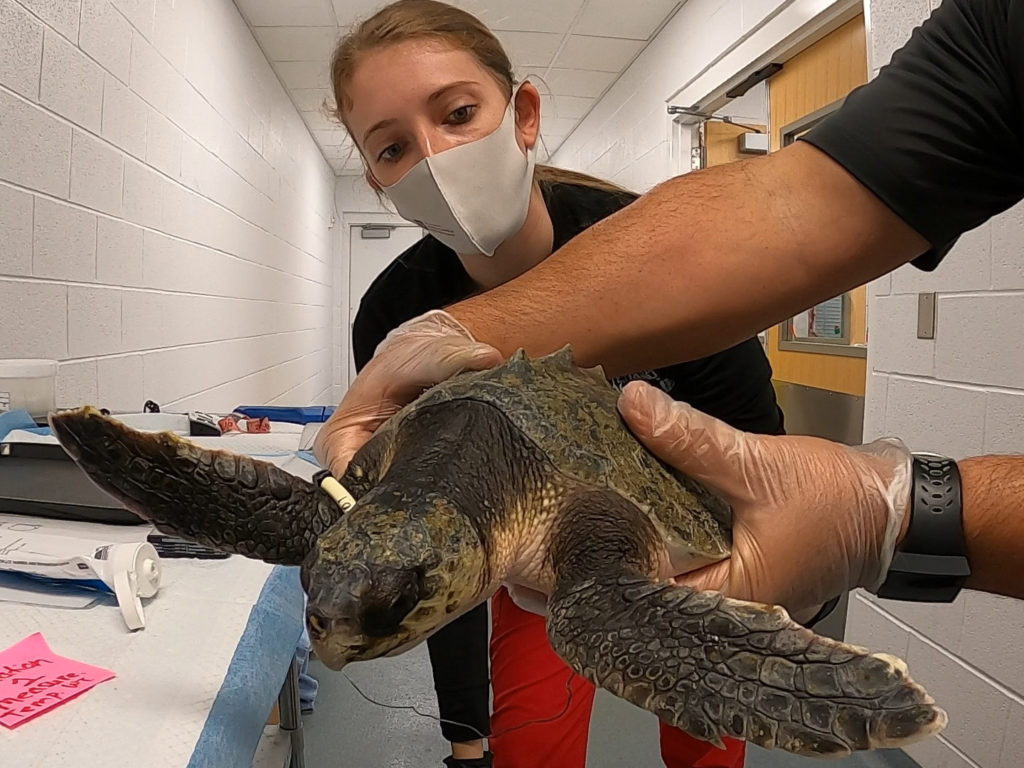
Melanie Pearson examines one of the 20 sea turtles the aquarium took in. (Photo by Texas State Aquarium)

Two Texas A&M College of Veterinary Medicine & Biomedical Sciences (CVMBS) veterinary students had the rare opportunity to care for endangered sea turtles found on Massachusetts beaches suffering from hypothermia and other complications.

On Dec. 7, more than 120 cold-stunned turtles were found in Cape Cod, Massachusetts. Because there were too many for the local New England Aquarium to treat on its own, the majority of the turtles were flown the same day to accredited facilities under the Association of Zoos and Aquariums for further care and conservation efforts.

Twenty of these turtles were brought to the Texas State Aquarium’s Wildlife Rescue Center in Corpus Christi, where fourth-year veterinary student Melanie Pearson was doing an externship to learn more about aquarium and wildlife medicine. She was joined on that Monday by third-year veterinary student Kaitlyn Upton, who volunteered to help care for the turtles.

The two students worked with the aquarium’s veterinary team, which included Dr. Taylor Yaw ’14 and veterinary technologist Morgan Rosenbaum, a graduate of Texas A&M University–Kingsville’s veterinary technology program.

CVMBS associate professor Dr. J. Jill Heatley also assisted the team by bringing important blood testing and analysis equipment from College Station to collect samples and determine trace element and metal levels in the turtles.

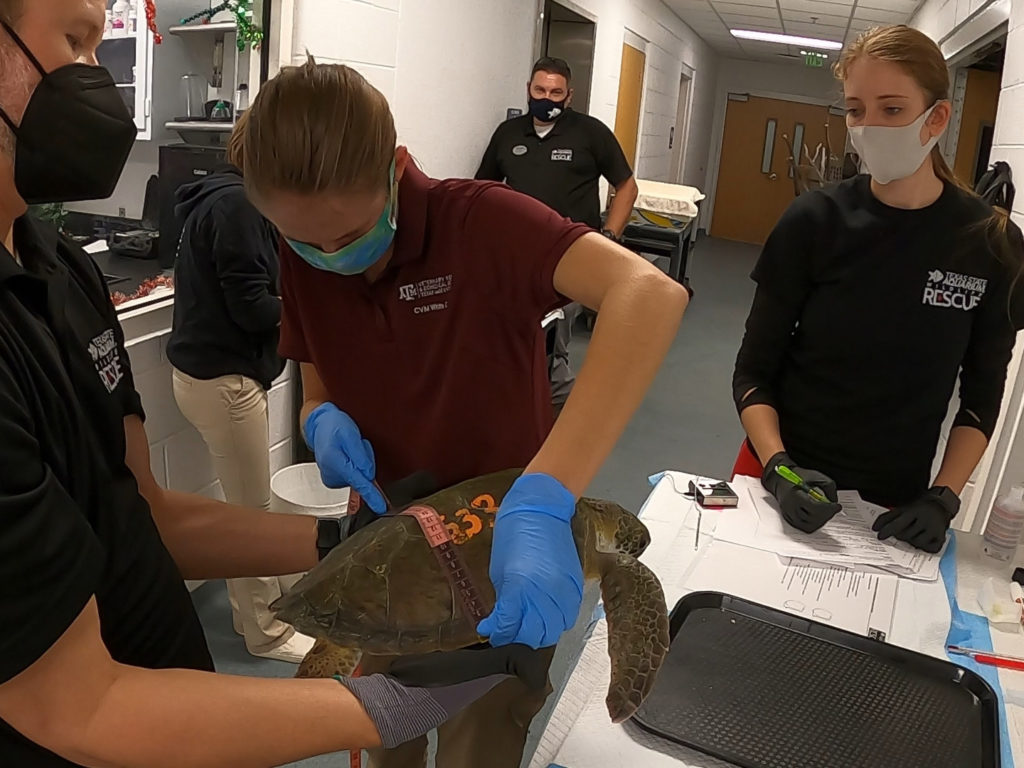
Upton measures a turtle's shell while Pearson stands nearby to record the measurements
Kaitlyn Upton measures a sea turtle’s shell while Melanie Pearson records the measurements. (Photo by Texas State Aquarium)

As soon as the turtles arrived, the team sprang into action.

“What was really important to us when they first arrived was getting blood samples from all of them, getting x-rays, doing an ultrasound, and just generally assessing their physical condition,” Pearson said. “We knew that they probably all had pneumonia and were possibly very critically ill, so we really wanted to get a complete picture immediately.

“We also wanted to get them into water as soon as possible because, anatomically, sea turtles are just not designed to be out of water for long periods of time. They can get some bruising on their plastron, or the bottom part of their shell,” she said. “So with all those things in mind, we essentially set up an assembly line.”

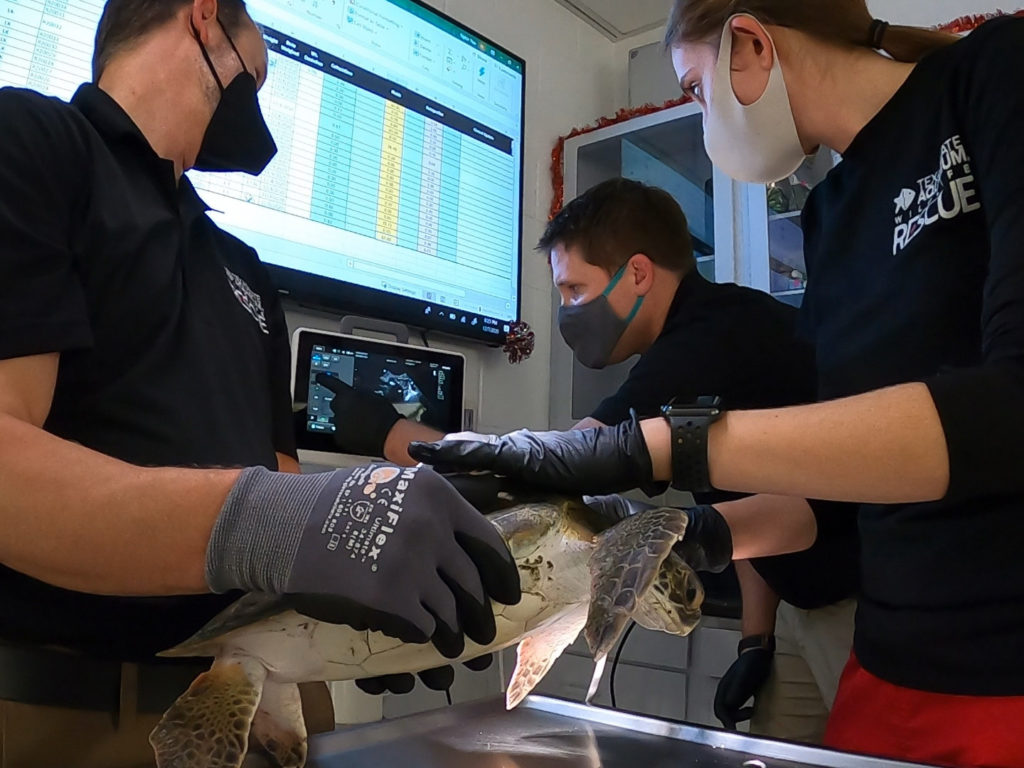
As the turtles traveled from one station to the next, they were measured and assigned a number for tracking by Upton, had blood drawn by Yaw, were x-rayed by Rosenbaum, and were given a full physical exam and ultrasound by Yaw and Pearson.

“Obviously, with ultrasound, you can’t see through the shell very well, but if you look through what you would think of as the shoulder pocket or hip pocket, you can see many different things,” Pearson said. “Dr. Yaw supervised closely but let me take the lead on a lot of it. That was probably the most exciting part for me, being able to practice those exam skills.”

Finally, the turtles received fluids to treat their dehydration and medicine to treat the pneumonia and were sent to the Wildlife Rescue Center’s pools to fully recover, a process that could take months or up to a year.

The team conducts an ultrasound on a turtle
Dr. Taylor Yaw (second from right) and Melanie Pearson perform an ultrasound on a sea turtle. (Photo by Texas State Aquarium)

While the Texas State Aquarium regularly treats endangered wildlife, it is not as common of an experience for veterinary students. According to Pearson, being able to directly help endangered animals was an amazing aspect of her externship.

“I’ve worked with wildlife and endangered species before but lately it hasn’t been as much on my mind because I’ve been so focused on getting through veterinary school,” she said. “This whole experience has completely rekindled my passion for it and for my desire to work with wildlife species that have the chance to be released back into the wild after treatment. My goal is to continue to make that a part of my career as I move forward.”

In addition to the joy that comes with helping wildlife, Pearson was excited to work with a team of Aggies and Rosenbaum, a longtime friend.

“This externship is definitely one of my favorites, if not my absolute favorite, in part because of the team,” Pearson said.

“Veterinarians wouldn’t be able to do what they do without veterinary technicians, and Morgan’s living proof of that,” she said. “I learn a lot from her, with all of the knowledge she has about the field since she’s been out in it while I’ve been in school. I also can’t say enough good things about A&M–Kingsville and the education she got there.

“Dr. Yaw is also one of my favorite veterinarians I’ve had the opportunity to work with this year,” Pearson continued. “Every time we do something, he’s quizzing me on everything from anatomy to pharmacology. He’s just an incredible teacher and I feel like I’m learning something new every day.”

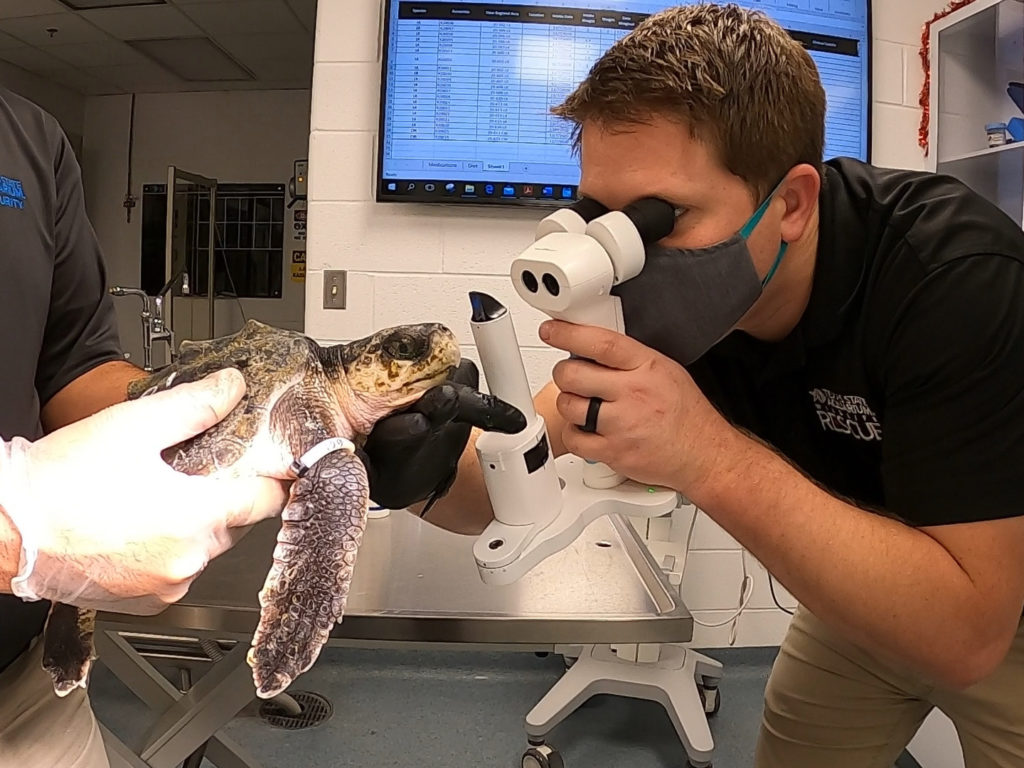
Yaw looks at a turtle's face through ophthalmology equipment
Dr. Taylor Yaw examines a sea turtle’s eyes. (Photo by Texas State Aquarium)

Likewise, according to Yaw, training students is a valuable and rewarding aspect of his job at the aquarium.

“Since arriving at the Texas State Aquarium and Wildlife Rescue program, it has been a personal mission to get our veterinary and veterinary technology student programs up and running so that we can actively be a part of training the next generation of aquarium and wildlife medical professionals,” Yaw said. “Getting to work with Aggie students has really come full circle for me here at the aquarium and wildlife rescue. It was only a few years ago that I was sitting in their shoes, as I too traveled to Corpus Christi as a student to learn more about aquatic animal and wildlife medicine.

“The students are always so energetic and excited; for many, it is their first time working with many of the species we provide medical care,” he said. “Melanie and Kaitlyn were a huge help during this cold stun event and their excitement was contagious. We only get to have the students for a short time, but the work we do as a team is so intensive and involved that we really get to know each student on a personal level and consider them a part of our larger aquarium family.”

###

For more information about the Texas A&M College of Veterinary Medicine & Biomedical Sciences, please visit our website at vetmed.tamu.edu or join us on FacebookInstagram, and Twitter.

Contact Information: Jennifer Gauntt, Director of CVMBS Communications, Texas A&M College of Veterinary Medicine & Biomedical Sciences; jgauntt@cvm.tamu.edu; 979-862-4216

Two CVMBS Faculty Members Receive AFS College-Level Teaching Awards

The Texas A&M Association of Former Students (AFS) has recognized two College of Veterinary Medicine & Biomedical Sciences (CVMBS) faculty members with College-Level Teaching Awards for their talent, expertise, and devotion to conveying knowledge to students.

Drs. Jordan Tayce, an instructional associate professor in the CVMBS’ Department of Veterinary Integrative Biosciences (VIBS), and Andra Voges, a clinical professor in the Large Animal Clinical Sciences Department (VLCS), were announced as the 2020 recipients of the award during the CVMBS Town Hall on Dec. 10.

The College-Level Teaching Awards were presented by Kathryn Greenwade ’88, AFS vice president for Communications and Human Resources.

Jordan Tayce

Dr. Jordan Tayce headshot
Dr. Jordan Tayce

Tayce teaches Professional and Clinical Skills courses for veterinary students, helping them learn some of the most fundamental skills for their careers in veterinary medicine.

“In addition to his teaching responsibilities, he has made a tremendous impact on curriculum development through course design services for the college,” Dr. John August, CVMBS dean, said during the town hall.

Tayce also serves as the associate director for the Center for Educational Technologies (CET), which creates high-impact, interactive teaching programs designed to address today’s educational challenges.

For his work with the CET, Tayce helps design, develop, and deploy innovative educational courseware for the college’s professional veterinary program.

“Dr. Tayce has been instrumental in the early development and continued success of the Center for Educational Technologies at the CVMBS,” August said.

Tayce was previously recognized with the CVMBS’ Bridges Teaching and Service Award in 2015.

Andra Voges

Voges updated image
Dr. Andra Voges

As an expert in diagnostic imaging and ultrasonography, Voges plays a key role in the education of veterinary students and the treatment of patients at the Veterinary Medical Teaching Hospital (VMTH).

“Dr. Voges has developed a truly unique teaching program that blends a clinical service with practical, real-world concepts, creating unique educational and research opportunities for our veterinary students,” August said.

When Voges joined the CVMBS in 2015, she was instrumental in the college’s work to incorporate more diagnostic imaging into the veterinary curriculum.

“Dr. Voges saw an opportunity and now both ultrasonography and diagnostic imaging have been integrated into the professional program curriculum, which is critical in preparing the clinical skills of the veterinarians of tomorrow,” August said.

Voges was previously recognized with the CVMBS’ Juan Carlos Robles Emanuelli Teaching Award in 2019.

###

Story by Megan Myers, CVMBS Communications

For more information about the Texas A&M College of Veterinary Medicine & Biomedical Sciences, please visit our website at vetmed.tamu.edu or join us on FacebookInstagram, and Twitter.

Contact Information: Jennifer Gauntt, Director of CVMBS Communications, Texas A&M College of Veterinary Medicine & Biomedical Sciences; jgauntt@cvm.tamu.edu; 979-862-4216

Deck The Paws: Ensuring A Pet-Safe Holiday Home

The holiday season is a favorite time of year for many who transform their homes with festive decorations, bake winter treats, and open their doors to guests. Because these traditions introduce new variables into their furry friend’s environment, pet owners should be aware of any potential hazards that might arise.

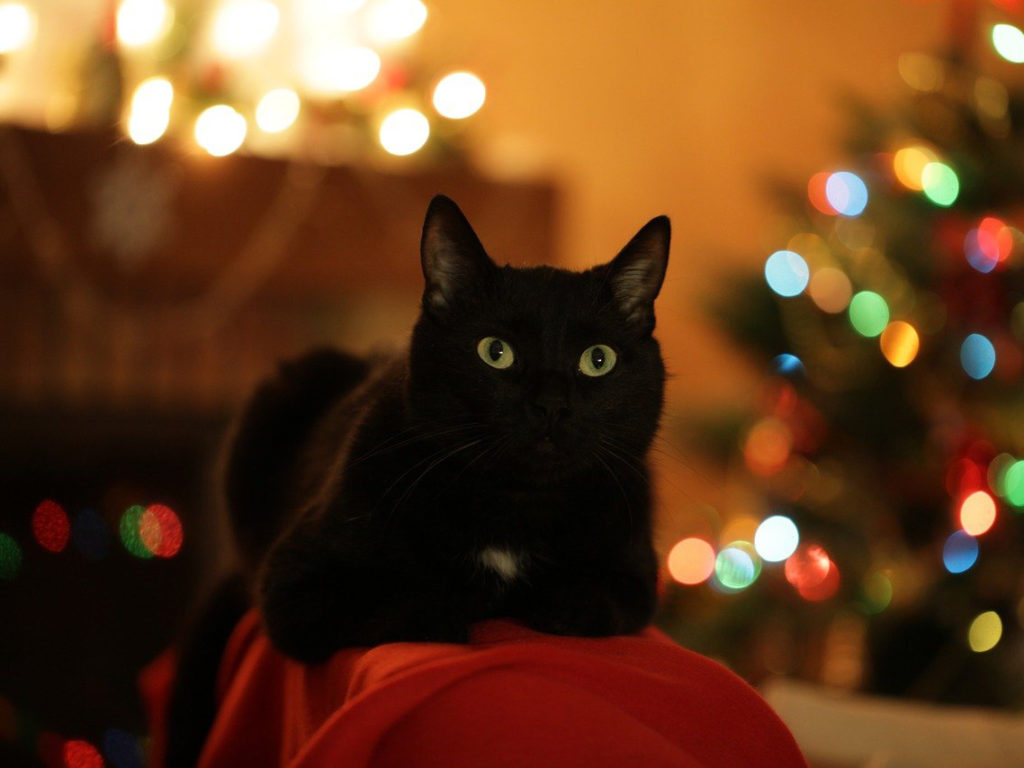
A black cat in front of blurred holiday lights

Dr. Lori Teller, an associate professor in the Texas A&M College of Veterinary Medicine & Biomedical Sciences, says that owners adding a floral touch to their holiday decorations should be mindful of which plants they select. Lilies, European mistletoe, amaryllis bulbs, and pine needles can all cause serious health complications if consumed.

“In general, they can cause oral irritation and may cause your pet to salivate and drool. Excessive quantities can lead to gastrointestinal upset,” Teller said. “It is a myth that poinsettias are toxic to pets.”

Other holiday decorations pet owners should avoid include candles, which may burn pets or cause a serious fire if knocked over, and liquid potpourri, which is extremely toxic to cats. If your pet is a curious climber, consider anchoring your Christmas tree to a wall or ceiling to avoid falling and sharp broken ornaments.

When opening gifts, keep in mind that batteries are toxic to pets and should be kept out of reach. Any decorative elements containing string, such as ribbons or tinsel, may also cause an obstruction if ingested.

“Ornaments made from food, like popcorn balls, can also be a source of danger. Hang these ornaments well out of reach,” Teller said. “When putting presents under the tree or around the fireplace, make sure that any gift-wrapped food items are out of reach.”

Pets hunting for a holiday snack may also be at risk.

Chocolate, especially dark and baking chocolates; raisins; bones; alcohol; and fatty foods can all cause serious issues. Macadamia nuts can cause neurologic problems in pets as well. Anything that contains xylitol, an artificial sweetener found in many foods from gum to peanut butter, is toxic to dogs, leading to acute liver failure and death if not treated immediately.

“Normally, raw dough is a seasonal problem during the holidays, but this year there has been an exponential increase in the number of yeast and dough intoxications because so many people have been perfecting their baking skills during the pandemic,” Teller said. “Don’t stop baking your delicious goodies—just keep the raw versions away from your pets!”

Pet owners choosing to host a holiday gathering should be mindful of whether their animal enjoys company. Pets that prefer to keep to themselves should be confined to a quiet area of the home with a comfortable place to rest. Owners can leave on a radio or TV to help mask the noise from a party and provide a favorite toy.

If a pet is known to become excessively nervous when guests visit, owners can reach out to their veterinarian to discuss remedies that may alleviate anxiety. These may include pheromones or some medications. Some people may opt to board their pet at a kennel.

“If your pet enjoys a good get-together, make sure to keep it away from doors that are frequently opened so that you don’t have to worry about your pet getting loose in all of the excitement,” Teller said. “Just in case, make sure your pet is wearing a collar and identification tag and that it has a microchip that is registered with your current information in a microchip database. Advise guests not to slip treats to your pet as well.”

During the season of gratitude and family, many pet owners may wish to include all of their loved ones, human and animal, in their celebrations. Creating a pet-safe environment ensures that both owners and their furry friends can enjoy the holidays worry-free.

“Our pets have played a huge role in our lives, especially during the pandemic. Be sure you take some time to give them extra attention,” Teller said. “That will be the best gift of all.”

Pet Talk is a service of the College of Veterinary Medicine & Biomedical Sciences, Texas A&M University. Stories can be viewed on the web at vetmed.tamu.edu/news/pet-talk. Suggestions for future topics may be directed to editor@cvm.tamu.edu.
Texas A&M Veterinarians Reach Underserved Areas With New Telehealth Project

A new, collaborative telehealth project at Texas A&M University is improving access to mental health resources and veterinary medical care in underserved areas surrounding Bryan-College Station.

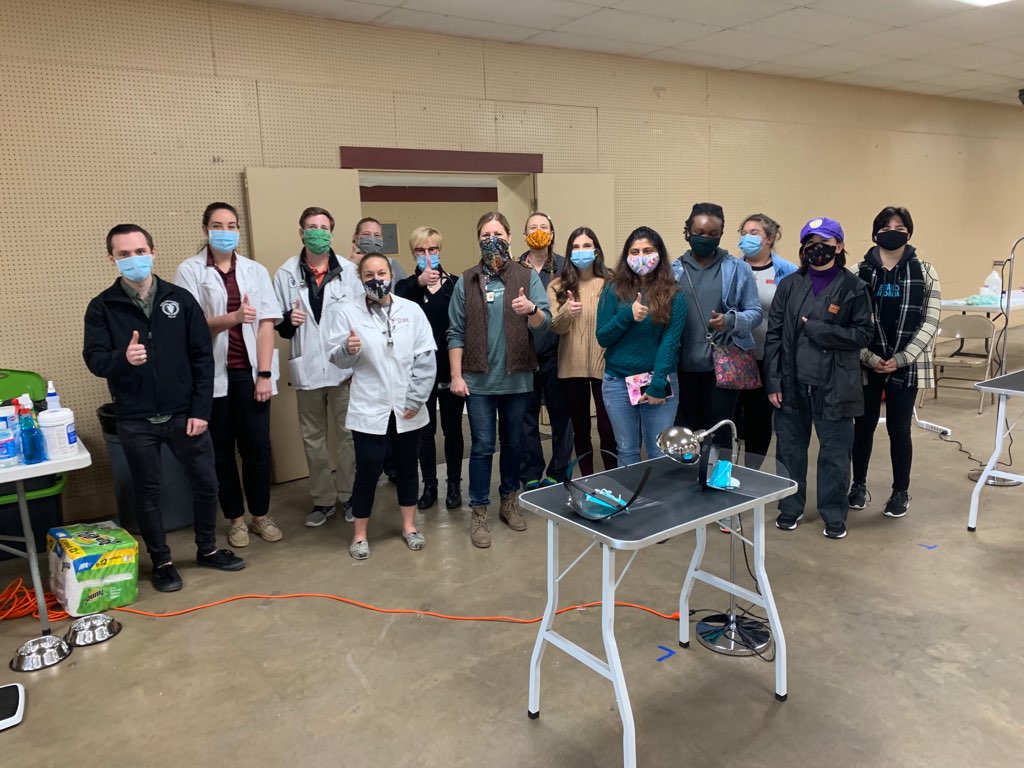
A group of Texas A&M students, faculty, and staff in masks
The Texas A&M team during their first visit to Brenham.

Jeremy Kenny, Veterinary Innovation & Entrepreneurship program manager in Texas A&M’s College of Veterinary Medicine & Biomedical Sciences (CVMBS); Dr. Lori Teller, director of the Texas A&M Veterinary Medical Teaching Hospital’s (VMTH) Virtual Vet telemedicine program; Dr. Carly McCord, director of the Health Science Center’s (HSC) Telebehavioral Care (TBC) clinic; and Dr. Ray Pentecost, a healthcare design expert from the College of Architecture, have joined forces to serve people in nearby communities who otherwise might not be able to access these lifesaving resources.

Getting Started

The idea for the project began two years ago, when Kenny joined the CVMBS with the goal of expanding the college’s use of telemedicine.

Noting the success of McCord’s TBC clinic, which provides mental health resources and counseling to local people facing barriers to health care, the team decided to explore the potential of creating a similar strategy for veterinary medicine.

“We sat down and quickly came up with this idea—that some of the mental health patients Dr. McCord was serving probably have pets as well. If they are unable to access care for their own mental health concerns, their pets probably aren’t getting the veterinary care they need either,” Kenny said. “So, we thought, what if we could partner to bring telehealth veterinary care to these people’s pets in much the same way that they’re able to get their own mental health care?”

They discovered the perfect funding opportunity for their project through the Texas A&M School of Innovation’s Innovation[X] grant, which brings together faculty, graduate, and undergraduate students from across campus to address real-world issues.

“The grant opportunity served as the catalyst for organizing our thoughts, because we needed to include students and meet all of these parameters that we hadn’t discussed yet,” Kenny said. “Once the grant opportunity came about, everything just fell into place.”

The four submitted their project, “Using Telehealth to Improve Access to Care for Humans and Animals in Underserved Areas,” and were awarded $20,000 for the first year, which would focus on the Brenham community.

How It Works

The Texas A&M team at work in Brenham.

Before the CVMBS could begin offering veterinary care via telemedicine, pets owned by participants in McCord’s Brenham TBC clinic needed to be examined in-person to establish a Veterinarian-Client-Patient Relationship (VCPR) to comply with current veterinary telehealth laws.

“We realized it could be a great opportunity for fourth-year veterinary students on a primary care rotation to take a trip down to Brenham for a day and perform wellness exams on a variety of animals,” Teller said. “This would set up a VCPR with those animals so we could follow up with them via telemedicine for the next year.”

On Oct. 30, a group of students and faculty members from the CVMBS, HSC, and College of Architecture traveled to Brenham to hold their first “pop-up” wellness clinic. The group, which included faculty members Drs. Lori Teller and James Bilof, veterinary technicians Beki Davis and Laura Tompkins, and three fourth-year veterinary students on clinical rotations at the VMTH saw 12 dogs and one cat during the four-hour clinic.

“By all accounts, it was a success,” Teller said. “The three students really got a lot out of it, and I think they appreciated the opportunity to get hands-on experience with the animals and interact in-person with the clients, with all appropriate precautions. It was a joy to watch them get to work.”

“This experience reminded me of the importance pets hold; they provide a sense of companionship and community,” said James McNew, one of the fourth-year veterinary students who attended the “pop-up” clinic. “The individuals that I worked with were even brought to tears telling me how grateful they were for our services and how they wished they had the means to take their pets to the vet.

“It was truly humbling to be able to provide preventative care to pets through this grant,” McNew said. “It is a reminder and even a lesson that no assumptions should be made about the care someone provides their pet and why they make those decisions. It was an honor to be a part of this project and make a difference in the lives of both these pets and their owners.”

The students vaccinated all 13 animals, performed heartworm tests on the dogs, and addressed skin conditions and other minor health issues. They referred clients to local veterinarians for bigger concerns and dispensed medications for common conditions, with help from two Texas A&M pharmacy students who also work in the VMTH Pharmacy.

“We were grateful for the Pharmacy students’ help,” Teller said. “They printed labels for medications dispensed and verified doses. When they enter the pharmacy profession, they will have a great appreciation for what veterinarians do because they got to see it live and share in the experience.”

In addition to benefiting all of the students in attendance, the “pop-up” clinic was greatly appreciated by the pets’ owners.

“One client who was in a wheelchair told me, ‘I cannot get medical care for myself and I am so grateful that my dogs are being seen by a doctor today. My dogs are my life. You’ve made my day—no, my week—no, my month,’” Teller recalled.

Future Impacts

As the project continues, the VMTH will conduct telemedicine visits with the owners of the pets they treated in Brenham to address ongoing health concerns.

In addition to directly helping the pets, the project will have lasting impacts on both human and veterinary medicine through the data it provides on telemedicine and, because the pet owners usually participate in McCord’s TBC clinic, the role pets play in mental health.

“Through all of this, we plan to be able to generate a lot of data that shows the efficacy of telehealth and why it’s beneficial,” Teller said. “But we also want to help provide more support for the human-animal bond research that currently exists.

“We know through the various research and statistics that have already been provided by the Human Animal Bond Research Institute that there are direct correlations between pets and their owner’s mental and physical health. The better off the pet is, the better off their owner’s health is,” she said. “So, we’re going to help their pets get better and hopefully be able to measure the positive outcomes that we’re assuming will be had on the owners’ mental health.”

By continuing to collaborate with the HSC and the College of Architecture, Kenny and Teller hope this project will expand to help even more pets and people in areas surrounding Bryan-College Station.

“Telemedicine is going to be an important part of the way veterinary care is practiced in the future,” Kenny said. “If we can start educating students now and getting them practice on the best ways to do telemedicine, it’ll certainly be beneficial to them 10 years from now when they’re out in practice and it’s much more mainstream.”

###

For more information about the Texas A&M College of Veterinary Medicine & Biomedical Sciences, please visit our website at vetmed.tamu.edu or join us on FacebookInstagram, and Twitter.

Contact Information: Jennifer Gauntt, Director of CVMBS Communications, Texas A&M College of Veterinary Medicine & Biomedical Sciences; jgauntt@cvm.tamu.edu; 979-862-4216

Seeing The Signs: What To Know About Cherry Eye In Dogs

Spotting a red bump in the corner of a pet’s eye is a concerning but not uncommon experience for many dog owners. Colloquially called “cherry eye,” this bump may be a prolapsed gland of the nictitans, also known as the third eyelid.

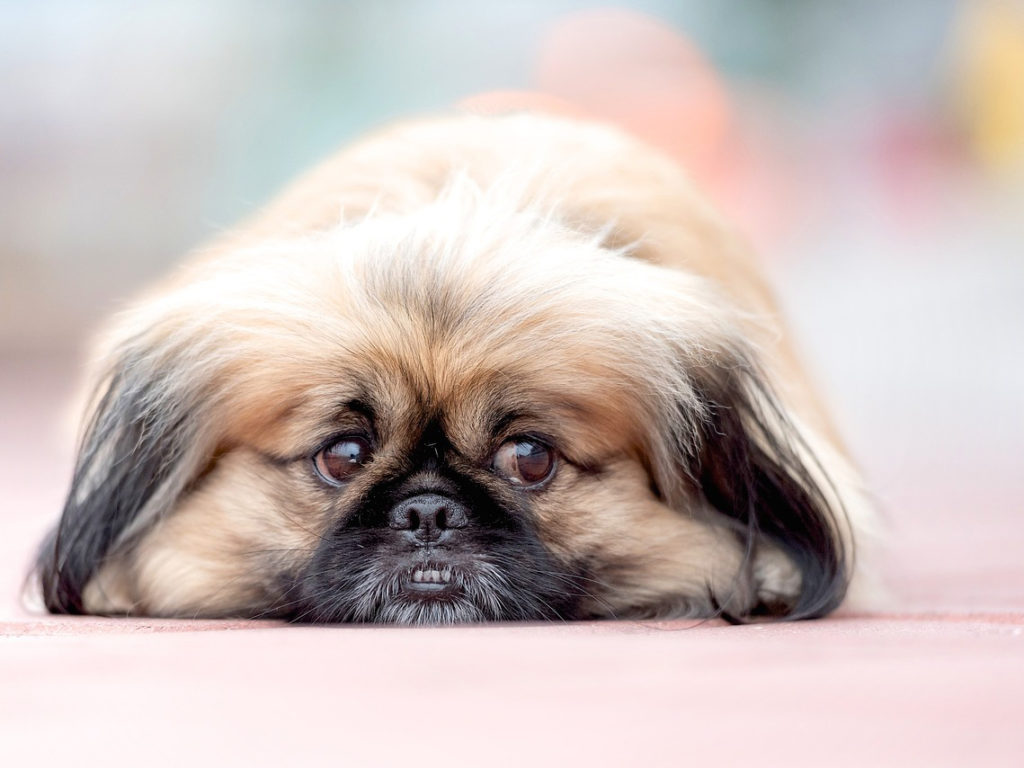
A Pekinese dog; Cherry eye pet talk

Dr. Sean Collins, a clinical assistant professor at the Texas A&M College of Veterinary Medicine & Biomedical Sciences, says that ophthalmologists don’t entirely understand why the gland of the nictating membrane sometimes protrudes from its original position but it is believed to be a result of a weakness in the connective tissue responsible for holding the gland in the correct position.

“This condition can happen to any breed of dog but is seen most commonly in certain breeds, including the American cocker spaniel, English bulldog, Lhasa apso, and the Pekingese,” Collins said.

Pet owners who spot a red swollen mass in the inner corner of their pet’s eye, large or small, should bring it to their veterinarian’s attention promptly. In addition to causing irritation to the dog, this condition can have lasting consequences when left untreated.

“Without correction, chronic prolapse can lead to conjunctivitis (pink eye) and ocular discharge (liquid coming from the eye),” Collins said. “It has also been shown that with correction, dogs are less likely to develop low tear production later in life.”

Low tear production can result in multiple problems if left untreated. In addition to pain and decreased vision, corneal ulceration may also develop, which can become infected and result in a ruptured eye. This condition responds well to tear stimulant therapy in most cases, but lifelong medication is usually required.

Your veterinarian will be able to confirm whether your pet has cherry eye and can develop a treatment plan that works best to resolve cherry eye and reduce the potential for ocular issues as your dog ages.

“Initial therapy may consist of topical anti-inflammatory therapy if local inflammation may be contributing to prolapse of the gland,” he said. “If a short course of medical therapy does not work or re-prolapse develops, surgical repositioning is indicated. There are numerous surgical techniques to reposition the gland with overall high success rates.”

If surgical treatment is required, Collins stresses that this treatment will benefit your pet in both the short- and long-term.

“Surgical repositioning is very important if initial medical therapy fails, as the gland is responsible for about 30-50% of the aqueous tear production in the dog,” he said. “We commonly see low tear production in the same breeds that develop a prolapsed gland of the nictitans. It has been shown that dogs with surgical repositioning of the gland have a lower chance of developing low tear production later on in life compared to those where the gland has been excised or remains chronically prolapsed.”

Unfortunately, there are no known preventative measures to protect against cherry eye in dogs, Collins says. This condition can develop in both eyes, usually before the age of 2. The best way pet owners can protect their furry friend is to remain vigilant in monitoring their pet’s health and to bring concerns to their veterinarian promptly in case an issue does arise.

Pet Talk is a service of the College of Veterinary Medicine & Biomedical Sciences, Texas A&M University. Stories can be viewed on the web at vetmed.tamu.edu/news/pet-talk. Suggestions for future topics may be directed to editor@cvm.tamu.edu.
Volition Launches Nu.Q™ Veterinary Cancer Screening Test In North America, At Texas A&M University

The easy-to-use, cost-effective tool, which will be offered through the Texas A&M GI Lab, represents a significant development in veterinary medicine.

Dr. Heather Wilson-Robles with a brown and white large dog; Texas A&M offers Nu.Q™ vet cancer screening test
Dr. Heather Wilson-Robles and Otis

After leading in the research and development of VolitionRx Limited’s (Volition) Nu.Q™ Vet Cancer Screening Test, the Texas A&M College of Veterinary Medicine & Biomedical Sciences (CVMBS) will now be offering the newly launched, easy-to-use, cost-effective cancer test through the CVMBS’ Gastrointestinal (GI) Laboratory.

Volition, a Belgium-based multi-national epigenetics company that works to develop blood tests that help diagnose a range of cancers and other diseases in both humans and animals, announced the launch of the Nu.Q™ Vet Cancer Screening Test, its first product, in the United States on Monday (Nov. 30).

The test is now available to veterinarians in North America for use during annual wellness checks of older dogs, for cases where there is a suspicion of cancer, or for younger dogs from breeds with a high risk for developing cancer in their lifetimes. 

“The work of Volition and Dr. Heather Wilson-Robles and her team at the CVMBS’ Veterinary Medical Teaching Hospital (VMTH) that has led to this extraordinary achievement will undoubtedly have an enormous impact on dogs, their owners, and the veterinarians who serve them both,” said Dr. John R. August, CVMBS dean. “The college is thrilled to be able to continue to support those efforts by being among the first to offer this low-cost testing through our GI Laboratory; as with human cancers, early diagnosis is key, and this testing will not only save dogs’ lives but will offer dogs a better quality of life through earlier treatment.”

The launch represents a significant development in veterinary medicine, as, until the release of the Nu.Q™ Vet Cancer Screening Test, there were no accurate, simple, and affordable ELISA cancer screening tests available in veterinary medicine, according to Dr. Heather Wilson-Robles, CVMBS professor and Dr. Fred A. and Vola N. Palmer Chair in Comparative Oncology, who also serves as chief medical officer of Volition Veterinary Diagnostics Development LLC.

“Unlike in humans, where routine cancer screening is relatively commonplace, there are few tests for animals. We are changing this today, with the launch of the Nu.Q™ Vet Cancer Screening Test,” Wilson-Robles said. “This simple, low-cost blood test can help streamline the diagnostic process and shorten the path to diagnosis thereby allowing treatment (be that chemotherapy, radiation therapy or surgery) to be initiated earlier, even before symptoms appear, increasing the chance of the dog’s survival and its quality of life.

“I am so looking forward to speaking to as many key opinion leaders and veterinarians themselves over the coming months to let them know about this fantastic new way to help dogs be diagnosed and treated,” she said.   

Dr. Heather Wilson-Robles listens to a dog's heartbeat; Texas A&M offers Nu.Q™ vet cancer screening test

“The GI Lab is pleased and honored to serve as the launching laboratory for this new, simple screening tool for cancer in dogs. Dr. Wilson-Robles’ work has shown impressive specificity of this new test, allowing veterinarians a simple and affordable modality to check dogs for possible cancer,” said Dr. Joerg Steiner, Texas A&M Distinguished University Professor, Dr. Mark Morris Chair of Small Animal Gastroenterology and Nutrition, and director of the GI Lab.

Cancer is the most common cause of death in dogs over the age of 2 years in the U.S. Also, up to 50% of all dogs over the age of 10 develop cancer in their lifetime. Currently, dogs suspected of having cancer are required to undergo a variety of diagnostic tests that may be expensive, time consuming, and/or invasive.

The Nu.Q™ Vet Cancer Screening Test measures and identifies circulating nucleosomes, which are early markers of cancer, from a simple blood sample. At 100% specificity, the test has been shown to detect 74% of lymphomas and 89% of hemangiosarcomas, two of the most common cancers in dogs that comprise approximately one-third of canine cancers.

The benefit for the veterinarian, the pet owner, and the dog is a streamlined diagnostic process: simpler, quicker, and less-invasive diagnosis with the goal of providing quality of life to the pet and more quality time with its owners, as well as providing valuable additional information to inform the clinical decision-making process.

“The launch of the Nu.Q™ Vet Cancer Screening Test is a stand out moment in our 10 year history and an extremely important milestone for our company. It demonstrates that our Nu.Q™ platform has now attained both the reliability and reproducibility to launch in an independent laboratory,” said Cameron Reynolds, Volition chief executive officer.

“After setting up our veterinary subsidiary just over a year ago, the combination of experience and expertise of the Volition Veterinary and Texas A&M teams has enabled this incredible speed to market, especially considering the pandemic. This is a hugely important test that we hope will fundamentally change how veterinarians manage cancer detection in dogs.”

During its initial launch phase, Volition is focused on driving awareness of the test not only across the specialist oncology community nationwide but also the general practice veterinarians in Texas through a series of activities, including a webinar featuring Wilson-Robles and Dr. Sue Ettinger (aka Dr. Sue Cancer Vet).

For more information about the Nu.Q™ Vet Cancer Screening visit https://volition.com/veterinary and for more information on testing at the Texas A&M GI Lab, visit https://vetmed.tamu.edu/gilab/.

###

For more information about the Texas A&M College of Veterinary Medicine & Biomedical Sciences, please visit our website at vetmed.tamu.edu or join us on FacebookInstagram, and Twitter.

Contact Information: Jennifer Gauntt, Director of CVMBS Communications, Texas A&M College of Veterinary Medicine & Biomedical Sciences; jgauntt@cvm.tamu.edu; 979-862-4216

An interview with Cameron Reynolds and Dr. Heather Wilson-Robles is available at: https://youtu.be/x2IIn2Owj7Y