Research Provides Hope For Singing Dogs Considered To Be On Brink Of Extinction

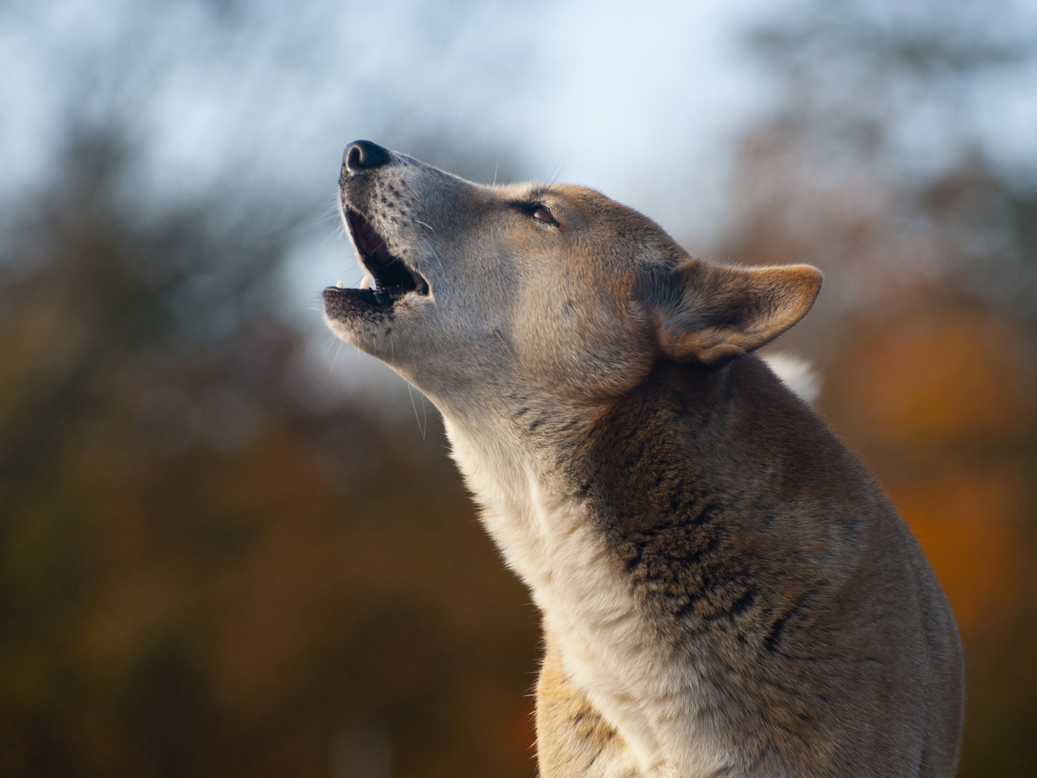
A New Guinea Singing Dog howling
Samara the New Guinea singing dog (Photo by Dr. Brian Davis)

A recent international study discovered that the New Guinea singing dog, a population thought to be extinct in the wild, shares nearly its entire genetic identity with the New Guinea highland dog, a rarely seen wild population in the island’s high-altitude, mountain regions.

According to Dr. Brian Davis, a co-senior author of the study and a research assistant professor at the Texas A&M College of Veterinary Medicine & Biomedical Sciences (CVMBS), this suggests that the two dog populations diverged within the past few decades and are essentially from the same population.

Because the captive group of singing dogs is severely inbred, this new information could support a conservation program with the potential to save the singing dogs and bring their population back from the brink of extinction.

DNA Discoveries

The research project began in 2018, when James “Mac” MacIntyre, the head of the New Guinea Highland Wild Dog Foundation, led an expedition into the mountains to collect blood samples from highland dogs.

These samples were sent to Davis, who analyzed the highland dog DNA and compared samples collected from captive singing dogs, named for their unique vocalizations that resemble a wolf howl combined with a whale song.

Dr. Brian Davis and an Australian Shepherd
Dr. Brian Davis with his dog, Ava

“We assessed about 200,000 genetic markers across the genome,” Davis said. “Once we sampled these markers, my colleague Heidi Parker at the National Institutes of Health, who’s a fantastic canine geneticist, compared these markers with more than 1,500 other dogs.

“We basically did an all-to-all comparison to find their place in the tree of life for dogs,” he said. “When we found out that the highland dogs were most similar to the singing dogs, we knew we had something.”

He discovered that while all dogs in Oceania (the geographical region including Australia, New Guinea, and nearby islands) descend from the same ancestral population, the singing and highland dogs have a highly similar genomes. As well, the highland dogs do not appear significantly hybridized with any other population of dog, reinforcing their unique place in dog evolution.

In addition to advancing the knowledge of the singing dog population, this project also inspired many questions to fuel future studies.

“Now we’re trying to understand the timing in which each Oceania population branched off,” Davis said. “That’s going to be the subject of some future work, especially when we get more samples. We also hope to understand where these dogs are along the domestication continuum.”

Saving The Singing Dogs
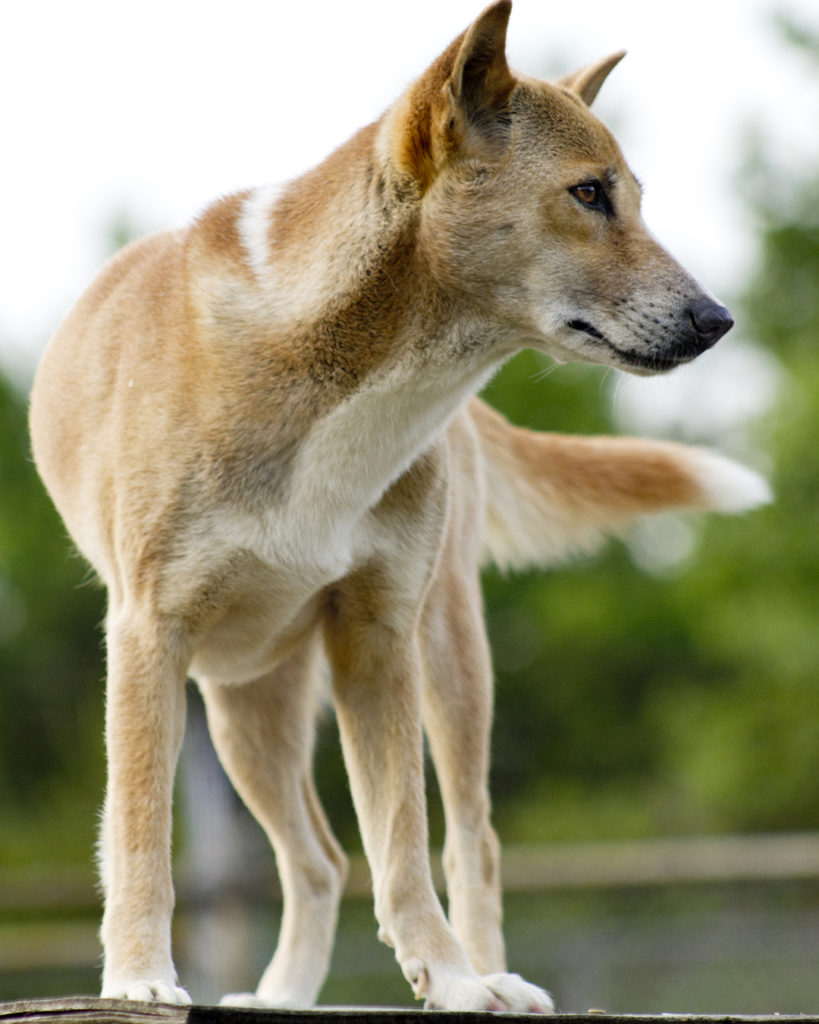
A New Guinea Singing dog
Samara the New Guinea singing dog   (Photo by Dr. Brian Davis)

About 50 years ago, scientists brought a small number of singing dogs into captivity, and though there are more individuals living in zoos today, they are all descended from the initial founders, and have extremely low genetic diversity.

Davis hopes that genetic material from the wild highland dog population can be used to improve genetic health among the captive singing dogs and rebuild their population.

“Having a higher genetic diversity is essential to long-term survival,” Davis said. “The singing dogs in captivity are derived from only a small number of individuals and they’re very inbred. These highland wild dogs are the only dogs like them. The singing dogs may look similar to dogs like the dingo, but they have novel vocalizations and behaviors that no other dog has. Even the way that they walk is different.”

While the effort to rebuild the singing dog population will take many years, Davis believes it is a worthwhile cause to preserve the unique species.

“As an evolutionary biologist, I want to conserve everything that exists,” Davis said. “It’s important that these animals be conserved and that we study them and understand their population. We need to appreciate the adaptations that they’ve undergone that no other dog has, and potentially help protect them as the environment changes and they have to change with it.”

###

For more information about the Texas A&M College of Veterinary Medicine & Biomedical Sciences, please visit our website at vetmed.tamu.edu or join us on FacebookInstagram, and Twitter.

Contact Information: Jennifer Gauntt, Director of CVM Communications, Texas A&M College of Veterinary Medicine & Biomedical Sciences; jgauntt@cvm.tamu.edu; 979-862-4216
Backyard Chickens: A Compre-hen-sive Guide

While many people are content with a pet dog or cat, others may seek less traditional animal friends. For those looking for more exotic pets, chickens can offer not only companionship but also benefits such as egg production, soil fertilization, and educational opportunities to help forge the connection between farm and table.

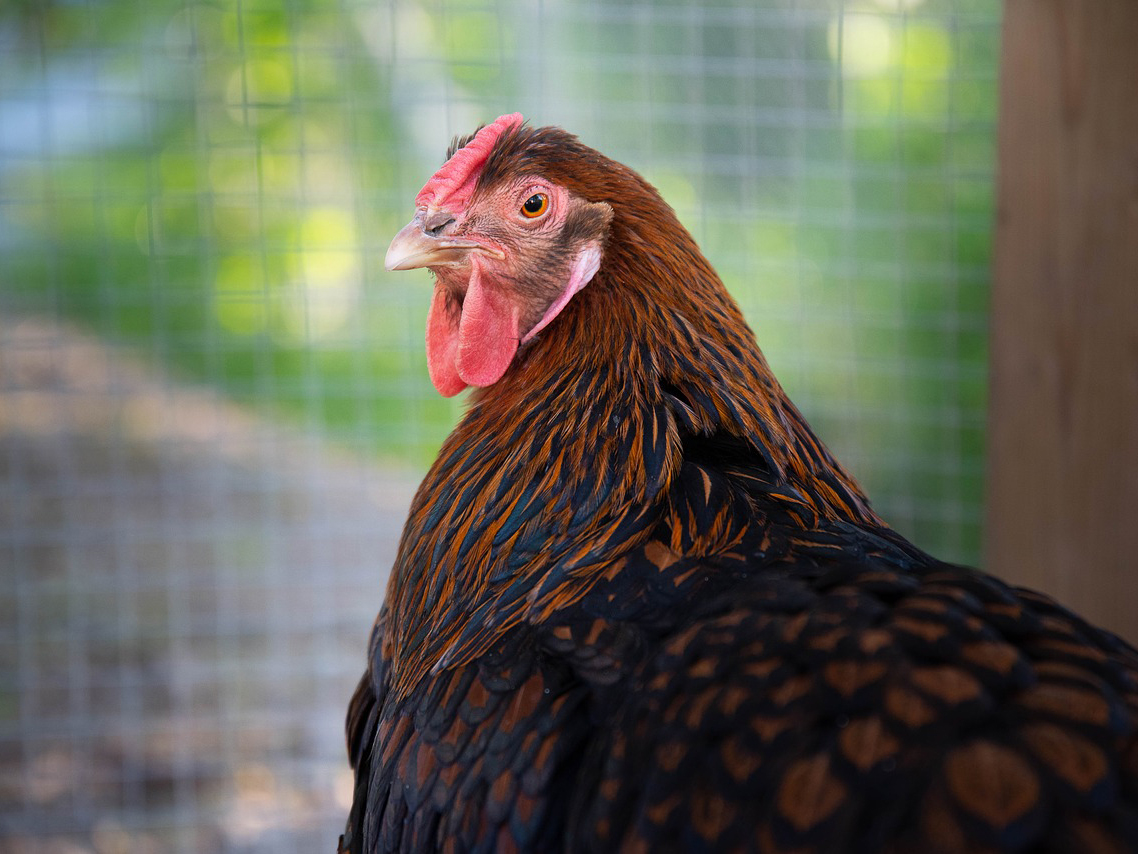
A brown and black hen; a pet chickenDr. Ashley Navarrette, a clinical assistant professor at the Texas A&M College of Veterinary Medicine & Biomedical Sciences, says that chickens are quite intelligent and can even be trained. They are very food motivated and can even be taught to complete agility courses, though this requires a lot of time and patience.

Chickens are often well-suited to life in suburban or semi-suburban environments. They require about 2-3 square feet per chicken inside their coop, with an additional minimum of 8 square feet of outside access.

Potential owners should be aware that even if they have the space, their property may not always be the right place to keep chickens. They also should verify how many chickens their city allows them to keep before adopting.

“Look into your local ordinances or regulations within your home owners association before considering acquiring a chicken or multiple chickens as a pet or backyard project,” said Navarrette. “Also understand that chickens can live up to 8 years and, therefore, are a long-term commitment.”

Navarrette says that while they can be kept as solitary pets, chickens are a social species and are best kept in groups. Owners of multiple chickens should be wary of overcrowding, which can lead to stress and conflict.

“As with any group of animals, there will be social dynamics and there will be an established hierarchy,” she said. “There is usually a dominant hen and subsequent ‘pecking order’ below. Males will also fight for the top spot. One must be careful in regard to housing roosters, as they can be aggressive, loud, and against many city ordinances.”

Owners must also be wary of interactions with other species, as many dogs, cats, ferrets, and larger reptiles will see chickens as prey. Navarrette says interactions between chickens and other pets should be limited and always supervised.

“Children should also be taught appropriate behavior around chickens and handling, not only for the safety of the chicken but also the child,” Navarrette said. “It is also important to note that chicken feces can harbor salmonella and it can be present on the wings, feet, etc. Salmonella can pose a public health risk, particularly to children. All individuals handling the chickens should appropriately wash their hands afterwards.”

Navarrette says that most chickens require minimal veterinary care and are usually treated as issues arise. Health issues can be largely avoided with appropriate care.

Most commercial chickens are vaccinated for Marek’s Disease before 1-2 weeks of age, but unless an owner intends to show their chickens or there is a disease outbreak within a flock, additional vaccinations are uncommon.

To keep chickens in their best health, owners should feed their birds a diet based on their stage of life. Their diet can also be supplemented by allowing chickens to forage in dirt or grass, which is a natural behavior.

“Appropriate diets can be found at feed stores, and it’s best to stick with those from nationally recognized brands, as they tend to have the greatest amount of research behind them and are appropriately balanced,” Navarrette said. “It is best to avoid breads/starches, chocolate, onions, caffeine, avocado, and excess salt, as these can be harmful to chickens and other bird species. Be sure to research toxic plants in your backyard as well.”

Although many individuals might consider chickens to be more livestock than domestic pet, they can offer the benefits of food production while still providing companionship to make your days a little more sunny side up.

Pet Talk is a service of the College of Veterinary Medicine & Biomedical Sciences, Texas A&M University. Stories can be viewed on the web at vetmed.tamu.edu/news/pet-talk. Suggestions for future topics may be directed to editor@cvm.tamu.edu.

CVMBS Researcher Receives Award Supporting Novel Lyme Disease Diagnostic Test

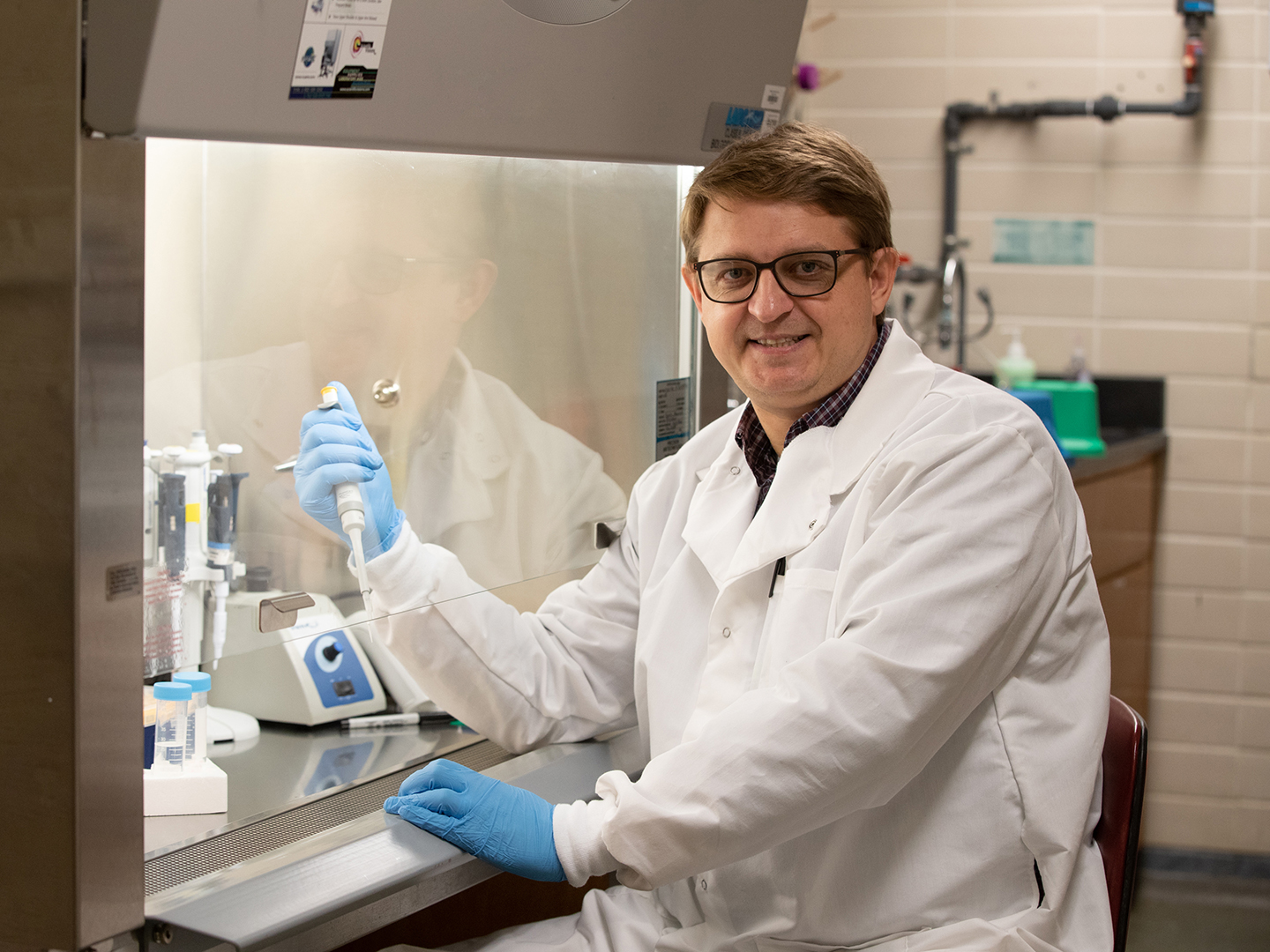
Dr. Artem Rogovskyy working in the lab
Dr. Artem Rogovskyy

Dr. Artem Rogovskyy, an assistant professor at the Texas A&M College of Veterinary Medicine & Biomedical Sciences (CVMBS), is a recipient of the Bay Area Lyme Foundation’s 2020 Emerging Leader Award for his interdisciplinary work in developing a rapid, highly sensitive, portable, cost-effective, and single sample-based Lyme disease (LD) diagnostic assay.

LD is a tick-borne illness caused by the bacterium Borrelia burgdorferi. The most common vector-borne disease in the United States, it affects roughly 329,000 Americans annually. Mild cases produce a “bull’s-eye” rash, fever, chills, headache, fatigue, muscle and joint aches, and swollen lymph nodes, while more advanced cases can cause more serious symptoms, such as severe joint pain and neurological problems.

Management of LD is heavily reliant on timely diagnosis and treatment, which means accurate and accessible testing is instrumental to preventing persistent, treatment-resistant infections.

In the U.S., the only validated approach for LD diagnosis is a two-tiered serology. These tests have drawbacks, including that the sensitivity and specificity of these tests vary greatly, dependent of the stage of infection.

Furthermore, existing tests have cross-reactivity with other pathogens, meaning they may yield an LD-positive result when the patient is actually harboring a different bacterium. These existing tests also have low sensitivity during the first weeks of infection, where the patient is still developing antibodies.

In this case, a patient in the early stages of LD would falsely test negative.

The 2020 Emerging Leader Award grants Rogovskyy and his collaborator access to the Lyme Disease Biobank, which will allow these researchers to validate their approach in human specimens.

“There is clearly an urgent need in the development of reliable direct-detection method, whose performance should be better than that of the existing two-tier serological assay,” said Rogovskyy.

Dr. Artem Rogovskyy at his desk
Dr. Artem Rogovskyy

“Our proposal is conceptually innovative and is not based on incremental advance because there is no precedent of utilizing this approach in the diagnosis of human or animal infectious diseases in the published literature,” Rogovskyy said. “This proposal is also unique as it is based on multidisciplinary expertise of a spirochetologist and a biophysicist/biochemist.”

Rogovskyy and his colleagues aim to overturn the current paradigm of LD testing by using a spectroscopic technique to determine the presence of this pathogen. By measuring the spectra produced, the researchers were able to detect LD-positive mice with high accuracy in their preliminary experiments.

“Our preliminary results demonstrated that the approach can well distinguish between infected and uninfected mice,” he said. “Moreover, the approach showed a great potential not only for detecting LD pathogen in blood but also identifying the stage of a Borrelia burgdorferi infection (early vs. late).”

The novel assay will not only democratize LD testing by making it faster and cheaper, but this more accurate test will also allow health workers to better track and treat this highly common disease.

More timely diagnosis of LD is instrumental to preventing chronic, treatment-resistant LD cases, and Rogovskyy’s research aims to provide a diagnostic that supports this higher standard of care, which is made possible through the support of the Bay Area Lyme Foundation and Emerging Leader Award.

The Bay Area Lyme Foundation works to accelerate this type of research by recognizing new approaches and creative thinking; its Emerging Leader Awards are presented annually to promising scientists who represent the future of LD research leadership.

“I am truly honored to have received this prestigious ELA award from the Bay Area Lyme Foundation. I know it is quite competitive and our team will do the best to achieve what has been proposed,” he said.

“On behalf of our team, I would like to thank the Bay Area Lyme Foundation for funding our risky but promising project. It is great that such a foundation exists as there are very few funding agencies that fund Lyme disease research,” he said. “We are also thankful to the Lyme Disease Biobank, the unique repository of Lyme disease samples. The biobank has provided us with human blood samples, which will allow us to objectively test the utility of our new approach.”

###

For more information about the Texas A&M College of Veterinary Medicine & Biomedical Sciences, please visit our website at vetmed.tamu.edu or join us on FacebookInstagram, and Twitter.

Contact Information: Jennifer Gauntt, Director of CVM Communications, Texas A&M College of Veterinary Medicine & Biomedical Sciences; jgauntt@cvm.tamu.edu; 979-862-4216
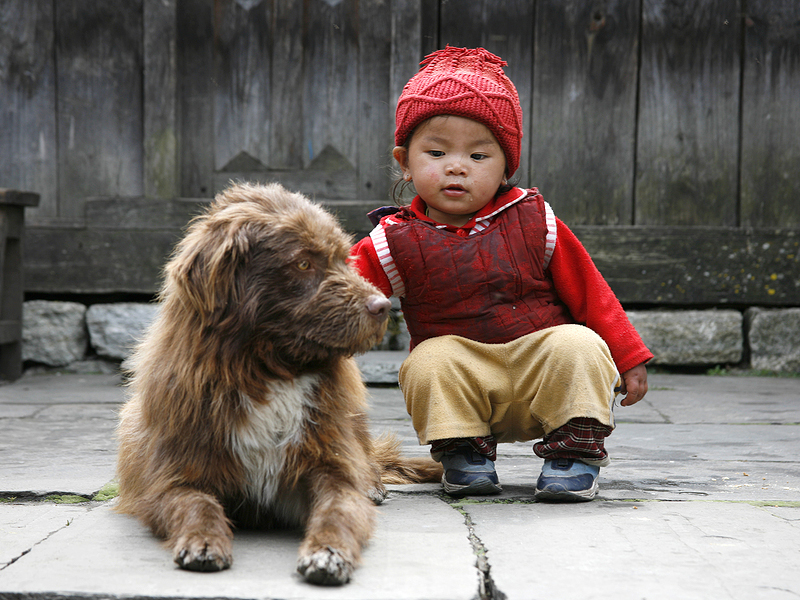
Welcome Home: Introducing A New Baby To Pets

Many expecting parents prepare for months in anticipation of a new baby. For pet parents, this preparation also often involves encouraging appropriate and positive behaviors in their animals during the time leading up to birth.

A young boy pets a dogHowever, even with adequate preparations, there are still important precautions owners should consider after the arrival of their new addition to ensure the safety of both pets and child.

Dr. Lori Teller, an associate professor in the Texas A&M College of Veterinary Medicine & Biomedical Sciences, advises new parents to approach the introduction of pets and babies with caution, even if they trust their pet to be gentle.

“The most important thing to remember is that a baby and a pet should NEVER be left alone together, even if you think your pet would never hurt anybody,” she said. “This cannot be overstated.”

The initial introduction can be eased by acclimating pets to the baby’s odor prior to bringing the newborn home.

“When the baby is born, have someone bring home some of the clothing or blankets used by the baby while in the hospital for the pets to smell before the baby is discharged,” Teller said.

When the baby is brought home, Teller recommends that new parents bring backup to make sure both the baby and pet are consistently monitored.

“Where possible, someone else should hold the baby while the parents pay attention to the pets,” she said “Encourage them to be calm while you greet them. Once everyone is calm, you can introduce your pets to the baby. If necessary, have your pets on a leash. One person can be seated while holding the baby and someone else can control the pets.”

If you have multiple pets, Teller recommends introducing them to the baby one at a time.

After the initial introduction, pet owners still need to be vigilant in monitoring animal interactions with their child. Teller says owners should also actively work to maintain a positive pet-baby relationship.

“It’s important to find a way to pay attention to your pet while your baby is awake and active. You want your pet to know that the baby is a part of the family and everyone can enjoy time together,” she said. “You can toss a few treats or verbally praise your pet for good behavior around an active baby. Unwittingly, by only paying attention to your pet when your baby is sleeping, you are teaching your pet that the baby is a negative in the pet’s life.”

Pet owners should keep in mind that changes to their home environment can pose a danger to their animals.

Some baby supplies, such as pacifiers, baby bottle nipples, and small toys, can all be swallowed by pets and may require surgery to remove. Many medications, such as diaper rash ointment, can be toxic to pets and should be kept in a secure location.

Teller also recommends that owners are careful to keep their pet away from dirty diapers.

“Pet supplies should also be kept away from a baby,” Teller said. “These include medications, such as heartworm and flea and tick preventives. Pet toys and chew bones are also not appropriate for a baby to put in his or her mouth. When bathing your pet with a medicated shampoo, make sure your pet is dry before interacting with the baby.”

Pets also may pose a hazard to a new baby because, by nature, it is sometimes difficult to predict the behaviors of animals. Even if a pet owner fully trusts their furry friend to be gentle, the unfamiliar presence of a baby could put the pet on edge.

“An owner needs to be concerned if the pet growls, hisses, or otherwise tries to interact with the baby in a negative manner,” she said. “Any kind of negative interaction should be stopped immediately. If your pet is acting aggressively, it should be isolated and you need to speak with your veterinarian.”

Ensuring the safety of a new baby is the top priority of any new parent, and proper precautions can help build a safe and positive relationship between the new baby and existing pets.

“There is tremendous sweetness and beauty in watching a child and a pet develop a mutually caring and loving relationship,” Teller said. “Make sure your pet is encouraged and rewarded for good behavior. As your baby grows, make sure they understand how to treat a pet kindly as well—no pulling on ears and tails or trying to take a pet’s food or toys. Reward your child’s good behavior as well.”

Pet Talk is a service of the College of Veterinary Medicine & Biomedical Sciences, Texas A&M University. Stories can be viewed on the web at vetmed.tamu.edu/news/pet-talk. Suggestions for future topics may be directed to editor@cvm.tamu.edu.

Texas A&M Researcher Sheds Light On Genetic Mechanisms Of Sex Determination

Leif Andersson in his lab
Leif Andersson

An international team of researchers led by Leif Andersson, a professor at the Texas A&M College of Veterinary Medicine & Biomedical Sciences (CVMBS), has been able to reconstruct the origins of the male sex chromosome in the Atlantic herring, determining that the male-specific region of this genetic storehouse contains only three genes: a sex-determining factor and two genes for sperm proteins.

This research provides further insight into how organisms develop into one sex or another and how the mechanisms for these developmental decisions are controlled genetically.

Chromosomes are structures of highly organized DNA that serve as one book in an organism’s biological library, or genome. Sex chromosomes specifically play an important role in determining whether an organism develops as male or female. The study of these structures is important as it allows us to understand the mechanism of sex-determination in development.

However, this research can be difficult as sex chromosomes degenerate quickly and have high rates of mutations. The Atlantic herring is unique in that both versions of its sex chromosomes (X and Y) are almost identical in gene content.

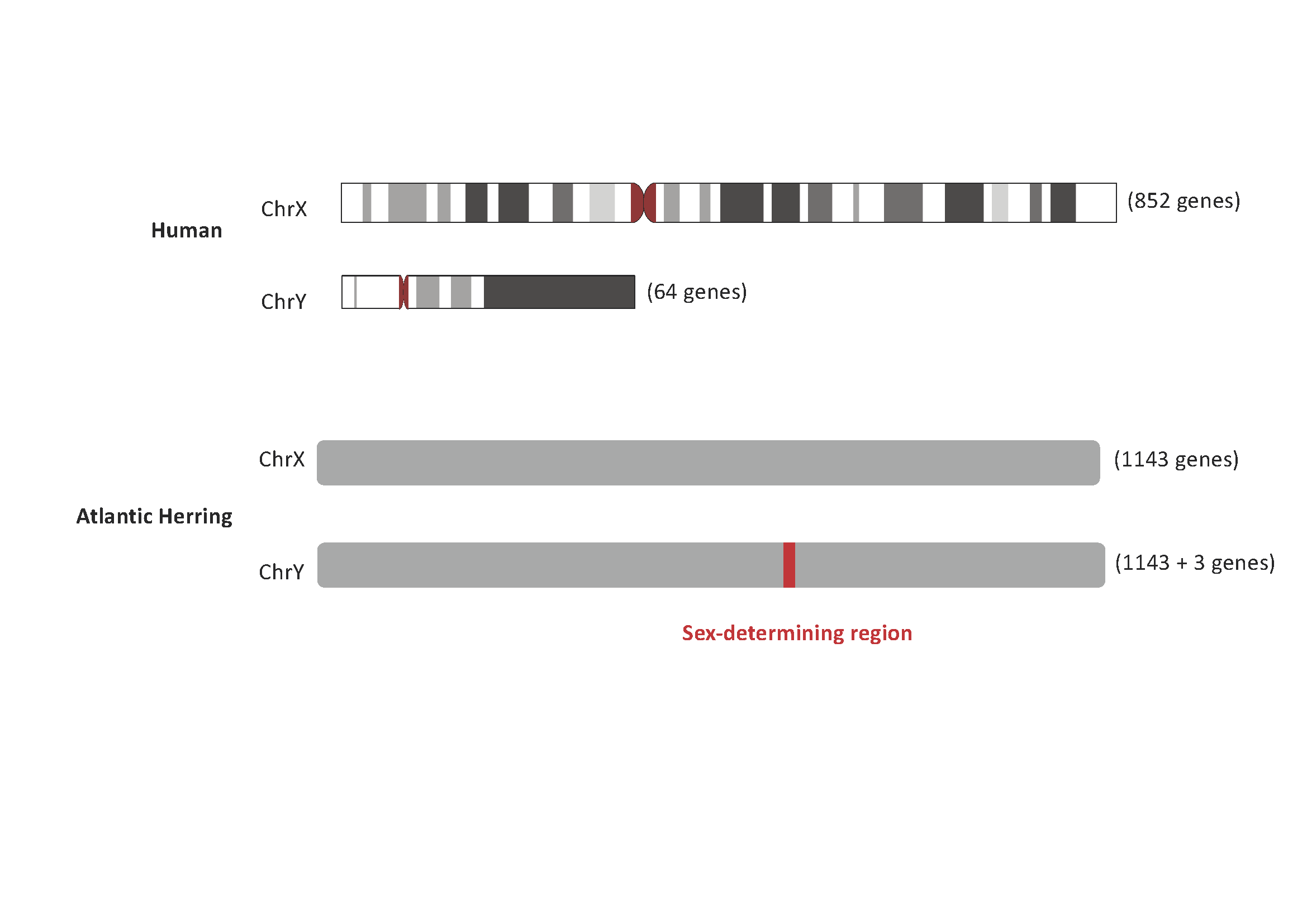
In a recent study published in PNAS, Andersson and his colleagues, based at Uppsala University in Sweden, determined that the only difference between X and Y was that the Y chromosome, found only in males, has three additional genes: a sex-determining factor (BMPR1BBY) and two sperm protein genes predicted to be essential for male fertility.

By observing the structure of these three genes in the Y chromosome, the researchers were able to trace the molecular evolutionary path that led to the Atlantic herring’s current Y chromosome, reconstructing its birth in a piecewise fashion.

“This study is unique because we have been able to reconstruct the birth of a sex chromosome,” Andersson said. “Usually, sex chromosomes evolved a long time ago, like for human Y, and many changes have occurred that make it impossible to sort out the first critical steps. That is exactly what we have done in the herring.”

Graphic comparing human and herring sex chromosomes
A comparison of human and herring X and Y chromosomes. The old human chromosome Y is small and contains few genes. The young herring chromosome Y retains all genes present on chromosome X and has an additional three genes in the sex-determining region. Image courtesy Nima Rafati.

Researchers determined that two of these genes were introduced when extra copies were translocated, or moved from one location to another, to what became a male-specific region that cannot exchange genetic material with the X chromosome, the sex chromosome found in both males and females. The third gene was then introduced to this same region lost from the X chromosome.

The version of BMPR1BBY that researchers identified as a sex-determining factor contains about 50 mutations from the copy found on non-sex, or autosomal, chromosomes that do not act as sex-determining factors. One function of this gene is to promote testis development and the version found on sex chromosomes has evolved the ability to act independently of some of the cofactors needed by the autosomal copies. This provides a shortcut to testes development in the sex-determining version.

“This finding shows how a genetic variant can occur and affect the molecular machinery determining sex and drive the process in one direction, male or female,” Andersson said.

The group next hopes to pursue a follow-up of this research that investigates the Sprat genome, a close relative of the Atlantic herring. This work would allow the researchers to validate their previous findings and make a more precise estimate of when this Y chromosome evolved, how stable it is, and how quickly it evolves.

“This planned research will give insight how stable a newborn sex chromosome is,” Andersson said. “Has it evolved in parallel in the two species, and if so, has evolution taken different paths? Or, has this mechanism been lost during the 5 million years or so when herring and sprat shared a common ancestor that must have had a more primitive form of this sex chromosome?”

The study was supported by the Knut and Alice Wallenberg Foundation, Vetenskapsrådet, Research Council of Norway project 254774, GENSINC, and AquaCRISPR (ANR-16-COFA-0004-01) (to A.H.). It can be found at www.pnas.org/cgi/doi/10.1073/pnas.2009925117.

###

For more information about the Texas A&M College of Veterinary Medicine & Biomedical Sciences, please visit our website at vetmed.tamu.edu or join us on FacebookInstagram, and Twitter.

Contact Information: Jennifer Gauntt, Director of CVM Communications, Texas A&M College of Veterinary Medicine & Biomedical Sciences; jgauntt@cvm.tamu.edu; 979-862-4216

Annual English Tea Goes Virtual

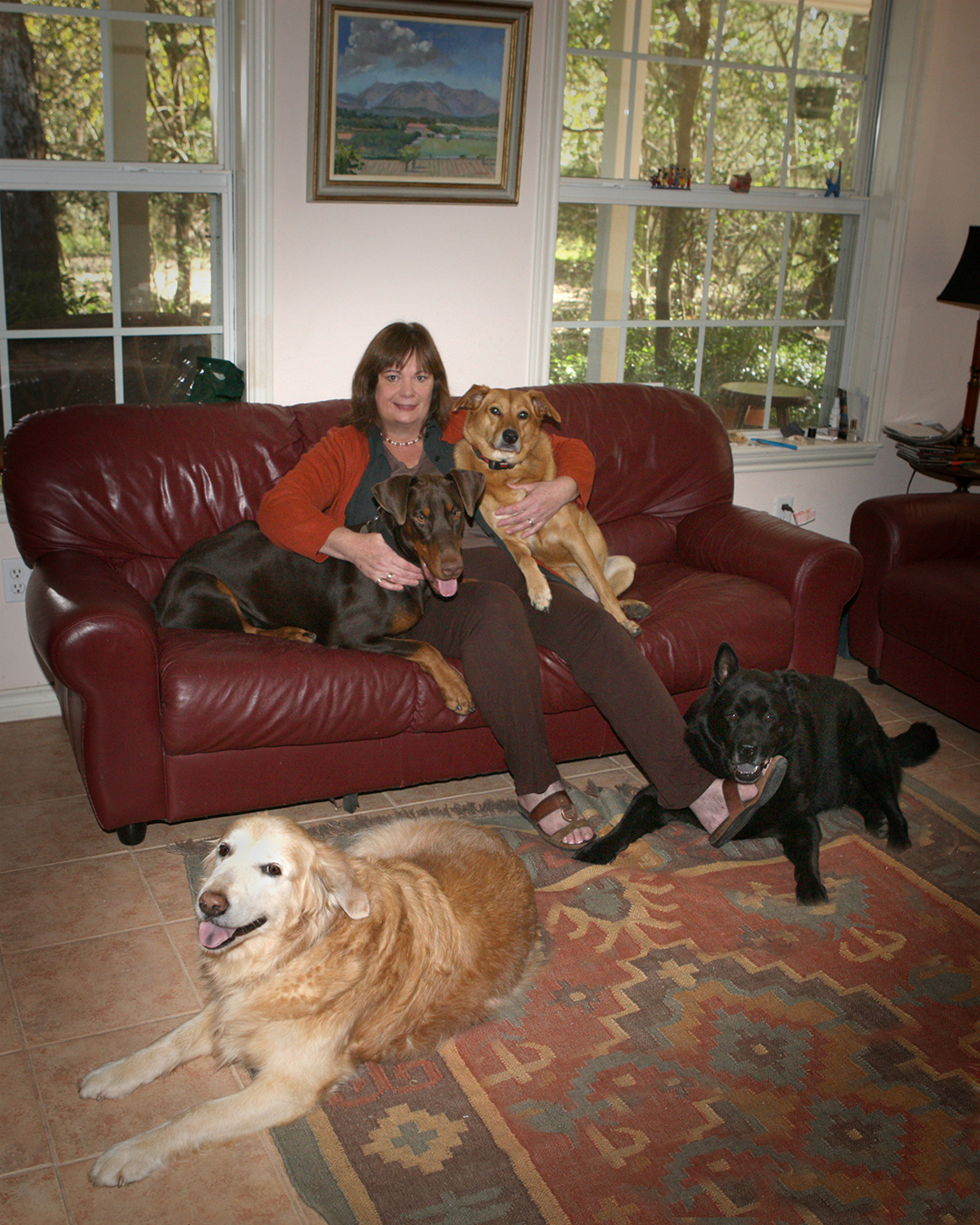
Dr. Jane Welsh at home with her four dogs
Jane Welsh

Though most changes related to COVID-19 are inconvenient, there are always silver linings to be found.

COVID-19 precautions recently forced Jane Welsh, professor in the Texas A&M College of Veterinary Medicine & Biomedical Sciences’ (CVMBS) Department of Veterinary Integrative Biosciences (VIBS), to move her annual “English Tea” to a virtual format.

The event, which brings together those with an interest in multiple sclerosis, has been going for over two decades now, but this was the first time they weren’t able to meet in person.

But while it didn’t have the face-to-face conversations that have become a hallmark of the event, it did allow for people outside of the Bryan-College Station area to join, including one participant from more than 4,500 miles away.

Dr. Chris Linington, from the University of Glasgow in the United Kingdom, joined the call, as did Dr. Andrew Steelman and some of his graduate students from the University of Illinois. Steelman earned his Ph.D. in biomedical sciences at Texas A&M in 2008 and was a postdoctoral fellow in VIBS professor Dr. Jianrong Li’s lab. Li and her team were joined on the call by fellow VIBS research assistant professor Dr. Candice Brinkymeyer-Langford and her team.

During the call, graduate students presented their recent work on topics related to multiple sclerosis, which includes several multiple sclerosis patients in the Bryan-College Station area.

“From my perspective, it went really well and allowed the graduate students to present their research findings to a wide audience of scientists and patients,” Welsh said. “As a result of this meeting, we are going to be having monthly Zoom meetings with the scientists to brainstorm and continue to present our ongoing research.”

Welsh, also from the United Kingdom, originally created the event as an English Tea because she really loves having tea with sandwiches and cakes at teatime.

“With proper hot tea—none of this iced tea rubbish,” she joked.

The feedback from the patients, some of whom made their own tea at home to try and capture the theme of the event, was positive and several noted that they appreciated hearing about the various leading-edge approaches to treating multiple sclerosis.

“Some of the new research presented was really fascinating, and being able to share ideas from researchers outside of Texas A&M was definitely a positive,” Welsh said. “Of course, we can’t wait to have this event in person again and have those face-to-face connections, but we were pleased with the outcome, overall.”

###

For more information about the Texas A&M College of Veterinary Medicine & Biomedical Sciences, please visit our website at vetmed.tamu.edu or join us on FacebookInstagram, and Twitter.

Contact Information: Jennifer Gauntt, Director of CVM Communications, Texas A&M College of Veterinary Medicine & Biomedical Sciences; jgauntt@cvm.tamu.edu; 979-862-4216
Preparing The Entire Family for A Newborn

Expecting parents are often as busy as they are excited while they’re preparing to welcome a new baby to their family. In this happily hectic time, those who also own pets should consider how their fur babies and their new baby can safely interact when they eventually meet.

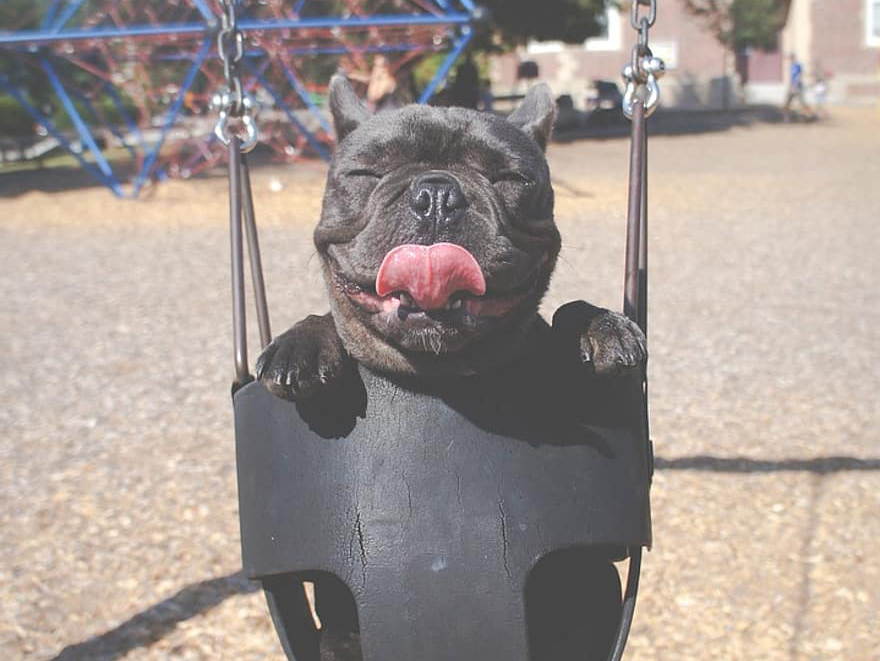
A black french bull dog sits in a baby swing with its tongue out

Dr. Lori Teller, an associate professor in the Texas A&M College of Veterinary Medicine & Biomedical Sciences, says expecting parents can begin preparing their pets for a new arrival as soon as they know they are expecting a new baby.

“This is a great time for an obedience refresher for your dog. Make sure your dog knows and obeys commands such as sit, down, stay, come, wait, off, and go to bed,” Teller said. “If your dog likes to jump on people, this is a great reason to teach them to stop this behavior. The relationship between your pet and your child will be so much the better if your dog has good manners.”

The arrival of a new baby will interrupt a pet’s schedule almost as much as it alters the parents’ schedule. Teller advises pet owners to adjust their pet to their new schedule and new rules, such as not allowing pets to enter rooms reserved for the baby, before the baby’s arrival.

“Bring new baby products and furniture into the house before your baby comes home. These may include diapers, lotion, baby wash, formula, and linens,” Teller said. “Let your pets get accustomed to these smells, so that by the time the baby arrives, those smells will be a normal part of the environment. Don’t allow your pet to sleep in the baby’s crib or any other location where the baby may rest.”

Teller also recommends that pet owners acclimate their furry friend to the sound of a baby crying prior to their arrival. This can be done by playing a recording of crying at a low volume and practicing obedience commands. Owners can reward their dog for obeying and remaining calm, then slowly increase the volume, continuing to reward their pet’s positive behaviors.

“If you will be walking your dog while pushing the stroller, start training your dog to walk next to it,” she said. “Initially your dog may find it scary to walk next to the stroller, so it’s better to get your dog comfortable with it now before all of you end up in a tangled mess.”

Owners can also help their animals adjust to their diverted attention by holding a doll in the chair where they will feed or rock the baby and by carrying the doll around. Owners should reward their pet for resting calmly while they are occupied with the doll.

While practicing these techniques can be greatly helpful in ensuring a smooth transition, pet owners may also wish to consult their veterinarian with any behavioral concerns.

“If your pet is anxious by nature, it would be good to discuss this with your veterinarian before the baby’s arrival,” Teller said. “Your pet may benefit from an anti-anxiety supplement or the use of a calming pheromone. Some pets may need medication and a behavioral modification plan to address anxiety issues.”

Preparing a pet prior to the arrival of a new baby is instrumental in ensuring that your new, expanded family gets off on the right paw. Not only can these preparations support a safer environment for the new baby, but they can also help reduce stress for new parents in their first joyful weeks of parenthood.

Pet Talk is a service of the College of Veterinary Medicine & Biomedical Sciences, Texas A&M University. Stories can be viewed on the web at vetmed.tamu.edu/news/pet-talk. Suggestions for future topics may be directed to editor@cvm.tamu.edu.

Texas A&M Researchers Using Innovative Technology To Develop New Chemical Safety Testing Method

Four researchers examine a tissue chip
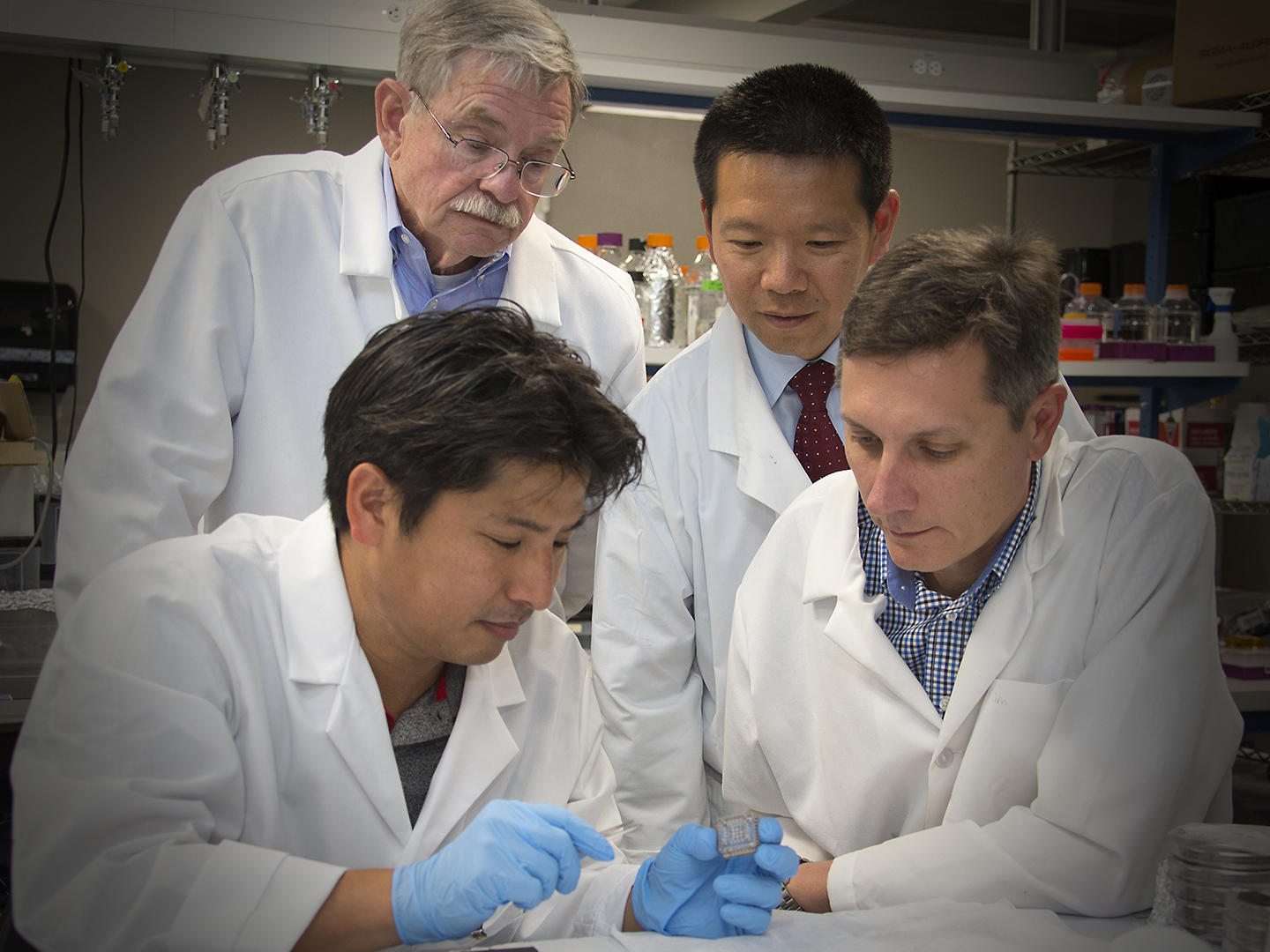
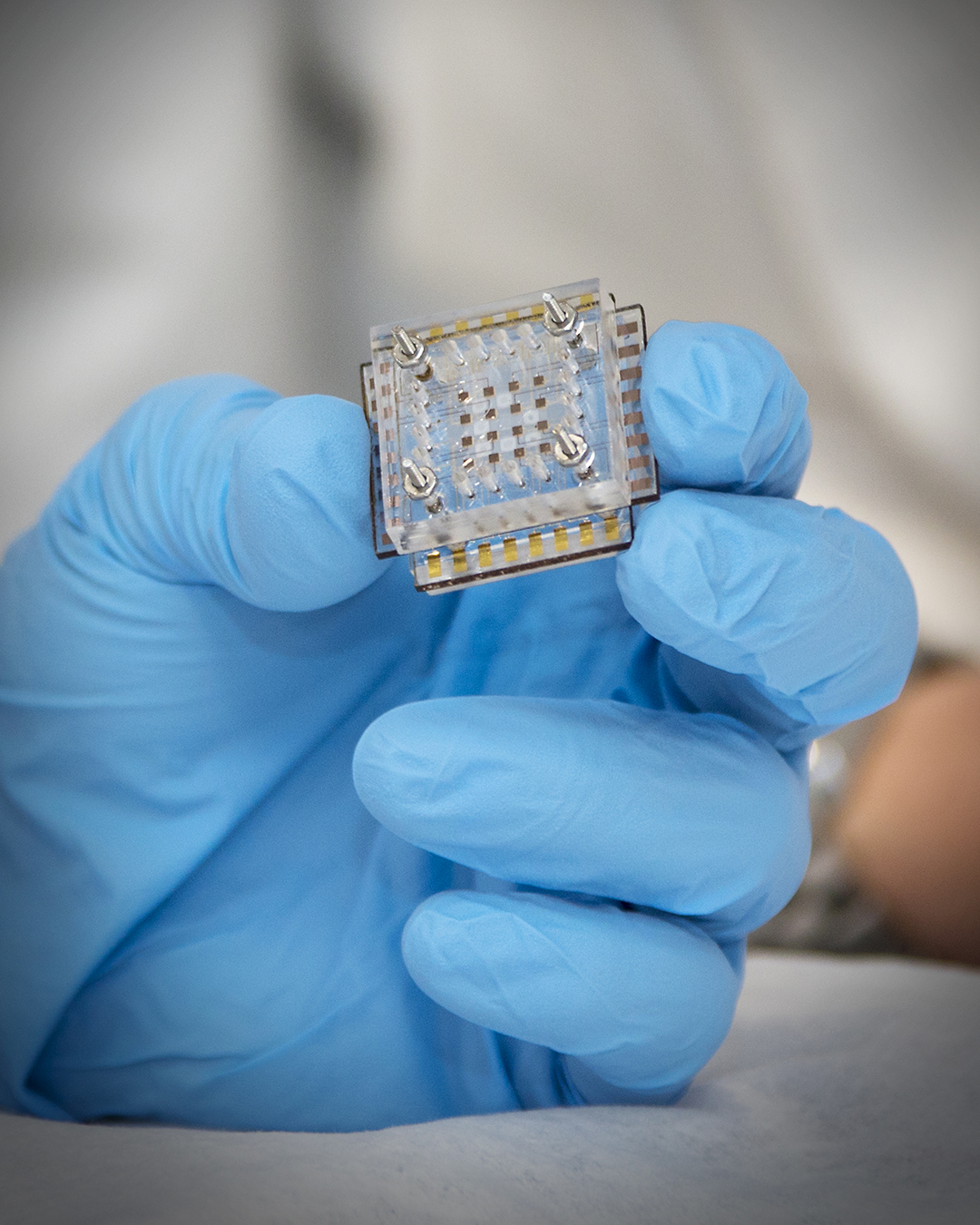
(CW from top left) Dr. Robert Burghardt, Dr. Weihsueh Chiu, Dr. Ivan Rusyn, and Dr. Arum Han examine a tissue chip.The U.S. Environmental Protection Agency (EPA) has awarded Texas A&M University professors Dr. Ivan Rusyn and Dr. Weihsueh Chiu a Science to Achieve Results (STAR) grant to enhance chemical safety testing methods in the field of toxicology.

Rusyn and Chiu, professors in the College of Veterinary Medicine & Biomedical Sciences’ (CVMBS) Department of Veterinary Integrative Biosciences (VIBS), received nearly $800,000 for the study “Integrating tissue chips, rapid untargeted analytical methods and molecular modeling for toxicokinetic screening of chemicals, their metabolites and mixtures.”

This three-year project aims to use biological, analytical, and modeling methods to improve upon current in vitro-to-in vivo extrapolation (IVIVE), a technique used in toxicology to determine how chemical exposures will impact an organism, for common industrial compounds and pesticides.

“The importance of this project is that it addresses a very acute need—to be able to extrapolate safe or unsafe concentrations of chemicals from experiments in cells to human oral, dermal, or inhalation exposures,” Rusyn said.

IVIVE, which involves taking data learned from in vitro studies (those done outside a biological context, or “test tube experiments”) and applying it to in vivo studies (those done on complete biological organisms), currently has numerous limitations. For example, researchers are typically forced to make many assumptions when converting in vitro data into applicable in vivo information.

By working with Dr. Erin Baker from North Carolina State University, the team aims to reduce the uncertainty of traditional IVIVE approaches by using tissue chips to generate toxicokinetic (the study of at what rate a chemical will enter the body and what happens to it once it is in the body) data and then refining that data with analytical and modeling methods.

A hand in a blue glove holds a small tissue chip
A tissue chip

“What we propose is really different from other current solutions because we propose to use rather complicated cell-based models, these so-called tissue chips,” Rusyn said. “We want to see if replacing the current simplistic models with more complicated, but also much more physiologically relevant, models would actually improve the confidence in the type of data that we get for this IVIVE.”

Because both Rusyn and Chiu lead the Tissue Chip Validation Center at Texas A&M University, this team is uniquely situated in the perfect environment for testing tissue chips that can represent multiple cell types, tissues, and organs, allowing them to simulate absorption, circulation, and excretion of chemicals in the body.

Once developed into a peer-reviewed publication, their research has the potential to be used by the EPA and other agencies as a new method for testing chemical safety.

“These types of projects not only benefit the agencies that fund them and general research but also have a major benefit for trainees,” Chiu said. “This research is very career empowering to our trainees, because they understand that this is not simply interesting research; it’s also research that has a potential to make an impact.”

Beginning this research during the COVID-19 pandemic has the potential to cause setbacks, but the researchers are determined to overcome any potential challenges and continue providing his trainees with the opportunity to contribute to the project.

“It’s very important for us that this university has a very clear set of rules as to how laboratory research is to be continued because a complete shutdown would be devastating, not just for our ability to do research, but also for our ability to make sure that our trainees are moving forward in their careers and getting their career goals accomplished,” Rusyn said. “I think that it’s great that the vice president of research (at Texas A&M) acted early on and decisively, and we’re looking forward to continue having very strong leadership on this campus.”

###

For more information about the Texas A&M College of Veterinary Medicine & Biomedical Sciences, please visit our website at vetmed.tamu.edu or join us on FacebookInstagram, and Twitter.

Contact Information: Jennifer Gauntt, Director of CVM Communications, Texas A&M College of Veterinary Medicine & Biomedical Sciences; jgauntt@cvm.tamu.edu; 979-862-4216

Dean’s Corner | September 2020

September 2020 Dean's Corner header

A row of Veterinary Emergency Team trucks lined up under a clear blue sky

Bissett Reflects On Disaster Preparedness Following VET
Deployment To Jefferson County

Fifteen members of the Texas A&M Veterinary Emergency Team (VET) deployed to Jefferson
County on Aug. 27 to serve residents affected by Hurricane Laura, but were able to return to
College Station the following day thanks to the county’s disaster preparedness efforts.

Read more

A woman stands next to a herd of deer

Texas A&M CVMBS Researcher Developing First Oral Anthrax
Vaccine For Livestock, Wildlife

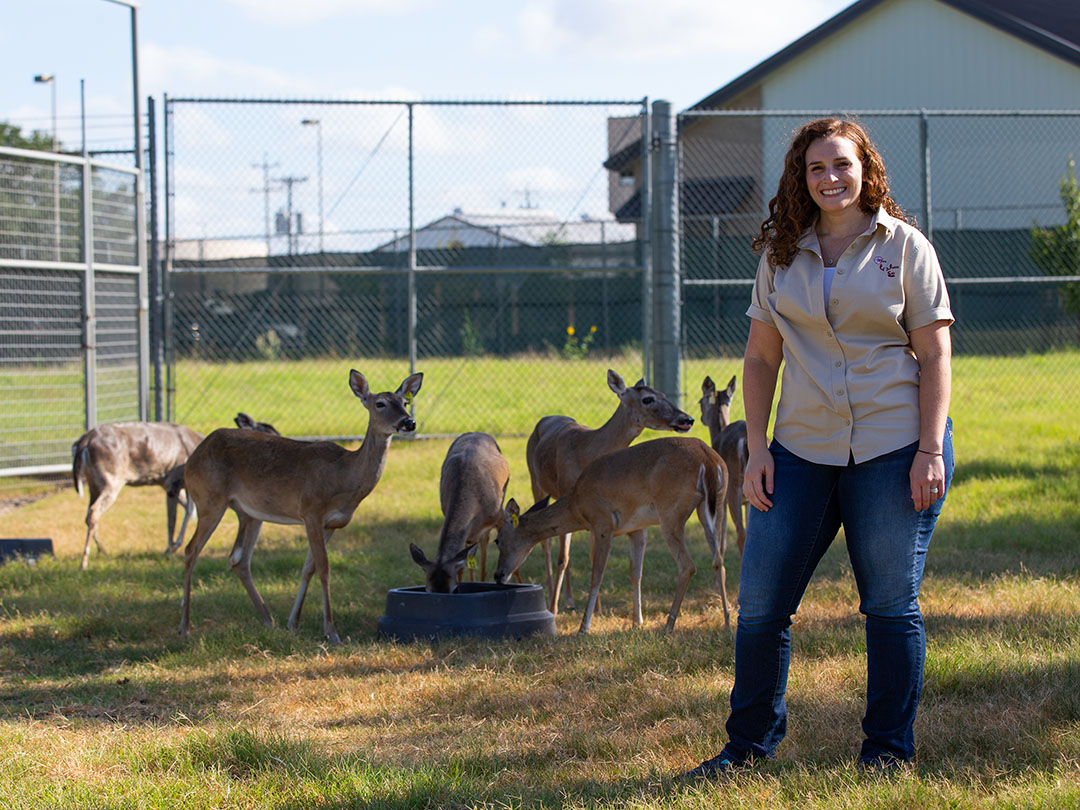
Dr. Jamie Benn Felix, a postdoctoral research associate in the Texas A&M Cook Wildlife Lab, is
developing the first oral anthrax vaccine for wildlife and livestock.

Read more

Dr. John August

TVMA Veterinary Vitals Podcast Features CVMBS Interim Dean
Dr. John August

In the TVMA’s latest podcast, August outlines his goals for the college during his tenure,
illustrates the invaluable relationship between the CVMBS and TVMA, and enthuses over his
Thursday afternoon radio show “Global Rhythms” on KAMU.FM 90.

Listen here

Dr. Bonnie Beaver
AVMA Honors Beaver
For Contributions To
Organizational VetMed

Read More

Dr. Evelyn MacKay with a llama
Video: MacKay
Discusses Llama And
Alpaca Care

Learn More

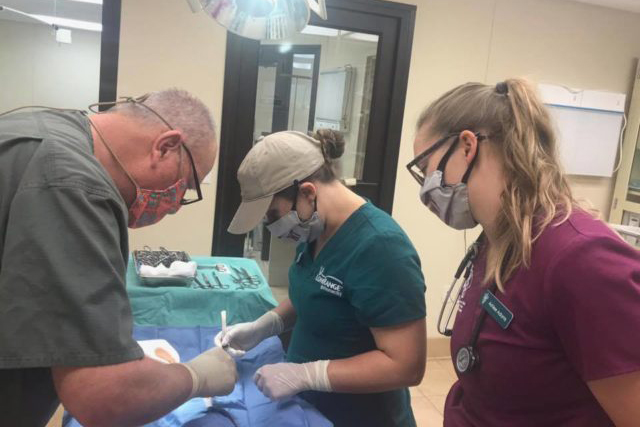
A veterinary student watches a veterinarian perform surgery
CVMBS’ DVM 2+2
Program At VERO Now
Accepting Applications

Learn More


Other Stories


In The News


CVM Calendar of Events

A Whole ‘Llama’ Fun: Alpacas And Llamas As Pets

Llamas and alpacas are closely related animals, both hailing from South America. Although they may have an exotic allure, they are commonly kept as companion animals and can make rewarding and unexpected pets for owners with the space and time.

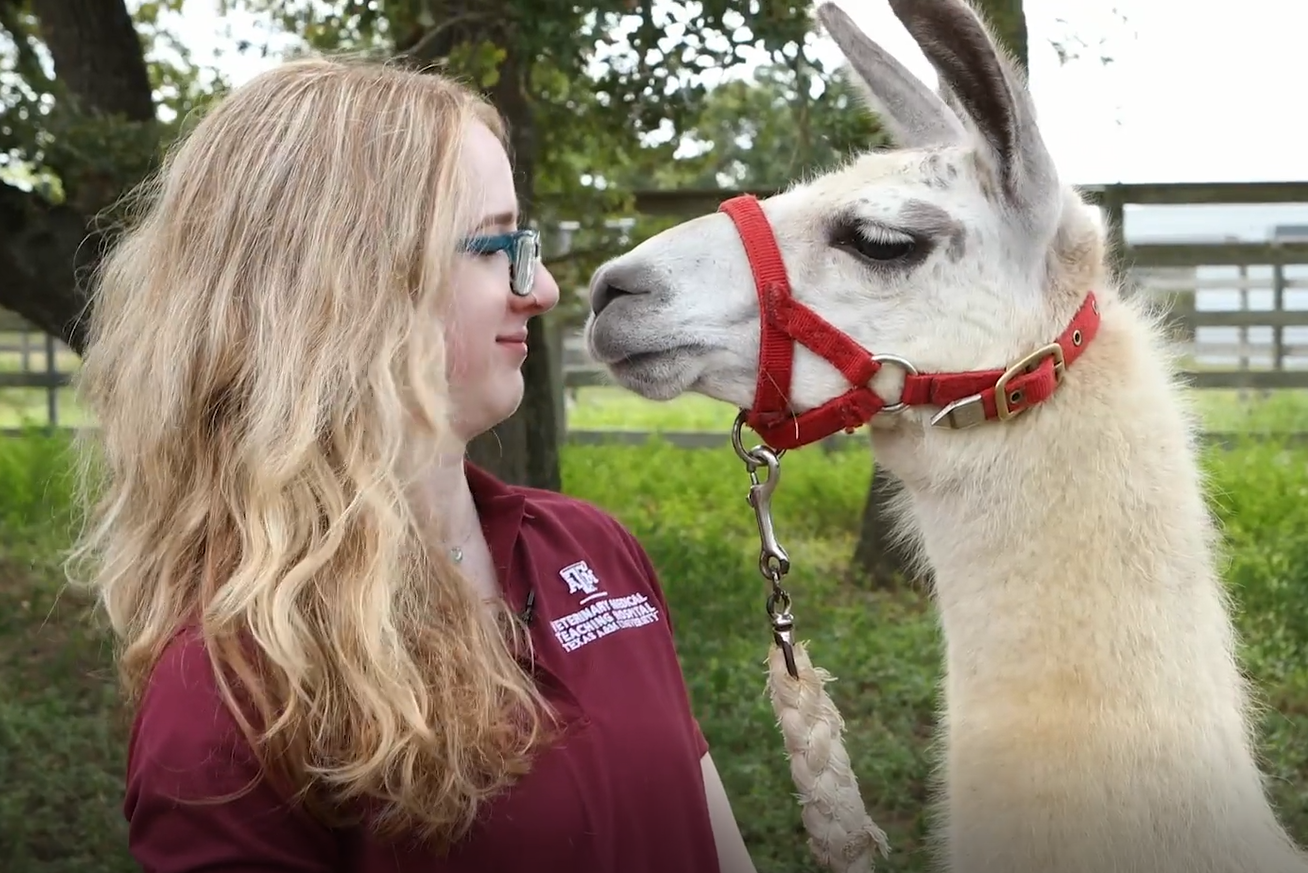
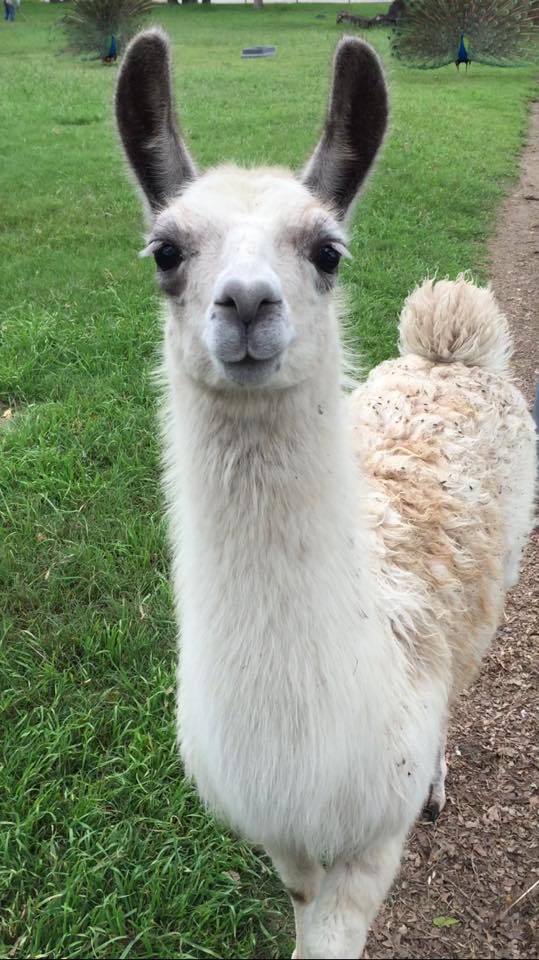
A white llamaDr. Evelyn MacKay, a clinical assistant professor of food animal medicine and field service at the Texas A&M College of Veterinary Medicine & Biomedical Sciences, says that the benefits of owning a pet llama or alpaca include companionship, fiber production, the opportunity to train and show them, and protection as a guard animal.

Potential owners who are considering adopting a llama or alpaca should take into account the important care these animals require, including vaccinations and routine dental care, as they are prone to tooth abscesses and require trims for overgrown incisors.

“Llamas and alpacas also need their hooves trimmed, as they have two claws that continue to grow,” MacKay said. “In addition, they should have regular fecal exams to check for intestinal parasites. They’re very sensitive to intestinal parasites that also affect sheep and goats. I usually recommend that healthy llamas and alpacas get checked every three to six months and more frequently in any animals that have had problems with parasites.”

It is also vital that potential owners are able to provide the appropriate environment for their new pet.

MacKay says they can happily live in a relatively small dirt pen but that there should not be any grazing area if their enclosure is small to reduce the risk of parasites. If they will be at pasture, she recommends at least a couple acres—the larger, the better.

Owners should also consider the management of their pet’s waste.

“Llamas and alpacas produce little formed pellets; rakes and scoops can be used to clear it from your yard or pasture,” she said. “In large pasture situations where they have many, many acres to roam and graze, you usually don’t have to maintain the feces that much, as it will decompose as the season goes on, but the feces can be a source of parasites and should be removed in smaller areas to avoid contaminating the environment.”

It is also very important that these animals have a supplied water source in their environment that is monitored and changed daily. Adequate water intake can help owners manage the risk of heat stress.

“Heat stress is a really important problem that we see here in Texas with llamas and alpacas,” MacKay said. “They grow this beautiful fiber coat, but it needs to be shorn at a minimum of once per year, although I recommend twice per year.

“Heat stress can be life threatening for these animals if not treated quickly,” she said. “They should always have shade available, and some enjoy having access to a fan or gently being wetted down with water to stay cool.”

The diet of llamas and alpacas is largely hay- or grass-based. Animals requiring extra calories may be fed special food formulated for llamas and alpacas.

“It’s really important that they always have access to forage,” MacKay said. “Forage means either grass they can graze or access to hay. Coastal Bermuda grass hay is a great forage source that many llamas and alpacas in Texas are fed with if they’re not on enough pasture.”

These animals are also very social and enjoy being kept with other members of their own species.

However, unneutered alpaca males may tend to fight, so owners should be aware of the group dynamic of their herd. MacKay also adds that some llamas may be OK as solitary or guard animals, but most members of this species need social interaction to be happy.

“Llamas and alpacas often can very happily coexist in pastures with goats, sheep, donkeys, horses, and other animals—oftentimes, cattle as well,” MacKay said. “Owners should be very careful about interactions with dogs. They are susceptible to dog attacks and can be badly injured by them.”

As a final note, MacKay adds that a common misconception that paints llamas and alpacas as “spitters” may deter potential owners, but this behavior is often misunderstood and fairly uncommon.

“Llamas and alpacas get a bad rap for spitting. It’s not actually their spit that they might throw at you; it’s the contents from their first stomach compartment, so it’s actually a little bit of thrown up food,” she said. “It’s not as common as people think. They typically only do it when they feel threatened or upset.

“If you have a good bond with your llama or alpaca and you’re giving them enough space and making them feel safe, it’s unlikely that they’ll spit on you.”

Pet Talk is a service of the College of Veterinary Medicine & Biomedical Sciences, Texas A&M University. Stories can be viewed on the web at vetmed.tamu.edu/news/pet-talk. Suggestions for future topics may be directed to editor@cvm.tamu.edu.