Eyes On The Prize

The majority of Texas A&M veterinary students go on to careers in general practice, but some become so enthralled with specific branches of medicine that they decide to dedicate their entire careers to that field.

Such is the case with Annalis Cigarroa, Maria Granello, and Hunter Enderle, who plan to take their professional aspirations to the next level after completing their Doctor of Veterinary Medicine (DVM) degrees by pursuing years of additional training and hands-on experience that will allow them to earn board certification in a high-demand veterinary specialty.

Becoming “boarded” in one of the American Veterinary Medical Association’s 41 recognized specialties means specialty candidates must complete a one-year internship and a residency program that can span up to three years; publish original research; and pass additional examinations.

This type of training substantially deepens the veterinarian’s knowledge and skill set. “I loved medicine since I was a child, but then I also figured out that I loved surgery in our junior surgery course. I didn’t want either of them to be exclusive,” Cigarroa said. “I think neurology is the perfect specialty that combines medicine and surgery. I also like that for a large portion of the patients we see, some of the surgeries truly can restore the animal.”
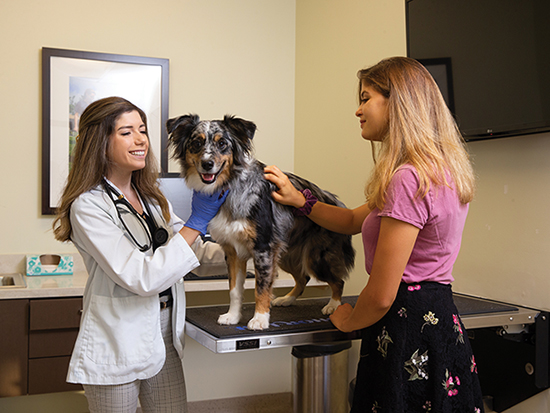
Annalis Cigarroa and Margaret Preigh pet a Australian Shepherd dog on a table
Annalis Cigarroa, Indigo, and Margaret Preigh

A Passion For South Texas

Cigarroa is proud of her hometown, Laredo, and that pride has influenced her decision to pursue a veterinary specialty.

“Laredo is a really unique city because there is such a blend of Mexican and American culture,” she said. “Everywhere you go, every restaurant and shop you walk into, you’ll be spoken to in English and in Spanish. As a result, there’s a Laredo accent, Laredo sayings, and other things that are just unique to border life.”

However, this booming city, which is the top trade port in the nation, has a healthcare deficit in specialty veterinary medicine.

“The closest specialty practice in South Texas is in San Antonio (more than 150 miles away),” said Cigarroa, who grew up with many foster pets and rode quarter horses in cutting events. “There are so many growing cities like Laredo, McAllen, and even Corpus Christi that don’t have close access.”

Cigarroa’s interest in medicine was piqued as a child by her father, who is a human cardiologist. “I always had a love for medicine,” she said. “It just wasn’t until later in my (undergraduate) studies that I decided it was a love for veterinary medicine and not human medicine.”

The fourth-year student, who entered the DVM program with a degree in science pre-professional from Notre Dame, hopes to combine her passion for animals, medicine, and the Texas border region to build a bilingual practice that specializes in small animal neurology in her hometown.

“I’m interested in bringing specialty medicine further into South Texas,” she said. “I hope within the next 10 years there can be a shift, whether that’s just providing some aspect of specialty care in South Texas or coming up with a way to bring specialty medicine in just one area and having it serve a greater population.”
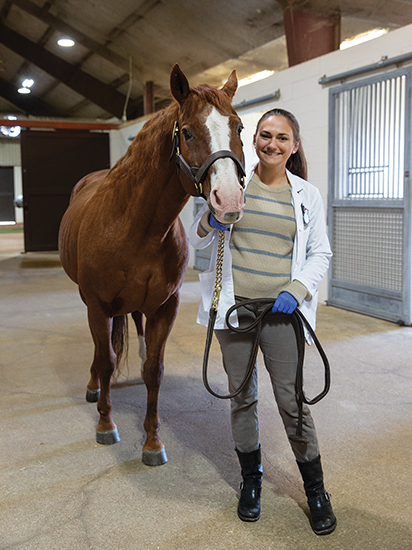
Maria Granello leading a horse
Maria Granello

Equine-imity

Horses are an integral part of Granello’s life.

As a young girl, she started competing in eventing, an equestrian sport similar to a triathlon, and then continued her passion as a member of the varsity equestrian team at Sewanee: The University of the South.

Now Granello wants to pursue a profession that will allow her to work with these animals—which has led her to commit to specializing in equine sports rehabilitation.

“I always want to keep horses in my life and then I found that veterinary medicine is a really great way to be engaged every day with both horses and the people who love and care for them like I do,” she said.

The native of Dallas, who holds an undergraduate degree in biology and a chemistry minor from Sewanee, believes the CVM’s program provided a solid and comprehensive veterinary foundation.

“Even though I’m an equine track, we get exposed to everything at A&M, which I think makes us more well-rounded,” she said. “But I have really enjoyed my time on the equine rotations.”

Granello has completed four rotations focused on horses and three externships at equine referral hospitals across the nation. The next step on her professional journey is an internship at the prestigious Littleton Equine Medical Center in Denver.

Afterwards, she plans to pursue either a surgery or sports medicine residency, which will prepare her to work with horses that are worth millions of dollars.

“I’m really interested in performance horses and helping these horses reach athletic and performance potential,” Granello said. “I really respect and am interested in how to improve and keep them at peak form.”

She credits Texas A&M for preparing her to be successful in this fast-paced and high-pressure setting.

“I think that the CVM’s professors and clinicians are very encouraging and they really want you to succeed in your goals and your career,” Granello said. “I have felt like everyone here wants the students to succeed and be the best veterinarians they can coming out of this program.”
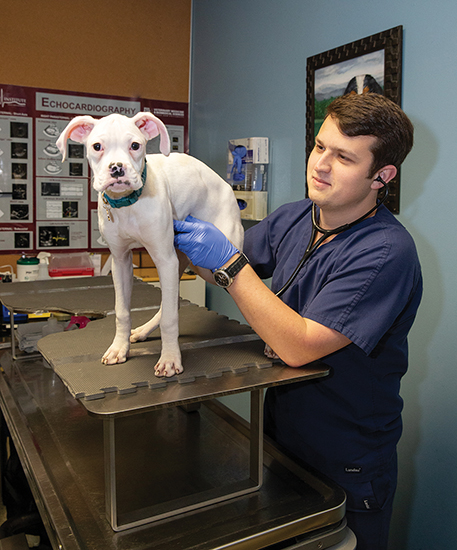
Hunter Enderle examining a dog
Hunter Enderle examines Lily Belle

Try, Try Again

Enderle’s path to a veterinary medicine career took an unexpected detour when his first application to the CVM wasn’t accepted.

“That was a little bit of a heartbreaker for me,” said the Midlothian resident, who earned a biomedical sciences degree from Texas A&M in three years. “It was my first defeat in life.”

His initial interest in a career in veterinary medicine had been fostered by his passion for several academic subjects.

“It was my interest in math and science and then my love of animals,” he said. “These two interests came together and formed this veterinary medicine career path.”

Enderle’s unexpected gap year resulted in valuable hands-on experience. Returning home to regroup, Enderle accepted a job as a technician at a Dallas-area specialty veterinary hospital.

Over the next year, he was introduced to a number of sub-specialties—including internal medicine, emergency medicine, and oncology—and had the opportunity to work with CVM associate professor Dr. Ashley Saunders, who offered cardiology consultations in the Dallas area.

That experience led to his acceptance to the CVM’s veterinary medicine program and the development of a mentor relationship with Saunders. It also helped him realize that he wanted to pursue a specialty.

“I knew in my first year of vet school that cardiac physiology clicked for me,” he said. “It just made sense and I was good at it. Having worked in the specialty practice, I was drawn toward the more specialized part of being good at one thing.”

Enderle believes earning board certification in cardiology will prepare him to be successful in the middle ground between medicine and surgery.

“The cardiologists do a lot of interventional procedures, so they’re closing off patent ductus arteriosus; they’re doing a noninvasive procedure to fix a dog’s heart from a disease it was born with,” he said. “But then cardiologists also work with a lot of medications and medicine management of really complicated congestive heart failure cases. They work with imaging like echocardiograms. You see a good variety, but you also get really good at the things that are common.”

Ultimately, Enderle wants to return to the Dallas-Fort Worth metropolitan area.

“Dallas is an underserved area for cardiology right now. I think there’s one cardiologist in the Dallas area,” he said. “For as many people that are there, it’s just not enough.”

###

Note: This story originally appeared in the Spring 2020 edition of CVM Today.

For more information about the Texas A&M College of Veterinary Medicine & Biomedical Sciences, please visit our website at vetmed.tamu.edu or join us on FacebookInstagram, and Twitter.

Contact Information: Jennifer Gauntt, Director of Communications, Texas A&M College of Veterinary Medicine & Biomedical Sciences; jgauntt@cvm.tamu.edu; 979-862-4216
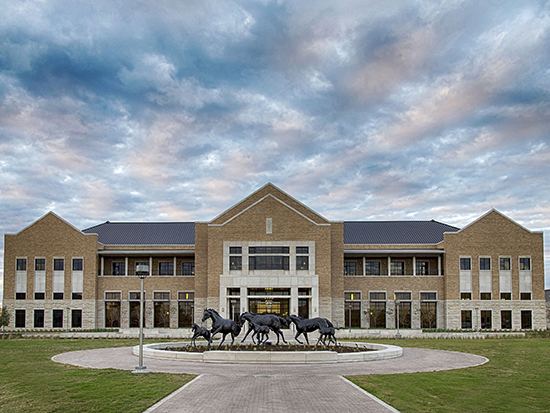
CVM To Hold Virtual Graduation For Veterinary Class Of 2020

CVM VENI building

Students in Texas A&M’s Veterinary Class of 2020 represent a couple of milestones for the College of Veterinary Medicine & Biomedical Sciences (CVM).

Not only will the students slated to graduate May 6 be the 100th class of Aggie veterinarians, but because of the COVID-19 pandemic, they will earn the distinction of being the first class of Aggie veterinarians to harness the power of the internet to celebrate their commencement.

On May 6, instead of walking across the stage of Rudder Theater, the 132 graduating members of the Veterinary Class of 2020 will log into Zoom to watch a video that features some of the most treasured traditions of their graduation ceremony.

“We wanted to provide our veterinary students with something memorable, understanding that while we can’t necessarily fill the void that will happen when they do not actually get to walk across the stage and receive their degrees, we can do something to recognize their accomplishments,” said Dr. Karen Cornell, CVM associate dean for professional programs. “We’re working to make this as close to the experience of the real graduation ceremony as we can under the circumstances.

“We had discussed a lot of options for handling graduation, and while we would hope that our students would come back to College Station for a ceremony, realistically, we realized that it’s not very likely that they would all be able to return,” Cornell said. “We felt that the best way to ensure that everyone can participate and celebrate together was to move to a virtual ceremony.”

In addition to the traditional “pomp and circumstance” affiliated with graduation, CVM administrators, led by Cornell, have worked to create a more personalized experience for the graduates.

This includes the DVM candidates being mailed their regalia to wear during the ceremony and when the ceremony gets to the point in the program where Cornell administers to candidates the Veterinarian’s Oath, the broadcast will go live, allowing every member in the class to recite the oath together.

“It means a lot to me and to the class that the administration decided to host a virtual ceremony for us,” said Taylor Adams, president of the class of 2020. “With many other veterinary schools are canceling graduation or graduating their fourth-year students early, we are very excited to get to celebrate virtually with our families and classmates.

“I know that this virtual ceremony has required a lot of hard work during an already challenging time, and we are grateful for our administrators’ efforts to make our graduation day special,” she said. “It is absolutely not the way we hoped to graduate, but commemorating this day and this moment that we have all looked forward to for so long will be very nice. It will definitely be a great story to tell later.”

Family members and other loved ones will be able to watch the festivities from home, as the virtual graduation ceremony will be streamed via Facebook Live on the CVM’s Facebook page (@tamuvetmed) and on the DVM Class of 2020 website.

Those interested in watching can visit the CVM’s Facebook page and click “going” on the DVM Class of 2020 Virtual Graduation event.

The ceremony will begin at 2 p.m.

###

For more information about the Texas A&M College of Veterinary Medicine & Biomedical Sciences, please visit our website at vetmed.tamu.edu or join us on FacebookInstagram, and Twitter.

Contact Information: Jennifer Gauntt, Director of CVM Communications, Texas A&M College of Veterinary Medicine & Biomedical Sciences; jgauntt@cvm.tamu.edu; 979-862-4216
Sit… Stay… At Home: Pet-Friendly Quarantine Activities

Social distancing has created a new sense of normal for many of us, including our pets. Dogs are probably excited that we are staying in our slippers all day, while some cats may be less than enthusiastic that we’re disturbing their outrageously long naps.

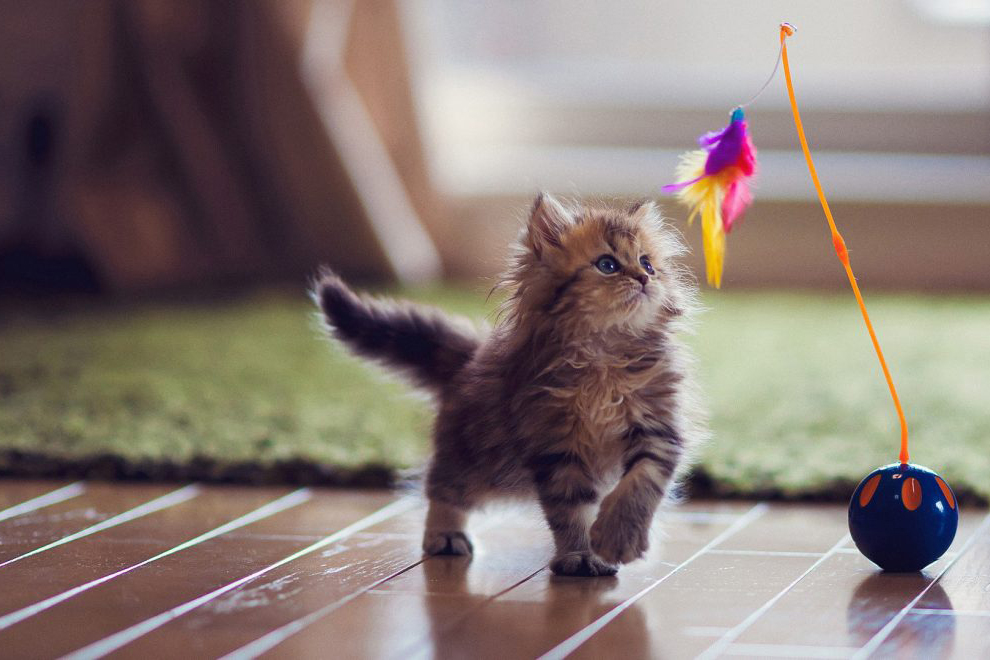
Kitten playing with a feather toy

Though social distancing presents some benefits, many may be finding the abundance of free time to be challenging. Courtney Markley, a veterinary student ambassador at the Texas A&M College of Veterinary Medicine & Biomedical Sciences, offers some ideas to change up the monotony of the day.

“Pet owners can introduce new activities in their normal daily schedule to help pets adjust to all of these changes,” Markley said. “Pets will still expect an early breakfast and may need time to relax alone, either in their crate or a room by themselves, if they’re not used to constant excitement during the day.”

When your pets are ready to come out and play, Markley recommends some shelter-in-place-friendly activities that can occupy both pet and owner.

“Owners of a feisty feline probably already know cats frequently enjoy the package a store-bought toy comes in more than the actual toy, which is great news now that we’re staying home,” she said.

Along these lines, a few budget-friendly ideas to spice up your cat’s day can include:

  • Cutting little holes in cardboard toilet paper rolls or adding some fringe along the edges before tossing it on the floor. Kids can even decorate them with non-toxic markers.
  • Cutting a cat-sized hole in the side of a box or covering an open box with a T-shirt so that the neck hole creates a “door” to give the cat a place to hide. Cutting multiple holes of various sizes creates opportunities for sneak-attacks during playtime!
  • Using laser pointers can be fun for cats to burn some energy. Always give them a treat at the end of the game to make their “hunt” successful. If not, they may become frustrated.
  • Tying wine corks (boiled for sanitation) to a string, adding some feathers, or just tossing it to your cat can also make a good toy.

Dogs can get in on the fun, too, Markley says, noting that the free time many people have found in quarantine is perfect to brush up on their training.

“There is a wealth of dog training information available online; positive reinforcement training is a great place to begin your search,” she said.

If the usual activities like fetch, walks, and training begin to get old, Markley recommends trying the following ideas:

  • Creating rope/tug toys out of a cut-up T-shirt (or old fleece jacket if you need a stronger toy). Simply cut three strands of fabric of decent length, then tie them in a knot at one end, braid the strands just like you braid hair, and finish it with a knot before play time begins.
  • Blowing some bubbles! Dogs enjoy bubbles just as much as kids, so this idea is a double-win.
  • Playing a game of hide-and-seek. Either tell the dog to stay and go hide somewhere before calling them, or send the kids to go hide somewhere with a squeaky toy while you help Fido count to 10. Once everyone is in position, call your dog’s name or squeak the toy to help them find you.
  • Practicing “nose work.” Put a few treats in a muffin tin and cover them with tennis balls. Dogs will have to use their noses to determine which tennis balls are covering treats and then figure out how to remove the tennis ball.
  • Offering self-entertainment. Some toys can be filled with store-bought treats or snacks from the fridge if your pooch needs to entertain themselves for a while. Freezing the toy before you give it to them can increase the time it takes to get all of the snacks out.

When filling toys with treats, it is important to stay away from toxic foods like raisins and other dried fruits, onions, garlic, chocolate, fatty foods, and foods that contain an artificial sweetener called Xylitol, which is sometimes found in peanut butter.

“Fruits and veggies make great snacks for dogs and even your cat, if they’re an adventurous eater,” Markley said. “My go-to treat recipe includes peanut butter or nonfat plain yogurt, kibble, and a fruit like frozen blueberries or bananas.”

If you choose to give some extra snacks, especially peanut butter, remember to decrease the amount of kibble your pet receives for breakfast or dinner, so they don’t consume extra calories.

When making homemade toys, Markley points out a few potential hazards pet owners should avoid.

“Some dogs love water bottles, but the cap and any plastic pieces they chew up can become choking hazards, so stay away from those,” she said. “When making toys for cats, be careful using string because they might try to eat that, too.”

Quarantine has many of us chasing our own tails. Though current circumstances may be stressful, pet owners can use this time to reconnect with their furry friends and make the best of their time at home.

Pet Talk is a service of the College of Veterinary Medicine & Biomedical Sciences, Texas A&M University. Stories can be viewed on the web at vetmed.tamu.edu/news/pet-talk. Suggestions for future topics may be directed to editor@cvm.tamu.edu.

The Sky’s The Limit

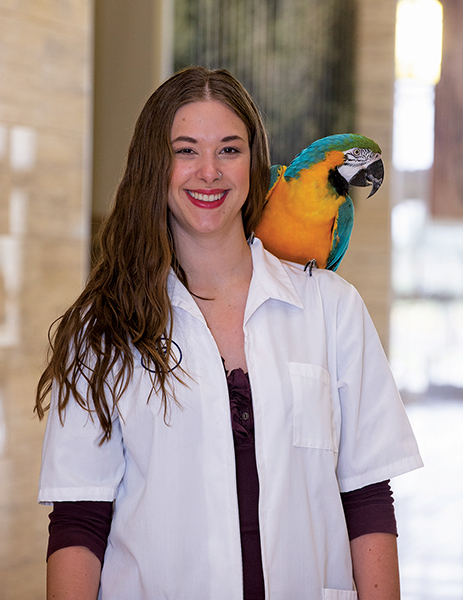
Jillian Villalva with a parrot on her shoulder
Jillian Villalva and Bonnie

Jillian Villalva has always been fascinated with birds.

“As a kid, my parents would lose me when we were walking places because I would see some bird and want to follow it to figure out what it was doing,” said the fourth-year veterinary student.

Growing up in Portland, Oregon, the force that drew her to nature also instilled in her a love for all animals, and especially exotic birds, which have always held a special place in her heart.

“My grandfather was a woodsman and was really fascinated by birds,” she said. “I would go out walking with him and he would tell me about all of the different species; he knew all of them.

“Birds always just felt magical to me,” Villalva said. “They’re flighty and weird and you have to be quiet and sneak up on them, so when you get to be near one, you feel privileged, because it’s not something that people normally get to do. You feel very special when you work with them.”

When she decided to pursue her childhood dream of becoming a veterinarian, a career in avian medicine was the obvious choice.

Birds and other exotic animals typically require a sensitive touch and precise care to remain happy and healthy as pets. The veterinarian caring for these animals must understand the uniqueness of each species and know how to recognize the slightest changes in appearance or behavior.

“It’s just a completely different mindset of how you approach your patients,” Villalva said. “I like paying attention to the really tiny details and the long conversations that you end up having with owners.

“Exotic medicine is about connecting with the person and getting them on the right page, being excited about what they’re doing and happy because they feel like they know how to understand or bond with their animal,” she said. “That’s what makes me feel really fired up about medicine.”

To begin working toward a career in exotic medicine, Villalva studied ecology and conservation biology for her undergraduate degree at Boston University. She then moved south to Texas to be near her husband’s family and begin her veterinary education at Texas A&M.

In her third year as a veterinary student, Villalva had the opportunity to attend an educational abroad trip with CVM associate professor Dr. Donald Brightsmith. They traveled to Peru to continue his ongoing research on the scarlet macaw, a species that is experiencing declining numbers in the wild.

Brightsmith’s research focuses on macaw chick-rearing behavior, with an emphasis on finding ways to improve chick survival rates. Mother macaws typically lay multiple eggs over a period of time but only care for the chick that hatches first because it is the largest.

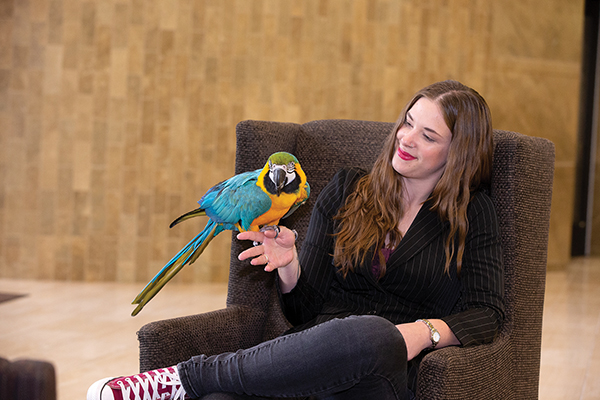
Jillian Villalva holding a parrot
Jillian Villalva and Bonnie

Through previous studies, Brightsmith discovered that by removing a chick and rearing it by hand, it could then be translocated to a different nest with a chick of the same size. After several days, the mother macaw would accept the new chick and begin feeding it along with her own chick.

As a veterinary student, Villalva was interacting directly with the chicks to assess their health, take measurements, and track their growth.

“It was the coolest thing I’ve ever done,” she said. “We walked around the jungle, climbed 100- to 150-foot trees in the Amazon, and played with baby macaws.

“I really loved the collaboration between all of the scientists there, because everyone was coming from a different background with slightly different focuses,” she said. “It was this huge collaboration of minds all coming together to solve problems and think about things critically.”

After graduation, Villalva plans to begin a practice route specialization in avian and exotic medicine. This method of specialization involves writing case reports while working in a clinic, and then submitting those reports for a chance to take an exam for board certification.

She then plans to open her own clinic somewhere in Texas and spend every day caring for the birds and other exotic animals she loves.

“Texas is so unique in that it has this private sector of exotic medicine,” Villalva said. “With most places in the rest of the country, when you want to do exotics, you have to do public medicine—at a zoo, a rehab center, or something that’s run by the state—so the medicine is really different.

“When I came here, I was excited to see opportunities in private exotic medicine that had the patients I’ve loved forever and the type of medicine that I love,” she said.

With a strong passion for such a unique area of veterinary medicine, Villalva is sure to have an exciting career ahead of her full of the animals she has been fascinated with for her entire life.

###

Note: This story originally appeared in the Spring 2020 edition of CVM Today.

For more information about the Texas A&M College of Veterinary Medicine & Biomedical Sciences, please visit our website at vetmed.tamu.edu or join us on FacebookInstagram, and Twitter.

Contact Information: Jennifer Gauntt, Director of Communications, Texas A&M College of Veterinary Medicine & Biomedical Sciences; jgauntt@cvm.tamu.edu; 979-862-4216
Taking The Bull By The Horns

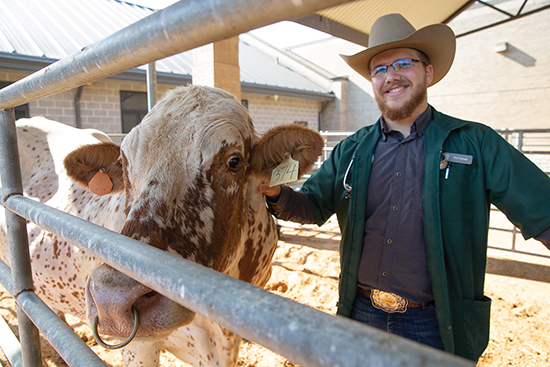
Timothy Turner with a hand on Rockstar the steer
Timothy Turner and Rockstar

Unlike with many of his peers, veterinary medicine wasn’t Timothy Turner’s first career choice.

“I wanted to be an astronaut first, but when I was 10, I was fishing with my grandpa, and we found a big piece of metal in Lake Nacogdoches,” he said. “We started asking around to find out what it could be and learned that it might be a piece of the Space Shuttle Columbia that had blown up several years earlier. That cured me of ever wanting to fly to space.”

While the Douglas, Texas, native got what he might believe to be a “late” start in veterinary medicine—considering that he would complete his homeschool curriculum and enter Stephen F. Austin State University (SFA) at 14—he began focusing the same energy and attention that were preparing him for a career in astrophysics into veterinary apprenticeship, shadowing under the watchful eye of Dr. Jim Weatherly ’80.

“After a year or two, Dr. Weatherly really started to notice that my interest was shifting from just, ’I love animals’ to really paying attention to and loving the work in medicine, especially with large animals,” Turner said. “So, he really took me under his wing. He pushed me and made me see what I would be doing in the future and how I can make the profession better. Even though he’s an old school veterinarian, he was always striving to make the profession better every single day.

“He taught me about veterinary medicine to the point that by the time I left there at 16 or 17 years old, he had begun joking, ‘You’re just going for a piece of paper now,’ because he gave me what knowledge he could in that time,” Turner said. “He basically is the reason I’m here today.”

At SFA, Turner studied animal science while working for Weatherly. When he wasn’t initially accepted into veterinary school at Texas A&M, he decided to stick around SFA and pursue degrees in chemistry and biochemistry. This ended up being fortuitous for Turner, as he met his wife (Meg, who is now a medical student at Texas College of Osteopathic Medicine in Fort Worth) in organic chemistry class.

Timothy Turner and wife, Meg

Living apart while dating and then as a married couple presented its challenges; however, knowing that medical school was just a pit stop on the journey to a life together as doctors and the mutual understanding of the “grueling” nature of their curricula—along with conscious effort and FaceTime—have allowed the Turners to make it work.

It hasn’t hurt that their mutual love of medicine has brought them together in sometimes unexpected ways, such as when Meg’s cat, Charlie, ate a piece of string that became stuck in his intestines; because the cost of surgery was preclusive for medical students, the pair met at a family friend’s veterinary clinic, where, under the veterinarian’s watchful eye, Turner removed the foreign object.

“It was a great bonding moment, it saved her cat, and we got to be medically associated together,” Turner said. “It was just a really great experience.”

While Turner plans to devote his career primarily to bovine medicine, circumstances like that of Meg’s cat have also reinforced his love for small animal surgery.

“Charlie was very sick; in another couple of hours, he could have died, but we performed surgery for an hour and a half and he woke up happy, healthy, and ready to eat soft food. It’s just amazing, the turnaround surgery can have,” Turner said.

“A picture-perfect day in the life of Tim as a veterinarian would be spending three or four days a week out in the field working on cattle and then a couple of days locked away in small animal surgery,” he said. “Surgery is just very satisfying to me.”

That picture-perfect day would also include being back home in a small East Texas town, working at, and eventually owning, a mixed animal practice, with his wife also working at, or perhaps owning, a rural medicine practice.

Turner does admit that the concern among students about pay in rural communities, when associated with veterinary student debt, also concerns him, but, ultimately, his desire to help improve the veterinary situation in East Texas drives him to serve at home.

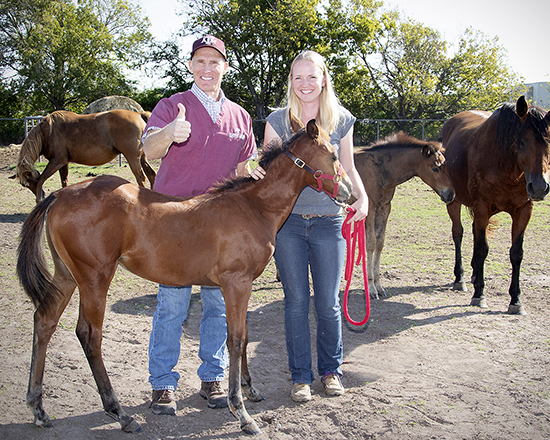
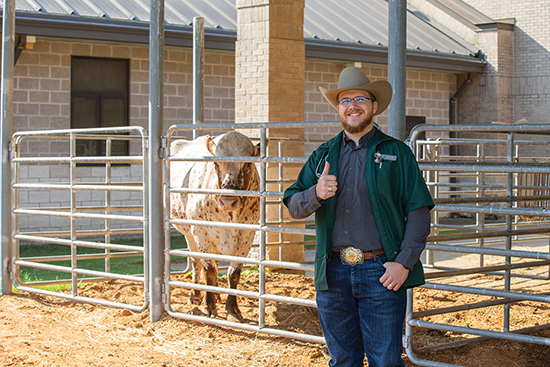
Timothy Turner thumbs up
Timothy Turner

“I don’t necessarily think there’s a lack of large animal veterinarians in East Texas, but I don’t know that owners see the full value of our veterinary services. They can give their own antibiotics, they can buy a lot of vaccinations, they can de-horn—they can do a lot on their own,” Turner said. “Where veterinary medicine is having to shift is helping producers understand that our knowledge on nutrition, on selecting heifers, and other aspects of preventative medicine ultimately benefits the business.

“For example, if we select the cows that aren’t going to have problems calving, if I can get the number of calves that are getting stuck and having to be pulled down, then I help the producer. He’s not spending money on the dystocias; it takes less recovery time for the cow; the calf does better,” Turner said. “That’s something I’m going to have to actively go out and promote. I will have to be service-oriented and consult-oriented. So, yes, I am concerned about my debt, but I don’t think it’s insurmountable.”

That milk-glass-half-full mindset has driven Turner throughout his educational experience—whether it was learning the minutia of cattle medicine to provide services that he knows he’ll soon have to do on his own or the hard work it’s taken to get him where he is, Turner has simply enjoyed the ride.

“I really overworked myself that last year of undergrad, and so during veterinary school, I have made it a point to find the joy of what I’m doing each and every day,” Turner said. “I’ve always wanted to be an Aggie, ever since I was little, and I think a lot of it was Dr. Weatherly’s pride in the school. He was always proud of his ring and has worn it every day of his life since he’s gotten it.

“When I sit down and think about it, I’ve enjoyed every minute of veterinary school,” he said. “I know that it’s not a very common opinion, but if you told me that I had to start back from day one in order to be a veterinarian, I would do it all over again. I really would.”

###

Note: This story originally appeared in the Spring 2020 edition of CVM Today.

For more information about the Texas A&M College of Veterinary Medicine & Biomedical Sciences, please visit our website at vetmed.tamu.edu or join us on FacebookInstagram, and Twitter.

Contact Information: Jennifer Gauntt, Director of Communications, Texas A&M College of Veterinary Medicine & Biomedical Sciences; jgauntt@cvm.tamu.edu; 979-862-4216
Texas A&M VMTH Curbside Admission, Discharge Update

In an effort to better serve patients, the Texas A&M College of Veterinary Medicine & Biomedical Sciences’ (CVM) Veterinary Medical Teaching Hospital (VMTH) has adjusted its curbside admissions process for its Small and Large Animal Hospitals, effective April 20.

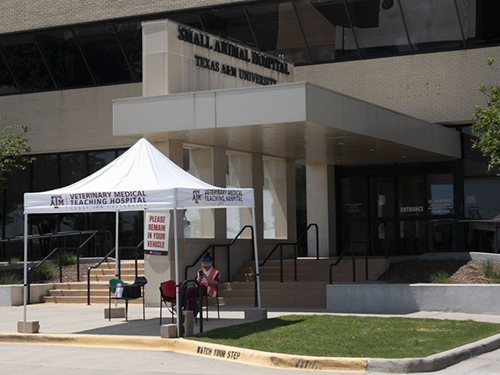
Drop-off location in front of the Small Animal Hospital
Small animal patients will now be dropped off in front of the Small Animal Hospital entrance.

Small Animal

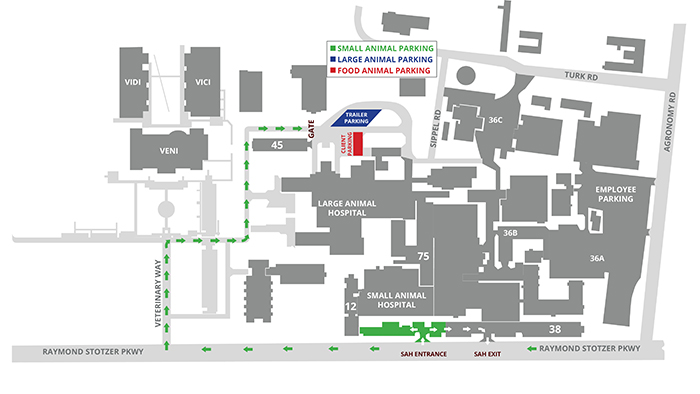
Curbside admission and discharge processes continue at the Small Animal Hospital (SAH); however, clients should now enter the normal Small Animal Hospital Parking Lot (Lot 38), off of Raymond-Stotzer Parkway.

After turning into Lot 38, clients can park in any of the numbered spaces and should call the telephone number listed on the sign to get their pet checked in and begin the admissions process.

Large Animal

Curbside admission and discharge processes also continue at the Large Animal Hospital (LAH). Clients will continue to use the traditional route to the Large Animal Hospital (from Raymond-Stotzer Parkway, turn onto Veterinary Way and then right at the stop sign, following the road around to and through the gates).

Once in Lot 45 (the normal Large Animal Hospital client parking), clients can park in numbered spaces designated for equine and food animal patients (please see the map below). Clients should then call the telephone number listed on the sign to begin the admissions process.

“The Texas A&M College of Veterinary Medicine and Biomedical Science’s Veterinary Medical Teaching Hospital is continuing our efforts to provide essential veterinary medical services in a way that is safe for our clients, faculty, and staff,” said Dr. Wesley Bissett, associate professor and director of the Texas A&M Veterinary Emergency Team. “While this admissions process is different than how we normally function, our commitment to providing excellence and compassion remains the same. We urge everyone to stay safe and heed all public health recommendations for successfully navigating through the COVID-19 pandemic.”

Currently, the VMTH is still only seeing urgent and emergent cases. Owners are encouraged to call ahead of time for small animal (979-845-2351) and large animal (979 845-3541) emergencies.

Map of VMTH

###

For more information about the Texas A&M College of Veterinary Medicine & Biomedical Sciences, please visit our website at vetmed.tamu.edu or join us on FacebookInstagram, and Twitter.

Contact Information: Jennifer Gauntt, Director of CVM Communications, Texas A&M College of Veterinary Medicine & Biomedical Sciences; jgauntt@cvm.tamu.edu; 979-862-4216
DVM Class Of 2020 President Reflects On Leadership Role At CVM

Taylor Adams
Taylor Adams

Taylor Adams, the president of the Texas A&M College of Veterinary Medicine and Biomedical Sciences’ (CVM) Doctor of Veterinary Medicine (DVM) Class of 2020, is interested in the behind-the-scenes work that leadership requires.

Adams had a great impact within the CVM, where the Dallas native endeavored to include as many different students and backgrounds as possible.

“I liked the format of our officer meetings and getting to work with a diverse group of officers,” she said. “Our goal was to listen to every member of the class and ensure that we were not just appealing to one group of the class.”

Community is an important part of leadership for Adams. Her favorite event of the year was Fur Ball, an annual formal event for veterinary students, because the turnout was so large and brought every class year of the CVM together for an evening. The connections she built are what she considers most valuable about her time at the CVM.

With an interest in small animal surgery, Adams’ dedication to detail and willingness to run the backstage of important events will prove to be valuable. Her wealth of experience in many different roles has given her the ability to juggle multiple variables at once, as a veterinarian often must.

“I am used to multitasking,” she said. “I had a job during undergrad and was president of my sorority, while taking a minimum of 18 hours each semester. During our clinical rotations, it was very similar and required multitasking, because I still had work I needed to do for our class officer team.”

For her final duty as class president, Adams will address her fellow Class of 2020 veterinary students during a virtual graduation ceremony in May.

She will then head to the Colorado State University College of Veterinary Medicine & Biomedical Sciences for a small animal rotating internship, where her leadership experience will pave the way for a bright future as an Aggie veterinarian.

###

For more information about the Texas A&M College of Veterinary Medicine & Biomedical Sciences, please visit our website at vetmed.tamu.edu or join us on FacebookInstagram, and Twitter.

Contact Information: Jennifer Gauntt, Director of CVM Communications, Texas A&M College of Veterinary Medicine & Biomedical Science; jgauntt@cvm.tamu.edu; 979-862-4216
CVM Researcher Fights Antibiotic Resistance, Improves Foal Health

Dr. Noah Cohen with a foal
Dr. Noah Cohen

Dr. Noah Cohen, the Patsy Link Chair in Equine Research at the Texas A&M College of Veterinary Medicine & Biomedical Sciences (CVM), has identified an alternative treatment for foal pneumonia that avoids the use of often over-prescribed antibiotics.

In research funded by the Morris Animal Foundation, Cohen and collaborators found that gallium maltolate (GaM), a metal-based compound with antimicrobial and anti-inflammatory properties, resolved subclinical pneumonia (i.e., pneumonia identified in foals that did not have clinical signs, such as fever, coughing, a depressed attitude, etc.) without increasing the number or diversity of antibiotic-resistant bacteria in the foals’ fecal samples.

Antibiotic resistance is a pressing issue in today’s world. Overuse and incorrect use of antibiotics have increased the prevalence and diversity of bacteria that are resistant to antibiotic medications. This creates “superbugs” that doctors have no way of combatting, opening vulnerabilities in human health, the health of our animals, and the health of our food system.

Foal pneumonia is one of the leading causes of death and disease in foals and has no licensed vaccine. It is often caused by the bacteria Rhodococcus equi (R. equi), which occur naturally in soil.

Pneumonia caused by R. equi is insidious, meaning it progresses gradually and is well established by the time symptoms appear, so many farms screen foals using chest ultrasound examinations to find foals that are developing pneumonia before they show clinical signs of disease.

Veterinarians then treat the foals that have chest lesions indicating pneumonia. However, because many of these foals that have chest lesions seen on ultrasound won’t go on to develop pneumonia, a large proportion of foals get treated with antibiotics needlessly.

“While that treatment strategy saves lives in the short term, it’s really driving this resistance problem because, for every one foal that needs treatment, several foals that don’t need treatment wind up getting antibiotics,” Cohen said.

In this study, published in the journal Scientific Reports, researchers from Texas A&M and the University of Georgia investigated the use of GaM as an alternative to a macrolide antibiotic plus rifampin (MaR), an antibiotic combination that is the standard treatment for R. equi foal pneumonia.

Foals with signs of subclinical pneumonia were given either GaM or MaR for two weeks.

Dr. Noah Cohen and graduate student Susie Kahn with a foal
Dr. Noah Cohen and graduate student Susie Kahn

After two weeks, foals treated with MaR displayed an increase in their number and diversity of antibiotic-resistant bacteria in their fecal samples. Alarmingly, many of these bacteria were resistant to multiple drugs and antibiotics.

In foals treated with GaM, however, bacteria collected from fecal samples showed no change in the number or diversity of antibiotic-resistant bacteria. This finding suggests that while treatment with MaR promotes the abundance of antibiotic resistant bacteria, treatment with GaM did not affect the amount of these harmful germs.

This is important because horses are often kept in groups; therefore, the fecal bacteria of one animal may infect or colonize another healthy foal living on the same soil.

Another concern of using MaR in the treatment of foal pneumonia is that the excrement of horses taking this medication may contain traces of unabsorbed antibiotic. This study showed that antibiotic entering soil will increase selection for bacteria that are resistant in the soil.

Researchers hope to next test the effectiveness of GaM on foals that are clinically infected with R. equi.

This study comes at a vital time, as bacteria evolve faster than scientists develop new drugs. Antibiotic alternatives, such as the substance investigated by Cohen and his colleagues, are integral to ensuring the future of our food systems, our animal friends, and our own health.

“The World Health Organization has identified antimicrobial resistance as a top threat to human health,” Cohen said. “There is an urgent need in human and veterinary medicine to identify alternative antimicrobials because bacteria can evolve resistance so rapidly, and often to multiple classes of drugs.”

###

For more information about the Texas A&M College of Veterinary Medicine & Biomedical Sciences, please visit our website at vetmed.tamu.edu or join us on FacebookInstagram, and Twitter.

Contact Information: Jennifer Gauntt, Director of CVM Communications, Texas A&M College of Veterinary Medicine & Biomedical Science; jgauntt@cvm.tamu.edu; 979-862-4216
Close Quarters: Avoiding Inter-Pet Aggression During Quarantine

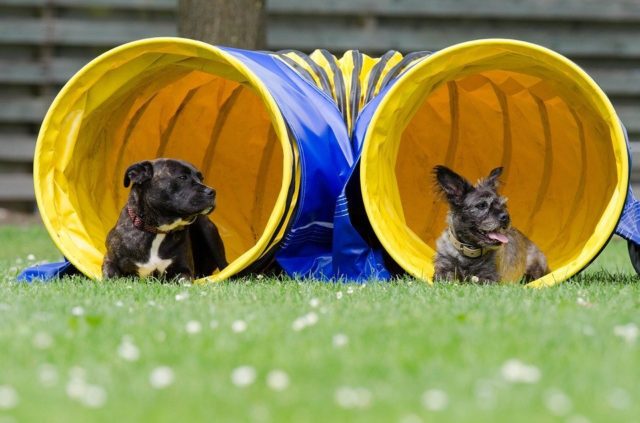
Dogs in tunnel

With much of the nation under stay-at-home orders, cabin fever is at an all-time high. Cohabitating with our loved ones and furry friends provides many benefits, but being in close quarters for extended periods of time can be difficult—for humans and their animals.

Dr. Christine Rutter, a clinical assistant professor at the Texas A&M College of Veterinary Medicine & Biomedical Sciences, is an emergency and critical care specialist who has plenty of experience with dogs, both at work and at home. She talks about the challenges pets may face in the COVID-19 era and how owners can help by providing structure to their pets through routine.

“(In the Veterinary Medical Teaching Hospital) I’m seeing a different subset of emergencies because people are home,” Rutter said. “I’m seeing a lot of inter-pet aggression, such as big dog-little dog injuries or big dog-cat injuries; those kinds of things. Pets take their anxiety out the same way we do, which is on the people around us or on the pets around us.”

Just as humans have found the disruption of daily life to be stressful and upsetting, pets have also picked up on the change. Rutter says it is important to provide pets with a strong routine to minimize their stress and reduce the risk of inter-pet aggression.

One excellent outlet that can benefit both pet and owner is exercise.

“A walk provides a really important behavioral structure between an owner and a dog,” Rutter said. “It tells them, ‘I’m the leader; I’m taking care of you. You don’t have to be anxious about all of this, because I’m in control.’”

Walking two dogs together also can be beneficial in fostering a peaceful household because it teaches them to work together. Rutter compares this dynamic to working with a coworker you may not like—the encounter creates a shared cooperative experience.

Owners may also use their extra time at home to touch-up on their pet’s training, which can provide structure and enrichment.

“It’s a great time to start teaching your dog tricks. It may seem superfluous to teach your pet to sit, to heel, to stay, or to roll over, but it actually provides a really good way of communication,” Rutter said. “That’s a really solid way for your pet to know that they’re making you happy, which is kind of what a lot of them live for, right?”

If pets do begin to behave aggressively toward each other, Rutter recommends watching for raised hackles (the hair along the dog’s backbone standing up), mounting behavior, having their ears perked straight up, and other dominant-type behaviors. Confrontation can be prevented by separating the animals, by using a basket muzzle, or by removing factors that spark conflict.

“Feed your pets separately, have toys enjoyed separately, and remove those items from the environment whenever animals are together that have had conflict,” Rutter said. “If the pets have ever had conflict in the past, they are going to continue to do so, and so, no food items, no possessions, toys or anything like that; all those things need to be separate.”

Pet owners can also help by reducing stress within their household.

“As a general rule, things that would be stressful for a child are also going to be stressful for an animal,” Rutter said. “For example, raised voices, lots of chaos in the environment, changing routines, and having kids at home who wouldn’t normally be at home all the time.”

In extreme situations, aggressive pets may become dangerous to their humans and especially to small children who are unable to pick up on signs of aggression. Rutter recommends that pet owners review the American Veterinary Medical Association website on dog bite prevention to learn more about safe practices.

“Animal bites can be very serious, regardless of how they look on the surface, and always require urgent care by a physician,” Rutter said. “Identifying and avoiding opportunities for injuries to adults, children, and other pets is key.”

If pet owners have any concerns about their animal’s behavior, they should strongly consider reaching out to a board-certified veterinary behaviorist. These specialists have a unique set of skills that help them identify problem triggers and develop solutions for the whole household.

“Repeated, worsening, or dangerous situations are best handled through professional care,” Rutter said.

Though the current situation is stressful for everyone—person and pet—monitoring your animals for signs of inter-pet aggression while providing enrichment and routine to their daily lives can help your furry family stay happy until more normal circumstances return.

Pet Talk is a service of the College of Veterinary Medicine & Biomedical Sciences, Texas A&M University. Stories can be viewed on the web at vetmed.tamu.edu/news/pet-talk. Suggestions for future topics may be directed to editor@cvm.tamu.edu.

Texas A&M CVM’s 2+2 Veterinary Program Receives AVMA Approval

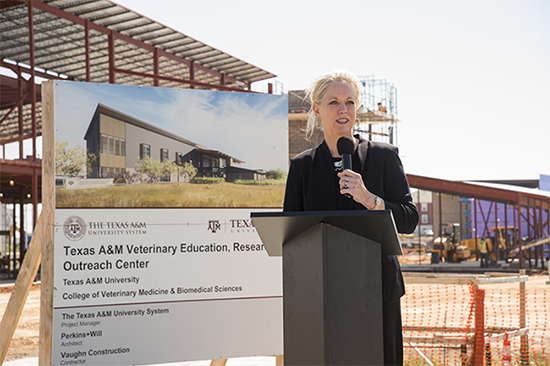
Dr. Eleanor M. Green speaks at a press conference at the VERO facility construction site
Dr. Eleanor M. Green at a press conference at the VERO facility construction site

The Texas A&M College of Veterinary Medicine & Biomedical Sciences (CVM) completed a pivotal step in the development of its 2+2 veterinary program on April 13, when the college received official program approval from the American Veterinary Medical Association (AVMA) Council on Education (COE).

With this approval, the CVM has permission to implement the 2+2 program through its Veterinary Education, Research & Outreach (VERO) program on West Texas A&M University’s (WT) campus. This means that additional veterinary students will be able to complete the first two years of their four-year veterinary curriculum in Canyon, Texas.

“The 2+2 program helps fulfill a 10-year goal to increase large animal veterinary medicine in the Texas Panhandle,” said Texas A&M University System Chancellor John Sharp. “It makes West Texas A&M the gateway to one of the best veterinary schools in the nation.”

“We are extremely excited that our 2+2 program has been approved by the AVMA COE,” said Dr. Eleanor M. Green, the Carl B. King Dean of Veterinary Medicine at Texas A&M. “This is a benchmark step that puts Texas A&M and WT one step closer to fulfilling a plan we have been working on for over a decade now.

“Through our VERO program, Texas A&M, the CVM, and WT are fulfilling a promise we made to the citizens of Texas to further address the need for rural and food animal veterinarians, needs that affect our food supply, the State of Texas economy, and citizens of the Texas Panhandle, as well as rural communities across the state,” she said.

“It also supports our Texas youth who have aspirations for careers in veterinary medicine. While the launch of the VERO program has already tripled the number applicants from WT being admitted to the CVM’s veterinary curriculum, this approval brings us one step closer to being able to admit even more students from WT and the Texas Panhandle region who can then, close to home, receive an education from one of the best veterinary schools in the nation,” Green said. “We anticipate that many of these veterinary graduates will choose to return home to serve their hometown communities.”

Through the 2+2 program, the first cohort of up to 18 Texas A&M first-year veterinary students will begin their Doctor of Veterinary Medicine (DVM) education at the VERO facility in fall 2021.

Those students will spend their first two years in Canyon on WT’s campus, where they will receive essentially the same basic DVM education provided in College Station but with convenient exposure to livestock and rural veterinary medicine, according to Green.

Every year after, there will be two cohorts at one time cycling through the Canyon location before their third year at the CVM in College Station, with the option of returning to Canyon for a portion of their fourth-year clinical rotations.

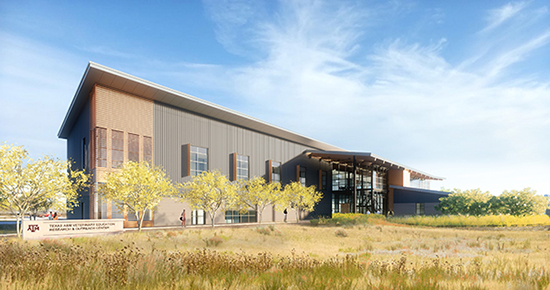
A rendering of the future VERO facility
A rendering of the VERO facility upon completion

The cohort will increase the total number of students enrolled in the CVM’s DVM program to 180, the largest in the nation.

“We are pleased that the American Veterinary Medical Association Council on Education sees the same potential in our 2+2 program that we do,” said Dr. Walter Wendler, WT president. “Bringing excellent veterinary faculty and resources to the Texas Panhandle area addresses critical needs and opens new opportunities for students in the Texas Panhandle to become Aggie veterinarians.”

The 2+2 program is one of many programs the CVM has implemented in the Texas Panhandle since 2009. Through the CVM’s VERO initiative, CVM faculty members live and work in the Texas Panhandle. They are housed at WTAMU, where they are actively recruiting and mentoring pre-veterinary students.

They also offer unique educational opportunities for current CVM veterinary students, including immersive externships, summer internships, and food animal production-focused tours that introduce them to the region and the livestock industries. An essential focus is working with veterinarians and livestock industry leaders in the region. The College Station campus and VERO are seamlessly connected, bringing the resources of College Station to the Texas Panhandle and vice versa.

All of these activities have been supported by more than $95 million in investments by the Texas A&M University System, including, most recently, a $5 million commitment to support additional faculty hires for the 2+2 program.

As part of the approval process, the AVMA COE will monitor the implementation of the 2+2 program through the CVM’s subsequent interim reports, which will update the AVMA COE on the implementation of the program, including additional clinical resources identified and additional faculty and staff hires. The next interim report will be due Dec. 15, 2020.

The approval will also require a focused site visit that will occur in the second semester of the second year of the initial 2+2 class, during which a site team will visit the VERO facilities at WT and will interview students and VERO faculty.

For more information on the 2+2 program and the CVM’s VERO initiative, visit https://vetmed.tamu.edu/vero/.

###

For more information about the Texas A&M College of Veterinary Medicine & Biomedical Sciences, please visit our website at vetmed.tamu.edu or join us on FacebookInstagram, and Twitter.

Contact Information: Jennifer Gauntt, Director of CVM Communications, Texas A&M College of Veterinary Medicine & Biomedical Science, jgauntt@cvm.tamu.edu, 979-862-4216; Chip Chandler, West Texas A&M University, 806-651-2124, cchandler@wtamu.edu