Protecting Your Poultry From Bird Flu

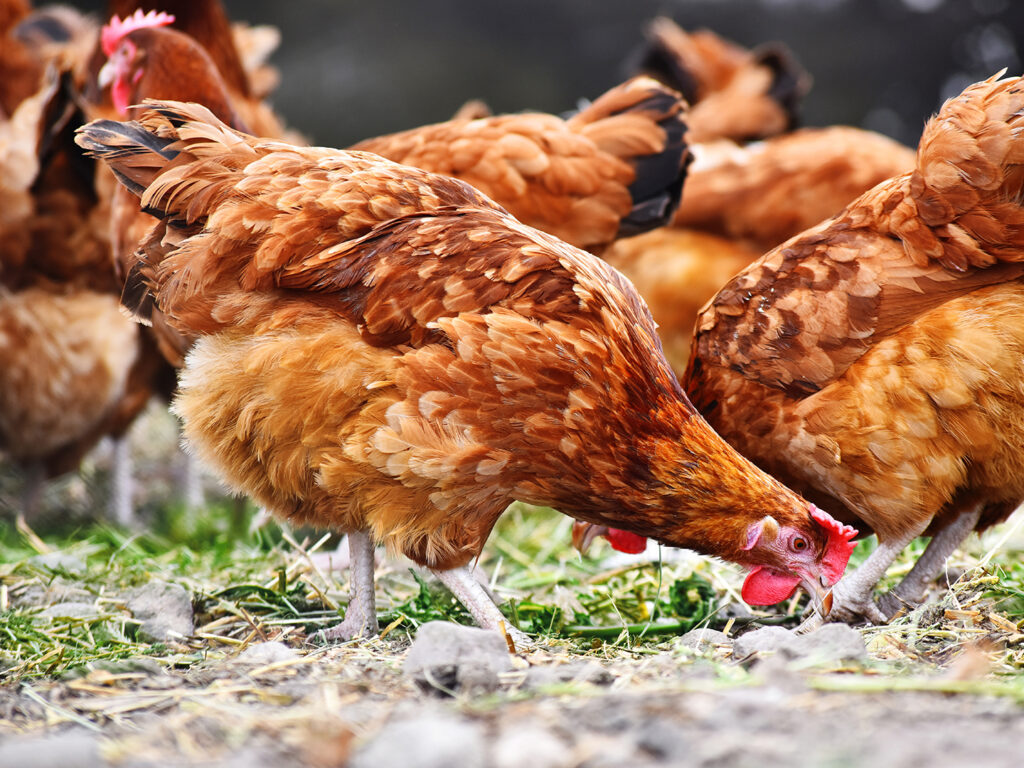
Chickens foraging

With winter approaching, birds are migrating south to escape the cold and take advantage of more abundant food sources. 

But birds aren’t the only ones taking advantage of this migratory ritual. Avian influenza viruses, more commonly known as bird flu, can spread across the country if migrating birds carry the viruses with them on their pre-winter journey. 

As a result, Dr. Isabelle Louge, a clinical assistant professor at the Texas A&M School of Veterinary Medicine & Biomedical Sciences, advises poultry owners to remain vigilant against the spread of bird flu this winter because it can be deadly for our avian counterparts. 

The Danger of Bird Flu

Bird flu typically follows migratory patterns, particularly through waterfowl (ducks and geese) droppings. Yet, Louge says the virus can also spread through infected poultry or people and through contact with contaminated equipment, including clothing and shoes. 

“Highly pathogenic avian influenza (HPAI), or highly contagious bird flu, is a periodic problem in poultry flocks and is spread both bird-to-bird and when birds come into contact with contaminated objects and surfaces,” Louge said. “The past few years have seen outbreaks of HPAI spreading very easily among birds and often causing high losses in a flock.”

Because HPAI is contagious, Louge says owners should be familiar with and watch for signs of bird flu. If signs are present, humans and other animals will need to steer clear so that they don’t become infected as well. 

“The first sign of the disease among poultry is dead birds, but other signs include ruffled feathers, depression, gasping, difficulty breathing, swelling of the head and neck, and diarrhea,” Louge said. “The virus that causes avian influenza also can recombine with other influenza viruses found in humans, pigs, and other species.”

If owners find that their birds are exhibiting these symptoms, Louge strongly suggests reporting the outbreak to the state veterinary office or the U.S. Department of Agriculture to receive professional help.

“It is important for all of us to work together to keep the spread under control,” Louge said. 

In addition, owners should stay up to date with nearby outbreaks so that they can implement safety measures sooner, preventing the disease from spreading.

“If HPAI has been detected in your area, it is best to keep your flock fully indoors – in a clean, well-ventilated coop with fresh feed and water – to avoid contact with any potential wild birds that could spread the virus,” Louge said.

Preventing Flocks From Becoming Infected

There are various methods, or biosecurity measures, that can help prevent flocks from becoming sick when exposed to new birds. Quarantining new birds from existing flocks is one measure that can keep your birds safe from the virus.

“Owners should quarantine any new poultry brought to the farm for at least 30 days to ensure they are not sick, and they should work with these birds last so that they are clean when working with the home flock,” Louge said

Owners should also consider designing outdoor areas to completely exclude access for wild birds, not sharing farm equipment with other poultry farmers, and routinely disinfecting any equipment used around flocks.

Avian influenza can harm poultry flocks, so following biosecurity measures is necessary to keep both you and your flock safe from illness. Not only are you keeping your farm healthy, but you are helping stop the spread of illness to nearby farms.

Pet Talk is a service of the College of Veterinary Medicine & Biomedical Sciences, Texas A&M University. Stories can be viewed on the web at vetmed.tamu.edu/news/pet-talk. Suggestions for future topics may be directed to vmbs-editor@tamu.edu.
Texas A&M Researchers Use Quantum Computing To Predict Gene Relationships

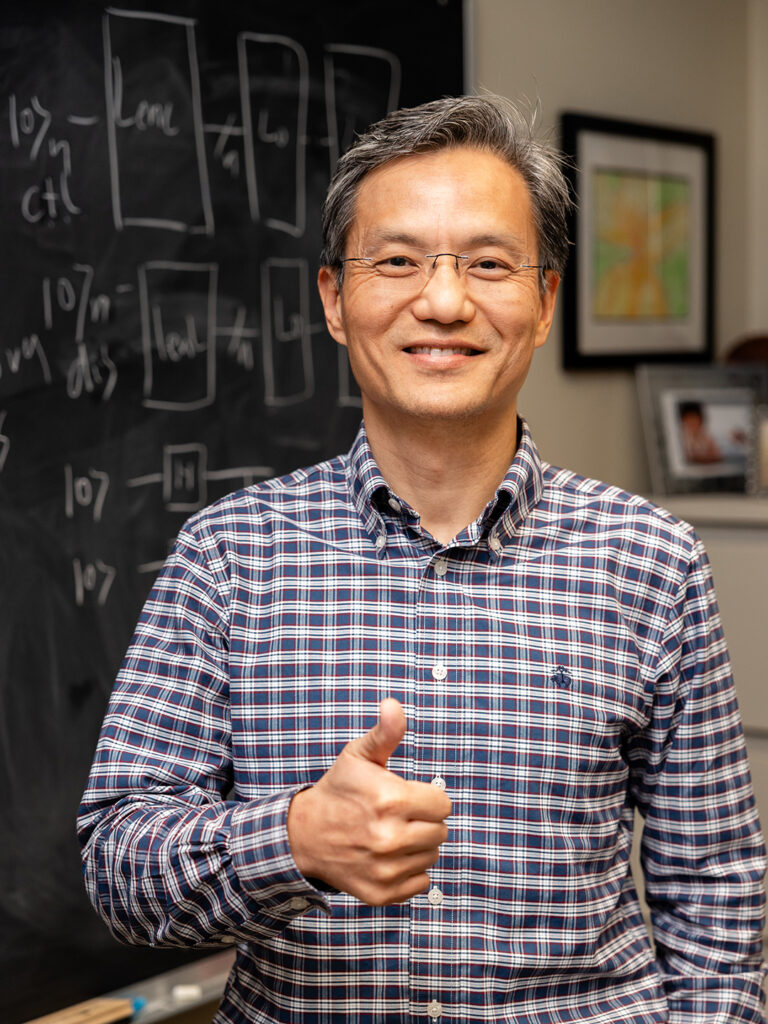
Dr. James Cai doing gig 'em
Dr. James Cai
Photo by Jason Nitsch ’14, Texas A&M Division of Marketing and Communications

In a new multidisciplinary study, researchers at Texas A&M University showed how quantum computing — a new kind of computing that can process additional types of data — can assist with genetic research and used it to discover new links between genes that scientists were previously unable to detect.

Their project used the new computing technology to map gene regulatory networks (GRNs), which provide information about how genes can cause each other to activate or deactivate.

As the team recently published in npj Quantum Information, quantum computing will help scientists more accurately predict relationships between genes, which could have huge implications for both animal and human medicine.

“The GRN is like a map that tells us how genes affect each other,” said Dr. James Cai, a professor in the Department of Veterinary Integrative Biosciences at the Texas A&M School of Veterinary Medicine & Biomedical Sciences (VMBS). “For example, if one gene switches on or off, then it may change another gene that could change three, or five, or 20 more genes down the line.

“Because our quantum computing GRNs are constructed in ways that allow us to capture more complex relationships between genes than traditional computing, we found some links between genes that people hadn’t known about previously,” he said. “Some researchers who specialize in the type of cells we studied read our paper and realized that our predictions using quantum computing fit their expectations better than the traditional model.”

The ability to know which genes will affect other genes is crucial for scientists looking for ways to stop harmful cellular processes or promote helpful ones.

“If you can predict gene expression through the GRN and understand how those changes translate to the state of the cells, you might be able to control certain outcomes,” Cai said. “For example, changing how one gene is expressed could end up inhibiting the growth of cancer cells.”

Making The Most Of A New Technology

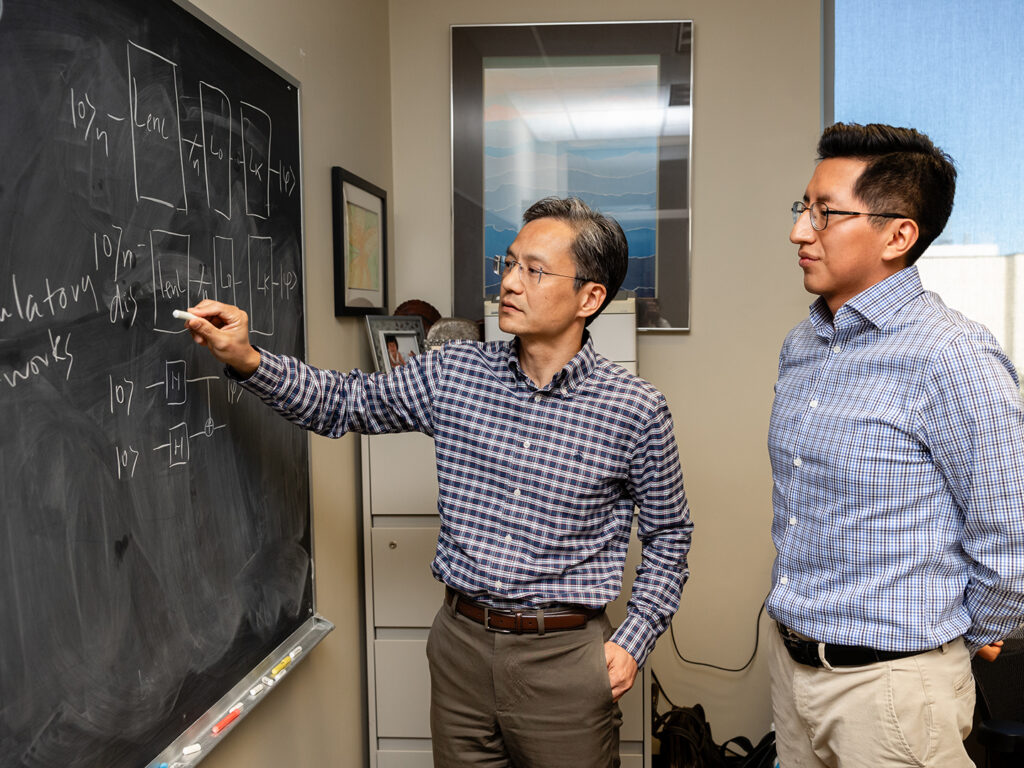
Dr. James Cai and Cristhian Roman Vicharra working on a chalkboard
Cai and Cristhian Roman Vicharra
Photo by Jason Nitsch ’14, Texas A&M Division of Marketing and Communications

With quantum computing, Cai and his team are overcoming the limitations of older computing technologies used to map GRNs.

“Prior to using quantum computing, the algorithms could only handle comparing two genes at a time,” Cai said.

Cai explained that only comparing genes in pairs could result in misleading conclusions, since genes may operate in more complex relationships. For example, if gene A activates and so does gene B, it doesn’t always mean that gene A is responsible for gene B’s change. In fact, it could be gene C changing both genes.

“With traditional computing, data is processed in bits, which only have two states — on and off, or 1 and 0,” Cai said. “But with quantum computing, you can have a state called the superposition that’s both on and off simultaneously. That gives us a new kind of bit — the quantum bit, or qubit.

“Because of superposition, I can simulate both the active and inactive states for a gene in the GRN, as well as this single gene’s impact on other genes,” he said. “You end up with a more complete picture of how genes influence each other.”

Taking The Next Step

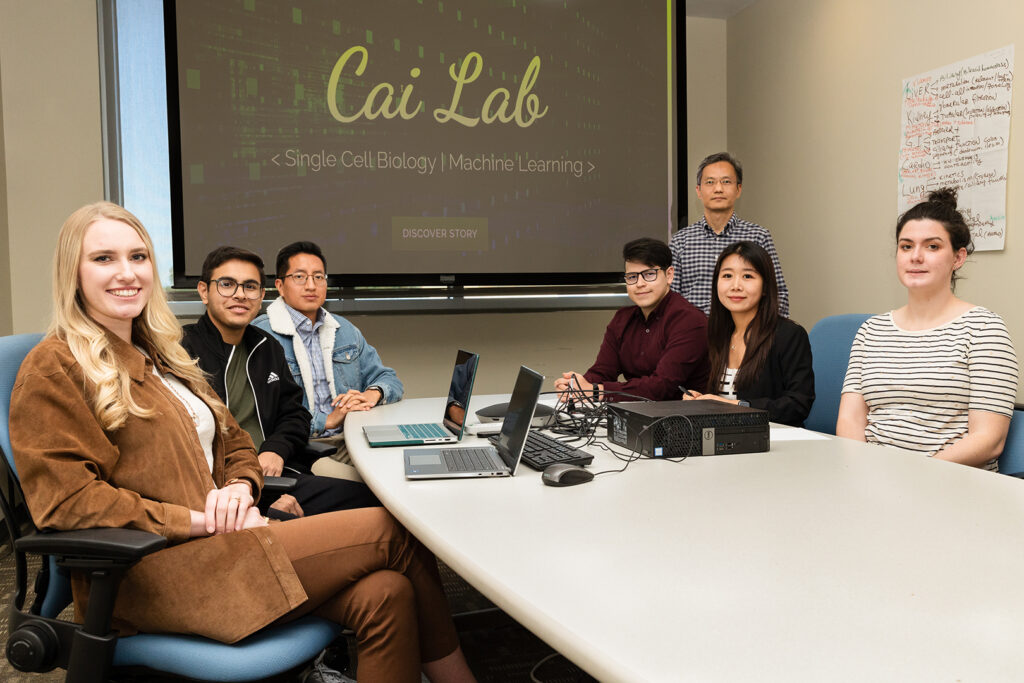
The Cai lab team sitting around a table
Members of the Cai Lab (left to right): master’s student Victoria Gatlin, doctoral student Shreyan Gupta, Roman Vicharra, postdoctoral researcher Dr. Selim Romero Gonzalez, Cai, doctoral student Qian Xu, and master’s student Amy Barrett.
Photo by Jason Nitsch ’14, Texas A&M Division of Marketing and Communications

While Cai and his team have worked hard to show that quantum computing is helpful to the biomedical field, there’s still a lot of work to be done.

“It’s a very new field,” Cai said. “Most people working in quantum computing have a physics background. And people on the biology side don’t usually understand how quantum computing works. You really have to be able to understand both sides.”

That’s why the research team includes both biomedical scientists and engineers like Cai’s Ph.D. student Cristhian Roman Vicharra, who is a key member of the research team and spearheaded the study behind the recent publication.

“In the future, we plan to compare the healthy cells to ones with diseases or mutations,” Cai said. “We hope to see how a mutation might affect genes’ states, expression, frequencies, etc.”

For now, it’s important to get as clear an understanding as possible of how healthy cells work before comparing them to mutated or diseased cells.

“The first step was to predict this baseline model and see whether the network we mapped made sense,” Cai said. “Now, we can keep going from there.”

###

For more information about the Texas A&M College of Veterinary Medicine & Biomedical Sciences, please visit our website at vetmed.tamu.edu or join us on FacebookInstagram, and Twitter.

Contact Information: Jennifer Gauntt, Director of VMBS Communications, Texas A&M College of Veterinary Medicine & Biomedical Sciences, jgauntt@cvm.tamu.edu, 979-862-4216

Texas A&M Researchers Develop Comprehensive Genetic Map For Bison, Discover Gene Responsible For Albinism

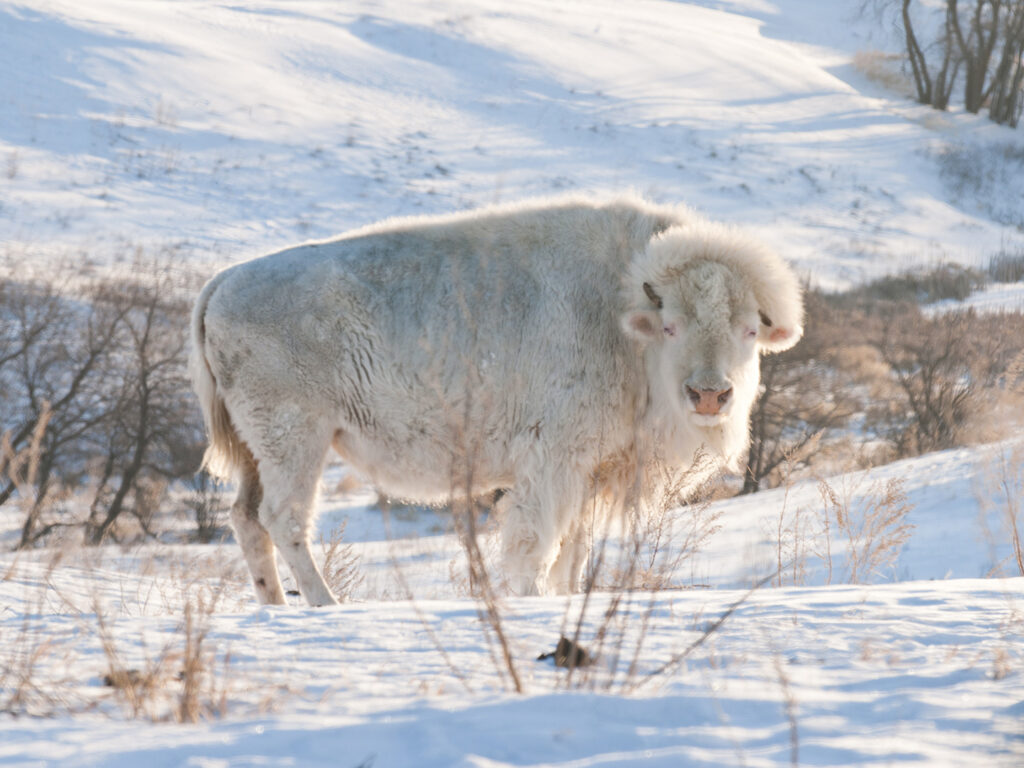
White Cloud, an albino bison in the snow
White Cloud (1996-2016), a female albino bison who lived with the National Buffalo Museum herd in Jamestown, North Dakota.
Photo courtesy of Searle Swedlund and the National Buffalo Museum

A research team led by scientists from the Texas A&M School of Veterinary Medicine & Biomedical Sciences (VMBS) has developed the most comprehensive genome yet for the North American bison, bringing the animal’s genetic roadmap up to date with the latest genome sequencing technology. In doing so, the research team also discovered the gene responsible for albinism in bison.

The study — recently published  in G3: Genes, Genomes, and Genetics — details the development of this high-resolution reference genome, which the researchers then used to produce the first test for genetic mutations, starting with the mutation responsible for albinism.

Albinism, a rare condition characterized by a lack of pigment in an animal’s body, making them look white with red eyes, has historical significance in that albino bison have been recognized as a religious symbol for some Native American Indigenous tribes.

The study also lays the framework for determining other genetic variations that impact important bison traits, such as those that contribute to the health and production value of this species.

New Genome, New Possibilities

Dr. James Derr, a VMBS professor of veterinary pathobiology and genetics who led the research team that created the first bison genome back in 2015, assembled the team that developed this new reference genome. This team includes assistant professor of genetics Dr. Brian Davis, graduate student Sam Stroupe, and representatives from Texas Parks and Wildlife and the National Park Service.

“Because reference genomes can help researchers identify and characterize genes that are responsible for a large number of traits, this technology is used to do all kinds of things, including diagnosing health conditions and developing targeted treatments,” Davis said.

“The development of this new reference genome and the identification of a causative genetic mutation is exciting news for bison…Overall, this is a vital step toward the future conservation management of the United States’ national mammal.”

Dr. James Derr

The newest bison reference genome was developed using technology that allows researchers to create genomes based on DNA from hybrids, which are animals with DNA from two different species. In this case, the researchers used DNA from a type of bison-cow hybrid called an F1, or individuals with a perfect 50-50 split between its parents’ DNA.

In general, F1 hybrids between bison and cattle are rare but have historically happened, since we now know that most bison herds in North America contain descendants of hybrids between bison and cattle — a discovery that Derr and his research partners made last year.

“One day we got a call from Texas Parks and Wildlife saying they knew someone who had an F1 hybrid,” Derr said. “It was the first fully documented, first-generation F1 hybrid I have seen in 25 years of working with bison. That’s why we were able to do this.”

To create the new bison genome, the researchers first sequenced the genome of the F1 hybrid as well as the bison mom and the domestic cattle father. With this information, they were able to separate bison DNA from the cattle DNA regions in the hybrid.

Since the cattle genome is already very advanced, it provided a reference for creating the new bison genome, helping to guide researchers in developing the complete high-resolution reference bison genome.

To prove the utility of the new genome, the team set out to discover which gene mutation was responsible for albinism in bison and to create a genetic test that could be used to identify carriers of that mutation.

The discovery is the first time anyone has successfully determined the gene mutation responsible for an observable trait in bison.

“We knew albinism was an inherited recessive trait, but we didn’t know which gene was responsible,” Stroupe said. “So, we sequenced the DNA from a few albino bison and compared them to those of normal coloration to find the mutation that causes albinism. As it turns out, the mutation causes an important enzyme to cease functioning correctly, which leads to the lack of skin pigmentation.”

The Uniqueness Of Albino Bison

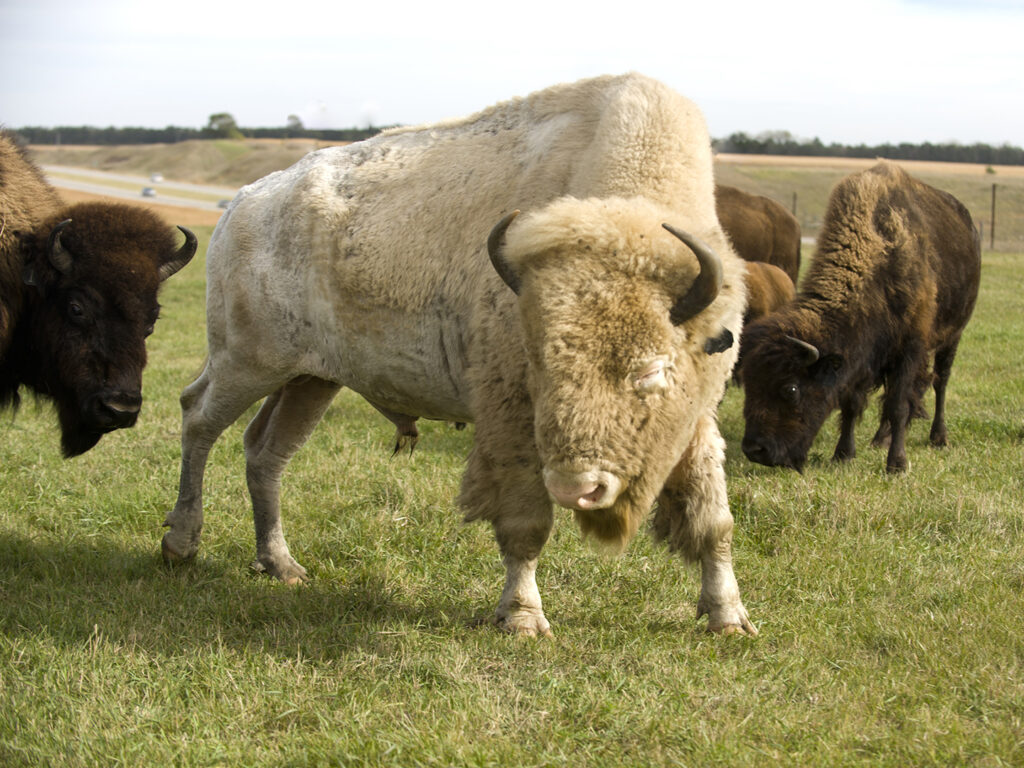
An albino bison in a field with a herd of normal brown bison
Dakota Miracle (2007-2019), a rare white bull and one of White Cloud’s 11 offspring.
Photo courtesy of Searle Swedlund and the National Buffalo Museum

Many North American Indigenous peoples regard white bison as sacred entities with prophetic spiritual associations. While not all white bison have albinism, the birth of one is cause for celebration in some communities.

Despite this cultural significance, Derr isn’t suggesting that people try to produce albino bison using genetic testing.

“Sadly, albino bison are often not very healthy,” Derr said. “They tend to develop skin cancers, and they can develop other health problems as they age.”

Albino bison are also different from white or tan bison that result from crossing bison with white cattle, particularly Charolais. These bison lack the red eyes and pink nose of true albinos.

Now that a more accurate bison genome exists, scientists can learn more about the genetic makeup of North America’s bison population.

“The development of this new reference genome and the identification of a causative genetic mutation is exciting news for bison,” Derr said. “It opens the doors for new discoveries and insights into bison genetics.

“Overall, this is a vital step toward the future conservation management of the United States’ national mammal,” he said.

###

For more information about the Texas A&M College of Veterinary Medicine & Biomedical Sciences, please visit our website at vetmed.tamu.edu or join us on FacebookInstagram, and Twitter.

Contact Information: Jennifer Gauntt, Director of VMBS Communications, Texas A&M College of Veterinary Medicine & Biomedical Sciences, jgauntt@cvm.tamu.edu, 979-862-4216

Providing Pets With A Stress-Free Thanksgiving

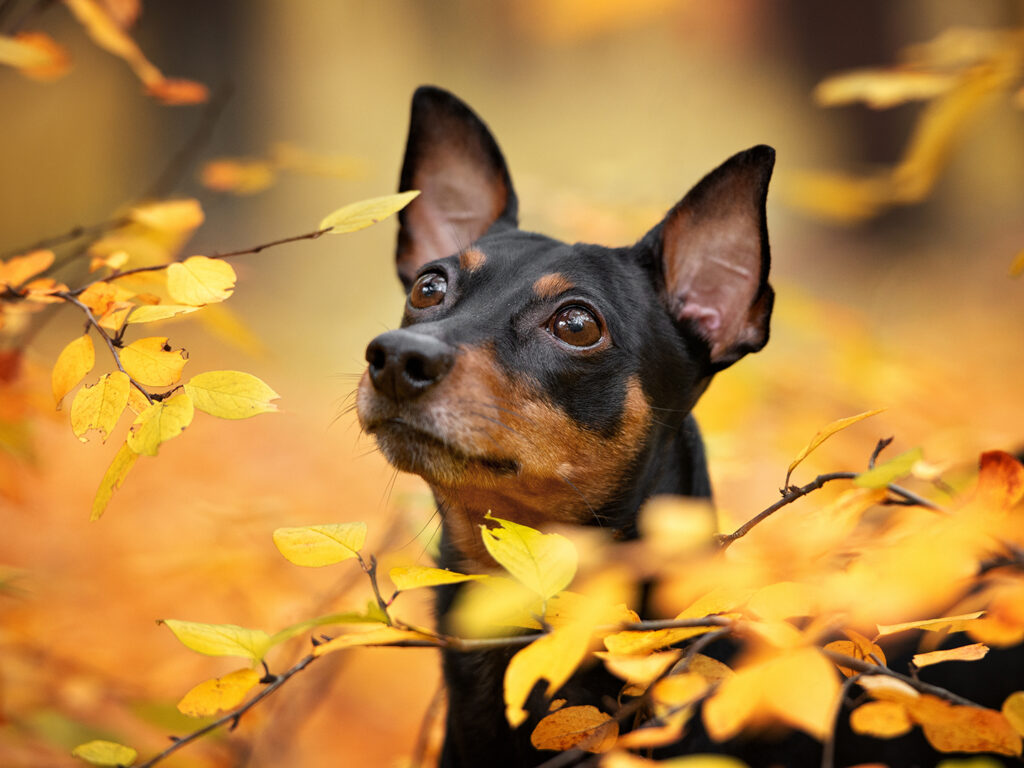
A mini doberman surrounded by fall leaves

Thanksgiving is a day to be thankful, indulge in delicious food, and gather with friends and family. But our pets may find the holiday stressful if they suddenly find themselves surrounded by a large group of unfamiliar people. 

As owners prepare to give thanks, Dr. Lori Teller, a clinical professor at the Texas A&M School of Veterinary Medicine & Biomedical Sciences, offers tips that owners should keep in mind to ensure their pets have a stress-free holiday.

Introducing Pets To New Guests

The key thing to remember when introducing pets to new visitors is that pets should be allowed to meet people on their own terms.

“Some animals are very eager to meet guests and will willingly approach them, but owners may need to help calm an overly excited dog to keep it from jumping on someone, especially if it’s a small kid or a frailer guest,” Teller explained. “On the other hand, pets that are more cautious around people they don’t know will need to be approached slowly.”

One way owners can help their pets adjust to guests is by providing treats.

“An owner can give the guests some treats to share with the pet as encouragement, but if a pet does not want to interact with someone, it should never be forced,” Teller said. “Some pets may be happier with a special treat or new toy in a quieter part of the home where they can avoid the festivities.”

If owners choose to give their pets treats throughout the day, they should be careful to avoid common holiday foods that can make pets ill.

Foods that should not be fed to pets include anything containing onions, garlic, grapes, raisins, walnuts, chocolate, or xylitol, which is typically found in baked desserts and sugarless goods. Owners should avoid giving anything that is rich, seasoned, or alcoholic as well.

“In general, it is a good idea to avoid giving table food to your pet,” Teller said. “If you feel you must share something, a couple bites of turkey with the skin removed and no gravy, some plain green beans, or a bite of bread can be fine.”

Signs Of A Stressed Pet

Pets that may not easily adjust to holiday crowds could exhibit various signs of stress.

“One of the biggest results of stress in a pet is trying to hide or leave the home, so beware of doors that are left open as people enter and exit,” Teller said. “Dogs may also show stress by trembling, licking their lips, yawning, or avoiding people and activities.”

If a pet is not feeling the holiday, it’s important for owners and guests to not overwhelm them with attention, as it can lead to negative reactions.

“There’s a chance that if guests persist in giving unwanted attention to pets, the dog may growl or bark, or the dog or cat may bite or scratch someone in an effort to remove a perceived threat,” Teller said.

Owners should also evaluate and address their pet’s stress level at multiple points during the festivities so that they may determine the best solution for soothing their anxious companion. 

“Pets with higher stress levels may need to be placed in a quieter part of the house where they won’t have to interact with guests, and some pets may be happier staying elsewhere, such as a boarding facility or at a friend’s home,” Teller said. “If pets have mild stress during parties or social gatherings, owners can speak with their veterinarian about using a short-acting medication to alleviate the anxiety.”

Preparing Pets Ahead Of Time

Even though Thanksgiving can be filled with prepping delicious food or relaxing with family and friends, owners should still take time to give thanks for their animal companions and ensure they don’t get left out of holiday fun.

“Taking a long walk before guests arrive can be a great way to tire your dog and minimize stress for both of you,” Teller said. “If your cat likes to chase a laser pointer or other toys, you can do that before guests arrive as well. During the event, you can give your pet a long-lasting treat or new toy to occupy their attention for a while.”

Familiarizing your pets with guests who may visit during the holidays before the big day can also help pets more easily adjust to the festivities. 

“Having people visit your home on a regular basis, where your pet can be exposed to guests and get used to the sounds and smells that go along with entertaining, goes a long way to prepare your pet for a gathering,” Teller said.

With a little bit of preparation and attention, you and your pet can have a healthy, happy, and stress-free Thanksgiving surrounded by those you love.

Pet Talk is a service of the College of Veterinary Medicine & Biomedical Sciences, Texas A&M University. Stories can be viewed on the web at vetmed.tamu.edu/news/pet-talk. Suggestions for future topics may be directed to vmbs-editor@tamu.edu.
VMBS Shares Research, Outreach Related To Border Health At Scowcroft Summit

Improving health security along the U.S.-Mexico border

The 2023 Scowcroft Summit on Border Health provided a unique opportunity for faculty and administrators from the Texas A&M School of Veterinary Medicine & Biomedical Sciences (VMBS) to showcase their expertise, research, and outreach activities related to health resilience near the trans-border regions of southern United States and Central America.

The summit, which was co-hosted by the Texas A&M University Bush School of Government and Public Service’s Scowcroft Institute of International Affairs and the School of Public Health’s USA Center for Rural Public Health Preparedness, brought together scholars, policy makers, emergency managers, and public health practitioners from Nov. 5-7 to discuss unique challenges and opportunities associated with border health.

VMBS speakers at the event included Dr. John August, the Carl B. King Dean of Veterinary Medicine; Dr. Ramesh Vemulapalli, executive associate dean; and Dr. Sarah Hamer, a professor and director of the Schubot Center for Avian Health. Dr. Gerald Parker, the VMBS’ associate dean for Global One Health, was one of the summit’s three co-hosts.

They shared information on how the VMBS supports trans-border health initiatives in South Texas, how students benefit from high-impact learning opportunities provided by the border region, the challenges and opportunities related to veterinary public health research at the border, and how the school and university can best meet future challenges in Texas and beyond.

“It’s clear that there’s a very important place for our school, along with other health science schools and civic organizations, to be part of a One Health approach to addressing the unique human and veterinary medical needs of the border region,” August said.

“As our world continues to become more globalized, we can expect trans-border health to become even more important,” he said. “I’m proud that Texas A&M University and the VMBS will play a role in protecting the citizens of Texas from existing and emerging public health threats.”

As a land grant university, Texas A&M has a long history of addressing public health challenges in the state. As far back as 1917, the VMBS’s first dean, Dr. Mark Francis, worked with students to fight the deadly tick-borne disease Texas Cattle Fever that was threatening the livestock industry.

Today, the VMBS still has an active role in fighting current health threats along the border like Chagas disease, a parasitic infection transmittable by kissing bugs to human beings, dogs, and many other species of domestic and wild animals.

In the future, the school plans to continue its work along the border, especially in the realms of transborder infectious diseases, veterinary public health, bilingual public outreach, and underserved community projects.

###

For more information about the Texas A&M College of Veterinary Medicine & Biomedical Sciences, please visit our website at vetmed.tamu.edu or join us on FacebookInstagram, and Twitter.

Contact Information: Jennifer Gauntt, Director of VMBS Communications, Texas A&M College of Veterinary Medicine & Biomedical Sciences, jgauntt@cvm.tamu.edu, 979-862-4216

Texas A&M Veterinarians Use 3D Printing Technology To Assist In Double Hip Replacement Surgery

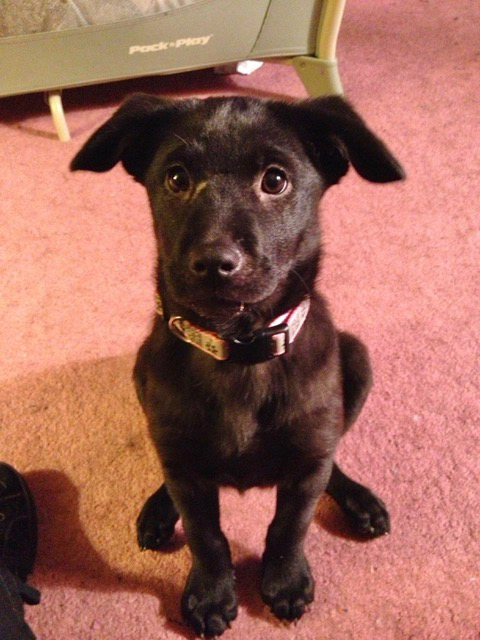
Ava the black lab as a puppy
Ava as a puppy

A Labrador retriever named Ava is back to running and playing with her family after her second double hip replacement, courtesy of Texas A&M University veterinarians, computerized tomography (CT)-guided planning, and 3D-printing technology.

When the two replacement hips Ava received as a puppy wore out in 2020, Texas A&M veterinarians were able to remove the old joints and replace them with new ones by using CT-guided planning, 3D-printed bone models and rehearsal surgeries to ensure the procedures would be successful.

From Foster To Family

Not many dogs go through four total hip replacements (THRs) in one lifetime, but Ava has always been special.

“Ava came to us at about 6 months old, back when we were dog foster parents living in Illinois,” said Ava’s owner, Janet Dieter. “After caring for more than 40 dogs, she was our first ‘foster failure’ that we ended up adopting. At the time, we had another black Labrador named Roscoe who was usually standoffish with the foster puppies, but he fell in love with Ava immediately and we knew she had to stay.”

Janet and her husband, Ken, always take the dogs under their care to obedience school, and Ava was no exception. It was there, however, that the couple began to notice something different about her.

“The subject of how to keep your dog from jumping on you came up and we realized that Ava never jumps on us,” Janet said. “We took her to our local veterinarian and they took an X-ray, which showed that Ava’s hips were basically out of their sockets.”

The Dieters were referred to an accomplished total hip replacement surgeon who performed THRs on Ava’s hips in 2013 and 2014.

“She was incredibly resilient,” Janet said. “She walked out of the hospital like nothing happened.”

For many years since then, Ava has been helping show the Dieters’ foster puppies the ropes by giving them someone to play with. When the Dieters moved from Illinois to Texas a few years ago, she took the change in stride.

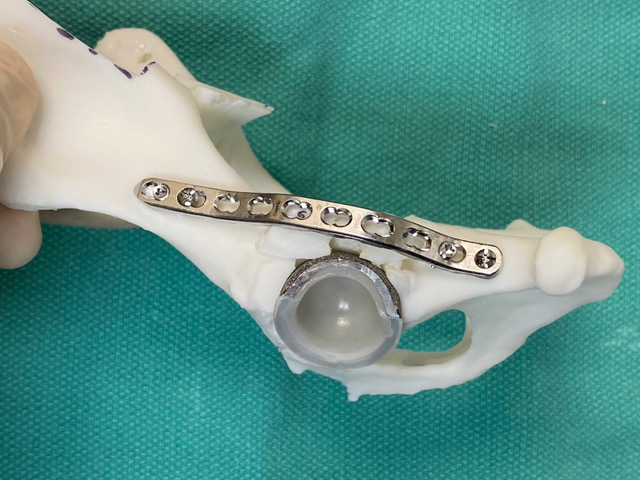
A fake hip bone with surgical implants on it
A 3D-printed model of Ava’s hip with the THR cup used to help plan the surgery.

In 2020, however, Ava faced new challenges when one of her replacement hips wore out.

“Over many years, the artificial ball had worn away the plastic liner protecting the metal wall of the artificial joint,” said Dr. Brian Saunders, a professor of small animal orthopedics and Small Animal Orthopedics Service chief at the Veterinary Medical Teaching Hospital. “The artificial ball then wore through the metal backing, causing a complete dislocation.”

While worn out THRs aren’t common in dogs, they can happen in joint replacements that have been in place for many years.

“When Ava’s original hips were placed, the liners in the replacement joints weren’t as advanced as they are today,” Saunders said. “Technology has improved now to where it’s less likely for that problem to happen. Complications like Ava’s aren’t terribly common, but when they do happen, they require advanced techniques to achieve a successful outcome.”

In addition to the dislocation, the erosion of the metal wall in Ava’s hip had caused tiny metal particles to build up around the joint and in her pelvic canal, forming a granuloma.

“A granuloma is basically a sack of soft tissue that’s trying to contain the metal debris,” Saunders said. “Ava had a large metal granuloma that was blocking access to the hip joint and affecting her internal organs. There was also a chance that it could cause her body to reject any THR revision implants.

“Metallosis — the erosion process that causes the metal debris to build up into a granuloma — can trigger cellular changes, leading to resorption or dissolution of bone around the new hip. It’s like putting the body in a defensive mode against outside objects,” he said.

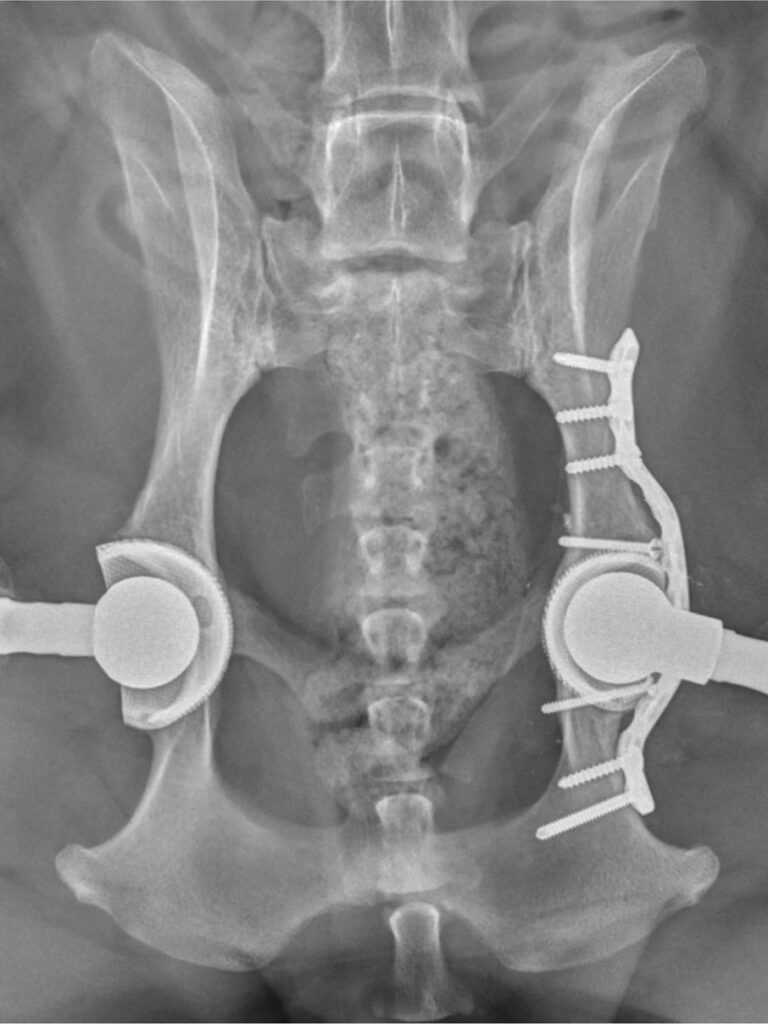
X-ray scan of a dog's hip replacements
X-ray of Ava’s hips after both hip revisions were complete.

Taking Surgery To A New Dimension

Because of the complexity of the surgery needed to remove the granuloma and fix Ava’s hip, the Dieters’ local veterinarian recommended that they visit Texas A&M’s orthopedic specialists.

To make sure the complex surgery would be successful, Saunders used advanced CT-guided surgical planning and 3D-printing technology.

“We used computer-assisted 3D modeling to determine revision implant size and position,” Saunders said. “Basically, we printed a replica of Ava’s dislocated hip joint and planned exactly how to perform the revision operation using the 3D bone models. In fact, we sterilized the plastic models and used them in the operating room to help guide the revision surgery.”

Having 3D-printing technology right inside the VMTH is a huge advantage for surgical teams.

“If you don’t have your own 3D-printing program, you have to send a CT scan to a third-party company using a fee-for-service process. This can be challenging in regard to turnaround time and you often lose the ability to be involved in the planning process,” Saunders said.

Having a replica of Ava’s hip was especially helpful considering that she had a granuloma complicating things.

“To avoid a THR rejection, we used the CT scan and worked with the Soft Tissue Surgery group to remove as much of the metal granuloma from the pelvic canal before we came back and performed the THR revision. Then, when we did the revision, we were able to finish removing the remainder of the granuloma from the other side,” Saunders said. “Planning using 3D models and collaborating with the Soft Tissue team were two huge contributing factors to our success.”

Even though Ava’s first hip revision went well, her challenges weren’t over just yet. A few weeks after the first surgery, Ava’s other THR liner also wore out and dislocated. She had to return to the VMTH for a second hip revision.

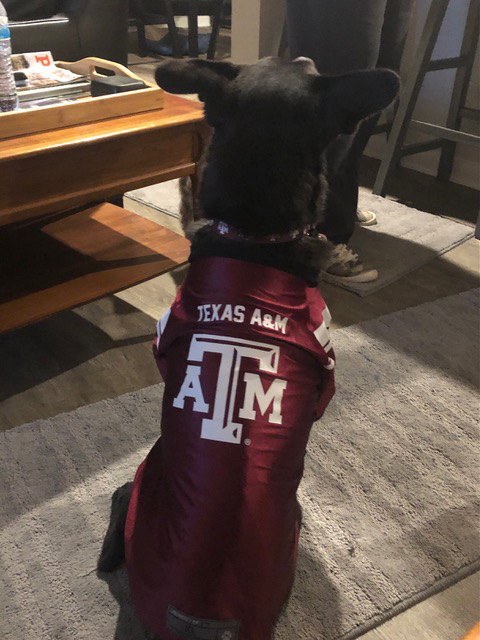
Ava from the back wearing a TAMU jersey
Ava showing off her Texas A&M University pride.

“Thankfully, the second hip wasn’t quite as affected as her first and we already had her 3D bone models from the recent surgery, so the second hip revision surgery was more straightforward,” Saunders said.

Full Speed Ahead

Ava, who is now 12 years old, hasn’t let her hip history slow her down.

“She still zips all over the backyard and through our exercise course,” Janet said. “She will even jump over the couch.”

“When she started showing signs of her first hip wearing out, we thought it might mean the end, and we were devastated,” Ken said. “But the veterinarians at Texas A&M were able to give her life again.”

###

For more information about the Texas A&M College of Veterinary Medicine & Biomedical Sciences, please visit our website at vetmed.tamu.edu or join us on FacebookInstagram, and Twitter.

Contact Information: Jennifer Gauntt, Director of VMBS Communications, Texas A&M College of Veterinary Medicine & Biomedical Sciences, jgauntt@cvm.tamu.edu, 979-862-4216

Equine Infectious Disease Specialist Noah Cohen Named Regents Professor

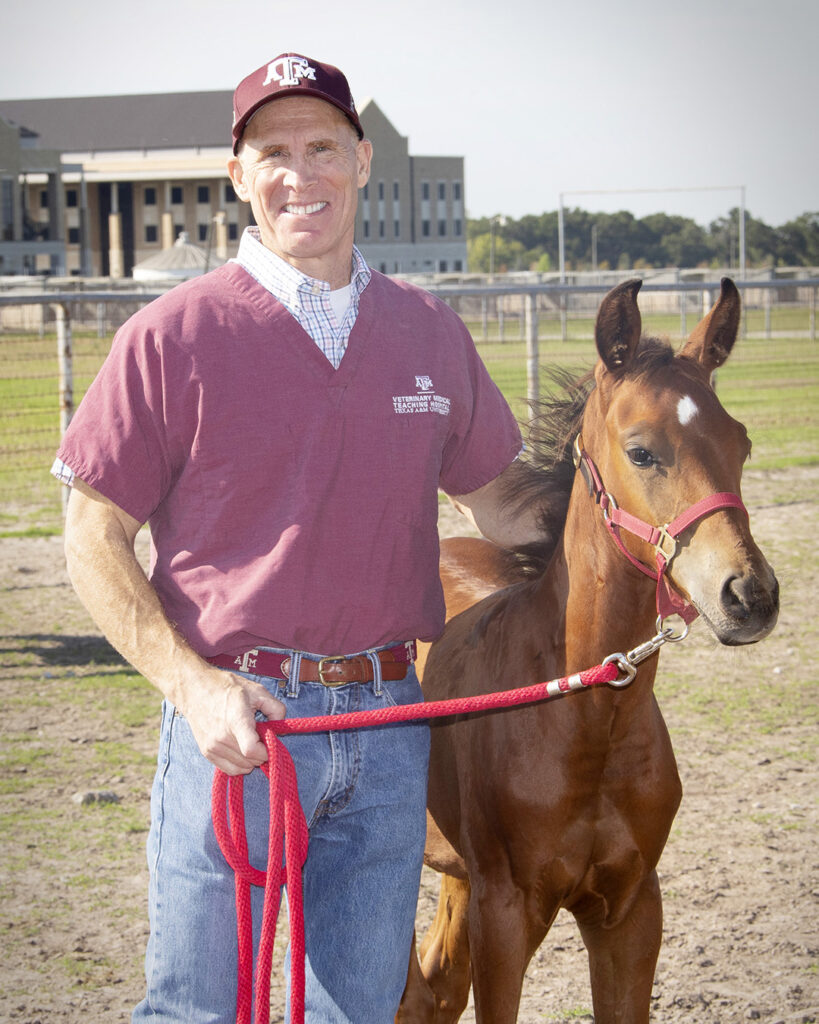
Dr. Noah Cohen with a foal
Cohen

Dr. Noah Cohen, a faculty member in the Texas A&M School of Veterinary Medicine & Biomedical Sciences (VMBS), is among the 14 faculty members from within the Texas A&M University System designated as Regents Professors for their exemplary performance during 2022-2023. 

Cohen joins the ranks of just 306 Texas A&M system faculty members to be recognized as Regents Professors since the award was established in 1996. 

“Dr. Cohen’s service to Texas A&M University has had an outstanding impact on both equine and human health and on our students who apply what Dr. Cohen teaches them during their time at the VMBS to their veterinary careers,” said Dr. John August, the Carl B. King Dean of Veterinary Medicine. “The Regents Professors award is an honor well deserved by such an outstanding educator, scholar, and researcher.”

Cohen is a distinguished professor of large animal internal medicine, associate department head for research and graduate studies, and the Dr. Glen Blodgett Chair of Equine Studies. His exemplary contributions to research, teaching students, and treating patients in the VMBS’ Department of Large Animal Clinical Sciences has garnered notoriety among equine veterinary professionals.

“Dr. Cohen is an internationally recognized veterinary clinician-scientist and scholar who has made transformational contributions to the field of equine medicine,” one of Cohen’s nominators said. “He has 35 years of service at Texas A&M and his outstanding accomplishments during this time have made a lasting impact on veterinary medical education, applied research, and clinical practice. 

“Dr. Cohen’s passion for service is highly regarded by his students, colleges, and professional peers,” the nominator continued. “He has provided admirable service to the university and the veterinary medical profession.” 

Cohen’s Equine Infectious Disease Laboratory is best known for developing vaccines for horses, including the vaccine for Rhodococcus equi pneumonia, one the leading causes of death and disease in foals.

“Dr. Cohen’s applied research has transformed our understanding, preventative strategy, and treatment of R. equi infections in horses,” his nomination packet shared. “R. equi is the most devastating and economically consequential infectious disease of foals due to the costs of treatment, prevention, and loss of foal life. This disease was previously most often fatal but that is no longer the case due to Dr. Cohen’s seminal discoveries. His research challenged the paradigms, informed equine veterinarians, and provided practical solutions for R. equi infections.”

“[Dr. Noah Cohen] is devoted to building enthusiasm for research and science and creating an environment in which trainees can succeed.”

Dr. Cohen is also working to reduce the impact of antibiotic resistance in horses, developing diagnostic tests and a vaccine for strangles; and investigating other diseases with the goal of improving equine health.

In the classroom, Cohen teaches undergraduate, graduate, and veterinary students about equine infectious diseases, host-pathogen interaction, and large animal clinical skills.

“Dr. Cohen has contributed to many courses at each of these levels. He routinely receives good student evaluations,” a nominator said. “Throughout his courses, he emphasizes problem-solving to help students develop a pattern of life-long learning, empowering students to continue to educate themselves.

Cohen has also served as a mentor for numerous undergraduate and graduate students, veterinary residents, and postdoctoral researchers. 

“The future of the veterinary profession hinges on the excellent training of clinician-scientists,” a letter in Cohen’s nomination packet explained. “Commitment to training these individuals has been a major career focus for Dr. Cohen. He has served on the graduate committees for over 52 master’s and Ph.D. students. He has also supervised four post-doctoral students as well as the research programs of eight clinical residents. He is devoted to building enthusiasm for research and science and creating an environment in which trainees can succeed.”

The annual selection process for the Regents Professors awards begin when Chancellor John Sharp makes a call for nominations, which are subject to Texas A&M System-level review. The review process includes input from academic vice chancellors, past recipients of the awards, and the chief executive officer of each respective entity. The final phase of the selection process concludes with approval from Sharp and the Texas A&M System Board of Regents. 

“From research to service, these individuals’ accomplishments over the last year exemplify the A&M System’s commitment to finding solutions and serving Texas,” said Bill Mahomes, chairman of Texas A&M System Board of Regents. “I hope their example will inspire others.”

###

For more information about the Texas A&M College of Veterinary Medicine & Biomedical Sciences, please visit our website at vetmed.tamu.edu or join us on FacebookInstagram, and Twitter.

Contact Information: Jennifer Gauntt, Director of VMBS Communications, Texas A&M College of Veterinary Medicine & Biomedical Sciences, jgauntt@cvm.tamu.edu, 979-862-4216

Livestock Physiology Specialist Thomas Welsh Named Regents Professor

Dr. Thomas Welsh
Texas A&M University System Regents Professor Dr. Thomas Welsh

Dr. Thomas Welsh, a jointly appointed professor in the Texas A&M School of Veterinary Medicine & Biomedical Sciences and the College of Agriculture and Life Sciences, was named a Regents Professor, an honor given to just 306 Texas A&M University System faculty members since the award was established in 1996. 

“In his 40 years of service to Texas A&M University, Dr. Welsh has made considerable contributions to the education of our students while conducting research that continues to shape the future of animal and human health,” said Dr. John August, the Carl B. King Dean of Veterinary Medicine. “The Regents Professor award is a well-deserved honor.”

Welsh joined the faculty at Texas A&M in 1983 and has supported education, research, and scholarship at the university for four decades. 

“What makes Tom special, in addition to having distinguished himself locally, state-wide, nationally, and internationally, is the ability to appreciate and meld (teaching, research, and service) together, realizing that one area does not, and should not exist in a vacuum,” one of Welsh’s nominators said. “Through his teaching, research, and service, he has impacted the lives of students as well as graduate students that have pursued successful independent careers and lives.”

Welsh researches how stress and temperament are linked to reproductive, metabolic, and immune functions in his Endocrine Physiology Laboratory. He also teaches courses in livestock growth and development and in the physiology of livestock growth and stress. 

The annual selection process for the Regents Professors awards begin when Chancellor John Sharp makes a call for nominations, which are subject to Texas A&M System-level review. The review process includes input from academic vice chancellors, past recipients of the awards, and the chief executive officer of each respective entity. The final phase of the selection process concludes with approval from Sharp and the Texas A&M System Board of Regents. 

“From research to service, these individuals’ accomplishments over the last year exemplify the A&M System’s commitment to finding solutions and serving Texas,” said Bill Mahomes, chairman of Texas A&M System Board of Regents. “I hope their example will inspire others.”

###

For more information about the Texas A&M College of Veterinary Medicine & Biomedical Sciences, please visit our website at vetmed.tamu.edu or join us on FacebookInstagram, and Twitter.

Contact Information: Jennifer Gauntt, Director of VMBS Communications, Texas A&M College of Veterinary Medicine & Biomedical Sciences, jgauntt@cvm.tamu.edu, 979-862-4216

Dairy Cattle Production Specialist Joins VERO Faculty At Texas A&M’s Canyon Campus

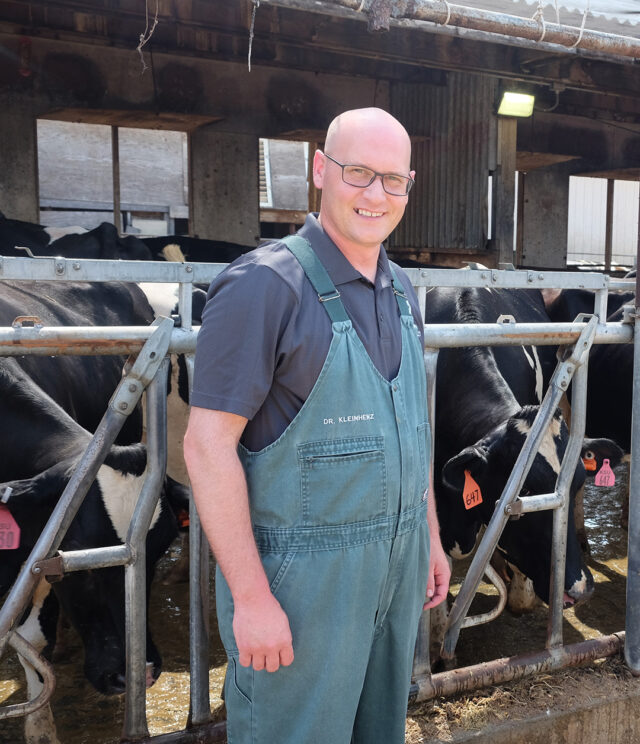
Dr. Michael Kleinhenz in front of a herd of dairy cattle
Dr. Michael Kleinhenz

Many people who work in the agriculture industry have a farming background; others find their way to this community through their love for animals, science, or, sometimes, both.

Despite growing up in rural Ohio, Dr. Michael Kleinhenz’s family didn’t own a farm. But that didn’t stop him from discovering a love for dairy cows at a young age.

“The dairy industry always fascinated me as a kid, so I started milking cows in high school,” said Kleinhenz, who is now a dairy cattle production veterinarian. “I’ve always enjoyed them. They’re such an interactive species to watch. Anytime I can go hang around with cows, I’m a happy person.”

As the newest faculty member at the Texas A&M School of Veterinary Medicine & Biomedical Sciences’ (VMBS) Veterinary Education, Research, & Outreach (VERO) campus in the Texas Panhandle, Kleinhenz hopes to continue blending his passion for veterinary medicine with pharmacology, another passion he discovered along the way, to continue improving the health of dairy cattle throughout the industry.

The Best Of Both Worlds

Kleinhenz, who has his Doctor of Veterinary Medicine degree (DVM) from The Ohio State University, has been hanging around dairy cows since the early 1990s. 

“I did my undergraduate in dairy sciences and worked with dairy production when I was in private practice. I even did a residency in dairy production,” he said. “So, I’m really interested in anything that has to do with dairy cow health and increasing production.” 

After several years in private practice, Kleinhenz went back to school for another residency, motivated by his new passion for pharmacology. As part of the residency, he completed a Ph.D. in pharmacology at Kansas State University, where he joined the faculty.

“As a clinical pharmacologist, I’m always interested in anything that has to do with how we use drugs to treat health issues in dairy cows,” he said. “When to use drugs, which one to use, how to choose the right dosage — I’m interested in all of those kinds of questions.”

Kleinhenz has an ongoing research project with K-State faculty that looks at meloxicam, an anti-inflammatory drug commonly used to treat arthritis, and how it’s absorbed by the cells of different bovine species. 

“We’re currently looking at Angus, Holsteins, and Brahman breeds to see how meloxicam interacts with pain-reducing drugs following surgical castration,” Kleinhenz said. “This will allow us to better tailor analgesic regimens to specific breeds of cattle.” 

In addition to his pharmacological work, Kleinhenz is interested in lameness and cattle hoof care.

“My wife and I had a hoof trimming business for a while,” he said. “We trimmed hooves for local dairy farms in Ohio.”

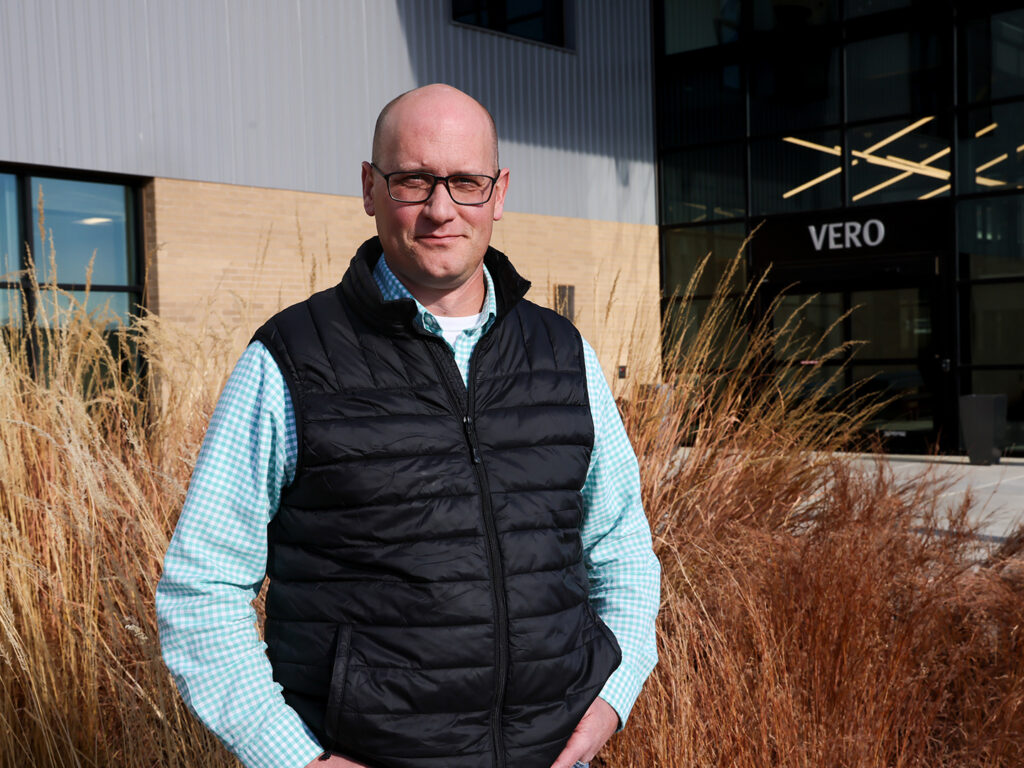
Dr. Michael Kleinhenz in front of the VERO building

Kleinhenz has also done research on novel methods of pain prevention in cattle.

“I’m interested in how cannabinoids and industrial hemp can be added to feed to reduce things like pain or travel stress,” he said. “Industrial hemp has potential to be an excellent feed for ruminants like cattle, but there is a lot of work to do yet. The cannabinoids present a challenge in terms of food safety, but our work shows they have great potential for stress reduction.” 

For Kleinhenz, joining the faculty at VERO was an ideal choice for someone who works with food animals and wants to be part of cutting-edge research.

“I decided to join the VERO team because of its proximity to the dairy industry in the Texas Panhandle,” Kleinhenz said. “Canyon is the beating heart of the Texas dairy industry, so it’s the perfect place to do research and train future food animal veterinarians.”

Home On The High Plains

When he’s not at work, Kleinhenz enjoys spending time with his family and riding horses. He also loves to cook.

“I joke with people that we don’t go out to dinner much, but it’s because I enjoy trying to make restaurant-quality food at home,” he said. “It’s fun to see what you can make with what you already have.”

Kleinhenz said he’s enjoyed his time in Canyon so far and looks forward to serving at Texas A&M alongside his wife. 

“My wife, who is an anatomic pathologist, works at the Texas A&M Veterinary Medical Diagnostic Laboratory (TVMDL), which is next door,” he said. “Moving to Canyon was a wonderful opportunity for both of us and we’re thrilled to be here.”

###

For more information about the Texas A&M College of Veterinary Medicine & Biomedical Sciences, please visit our website at vetmed.tamu.edu or join us on FacebookInstagram, and Twitter.

Contact Information: Jennifer Gauntt, Director of VMBS Communications, Texas A&M College of Veterinary Medicine & Biomedical Sciences, jgauntt@cvm.tamu.edu, 979-862-4216

Texas A&M Researchers Contribute To International Project Studying Coronavirus Transmission In Humans, Cattle

Dr. Morley at work in a lab at VERO
Dr. Paul Morley

Researchers from the Texas A&M School of Veterinary Medicine & Biomedical Sciences’ (VMBS) Veterinary Education, Research, & Outreach (VERO) program have joined an international team studying how coronaviruses are spread and whether an individual’s microbiome (the collection of microbes living in or on the body) might impact that transmission.

Coronaviruses are a family of viruses that can cause a variety of diseases in many species, from the common cold and severe acute respiratory syndrome (SARS) in people, to diarrhea in calves and respiratory disease in adult cattle.

The research team — which includes researchers from the United States, the United Kingdom, and Canada — has received $3.5 million from the United States Department of Agriculture National Institute of Food and Agriculture (USDA-NIFA), the National Science Foundation, the National Institutes of Health, and the Biotechnology and Biological Sciences Research Council (BBSRC). 

Their work will use cattle as a model for viral transmission during group “commingling events” — when unfamiliar animals or people come together in a defined space and time with intensive and sustained contact. 

Commingling is associated with increased disease transmission risk and possible global consequences, as the COVID-19 pandemic has highlighted. Commingling events in humans include large group events, air travel, incarceration, and classroom settings.

Among animals, commingling routinely occurs during livestock production when the body’s ability to fight disease may be lowered, while, at the same time, the body is being exposed to more pathogens. 

“It’s more and more the nature of our society that we have these types of commingling events, through travel, socialization, and the general nature of day-to-day interactions,” said Dr. Paul Morley, VERO’s director of food animal research and one of the project’s co-principal investigators. “Being able to understand how viruses behave would help us apply preventive measures, including vaccination and antiviral treatment, for both humans and cattle.”

The researchers, led by Dr. Noelle Noyes, an associate professor in the University of Minnesota College of Veterinary Medicine, will work to understand why some people and animals get infected and/or develop symptoms during commingling events but others do not.

Dr. Matthew Scott in front of a field
Dr. Matthew Scott

At VERO, Morley and Dr. Matthew Scott, an assistant professor of microbial ecology and infectious disease, will work alongside three graduate students to collect samples from local beef and dairy cattle to track how bovine coronavirus, which is not able to infect people, spreads between animals. 

“The Texas Panhandle is one of the greatest epicenters of cattle production in the United States,” Morley said. “We’re taking advantage of our great contacts in the cattle production industries, both beef and dairy, to look at coronavirus transmission in young calves during natural management circumstances.”

Specifically, they will look at how the virus spreads depending on factors like how many cattle are housed together and if they are moved to new locations via livestock trailers. They will also measure the cattle’s immune systems and microbiomes to understand if differences have an impact on whether cattle get infected.

“We’ll be looking at virus shedding before, during, and after commingling events, as well as immune function, genes that get turned on or off, and changes in the microbiomes of the respiratory and gastrointestinal tracts,” Morley said.

Using cattle from real livestock operations will ensure that data collected accurately represents real-world transmission factors.

“We hope to uncover the complex multi-level mechanisms that underlie viral transmission during intensive mixing of unfamiliar calves,” said Dr. Joseph Neary, principal investigator of the project’s U.K. activities. “These new insights will better inform calf husbandry practices to reduce infectious disease transmission risk, particularly where newly mixed calves have been sourced from multiple farms.”

The study will also expand fundamental scientific understanding of viral behavior. 

“A unique aspect of this work is the integration of microbiome dynamics into models of virus transmission at the population level,” Noyes said. “There’s a lot of scientific evidence about the importance of the microbiome in individual health, but we don’t have as much understanding of how population-level microbiome dynamics may influence disease transmission, particularly during situations of heightened disease risk, such as commingling.”  

The project is expected to last through 2026. In addition to Texas A&M University and the University of Minnesota, collaborators on the project include scientists from Mississippi State University, the University of Liverpool, and the University of Saskatchewan.

“This project is the idealization of what we’re trying to do at VERO, working with people around the world on a big project with big impact,” Morley said. “The impact on our graduate students is going to be tremendous; they’ll get to interact with this internationally renowned, extremely talented group of people. It’s a great opportunity for them in their graduate programs.”

###

For more information about the Texas A&M College of Veterinary Medicine & Biomedical Sciences, please visit our website at vetmed.tamu.edu or join us on FacebookInstagram, and Twitter.

Contact Information: Jennifer Gauntt, Director of VMBS Communications, Texas A&M College of Veterinary Medicine & Biomedical Sciences, jgauntt@cvm.tamu.edu, 979-862-4216