Genome Study Reveals 30 Years Of Darwin’s Finch Evolution

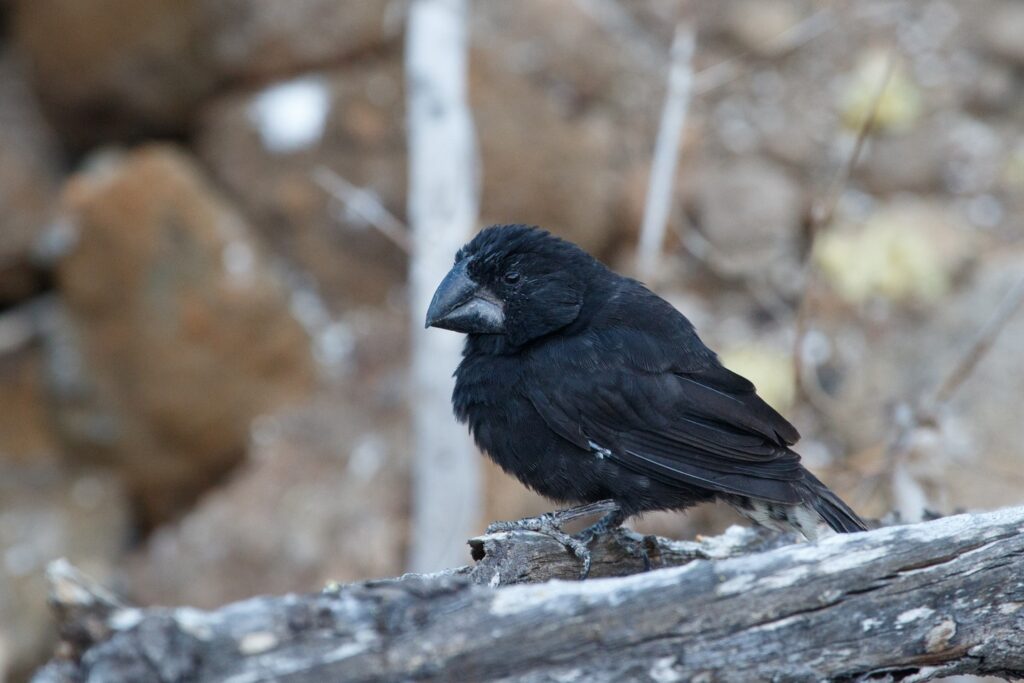
A large, black finch with a big beak sits on a log.
A Large Ground-finch (Geospiza magnirostris) on Daphne Major, Galápagos Islands, Ecuador. Photo: Erik Enbody.

A landmark study on contemporary evolutionary change in natural populations released by an international team of researchers led by Texas A&M University professor Dr. Leif Andersson reveals that 45% of the variation in the highly heritable beak size of Darwin’s finches can be attributed to only six genomic loci (fixed positions on a chromosome). Among these is a supergene that comprises four genes, which was under strong natural selection as a result of a two-year drought.

The study, published on Sept. 29 in Science, examines one of the largest genomic datasets ever produced for a wild animal — comprising nearly 4,000 Darwin’s finches — to reveal the genetic basis of adaptation in this iconic group.

The results of this international effort paint a dynamic picture of how species adapt to changing environments. As the global environment continues to change, the finches of the Galápagos Islands provide a valuable window into understanding how birds, their genetic constitution, and their environment interact to shape the future of wild populations.

“One of the remarkable things we found is that only a few genetic loci explain a great deal of the variation in the beak of the finch,” said Andersson, the study’s senior author who holds a dual professorship at Sweden’s Uppsala University and within Texas A&M’s School of Veterinary Medicine & Biomedical Sciences. “It seems that one of the ways these genetic changes evolve is by bundling together multiple genes into supergenes, which are then subject to natural selection as the environment changes.”

Andersson said these results may surprise human geneticists, because most gene variants associated with multifactorial traits like height and disease susceptibility only explain a tiny fraction of the heritable variation.

Ever since Charles Darwin wrote about the finches of the Galápagos Islands, biologists have studied these small songbirds to understand the mechanisms of evolution.

“The strength of Darwin’s finches as a model for evolution lies in what they can show about the early stages of speciation,” said Erik Enbody, the lead author of the study, a University of California Santa Cruz postdoctoral scholar, and former post-doctoral fellow at Uppsala University. “On the Galápagos, one ancestral species has evolved into 18 different species in the last million years. One of the things that makes the finches such an amazing system is that we can observe evolution in real-time by measuring finch beaks and following individuals through their life.”

The research team’s discoveries were made possible in part by Peter and Rosemary Grant, from Princeton University, who tracked nearly every individual finch on Daphne Major, a volcanic island in the Galápagos, starting in the 1970s. The Grants’ work demonstrates that the finches of Daphne Major evolved in response to changes in the environment and interactions among species.

An areal view of the crater on Daphne Major, an island in the Galápagos, is brown and dry from drought.
The crater on Daphne Major from above, Galápagos Islands, Ecuador. Photo: Erik Enbody.

“This study highlights the value of long-term studies to understand the mechanism of evolutionary change,” Peter said.

“By collecting samples throughout the study, we had them available for genomic study when the technology became available,” Rosemary added.

The international team’s findings began with sequencing the genomes of nearly every finch the Grants studied on Daphne. By studying the entire community of four species of finches present on the island, the researchers revealed the genetic architecture of adaptive change.

The Common Cactus-Finch, for example, experienced a gradual change toward blunter beaks as conditions on the island changed and hybridization with the Medium Ground-Finch increased.

Over the three decades studied, the beak of the Medium Ground-Finch also has become smaller. Using the genomes of all the finches on Daphne, the researchers show that this partially results from gene variants transferring from the Small Ground-Finch through hybridization and because periods of drought between late 2003 and early 2005, where individuals with smaller beaks survived better, explains Rosemary Grant.

This episode of drought led to dramatic shifts in the frequency of the gene variants associated with beak size, showing that the gene variants described in this study have a major effect on fitness in these birds, according to Andersson.

“I think it’s a really exciting opportunity to tie together our understanding of evolutionary change in the deep past with observations in current time,” Enbody said. “Genomic data is a powerful tool to take our observations of birds in the field and learn about the factors that have shaped their evolution.”

###

For more information about the Texas A&M School of Veterinary Medicine & Biomedical Sciences, please visit our website at vetmed.tamu.edu or join us on FacebookInstagram, and Twitter.

Contact Information: Jennifer Gauntt, Director of VMBS Communications, Texas A&M School of Veterinary Medicine & Biomedical Sciences; jgauntt@cvm.tamu.edu; 979-862-4216

Zoran Appointed Interim Director Of Veterinary Emergency Team

Dr. Deb Zoran headshot
Dr. Deb Zoran

Dr. Debra “Deb” Zoran, a professor and clinical faculty member in the Texas A&M College of Veterinary Medicine & Biomedical Sciences’ (VMBS) Department of Small Animal Clinical Sciences, has been appointed interim director of the Texas A&M Veterinary Emergency Team (VET). 

“Dr. Zoran demonstrates the drive to succeed and the passion for helping others that’s necessary for success in the relatively new field of veterinary disaster response and preparedness,” said Dr. John August, the Carl B. King Dean of Veterinary Medicine. “She’s been shaping the veterinary disaster response field since joining our faculty and has played a key role in the VET’s success up to this point. Her vision and leadership will continue to carry the team forward as it embarks on its next chapter under her leadership.”

A founding member of the VET, Zoran came to the VMBS in 1996 and began working with search and rescue dogs in 1997 when Texas A&M Task Force 1 (TX-TF1), a team under the Federal Emergency Management Agency (FEMA)’s National Urban Search and Rescue System, was established.

“My work with TX-TF1 was both an introduction into disaster response and to working with the search and rescue dogs that help recover lost disaster victims and provide closure by locating those who’ve passed in the event,” Zoran said. “I knew the TX-TF1 people and dogs that deployed to 9/11, and those early experiences enhanced my work with the team that continues today.”

Her experience with TX-TF1 made Zoran a clear choice to serve on the VET’s leadership team when it was officially established in 2008.

In addition to leading the VET’s efforts in serving search and rescue dogs, Zoran has served as the operations chief during deployments; the team’s educational officer, a role in which she teaches the VET’s two-week clinical rotation designed to train future Aggie veterinarians in disaster preparedness and response; and as the team’s leading small animal veterinarian when serving community animals who’ve been affected by disasters. She also leads the team’s efforts in helping Texas counties develop disaster response plans.

Zoran will provide continuity as a founding VET member while also ushering in a new season of growth as only the second person to serve in the director position; she replaces Dr. Wesley Bissett, who served as VET director from its inception through July 2023, when he retired.

Zoran shared that her plan for the team is rooted in the VET’s mission statement — serving our state and nation every day.

VET vehicles under a blue sky

“My goals and aspirations for the VET are to stay true to our mission statement and to help each of our team members feel they are a part of something very special because they contribute to our success in meaningful ways,” Zoran said. “As we move forward, we will make some changes that I hope strengthen our team, our ability to be the very best veterinary emergency team, and our foundations.”

The VET is the largest, most sophisticated and most deployed veterinary response team in the country. The team has responded to tornadoes, wildfires and hurricanes in Texas, while their out-of-state deployments so far include responding to two wildfires in California and to Hurricane Ian in Florida.

Zoran said she is excited to build on the team’s emergency deployment efforts while also building up the VET’s emergency management program.

“We have a tremendous opportunity to build upon what Dr. Bissett started and create the greatest veterinary emergency management program — not just a deployable team but a program — in the world,” she said. “I envision the VET’s emergency management program being one that not only trains new vet students but also veterinarians and post-doctoral fellowship trainees, one that creates future opportunities for others to join us and make this their specialty or discipline.”

Stepping into the role of VET interim director has been both an honor and a great responsibility, Zoran said.

“We are a group of people who want to be there when a community is in its greatest time of need,” she said. “We want to help their animals, we want to be there to help them start the healing process by reuniting them with their animals, and we want to be there to make sure they’re better prepared for the next disaster. It’s a tremendous privilege to be the person to lead people who want to be Aggies, who embrace Texas A&M’s selfless service principles, into the next disaster response, the next planning mission, and the next chapter of the VET.”

###

For more information about the Texas A&M College of Veterinary Medicine & Biomedical Sciences, please visit our website at vetmed.tamu.edu or join us on FacebookInstagram, and Twitter.

Contact Information: Jennifer Gauntt, Director of VMBS Communications, Texas A&M College of Veterinary Medicine & Biomedical Sciences, jgauntt@cvm.tamu.edu, 979-862-4216

Understanding Littermate Syndrome In Puppy Pairs

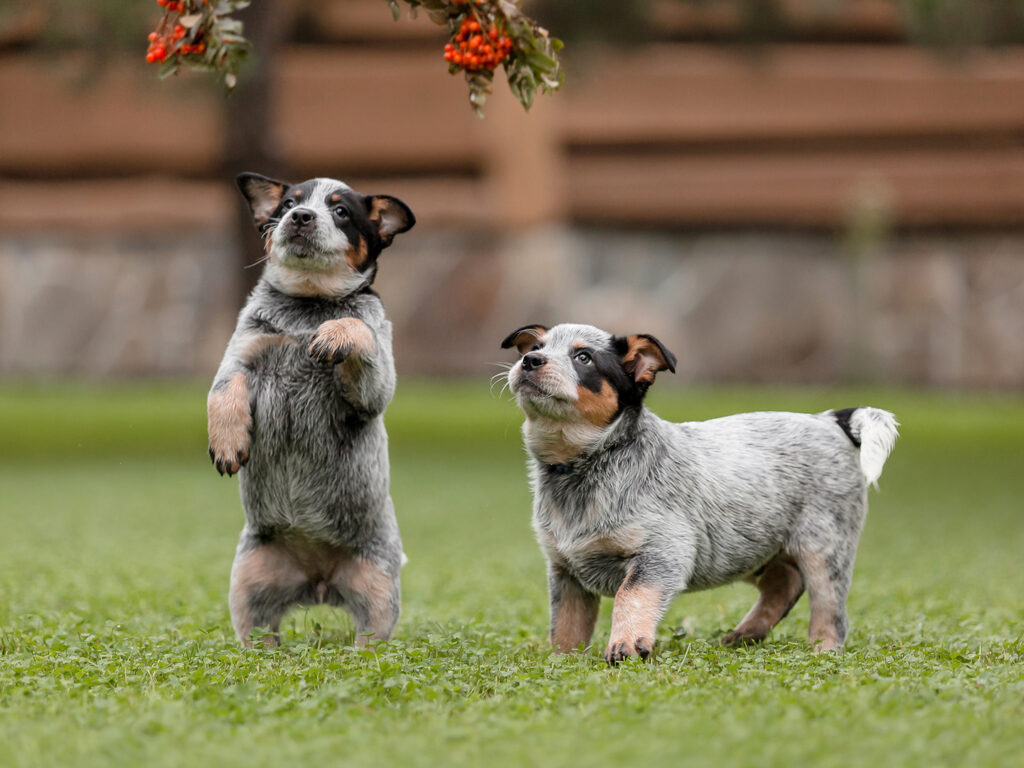
Two puppies playing outside

Puppies are so adorable that you may feel tempted to adopt two instead of just one. Even though having two puppies may seem like a good idea, raising them together can cause long-term behavioral problems.

Harmony Diers, a veterinary technician at the Texas A&M School of Veterinary Medicine & Biomedical Sciences, says that while these problems are not a guaranteed outcome of raising two puppies together, nor are they breed specific, littermate syndrome is more common than not when raising two puppies from the same litter, or even two close in age from separate litters.

“Littermate syndrome refers to a specific set of unfavorable behaviors that two puppies might exhibit if raised together immediately after weaning from their mother, like anxiety or fear,” Diers said. “This syndrome occurs when a pair of puppies raised together develop such a close bond with one another during important socialization stages that it hinders their ability to bond with their new owner.”

Recognizing Littermate Syndrome

The socialization stage, or when a puppy is between 3-12 weeks old, is when a puppy’s senses mature, encouraging them to explore their environments and socialize with others. It is also the stage when puppies become aware of their relationship with humans.

“Puppies ultimately learn how to react to things they encounter in their world during the socialization stage,” Diers said. “If bonded closely with their owner, an individual puppy will look to their owner for an answer on how they should react, either to be praised for appropriate reactions or to be redirected away from inappropriate ones.”

For example, if you adopted a single puppy and that puppy chewed on a shoe, their decision to behave that way in the future — or not — would depend on your response to their interesting choice of “snack.” However, if you have two puppies, they might mutually agree that shoe chewing was a great choice without waiting for your response, reinforcing the undesirable behavior.

“A pair of closely bonded puppies tend to be ‘in their own world’ and will likely look to one another for how to respond to new stimuli rather than looking to their owner,” Diers explained. “This gives them the opportunity to feed off of one another’s fear and anxiety, which can develop into unhealthy behaviors.”

Common behaviors that can develop in puppies with littermate syndrome, according to Diers, include:

  • Separation anxiety when away from the other puppy because of a co-dependence on each other
  • Fear of new people, animals, objects, or experiences
  • Fear aggression, which can occur when a puppy encounters a new experience, feels threatened or scared, and reacts by barking, biting, or trying to escape
  • Reactivity when on a leash
  • Fighting habits when they reach sexual maturity around 6 months of age
  • Aggression or nervousness in the more dominant puppy; timidity and withdrawal in the less dominant puppy

Intervention As A Prevention Method

Since littermate syndrome is common and can cause unwanted behaviors, potential dog owners should avoid raising two puppies at the same time. Yet if owners are in a situation where they are raising a pair, owner intervention is preferred to help deter those unwanted behaviors, as long as owners can commit to the process.

“Some experts believe that rehoming one of the puppies is ideal; however, with the high numbers of homeless dogs or dogs that end up in shelters, this is not always the best option,” Diers said. “If a family has two puppies of the same age in their home, owners must take intentional steps to allow their puppies to bond with them and develop as individuals.”

Diers encourages owners to start with crating the puppies separately, either in different rooms or with distance between the crates within the same room. 

Another effective way for owners to bond with their pets individually is through walks. 

“Puppies should be walked individually and taken on solo outings with their owner within the first few months, gradually moving to each puppy being walked by a separate handler at the same time,” Diers explained. “Once this step is started, owners should practice walking the dogs in opposite directions to monitor for reactivity. Again, the puppy should be most concerned with their owner’s presence and not the lack of the other puppy’s presence.”

Finally, Diers recommends that owners provide separate, one-on-one play times to develop a close bond with each puppy. If a pair of puppies attends obedience training, owners should ensure the puppies are in separate classes, too.

“It also can be beneficial if the pair of puppies join a home with an older dog because in some cases, the older dog can teach boundaries and offer appropriate corrections when necessary,” Diers said. “Nevertheless, you should always seek the advice of your family veterinarian when deciding on bringing a puppy or two home and gather information on behavioral intervention when necessary.”

Having two puppies at the same time can be a challenge. Still, if owners are active in raising the pups, they can prevent behavioral problems resulting from littermate syndrome, ensuring strong human-animal bonds and twice the puppy love. 

Bringing home a new puppy? Texas A&M’s Dog Aging Project, the largest observational companion canine health study in the world, allows owners to enroll new puppies and dogs of all ages, breeds, sizes, and health statuses to help discover the factors that lead to longer, healthier lives for dogs. Join the Dog Aging Project Pack at https://dogagingproject.org/.

Pet Talk is a service of the College of Veterinary Medicine & Biomedical Sciences, Texas A&M University. Stories can be viewed on the web at vetmed.tamu.edu/news/pet-talk. Suggestions for future topics may be directed to vmbs-editor@tamu.edu.

Improving Animal Welfare Through Spays And Neuters

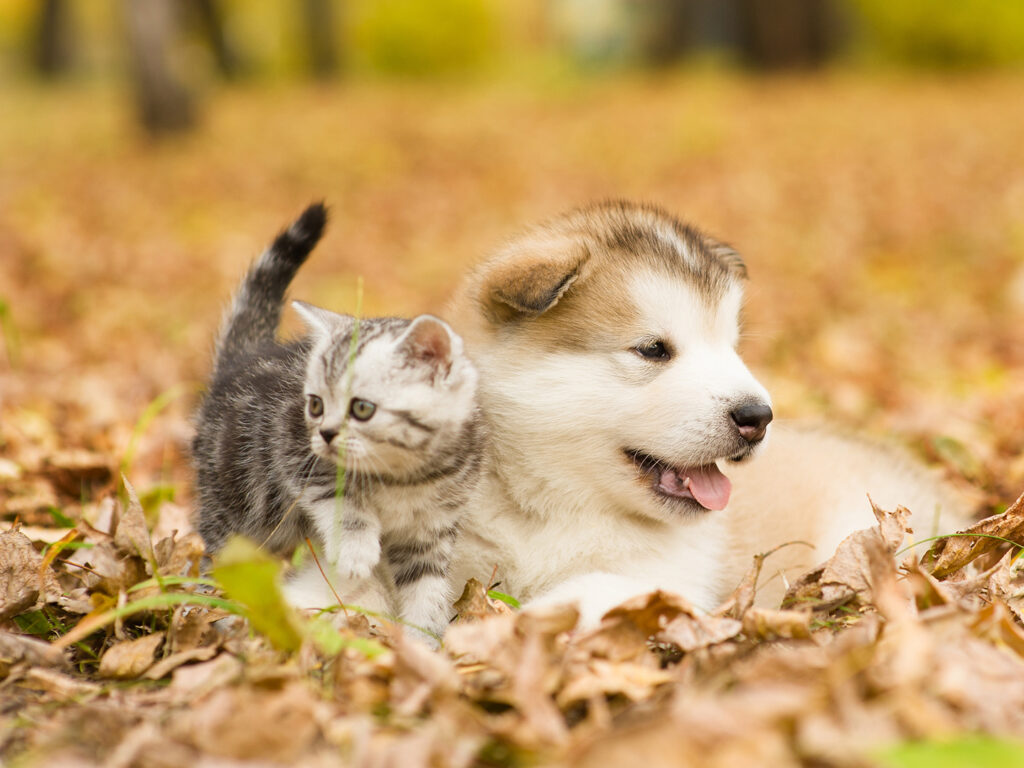
Scottish cat and alaskan malamute puppy dog together in autumn park.

As dedicated pet owners, we do everything possible to keep our pets happy and healthy, whether it is finding the best kind of food, providing a new favorite toy, or grooming and exercising them. Another way to keep our pets in good health is by spaying or neutering them. 

Dr. Brad Bennett, a clinical assistant professor at the Texas A&M School of Veterinary Medicine & Biomedical Sciences, says that in addition to stopping our pet’s ability to reproduce, these procedures also prevent diseases that are caused when the reproductive system is left intact. 

The Importance Of Spays And Neuters

“We usually think about neutering male pets for population control and unwanted behaviors like spraying in cats, but it can also prevent health concerns such as tumors or testicular torsion, a painful twisting condition that cuts off blood supply and causes swelling in the testicle,” Bennett said. “On the other hand, spaying females early can decrease their likelihood of uterus infections (also known as pyometras) and mammary neoplasias, or tumors found in mammary glands.”

The health benefits of spaying and neutering can increase over time as well. 

“While it is never too late to be spayed or neutered, dogs and cats can be at a higher risk for diseases the longer we wait,” Bennett explained. “For example, if a dog is spayed before their first reproductive cycle (or heat), they have less than a 0.5% chance of having a mammary neoplasia. If we spay them between their first and second heat, they have an 8% chance. If we do it between their second and third heat, they have a 26-28% chance.”

Spaying and neutering pets earlier in their life can also decrease the chance that a pet will display unwanted behaviors, which Bennett says is one of the main reasons people put pets up for adoption.

“If we can spay and neuter pets, it is likely that they won’t be surrendered to an animal shelter,” he explained.

Factoring In Age And Health Status

Most dogs and cats can be neutered around 6 months of age.

“We spay female cats and small to medium-sized female dogs typically before 6 months of age because if we can do the procedure before their first heat, they won’t show some behaviors that owners typically don’t recognize as behaviors related to heat cycles, such as irritability and aggression,” Bennett said. “If it’s a male cat or small to medium-sized male dog, we typically neuter them at 6 months so that unwanted behaviors, including aggression, urine-marking, and humping, don’t come about.”

Large and giant dog breeds, however, need to be spayed or neutered later to avoid disrupting their growth pattern, which can lead to certain conditions related to their joints and bones.

“Hormones support the continued growth of the bones of large dog breeds; if those bones are allowed to grow fully in the way they are meant to, they shouldn’t have incongruities that could cause orthopedic diseases, such as cruciate tears (when knee tissue connecting the lower leg to the upper leg tears and causes instability) or hip dysplasia (caused when the hip joint grows abnormally),” Bennett said. “In this case, we actually want to wait to spay or neuter large and giant dog breeds until after they are grown, which is between a year and 18 months of age.”

While age is the main factor for determining when a pet is spayed or neutered, there are additional factors owners should consider to ensure their pet can handle the anesthesia required for surgery. 

“We want pets to be healthy and, ideally, up to date on vaccinations and heartworm prevention,” Bennett explained. “A good physical examination and certain diagnostic tests, such as routine blood work, will aid in making sure pets can process the anesthesia that they need during surgery and also that they can recover from the surgery quickly. Anesthesia typically doesn’t affect dogs or cats differently, but we will monitor them and their vitals, including blood pressure, pulse rates, and temperature.”

Owners should be sure to consult their local veterinarian or animal shelter, as there may be additional requirements that need to be met before spaying or neutering a pet.

Follow-Up Care

Once a pet has been spayed or neutered, they will require some extra attention and time to rest so that their body can heal properly. 

“When a pet has surgery, moving around a lot can disrupt the healing process, so we recommend owners keep their pet calm and quiet for 10-14 days post-surgery,” Bennett said. “We also like to use E-collars, or cones, to keep pets from licking or chewing their incisions, as this could lead to infections.

“Additionally, owners should decrease the amount of food they feed their pet after surgery,” he continued. “Part of a pet’s caloric intake goes to the normal cycling of their reproductive system and when we take the system out, now, all of a sudden, they have more calories than they actually need. So one of the things that happens post-surgically is dogs and cats will gain weight, which can be very unhealthy.” 

If cat or dog owners have any concerns about the process of spaying or neutering their pet, Bennett strongly encourages them to talk to their veterinarian for guidance.

Making the decision to spay or neuter your pet can be one of the most important choices you make for them. It can also be one of the easiest decisions because by doing so, you can improve your pet’s health and longevity and ensure they have a long and happy life with you.

Pet Talk is a service of the College of Veterinary Medicine & Biomedical Sciences, Texas A&M University. Stories can be viewed on the web at vetmed.tamu.edu/news/pet-talk. Suggestions for future topics may be directed to vmbs-editor@tamu.edu.

Texas A&M Researchers Show Endangered Parrot Species Is Thriving In Urban Areas

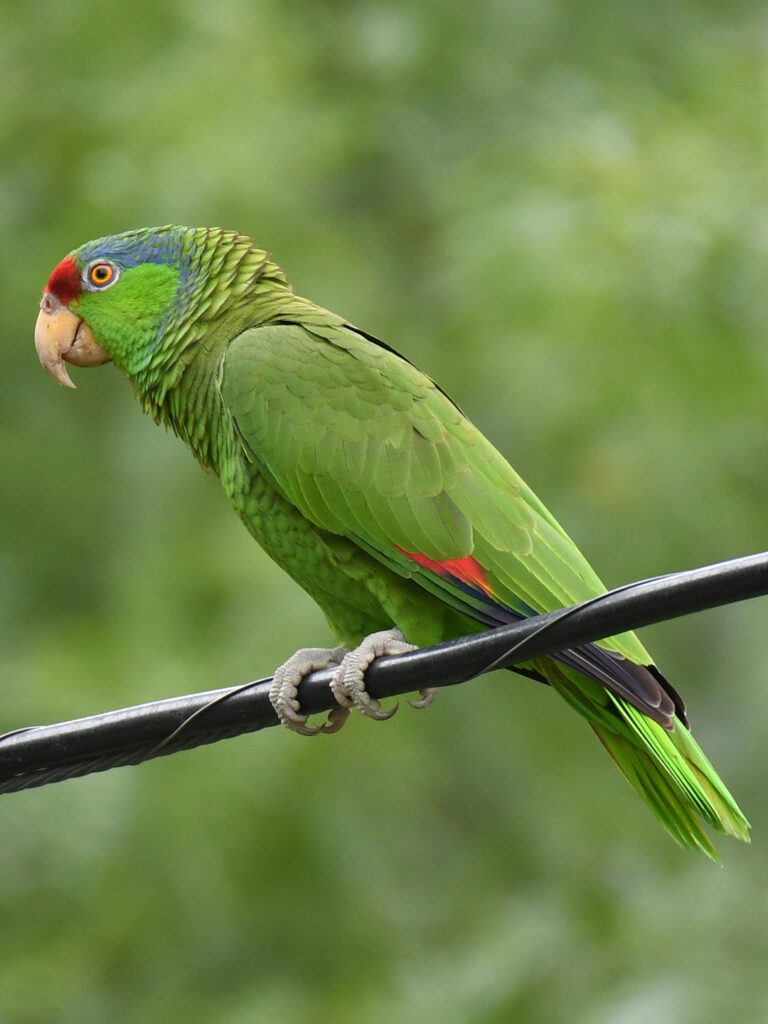
A red-crowned parrots standing on a black phone wire
The red-crowned parrot. Photo by Simon Kiacz

A Texas A&M-led research team has discovered that a population of endangered red-crowned parrots is thriving in urban areas of South Texas. The parrots are a unique case, considering that many animal species are affected negatively by the expansion of human urban areas, which can lead to deforestation and pollution of natural habitats.

These mostly green parrots, which have a cluster of bright red feathers on their heads, are also an unusual example of a species that has adapted well in the face of poaching and the pet trade moving them from their native areas.

The team — led by Dr. Donald J. Brightsmith and graduate student Simon Kiacz, from the School of Veterinary Medicine & Biomedical Sciences’ (VMBS) Department of Veterinary Pathobiology — recently published its findings in the scientific journal Diversity.

The team’s documentation of the red-crowned parrot’s habitat ranges and urban dependency will enable the Texas Parks & Wildlife Department and other conservationists to better protect these endangered birds.

Meet The Red-Crowned Parrot

Red-crowned parrots were originally native to a small region of Northeastern Mexico, where they are considered endangered because of habitat loss and poaching tied to the illegal animal trade. For parrots, this process often involves poachers stealing eggs or young chicks out of nests and selling them, sometimes for hundreds of dollars each.

“Parrots are popular pets in places like South Texas and Latin America,” Kiacz said. “Unfortunately, most people, even law enforcement officers, don’t realize that these parrots are protected.”

In fact, the animal trade is one reason that the red-crowned parrots can now be found in Texas.

“Some of them certainly flew across the border, but many were brought over during the 1980s when it was still legal to buy and sell them,” Brightsmith said.

Over time, Texas has welcomed the red-crowned parrot, even giving it native species status.

“Without native species status, it would be much more difficult to provide protection for the species,” Brightsmith said.

One benefit of being a native species is that Texas Parks & Wildlife took interest in research seeking to better understand whether the parrots are doing well in South Texas. That interest is what paved the way for Brightsmith and Kiacz’s project.

“During data collection, I was looking for population information, trend information, the threats to the populations here in Texas, and habitat usage,” Kiacz said. “We wanted to understand how these birds are doing and what we might be able to do to help them.”

From The Country To The City

By counting birds and mapping their habitat ranges, the researchers eventually discovered that the red-crowned parrots appear to be doing very well in South Texas. They’re especially prevalent in areas in the Rio Grande Valley, including towns like Brownsville, which even made the red-crowned parrot its official mascot.

“There are four main roosts in South Texas,” Kiacz said. “Brownsville, Harlingen, Weslaco and McAllen all have a group of parrots living in those communities. We used trackers, mapping software and local knowledge to see where these birds were roosting, and then we just had to count them.”  He said the South Texas population is around 900 birds. 

“We can get a really good idea of the population’s breeding activity this way,” he explained. “If there is a decrease in the number of birds at the roost in the breeding season, that’s a good thing, because the females are probably nesting somewhere else with their offspring. Then in the fall, we’ll see all the juveniles join the adults at the roost.”

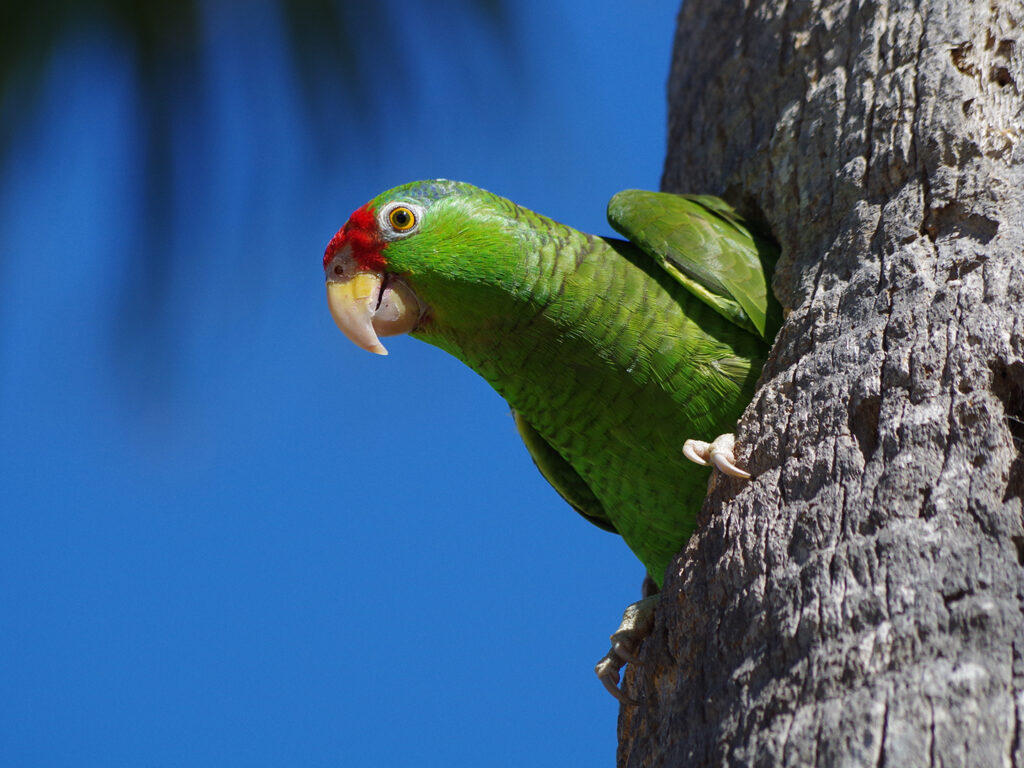
A red-crowned parrot peeking out of a hole in a tree
Photo by Simon Kiacz

The species’ success is unusual given that endangered species of plants and animals are rarely found thriving in urban environments. Most of the time, species that have adapted to urban environments — called “synanthropes” — are considered neutral, or even invasive.

Instead, it seems that red-crowned parrots are able to get along quite well with people.

“Humans have basically created the perfect environment for these parrots,” Kiacz said. “They want what we want — ornamental plants with fruit and seeds that are well-watered and look attractive all year-round.”

Even our habit of planting palm trees where they don’t tend to survive is a boon for these birds.

“All of the palm trees that we plant in South Texas are non-native,” Kiacz explained. “They eventually die, and then woodpeckers come and make holes that are perfect nesting cavities for these parrots. But they’re also happy to use holes in the sides of buildings.”

Since the parrots love to eat non-native species of plants, they haven’t caused much competition with other local species over food sources. Currently, the only downside to the presence of these parrots is the noise.

“You’ll often see these birds roosting together,” Brightsmith said. “They sleep in groups of a hundred or more, and they may end up choosing someone’s front yard, even right over the mailbox. Then, when it gets light outside, they’ll start making noise and flying around. Some people find that to be a nuisance.”

Life Finds A Way

If there’s one thing to learn from the new research on red-crowned parrots, it’s that life finds a way. As urbanization continues to spread around the globe, it’s likely that more and more species will move into urban spaces, perhaps with unexpected results.

And while it isn’t necessarily a good thing that these species are being forced to change their survival tactics, there may be similar unique opportunities for research in the future.

Currently, Brightsmith and Kiacz are working on new projects that will study the relationships between red-crowned parrots and sister species, like the lilac-crowned parrot, including natural hybridization that may be entangling the two species from a conservation standpoint.

For now, the pair of researchers hope that their work will raise awareness about red-crowned parrots and lead to improved conservation efforts.

“What we actually need is for people to understand how these birds live in urban environments,” Kiacz said. “Instead of trying to fund large nature preserves, which you might need to do for other species, the best help we can give these parrots is to teach people how to live with parrots as neighbors.

“For example, maybe you have a dead tree in your yard that doesn’t look very pretty, but it’s not a danger to you or your home,” he explained. “Consider keeping it so these parrots can nest there.

“That’s the best way to be a good neighbor to these birds.”

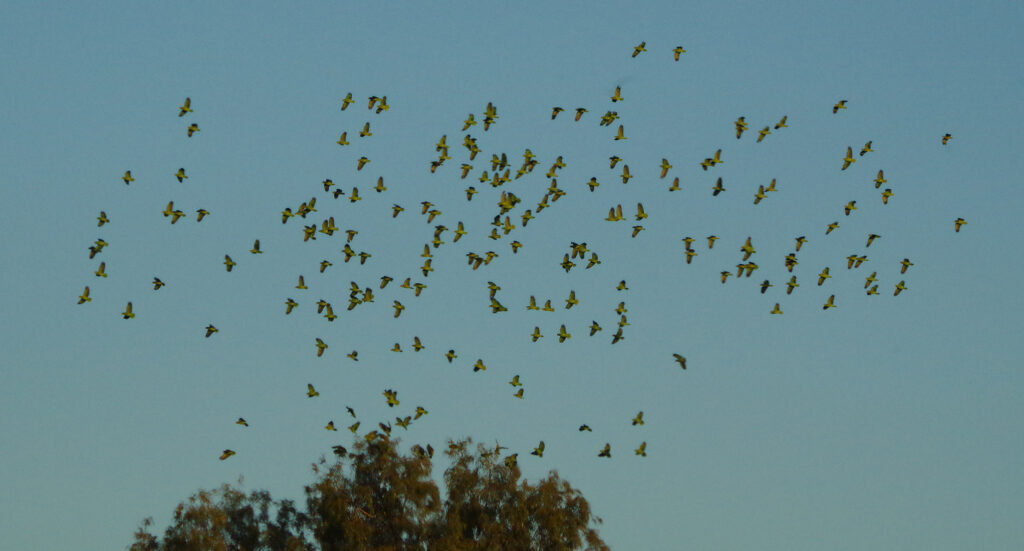
A flock of red-crowned parrots flying in the sky
Photo by Simon Kiacz

###

For more information about the Texas A&M College of Veterinary Medicine & Biomedical Sciences, please visit our website at vetmed.tamu.edu or join us on FacebookInstagram, and Twitter.

Contact Information: Jennifer Gauntt, Director of VMBS Communications, Texas A&M College of Veterinary Medicine & Biomedical Sciences, jgauntt@cvm.tamu.edu, 979-862-4216

Identifying Lumps And Bumps With Diagnostic Testing

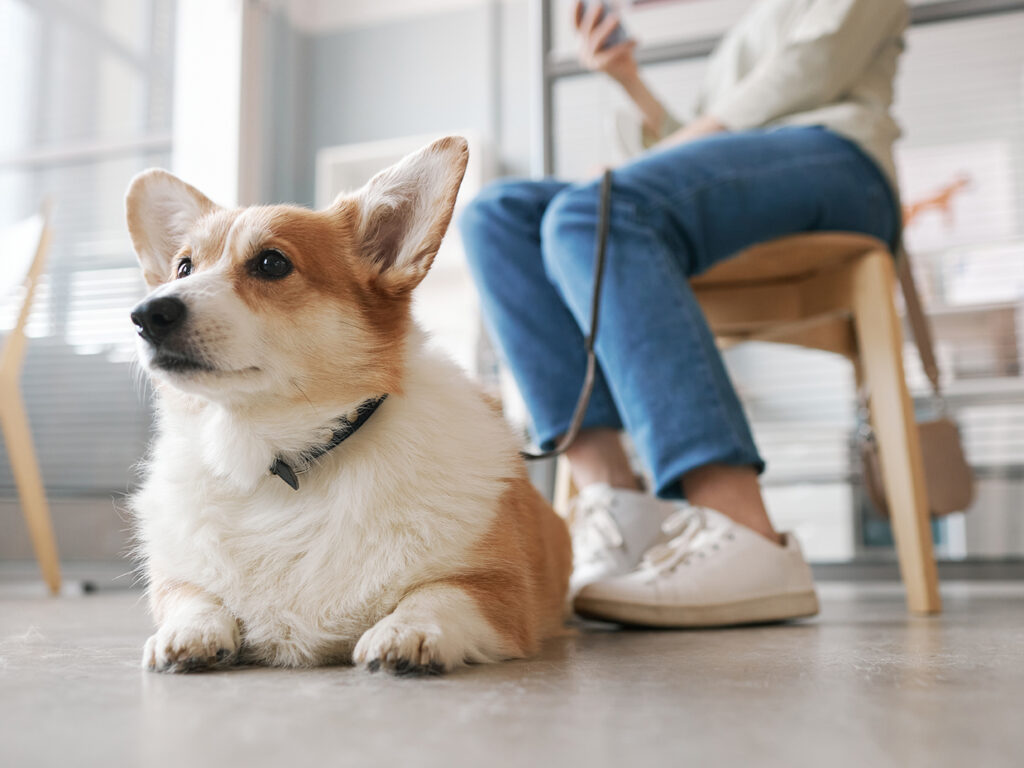
Corgi sitting in a veterinary waiting room

Lumps and bumps are a normal part of life, but what do we do when we notice a new lump or bump on our furry friend? 

When we take our pet to a veterinarian to examine a mass, the doctor may recommend diagnostic testing, which includes any medical screenings used to determine the cause of a pet’s symptoms, according to Dr. Sarah Jacobson, a clinical pathology resident at the Texas A&M School of Veterinary Medicine & Biomedical Sciences. 

“One of the first ‘diagnostics’ that a veterinarian performs is obtaining a medical history of the animal and performing a physical exam,” Jacobson said. “Because an animal cannot tell us specifically what is wrong or what is bothering them, we have to rely on what clues they can give us, such as changes in energy, weight, eating habits, or other clinical signs.” 

Locating Masses Through Diagnostic Testing

Diagnostically testing a pet through a physical exam can be especially useful for narrowing down causes of abnormal masses, which present themselves as small lumps or bumps on the body or under the skin. 

“There are many reasons an animal might have a lump, bump, or mass, and there are many places on the body where masses can exist,” Jacobson explained. “It could be an enlarged lymph node, joint swelling, cyst, inflammatory process, or even malignant (cancerous) or benign (noncancerous) tumors, but the location of the mass clues us in as to what the most likely tissue growth is. For example, when it comes to a mass in the nasal cavity or a tumor on the spleen, we have two completely different lists of what the most likely tumors are going to be in those locations.”

Additional Tests For Reaching A Diagnosis

Oftentimes, additional forms of diagnostic testing will be necessary in order to determine the exact cause of a pet’s ailment.

“There is a lot of information to be gained from a history and physical exam, but if this alone does not provide an answer, then the information is used to decide what diagnostics to perform next,” Jacobson said. “Forms of diagnostic testing can include performing blood work or an analysis of the urine, taking X-rays, collecting samples to view under a microscope, or testing for specific infectious agents such as viruses, bacteria, fungi, or parasites.”

For masses that have been located, veterinarians can narrow down the list of possible causes by using a form of diagnostic testing called cytology, a field of medicine focused on examining cells from bodily tissues.

“When it comes to testing a mass using cytology, veterinarians may perform a fine needle aspirate, which involves poking a needle into the mass and collecting cells to put on a slide for microscopic analysis,” Jacobson said. “Analyzing the cells can help veterinarians determine if the cause of a mass is because of an inflammatory reaction to irritants or a neoplastic process (when cells grow abnormally and lead to tumor growth).”

Inflammatory processes typically involve treating the cause of inflammation, but treating neoplastic processes can require more extensive treatment methods, including surgery or chemotherapy. 

“If it is an inflammatory process, we can see what inflammatory cells are present, signaling what the cause of the inflammation is, whether it is fungal, bacterial, allergies, or something similar,” she continued. “On the other hand, if it’s a neoplastic process, we can attempt to determine what the main cell type is and if the mass is part of a benign or malignant process.”

Next Steps After Testing

Jacobson emphasizes that testing these masses does not always give an exact answer as to what it is, yet it can help veterinarians either rule out a diagnosis or guide further diagnostic testing. 

Until an appropriate diagnosis is reached, Jacobson encourages owners to practice patience.  

“Finding a diagnosis is not always easy,” Jacobson said. “It takes veterinarians knowing what diagnostic step they want to take next, having a specific reason for that test, and being able to communicate next steps with owners. It also takes owners understanding that this can be a lengthy process, but they should still ask questions about the diagnostic tests their vet wants to run and how it will help their animal.” 

If you notice any pesky lumps or bumps on your pet, talk to your veterinarian about the diagnostic testing options that can help rule out possible concerns and, if necessary, get them on the road to recovery.

Pet Talk is a service of the College of Veterinary Medicine & Biomedical Sciences, Texas A&M University. Stories can be viewed on the web at vetmed.tamu.edu/news/pet-talk. Suggestions for future topics may be directed to vmbs-editor@tamu.edu.

Texas A&M Veterinarians Developing Frailty Instrument To Improve Canine Geriatric Care

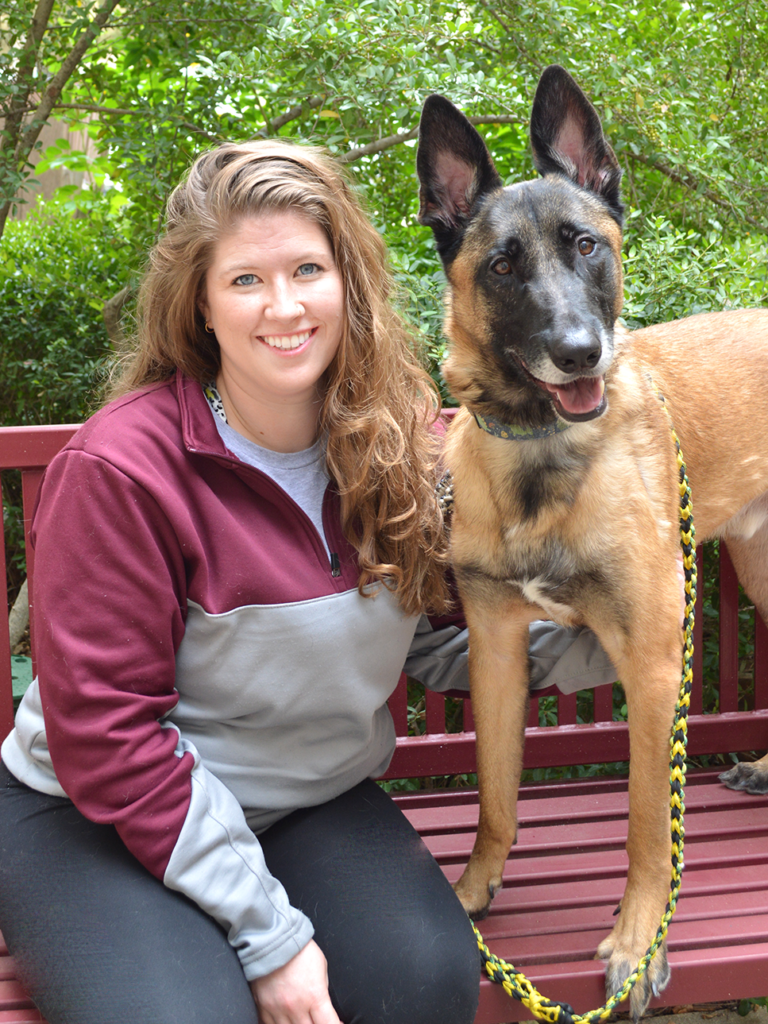
Melvin sitting on a bench with her dog
Dr. Rachel Melvin

In human medicine, the ability to measure frailty is a vital aspect of geriatric care. Doctors may recommend one treatment over another based on an elderly person’s frailty score, and nursing homes may adjust care protocols as frailty increases.

While the ability to measure frailty is not a new concept in human medicine, it has previously only been incorporated into veterinary medicine in research and laboratory settings.

Soon, however, frailty will be an important consideration in caring for pets as well, thanks to the Dog Aging Project, a collaborative program led by the Texas A&M School of Veterinary Medicine & Biomedical Sciences (VMBS) and the University of Washington School of Medicine.

By working with tens of thousands of community scientists, or real-life dog owners, across the United States, the Dog Aging Project is creating a frailty instrument that can be used to make health decisions and personalize geriatric veterinary care for real dogs of all shapes and sizes.

In an article recently published in Frontiers in Veterinary Science, the project’s veterinary team laid out their plan for developing this instrument by using a variety of simple tests and questionnaires that can be performed by dog owners and veterinarians.

“Dogs are living longer and longer because of the improving healthcare system and better nutrition,” said Dr. Rachel Melvin, a Dog Aging Project research team member and VMBS clinical trials intern. “We now have a bunch of old dogs whose owners want to do the best by them, and frailty scores help us do that by improving the personalized veterinary care those dogs receive.”

What Is Frailty?

Frailty is a complex syndrome associated with aging. Because it considers physical, mental, and emotional changes associated with aging, it is a better indicator of the body’s condition and overall health than age by itself.

“Age is just a number, but it is a number that can carry a lot of baggage,” Melvin said. “Frailty is a way for us to measure aging more accurately, which we only could measure with years before.

“The higher their frailty score, the more likely a person is to fall down, need to be hospitalized, or to have complications while in a hospital,” she explained. “Likewise, a dog with a higher frailty score may be more at risk for complications after surgery and take longer to recover than a less-frail dog.”

Frailty is especially important in veterinary medicine because dogs can vary greatly in size depending on their breed.

“A 12-year-old Great Dane and a 12-year-old Chihuahua are two vastly different animals in terms of health and body condition,” Melvin said. “Knowing a dog’s frailty score helps us measure and explain things like prognosis to owners, which then helps with making medical decisions.”

How To Measure Frailty

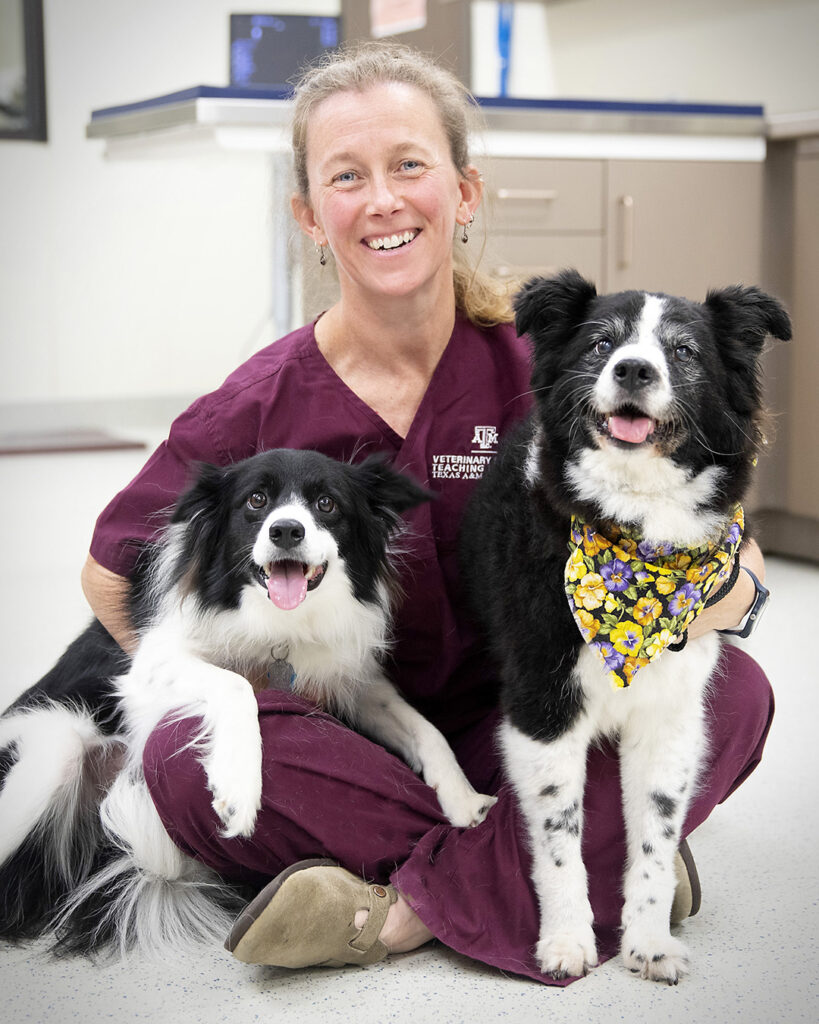
Veterinarian in maroon scrubs sitting on the floor with an old border collie and a young border collie
Dr. Kate Creevy, chief veterinary officer of the Dog Aging Project

Turning an objective description of health into a numerical score is a challenging concept that requires finding tests or measurements that are indicative of an individual’s risk of death.

“In human medicine, grip strength is one common measurement used because losing strength is a good indication that your body is aging,” Melvin said. “In dogs, it gets a little more difficult because we can’t ask them to do a simple, repeatable task like gripping something. So, our surveys will have lots of different questions that correlate with some of the common measurements used in human frailty scales.”

To begin the process, Melvin and her colleagues are considering many measurements that will be narrowed down once the team determines which are the most indicative of frailty.

Some of the factors being considered include body condition score, thigh girth deterioration, unintentional weight loss, gait speed, ability to climb stairs, and willingness to participate in customary activities, like going on walks.

“We’re very passionate about the idea that these are simple, easy measurements that don’t require blood work or diagnostic tests,” Melvin said. “We want everyone to be able to know if their dog is frail without there being a cost or technical limitation.”

In addition to physical measurements, the surveys will include questions that cover the mental and emotional changes associated with aging.

“In human medicine, they’ve found that including psychological and social domains can lead to a more sensitive scale,” Melvin said. “There are lots of ways that the body manifests frailty beyond physical changes, and we want to make sure we cover every category.”

Some of the non-physical measurements being considered are a dog’s short-term memory, recall of learned behaviors, general anxiety, and social avoidance. These would be measurable with simple tests and based on an owner’s interpretation of their dog’s behavior.

What The Test Will Look Like

Once the team has narrowed down the questions that most effectively determine a dog’s frailty, they will develop a numerical frailty scale that general veterinary practitioners can use. After that, they plan to expand the scale into a full Frailty Instrument for Dogs (FIDo) to increase its usefulness in real-life situations.

“Our plan is to develop a three-tiered frailty instrument,” Melvin said. “There will be a screening portion with questions for the owner, a scale for general practitioners, and a triage scale for emergency veterinarians and specialists. They won’t be interchangeable; they will be designed to work together.”

Especially in an ER setting, knowing a dog’s frailty score will help manage owner expectations and ensure that the medical decisions being made accurately consider the dog’s prognosis and quality of life.

Ultimately, measuring frailty is an important part of the Dog Aging Project’s overall mission of helping dogs live longer, healthier lives.

“To be able to fight frailty, you have to be able to detect frailty,” Melvin said. “If we can identify dogs that are frail, there are potentially steps we can take to prevent or delay progression and help them stay healthier longer.”

In addition to Melvin, the Texas A&M researchers working on this project include clinical trials intern Dr. Elizabeth Pearson and Dr. Kate Creevy, a VMBS professor and the chief veterinary officer for the Dog Aging Project. Other collaborators include Dr. Audrey Ruple, from the Virginia-Maryland College of Veterinary Medicine; Dr. Natasha Olby, from the North Carolina State University College of Veterinary Medicine; and Dr. Annette Fitzpatrick, from the University of Washington.

###

For more information about the Texas A&M College of Veterinary Medicine & Biomedical Sciences, please visit our website at vetmed.tamu.edu or join us on FacebookInstagram, and Twitter.

Contact Information: Jennifer Gauntt, Director of VMBS Communications, Texas A&M College of Veterinary Medicine & Biomedical Sciences, jgauntt@cvm.tamu.edu, 979-862-4216

Creating Partnerships Between Veterinarians, Ranchers To Enhance Profitability And Sustainability

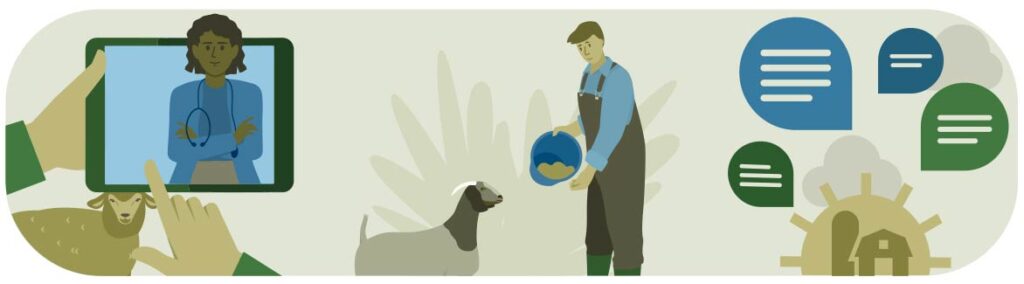
Various Texas A&M faculty members partnered to create and deliver a workshop to selected areas within Texas to bring producers and veterinarians together.

A research team from the Texas A&M School of Veterinary Medicine & Biomedical Sciences (VMBS) developed the first integrated, interdisciplinary food animal patient-client-veterinary relationship (PCVR) workshop available for use by continuing education providers and extension agencies.

The workshop features topics to enhance partnerships between producers and veterinarians with the goal of creating and sustaining the profitability of small and medium-sized ranching operations. Its content was created based on the results of a needs assessment conducted by Texas A&M University and Prairie View A&M University.

The workshop materials, which were created under the leadership of an advisory board consisting of veterinarians and producers, were designed so that a local veterinarian and local producer can teach the workshop to those in their community.

Resources on various topics covered in the workshop are available to the public at https://howdypartner.org/resources/.

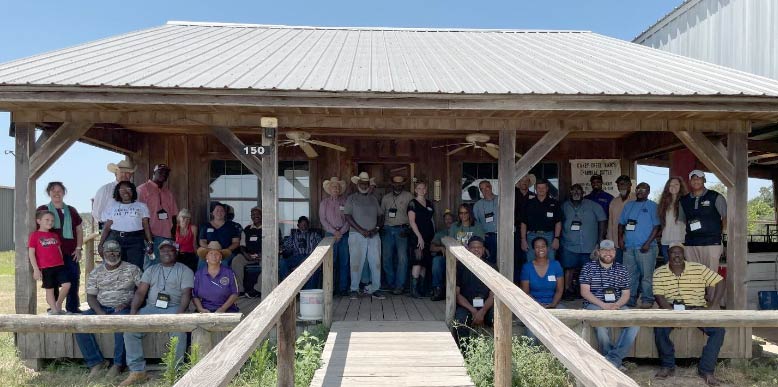
Group of people at the workshop
100 Ranchers, Inc Workshop, Oakwood, Texas

Primary responsibility for the development of the workshop resided with Dr. Nicola Ritter (Principal Investigator), an instructional associate professor in the VMBS’ Department of Veterinary Integrative Biosciences (VIBS) and director of the Center for Educational Technologies (CET). She led a team that included project faculty with relevant subject matter expertise in commercializing large ruminants, small ruminants, and swine.

Co-Principal Investigators on the project include: 

  • Dr. Molly Gonzales, a research assistant professor in VIBS
  • Dr. Glennon Mays, a clinical associate professor in the VMBS’ Department of Large Animal Clinical Sciences (VLCS)
  • Dr. Kevin Washburn, a professor in VLCS
  • Dr. Dan Posey, the director of student recruitment and professional relationships and a clinical professor at the VMBS’s Veterinary Education, Research, & Outreach (VERO) campus in Canyon, a partnership between Texas A&M and West Texas A&M University (WT)
  • Dr. Dee Griffin, a retired professor at VERO
  • Dr. Brandon Dominguez, the veterinary services section head at the Texas A&M Veterinary Medical Diagnostic Laboratory

The project team delivered the workshop through Waller County Farmers’ & Ranchers’ Cooperative and 100 Ranchers, Inc. Primary responsibility for delivering the workshop within Waller County Farmers’ & Ranchers’ Cooperative resided with Dr. Milton Daley (Co-PI), from Prairie View A&M University. Primary responsibility for delivering the workshop within 100 Ranchers, Inc. resided with Ms. Kim Ratcliff. 

Thirteen producers from Waller, Lavaca, and Harris counties attended the Prairie View A&M workshop, while 19 producers from Central Texas counties attended the workshop in Oakwood.

Group of people at workshop
Prairie View A&M University Workshop

Next, producers and veterinarians will establish a formal PCVR. This will open opportunities for veterinarians to have distance medical care, a critical component to animal welfare when ranches are more than an hour away from the closest large animal/food animal veterinarian.

Through this training program, producers also received vaccines from Merck and nutrition vouchers from Carhill Animal Nutrition. 

The next phase of this training program will be launched through the eXtension Foundation to share the workshop materials on eXtension.org, which is the United States Cooperative Extension System online resource sharing platform.

This material is based upon work supported by the U.S. Department of Agriculture, under Agreement No. AP20VSCEAH00C027. Any opinions, findings, conclusion, or recommendations expressed in this publication are those of the author(s) and do not necessarily reflect the view of the U.S. Department of Agriculture.

CREATIVE TEAM

Bette Bittner, Instructional Designer
Suzanne Kabat, Website and Graphic Design
Vince Chihak, Multimedia Producer
Crystal Schibler, Website Developer
Cory Schibler, Technical Support
Michelle Wiederhold, Project Manager

RESEARCH TEAM

Dr. Nicola L. Ritter, MEd, PhD (Principal Investigator)
Dr. Milton Daley, PhD
Dr. Glennon Mays, DVM
Dr. Molly Gonzales, MEd ,EdD
Angelica Frazier
Vanessa Manohar

ADVISORY BOARD MEMBERS

Ms. Kimberly Ratcliff, 100 Ranchers, Inc.
Dr. Dan Posey, VERO
Dr. Joe Mask, Texas A&M AgriLife Extension
Ms. Ashley Pellerin, Prairie View A&M Cooperative Extension Program
Dr. Dee Griffin, VERO
Dr. Glennon Mays, Texas A&M (Ex-officio)
Dr. Milton Daley, Prairie View A&M (Ex-officio)
Dr. Nicola L. Ritter, Texas A&M (Ex-officio)

A Guide To Litter Box Etiquette

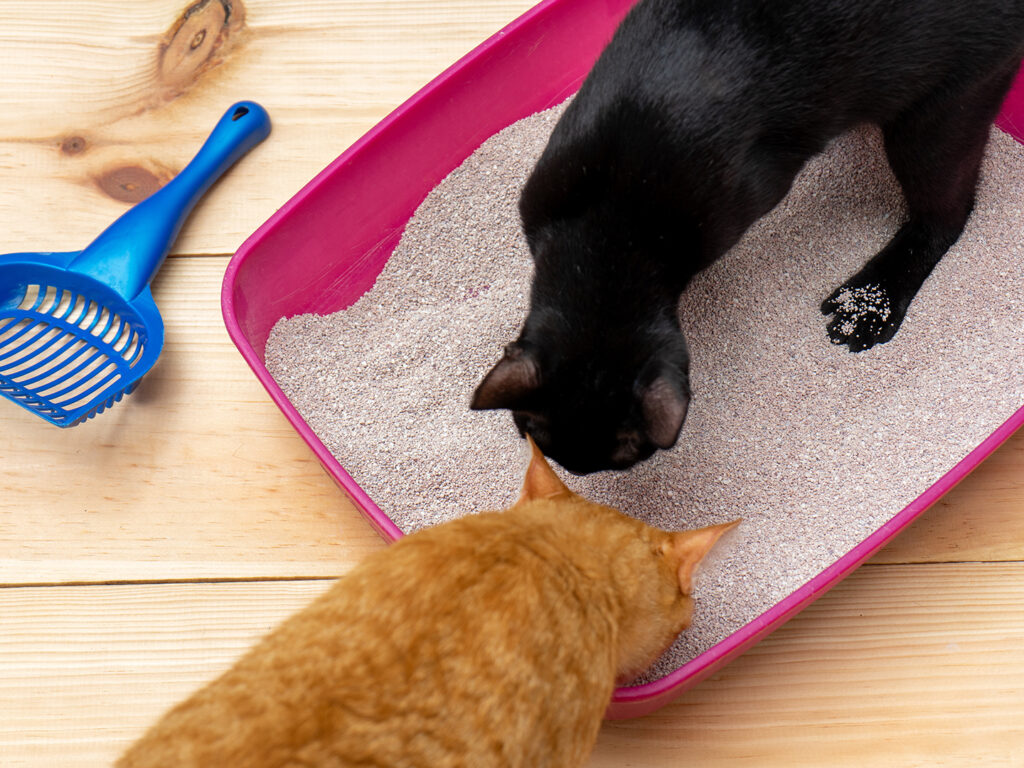
A black and orange cat digging around in a pink litter box

The first stop after getting a new cat is usually the pet store for food, toys, and furniture, with a litter box being a top priority. You may not give much attention to the box itself or the cleaning etiquette it takes to care for them, but there can be messy consequences if cats are not on board with their new restroom. 

Dr. Audrey Cook, a professor at the Texas A&M School of Veterinary Medicine & Biomedical Sciences, says choosing the right litter boxes and maintaining them appropriately will help owners avoid common litter box problems, like cats going to the bathroom outside of the box or developing health concerns from not going when they need to.

Finding The Right Litter Boxes To Encourage Use

First, Cook encourages owners to provide a litter box variety with different shapes, sizes, and household locations so that cats can find a litter box that works best for them. 

“The house should have one box for each cat plus one extra, so two for one cat, three for two cats, and so on,” Cook said. “Many litter boxes are simply too small to be used comfortably, so be sure to get a large box that easily accommodates the pet. Litter boxes should also be placed in quiet areas away from foot traffic and machinery, like the washing machine, allowing cats to go in peace.”

The assortment of litter boxes should not include covered boxes, as this type of box can make cats feel unsafe, according to Cook. 

“Owners often reach for covered boxes to reduce odor, but some cats do not like to be in a covered box, as they can’t survey their surroundings, making them feel less safe when leaving the box,” Cook explained. “Cats can be attacked by other cats whilst exiting the box, so being able to see their surroundings is important for those using the litter box in a multiple-cat household.” 

Another way to make litter boxes comfortable is to choose the right litter.

“Try various litters, as some cats have strong preferences for how the litter feels under their feet,” Cook suggested. “There are some litters specifically designed to encourage use by attracting cats to the box with scents, so owners can talk to a veterinarian about options if there is a concern about cats not using litter boxes.”

Cleaning Litter Boxes Prevents Health Issues

While comfort and safety are important factors in choosing litter boxes, cleanliness determines whether a cat will do their business in the box. 

“If the box does not fit a cat’s needs or is uncomfortable, then cats may seek other areas in the house to go to the bathroom,” Cook explained. “Poor litter box care can also increase the chances of a cat choosing to go elsewhere, as they prefer to urinate and defecate in clean boxes.”

This can be a problem not only for owners — should the cat choose to go outside of the box — but could also potentially create health troubles for the cat.

“An unwelcome and unclean box can even cause the cat to avoid urinating or defecating until absolutely necessary, which can promote constipation and predispose the cat to urinary problems,” Cook said. 

As such, owners should plan and implement a regular cleaning routine to ensure cats will use their box. 

“Boxes should be scooped at least once a day, and if owners find it a challenge to take care of the box routinely, automatic boxes can be very helpful,” Cook said. “Every two to three weeks, the box should be washed as well and the old litter dumped and replaced. Litter should be about 2 inches deep for standard clumping types while other bagged litter will have directions.”

When cleaning litter boxes, owners should monitor the contents left behind from their cats, as this also can alert them to health concerns that require veterinary care. 

“It is important to keep an eye on what is in the box, specifically size of urine puddles and consistency of feces,” Cook said. “Owners need to notice changes in puddle size, as bigger or smaller puddles can indicate disease, such as kidney or bladder problems, while changes in fecal size could suggest diseases relating to the digestive system.”

Litter boxes and their cleanliness are two of the most important considerations you can make for your feline friends, and getting it wrong can disrupt your cat’s bathroom habits. Choosing the right box and keeping it clean will ensure that your cat loves and, more importantly, uses their new bathroom. 

Pet Talk is a service of the College of Veterinary Medicine & Biomedical Sciences, Texas A&M University. Stories can be viewed on the web at vetmed.tamu.edu/news/pet-talk. Suggestions for future topics may be directed to vmbs-editor@tamu.edu.

Texas A&M Veterinary Graduates Lead The Nation In Licensing Exam Pass Rates

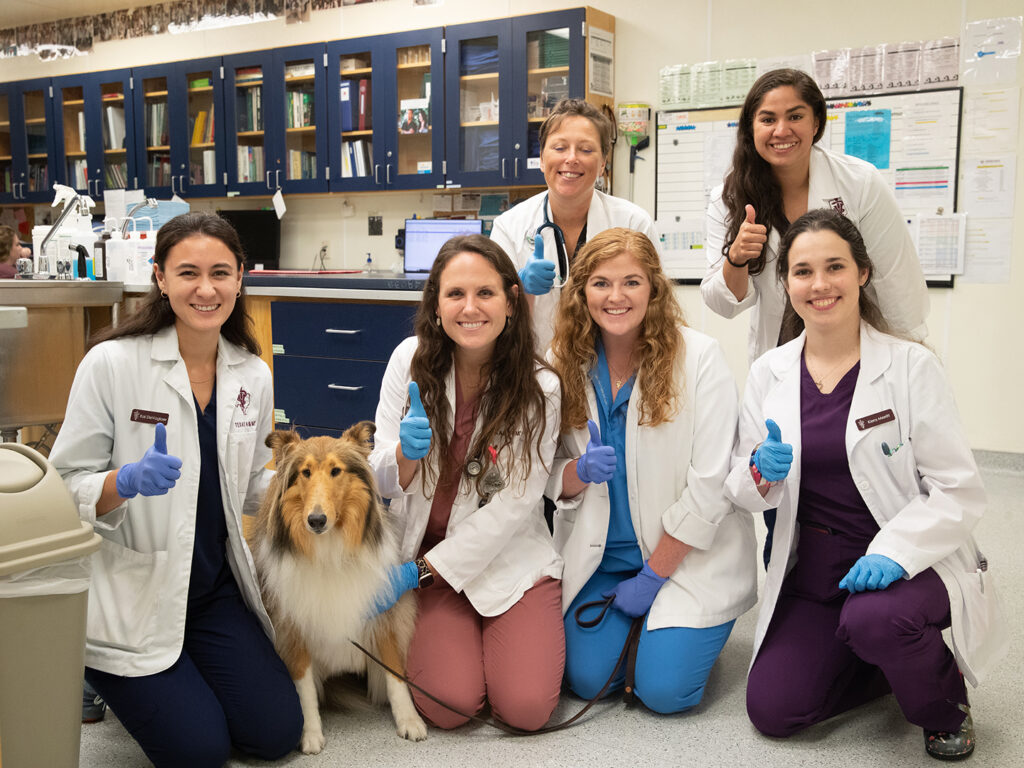
Six veterinary students in white coats with Reveille the collie
Class of 2023 veterinary students with Texas A&M’s mascot Reveille

Texas A&M University’s Doctor of Veterinary Medicine (DVM) students have continued the multi-year Aggie tradition of passing the North American Veterinary Licensing Examination (NAVLE) with a rate that greatly exceeds the national pass rate.

More than 99% of the DVM Class of 2023 passed the licensing examination, which is significantly higher than the overall pass rate of 86% for all American Veterinary Medical Association Council on Education accredited institutions. Passing the NAVLE is a requirement for licensure to practice veterinary medicine in the United States and Canada.

“The Texas A&M College of Veterinary Medicine & Biomedical Sciences has a history of graduating exceedingly talented and well-rounded veterinarians, and this latest round of NAVLE results is further proof of this,” said Dr. John R. August, the Carl B. King Dean of Veterinary Medicine at Texas A&M. “I couldn’t be prouder of the DVM Class of 2023, as well as the VMBS faculty and staff members who are instrumental in ensuring our students graduate ready to practice veterinary medicine on day one.”

The newest Aggie veterinarians, who graduated from the College of Veterinary Medicine & Biomedical Sciences (VMBS) in May, were also in the third class to complete the school’s updated DVM curriculum, which was implemented in the fall of 2017.

The updated curriculum was designed to add emphasis on hands-on, comparative experiential learning, including sequential ultrasound, surgical skills training and communication skills training starting in the first week of the first year of the DVM program.

“We are so proud of our graduates and our faculty,” said Dr. Karen Cornell, the VMBS’ associate dean for the DVM Professional Program. “Our DVM students continue to outperform the national average passing rate for the NAVLE.”

The most recent NAVLE results and the feedback received from individuals employing VMBS graduates prove that the hard work that went into developing the new curricular framework has paid off for Aggie DVM students.

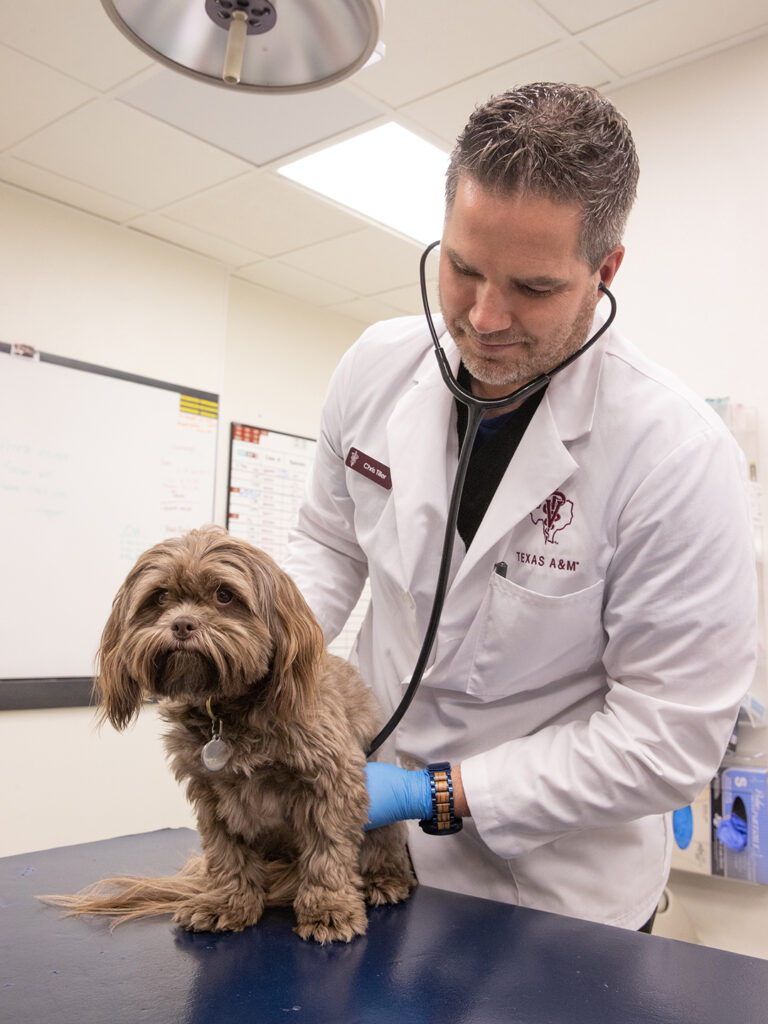
A veterinary student wearing a white coat listens to a small brown dog's heartbeat
Chris Tiller, DVM ’23

Texas A&M is also committed to training well-rounded, compassionate veterinarians who uphold the university’s core values of Respect, Excellence, Leadership, Loyalty, Integrity and Selfless Service.

Veterinary students receive unique learning and service opportunities through the various outreach initiatives led by the VMBS and the Texas A&M Veterinary Medical Teaching Hospital (VMTH), which is the largest educational laboratory at Texas A&M and the only veterinary teaching hospital in the state of Texas. 

These programs include preventive care services for local communities led by the VMTH’s Primary Care Service and recurring Pet Health Fairs co-hosted by the REACH Project of Bryan.

Beyond providing practice in clinical skills and client communication, these opportunities offer a chance to serve the local community, including low-income areas, elderly populations and Texas A&M’s contracted service workers.

Veterinary students also receive hands-on training in disaster response through a two-week veterinary emergency preparedness rotation led by the Texas A&M Veterinary Emergency Team. Students who complete the rotation graduate with an American Veterinary Medical Association veterinary first responder certificate. 

The VMBS was also recently ranked 11th in the world and 6th in the United States in veterinary science, according to the 2023 Quacquarelli Symonds World University Rankings by Subject. This latest round of NAVLE results further demonstrates the quality and value that Aggie veterinarians bring to the profession.

###

For more information about the Texas A&M College of Veterinary Medicine & Biomedical Sciences, please visit our website at vetmed.tamu.edu or join us on FacebookInstagram, and Twitter.

Contact Information: Jennifer Gauntt, Director of VMBS Communications, Texas A&M College of Veterinary Medicine & Biomedical Sciences, jgauntt@cvm.tamu.edu, 979-862-4216