Hagler Fellow Partners With VMBS Gastrointestinal Laboratory, Inspires Veterinary Students To Participate In Clinical Research

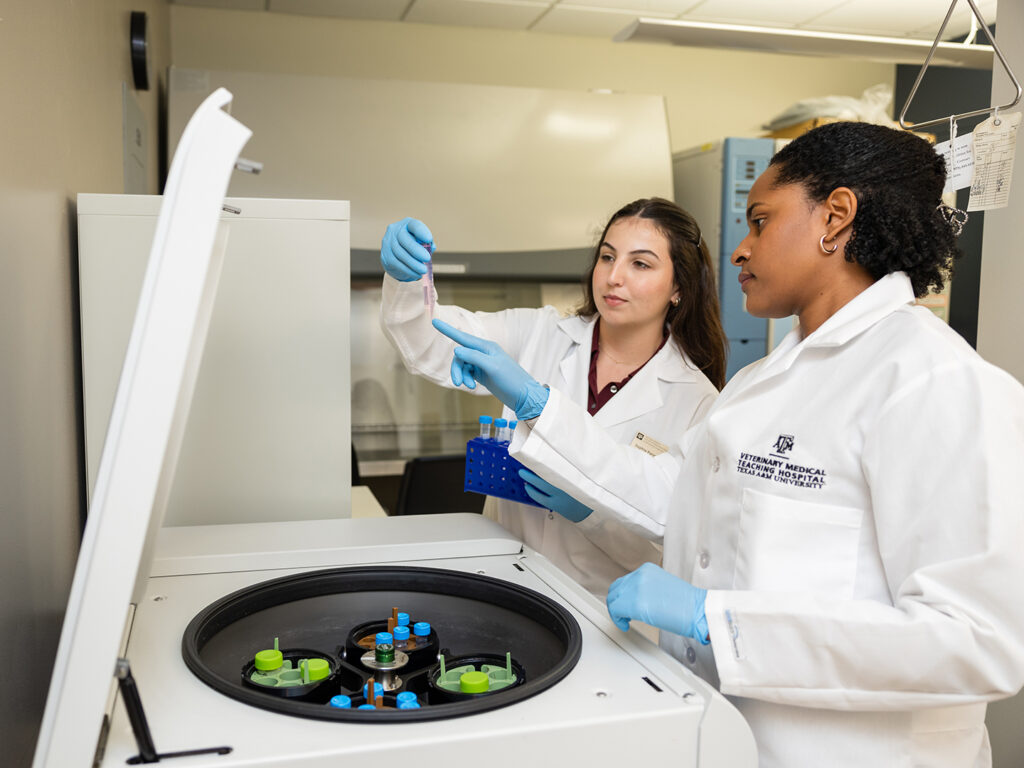
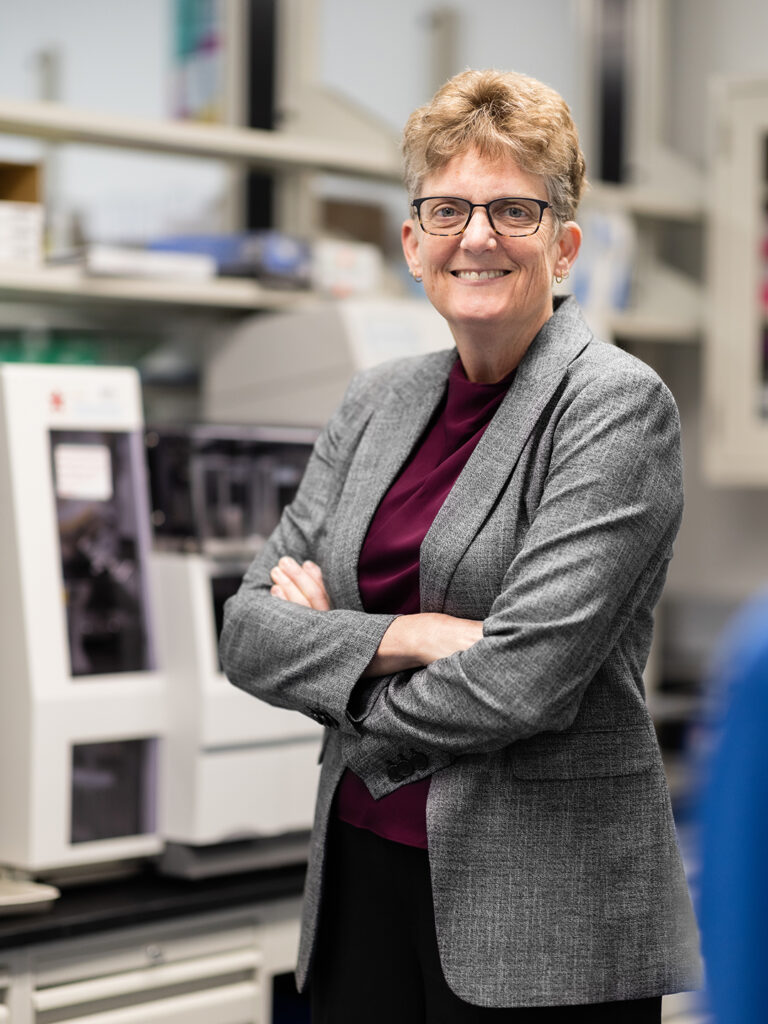
Dr. Jody Gookin in a lab
Dr. Jody Gookin
Photo by Jason Nitsch ’14, Texas A&M University Division of Marketing and Communications

Over the next three years, the Texas A&M College of Veterinary Medicine & Biomedical Sciences’ (VMBS) Gastrointestinal Laboratory (GI Lab) will get to partner with one of the top veterinary gastroenterologists in the world, thanks to a fellowship from the Texas A&M Hagler Institute for Advanced Study.

Dr. Jody Gookin, the FluoroScience Distinguished Professor of Veterinary Scholars Research Education at North Carolina State University, was recently selected as one of the 2023-2024 Hagler Fellows, a prestigious fellowship awarded to 14 outstanding researchers each year who have distinguished themselves through outstanding professional accomplishments or significant recognition. The fellows partner with academic units from across Texas A&M to further advance ongoing research.

Gookin, who received her Doctor of Veterinary Medicine degree from the University of California at Davis and a Ph.D. in gastrointestinal physiology from North Carolina State University, is well known for her discovery of and work on tritrichomonas, an infectious disease found worldwide that causes diarrhea in cats.

In addition to partnering with GI Lab researchers, she also hopes to inspire VMBS veterinary students to become clinician scientists after they graduate, which would allow them to contribute to medical research while continuing to provide veterinary care to their patients.

Tackling Problems Together

For Gookin, becoming a Hagler Fellow is not primarily about the prestige — it’s a valuable opportunity to collaborate with other experts at the GI Lab.

“The GI Lab is the premier hub of veterinary gastroenterology research, particularly for small animal internal medicine,” Gookin said. “I’m well aware of the excellence in research that happens here. I knew that I would come and learn not only about what they do but how they do it and have opportunities to collaborate that would only come from actually being here.”

Luckily for Gookin, many of the faces at the GI Lab are familiar ones.

“A lot of folks who are faculty here did some of their veterinary medicine training where I work at North Carolina State University,” she said. “Veterinary academia is a relatively small community and we frequently cross paths during veterinary school, internship or residency training. So, I know a lot of people at Texas A&M and I’ve even done small projects with some of them; this is a chance to do much larger collaborations.”

Because the GI Lab is home to a variety of specialists within veterinary gastroenterology, Gookin anticipates that these developing collaborations will have a significant impact on veterinary medicine.

“The GI Lab has experts in everything from pancreatic disease to the microbiome, and all of those areas have special techniques and individuals who can inform pretty much any other research project that has to do with gastroenterology,” she said. “When you’re working in this kind of environment, you can come up with really interesting ideas that you wouldn’t have thought about had you not been in the same room talking and sharing your research.”

While most of Gookin’s collaborations with GI Lab researchers are still in the early stages of development, she’s already putting together multiple projects. One thing she’s hoping to collaborate on is canine gallbladder mucocele formation, a relatively new disease that’s only been recognized for a couple of decades.

“It causes a very thick, abnormal mucus in the gallbladder that basically obstructs the organ’s function,” Gookin said. “Most patients developing this disease are older and become severely ill as a result. The main treatment is a very expensive surgery and many patients don’t survive it.

“It’s really heartbreaking to see, so I became very passionate about dedicating some of my career to figuring out what’s happening in these dogs and how we can help them,” she said.

Inspiring The Next Generation

While Gookin will spend most of her time at Texas A&M doing research, she’s also passionate about working with veterinary students and encouraging them to consider making research a valuable part of their careers post-graduation.

“Many students go to veterinary school because they love animals and want to help them, just like I did,” Gookin said. “My goal is to give them a taste of research and show them how, as a clinician scientist, they can go beyond helping just one patient at a time.”

“If you can discover a new disease, diagnostic test or treatment, you might be able to impact patients that are being seen by every veterinarian around the world,” she said. “That’s just a different level of impact and it’s very rewarding. It’s also very important for the future of veterinary medicine.”

Recently, Gookin gave a talk at the VMBS in which she shared the story of her team’s discovery of tritrichomonas with an audience that included many future Aggie veterinarians.

“My biggest goal was helping them understand that they are capable of making these kinds of contributions to research,” she said. “If I can plant the seeds and get them starting to see themselves in that role, I will be happy with what I’ve accomplished.”

###

For more information about the Texas A&M College of Veterinary Medicine & Biomedical Sciences, please visit our website at vetmed.tamu.edu or join us on FacebookInstagram, and Twitter.

Contact Information: Jennifer Gauntt, Director of VMBS Communications, Texas A&M College of Veterinary Medicine & Biomedical Sciences, jgauntt@cvm.tamu.edu, 979-862-4216
Staying On Guard Against Equine Colitis

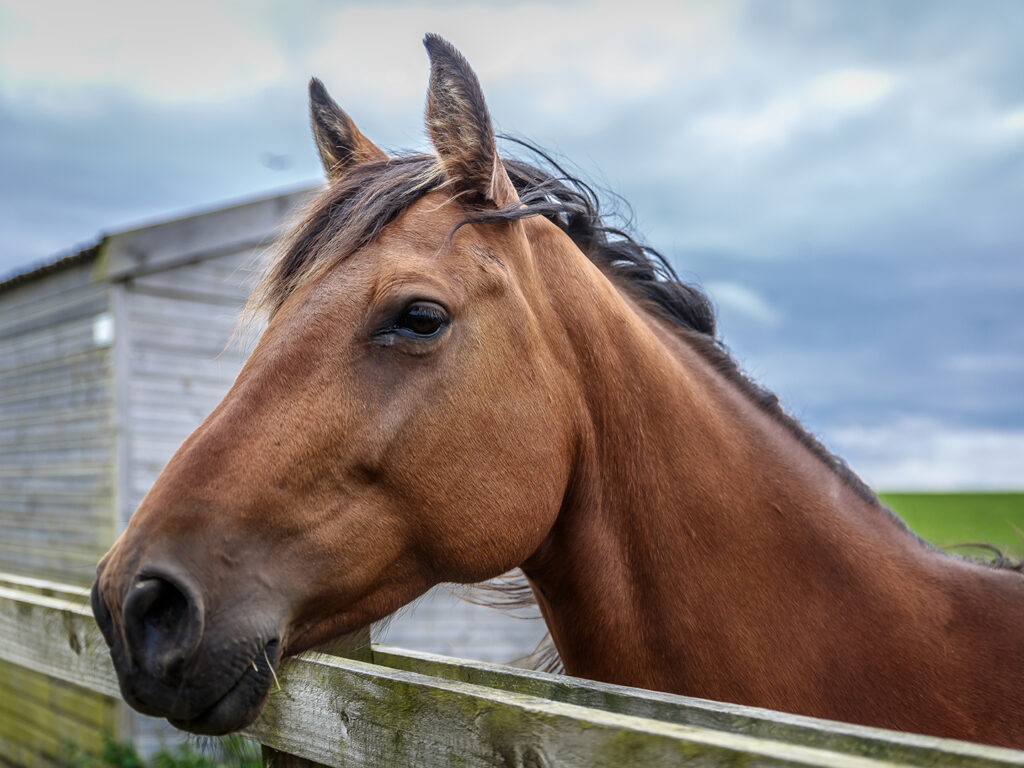
A brown breed horse looks quietly through a wooden fence on a green farm

Horses have delicate and complex gastrointestinal systems compared to many other animals, leaving them susceptible to digestive disorders, such as colitis. 

“The term ‘colitis’ means inflammation of the large intestine, which is most often accompanied by diarrhea,” explained Dr. Amanda Trimble, a clinical assistant professor of equine internal medicine at the Texas A&M School of Veterinary Medicine & Biomedical Sciences. “There are many different causes of colitis in horses, some potentially more severe than others, and associated signs largely depend on if the disorder is acute (rapid onset) or chronic (long-lasting).”

Because timely recognition and intervention are crucial to preventing the progression of colitis and minimizing its impact on a horse’s health, Trimble advises owners to closely monitor their horses for any signs so that if it arises, a veterinarian can determine the cause as soon as possible.

Recognizing Symptoms

When the delicate balance of a horse’s digestive system is disrupted, the large intestine can become inflamed and not absorb water as it should, causing the typical watery and frequent bowel movements associated with colitis. The excessive loss of fluids through persistent diarrhea can make horses extremely dehydrated and, if left untreated, can lead to additional symptoms, depending on whether the condition is acute or chronic.

Acute colitis can be life-threatening because of the rapid dehydration that can result from the diarrhea’s sudden and potentially severe nature. Symptoms of acute colitis that can accompany diarrhea include:

  • Lethargy
  • Colic, or abdominal pain
  • Lack of appetite
  • Fever greater than 102 degrees Fahrenheit
  • Tacky mucous membranes, as evident by dry gums or dry lower eyelids
  • Signs of endotoxemia, a bacteria from the gut that circulates around the body; these include toxic lines on the gums, which look like a dark red-purple line just above the front incisor teeth; tachycardia, or a heart rate at 60 beats per minute; injected sclera, or the reddening of white parts of the eye; and laminitis

Chronic colitis, on the other hand, is a condition that usually develops over time and can cause a loss of essential nutrients in addition to a loss of fluids.

“Because horses are losing protein through their gut, some signs you may see for more chronic cases – commonly caused by parasites, sand ingestion, or inflammatory bowel disease – are weight loss and edema, a type of swelling in the legs or lowest part of the abdomen,” Trimble said.

Equine Colitis Culprits

It is important for owners to contact a veterinarian as soon as they notice the development of diarrhea or other symptoms so that the veterinarian can determine the underlying cause.

“There are infectious causes of equine colitis that can spread from horse to horse – or even horse to human – through feces, including potomac horse fever, salmonella, equine coronavirus, and clostridial diseases,” Trimble explained. “Small strongyles (a type of intestinal parasite), an altered gut microbiome from diet changes, sand ingestion, or antibiotic use may cause colitis as well.”

Although it is rare, Trimble pointed out that noninfectious colitis can also be a symptom of tumors, inflammatory bowel disease, or the overuse of certain nonsteroidal anti-inflammatory drugs meant to relieve pain and reduce inflammation.

In some horses, diarrhea can be confused with fecal water syndrome, a condition that looks similar to colitis.

“We are unsure the cause of fecal water syndrome, but it is characterized by increased water coming before or after the feces in otherwise healthy animals,” Trimble said. “Other than being frustrating for the owners to manage, it is not a serious threat to horses; however, we still recommend contacting your veterinarian if you notice the signs.”

Different causes of colitis may require different treatment approaches, so owners should work with their veterinarian to ensure timely care.

“Providing care early is critical, as horses can become seriously dehydrated very quickly,” Trimble explained. “Owners should give their veterinarian a good history of any management, environment, herd, or medication changes to help them determine how to best treat the horse.”

By staying vigilant about digestive changes in your horse and collaborating with veterinarians, horse owners can play a vital role in the well-being and quick recovery of their equine companions.

Pasture Talk is a service of the College of Veterinary Medicine & Biomedical Sciences, Texas A&M University. Stories can be viewed on the web at vetmed.tamu.edu/news/tag/pasture-talk/. Suggestions for future topics may be directed to vmbs-editor@tamu.edu.

Texas A&M Veterinary Emergency Team Shapes How Future Aggie Veterinarians Prepare For, Respond To Disasters

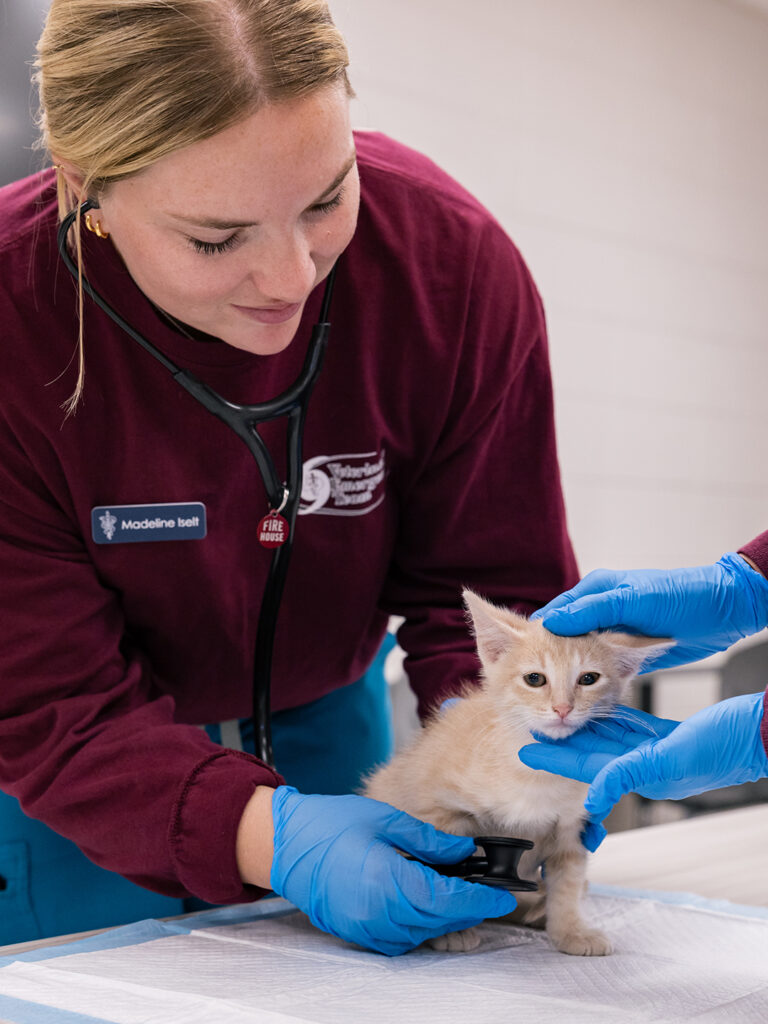
A veterinary student examines a small orange kitten
DVM student Madeline Iselt conducts an exam at Operation Border Health Preparedness.
Photo by Jason Nitsch ’14, Texas A&M University Division of Marketing and Communications

Disasters related to weather or climate are increasing in frequency and intensity, according to the United Nations. The increase in severe hurricanes, tornadoes, wildfires, landslides, and other disasters means more communities find themselves in the path of dangerous weather.

Community leaders, including veterinarians, are increasingly called upon to prepare for and respond to disasters, which is why the Texas A&M College of Veterinary Medicine & Biomedical Sciences’ (VMBS) curriculum includes a veterinary emergency preparedness rotation.

The rotation is led by faculty on the VMBS’ Veterinary Emergency Team (VET), which provides medical support to urban search-and-rescue teams and resident animals in response to natural and human-made disasters at the request of the Texas A&M Task Force or county jurisdictions.

The VET has deployed 19 times in Texas in response to disasters like the 2023 Perryton tornado, 2022 wildfires in Eastland, and Hurricane Harvey. The team has also deployed twice to California in response to wildfires and to Florida in response to Hurricane Ian.

Addressing A Growing Global Need

While caring for animals in the aftermath of disasters might seem like plenty to shoulder, faculty on the VET strive to do more by educating the next generation of veterinarians, who are more likely to serve a community affected by disasters during their veterinary career than previous generations.

VET director Dr. Debra “Deb” L. Zoran leads the VET’s rotation. A professor in the Department of Small Animal Clinical Sciences, she has been a veterinarian for Texas A&M Task Force 1 since 1997 and a deployable member and small animal lead on the VET during deployments since 2014.

Because the VET rotation teaches skills and lessons that are both timely and important, veterinary students from other countries also travel to Aggieland for the one-of-a-kind course. Dr. Melodie Ares Monast came to College Station in the spring of 2023 from Quebec, Canada, for the rotation. 

“I came because we don’t have anything like this in Canada,” Ares Monast said. “We need training like this in Canada because we are experiencing an increase in floods but we don’t have any resources like the VET. Being a pioneer in this work is challenging but also rewarding. I know that I can take home what I learn and start implementing some of it in my own community.”

Preparing Future Leaders

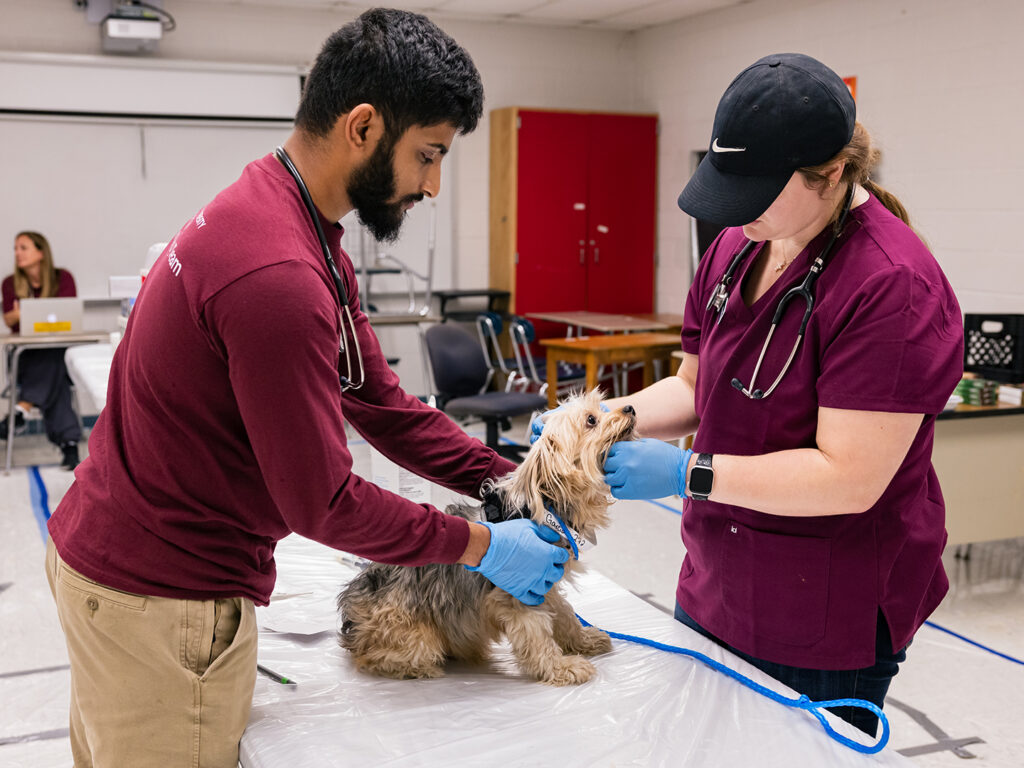
Two veterinary students examine a small yorkie dog
DVM students Mohan Iyengar and Cheryl Armstrong examine a patient at OBHP.
Photo by Jason Nitsch ’14, Texas A&M University Division of Marketing and Communications

The two-week course kicks off with a week focused on disaster preparedness. Zoran teaches her students that preparedness starts with realistically assessing their own mental preparedness.

“If you don’t have your own personal ducks in a row, you cannot possibly tackle helping someone else,” Zoran said. “It starts individually with self-awareness of stress and resiliency. You have to have inner core health.”

Once the importance of inner core health has been instilled in her students, Zoran teaches them to conduct a basic preparedness and threat analysis spanning across their sphere of influence. She has them start with their family and then expand their scope to their practice, to their clients, and, finally, to the greater community in which they serve.

“The most common response to any disaster is denial,” Zoran explained. “Understanding risk doesn’t mean you’re scared; it means you are situationally aware. You protect yourself, your family, your practice, and your community by understanding the risks, the probability of those risks becoming a disaster, and what your plan is if the unthinkable happens and your community is in a full blown disaster.”

Rather than simply telling her students that preparedness is important, Zoran developed a curriculum that shows them the importance of disaster preparedness while also serving Texans. VET rotation students visit a Texas county, conduct a risk assessment for the county, and work with county leadership to develop a disaster plan in their first week on the rotation.

Dr. Julie Gonzalez, who participated in the VET rotation as a student, said the experience of developing a disaster plan for a community was invaluable and that she plans to implement a similar plan in the practice she joined in Houston.

“I’ve never really been in that situation,” Gonzalez said. ”In the future, especially living in Houston, where there are hurricanes and disasters regularly, knowing the veterinarian’s role in responding to a disaster and how I can get involved with my county ahead of time is really helpful. When I join the practice, I’m going to make sure we have a disaster plan.“

Dr. Anna Claire Huffman also participated in the VET rotation as a VMBS student and said she feels confident in her new skills to develop a disaster plan as well. 

“As Dr. Zoran says, hope is not a plan,” Huffman shared. “In the VET rotation, we work on developing the skills we need to make a plan so that later on we can eventually provide help for people.

“The first week of the rotation got me thinking about the rural community I now serve in McLennan County,“ she said. “Thanks to Dr. Zoran and the VET rotation, I’m prepared to start introducing myself and my ideas about disaster planning to community leaders when I join the practice.”

Responding To Disasters

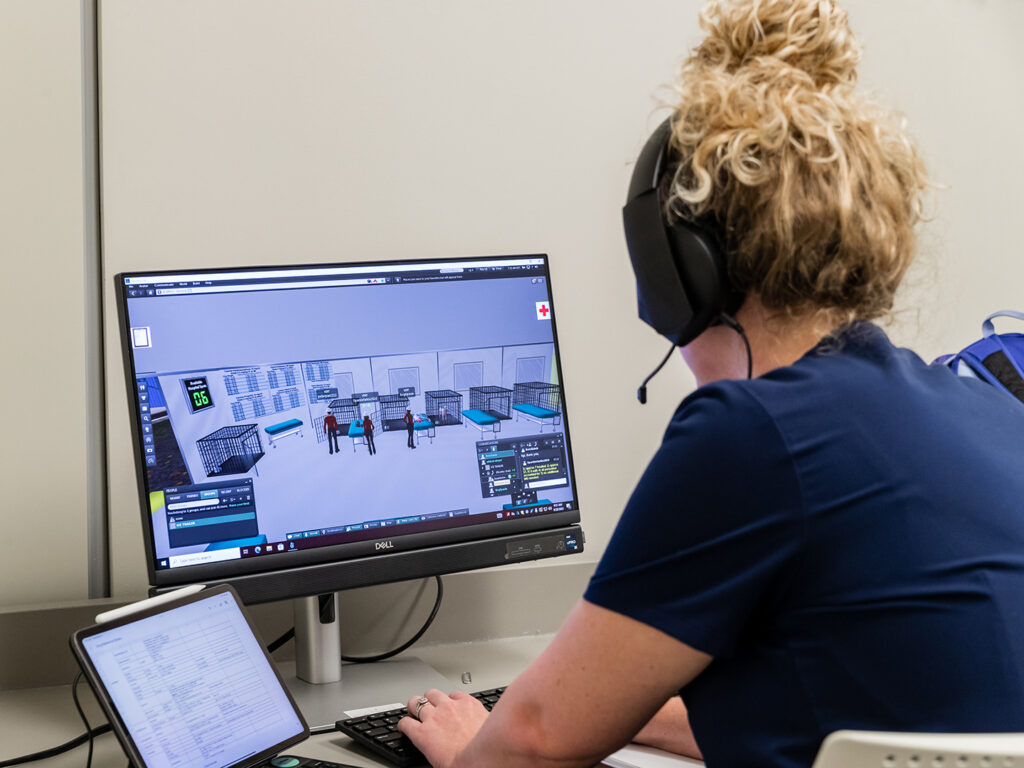
Veterinary student using the Second Life computer game to set up a disaster response station
A DVM student practices responding to a disaster in a simulated Second Life event.
Photo by Jason Nitsch ’14, Texas A&M University Division of Marketing and Communications

After walking students through how to think ahead and plan for disasters during week one of the rotation, students spend week two practicing disaster response.

“The second week brings everything full circle and really helps connect the dots,” Zoran explained. “It helps the students see the value of the plan they spent week one building. They suddenly realize that if they didn’t have a plan, it would be absolute chaos trying to respond during an emergency or disaster.”

Zoran said she teaches her students to approach disaster medicine as if they’re operating a mobile army surgical hospital. She reminds her students that disaster medicine is often basic medicine conducted out in the field — the goal is to prepare the patient for transportation to a medical facility better equipped to meet their medical needs.

“It’s something they’ve never experienced,” she said. “So not only is it hard, but we force them to make triage and medical decisions in a disaster situation on their own.”

The VET rotation includes a virtually simulated disaster that the students are required to respond to as if they are the veterinarians serving the affected community. Zoran explained that the virtual program used in the simulation, known as Second Life, gives students hands-on experience that they don’t get in traditional veterinary medicine learning environments such as the classroom or teaching hospital. 

“When they do rotations at the teaching hospital or complete an externship with a veterinary clinic, they still have someone either in the room or just outside the room with whom they can consult for a second opinion. That’s not always the case in a disaster,” Zoran explained.

“The Second Life exercise is also valuable because it forces them to work in a simulated state of chaos. If I were to give them the cases we work in Second Life on a piece of paper in a quiet room, they’d all know exactly what to do, but in a disaster you don’t have a quiet room. You’ve got the mayor talking in your ear, the safety officer talking to you over a radio, the person behind you is looking for their animal and coming to you for help, and all you want to do is get back to the case you’re working on. It’s important for students to experience that environment so that they know how it can affect their ability to think and make decisions.”

When disaster strikes, students who are in the VET rotation deploy with the team and can put their new skills to use in real time.

Prepared Veterinarians Respond To Disasters

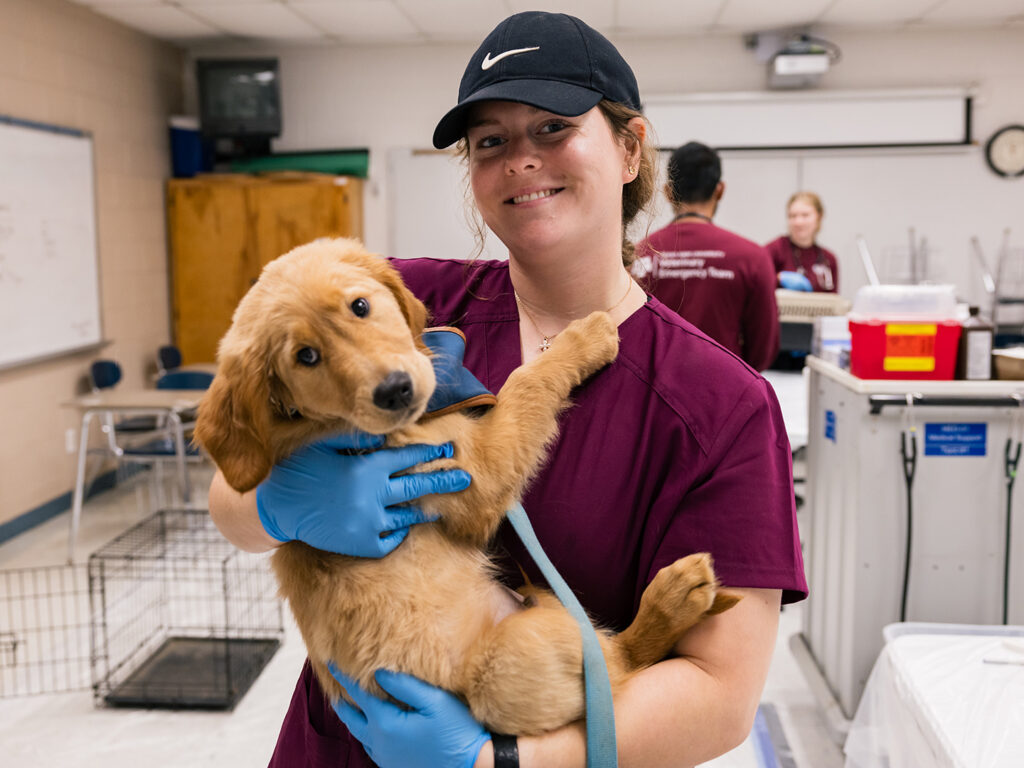
Veterinary student holding a fluffy puppy
DVM student Cheryl Armstrong at OBHP.
Photo by Jason Nitsch ’14, Texas A&M University Division of Marketing and Communications

Zoran said she knows that the VET rotation is helpful because of the feedback she receives from former students.

“A few of my former students live in Colorado, and two of them called me a few years ago when the wildfires were engulfing Aurora,” Zoran said. “I remember that one of our former students living in the area was helping evacuate some horses and called to thank me for the preparation that the VET rotation gave them for that experience.

“Another former student from the East Coast called me when a hurricane hit there. They were running an evacuation shelter and said the rotation helped them prepare for and then respond to the disaster.”

Dr. Jayton Bailey, a 2015 DVM graduate who took the two-week rotation as a student, was practicing in Eastland County when wildfires engulfed the southeast part of the county in 2022.

“The VET rotation prepared me for the experience,” said Bailey, who is also on the Texas Veterinary Medical Foundation Board of Trustees. “I’d saved my personal preparedness plan and updated it every year. I pulled it out when the fires began. Thinking of the situations I encountered in the rotation really helped me, too. When my clinic got a call from the VET saying that they were headed our way to help, I was so thankful. It was really cool to work with the people who helped train me to respond to the disaster and to see them in action in my own backyard.”

###

Note: This story originally appeared in the Fall 2023 issue of VMBS Today.

For more information about the Texas A&M College of Veterinary Medicine & Biomedical Sciences, please visit our website at vetmed.tamu.edu or join us on FacebookInstagram, and Twitter.

Contact Information: Jennifer Gauntt, Director of VMBS Communications, Texas A&M College of Veterinary Medicine & Biomedical Sciences; jgauntt@cvm.tamu.edu; 979-862-4216

Texas A&M Veterinarians Remove Oddly Shaped Kidney Stone From Dog’s Urethra

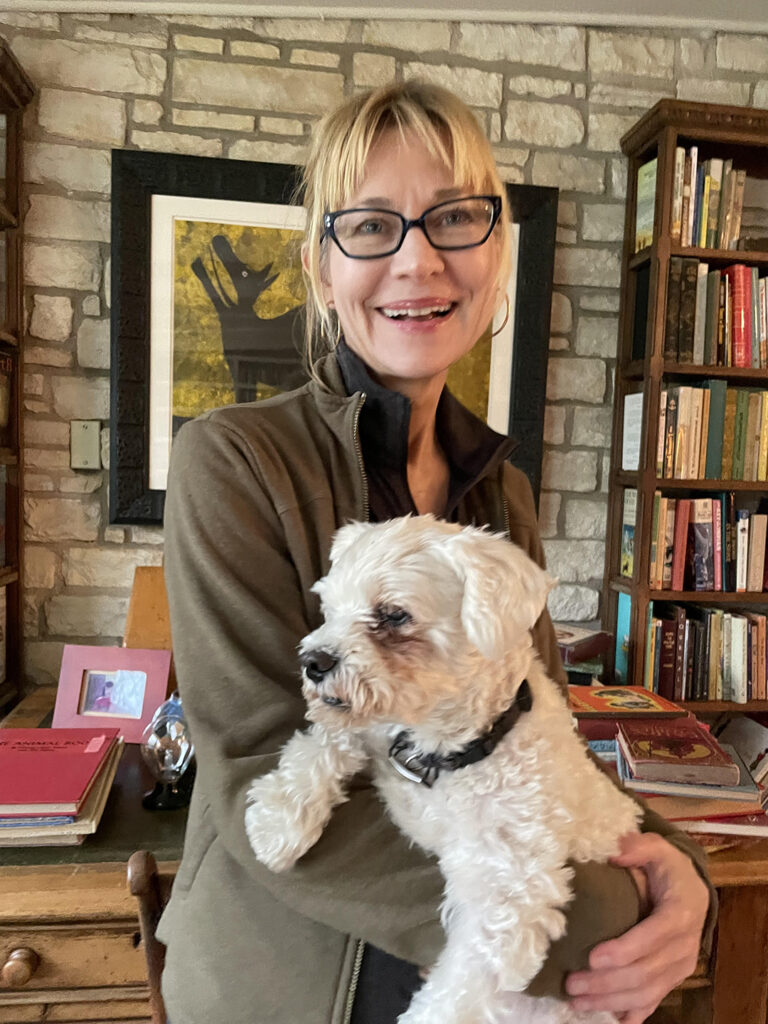
Crook holding Francis the small white dog
Crook and Francis

When acclaimed Texas author Elizabeth Crook began writing her recent novel, “The Madstone,” she never anticipated that veterinarians would find a “madly” shaped stone inside her own beloved dog, Francis.

Crook’s novel takes its name from a type of stone in American folklore made up of minerals and other materials that would accumulate into rock-like structures in the digestive systems of ruminant animals, most specifically deer. Madstones, as they were called, were believed to draw the virus out of a rabid animal’s bite and prevent rabies from developing.

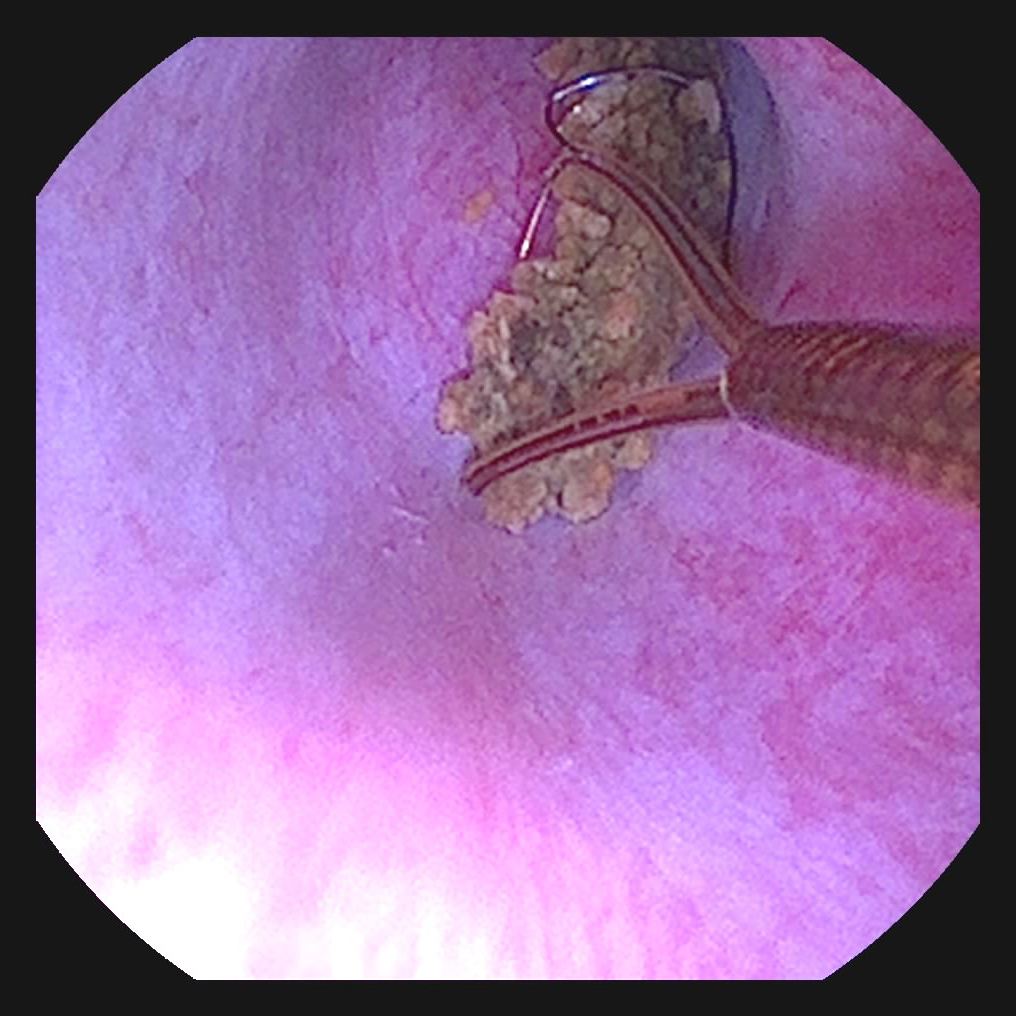
Unfortunately, unlike madstones, Francis’ stone was not helpful, though it did have its own fascinating properties. Made of small bladder crystals that had formed into one piece that was several centimeters long, the strange sea cucumber-shaped urinary stone made urination difficult and painful.

Thankfully, veterinarians at the Texas A&M Small Animal Teaching Hospital (SATH) were able to remove the stone from inside the 12-year-old miniature schnauzer’s urethra using a special flexible scope, putting Francis on the road to recovery.

Diagnosing The Problem

Francis entered Crook’s life on her son’s 16th birthday.

“My son, Joseph, had a friend whose dog had given birth to a litter of puppies. He really bonded with one of the puppies, so the friend gave the pup to him as a birthday present and Joseph named the little guy Francis,” Crook said. “We already had a dog, but my husband and I talked it over and agreed to let my son keep him.”

But it was Francis and Crook who soon developed a special bond.

“He was just 6 weeks when Joseph brought him home and put him in my arms,” she said. “He’s been by my side, on my lap, or in my arms ever since.”

Francis is particular about who his favorite person is.

“He relates to the whole family, but he’s very much my dog,” Crook said. “He follows me from room to room all day, and he’s also protective. He’s small, but he’ll take on any stranger he deems suspicious.”

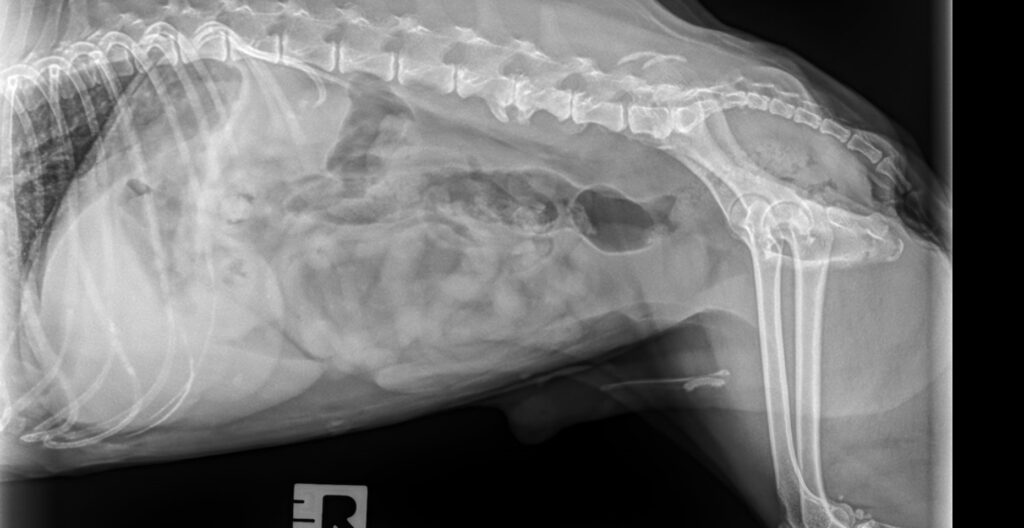
X-ray showing sea cucumber-shaped stone in Francis' urethra
X-ray of Francis’ abdomen, showing the stone in his urethra

However, it was Crook’s turn to be concerned last spring when Francis appeared to be having problems urinating.

“He’d had two previous surgeries for bladder stones, so we’re very careful to keep him on a prescription diet for urinary health and watch out for signs,” Crook said. “Once a week, my husband goes out with a ladle and collects a urine sample that we test for pH level and white blood cells.”

So, when Francis suddenly began urinating slowly and painfully, Crook knew he needed to see a veterinarian immediately.

“Our regular veterinarian, as well as local specialists, were able to see the stone in X-rays but didn’t have the equipment to extract it,” she said.

No Stone Unturned

On a friend’s recommendation, Crook turned to the veterinarians at the SATH for help removing Francis’ strange bladder stone.

“I’d never before seen a urinary stone with such an unusual, elongated shape,” said Dr. Audrey Cook, an internal medicine specialist and professor in the School of Veterinary Medicine & Biomedical Sciences’ Department of Small Animal Clinical Sciences. “We first ran diagnostics to make sure there weren’t any other undetected stones, and then we took him to surgery the next day.”

The normal approach for treating this issue is to try to push the stone back into the bladder for removal, but the stone’s odd shape prevented this method from working.

“Since pushing didn’t work, we decided to pull it out using a small, flexible scope to grab the end,” she said. “It worked perfectly, and we were able to send Francis home the next day.”

Scope view inside Francis' urethra
A flexible scope grabs onto the bladder stone inside Francis’ urethra.

When it comes to removing stones in the bladder and urethra, the veterinarians at the SATH have many techniques at their disposal.

“If it had come down to it, we also have a laser that we can use to break up stones,” Cook said. “Thankfully, Francis’ stone wasn’t so stubborn that we needed to use it.”

Cook said urinary crystals are a common problem among miniature schnauzers due to the way their bodies process calcium.

“Schnauzers are very vulnerable to getting these stones in their urine,” she said. “If you own a schnauzer, one thing you can do to prevent stones is make sure they drink lots of water and eat wet food instead of dry.”

A Fitting Epilogue

Since the procedure, Francis has been doing well and is enjoying traveling with Crook on her book tour.

“It was so strange to have this happen while I was working on ‘The Madstone’,” Crook said. “Francis’ stone had a different composition than the stones I had read about for my research, but it was essentially still a strange rock formed inside an animal.”

As a token of her appreciation, Crook sent a copy of her now-published book to several of the clinicians who worked on Francis’ case.

“I felt so grateful,” she said. “Because of the title, the book made a fun way to say thanks.” 

“I was very touched,” Cook said. “I’ve been enjoying reading it.”

Francis’ care at the SATH has also made a new Texas A&M fan out of Crook.

“I graduated from Rice University, and my husband teaches at the University of Texas at Austin, but I’ll be rooting for A&M from now on,” she said.

###

For more information about the Texas A&M College of Veterinary Medicine & Biomedical Sciences, please visit our website at vetmed.tamu.edu or join us on FacebookInstagram, and Twitter.

Contact Information: Jennifer Gauntt, Director of VMBS Communications, Texas A&M College of Veterinary Medicine & Biomedical Sciences, jgauntt@cvm.tamu.edu, 979-862-4216
Strategies For Detecting And Preventing Pet Cancer

Border collie in tall grass

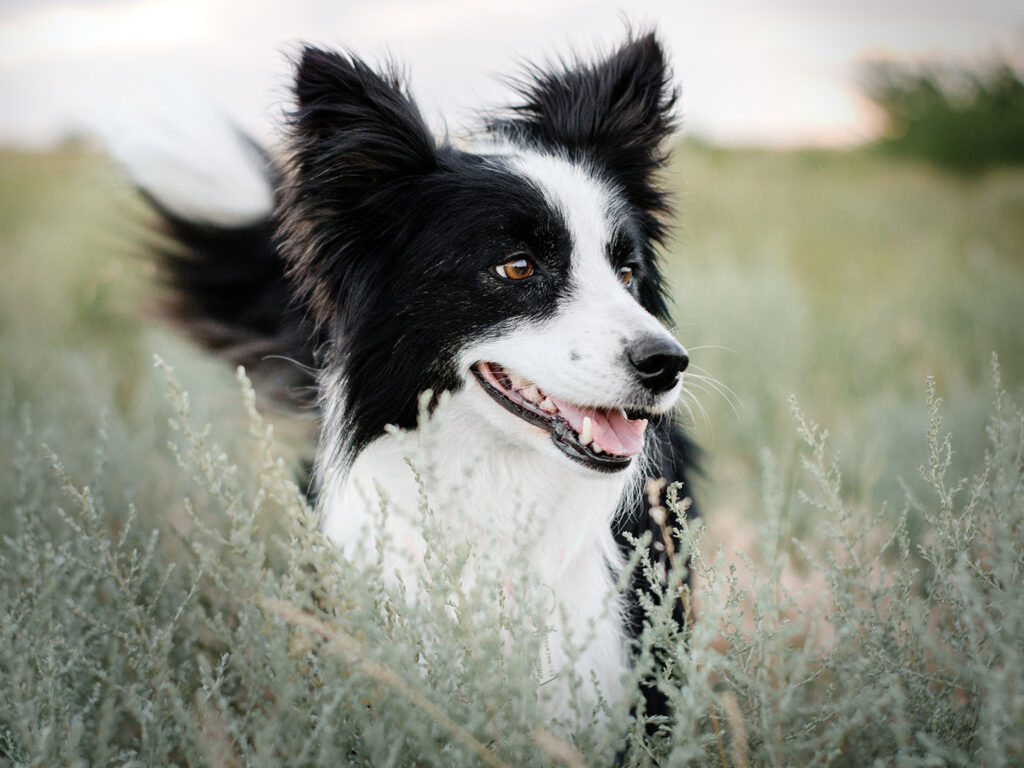
According to the American Veterinary Medical Association, roughly 1 in 5 cats and 1 in 4 dogs will, at some point in their life, develop tumors, with estimations that almost half of dogs over the age of 10 will develop a form of cancer.

Because signs of cancer may be subtle or overlooked and symptoms can vary widely, early detection can be challenging, sometimes leaving pets without a diagnosis or medical care. 

In recognition of World Cancer Day on Feb. 4, which gives many the opportunity to raise awareness on cancer prevention, detection, and treatment, Dr. Vanna Dickerson, an assistant professor of soft tissue surgery at the Texas A&M School of Veterinary Medicine & Biomedical Sciences, offers insight on how owners can be proactive against pet cancer.

Staying Informed

One way that owners can help detect and prevent the spread of cancer is by becoming familiar with common pet cancers and associated symptoms, making potential warning signs more easily recognizable.

“Some of the most common cancers diagnosed in dogs include osteosarcoma, a type of bone cancer; mammary tumors; skin tumors such as mast cell tumors or soft tissue sarcomas; and lymphoma, a cancer that forms in the lymphatic system,” Dickerson said. “In cats, common cancers include mammary tumors, lymphoma, and squamous cell carcinoma, a type of skin cancer.”

Dickerson encourages owners to focus on learning the symptoms associated with different forms of cancer, since risk factors are less reliable as an early detection method.

“Even though there are some cancers in which certain breeds develop more frequently, for the majority of cancers we see in veterinary medicine, specific risk factors have not been definitively proven,” Dickerson explained. “However, pet owners can research their pet’s breed to better understand what signs they need to watch more closely for in their pet, as associated symptoms can range from a lump that can be felt on or under the skin to limping or trouble breathing.”

Close Relationships With Veterinarians

Building a strong relationship with a veterinarian is important to a pet’s overall health and becomes even more important to cancer prevention. In fact, regular veterinary check-ups can help veterinarians catch cancer in its early stages.

“Routine visits allow many diseases to be caught earlier in the process, potentially making treatment easier and more effective,” Dickerson said. “For example, masses that are caught while they are very small can often be treated with a much smaller surgery than masses that are not found until they are very large. In other cases of cancer, routine veterinary visits mean the disease is caught before it spreads to other areas of the body.”

Regular check-ups also allow veterinarians to recognize signs that may otherwise go unnoticed by pet owners, ensuring a more accurate diagnosis and treatment plan.

“A physical examination is one of the most important aspects of cancer diagnosis because veterinarians will be able to recognize lumps in or under the skin, enlarged lymph nodes, abnormal lung sounds, or abnormally enlarged organs within the belly,” Dickerson said. “Imaging with X-rays, ultrasound, or computed tomography (CT scan) can determine whether the cancer is affecting multiple organs within the body or if there are abnormalities that might change a pet’s treatment plan, such as underlying kidney or liver disease.”

Treatments can involve surgery, chemotherapy, radiation therapy, or a combination of therapies, but Dickerson pointed out that the treatment used depends on a pet’s overall health status, cancer type, affected areas, and the owner’s preferences.

“In veterinary medicine, we strive for a balance between treating the cancer to the best of our ability and maintaining a good quality of life for our furry companions,” Dickerson said. “I encourage owners to discuss all options with the oncology team in detail before deciding on the best plan for their pet. We always want you to make the best decision for both your pet and your family and to support you in any way that we can.”

By staying informed on pet cancers and developing a strong relationship with their veterinarian, owners can take meaningful steps in early cancer detection, ensuring that their beloved companions receive the best care to stay happy and healthy.

Pet Talk is a service of the College of Veterinary Medicine & Biomedical Sciences, Texas A&M University. Stories can be viewed on the web at vetmed.tamu.edu/news/pet-talk. Suggestions for future topics may be directed to vmbs-editor@tamu.edu.

Texas A&M’s New Theriogenologist Working To Solve Animal Reproductive Issues, Share Passion With Next Generation

Boakari with a black horse
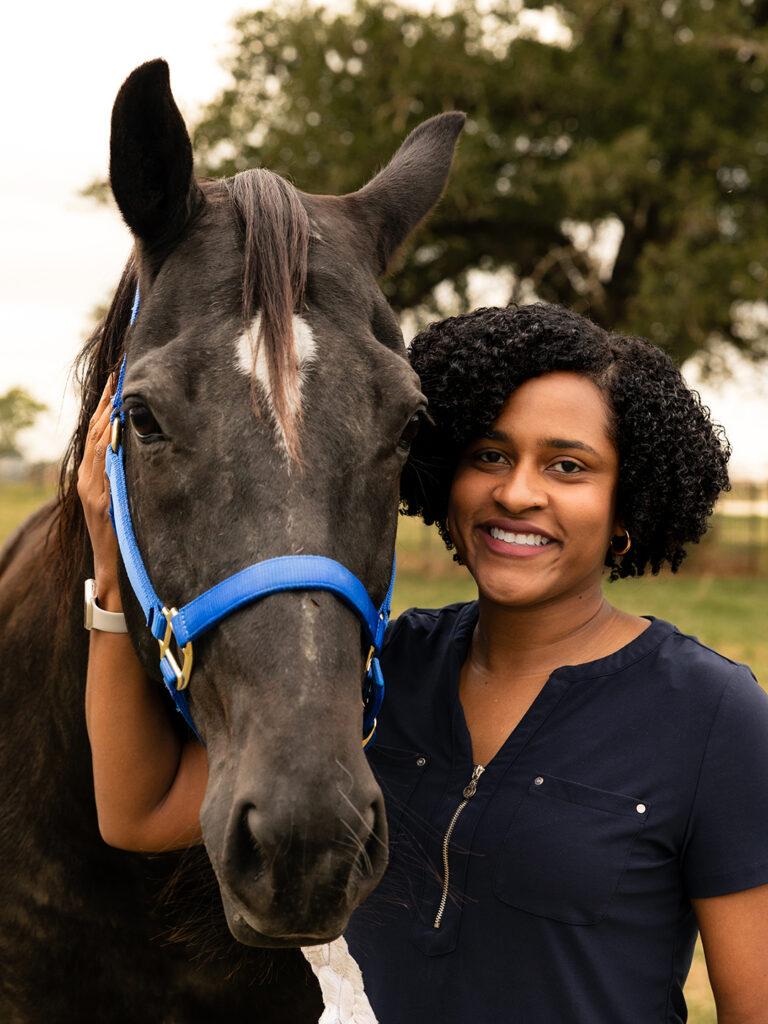
Dr. Yatta Boakari with Black Beauty
Photo by Jason Nitsch ’14, Texas A&M University Division of Marketing and Communications

Animal reproduction is a complicated process that requires a perfect balance of many fertility variables. Most of the time, Mother Nature knows exactly what she’s doing; after all, animals have been reproducing for millions of years without human intervention.

But when certain variables — like having healthy sperm or a straightforward birth — don’t align, you may need to call in a theriogenologist like Dr. Yatta Boakari, an assistant professor and clinician in the Texas A&M School of Veterinary Medicine & Biomedical Sciences’ (VMBS) Large Animal Teaching Hospital (LATH).

As an animal reproduction specialist, Boakari primarily works to improve the reproduction capabilities of her patients, including large animals like horses and alpacas. Since animals can run into reproduction problems at many different stages in the process, Boakari’s expertise spans the entire reproductive journey, from conception to birth.

A Labor Of Love

Infertility can be a bigger problem for many animal species than people may realize.

“For males, the most common problem is poor semen quality,” Boakari said. “That can mean low numbers of sperm in the semen or abnormal movement. If that’s the case, we have different ways of processing and storing the semen that can help.

“With female animals, uterine infections and aging reproductive systems are the major problems,” Boakari explained. “Just like when women get older, animals can have trouble reproducing when they age.”

Boakari’s work has helped countless herd owners solve reproduction issues among their animals.

For example, Boakari previously helped an alpaca breeder who brought in one of his female alpacas to confirm whether she was pregnant. Boakari discovered that the alpaca was not pregnant and had endometritis, a disease in which there is a uterine infection. Thankfully, Boakari was able to treat the endometritis and the alpaca soon became pregnant.

While some reproductive problems inhibit animals from becoming pregnant, other issues impact their ability to give birth successfully.

“Most of the time animals give birth normally,” Boakari said. “But there is a problem called dystocia where they cannot do it by themselves. Dystocia is an emergency because it can lead to the death of the offspring and the mother.”

In addition to spending time with patients, Boakari also works on reproductive research. For example, she has helped debunk a harmful misconception about the kinds of diets that promote reproductive health in horses.

“A lot of people think a high-protein diet helps increase the fertility of mares,” Boakari said. “But during my Ph.D. research, we found a high-protein diet can actually lower the pregnancy rates in mares by causing changes to the uterus.”

The Makings Of A Mule

Two researchers working in a lab
Boakari and Dr. Sophia Panelli Marchió, a Ph.D. student in Boakari’s lab, research metabolic disorders in horses.
Photo by Jason Nitsch ’14, Texas A&M University Division of Marketing and Communications

Because infertility can happen at nearly every point in the reproductive process, it’s important that researchers and clinicians fully understand the complexity of female reproductive systems, especially animals that are still not well understood, like mules.

“One of my research collaborations with a group in Brazil looks at mules, horses, and donkeys to compare adult females and newborns across all three species,” Boakari said. “We want to understand how their reproductive systems and neonatal development differ since they have their own unique DNA.”

Since mules are bred from horses and donkeys, people often assume that they share the same physiology and treatment needs.

“We recently published research comparing newborn horses to mules,” Boakari said. “We wanted to see the exact times that they stood up for the first time, started nursing, and eliminated their first feces. These are important parameters for research and diagnosing problems. Many people just assume that mules have the same timeline, but we found that they’re actually different, with mule foals starting to nurse faster and taking longer to defecate.”

Even though female mules typically don’t give birth, specialized understanding of their reproductive systems is still important to their overall health.

“The number of mules in North America is steadily increasing,” Boakari said. “But for so long, we’ve neglected treating these animals as their own species for medical and reproductive purposes. We want to establish their baseline clinical signs so we can optimize their reproduction.”

Developing A Passion

These kinds of discoveries are perhaps what Boakari had in mind when she decided she wanted to become a veterinarian and, specifically, a theriogenologist.

But while Boakari had wanted to be a veterinarian since she was young, most people are surprised that veterinary medicine wasn’t the only career path that she considered.

“When I went to college, I wanted to try something different, so I pursued a bachelor’s degree in psychology,” Boakari said. “But finishing my psychology degree made me realize how much I still wanted to be a veterinarian. So, I went to vet school and focused on working with horses.”

During veterinary school at the Universidade Federal do Piauí in her native Brazil, Boakari decided she wanted to be a theriogenology professor. With the support of her parents, who are professors of sociology and pedagogy, and her sister, Boakari was able to navigate the long academic road toward her goal, which also included a doctoral degree in animal reproduction from the University of Kentucky.

Boakari with a horse on either side
Boakari with Marky Mark and Black Beauty
Photo by Jason Nitsch ’14, Texas A&M University Division of Marketing and Communications

Boakari also had ample opportunity to work with a variety of animals through her residency and post-doctoral fellowship at Auburn University.

“I saw that they had a comparative theriogenology program and thought it would be important to know about more than one species,” Boakari said. “So, I applied and got to work with lots of farm and small animals, which really helped broaden my knowledge and gave me a lot of clinical experience.”

Working with a variety of animals is also one of the things that initially drew Boakari to Texas A&M.

“In some places, you are expected to work on one species or one group, like farm animals,” Boakari explained. “But here at Texas A&M, I get to work with all kinds of client animals and teaching animals. I really like the variety.”

It also doesn’t hurt that Texas has weather similar to Brazil. 

“When I was at the University of Kentucky, it was really hard for me during the winter,” Boakari said. “My hometown is right on the equator, so I really prefer warm weather.”

It Takes A Village

In her current role, Boakari has many responsibilities, which include attending clinics, conducting research, teaching, and mentoring students.

“At the end of the day, teaching is my favorite part,” Boakari said. “I love the interaction with students — teaching, supporting, and learning with them. That’s where my psychology background really helps me, because I understand that veterinary students are in a very stressful situation. They have high class loads, lots of hands-on study, client-owner interactions, and the added stress of working with animals.”

Working with animals that may be suffering from health problems can be particularly stressful, since veterinarians care deeply about animal well-being. Add all of the stress of graduate-level education and you have a recipe for anxiety.

“One day a student on rotation with us came to me crying,” said Boakari. “She was having a really hard time managing all of her responsibilities. We talked, and I was able to help her with her time management and just see that everything was going to be OK. She went home to rest, and when she came back, she was able to enjoy the rotation.”

Boakari’s support for her students mirrors the support she receives from her amazing husband, family, and friends.

“Having a strong and supportive family has really helped me,” Boakari said. “They’re the reason I’ve come this far.” 

###

Note: This story originally appeared in the Fall 2023 issue of VMBS Today.

For more information about the Texas A&M College of Veterinary Medicine & Biomedical Sciences, please visit our website at vetmed.tamu.edu or join us on FacebookInstagram, and Twitter.

Contact Information: Jennifer Gauntt, Director of VMBS Communications, Texas A&M College of Veterinary Medicine & Biomedical Sciences; jgauntt@cvm.tamu.edu; 979-862-4216

Texas A&M Veterinary Hospital Provides Wellness Care To Animals In Underserved Areas

Two students and a veterinarian examine a Chihuahua
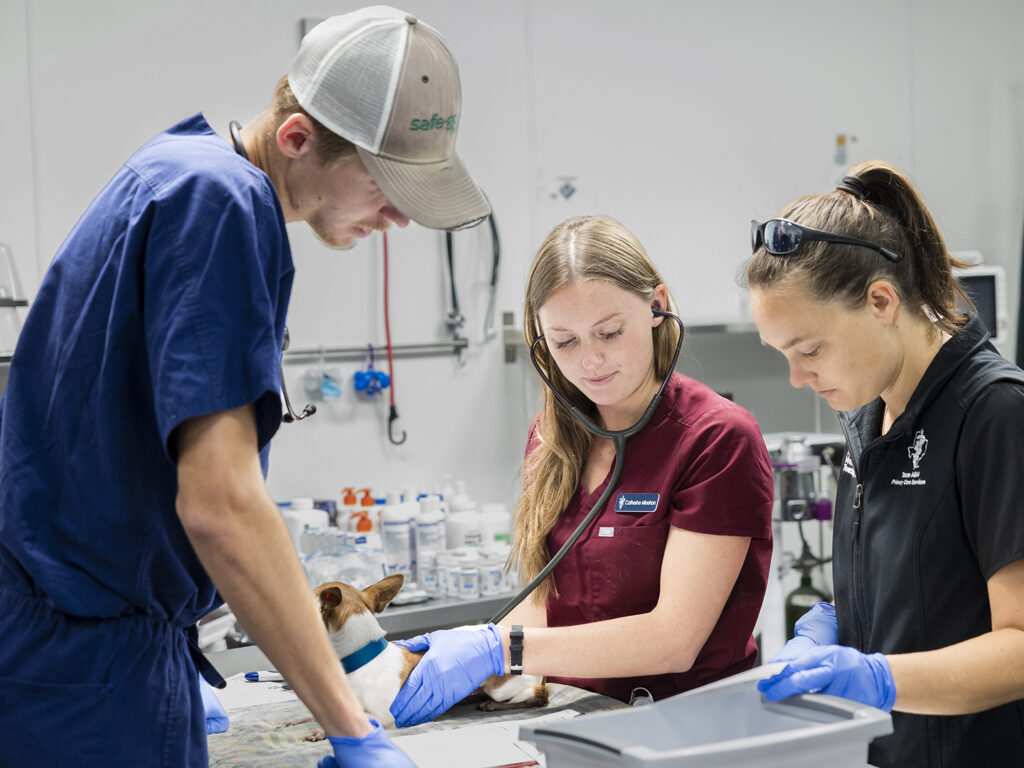
Dr. James Bilof and fourth-year veterinary students Catherine Minehan and Kody Kothmann examine a dog.
Photo by Jason Nitsch ’14, Texas A&M University Division of Marketing and Communications

According to the U.S. Bureau of Labor Statistics, there were 18,810 veterinarians and veterinary technicians in Texas as of May 2022.

Of those, roughly 73% are located in Texas’s largest cities, including Austin, Dallas, Houston, and San Antonio, leaving those in rural communities without easy access to veterinary care and making it harder for pets to remain healthy and current on necessary vaccinations.

With the support of local organizations and donations, the Texas A&M College of Veterinary Medicine & Biomedical Sciences (VMBS) Primary Care team has arranged recurring community outreach clinics that provide thorough examinations and necessary vaccinations in rural areas. These events also provide veterinary students a chance to foster their leadership skills — a core Aggie value — while improving animal health in underserved populations.

Filling A Primary Care Gap With Rabies Vaccines

Three years ago, a veterinarian who had previously run a free rabies vaccination clinic in Caldwell — a rural community 30 miles southwest of Texas A&M University — was no longer able to provide the vaccinations. Because rabies vaccines must be administered by a veterinary professional, the Caldwell Rotary Club reached out to the VMBS for help that year in vaccinating their local pets.

Since then, an annual spring drive-through rabies vaccination clinic has been offered thanks to the continued coordination between the rotary club and the Veterinary Medical Teaching Hospital’s (VMTH) Primary Care Service.

“A mission of the Rotary Club of Caldwell is to ensure their local pets are vaccinated for rabies because they recognize that rabies is a deadly zoonotic disease, meaning it can affect both animals and humans,” explained Dr. James Bilof, a VMBS clinical assistant professor and one of the event’s organizers. “There is also no cure for pets who contract rabies, so it is important to keep our companion animals vaccinated.”

Two technicians examine a cat
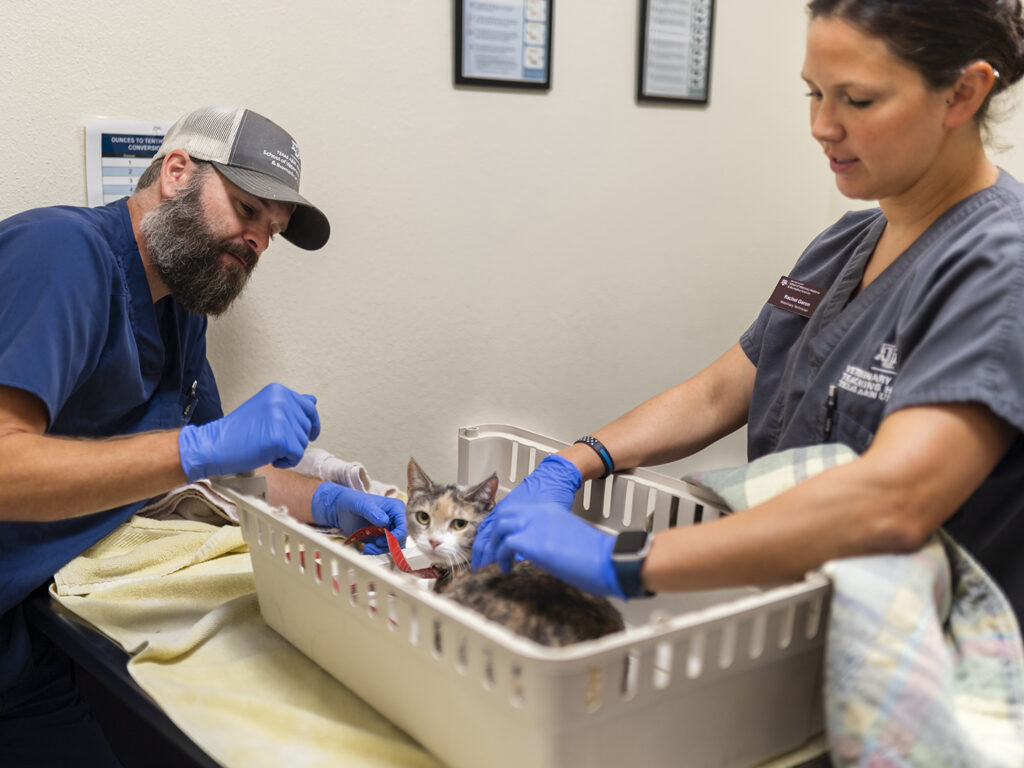
Primary care veterinary technicians Spencer White and Rachel Garon care for a patient.
Photo by Jason Nitsch ’14, Texas A&M University Division of Marketing and Communications

While the VMBS provided veterinarians, technicians, and supplies such as syringes and rabies tags, industry veterinarians donated vaccines, showing how the veterinary community can come together to fill healthcare gaps.

With only three to four hours in an afternoon, veterinary students and professionals are tasked with providing client education, physical examinations, and vaccinations for dogs and cats. This allows students a chance to display their leadership abilities as they practice their veterinary skills and communication with clients.

“Veterinary students talk with owners to gather pet medical histories, perform physical exams, and then administer vaccinations, all while owners watch from their car,” Bilof said. “We have had a great turnout in the past three years, each year vaccinating at least 150 pets who are part of a rural community where access to veterinary care is not as prevalent as it is in Bryan-College Station.”

Receiving a required vaccination at no cost can be a relief to owners since this vaccine not only protects their pets from disease but their community as well.

“There is a significant relationship between the health of the people in a community and the health of their pets; veterinarians are important in maintaining this relationship,” Bilof said. “This outreach event shows the students who participated how important veterinarians are as leaders in their community. Engaging with and supporting local groups is one of the valuable roles they can play.”

Serving The Elderly By Caring For Their Pets

There are many health benefits for the elderly who own pets, including emotional support, companionship, and increased opportunities for fitness. Yet for some, it can be challenging when the time comes to transport their pet to the vet.

With help from Bastrop County Cares, a local nonprofit in Bastrop County, and a grant from PetCo Love, the VMTH Primary Care team visits with elderly pet owners outside of Austin to provide routine, and sometimes life-saving, veterinary care using a local shelter’s facilities.

A student talks to a woman holding two Chihuahuas
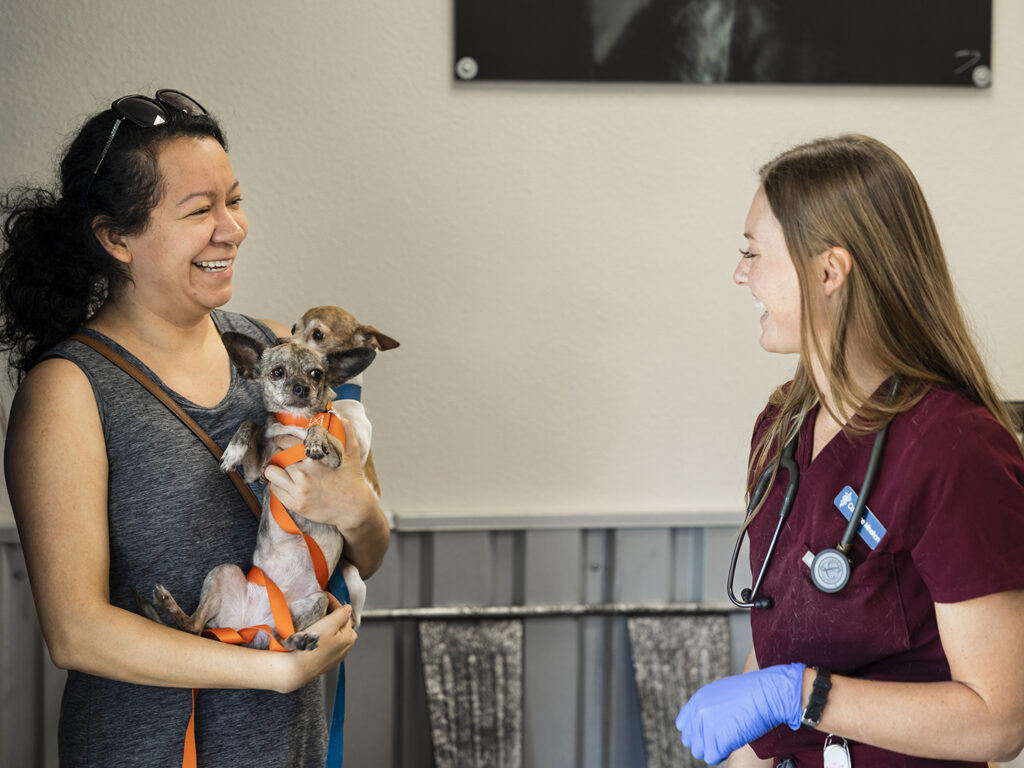
Minehan talks with a pet owner.
Photo by Jason Nitsch ’14, Texas A&M University Division of Marketing and Communications

“We know that some people, particularly the elderly in rural communities, have a hard time accessing veterinary care, so we visit between 20-28 clients monthly to do what we can because our role is to support the bond between people and their pets, no matter their socioeconomic status,” said Dr. Lori Teller, a VMBS clinical professor and the event’s founder. “They can have up to three animals checked during one appointment, and we will provide wellness checks and vaccinations; testing for heartworms in dogs or feline leukemia and immunodeficiency virus in cats; deworming for potential parasites; starting heartworm prevention and flea and tick control; or checking a puppy for parvovirus if they come in with diarrhea.”

There is no limit to what a cat or dog can experience healthwise, which is why the veterinary team does their best to treat all concerns during the visit.

“Almost all of them have something, whether it is arthritis, a skin condition, ear infection, eye problem, or another concern,” Teller said. “We had a pet with pancreatitis, and we had another with an early kidney disease. We will manage all that we can manage.”

While pets are treated during an appointment slot that their owners signed up for, the care doesn’t end when the clinic is done for the day. In fact, the veterinary team ensures that both elderly owners and their pets are cared for long-term by connecting owners with outside resources.

“If there is a severe concern like heart failure, we’re not going to be able to manage that when we don’t have access to more advanced tools; if needed, we can arrange for them to be seen at A&M for additional evaluation and possible specialty care,” Teller explained. “In between our monthly visits, we can also use telemedicine to follow up and make sure the client is not having any problems or the patient’s not getting worse.

“If we identify that an owner has additional issues not related to veterinary care, maybe they have food insecurity or an issue in their house or apartment, we can let Bastrop County Cares know and then they can use their local resources to help meet the other needs those pet owners may have,” Teller continued. “This is a prime example of ‘it takes a village,’ and it’s not only the Bastrop village or the A&M village, but it’s the whole broader veterinary village helping pet owners.”

Technician petting a black and white dog
Veterinary technician Jen Leonard comforts a patient while it waits for an exam.
Photo by Jason Nitsch ’14, Texas A&M University Division of Marketing and Communications

In the process of caring for the elderly by addressing their pet’s needs, Primary Care students are given the opportunity to expand their leadership skills outside of the classroom and teaching hospital.

“The students are the doctors, so to speak, because they are the ones doing most of the communication, diagnostics, and treatment planning,” Teller said. “We step in when we need to step in, but, otherwise, the students are running the show. They will run their diagnostics and treatment plan by us and if it sounds right on the spot, then they go with it. If we need to help tweak the plan, then we tweak it.”

The Impact Of Veterinary Clinics

While rural communities across the state are without easy access to veterinary care, the VMTH Primary Care team has alleviated that concern for local communities around Bryan-College Station. Their efforts to serve the veterinary population outside the university has ensured that pets are cared for and can live happy, healthy lives with their families.

“Thank you so much for helping me,” said a Bastrop County client who owns Lulu, a 3-year-old chihuahua who serves as an emotional support animal for her low-income owner. “You took a big burden off of my life, giving my dog healthcare I couldn’t afford.”

These outreach events have also shown rising veterinary professionals the impact their work can have on pet owners. 

“Events like this mean the world to me,” said a VMBS student who participated in the Caldwell clinic. “For so many individuals, outreach events are their only opportunity to provide for their pets. I have been the person standing in line at similar events with my mom and pets, unable to afford veterinary care. Being able to participate and help others like I was previously helped as a child really touches my heart.”

###

Note: This story originally appeared in the Fall 2023 issue of VMBS Today.

For more information about the Texas A&M College of Veterinary Medicine & Biomedical Sciences, please visit our website at vetmed.tamu.edu or join us on FacebookInstagram, and Twitter.

Contact Information: Jennifer Gauntt, Director of VMBS Communications, Texas A&M College of Veterinary Medicine & Biomedical Sciences; jgauntt@cvm.tamu.edu; 979-862-4216

Feline Feasts: Selecting The Best Food For Cats

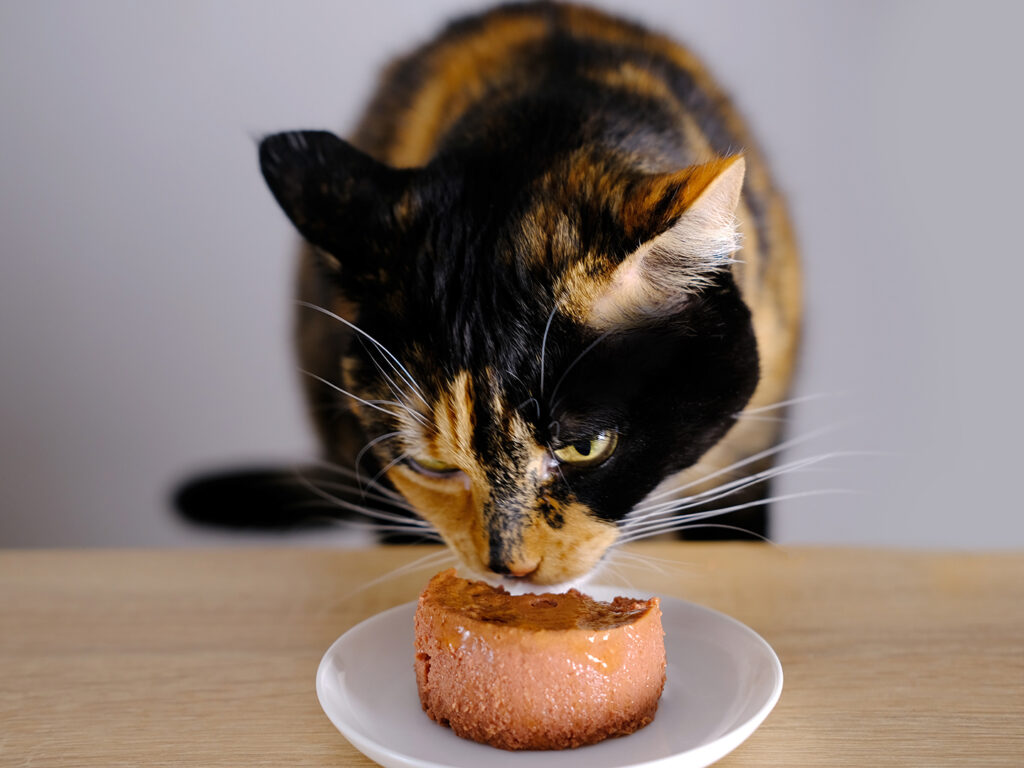
A calico cat eating canned food

Choosing the right food for cats can be a source of overwhelming stress for owners, as there are a multitude of options, yet a cat’s food directly impacts their health, well-being, and quality of life. 

Dr. Audrey Cook, a professor at the Texas A&M School of Veterinary Medicine & Biomedical Sciences, explores factors that owners should consider when choosing between wet and dry cat food while emphasizing the importance of meeting nutritional needs no matter the type of food.

Health Benefits

A cat’s health can be a deciding factor when choosing a type of food.

According to Cook, wet food, in particular, is beneficial for managing and improving a cat’s urinary health.

“Wet food has more moisture, and this is a big advantage since most cats don’t drink enough water, setting them up for urinary tract issues,” she said. “In fact, there are several conditions for which wet food is preferred over dry, such as when a cat has kidney disease or bladder stones.”

For cats who need to lose or manage their weight, wet food can also be a viable dietary choice.

“Wet foods are often less energy dense, meaning that cats will have to take in more volume of food to get the same amount of calories,” Cook said. “So if you have a cat that tends to gain weight, they may be more content on wet food if you are limiting calories, simply because their stomach feels fuller.”

While wet food can promote healthy hydration levels and address certain health issues, adding dry food into the diet aligns more closely with a cat’s natural eating habits.

“Cats don’t like to have just two ‘meals’ a day because they are designed to eat about 12-20 times in a 24-hour period,” Cook explained. “It is also not hygienic or palatable (pleasant-tasting) to leave wet food out for hours, so using dry food along with the wet is often a very effective option. My own cat gets about 70% of her calories from canned food but also likes to nibble on dry. I can leave a small, measured amount of dry food out for her to snack on, but then I feed her a wet meal three or four times a day.”

Nutritional Needs And Preferences

Before purchasing cat food, however, Cook strongly suggests that owners should first prioritize the nutritional value of the food over the type of food.

“An owner is better off picking a well-established brand that can be trusted rather than thinking in terms of wet versus dry because the overall quality of wet and dry pet foods varies enormously based on actual ingredients and formulation, or the amount of protein, carbohydrates, and fat that the manufacturer puts in the food,” Cook explained. “I’d rather see a cat on high-quality dry food than poorly documented canned food.”

Owners should also take into consideration their cat’s preferences, such as texture and flavor, while ensuring their cat eats various types of high-quality food. Otherwise, because cats who do not like their food can develop health concerns, owners should always talk to their veterinarian about food options and issues. 

“Feeding various flavors and brands from kittenhood onwards can be useful so that the cat learns to accept a range of diets and doesn’t become locked in to just one,” Cook said. “It can be very hard to introduce new food to a cat who has lived for years on one food. Cats who have lived on one brand of dry food for years will often not eat wet food; they may nibble at the wet food, but they won’t take in enough calories, losing weight quickly.”

If a cat continuously chooses not to eat, owners should consult with their veterinarian to rule out any potential health problems before offering more types of cat food. 

“A cat not eating their food depends on if they are not feeling hungry or not liking that particular food,” Cook said. “Not hungry suggests a medical issue; not liking a food is just a personal choice.”

Understanding the differences between wet and dry food can encourage owners to make informed choices that meet their cat’s needs. Ultimately, a well-balanced and nutritious diet is key to ensuring a cat’s health and well-being.

Pet Talk is a service of the College of Veterinary Medicine & Biomedical Sciences, Texas A&M University. Stories can be viewed on the web at vetmed.tamu.edu/news/pet-talk. Suggestions for future topics may be directed to vmbs-editor@tamu.edu.

Texas A&M University Breaks Ground On McAllen Expansion Project

Space in the new Nursing Education & Research Building dedicated to the School of Veterinary Medicine & Biomedical Sciences will support veterinary research and outreach in the Rio Grande Valley. 

Texas A&M administrators shoveling dirt at the groundbreaking
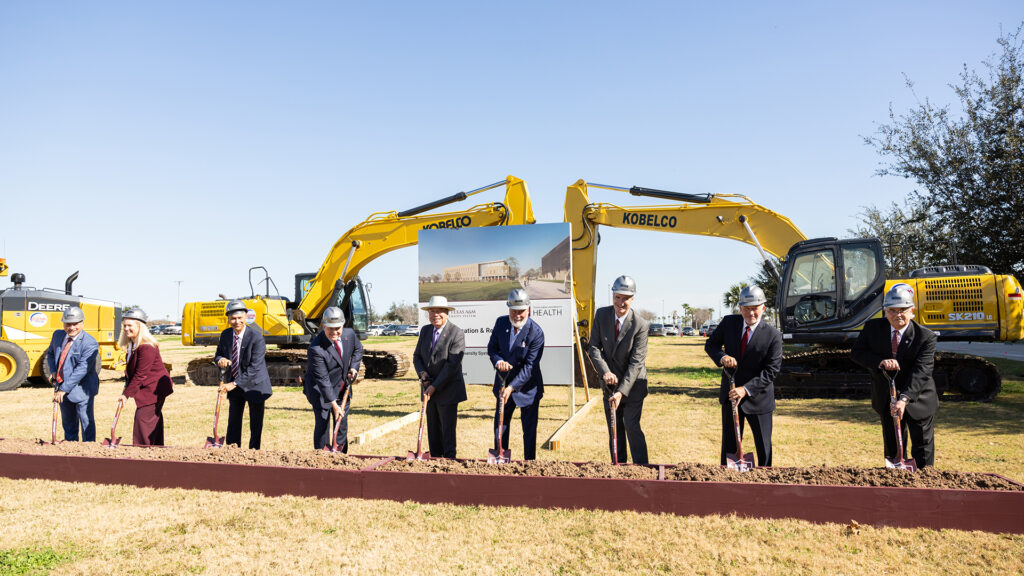
Leaders from The Texas A&M University System, Texas A&M University, and the community broke ground on the Texas A&M Health Nursing Education and Research Building in McAllen, Texas, on Jan. 25, 2024.
Photos by Cameron Johnson, Texas A&M Division of Marketing and Communications

Texas A&M University’s expansion in the Rio Grande Valley hit another milestone today with the groundbreaking of the Texas A&M Health Nursing Education & Research Building at the Texas A&M University Higher Education Center at McAllen. The facility will be home to Texas A&M School of Nursing programs and Texas A&M School of Veterinary Medicine & Biomedical Sciences (VMBS) research and outreach.

Community leaders, lawmakers, and clinical partners joined representatives from The Texas A&M University System and Texas A&M University to celebrate the start of construction.

The Texas A&M System Board of Regents authorized construction of the $49.9 million facility in November. The growth is part of a broad commitment made by the regents and Chancellor John Sharp to provide additional pathways for Rio Grande Valley students to earn a Texas A&M degree while staying close to home.

“We at the Texas A&M System are dedicated to the people of South Texas and Rio Grande Valley,” John Sharp, chancellor of the Texas A&M System, said. “And that is why we are investing in the region — and its health — with a new facility for nursing and health-related research.”

The Texas Legislature in 2021 approved $29.9 million for Capital Construction Assistance Projects to the Texas A&M Health Science Center (Texas A&M Health) to support growth in student enrollment for in-demand fields like nursing. Texas A&M leadership earmarked $20 million for the project to continue serving South Texans.

The nearly 61,000-square-foot building will be constructed on the west side of the Higher Education Center campus and includes four nursing classrooms, student study areas, a 10,000-square-foot clinical simulation center, and space for a veterinary clinic and research laboratory.

The VMBS unit will serve as an important resource for the school’s faculty and students researching transboundary infectious diseases, large animal biosecurity, zoonotic diseases, veterinary public health, and bilingual public outreach in South Texas.

Texas A&M administrators at the groundbreaking in McAllen
L to R: Manny Vela (Associate Vice President and Chief Operating Officer, Texas A&M Higher Education Center at McAllen), Dr. Alan Sams (Provost, Texas A&M University), Michael A. “Mike” Hernandez III (Regent, The Texas A&M University System Board of Regents), Dr. Leann Horsley (Dean, Texas A&M School of Nursing), Juan “Chuy” Hinojosa (State Senator, District 20), General (Ret.) Mark A. Welsh III (President, Texas A&M University), Dr. Indra Reddy (Interim Chief Operating Officer and Vice President, Texas A&M Health), Dr. John August (Carl B. King Dean of Veterinary Medicine, Texas A&M School of Veterinary Medicine & Biomedical Sciences)

“This new facility will offer a home base for VMBS faculty and students conducting important research and outreach while also expanding our ability to facilitate programmatic partnerships on the border,” said Dr. John R. August, Carl B. King Dean of Veterinary Medicine at Texas A&M. “Additionally, through the McAllen facility, we can further our efforts, and Texas A&M’s land-grant mission, by promoting animal health in underserved communities, enhancing student recruitment, providing specialized patient consultation in the Rio Grande Valley through telemedicine, and promoting border health.”

The School of Nursing will first focus on offering its traditional Bachelor of Science in Nursing degree. The two-year, five-semester program has approval from the Texas Higher Education Coordinating Board to be delivered entirely in McAllen. The school expects to eventually enroll approximately 50 students per semester, helping the valley and state address a critical shortage of nurses.

“Our clinical partners in the valley have made it clear that the future of public health is directly related to the availability of highly trained nurses who understand how to deliver care in this area,” said Dr. Leann Horsley, dean of the School of Nursing. “Our Aggie nurses studying in McAllen will enjoy access to expert faculty, cutting-edge simulation training and clinical experiences right here in the communities they will serve upon graduation.”

The Higher Education Center at McAllen opened in 2018 and currently offers nine undergraduate degree programs. The Texas A&M Health Science Center has offered education programs in McAllen since 2004.

“It is a major focus of the Higher Education Center at McAllen to be accessible to students and serve the needs of our community,” said Manny Vela, associate vice president and chief operating officer of the Higher Education Center at McAllen. “By collaborating with Texas A&M Health, we are fulfilling our shared goal of expanding academic offerings to the Rio Grande Valley, especially in industries that are of such great demand.”

The Nursing Education & Research Building is expected to be open for the spring 2026 semester.

###

For more information about the Texas A&M College of Veterinary Medicine & Biomedical Sciences, please visit our website at vetmed.tamu.edu or join us on FacebookInstagram, and Twitter.

Contact Information: Jennifer Gauntt, Director of VMBS Communications, Texas A&M College of Veterinary Medicine & Biomedical Sciences, jgauntt@cvm.tamu.edu, 979-862-4216
VMBS Funds Faculty Members’ Initiatives To Support Veterinary Student Success

As home to one of the nation’s most highly ranked Doctor of Veterinary Medicine (DVM) programs, the Texas A&M School of Veterinary Medicine & Biomedical Sciences (VMBS) places great emphasis on its students’ quality of education and its faculty’s ability to provide a great learning environment.

Three VMBS faculty members — Drs. Katherine Maples, Yvonne Wikander, and Johanna Heseltine — have used internal high-impact instructional grant awards from the VMBS to support specific initiatives that help ensure Aggie veterinarians graduate ready to support the needs of Texas.

Their projects ranged from providing more hands-on learning opportunities to developing innovative teaching tools that utilize modern technology.

“The resources available to provide funding each year for our faculty to develop cutting-edge, high-impact learning projects set Texas A&M apart from other veterinary programs,” said Dr. Karen Cornell, associate dean for the DVM professional program. “Our faculty have great ideas and it is so gratifying to be able to provide them with the resources to put those ideas into action.”

Gaining Hands-On, Practical Experience

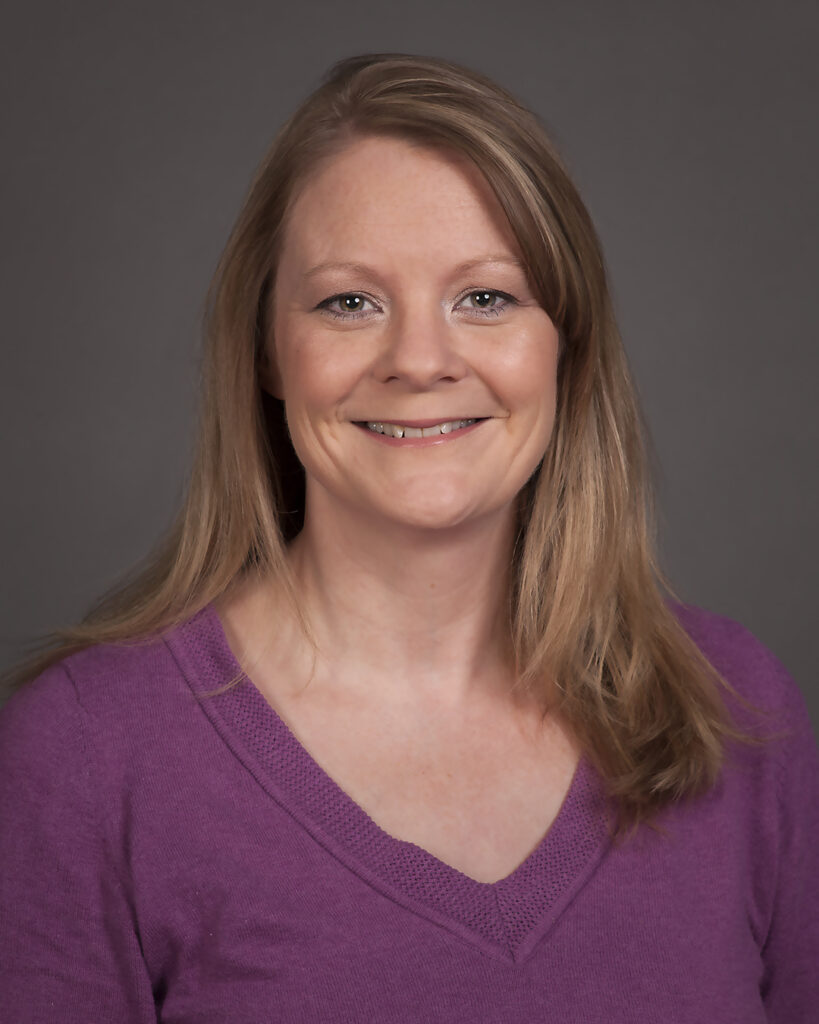
Maples headshot
Dr. Katherine Maples

Fourth-year veterinary students at Texas A&M have the unique opportunity to spend one of their two-week clinical rotations providing veterinary care for the cattle, horses, pigs, chickens, and dogs that reside at the Texas Department of Criminal Justice’s (TDCJ) prison units for security or food purposes.

These animals receive their daily care from prison inmates and staff, but their regular medical care — like annual exams and health screenings — comes from Texas A&M veterinary students.

As one of the faculty members who instructs students during the TDCJ rotation, Maples, a clinical assistant professor, helps ensure that students get the most out of their time at the prison units by also allowing the students to take leadership in assessing and caring for the animals’ health.

“We, the doctors, try very hard to stand back and allow the students to do 100% of the work. We let them spread their wings,” Maples said. “The rotation allows for a very unique opportunity for the students to operate as a doctor while we are still there operating as their support.”

Maples used her high-impact funds to purchase new dentistry and anesthesia equipment for the approximately 2,000 horses and 1,000 dogs that reside at TDCJ facilities.

“The previous machines had been donated back when I was a student, so they were pretty well-loved by now,” Maples said. “By purchasing new equipment, we can provide the level of care we want to provide to our patients, as well as teach students the current standard of care with really nice equipment.”

The practicality of Maples’ purchase will be evident in veterinary clinics across the country as students who take her rotation graduate and join the veterinary workforce.

“They learn how to provide advanced dentistry at the Small Animal Teaching Hospital, but this rotation allows them to learn the skills they will be more likely to see in general practice when they graduate,” Maples said.

Having additional equipment also allows the veterinary team to take a more preventative approach to the animals’ health; rather than addressing dental issues as they arise, the students perform regular cleanings to keep those issues from arising as often. 

“The school’s funding of this project shows that it wants to equip the fourth-year students with the ability to be great primary care physicians,” she said. “The school is also supporting our mission to provide a great service to the State of Texas and excellent care to our patients at TDCJ.”

Active Learning With Real-Life Cases

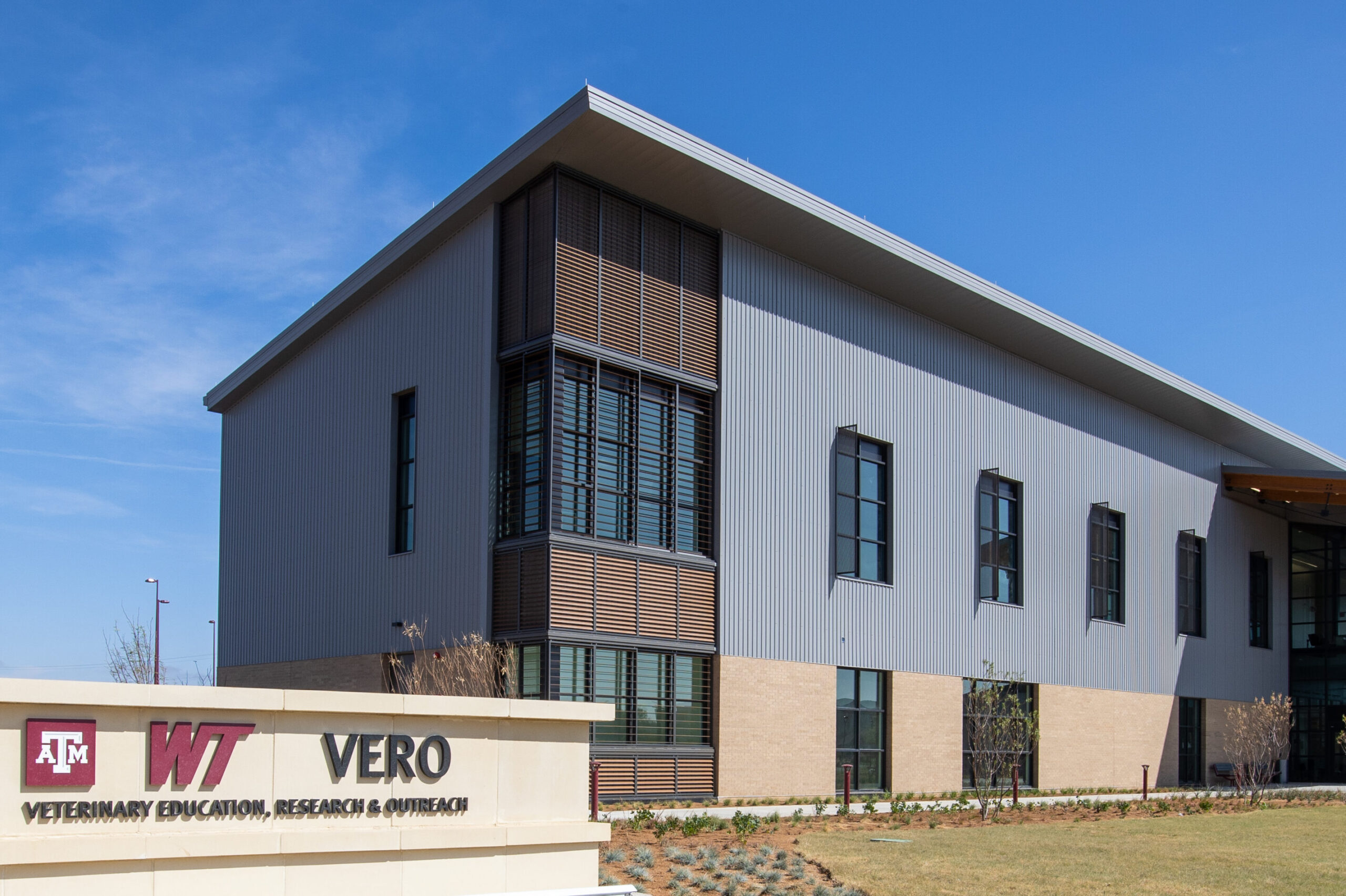
VERO building

Wikander, a clinical associate professor at the VMBS’ Veterinary Education, Research, & Outreach (VERO) campus in Canyon, used her high-impact instructional funds to develop an online case study module to teach students about the steps involved in conducting a complete blood count, or CBC.

“A CBC is one of the basic lab works most commonly done in any veterinary species,” Wikander said. “Veterinarians can’t really do without it.”

A CBC measures all the cells that make up blood, including red blood cells, white blood cells, and platelets, as well as other blood features that play a role in overall health, like the amount of the oxygen-carrying protein hemoglobin or the enzyme thrombin that causes clotting.

Wikander’s new module focuses specifically on teaching students how to evaluate the three individual components that make up a CBC, which measures red blood cells, white blood cells, and thrombin.

When using the module, students take on the role of a veterinarian reviewing test results from five real-life case studies. Because they are actively drawing conclusions and making recommendations, students retain much more information than they would from a traditional lecture, according to Wikander.

“The students really liked the case studies, and when you find something that students like, it’s usually a keeper,” Wikander said. “We’re trying to get them to be proficient, and proficiency requires experience in addition to knowledge. This module is one way they can get that experience.”

The case studies used cover dogs, cats, horses, and cattle to show how the test results compare across species.

“Different species demonstrate things in different ways,” Wikander said. “A good example is that when cattle have inflammation, they dump all the white blood cells reserved in their bone marrow and it can look scary on the test results. In any other species you’d be freaking out, but when it comes to cattle it’s not a problem.”

The module, which was developed in partnership with the Texas A&M Center for Educational Technologies (CET), took six months to create and was used for the first time in the fall semester in Wikander’s clinical laboratory medicine course for second-year veterinary students.

“Having a grant like this available is very encouraging as an educator,” Wikander said. “We need to keep up with the technological advances that are occurring. Our students are used to using this kind of technology in their daily life, so it’s important that we use it in the classroom while they’re learning too.”

Bringing The Real World To The Classroom

Heseltine headshot
Dr. Johanna Heseltine

Heseltine, a clinical associate professor, is also developing an online module in partnership with the CET, though with a different set of goals in mind. Her team’s module will help ensure that veterinary students encounter difficult real-world situations while they are still in a learning environment.

“In the past, I’ve developed other modules with the CET that are designed to let students test their knowledge and practice diagnosing patients,” she said. “However, this time the modules will have more branching paths that won’t immediately reveal if the students have made the right decision in regards to a case.”

In some cases, students may select options that ultimately lead to negative outcomes for the simulated patient. Alternatively, some patients in the module may have diseases that can’t be cured regardless of what options students select.

“We all know that mistakes provide learning opportunities, but we never want that to happen at the expense of a real patient,” Heseltine said. “So, this module will allow students to make incorrect decisions without real-world consequences and learn from them.”

In the real world, negative outcomes can often lead to critical situations that require quick action, which can be difficult to handle when a veterinarian is also processing the emotional weight of the situation.

“Veterinarians are people who want to help, so it’s very natural to feel guilt and sadness when things don’t go well for a patient. We don’t want the first time that our students deal with these emotions to be in a real situation,” Heseltine added.

To help students develop their emotional intelligence skills, Heseltine is working with Abbie Satterfield, a licensed professional counselor at the VMBS, to create videos that will be embedded in the online module. In the videos, Satterfield will help walk students through their emotions and teach them coping techniques.

Heseltine is also collaborating with Dr. Lance Wheeler, a critical care specialist, to make sure the modules have realistic complexity that will test students’ knowledge.

“We’re planning on using this module with third-year students, because that’s the year when they really start to look at making diagnoses and recommending treatments,” Heseltine said. “It’s a big year for transitioning from theoretical knowledge to case application.”

While Heseltine and her team are still deciding which course would be the best fit for the module, one exciting opportunity could be the series of Professional & Clinical Skills courses taught throughout the first six semesters of the curriculum. This series requires students to utilize both clinical-thinking skills and clinical-communication skills.

“One of the main features of that course is that students get to make decisions about a patient’s case, and then we bring in actors to take on the role of the owner of each patient. It gives students experience talking to real people,” Heseltine said. “Combining the new module with these courses would let students practice having difficult conversations before they ever step into a real clinic.”

###

For more information about the Texas A&M College of Veterinary Medicine & Biomedical Sciences, please visit our website at vetmed.tamu.edu or join us on FacebookInstagram, and Twitter.

Contact Information: Jennifer Gauntt, Director of VMBS Communications, Texas A&M College of Veterinary Medicine & Biomedical Sciences, jgauntt@cvm.tamu.edu, 979-862-4216