Wobbly Cat Syndrome: An Interesting But Harmless Condition

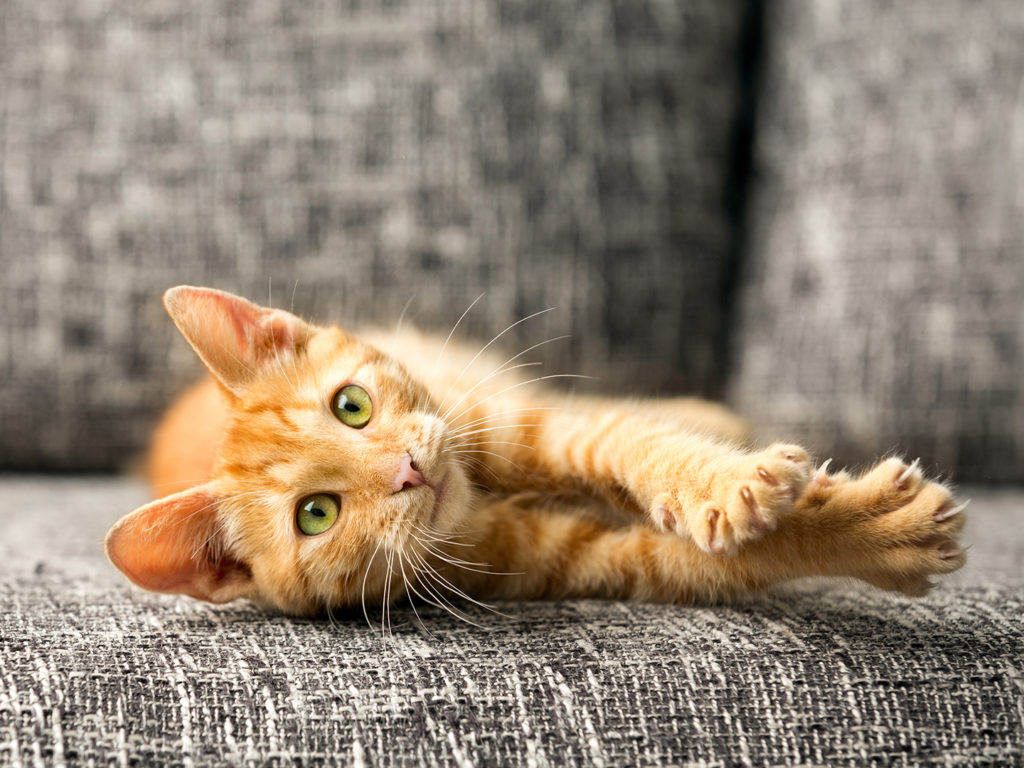
A orange tabby kitten laying on a couch

While most cats are nimble and graceful, some are born with a rare condition commonly known as “Wobbly Cat Syndrome” that affects their ability to balance. But despite a lack of coordination, these cats can live full and happy lives like any others.

Dr. Joseph Mankin, a clinical associate professor in neurology at the Texas A&M College of Veterinary Medicine & Biomedical Sciences, goes into detail on this condition, technically called cerebellar hypoplasia, and how owners can make life easier for affected cats.

“Cerebellar hypoplasia is a condition in which the cerebellum, the part of the brain that is responsible for coordination and balance, does not develop properly,” Mankin said. “It results in cats that have exaggerated movements of their legs and head, as those movements are normally controlled by the cerebellum.”

The main clinical sign of this condition is ataxia, or a lack of coordination. This is usually seen as wobbling when standing or walking, as well as jerking movements of the head while eating or drinking.

This condition is not contagious and does not develop over time; if a cat has cerebellar hypoplasia, it will be present from birth.

“The most common cause is an in-utero infection with the feline panleukopenia virus,” Mankin said. “The virus attacks the developing cerebellum, resulting in a cerebellum that is not able to form properly.”

If a cat without cerebellar hypoplasia suddenly becomes wobbly or shows a lack of balance, or if a cat with the condition has symptoms that become worse than usual, it should be examined by a veterinarian, as there is most likely another factor causing the issue.

While this condition has no treatment or cure, it usually does not cause cats any serious or harmful effects.

“These cats can live long and healthy lives; they just look a bit funny when they walk around,” Mankin said. “As they grow older, they may learn to compensate for their cerebellar dysfunction and although their clinical signs will not go away, they may improve greatly.”

Despite some small changes in their environment, cats with cerebellar hypoplasia typically do not need any medication or extra care.

“These cats should ideally be kept indoors and in a place where they are less likely to fall or injure themselves,” Mankin said.

Overall, cerebellar hypoplasia is nothing to fear and can even be seen as an endearing trait of these uncoordinated kitties. As long as an owner is willing to keep an eye out for hazards and be patient with a cat that moves a little slower than most, “Wobbly Cat Syndrome” should have no negative impact on their bond with their feline friend.

Pet Talk is a service of the College of Veterinary Medicine & Biomedical Sciences, Texas A&M University. Stories can be viewed on the web at vetmed.tamu.edu/news/pet-talk. Suggestions for future topics may be directed to editor@cvm.tamu.edu.

Texas A&M Professors Granted $1.2 Million To Enhance Diversity In Neuroscience

Christopher Quick
Dr. Christopher Quick

A five-year grant of more than $1.2 million from the National Institutes of Health (NIH) will promote diversity in the field of neuroscience by supporting diverse, research-intensive communities at Texas A&M University.

The grant will be used to create a Neuroscience Research Leadership Program modeled on the successful Aggie Research Program (ARP). Dr. Christopher Quick, a professor at the Texas A&M College of Veterinary Medicine & Biomedical Sciences (CVMBS) and executive director of the ARP, will be leading the program along with Dr. Mike Smotherman, a professor in the Texas A&M Department of Biology and Chair of the Texas A&M Institute for Neuroscience.

“This grant is trying to fill a very important need in the biomedical sciences—there’s a lack of diversity and it’s one of those really tough problems to solve,” Quick said. “The value of it is very clear, in terms of being able to capture all of the perspectives that people come in with. That can change not only how people do research but what they do research on.”

The grant will fund three postdoctoral fellows from underrepresented backgrounds each year, who will each mentor a community of 12 graduate students. Because each of these graduate students leads a research team of four undergraduate students, in the five years of funding, the grant will provide opportunities for approximately 15 postdocs, 180 graduate students, and 720 undergraduates as they perform neuroscience research.

At Texas A&M, neuroscience is not a single department but a multidisciplinary program that includes faculty and students from eight colleges; this aspect, according to Quick, means the program is already set up to embrace diversity at Texas A&M.

“This is a very different approach to creating a diversity program. It’s promoting diversity by expanding opportunities for everyone and tearing down barriers that impact some more than others,” Quick said. “Postdocs from underrepresented groups will be in charge of things and they’ll be creating opportunities. They’ll be models, not just for other underrepresented folk, but for everyone.”

The widely popular ARP was created by Quick in 2016 to prepare graduate students and postdoctoral scholars for the leadership roles they will play in the next stage of their careers.

artist's depiction of neurons

“This is a very different approach to creating a diversity program. It’s promoting diversity by expanding opportunities for everyone and tearing down barriers that impact some more than others.”

-Dr. Christopher Quick

Quick discovered that the ARP model not only increased the number of undergraduate research opportunities but also diversity on research teams.

“In the Aggie Research Program, 41% of our undergrads are from underrepresented groups. That 41% precisely matches the percentage of our undergrads at Texas A&M who are from an underrepresented group,” Quick said.

By opening the Neuroscience Research Program to undergraduate and graduate students from all units across the university, he expects to see a similar level of underrepresented student participation.

Funding for the first group of postdocs has already begun, and Quick and Smotherman plan to continue to expand the program by creating a graduate-level class on teaching and leading inclusive research teams.

“The graduate students could start off with a class on how to teach course-based undergraduate research experience, or CURE, to figure out how to do this,” Quick said. “The number of leadership opportunities this program will create is expected to be large, and the number of undergrad research opportunities is expected to be very large. That’s what’s exciting for me.”

The postdocs who are funded by the grant will also serve as directors to learn how to run the program, a skill they can then take with them to other universities and institutions.

By helping lead successful, diverse research teams, they will also experience the value of diversity first-hand and take that knowledge with them into their future careers.

“Everyone here has something inherently different and unique about themselves. They have something to offer, and when we work together, we can solve problems we couldn’t solve by ourselves,” Quick said. “The totality of each individual’s needs, perspectives, background, skills, and goals makes a research team more productive.”

###

For more information about the Texas A&M College of Veterinary Medicine & Biomedical Sciences, please visit our website at vetmed.tamu.edu or join us on FacebookInstagram, and X.

Contact Information: Jennifer Gauntt, Director of VMBS Communications, Texas A&M College of Veterinary Medicine & Biomedical Sciences, jgauntt@cvm.tamu.edu, 979-862-4216

Texas A&M Veterinary Emergency Team Deploys To Provide Wildfire Relief

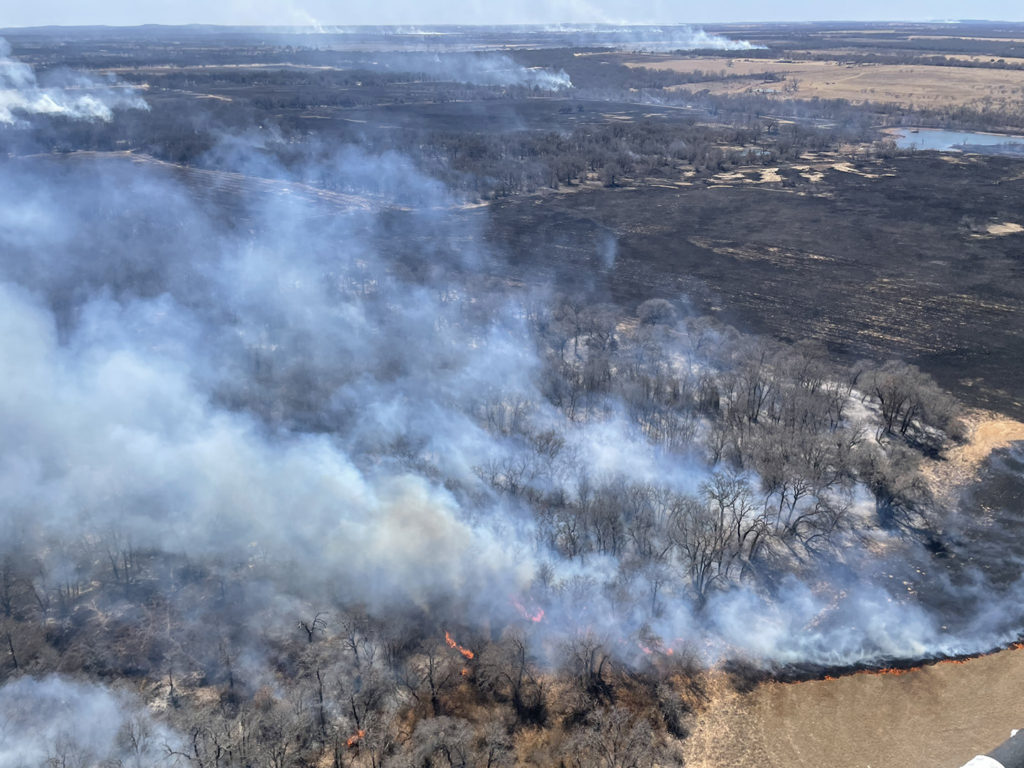
Wildfires burning in Eastland County, Texas in March 2022
Eastland Complex Wildfire on March 20, 2022 (Photo courtesy of the Texas A&M Forest Service)

Fourteen members of the Texas A&M Veterinary Emergency Team (VET) deployed to Eastland County over the weekend to assist with relief efforts associated with the Eastland Complex Fire, a collective term for seven wildfires burning in North Central Texas near the towns of Carbon, Rising Star, and Gorman.

Team members, joined by Texas A&M AgriLife Extension Disaster Assessment and Recovery (DAR) Agents, are supporting those efforts in several ways, including responding to animal emergencies in the field, but the team’s first priority is to provide veterinary medical support for local residents, according to VET director Dr. Wesley Bissett.

“The local communities have done a great job coming together in a tough situation, but these fires are impacting a very large area so veterinary resources are stretched thin,” said Bissett, who also serves as an associate professor of emergency management in the Texas A&M College of Veterinary Medicine & Biomedical Sciences (CVMBS). “Trying to figure out where we can best assist has been our priority in the first 48 hours.”

While the fires have consumed more than 54,000 acres as of March 21, rain in the area on Monday could not only aid firefighting efforts but also give residents and first responders a much-needed chance to further assess the situation.

“This has been a rapidly evolving situation; prior to the rain there were a number of new fires developing, so it’s been difficult to properly assess the whole picture,” Bissett said. “Hopefully the rain will help calm down the situation some, and we can get a better grasp on the extent of services needed.”

So far, the VET has responded to several animal field emergencies and has cared for animals at their base of operations in Eastland.

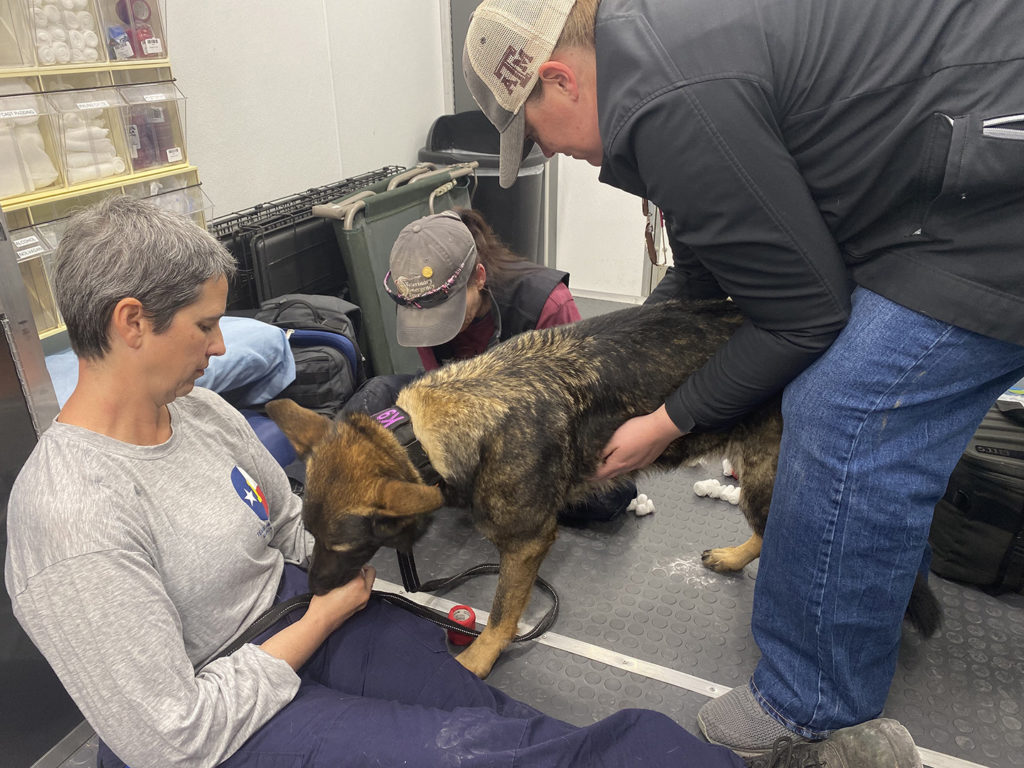
VET members examining a Texas A&M Task Force 1 search and rescue dog.

For the field calls, the team is aided by aerial surveillance coordinated with the Texas A&M Agrilife Extension Service, Texas Animal Health Commission, and the Texas and Southwestern Cattle Raisers Association (TSCRA) Special Rangers.

Spotters in helicopters identify potential areas in need of veterinary assistance, relay the coordinates to the teams on the ground, and then those teams work with the TSCRA rangers to get access to those locations.

“The aerial assessments were new for us,” Bissett said, “but it really helped us quickly identify where to allocate our people to have the greatest impact on animal well-being.”

The team also anticipates seeing more small animal cases as those animals come out of hiding.

The VET is also helping care for search and rescue dogs, a process that includes bandaging the feet of the dogs before they go out into the field and monitoring their condition while they’re working and at the end of their shifts.

“Just yesterday we had three new fires pop up, so we’re making sure those dogs are taken care of and in top condition when and where they’re needed,” Bissett said.

###

For more information about the Texas A&M College of Veterinary Medicine & Biomedical Sciences, please visit our website at vetmed.tamu.edu or join us on FacebookInstagram, and X.

Contact Information: Jennifer Gauntt, Director of VMBS Communications, Texas A&M College of Veterinary Medicine & Biomedical Sciences, jgauntt@cvm.tamu.edu, 979-862-4216

Keep Your Bovine Feeling Fine: Pain Management In Cattle

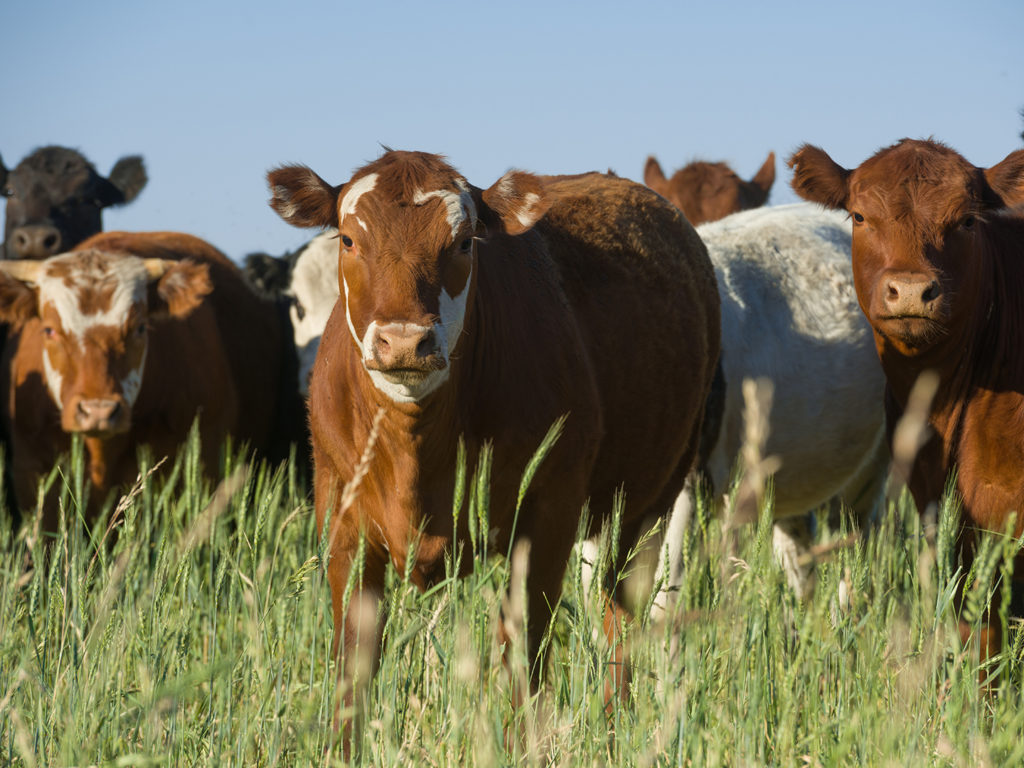
Herd of cattle in a field

Unlike many animals that vocalize their discomfort, cattle tend to suffer in silence—making it all the more important for an owner to recognize the subtle signs of pain. Whether from age, injury, or illness, early detection of pain is an important step in bringing an animal back to health.

Cattle are like most prey species in that they tend to hide their pain, says Dr. Jenna Funk, a clinical assistant professor & beef cattle veterinarian at the Texas A&M College of Veterinary Medicine & Biomedical Sciences’ Veterinary Education, Research, & Outreach campus

“When pain reaches the threshold where it starts affecting behavior, one of the first signs will be reduced feed intake,” Funk said. “If it hurts to move, they will be reluctant to move. Cattle will also grind their teeth when they are uncomfortable; you can hear it when they grind them hard enough.”

If the pain is associated with a single limb, they may limp to reduce the amount of weight placed on that leg. If the source of pain is in the abdomen, cattle may tuck their bellies up by standing with all four feet close together.

Depending on the cause of the pain, there are several options a veterinarian may suggest for treatment. The most common pain management medications for cattle are non-steroidal anti-inflammatory drugs (NSAIDs), which can come as injections, oral pills, or a pour-on liquid.

“Steroids can also be used for pain management in short-term situations,” Funk said. “While long-term use of steroids is not recommended because of the negative impacts they can have on the immune system, short courses can be very effective at reducing swelling and relieving pain.”

There are also several non-medication options that can help relieve pain in cattle, including acupuncture and chiropractic manipulation by licensed practitioners.

“Pain associated with the feet can often be managed with corrective foot trimming,” Funk said. “Making sure that all four feet have proper confirmation (structure and alignment) will allow the animal to evenly distribute their weight and reduce the chances of secondary musculoskeletal injury from favoring a painful or misshapen foot.”

To prevent painful injuries from occurring in the first place, owners can commit to low-stress handling techniques, such as using pressure points to move cattle instead of noise and fear.

“Move slow and never surprise cattle. This will reduce the likelihood of cattle running and pushing each other, which can lead to injury,” Funk said. “In addition, animals recovering from injury should be kept on solid, surefooted ground and with only a few herd mates to prevent potential re-injury from shoving and pushing.”

Maintaining clean and well-lit facilities can also reduce the likelihood of injury.

In addition to the ethical reasons for reducing pain in cattle, owners will likely notice other benefits when herds are kept happy and pain-free.

“Well taken care of animals perform better,” Funk said. “Controlling pain will increase production and help make the animal more efficient, which, in turn, is more profitable for the producer.”

Whether owners keep cattle as pets or production animals, reducing pain should be a top priority. By keeping an eye out for subtle behavioral differences, you can help make sure your cattle experience as little pain as possible.

Pasture Talk is a service of the College of Veterinary Medicine & Biomedical Sciences, Texas A&M University. Stories can be viewed on the web at vetmed.tamu.edu/news/tag/pasture-talk/. Suggestions for future topics may be directed to vmbs-editor@tamu.edu.

August’s Term As CVMBS Dean Extended Through August 2025

Dr. John August
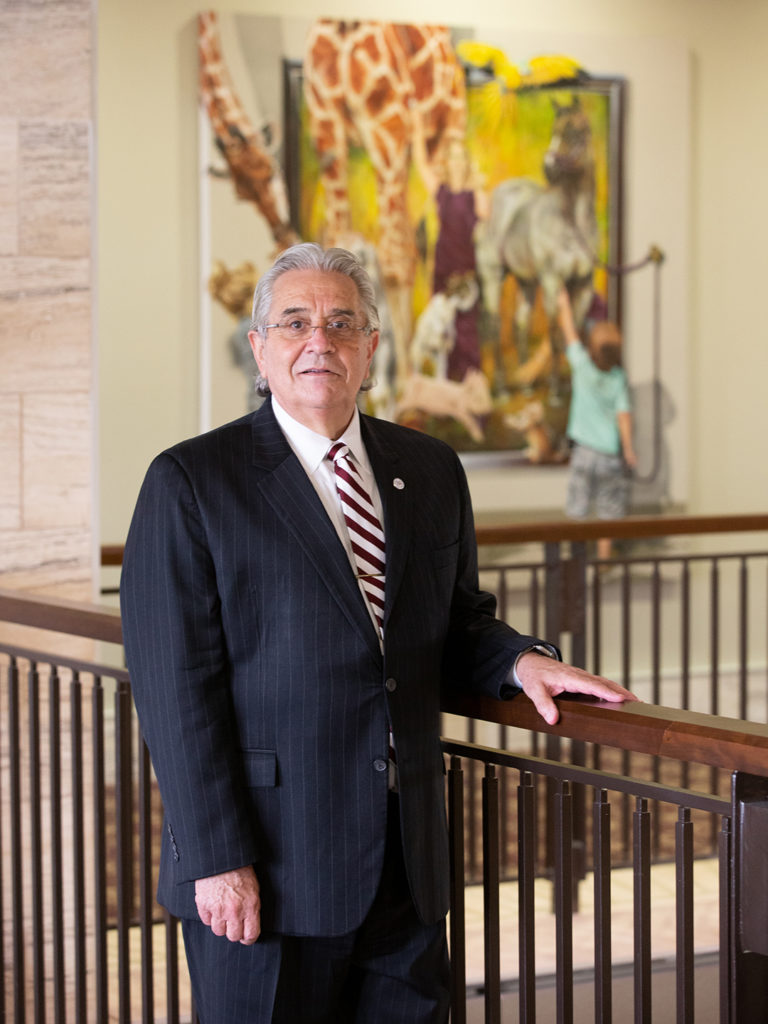
Dr. John August, Carl B King Dean of Veterinary Medicine

Texas A&M University Interim Provost and Executive Vice President Dr. Timothy P. Scott has announced the extension of Dr. John August as dean of the College of Veterinary Medicine & Biomedical Sciences (CVMBS).

With the approval of Texas A&M University System Chancellor John Sharp, August will serve as the Carl B. King Dean of Veterinary Medicine through Aug. 31, 2025.

“A recent survey of the faculty and staff indicated a clear majority and a high level of support that he continue as dean,” Scott said in an email to CVMBS faculty and staff.

Since his appointment as CVMBS dean in September 2020, August has focused on supporting faculty, staff, and student success by fostering an environment of collaboration and facilitating open discussion.

Among his priorities have been overseeing the implementation of the 2+2 Doctor of Veterinary Medicine (DVM) Program through the college’s Veterinary Education, Research, & Outreach (VERO) initiative in Canyon; creating opportunities in McAllen through Texas A&M’s Higher Education Center and partnerships in the Rio Grande Valley; and developing plans for a new, next-generation Small Animal Teaching Hospital.

In addition, he’s worked to nurture and strengthen relationships across campus, in the veterinary profession, and with industries across the state through the college’s research initiatives and service efforts.

“Returning to the college has been almost like coming to a new College of Veterinary Medicine & Biomedical Sciences,” he said. “There were new buildings, a new curriculum, new faces, new expectations, new challenges, and new opportunities—it really wasn’t like coming back to the same College of Veterinary Medicine I left.

“I learned a lot as the Dean of Faculties, I learned a lot as interim dean in the School of Public Health, and I want to make sure I don’t waste those experiences in helping to guide and strengthen our college,” he said.

August joined Texas A&M as professor and head of the Department of Small Animal Medicine and Surgery in 1986. Since then, he has served as interim dean of the School of Public Health and as dean of faculties and associate provost.

August earned a bachelor’s degree in veterinary medicine from the Royal Veterinary College at the University of London in England (equivalent to a DVM). He completed his internship and residency in small animal surgery and medicine at Auburn University, where he also earned his master of science degree from the College of Veterinary Medicine. He is a diplomate of the American College of Veterinary Internal Medicine.

Prior to his appointment as dean of faculties and associate provost, August served Texas A&M as interim associate dean for clinical and outreach programs, interim head of the Department of Veterinary Pathobiology, and deputy dean of the College of Veterinary Medicine & Biomedical Sciences. An internationally noted clinician scientist, he was selected as the Evelyn Williams Endowed Visiting Professor at the University of Sydney in 2014.

###

For more information about the Texas A&M College of Veterinary Medicine & Biomedical Sciences, please visit our website at vetmed.tamu.edu or join us on FacebookInstagram, and X.

Contact Information: Jennifer Gauntt, Director of VMBS Communications, Texas A&M College of Veterinary Medicine & Biomedical Sciences, jgauntt@cvm.tamu.edu, 979-862-4216

When You Should—And Shouldn’t—Give Your Cat A Bath

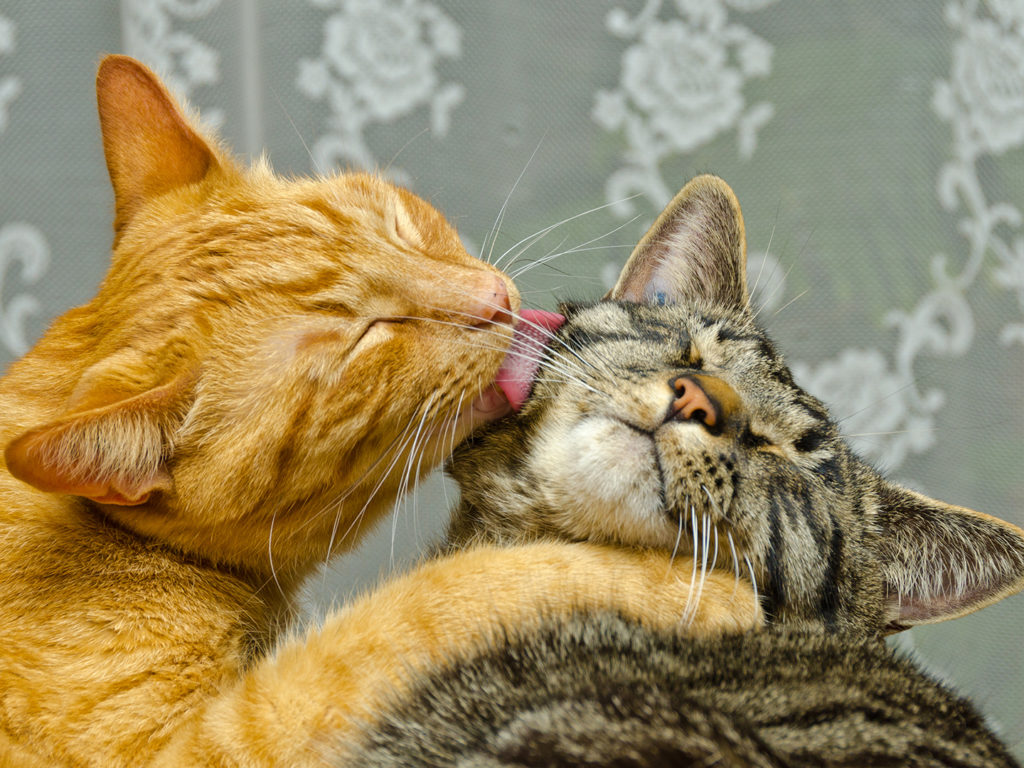
An orange tabby cat licking a brown tabby cat

Bath time is usually a stressful occasion for both pets and their owners, leading many to wonder—is bathing cats really necessary?

To the relief of many a cat owner, the answer is typically “no,” according to Dr. Alison Diesel, a clinical associate professor at the Texas A&M College of Veterinary Medicine & Biomedical Sciences.

“In general, cats do not need to be given a bath by their owners,” she said. “Their fastidious grooming behavior makes this a non-necessary task, which most owners are quite thankful for.”

Some cats may not groom themselves appropriately because of obesity, arthritis, or an underlying medical condition. If an owner notices any change in their cat’s normal grooming behavior, a veterinarian can help determine the cause.

But even if these kitties need some help getting clean, a true bath is usually not necessary unless the cat is especially dirty.

“A good brushing may be sufficient unless there are fecal/urinary incontinence concerns,” Diesel said. “I rarely recommend bathing for my feline patients. There are certain topical products that I may consider for cats, like a leave-on antiseptic mousse if they have a skin infection, but a true bath is typically not recommended or indicated.”

For many medical conditions, from fungal infections to allergies, a bath with a medicated shampoo can be a treatment option, but Diesel said owners should be confident in their ability to safely bathe their pet first.

Beyond cats’ ability to clean themselves, Diesel usually recommends not bathing cats because of the damages it can cause to a cat-owner relationship.

“The act of bathing cats can cause behavioral trauma, which may affect the human-animal bond if this is not something the cat is used to,” she said. “For an adult cat that has not had a bath previously, the experience can be quite traumatic. They may lash out, bite, and scratch; this obviously introduces safety concerns for the owners.”

Although most cats rarely need baths, one major exception is for hairless Sphynx cats, which require bathing as part of their routine skin care.

“For cat breeds like Sphynx in which there are known genetic conditions that cause them to produce and secrete an excess amount of skin oil, routine bathing can help decrease the extra debris and the chance of secondary skin infections,” Diesel said. “In general, though, this doesn’t need to be more than once every one to two weeks.”

Owners of Sphynx cats can make the bathing process easier and less stressful by introducing it when the cat is young.

“Getting a Sphynx kitten used to baths early in life is imperative for managing this breed,” Diesel said.

She recommends using lots of treats and making the experience as fun as possible to help the cat feel safe and stay calm.

For most cat owners, however, bath time is, thankfully, a rare experience. As long as your fastidious feline spends plenty of time on hygiene, like most cats tend to do, you should not have to worry about bathing your water-fearing friend any time soon.

Pet Talk is a service of the College of Veterinary Medicine & Biomedical Sciences, Texas A&M University. Stories can be viewed on the web at vetmed.tamu.edu/news/pet-talk. Suggestions for future topics may be directed to editor@cvm.tamu.edu.

CVMBS Professor Appointed To Presidential Advisory Council On Antibiotic Resistance

Dr. Virginia Fajt

Dr. Virginia Fajt, a clinical professor at the Texas A&M College of Veterinary Medicine & Biomedical Sciences (CVMBS), has been appointed as a voting member to the Presidential Advisory Council on Combating Antibiotic Resistant Bacteria (PACCARB).

Antibiotic resistance is one of the world’s most urgent public health problems, according to the Centers for Disease Control and Prevention (CDC). More than 2.8 million antibiotic-resistant infections occur in the United States each year, resulting in more than 35,000 deaths.

The PACCARB provides advice, information, and recommendations to the U.S. Secretary of Health and Human Services regarding programs and policies intended to support and evaluate U.S. government activities combating antibiotic-resistant bacteria.

As a voting member appointed by the Secretary for a term of four years, Fajt will attend two to three meetings of the PACCARB each year in Washington, D.C., as well as online working group meetings.

“I am honored to join this group in their important work on antibiotic resistance, which is a global challenge to human and animal health,” Fajt said. “The PACCARB is a premier example of the One Health approach, and I look forward to contributing to this effort in my capacity as a veterinarian, pharmacologist, and educator.”

Fajt, who is board-certified by the American College of Veterinary Clinical Pharmacology, has previously served on a Clinical and Laboratory Standards Institute (CLSI) committee to produce the first comprehensive resource for understanding and interpreting antimicrobial susceptibility test results. She was also involved in making this resource, which addresses challenges veterinarians face every day in understanding how antimicrobial drugs work, available to all CVMBS veterinary students.

Her research interests include veterinary clinical pharmacology, food animal pharmacology, antimicrobial stewardship, and antibiotic resistance.

The PACCARB was created by executive order in 2014 as part of a federal effort to combat antibiotic resistance.

###

For more information about the Texas A&M College of Veterinary Medicine & Biomedical Sciences, please visit our website at vetmed.tamu.edu or join us on FacebookInstagram, and X.

Contact Information: Jennifer Gauntt, Director of VMBS Communications, Texas A&M College of Veterinary Medicine & Biomedical Sciences, jgauntt@cvm.tamu.edu, 979-862-4216

Polishing Up On Animal Nail Care

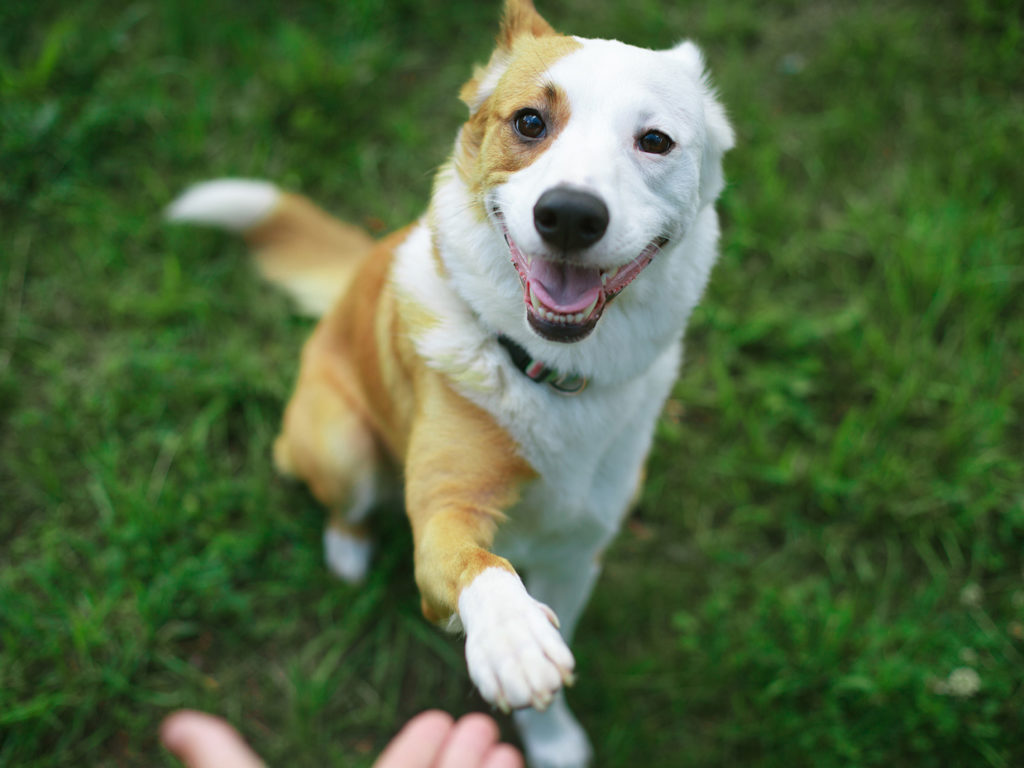
brown and white dog holding up a paw

While getting a manicure or pedicure is often seen as a luxury for people, proper nail care is a necessity for dogs and cats.

Regular nail maintenance in companion animals is important for a multitude of reasons, including your pet’s overall health. If a pet’s nails become overgrown, everyday activities such as walking or running can become extremely painful.

Nail trims can be a daunting activity for both owners and pets, but according to Harmony Peraza, a veterinary technician at the Texas A&M College of Veterinary Medicine & Biomedical Sciences, there are several ways to help make this task easier.

“Getting an animal used to nail trimming early in life and keeping them on a regular trimming schedule can greatly increase their acceptance of the task,” Peraza said. “An adequate trimming schedule for pets varies on how active the animal is and what surfaces their nails are exposed to— a dog that runs on concrete may naturally have shorter nails than one that typically walks on carpet.

“But trimming every six to eight weeks is good practice,” she said.

Peraza recommends that owners introduce the process of nail trimming in a series of steps to help reduce pets’ anxiety.

“First, gently handle the pet’s feet and then move on to letting the pet smell and investigate the trimming tool,” Peraza said. “Finally, begin to trim the nails one at a time, offering praise, physical petting, and treats to create a positive association.”

If a pet continues to appear anxious about this process, owners can try exercising their pet before a nail trim begins to calm them down.

During the trimming process, owners should remember that dogs and cats have what is called a “quick” in the middle of their nails. This internal blood supply contains little nerve endings, and, if nails are not regularly trimmed, the quicks can overgrow, causing severe pain when standing or walking and potentially leading to an injured foot tendon.

A pet’s nails should be trimmed at an angle to follow the natural slant of the nail growth, which is roughly the angle that the nail and quick grow at. On average, the end of the nail should reach no further than halfway down the front of the paw pad.

One thing that can support the process is using a nail trimmer that is made for animal use and is the appropriate claw size. Peraza recommends options like scissor clippers, guillotine clippers, and grinding trimmers.

Owners who are comfortable with and knowledgeable about the nail-trimming process are perfectly capable of trimming their pet’s nails at home. However, if an owner is unsure, it would be best to talk with a groomer or veterinary professional about the proper method.

Nail care may be an easy grooming step to overlook, but it is vital to keeping our pets running and walking with the same free spirit they always have.

Pet Talk is a service of the College of Veterinary Medicine & Biomedical Sciences, Texas A&M University. Stories can be viewed on the web at vetmed.tamu.edu/news/pet-talk. Suggestions for future topics may be directed to editor@cvm.tamu.edu.
Texas A&M Veterinary Students Practice Disaster Response At Annual Disaster Day

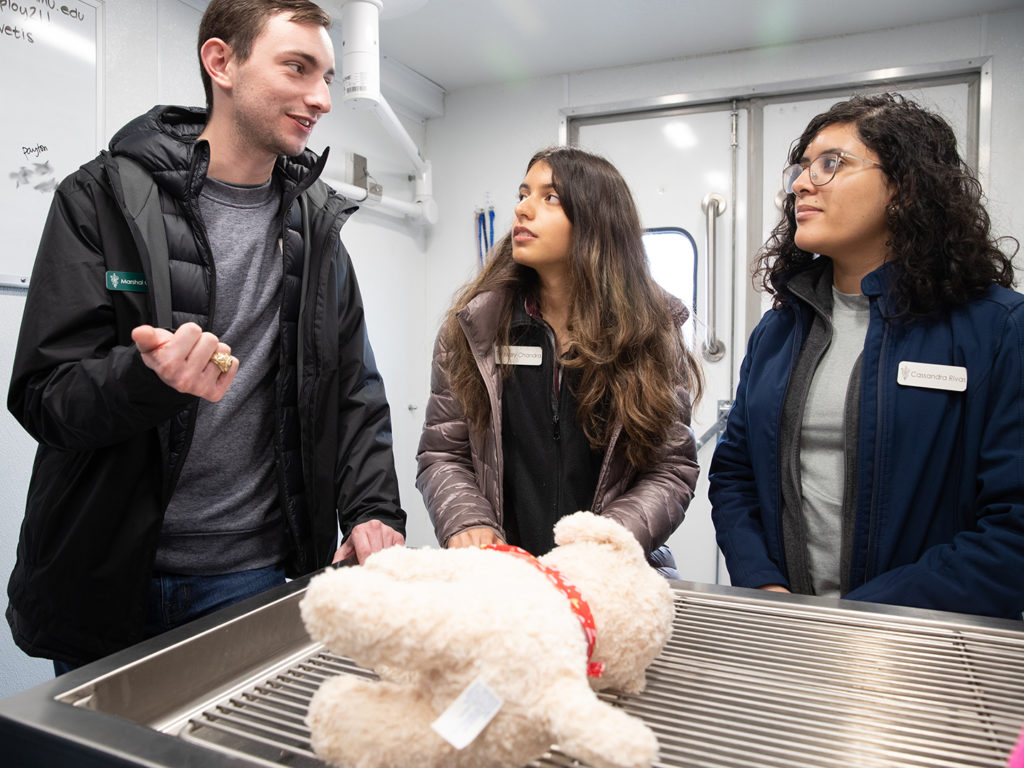
Three veterinary students discuss a stuffed animal patient laying on a metal table
Veterinary students determine the best treatment for a “patient” during Disaster Day.

Battling a fake wildfire and the real cold, 50 Texas A&M College of Veterinary Medicine & Biomedical Sciences (CVMBS) students, staff, and faculty practiced caring for animals in emergency situtions during the 14th annual Disaster Day on Feb. 25.

After the 2021 event was moved online due to the COVID-19 pandemic, this year’s in-person exercise at the Texas A&M Engineering Extension Service’s (TEEX) Disaster City included more than 750 students from several Texas A&M colleges.

Student actors, complete with makeup to simulate injuries, were given victim roles that require responses from the various participating groups. Some also had pets, played by stuffed animals, that needed treatment for a variety of injuries.

In addition to the veterinary students, this year’s exercise included students from the Texas A&M colleges of nursing, medicine, and pharmacy; the School of Public Health; as well as students in the Department of Psychological and Brain Sciences, athletic trainers, and members of the Corps of Cadets.

Most of the veterinary student participants were members of the Student Veterinary Response Team (SVRT) in their first three years of veterinary school. Danielle Johnson, the third-year SVRT representative, worked with the students from the other disciplines to plan the exercise.

“It’s a big undertaking,” she said. “We’ve been planning it for two semesters. It’s interesting to work with the other disciplines and see how we can all work together. It’s fun, but it’s definitely stressful.”

The veterinary response part of the exercise utilized mobile medical platforms and the disaster response experience of the Veterinary Emergency Team (VET) to make the cases as realistic as possible. The medical platforms also allowed the students to work in a controlled environment on a day where the temperature never got above 40 degrees.

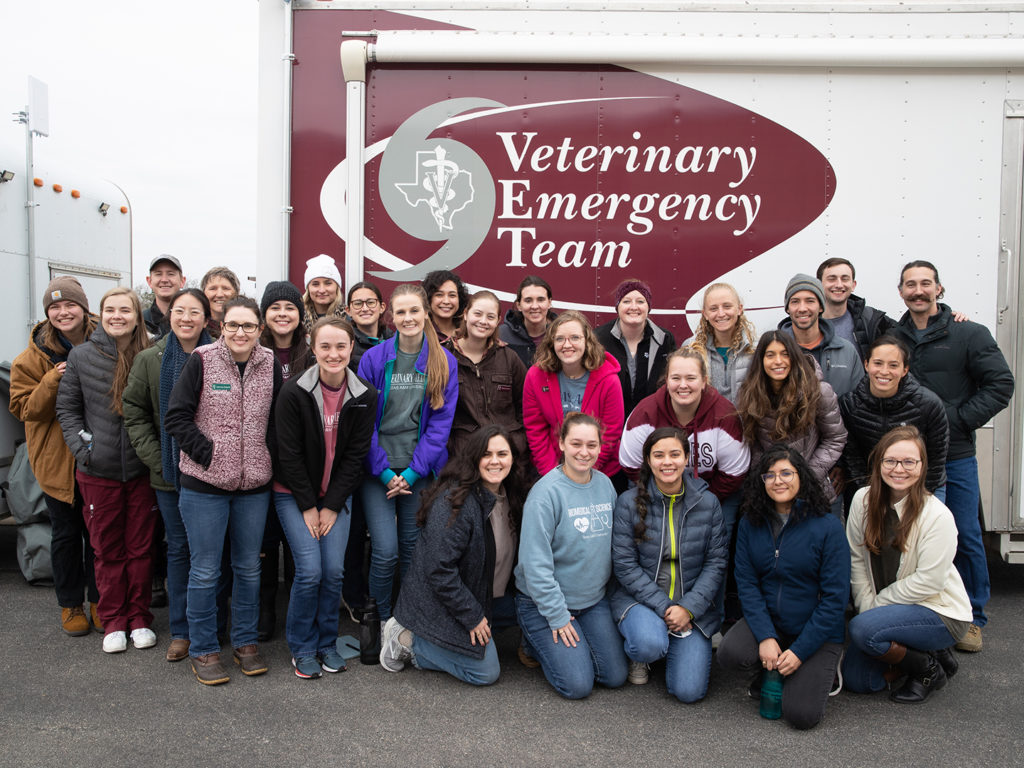
students in front of a Veterinary Emergency Team truck
A group of CVMBS participants in the 2022 Disaster Day

This year’s simulated disaster was a wildfire, which is a scenario the VET has actually responded to multiple times. The simulated cases range from burns and smoke inhalation to underlying medical problems that could be worsened by the stress and anxiety of the situation.

Johnson said the experience was valuable for veterinary students who hope to one day be able to assist their communities when disaster strikes.

“If you’re interested in helping your community in a disaster, you have to know how to work within the system. This is a good place to practice that,” she said. “I feel like if I were to get deployed to a real disaster, I’d have a much better idea of how to work within the response system.”

Fourth-year students on the VET clinical rotation learn even more about the protocols for disaster response, which is why students like Eli Hernandez served as team leaders, guiding the SVRT students through the process.

“Our role is in facilitating the discussions and taking the knowledge we’ve learned on this rotation to help the first through third years follow the path of how to manage these cases when you have limited resources and limited space,” he said. 

Hernandez said one of the priorities is to help students understand the importance of good medical records in disaster scenarios.

“That’s a big part of the teaching out here for students who haven’t done an exercise before,” he said. “Even though it’s a disaster situation and almost all of the cases are emergency cases, you still have to record everything that you’ve done. All of that important information is still required.”

Both Hernandez and Johnson said it was a valuable experience, and encouraged students to take part in the next year’s Disaster Day.

“I had some anxiety about it, especially leading a team, because I didn’t come out and do this my earlier years,” Hernandez said. “But it’s been a really good time. It’s really good information to know because there’s much more to it than just learning how to treat small animal cases.” 

###

For more information about the Texas A&M College of Veterinary Medicine & Biomedical Sciences, please visit our website at vetmed.tamu.edu or join us on FacebookInstagram, and X.

Contact Information: Jennifer Gauntt, Director of VMBS Communications, Texas A&M College of Veterinary Medicine & Biomedical Sciences, jgauntt@cvm.tamu.edu, 979-862-4216

How to Care for a Deaf Dog

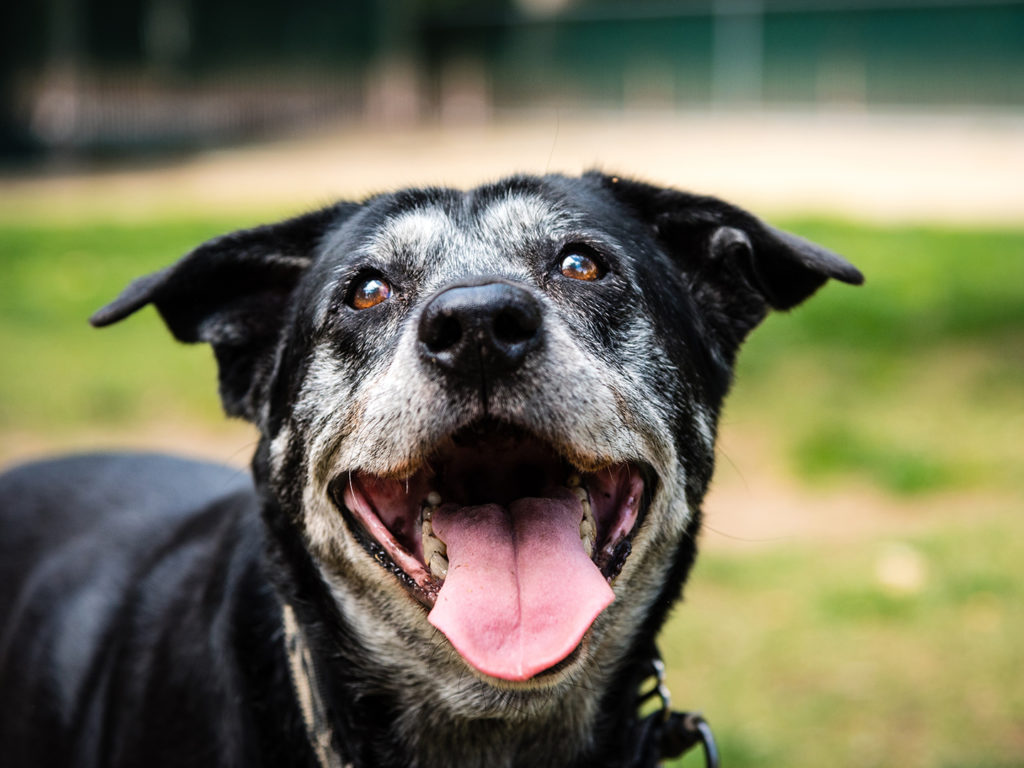
an old dog smiling at the camera

Whether they stand up straight or flop over, your dog’s ears help give your canine friend an amazing sense of hearing that plays a large role in hunting, playing, and everyday life.

What are the implications, then, for a dog that is born deaf or loses its hearing?

Dr. Lori Teller, an associate professor at the Texas A&M College of Veterinary Medicine & Biomedical Sciences, says that dogs may experience hearing loss for a multitude of reasons.  

Some dogs are born deaf or are predisposed to hearing loss because of their breed or a congenital issue.

“This can be the result of an inherited disease or a virus or toxin that the dog’s mother was exposed to while pregnant,” Teller said.

Typically, dogs with a white or merle coat are more prone to congenital deafness. Breeds such as dalmatians, bull terriers, and Australian cattle dogs are also more prone to hearing loss conditions.

Because of that, “dogs that are deaf because of an inherited condition should not be used for breeding,” Teller said.

In addition, while hearing loss is most common in senior dogs, it can occur for a multitude of reasons, ranging from chronic otitis (inflammation), infection, trauma, excessive ear wax, cancer, or persistent exposure to very loud noises.

“If your dog’s hearing loss seems to have come about suddenly,” Teller said, “then a veterinary exam is definitely warranted to check for evidence of trauma, infection, neoplasia (change to a tumor), or other potential problems.”

For dogs experiencing deafness caused by underlying disease, they may need to see their veterinarian more frequently than normally recommended.

If a dog is in the early stages of hearing loss, owners may notice that the pet is harder to wake up or tends to bark more frequently than usual.

“Your dog also may be experiencing some hearing issues if it is no longer responsive to sounds it previously responded to, such as a doorbell, vacuum cleaner, or can opener,” Teller said.

While hearing loss does drastically change a dog and owner’s life, it does not mean the ending of a wonderful relationship.

“Deaf dogs can lead normal lives with extra work and dedication by the owner,” Teller said.

Through obedience training, for example, dogs can learn hand signals in replacement of the usual verbal commands.

In addition, because deaf dogs or those experiencing hearing loss may startle more frequently than those that can hear, owners should find ways to gently awaken or alert their dog; finding a safe place for the dog to sleep and eat away from potential startles can help avoid injury.

Outdoors, owners also should take extra precautions to keep the dog safe from moving vehicles and unknown animals, as they will be less aware of their surroundings than other dogs.

While it may not be an easy road, the loss of hearing does not necessarily limit a dog’s ability to live a full and happy life if its owners are dedicated and patient.

Pet Talk is a service of the College of Veterinary Medicine & Biomedical Sciences, Texas A&M University. Stories can be viewed on the web at vetmed.tamu.edu/news/pet-talk. Suggestions for future topics may be directed to editor@cvm.tamu.edu.