Holiday Travel With Pets Part 1: Secrets To A Stress-Free Road Trip

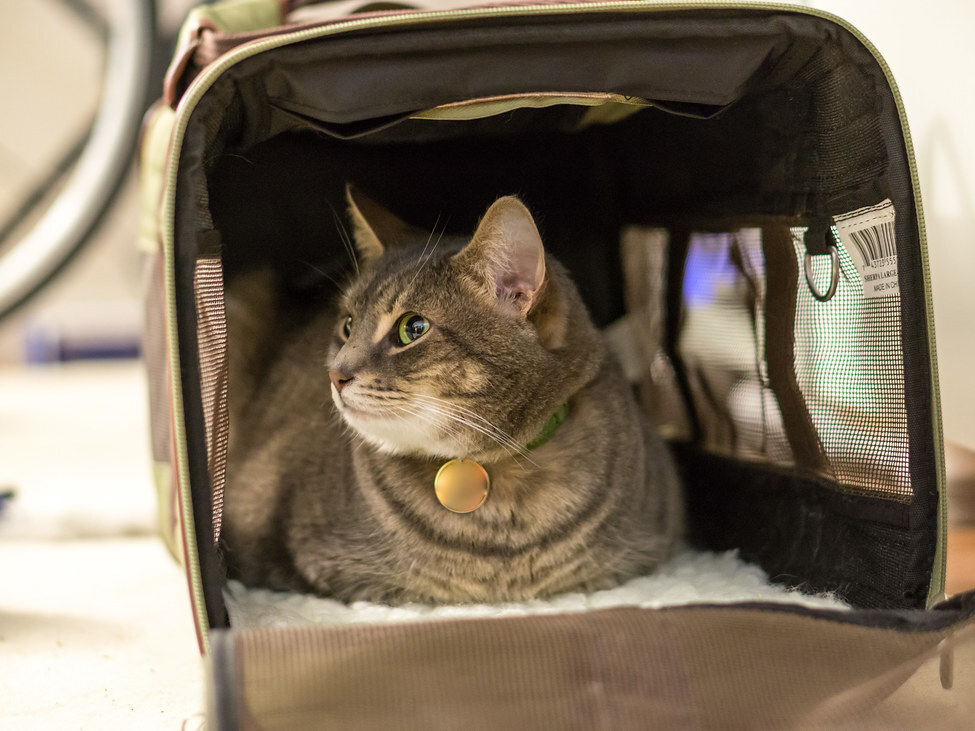
cat lying in a soft kennel

Many families opt to bring their pets with them when they hit the road for the holidays. Whether it is a quick drive across town or a longer road trip, traveling with pets has the potential to bring about its own level of chaos.

Dr. Lori Teller, a clinical assistant professor at the Texas A&M College of Veterinary Medicine & Biomedical Sciences, offers some best practices for traveling in cars with pets and preparing for trips away from home.

“Before embarking on a long trip, owners should make sure their pet is comfortable with riding in the car,” Teller said.

The best way to ensure the safety of everyone in the vehicle is to properly secure pets in a carrier or pet car seat; loose animals can injure themselves and have the potential to distract the driver.

“It is not recommended that a dog ride with its head out of the window, because debris can easily get in their eyes, causing damage,” Teller said. “Dogs riding with their head out the window have also been known to easily get excited and jump/fall out of the car.” 

Teller also advises that owners avoid having their dogs ride in the back of truck beds unless they are confined to an anchored-down carrier.

For longer car rides, owners should be mindful of their pet’s need for breaks. Similar to humans, dogs and cats need to stretch their legs after a few hours of being in the car.

How frequently these breaks occur will mostly depend on the health status and normal activity levels of the pet—more active dogs may need to get out more often and walk around.

“In general, it would be good to let the pet out every couple of hours to stretch, have a drink of water, and have the opportunity to go to the bathroom,” Teller said.

Cat owners also may look into purchasing travel litterboxes to cut down on bathroom breaks.

With longer car rides comes the potential of a pet experiencing motion sickness, leaving them extremely uncomfortable during the journey. 

“There are prescription medications available to combat motion sickness, so it worth speaking with your veterinarian to determine what will be best for your pet and receive instructions on how to administer the drug,” Teller said.

During any form of travel, bringing a copy of the pet’s medical records, including proof of vaccination, can be particularly important if a pet becomes ill while on the road and needs to see a veterinarian.

In the unfortunate event that an owner and their pet get separated while traveling, “it is a good idea for owners to have a picture of their pet readily available,” Teller said. “This can be a helpful proof of ownership.”

Reconnecting with a lost pet also can be facilitated by ensuring pets are microchipped, with up-to-date contact information, and wear proper identification on their collar or tag, so if something does happen, the owner can be contacted.

Finally, it is good practice for owners to travel with all of their pet’s necessary supplies, including medications or special diets, as it may be hard to obtain anything beyond the basics while out-of-town.

As pet owners pack their bags this holiday season, taking the extra steps to ensure their pet’s safety during their travels will help to keep everyone’s spirits merry and bright.

Pet Talk is a service of the College of Veterinary Medicine & Biomedical Sciences, Texas A&M University. Stories can be viewed on the web at vetmed.tamu.edu/news/pet-talk. Suggestions for future topics may be directed to vmbs-editor@tamu.edu.
Don’t Fly Blind When It Comes To Bird Nutrition

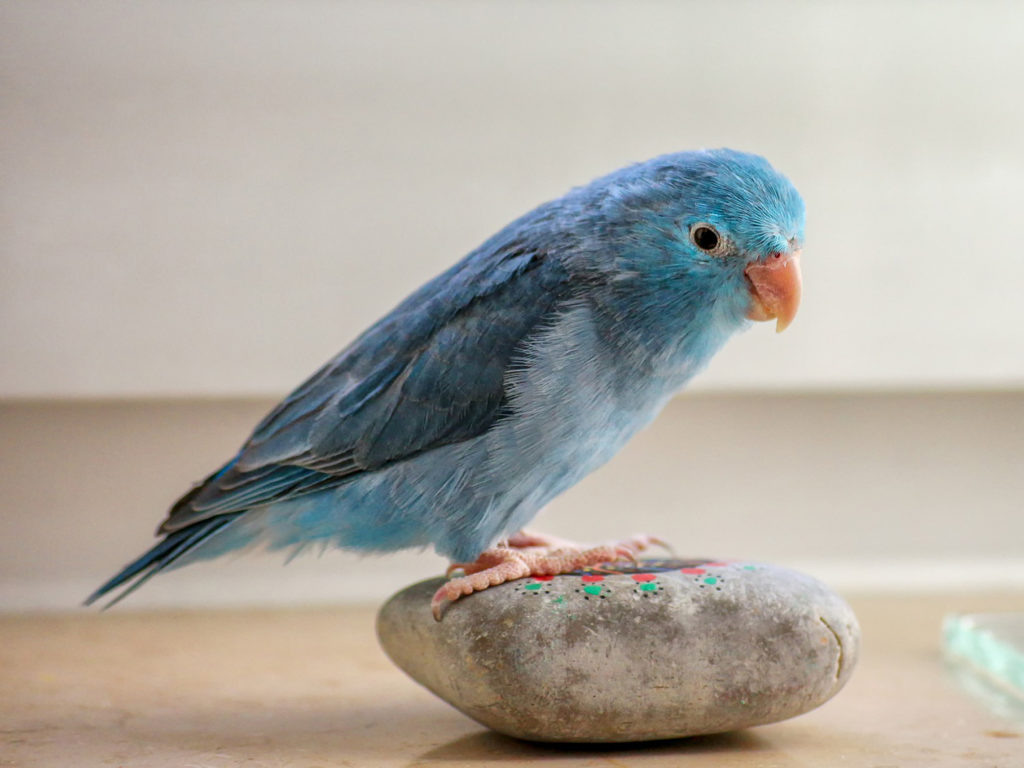
Blue parakeet standing on a rock

Picky eaters come in all shapes and sizes, and our avian friends are no exception. Despite birds’ tendency to favor some foods over others, creating a balanced diet is a crucial factor to pet bird ownership.

Dr. Ashley Navarrette, a clinical assistant professor at the Texas A&M College of Veterinary Medicine & Biomedical Sciences, offers guidance on developing a healthy diet for pet birds.

“Like with any pet, diet plays a crucial role in maintaining bird health and preventing disease,” Navarrette said.

When it comes to bird feed, owners typically are presented with two options—pellets and seeds.

While a majority of seed-based diets are supplemented to assure all needed nutrients are provided, many birds will be selective in what they choose to eat from the feed. This can often lead to nutrient deficiencies in pet birds.

On the other hands, the benefit of a pelleted diet, Navarrette said, is that it “allows for multiple ingredients to be combined and formulated to meet the nutrient requirements of specific species of pet birds.”

Because pellets are homogenous, pet birds consume the entire pellet, which allows for a more balanced diet. A pelleted diet also contains protein sources such as egg and legumes, which will supply pet birds with the protein they need.  

“One might compare pet bird pellets to canine and feline kibble that provides total nutrition,” Navarrette said. “I routinely recommend that pellets/formulated diets make up approximately 70-85% of the diet and the rest can be supplemented with fruits, vegetables, and legumes.”

Fruits and vegetables high in Vitamin A—such as bell peppers, carrots, sweet potatoes, squash, mango, and papaya—are great options. Other tasty treats are asparagus, cooked beans, cucumber, fig, kale, and zucchini. 

Birds should never be given avocado, as it is highly toxic to them. Navarrette also suggests limiting greens that contain high water content and little nutritional value, such as iceberg lettuce and celery.

When switching from a seed to pellet diet, bird owners should consult with their avian veterinarians, who can help troubleshoot any transitioning issues.

This change must be done slowly, as it may take weeks, if not months, for birds to become accustomed to a new diet. Smaller species, such as budgerigar, may not initially recognize pellets as food. This conversion may require owners getting creative to entice their pet bird to try out the new diet, Navarrette said.

A proper balanced diet is important to anyone living a healthy life, including our avian friends. Owners should be mindful of what their pet birds are consuming and how they can better adapt such diets to the needs of their animals.

Pet Talk is a service of the College of Veterinary Medicine & Biomedical Sciences, Texas A&M University. Stories can be viewed on the web at vetmed.tamu.edu/news/pet-talk. Suggestions for future topics may be directed to vmbs-editor@tamu.edu.
Texas A&M PEER Program Promotes Veterinary Medicine At Franklin ISD STEAM Night

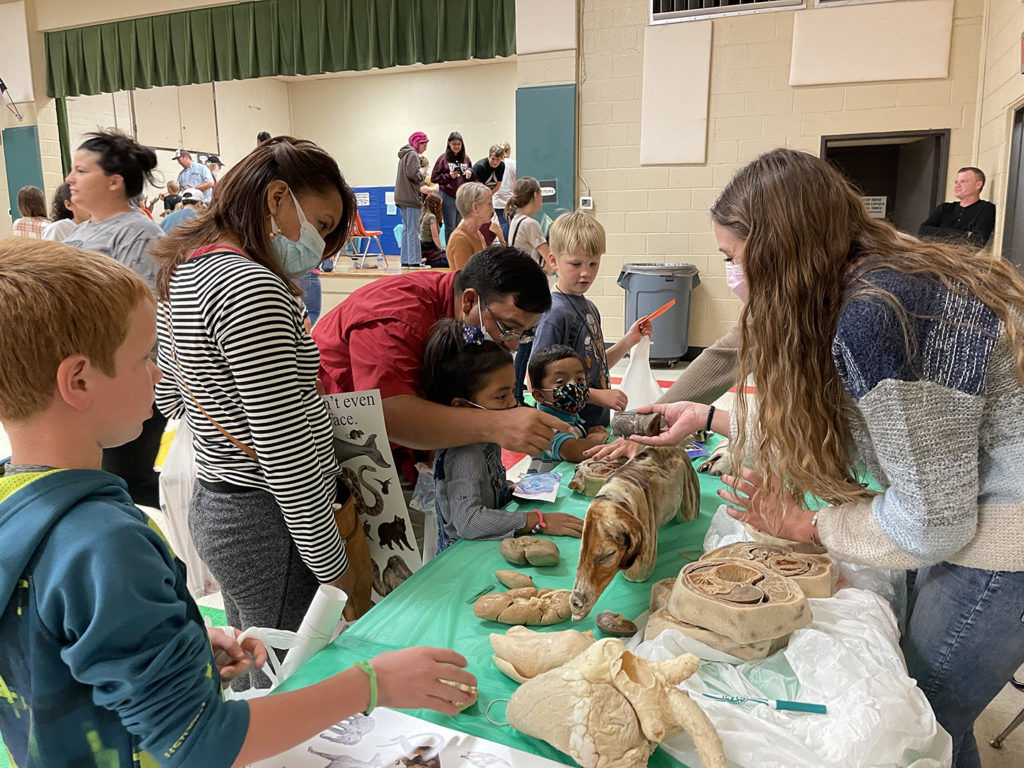
BIMS students talking to elementary students across a table covered with preserved animal models

The Texas A&M College of Veterinary Medicine & Biomedical Sciences’ (CVMBS) Partnership for Environmental Education and Rural Health (PEER) program introduced 670 elementary students to the world of veterinary medicine at the Franklin ISD Elementary STEAM (Science, Technology, Engineering, the Arts, and Math) Night on Nov. 8.

By taking advantage of the young students’ interest in animals, CVMBS professor Dr. Larry Johnson and PEER student fellows Megan Mize and Natalie Johnson were able to hold interactive discussions on animal anatomy, veterinary medicine, and the path to veterinary school.

“We taught students about the anatomy of different animals using actual preserved animal models,” Natalie Johnson said. “We used the models to point out different organs and to compare the relative size of different organs in different animals, such as comparing the size of a dog’s heart with a cow’s heart.”

The event was Johnson’s first hands-on science demonstration for kids, and she now looks forward to representing PEER and the CVMBS at similar events.

“The students were so interested in everything we were showing them and loved actually getting to touch the organs that make up the anatomy,” she said. “It was amazing to see their fascination with the models and to watch as their eyes got wide when they realized that they were real, preserved animals.”

Mize has been working with PEER for two years and has attended many similar events, but she says the experience of introducing kids to veterinary medicine is as exciting every time.

“Each time I speak with the kids and their families I am blessed with the chance to see the beginning of someone’s interest in the STEM field,” Mize said. “My favorite part of these events is the look of excitement that each student has as they play the various games and identification exercises we provide.

“The PEER program has been one of my most valuable experiences as an undergraduate student because it has provided me with the opportunity to spark the interest of much younger students in the vast field of medicine,” she said.

Mize and Johnson, both biomedical sciences (BIMS) majors, also used the Franklin ISD STEAM Night to promote the BIMS major as a useful tool for preparing for veterinary school.

###

For more information about the Texas A&M College of Veterinary Medicine & Biomedical Sciences, please visit our website at vetmed.tamu.edu or join us on FacebookInstagram, and X.

Contact Information: Jennifer Gauntt, Director of VMBS Communications, Texas A&M College of Veterinary Medicine & Biomedical Sciences, jgauntt@cvm.tamu.edu, 979-862-4216

Purina Endowment To Support SATH Resident, Intern Veterinarians’ Wellness

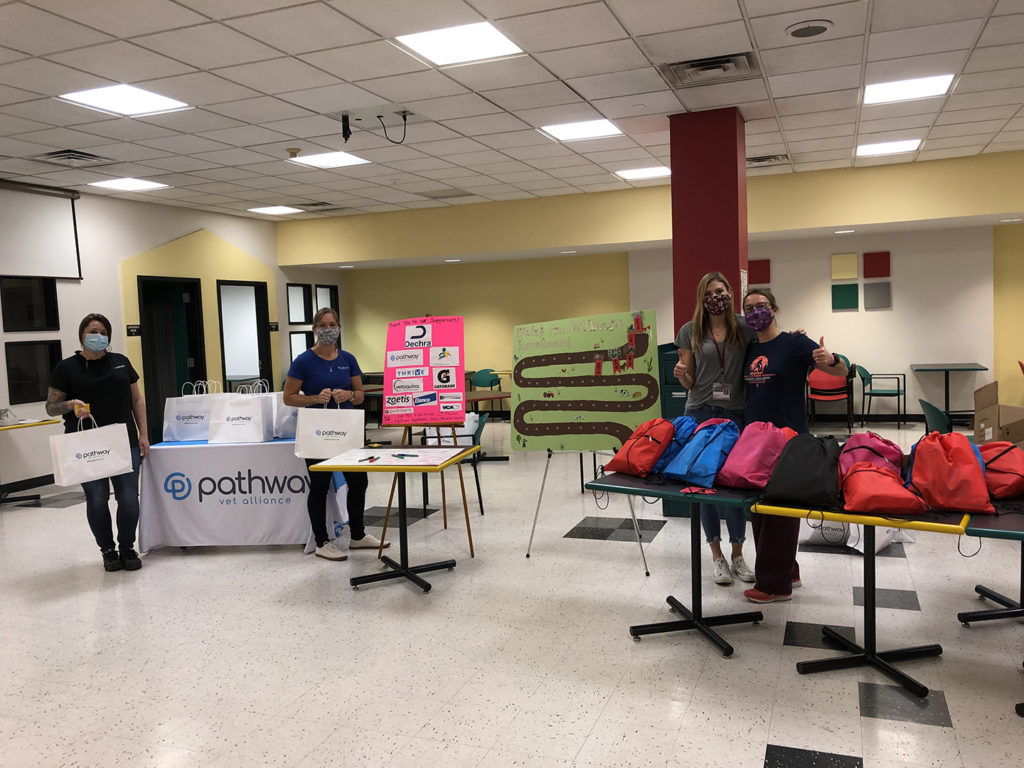
Prizes at the "finish line" for the miles for wellness competition
The House Officer Wellbeing Committee hosted the “Miles for Wellness” competition in 2020. The new Purina Health and Wellness Endowment will support the committee and similar activities.

The Texas A&M College of Veterinary Medicine & Biomedical Sciences (CVMBS) has received a generous donation from Nestlé Purina PetCare to establish the college’s first wellness endowment within the CVMBS’ Small Animal Clinical Sciences (VSCS) Department.

The Purina Health and Wellness Endowment will distribute an annual stipend to the department’s House Officer Wellbeing Committee that supports resident and intern veterinarians, also known as house officers, within the Texas A&M Small Animal Teaching Hospital (SATH).

The funds from Purina will help integrate house officers from different SATH services, build a wider support network for SATH resident and intern veterinarians, and provide seminars on topics such as conflict management and communicating more effectively with clients.

“At Purina, we recognize that a critical component for veterinarians to provide the highest quality care to patients is taking care of their own needs first – including their health and well-being,” said Lauren Stump, DVM, veterinary communications manager for Purina. “We are honored to support the Texas A&M Small Animal Teaching Hospital in their efforts to support the mental health as well as personal and professional development of their veterinarians.”

These wellness initiatives are especially important because veterinary professionals experience higher than average rates of depression, burnout, anxiety, and suicidal ideation than non-veterinary professionals, according to a Merck Veterinary Wellbeing Study from 2018.

Providing individuals with the opportunity for personal development is imperative for house officers’ success.

The House Officer Wellness Committee was created in 2020 to educate house officers on three major initiatives—mental and cognitive wellness in the workplace; nutritional and physical wellness; and wellness experiences.

Dr. Emma Warry, a CVMBS clinical associate professor, formed the committee to advocate for and support the SATH house officers who contribute greatly to the hospital’s functions but often lack the same level of recognition and support as faculty members.

The committee also includes Drs. Vanna Dickerson, Alison Diesel, Emily Gould, Katie McCool, and Sonya Wesselowski.

“We’ve had difficulty being able to do all the things we’d like for the program due to COVID restrictions, but we have put on several seminars for the house officers on topics to help support mental wellbeing, plan for forward progress into a sustainable career in veterinary medicine, and provide financial planning advice,” Diesel said. “Additionally, we organized a ‘house’ system to break the interns and residents into small support groups guided by one of the faculty members on the committee.”

Several fun and engaging health-related activities are also offered by the committee, including “Miles for Wellness,” a friendly competition designed to promote fitness and teamwork. Such programs promote health by focusing on the development of beneficial habits.

###

For more information about the Texas A&M College of Veterinary Medicine & Biomedical Sciences, please visit our website at vetmed.tamu.edu or join us on FacebookInstagram, and X.

Contact Information: Jennifer Gauntt, Director of VMBS Communications, Texas A&M College of Veterinary Medicine & Biomedical Sciences, jgauntt@cvm.tamu.edu, 979-862-4216

Turtle Brumation: The Benefits & Dangers Of The Hibernation Cycle

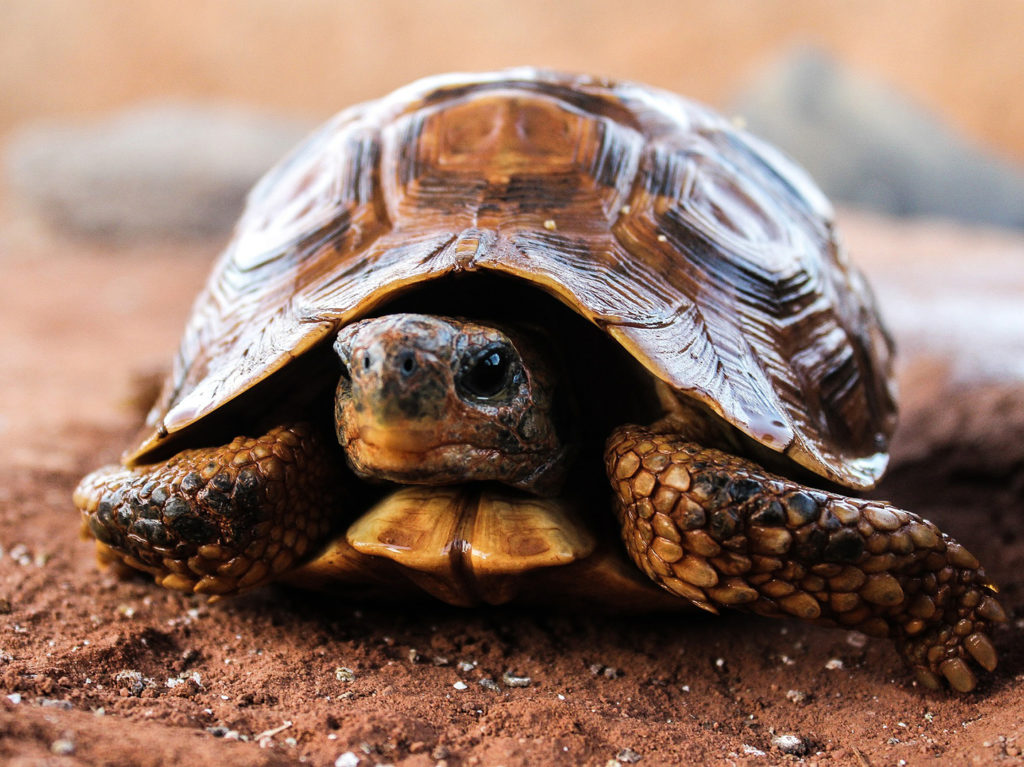
tortoise

Some animals, like bears, are known for their infamous hibernation periods, but many people may not be aware that some reptiles, including many turtles and tortoises, experience a hibernation cycle as well. 

This period of dormancy, which occurs in reptiles during the colder months, in known as brumation.

Dr. Ashley Navarrette, a clinical assistant professor at the Texas A&M College of Veterinary Medicine & Biomedical Sciences, offers insight on best practices for caring for a turtle or tortoise going through brumation.  

Brumation is fueled by colder nighttime temperatures paired with decreasing daylight hours. This process usually occurs around October/November and lasts until early spring but slightly variates based on one’s distance from the equator. 

While pets kept indoors may not experience brumation because of the lack of environmental change, Navarrette explained that brumation is a necessary process for reproductive and overall health. 

“Brumation plays a huge role in the regulation of hormones, both reproductive and other, within the body,” she said. “It is found that if bromating turtle species are prevented from bromating, they tend to be more prone to illnesses and a shortened life span.”

Although brumation is a natural process in wild species, reptile owners can support the process with their pets; however, because this process can be quite dangerous for turtles/tortoises, it should only be initiated by an experienced caretaker or veterinarian. 

“It is important that an owner educate themselves on the species of turtle/tortoise they have and if they are a species that undergoes brumation,” Navarrette said. 

In preparation for brumation, turtles/tortoises should spend the summer months gaining weight and preparing nutritionally, especially with foods rich in Vitamin A. 

Turtles/tortoises also should have pre- and post-brumation physical examinations with a veterinarian who is well versed in reptile medicine.

“In preparation for brumation, animals will stop eating, bury themselves, and may or may not intermittently wake to drink,” Navarrette said. “It is generally accepted that turtles/tortoises will lose 6-7% of their body weight during brumation, at a rate of 1% per month; however, if greater body weight losses are appreciated, this can be indicative of disease.”

While turtles and tortoises may be less active during brumation, these 10 to 14 weeks are not a time for owners to simply forget about their pet. Brumation involves routine soaking to prevent dehydration, weigh-ins, and closely monitored environments, whether outdoors or indoors. 

If a turtle/tortoise undergoes brumation outdoors, it is at the mercy of the environment, which can include temperature extremes and predators such as dogs, foxes, racoons, and rodents.

Severely cold temperatures also have the potential to result in the freezing of the turtle/tortoise if they are not adequately insulated or buried deep enough. Owners can help prevent this by providing an alternate, indoor environment during periods of extreme weather.

“For example, during the hard freeze last February, all of my outdoor brumation turtles were brought into a garage and additionally insulated so the enclosure temperature remained around 30 F,” Navarrette said. 

A sick or injured turtle/tortoise, as well as any under the age of 4, should never undergo brumation. These animals can be housed indoors with appropriate light hours (usually greater than 12 hours) and temperature in order to help prevent bromating. 

“Brumation can be dangerous but is often necessary for the reproductive and overall health of both wild and captive turtles/tortoises,” Navarrette said. “Please consult with your exotic veterinarian prior to this process. Many exotic veterinarians will actually provide brumation services to their clients for a small fee.”

With any pet, an owner has a responsibility to educate themselves on nutrition and special care requirements, such as brumation. With the support of a trusted veterinarian and a bit of research on best practices, pet owners can help their reptile friends safely rest during the winter. 

Pet Talk is a service of the College of Veterinary Medicine & Biomedical Sciences, Texas A&M University. Stories can be viewed on the web at vetmed.tamu.edu/news/pet-talk. Suggestions for future topics may be directed to editor@cvm.tamu.edu.

Texas A&M Researcher Discovers Why Darwin’s Finches Have Different Beak Colors

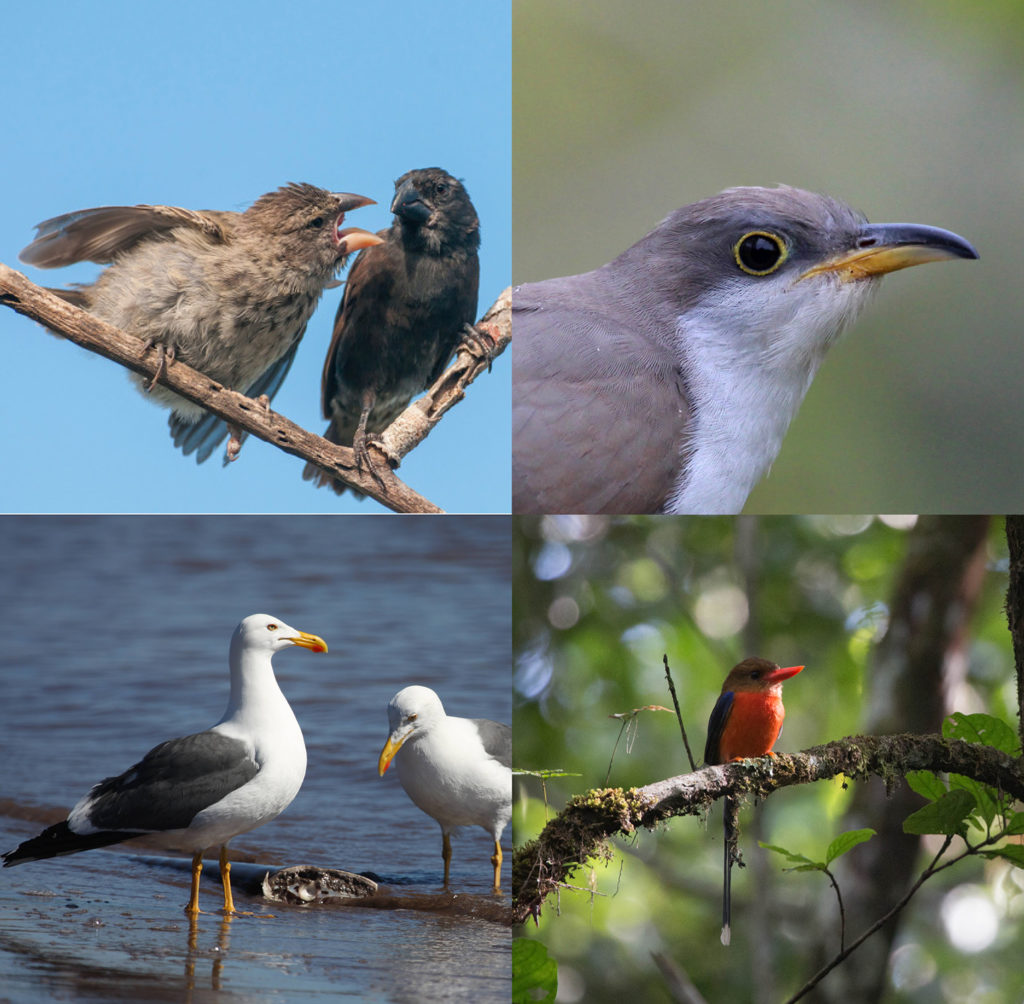
four photos of birds with different colored beaks
Beak color variation in different bird species.
Top left, a Medium Ground-Finch fledgling with a yellow lower beak begs for food from its parent. Top right, a Yellow-billed Cuckoo. Bottom left, a Yellow-footed Gull with a bright yellow beak and legs. Bottom right, a Brown-headed Paradise Kingfisher with a bright red beak.
Carotenoid pigments form the basis for red and yellow color in bird beaks and in Darwin’s finch nestlings, a genetic mutation interrupts a key carotenoid processing gene, leading to a bright yellow beak. Photo credit: Tui de Roy – Roving Tortoise Photos (finch) and Erik D. Enbody.

Dr. Leif Andersson, a professor at the Texas A&M College of Veterinary Medicine & Biomedical Sciences (CVMBS) and Uppsala University, and researchers from Uppsala and Princeton universities have uncovered the genetic basis for the yellow beak color of some Darwin’s finch nestlings.

Several species of Darwin’s finch nestlings have a beak color that is either yellow or pink. An unusual feature of the Darwin’s finch beak color is that it is only visible before birds leave the nest; as adults, the beaks of most Darwin’s finches are entirely black due to deposition of melanin.

In their study, published in Current Biology, the researchers tie this beak-color variation to the carotenoid-rich diet consumed by the parents; they believe this finding may provide clues for how differences between species evolve.

Carotenoids form the basis for the colors red, yellow, and orange and are the underlying pigment for much of the enormous variety in color found across birds; in their study, the team discovered a mutation affecting the expression of a key carotenoid pigment gene, which results in carotenoids deposited at a greater rate in the beaks of birds possessing the mutation, leading to the observed yellow color.

Birds are not able to produce carotenoids themselves and obtain them by eating foods that contain carotenoids, such as insects and plants. In fact, much of the variation in beak, leg, and feather colors that can be observed among bird species is due to carotenoids.

The genetic basis for this variation has been poorly understood because there are millions of genetic differences between species and it is really difficult to figure out which ones control the difference in carotenoid pigmentation, according to Andersson.

“It is in fact more difficult than finding a nail in a hay stack,” he said.

However, when variation occurs within species, researchers can use modern genetic tools to identify the variation in DNA sequence that is controlling the difference in the visible phenotype.

By sequencing the full genome of hundreds of birds with yellow (with carotenoids) and pink (lacking carotenoids) beaks, the researchers found that the only consistent difference was a single base change in the protein-coding gene BCO2 (Beta-Carotene Oxygenase 2) that causes carotenoid oxidation (breakdown).

“It’s a really interesting gene that degrades a certain type of carotenoid. The finches that have the genetic mutation we identify express this gene at a lower amount, leading to the yellow carotenoid pigment being deposited in the beak,” said Erik Enbody, a postdoctoral fellow working in Andersson’s lab at Uppsala University.

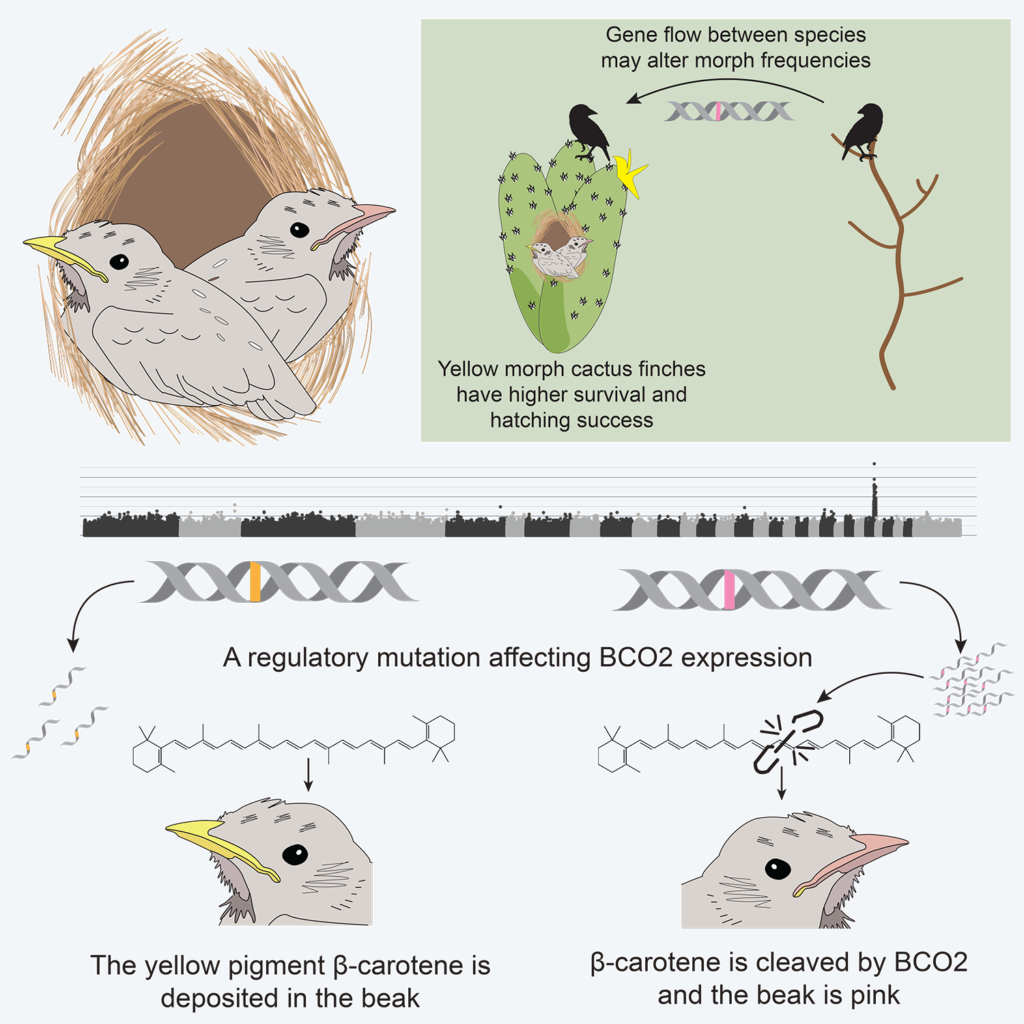
graphic showing the differences in gene expression in finches with yellow vs. pink beaks
Graphical overview of the study describing how the researchers identified the genetic mutation associated with the yellow beak morph. The inset highlights ecological associations with the yellow beak morph, including higher survival and hatching success. Photo credit: Current Biology.

“We first discovered the importance of BCO2 for controlling carotenoid pigmentation in vertebrates when we showed that domestic chickens with yellow legs do not express this enzyme in their skin due to a regulatory mutation in BCO2,” Andersson said. “Since then, it has become apparent that BCO2 is a master regulator for carotenoid pigmentation in vertebrates, as illustrated in the present study.”

The mutation is present across species of Darwin’s finches on the Galápagos Islands, which allowed the researchers to identify the origin of the mutation approximately 500,000 years ago. This means that the mutation controlling beak color predates the origin of many present-day Darwin’s finch species.

The researchers used samples collected by Peter and Rosemary Grant at Princeton University to track the beak color variation in Darwin’s finches across 40 years on a small island in the Galápagos.

The Grants suspected that the prevalence of this mutation was impacted by a variety of factors, such as the amount of carotenoids in a population’s diet.

“We found that the beak color of the cactus specialist finch, the Common Cactus Finch, varies with the availability of cacti on the island,” they explained. “As carotenoids are present in the pollen and nectar of Opuntia cactus flowers, which the cactus finches consume, they may influence how common the yellow beak color is in nestlings.”

They also hypothesize that finches carrying the yellow beak mutation have a higher hatching success due to the increased carotenoids in their eggs’ yolk.

“It is important to notice that the metabolism of carotenoids has important implications because the degradation of carotenoids leads to the release of Vitamin A,” Andersson said. “Thus, storage of carotenoids in the beak and skin for subsequent release may be beneficial for health. It is interesting that the yellow gene variant has a high frequency in the Common Cactus Finch, a species that feeds on pollen and nectar from Opuntia cacti that is particularly rich in carotenoids.”

“Variation within species may provide clues for how differences between species evolve, and these findings in Darwin’s finches suggest that the selective advantage of presence/absence of carotenoid pigmentation may be related to diet,” Enbody said.

###

For more information about the Texas A&M College of Veterinary Medicine & Biomedical Sciences, please visit our website at vetmed.tamu.edu or join us on FacebookInstagram, and X.

Contact Information: Jennifer Gauntt, Director of VMBS Communications, Texas A&M College of Veterinary Medicine & Biomedical Sciences, jgauntt@cvm.tamu.edu, 979-862-4216

This Little Piggy Had A Healthy, Balanced Diet: Avoiding Pig Obesity

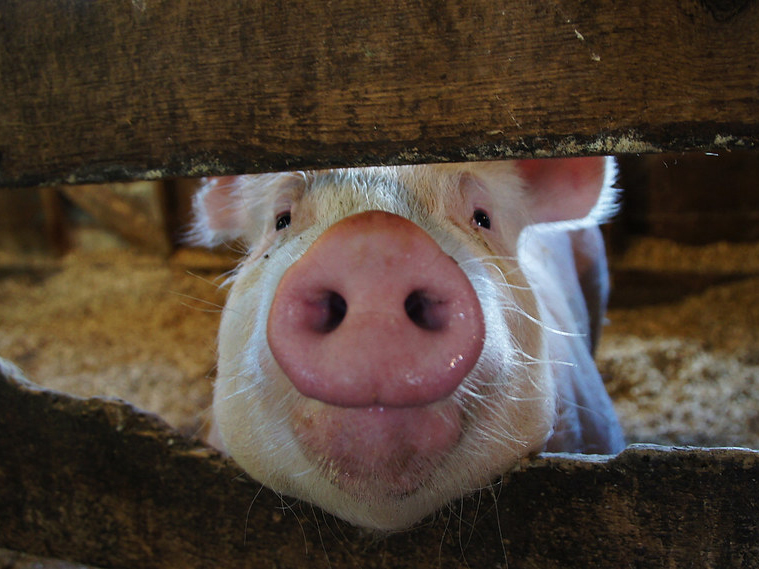
A pig looking at the camera through a fence

The age-old saying “you are what you eat” is not an exception for our swine friends.

Even though pigs are primarily portrayed as round and plump, this may not be the healthiest lifestyle for them.

Dr. Evelyn MacKay, a clinical assistant professor at the Texas A&M College of Veterinary Medicine & Biomedical Sciences, offers some guidance on healthy pig weight, how to maintain it, and the consequences of not doing so.

According to MacKay, a healthy weight may look different in appearance, depending on the breed of pig.

While many breeds, such as the Vietnamese pot-bellied pig, characteristically possess a round belly, all pigs should have a “waistline” when viewed from above.

Many veterinarians turn to the Body Condition Score (BCS), which allows the veterinarian to visually assess an animal based on their shape and the amount of fat they have and categorize them as ideal, over-, or underweight.

“When evaluated on BCS scale of one through nine, a healthy pig will be a BCS of four to six,” MacKay said.

Fat deposits are a tell-tale sign of surplus weight gain. Pigs with obesity have fat deposits around their eyes; the development of these deposits can lead to what is called “fat blindness,” which occurs when the pig’s upper lids/brows cover their eyes.

“A pig should not have so much fat that it obscures the pig’s vision, causes its belly to drag on the ground, or makes rolls on its face or neck,” MacKay said. “Healthy pigs are active, vocal, and engaged with their environment.” 

Pigs that have gained an overabundance of weight become less active and more sedentary.

When overweight, pigs are much more likely to struggle with lameness and unwillingness to rise. This change in behavioral lifestyle can quickly lead to a string of unwanted health problems.

“Extra weight puts more strain on their joints and can cause them to be less active,” MacKay said. “This then creates a vicious cycle of weight gain and decreased activity.”

In addition, pigs, and especially pot-bellied pigs, are naturally prone to arthritis as they age due to their conformation, including small legs and large body size.

When it comes to a healthy diet, the stereotype of pigs eating “slop” or garbage could not be more wrong.

Pigs should be fed a balanced diet formulated to meet their specific nutrition requirements, such as a commercial pelleted diet formulated for mini pigs. Starchy or sugary goods such as oatmeal or sweet fruits should be avoided or fed in very limited amounts.

For a low-calorie treat, pet owners can try feeding their pigs watermelon, celery, leafy greens, and carrots.

For guidance on pig nutrition and addressing the needs of overweight pigs, MacKay encourages pet owners to consult with their veterinarian.

“Weight loss should be gradual and not in excess of 0.5-1% of bodyweight per week,” she said.

Integrating daily activity to a pig’s routine can better help pet owners balance the scales.

This can come in the form of teaching pigs tricks; constructing puzzles with their food; giving them a small mud wallow or kiddie swimming pool to play in; or training them to walk on a harness.

“Preventing inappropriate weight gain is always easier than getting a pig with obesity pig to lose weight,” MacKay said. “Having regular wellness examinations with a veterinarian and discussing the appropriate amount to feed a pet pig from a young age will help prevent obesity and ensure that pet pigs can maintain a healthy weight and enjoy maximum quality of life.”

Knowing the needs of their animals and working hard to maintain them is important for pet owners. Through a balanced diet and regular activity, owners can help their pigs live a long, active, and healthy life.

Pet Talk is a service of the College of Veterinary Medicine & Biomedical Sciences, Texas A&M University. Stories can be viewed on the web at vetmed.tamu.edu/news/pet-talk. Suggestions for future topics may be directed to vmbs-editor@tamu.edu.
CVMBS Professor Named 2021 Texas A&M Presidential Impact Fellow

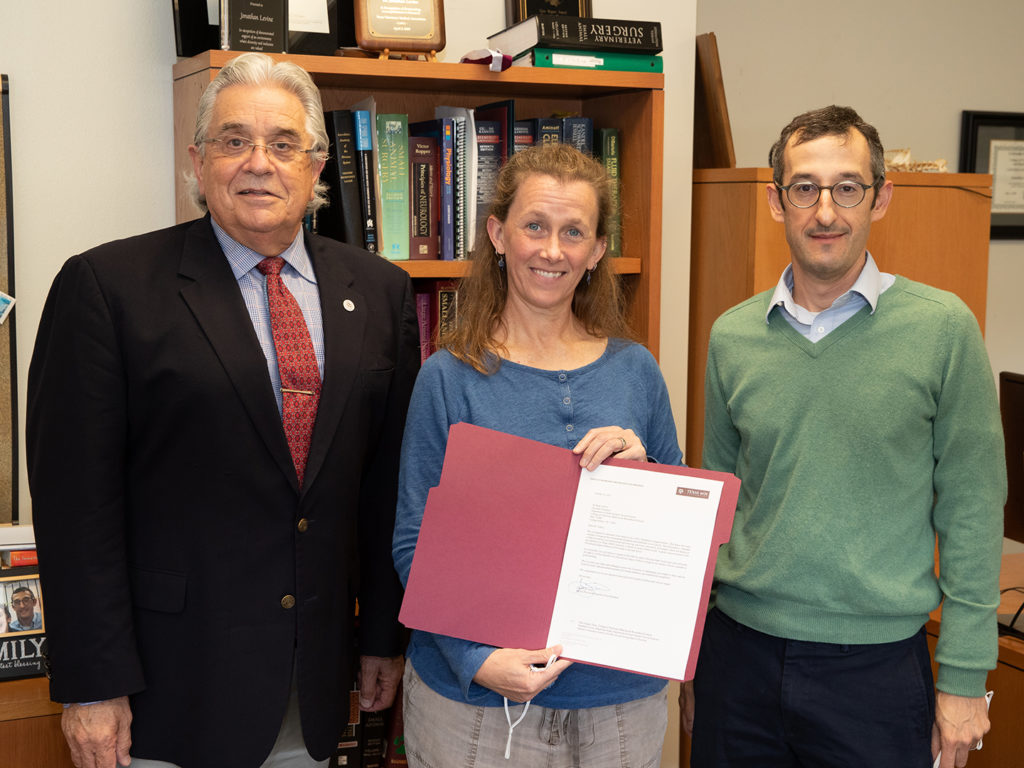
August, Creevy holding her selection letter, and levine
CVMBS dean Dr. John August, Dr. Kate Creevy, and VSCS department head Dr. Jon Levine

Dr. Kate Creevy, a professor in the Texas A&M College of Veterinary Medicine & Biomedical Sciences’ (CVMBS) Department of Small Animal Clinical Sciences (VSCS), is one of 20 faculty members from across Texas A&M University to be selected as a 2021 Presidential Impact Fellow.

The award, established in 2017, recognizes those who are leaders in their fields and who embody the university commitment to advancing knowledge through transformational learning, discovery, innovation, and impact for Texas and the world.

Creevy is recognized globally as a leader in the growing field of veterinary gerontology through her role as chief veterinary officer of the Dog Aging Project, a multi-institutional community science research project dedicated to understanding the biological and environmental determinants of canine aging, with an additional long-term goal of applying this knowledge to the study of human aging, as well.

“Research in veterinary medicine has changed over the last decade to include more opportunities to do work that directly impacts human health. Dr. Creevy is at the forefront of this movement and she is rapidly becoming recognized as an example of what is truly possible in an era of canine-focused human health research,” one nominator said. “She also has a true passion for our profession, the well-being of all species, and the future generation of veterinary clinician-scientists. She is truly deserving of this honor, not only because of her current accomplishments, but because of her outstanding future promise.”

Creevy earned her Doctor of Veterinary Medicine (DVM) degree from the University of Tennessee College of Veterinary Medicine and then completed a small animal internship at the University of Minnesota, cancer research fellowship at the National Cancer Institute, and small animal internal medicine residency at the University of Georgia.

She began her career in veterinary education at the University of Georgia before joining the CVMBS in 2016 as an associate professor and clinician in the Texas A&M Small Animal Teaching Hospital’s internal medicine service.

“Dr. Creevy’s pioneering efforts are leading the way in a new field of scientific discovery at the interface of biological aging and veterinary science,” another nominator said. “Her work has the potential to transform clinical practice as it applies to older animals, as well as provide key insights into human health and longevity. She consistently demonstrates a truly impressive level of highly rigorous research, outstanding mentorship of her trainees, and compassionate care for her patients.”

Creevy will receive an annual stipend of $25,000 for three years and retain her new title for life, as long as she remains a faculty member in good standing.

As part of the fifth class of Presidential Impact Fellows, she joins more than 75 colleagues in receiving one of the most prestigious scholarly impact awards presented to Texas A&M faculty.

She joins Drs. William Murphy, Michael Criscitiello, and Albert Mulenga in representing the CVMBS as Presidential Impact Fellows.

###

For more information about the Texas A&M College of Veterinary Medicine & Biomedical Sciences, please visit our website at vetmed.tamu.edu or join us on FacebookInstagram, and X.

Contact Information: Jennifer Gauntt, Director of VMBS Communications, Texas A&M College of Veterinary Medicine & Biomedical Sciences, jgauntt@cvm.tamu.edu, 979-862-4216

Texas A&M Seeks Dogs With Cardiac Condition For Study On Heart Drug

Researchers aim to determine if rapamycin can be used to treat preclinical dilated cardiomyopathy, the second most-common acquired cardiac disease in dogs.

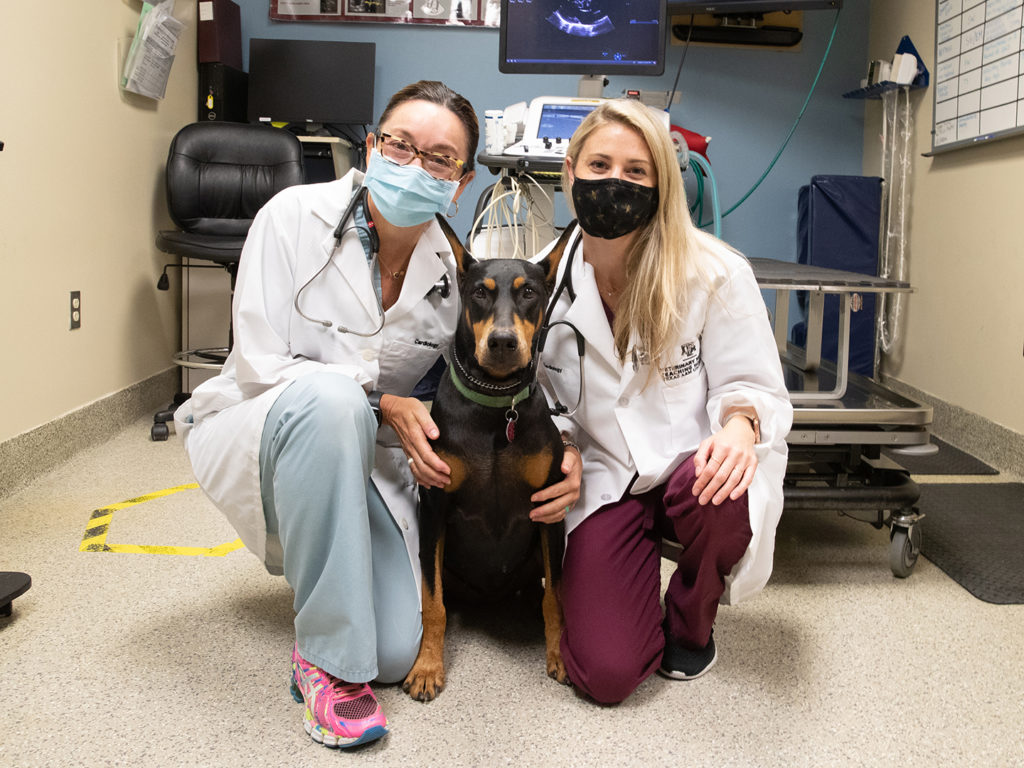
Gordon and Malcolm with a Doberman
Dr. Sonya Gordon and Dr. Elizabeth Malcolm

Dilated cardiomyopathy (DCM) is the second most-common acquired cardiac disease in dogs.

In its early stage, called the preclinical stage, dogs are apparently healthy to their owners, but beneath the surface, DCM causes a progressive enlarging and weakening of dogs’ hearts. Over time, dogs with DCM will progress to the disease’s clinical phase and develop congestive heart failure (fluid in the lungs).

But what if owners of dogs with DCM had the ability to extend the amount of quality time they spend with their beloved four-legged friends?

Through The REPAIR Study (Rapamycin Treatment in Preclinical Canine Dilated Cardiomyopathy), cardiologists at the Texas A&M College of Veterinary Medicine & Biomedical Sciences’ (CVMBS) Small Animal Teaching Hospital (SATH) are investigating the use of the drug rapamycin in dogs with preclinical DCM.

Rapamycin, which will be distributed by the Ireland-based company TriviumVet, is a drug that affects both the immune system and metabolism; it has been shown to improve heart function and reverse age-related changes in rodents with heart disease.

“The primary objective of our study is to determine if rapamycin is safe for use in dogs with preclinical DCM, as well as to evaluate the effects of this medication on heart size and function in these dogs,” said Dr. Elizabeth Malcolm, an SATH cardiology resident whose work on The REPAIR Study is part of her residency research.

To complete this study, the SATH is looking to enroll 12 dogs with preclinical DCM—no more than six Doberman Pinschers (the breed most commonly affected by DCM) and up to two dogs of any other breed.

Eligible dogs must be older than 3 years, be on a stable dose of pimobendan (Vetmedin) for at least 60 days prior to the screening examination, have no evidence of congestive heart failure, and not be receiving diuretic (furosemide) medication.

“We know that despite proof that pimobendan (Vetmedin) can delay the onset of heart failure and death, disease progression is relentless and dogs with DCM are still destined to die from this disease,” said Dr. Sonya Gordon, cardiology professor, Eugene Ch’en Chair in cardiology and principal investigator for The REPAIR Study. “Pimobendan treatment works by reducing heart size and improving function, essentially resetting the clock; however, that clock continues to tick. We are optimistic that the addition of rapamycin will yield additional benefits that translate into increased health span and lifespan in dogs with preclinical DCM.

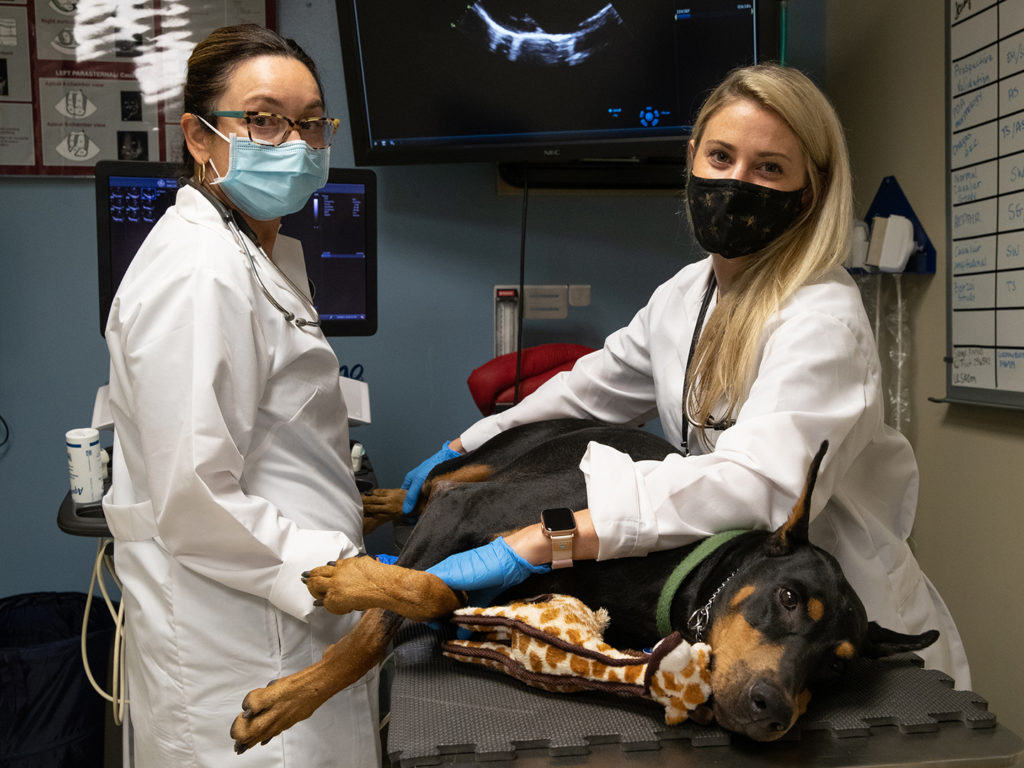
Gordon and Malcolm with a doberman lying on an exam table

“For this study, we require participants to continue to receive pimobendan because it is proven to be beneficial and represents the current standard of care; we are just adding rapamycin,” Gordon said. “Living longer is great, but the real goal is to live better—that’s what health span is all about; it is the part of life when you feel great, even if you have disease.”

“As a cardiology resident, I see firsthand how devastating DCM is for patients and their owners. While pimobendan is an important medication that has been shown to have significant beneficial effects in dogs with DCM, we must continue to investigate additional therapies with the potential of increasing longevity, as well as enhancing the quality of life in dogs with this heartbreaking disease,” Malcolm said.

Those selected to participate in the trial will take a pill three times a week and will be required to visit the SATH for enrollment screening, as well as three additional times over six months.

“While this trial will hopefully lead to larger studies, it’s important for owners to know that if the drug works, their dogs would be eligible to continue to receive chronic treatment with rapamycin,” Gordon said.

There will be no cost to owners of dogs participating in this trial; TriviumVet, the sponsor, will cover the costs for diagnostic testing, rapamycin, and Vetmedin for the duration of the study.

“This is a really stand-up company. They are all about the dogs and they have a potential game changer here, because if it works it’s going to have a far-reaching impact,” Gordon said. “If we move forward with a larger study after this investigational study, Texas A&M will serve as the lead investigational site.”

Rapamycin has been approved by the Food and Drug Administration (FDA) for human use and has been used safely for decades. While cardiac disease such as DCM is not among the labeled indications for which the drug is currently prescribed in humans, Gordon and Malcolm believe this trial could have important implications in human medicine given the similarities of heart disease among dogs and humans.

“We are delighted to be able to bring our proprietary, novel veterinary rapamycin formulation to clinical trials in dogs and cats for a multitude of diseases,” said TriviumVet CEO Louise Grubb. “Our partnership with Texas A&M for The REPAIR Study has been an incredible synergy given their cardiology expertise and passion for research. The potential of this drug is far-reaching and we look forward to continuing our research with Texas A&M across cardiology and other target disease areas.”

Owners with dogs diagnosed with preclinical DCM—including those diagnosed within the past two years—that are interested in enrolling their dogs in this study should email tamucardiology@cvm.tamu.edu with REPAIR Study in the subject line.

For more information, including the list of exclusion criteria, visit the CVMBS’ Clinical Trials webpage.

###

For more information about the Texas A&M College of Veterinary Medicine & Biomedical Sciences, please visit our website at vetmed.tamu.edu or join us on FacebookInstagram, and X.

Contact Information: Jennifer Gauntt, Director of VMBS Communications, Texas A&M College of Veterinary Medicine & Biomedical Sciences, jgauntt@cvm.tamu.edu, 979-862-4216

VERO Faculty Member Recognized As ‘Visionary Of The Year’

Dr. Dan Posey portrait
Dr. Dan Posey

Dr. Dan Posey, the director for Student Recruitment and Professional Relationships at the Texas A&M College of Veterinary Medicine & Biomedical Sciences (CVMBS), has received the Southwest Veterinary Symposium’s (SWVS) 2021 Visionary of the Year Award for his contributions to veterinary education.

The award is presented annually to an individual recognized by the profession for their active engagement in a private, public, or corporate veterinary practice and whose contributions elevate the standards and goals of veterinary medicine.

Beyond his administrative role, Posey serves as a clinical professor in the CVMBS’ Department of Large Animal Clinical Sciences (VLCS) and is a part of the Veterinary Education, Research, & Outreach (VERO) faculty team located in Canyon, Texas.

“Drs. Posey and Griffin created the VERO program through vision and hard work to serve the state of Texas and its industries,” said Dr. Susan Eades, CVMBS professor and associate dean for administration at VERO. “Dr. Posey is a passionate and skilled educator and has developed a partnership with West Texas A&M University that has been vital to launching the VERO program. Dr. Posey has worked hard to create a program that has impact on the community, industry, and veterinary profession.”

Posey’s primary interests in veterinary medicine include beef cattle production medicine, sustainable agriculture, and teaching.

“Dr. Posey has a long history of commitment to providing veterinary medical support to rural communities and agricultural producers,” said Dr. Wesley Bissett, interim department head of VLCS. “He has been vital to the efforts of creating the VERO program, which is focused on ensuring that our students are ready to serve in these sectors. ‘Visionary’ describes him perfectly.”

He earned his Doctor of Veterinary Medicine from Texas A&M University in 1982 and spent 20 years at a private, general veterinary practice in rural Madison County, Texas, before moving into higher education.

He joined the CVMBS in 2002 and served in several administrative roles in College Station before moving to Canyon to help launch the VERO program. There, he also has a joint appointment as a clinical professor in West Texas A&M University’s (WT) Paul Engler College of Agriculture and Natural Sciences.

Outside of his roles as an educator and administrator, he also serves as the veterinarian for the WT Research Feedlot and Nance Ranch.

Posey is an active member in the Texas Veterinary Medical Association (TVMA), having served on the bovine and membership committees, the board of directors, the executive committee, and as a past president.

He was nominated for the award by the TVMA, selected as the recipient by the SWVS Awards Committee, and presented with the Visionary of the Year Award at the SVWS President’s VIP Reception.

The SWVS provides continuing education for veterinary professionals in the Southwest region of the nation, including Arkansas, Louisiana, New Mexico, Oklahoma, and Texas. The annual symposium includes exhibits, interactive labs, and social activities for DVMs, RVTs, hospital personnel, veterinary and technician students, and suppliers who provide the products and services that support veterinary medicine.

###

For more information about the Texas A&M College of Veterinary Medicine & Biomedical Sciences, please visit our website at vetmed.tamu.edu or join us on FacebookInstagram, and X.

Contact Information: Jennifer Gauntt, Director of VMBS Communications, Texas A&M College of Veterinary Medicine & Biomedical Sciences, jgauntt@cvm.tamu.edu, 979-862-4216