Tech Entrepreneurs Pledge $2.5 Million To Dog Aging Project

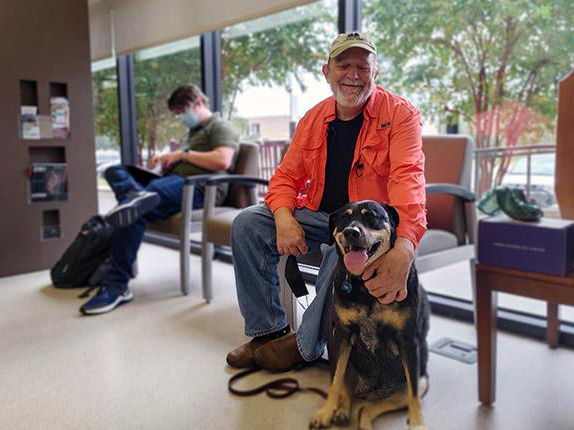
A man and mixed breed dog in the Small Animal Teaching Hospital lobby
Zoe, one of the participants in the Dog Aging Project, with her owner.

The Dog Aging Project, a scientific initiative to help companion dogs and people live longer, healthier lives together, has received a $2.5 million pledge from a consortium of tech entrepreneurs.

The Dog Aging Project brings together a community of dogs, owners, veterinarians, researchers, and volunteers to carry out the largest canine health study in the world. The donation will expand this research into longevity science.

The donors include Brian Armstrong, Coinbase founder and CEO; Peter Attia, physician; Juan Benet, Protocol Labs founder and CEO; Fred Erhsam, co-founder of Paradigm and Coinbase; Adam Fisher of Bessemer Venture Partners; author Tim Ferriss and the Saisei Foundation; Jed McCaleb, Stellar co-founder and CTO and founder of the Astera Institute; and food author Darya Rose and internet entrepreneur Kevin Rose.

The Dog Aging Project has two fundamental goals: first, to understand how genes, lifestyle, and environment influence aging; and second, to intervene to increase healthspan, the period of life spent free from disease. Discoveries made by the Dog Aging Project could be translatable to people.

More than 32,000 companion dogs and their owners are already part of the Dog Aging Project. All the dogs live and play at home with their families. Most of these dogs participate in the observational Longitudinal Study of Aging. Each dog owner completes extensive surveys about the health and life experience of their dog through a secure research portal. This information is paired with comprehensive environmental, genetic, and biochemical data to yield insights about aging.

In addition, the Dog Aging Project is conducting a double-blind, placebo controlled, veterinary clinical trial of the medicine rapamycin, which at low doses has been shown to extend lifespan in laboratory animals. The trial is called TRIAD, an acronym for Test of Rapamycin in Aging Dogs.

The $2.5 million in new funding provided by the consortium of donors will go directly to scientific research. This support will allow the Dog Aging Project to expand the TRIAD Trial to include more study locations and to increase the number of dogs enrolled in TRIAD.

“Targeting biological aging is 21st century medicine, with the potential to greatly enhance healthy longevity for both people and our pets,” said Dr. Matt Kaeberlein, co-director of the Dog Aging Project. “TRIAD will provide the first clinical evaluation of an intervention that may increase lifespan and healthspan from this approach. This generous donation will greatly accelerate our research and bring us closer to this goal.” Kaeberlein is a professor of pathology and laboratory medicine at the University of Washington School of Medicine.

All dogs in the United States, excluding territories, are welcome to join the Dog Aging Project observational study. Participating dogs can be young or old, mixed breed or purebred, those in good health and those with chronic health conditions. People can enroll their dog at www.dogagingproject.org. To be eligible for TRIAD, owners must complete all surveys, upload veterinary medical records, and be willing to travel to one of the participating clinical sites where their dog will be screened for disqualifying health conditions.

Led by scientists at the University of Washington and Texas A&M University, the research team includes more than 70 researchers and veterinarians from over 20 academic institutions around the country. This is an open science project. The data collected by the Dog Aging Project will be made available to researchers around the world via Terra, a cloud computing platform hosted by the Broad Institute of MIT and Harvard. In addition, biological samples will be banked at the Dog Aging Project Biobank housed at the Cornell University Veterinary Biobank.

###

For more information about the Texas A&M College of Veterinary Medicine & Biomedical Sciences, please visit our website at vetmed.tamu.edu or join us on FacebookInstagram, and Twitter.

Contact Information: Jennifer Gauntt, Director of CVMBS Communications, Texas A&M College of Veterinary Medicine & Biomedical Sciences, jgauntt@cvm.tamu.edu, 979-862-4216; Leila Gray, 206.475.9809, leilag@uw.edu
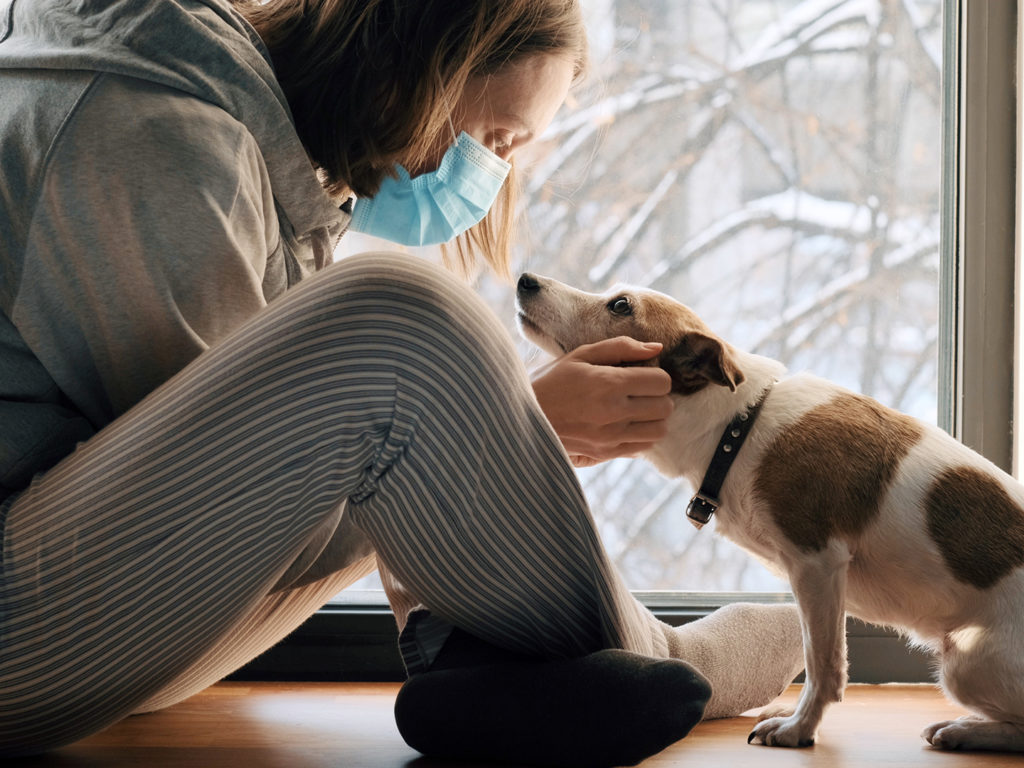
Does The COVID-19 Omicron Variant Spread Affect Pets?

woman wearing a mask looking into her dog's eyes

With the holiday season winding to a close, COVID-19 cases are spiking across the country. As pet owners quarantine, questions of pet safety against this disease and the quickly spreading omicron variant continue to arise as well.

Drs. Sarah Hamer and Lori Teller, both associate professors at the Texas A&M College of Veterinary Medicine & Biomedical Sciences, offer insight on how the spread of the omicron variant may affect pets and the precautions owners should take.

Hamer, who has been leading a research team in examining how COVID-19 is impacting our pets since summer 2020, said she anticipates dogs and cats will continue to be exposed to the same strains of COVID-19 that are circulating in humans.   

“In our study here at Texas A&M University, we have sampled more than 580 household pets that all live where at least one person was infected with COVID-19, and we confirmed infections in about 100 animals,” Hamer said. “As far as we know, pet infections result from spillover from humans; infected people who share space with their pets can infect their pets, just as humans can infect other people.”

Hamer’s research team has discovered that some of the variants that have circulated among humans have also been present in their animals; because omicron is transmitted among humans much easier than other variants, researchers suspect it is likely to transmit easier among pets as well.

“Our team was the first to find the alpha variant of concern in a pet dog and cat that had mild symptoms of disease—just some sneezing that resolved after several days,” Hamer said. “Fortunately, our active surveillance is revealing that COVID infections in animals are generally not major concerns for the health of dogs and cats, as only about one-quarter of the infected animals were reported to have signs of disease by their owner, and in all cases, they were mild.

“However, considering these high rates of omicron variant transmission, it is important that pet owners realize animals are susceptible to infection, just like other humans, so that they can isolate from their animals if they develop symptoms, are awaiting test results, or get a positive result,” Hamer said.

Pets with COVID-19 typically exhibit mild upper respiratory signs, according to Teller; any pet   suspected to have COVID-19 should be examined by their veterinarian.  

“Most pets will not be symptomatic, but if a pet has been exposed to someone with COVID, and the pet exhibits signs of a respiratory infection, then testing for a variety of pathogens that cause respiratory disease can be checked,” Teller said. “Your veterinarian can request that COVID be included in the respiratory panel.

“Generally, if an animal is symptomatic, the symptoms are mild, and the pet can be treated with supportive care,” Teller said. “This includes plenty of rest and fluids and, on occasion, anti-inflammatory medications to reduce any discomfort.”

Teller said that because avoiding all contact with a pet while isolating may be difficult for some pet owners, it is OK if owners need to keep their pets at home with them.

“Pets are a tremendous source of comfort, especially when we are sick, and we understand that you may want share a brief snuggle with your pet,” Teller said. “Talk to your veterinarian–if your pet is healthy and your veterinarian agrees, take appropriate precautions and enjoy a short time of togetherness.”

Around the world, many mammal species in zoos have been confirmed as infected with COVID-19. While many of these animals are now being vaccinated, these vaccines currently are not being considered for household pets.

Although COVID-19 continues, medical teams and researchers, alike, are learning new ways to better protect both human beings and those around us, including our furry friends, from this disease. By continuing to get tested and self-isolating when needed, together, we can work to prevent the spread of COVID-19.

Pet Talk is a service of the College of Veterinary Medicine & Biomedical Sciences, Texas A&M University. Stories can be viewed on the web at vetmed.tamu.edu/news/pet-talk. Suggestions for future topics may be directed to vmbs-editor@tamu.edu.

Texas A&M VERO Representatives Share Inspiring Research At International Conference

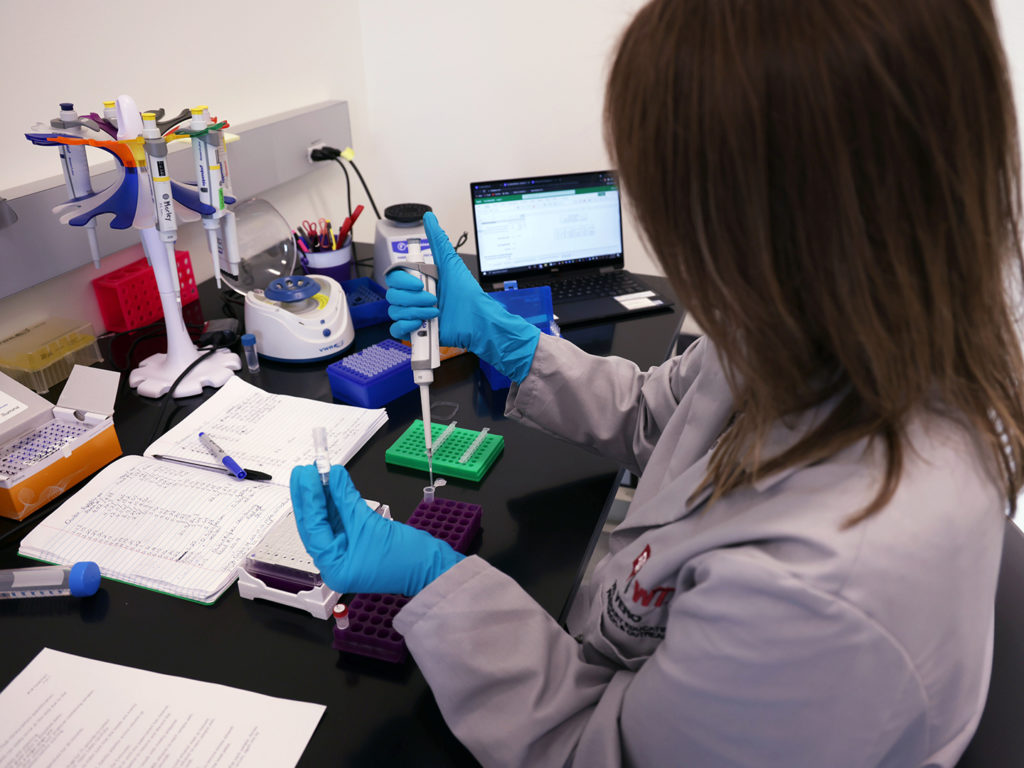
researcher in white coat working with pipette in VERO lab
The VERO Program is currently studying numerous aspects of cattle health.

Researchers from the Texas A&M College of Veterinary Medicine & Biomedical Sciences’ (CVMBS) Veterinary Education, Research, & Outreach (VERO) program recently shared 12 abstracts detailing their work on topics ranging from common diseases in feedlot cattle to the calf microbiome during the Conference of Research Workers in Animal Diseases.

The team of four faculty members, one postdoctoral researcher, and five students participated in the conference, held Dec. 5-7 in Chicago, to present on the food animal research happening at VERO, which has the potential to greatly benefit the global feedlot industry.

“The presentations by VERO faculty and students at the Conference of Research Workers in Animal Disease are exemplary of the ground-breaking ongoing in the VERO research program,” said Dr. Susan Eades, VERO associate dean for administration. “Drs. (Paul) Morley, (Sarah) Capik, (Matthew) Scott, and (Robert) Valeris-Chacin each bring a specific expertise to this strong research team that leverages collaborations across the Texas A&M System, Texas A&M AgriLife, and regional partnerships. The team is active in projects that will enhance cattle health and increase sustainability of cattle industries.”

“All of the presentations were truly excellent, and I could not be prouder of our body of work and the great representation by the speakers,” said Dr. Paul Morley, VERO director for food animal research. “All of this work was dependent upon active collaborations among scientists from Texas A&M University, West Texas A&M University (WT), Texas A&M AgriLife, multiple other universities, and a large number regional stakeholders, so it truly represents the spirit that we are working to grow in the VERO partnership.”

Enhancing Cattle Health

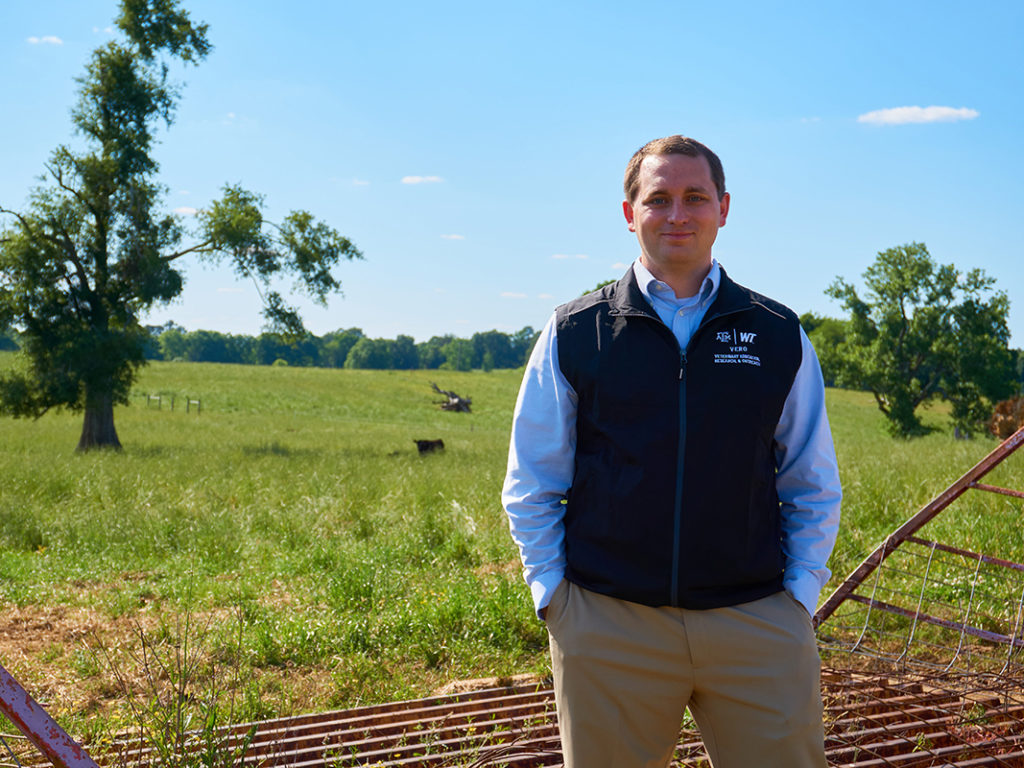
Dr. Matthew Scott in front of a field
Dr. Matthew Scott

Two of the research abstracts were presented by Dr. Matthew Scott, an assistant professor of microbial ecology and infectious disease at VERO, who is actively studying bovine respiratory disease (BRD), the leading disease complex in cattle.

During the conference, he discussed his findings on the disease, which included new methods for predicting BRD before clinical signs appear.

In his first project, Scott used digital mRNA profiling to analyze the individual gene expression levels for seven populations of healthy cattle. He was able to determine, with 90% accuracy, genomic patterns found in animals that would go on to develop severe BRD and require multiple antibiotic treatments.

Scott’s second project created a computational network to identify co-expressed genes that are highly associated with BRD development and already active when the cattle arrive at a new facility.

Both of these projects were funded by the U.S. Department of Agriculture’s National Institute for Food and Agriculture.

“We’re very excited about the findings of these projects and are using them as a foundation for future studies that will hopefully provide a method or test that can predict disease on a herd-by-herd basis,” Scott said.

Providing Opportunities

The conference was a great opportunity for students to practice presenting their research in an academic setting. Two of the students who attended the conference also received awards for their abstracts.

Taylor McAtee, a WT master’s student and graduate research assistant in Morley’s lab, received the First Place Oral Presentation Award from the American College of Veterinary Microbiologists (ACVM) for her research on the respiratory microbiome of cattle and the fecal microbiome of pre-weaned dairy calves.

Maggie Murphy, a WT Ph.D. student working in Morley’s lab, received a CRWAD Travel Award for her research on the cattle microbiome and how it is impacted by antimicrobial drugs.

Beyond VERO, many other members of the CVMBS attended the conference, including senior professor Dr. Garry Adams, who was invited to give a keynote lecture as the ACVM’s Distinguished Veterinary Microbiologist of 2021.

###

For more information about the Texas A&M College of Veterinary Medicine & Biomedical Sciences, please visit our website at vetmed.tamu.edu or join us on FacebookInstagram, and X.

Contact Information: Jennifer Gauntt, Director of VMBS Communications, Texas A&M College of Veterinary Medicine & Biomedical Sciences, jgauntt@cvm.tamu.edu, 979-862-4216

CVMBS Faculty Members Honored During Annual Holiday Party

Four faculty members at the Texas A&M College of Veterinary Medicine & Biomedical Sciences (CVMBS) were honored with awards during the college’s annual holiday party on Dec. 14.

Dr. Kenita Rogers was named professor emerita and the Association of Former Students at Texas A&M University recognized three faculty members with College-Level Teaching Awards for their talent, expertise, and devotion to creating an outstanding learning environment for students.  

The Association awards were presented by director of campus programs Kelli Hutka ‘97 to Dr. Raquel Rech, clinical associate professor in the Department of Veterinary Pathobiology (VTPB); Dr. Jay Griffin, associate professor in the Department of Large Animal Clinical Sciences (VLCS); and Dr. Timothy Phillips, professor in the Department of Veterinary Integrative Biosciences (VIBS). 

“These awards recognize, encourage, and reward superior classroom teachers,” said CVMBS dean Dr. John August. 

Kenita Rogers

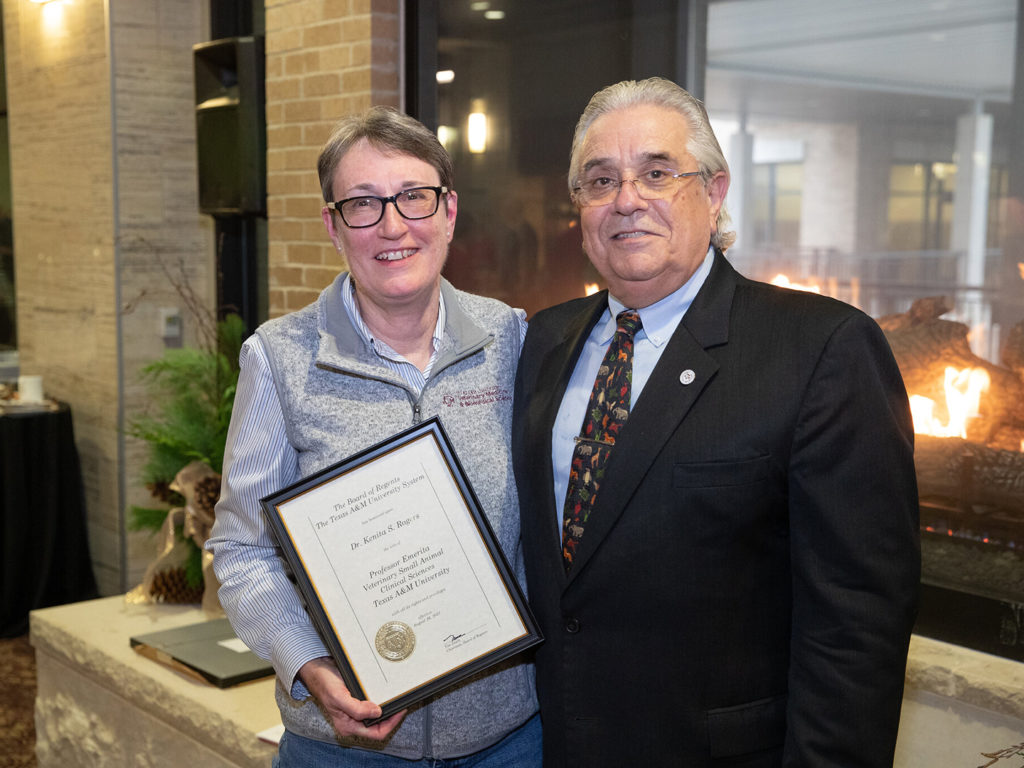
Dr. Kenita Rogers and Dr. John August with Roger's award
Drs. Kenita Rogers and John August

Throughout her career at the CVMBS, Rogers was known as a leader, a champion for diversity and wellness initiatives, and an outstanding clinician. 

“I have known Dr. Rogers for a very long time,” August said. “She has done so many things to help our college—I think first and mostly as a role model, then as an oncologist, an extraordinary teacher, a confidant, and a mentor.”

Rogers retired earlier this year, but has continued to contribute to the CVMBS in a part-time role. Her efforts as leader of the CVMBS Office of Diversity & Inclusion were instrumental in the college receiving five consecutive Higher Education Excellence in Diversity (HEED) awards.

“Being a professor emerita is an extraordinary privilege,” August said. “It’s being honored by one’s peers for a job well done over a very extensive career.”

Raquel Rech

Rech was nominated for being, according to a nominator, “one of the most compassionate and thoughtful individuals I have ever met.”

As an instructor in the fourth-year diagnostics clinical rotation and a pathology course veterinary students take in the first and second years, Rech handles students who are sometimes apprehensive about pathology by putting them at ease and making learning fun, according to one nominator. 

“She is very good at detecting problems students are having and anticipating challenges they will face, even if they are reluctant to discuss their issues openly,” the nominator said. “She is a strong student advocate, always putting their needs at the forefront.”

Rech was previously recognized by the American College of Veterinary Pathologists as Mentor of the Year in 2020. 

Jay Griffin

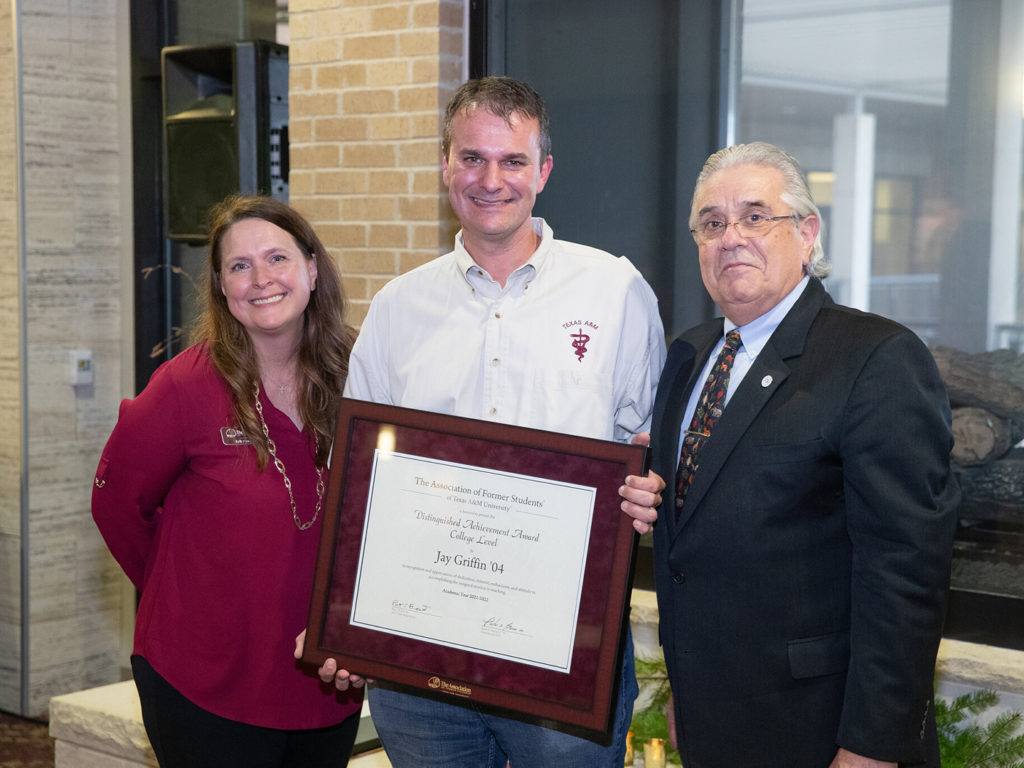
Kelli Hutka, Jay Griffin, and John August with Griffin's award
Kelli Hutka, Dr. Jay Griffin, and Dr. John August

An expert in diagnostic imaging, Griffin is known by his students for going above and beyond their expectations. 

“Not only have I learned the important concepts of veterinary radiology from Dr. Griffin’s lectures, but having worked through dozens and dozens of his real-life examples, I genuinely feel confident and excited about reading radiographs out in the real world of clinical practice,” one nominator said. 

The student went on to say that Griffin’s instruction has been so impactful that they have chosen to take an additional radiology rotation in their fourth year after previously having only a small interest in radiology. 

Another student said that Griffin is a friendly face who always takes the time to keep the students involved while performing ultrasounds on patients. 

“Radiology is no doubt a very challenging subject for vet students to grasp, but I can speak for myself and my classmates when I say that we were always grateful to study and learn from his classes,” the student said.

Timothy Phillips

A professor of toxicology, Phillips was called an “extraordinary educator who teaches his students with unparalleled passion and profound wisdom.” 

Phillips serves on the executive committee for the Interdisciplinary Faculty of Toxicology and has been recognized in the past with a Translational Impact Award from the Society of Toxicology for his work on improving public health. 

One nominator said Phillips’ commitment to innovative thinking was one thing that stuck with them. 

“From the very first day of class, Dr. Phillips encouraged us to think outside the box,” the nominator said. “In fact, our first lecture was on creative thinking, problem solving, and decision making, skills that are essential to every profession. Innovation was a recurring theme of the course as we explored the tenets of food toxicology and safety each week.” 

Each of the three College-Level Teaching Award recipients received a plaque and monetary award.

###

For more information about the Texas A&M College of Veterinary Medicine & Biomedical Sciences, please visit our website at vetmed.tamu.edu or join us on FacebookInstagram, and X.

Contact Information: Jennifer Gauntt, Director of VMBS Communications, Texas A&M College of Veterinary Medicine & Biomedical Sciences, jgauntt@cvm.tamu.edu, 979-862-4216

CVMBS’ Steiner Named 2021 Regents Professor

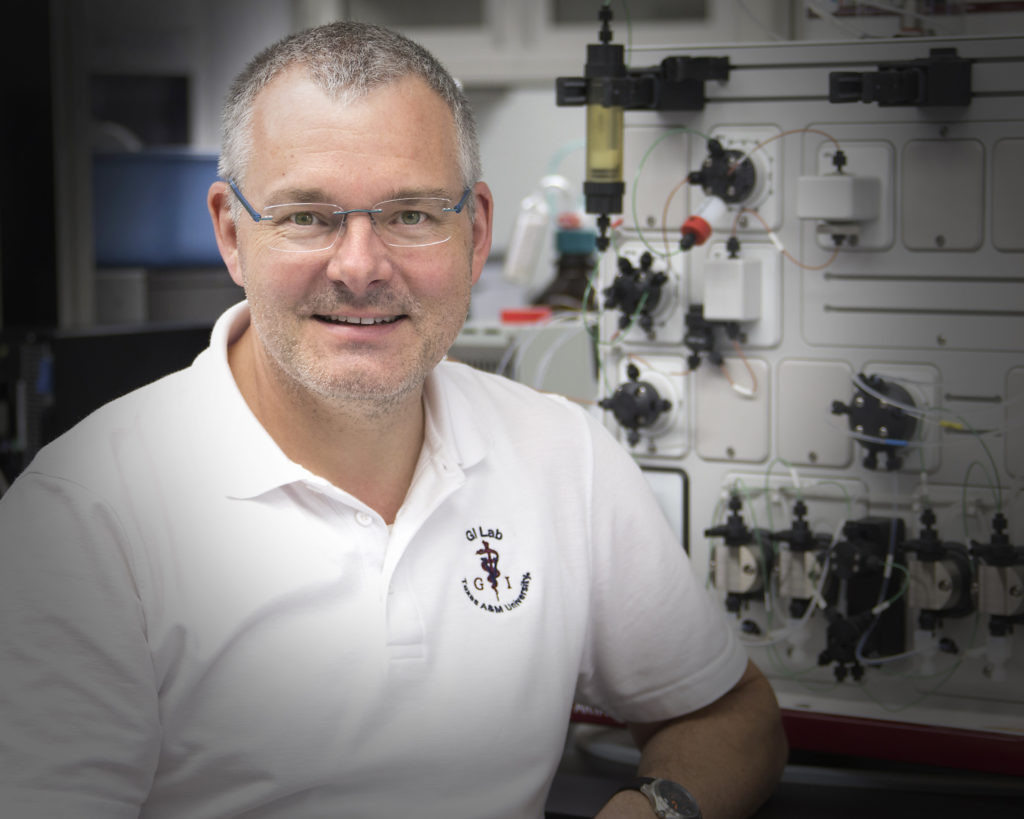
Dr. Jörg Steiner, a University Distinguished Professor within the Texas A&M College of Veterinary Medicine & Biomedical Sciences’ (CVMBS) Department of Small Animal Clinical Sciences (VSCS), is one of six Texas A&M University faculty members to be named a 2021 Regents Professor. 

The designation, the highest honor bestowed by the Texas A&M System on faculty members, recognizes those whose distinguished performance in teaching, research, and service is considered commendable for their impact on their institution or agency, as well as on the community, the state, and/or at the national and international levels.

“Texas A&M University and their entire leadership have supported our work at the Gastrointestinal Laboratory (GI Lab) for over 20 years and it is such a great honor to be recognized as a Regents Professor by the Texas A&M System,” Steiner said. “To be included in such a distinguished group of faculty members is truly humbling and serves as an inspiration to continue the work we do.” 

A small animal and comparative gastroenterologist, Steiner came to Texas A&M in 1997 as a graduate research assistant. After earning his Ph.D. from the CVMBS in veterinary pathobiology in 2000, he joined the faculty as a clinical assistant professor and co-director of the Gastrointestinal Laboratory. In 2005, he was named director of the GI Lab. 

He attained the rank of full professor in 2011 and in 2019 was named a Texas A&M University Distinguished Professor. He also holds the Dr. Mark Morris Chair in Small Animal Gastroenterology and Nutrition within VSCS. 

“In his 24 years at Texas A&M University, Dr. Steiner has distinguished himself as a prolific researcher and an outstanding educator whose impact extends well beyond veterinary medicine; the development of diagnostic tools and research being conducted every day in his GI Lab have made him one of the most recognized and respected veterinary clinician-scientists in the world,” said Dr. John August, CVMBS dean. “This honor is very well-deserved and reflects the pride we feel in Dr. Steiner.” 

Steiner’s scientific contributions and his laboratory impacts the health of hundreds of thousands of animals, their families, and referring veterinarians per year, through testing and professional consulting. 

Among his most notable accomplishments was the development of the pancreatic lipase immunoreactivity (PLI) test, a highly sensitive and specific tool used for the diagnosis of pancreatitis in both dogs and cats, for which he was awarded a worldwide patent in 2005; in the commercialization process, Steiner and IDEXX created the first patient-side test for PLI in cats and dogs, and today, millions of PLI tests are performed through IDEXX. 

“Pancreatitis is an exceedingly common GI disease in dogs that, prior to Dr. Steiner’s discovery, was challenging to diagnose and, therefore, not possible to reliably treat or study,” said Dr. Jonathan M. Levine, VSCS department head, professor, and Helen McWhorter Chair. “Today, nearly every veterinary clinic in the world can offer this test to any client who brings in a pet and this revolutionized our industry and also paved the way for additional research and even treatment of pancreatitis.” 

Steiner also developed the feline TLI test, which is now the recognized gold-standard for the diagnosis of feline exocrine pancreatic insufficiency world-wide, as well as several other diagnostic tests to assess gastrointestinal function. 

In addition, he has helped to define the GI microbiome in the health and disease of many domestic species, which has led to changes in the way intestinal dysbiosis is diagnosed, and he leads in the annual diagnosis of almost 100,000 animals through GI Lab testing and professional consulting.

“Dr. Steiner is an internationally recognized veterinary clinician-scientist, who has revolutionized the field of gastrointestinal (GI) medicine through the development of key diagnostic tests and the performance of clinical trials,” Levine said. “The GI Lab he built and directs—which comprises a team of 50 faculty members, graduate students, postdocs, and staff—contributes to science, provides service to thousands of veterinarians throughout the world, and generates over $9 million in outside funds every year. 

“In addition to his scientific and service-related contributions, Dr. Steiner is an outstanding educator,” Levine continued. “He is responsible for training residents in internal medicine (approximately 25 in his academic career), most of whom have gone on to contribute deeply to our profession.”

Steiner has also served the profession outside of the CVMBS. 

He currently serves on the executive committee of the University Distinguished Professors and the advisory board of the Hagler Institute. He previously served on the board of the Comparative Gastroenterology Society for 13 years, first as secretary and treasurer and then as president. 

He is also completing a term as president of the Small Animal Internal Medicine specialty within the College of Veterinary Internal Medicine (ACVIM) and has just been elected to serve as ACVIM president-elect, starting in January 2022, a commitment that will see him serve as president and chair of the board over the next four years.

Regents Professors function as role models within the Texas A&M University System and, at the request of their chief executive officer or the chancellor, may also serve in ceremonial and professional capacities during System-wide activities.

Steiner will carry the title for the duration of his employment within the A&M System; he will be recognized during a special ceremony held in conjunction with an upcoming Board of Regents.

###

For more information about the Texas A&M College of Veterinary Medicine & Biomedical Sciences, please visit our website at vetmed.tamu.edu or join us on FacebookInstagram, and X.

Contact Information: Jennifer Gauntt, Director of VMBS Communications, Texas A&M College of Veterinary Medicine & Biomedical Sciences, jgauntt@cvm.tamu.edu, 979-862-4216

Teaching An Old Dog New Tricks: Adopting Senior Dogs

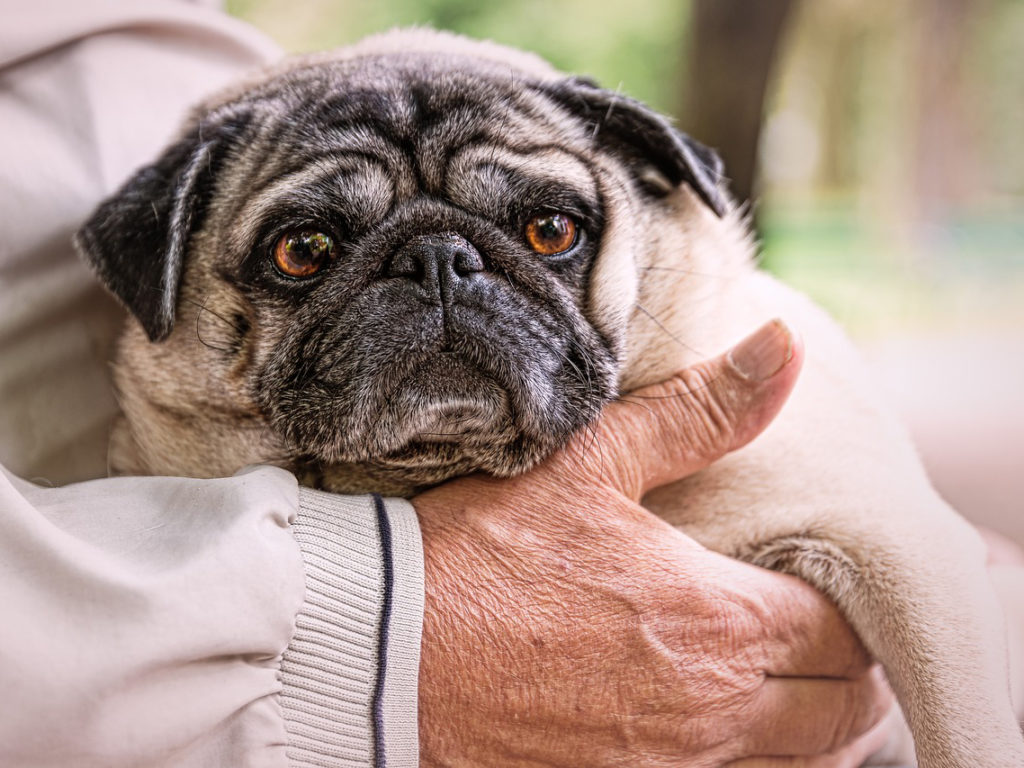
A senior pug being held

The day a family adopts a new dog is exciting for everyone, as dogs get a second chance at a happy life and owners find a new best friend. For senior dogs, especially, being adopted into a comfortable home can make a world of difference for their health and happiness. 

Harmony Peraza, a veterinary technician and project manager for the Texas A&M College of Veterinary Medicine & Biomedical Sciences’ Dog Aging Project, says senior dogs are often overlooked in the shelter for adoption but have the potential to make wonderful pets.

“You will be saving a life and giving a sweet companion a wonderful next chapter,” Peraza said.

Dogs are considered seniors at different age levels depending on their size. Generally, the larger the dog, the earlier they reach their senior years.

Larger breeds such as Labradors, Boxers, or German Shepherds are considered seniors around 7 years old, while smaller dogs such as Chihuahuas, Yorkshire Terriers, or Miniature Poodles are considered seniors around 8 to 9 years of age.

Because senior dogs are fully grown, their personalities are much easier to identify than those of a puppy, allowing them to be more easily paired with a compatible family.

“When adopting an older dog, it is important to discuss the details of your household with the shelter or rescue staff,” Peraza said. “This conversation is the first step in discovering which adoptees will be better matched in a household with kids or other pets.”

It is good practice to introduce new dogs to other pets, family members, and parts of the home slowly, as it can take dogs around three weeks to adjust to a new environment. It is also important that these introductions are always made under close supervision to ensure the safety of everyone involved.

“Many senior dogs have lived in homes before and may be ahead of the curve on good manners and some level of training,” Peraza said. “This possibility, combined with the calm demeanor and greater attention span of an older dog, can make them more receptive to training.”

However, because older dogs are more prone to mobility challenges, it is important for owners to be mindful of stairways or other potentially dangerous areas by using pet gates. Owners may also consider investing in pet stairs to help older dogs onto allowed furniture, as well as a pet ramp for ease in and out of the car.

Similarly, every senior dog comes with its own set of special health considerations.

“Getting your senior dog examined by a veterinarian soon after the adoption is a good idea,” Peraza said. “Because our seniors are aging more quickly than younger dogs, having a baseline for their current state of health is a great start.”

Daily exercise is crucial to a senior dog’s heath, barring any physical disabilities. The intensity of their activity should be appropriately matched with the dog’s stamina and overall condition and level of health.

“Exercise also keeps your older dog cognitively engaged and mentally sharp,” Peraza said.

With just a few extra considerations, a senior dog can provide as much joy, excitement, and love to their new family as a younger dog or puppy would. In return, you can give your new friend a loving and supportive home for their golden years.

“Older dogs have just as much ability to bond and make great memories with a new family as a puppy,” Peraza said. “Consider adopting a senior companion; they have got a great story to tell and so much love to give!”

The Dog Aging Project at Texas A&M is working to understand how genes, lifestyle, and environment influence canine health and aging through research that asks pet owners to complete surveys about their dogs. To learn more, or to enroll your dog, visit https://dogagingproject.org.

Pet Talk is a service of the College of Veterinary Medicine & Biomedical Sciences, Texas A&M University. Stories can be viewed on the web at vetmed.tamu.edu/news/pet-talk. Suggestions for future topics may be directed to vmbs-editor@tamu.edu.

Home For The Holidays: Introducing Your Pets To New Guests

Two kids sitting on a couch with a dog between them

The holiday season is a great time to invite new and old friends, alike, to join in the festivities. But introducing these guests to your pets has the potential to be either an exciting playtime or stressful evening for them.

Dr. Lori Teller, a clinical associate professor at the Texas A&M College of Veterinary Medicine & Biomedical Sciences, offers some guidance on how to introduce pets to new guests in hopes of keeping the holidays enjoyable for everyone. 

“Many dogs and cats may be distressed when there are changes to their environment,” Teller said. “This can be especially apparent when there are guests in your home.”

Typically, distressed pets will try to find a place to hide. This may be another room, under the bed, or in a kennel.

“Pets that can’t find a safe place to disappear may instead become reactive—they could hiss, growl, or even scratch or bite,” Teller said. 

Another telltale sign some animals will exhibit under stress is a change in body posture—tail tucked, ears down, dilated pupils, or hunched over; some may even urinate on the floor.

While new people can be frightening for some animals, not all pets will be hesitant around guests.

“Social animals may be very comfortable greeting each guest as they arrive, whereas others may prefer to join the party once the initial excitement has dissipated and the energy level in the room has stabilized,” Teller said.

“Ideally, pets should be allowed to approach the guest when the pet feels comfortable doing so,” she said. “The guest should be calm, move slowly, and not bend over the pet.”

Similar to an introductory handshake, owners can have their guests extend a closed hand or fist for the pet to sniff. They can also try feeding the pet their favorite treat as a peace offering.

As new people arrive, energetic dogs may have a tendency to jump on guests. If this occurs, guests should turn around and move away from the dog.

“It is never too soon to start training a dog not to jump on people,” Teller said. “If the dog knows the word sit, this can be used as a substitute behavior, but it will only work if the owner is consistent about reinforcing it.”  

Dogs with a history of jumping should either be left in another room or kept on a leash as a preventative measure.

Alongside new guests may also come new younger friends, such as infants or toddlers. Owners should take particular precautions when younger friends come around their animals for the first time.

“If your pet is not used to being around children, especially young ones, it may be best to save introductions for a time when they can be done slowly and in a calm environment,” Teller said.

This can be for the pets’ benefit as much as it is for their human counterpart. Some animals may be spooked by kids who tend to run around and make quick, unpredictable movements, while others may want to join in the fun.

“Young children, especially when excited, may pull an animal’s ears or tail, causing pain and potentially leading to injury,” Teller said.

It is important that this type of play is supervised, as pets also may accidently knock down the child or scratch them when playing.

“If an owner has concerns that their pet may be anxious around guests, they should have a conversation with their veterinarian about some short-term medications to manage their anxiety,” Teller said.

The holidays are a great time for friends and family to come together. Keeping pets’ emotions in mind as their daily routines change is key to helping keep this season the most wonderful time of the year for owners, guests, and our furry friends.

Pet Talk is a service of the College of Veterinary Medicine & Biomedical Sciences, Texas A&M University. Stories can be viewed on the web at vetmed.tamu.edu/news/pet-talk. Suggestions for future topics may be directed to vmbs-editor@tamu.edu.

Holiday Travel With Pets Part 2: How To Safely Fly With Your Pets

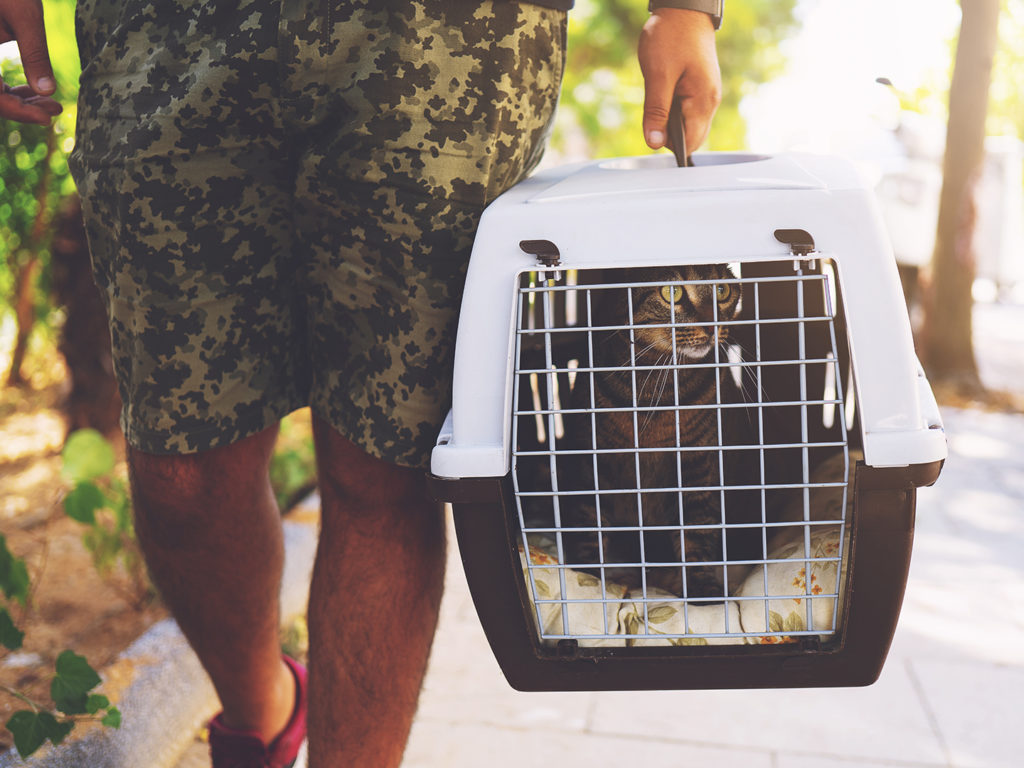
Man walking holding a hard kennel with a cat inside

Whether it be for vacation getaways or seeing family and friends, the holidays are a great opportunity to travel. As people begin to pack their bags for this travel season, owners who plan to take their pets along with them should also begin preparing their furry friends for the travel experience.

Dr. Lori Teller, a clinical assistant professor at the Texas A&M College of Veterinary Medicine & Biomedical Sciences, says that owners wanting to take their pets with them by plane should first check with their airline before booking their flights.

“The only animals that can fly in the cabin are those that fit in a carrier under the seat (for a fee) and service dogs (no fee),” Teller said. “All other pets (i.e., larger dogs) have to fly in cargo in airline-approved, hard plastic crates with ventilation holes.

“Almost all airlines ban brachycephalic dogs (those with a short muzzle and flattened face) from flying, especially in cargo,” she said. “Some airlines ban other breeds as well (such as pit bulls).”

For domestic travel, the United States Department of Agriculture requires that a puppy or kitten be at least 8 weeks old and fully weaned before traveling by air. Airlines also can institute a higher age minimum requirement.

After checking with your airline, owners should check with their veterinarians to ensure that their pets are healthy enough for flying.

“If your pet has a chronic disease, such as diabetes or heart failure, then it is definitely worth asking your veterinarian if problems may result with management of the medical condition that could be exacerbated by air travel,” Teller said. “The changes in altitude can exacerbate cardiovascular or respiratory problems.”

When flying with pets, owners also should have a valid health certificate issued by a licensed veterinarian within 10 days of travel, as well as proof of rabies vaccination.

Pets will be required to travel in an airline-approved carrier. Each airline may have their own requirements, but, generally, animals should be in a hard plastic kennel with ventilation holes; some airlines will allow a blanket, towel, and/or toy in the crate, but others may not.

“It is very important that a pet owner makes sure their pet is acclimated to and calm while in the kennel,” Teller said. “For several weeks leading up to travel, owners can put their pets in the kennel with a favorite treat or feed them while they are in the carrier so that the pet associates being confined with good things.”

However, because pets are not allowed to have food and water in the carrier while flying, it is recommended that they have a small meal a couple hours before flying and that water be removed at that time.

Pet owners may also try driving around with their pet inside the kennel, so that they get accustomed to movement while inside.

“For animals that are flying, sedation is generally not advised because it can potentially interfere with an animal’s ability to breathe normally during changes in altitude or to regulate its body temperature,” Teller said. “Ultimately, the decision to give a sedative to a pet should be made between the pet owner and the veterinarian if the veterinarian thinks it is medically indicated.”

Once at the airport, dogs should be walked as close to check-in time as possible.

Taking the necessary precautions to ensure a pet’s physical and emotional health when traveling by airplane is one of the best ways owners can help turn a potentially hectic holiday travel season into an exciting adventure for their furry friends.

Pet Talk is a service of the College of Veterinary Medicine & Biomedical Sciences, Texas A&M University. Stories can be viewed on the web at vetmed.tamu.edu/news/pet-talk. Suggestions for future topics may be directed to vmbs-editor@tamu.edu.

Petco Love Grant Supports CVMBS Program Serving Elderly Population, Their Pets

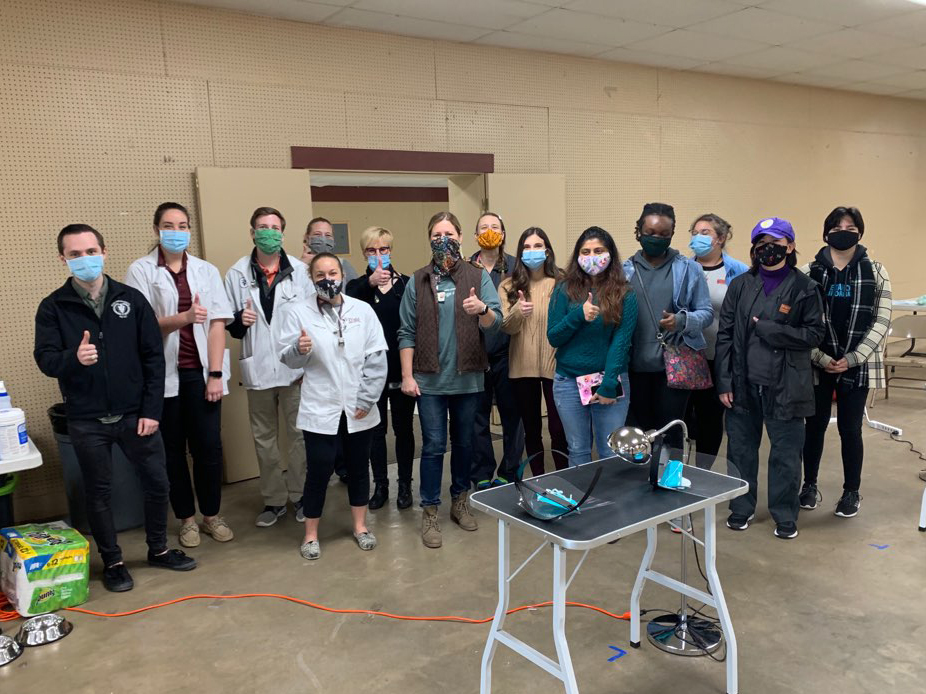
A group of faculty, staff, and students in Brenham
Thanks to a grant from Petco Love, the CVMBS will expand its outreach program that has previously served the Brenham and Caldwell areas.

Research has indicated that companion animals are highly effective at combatting issues of loneliness, a problem that affects 1 in 5 adults and nearly half of those ages 65 and older in the United States.

Because senior citizens in rural communities often face additional barriers that limit social interaction and community participation, the Texas A&M College of Veterinary Medicine & Biomedical Sciences (CVMBS) will launch a program next January that will attempt to ease some of the financial and access burdens associated with caring for the pets who often fill these roles for their elderly owners.

Petco Love has awarded the CVMBS with a $91,000 grant investment that will enable CVMBS clinicians, technicians, and students in the Small Animal Teaching Hospital’s (SATH) Primary Care Services (PCS) to expand the care offered. The grant will support the CVMBS’ lifesaving work for animals in Bastrop County, Texas, as identified by a study conducted by the non-profit Bastrop Cares.

“Our program examines how the environment of seniors 65 and older, and their pets, who are aging in place in their homes, affects their mental health and what improvements can be made,” said Dr. Lori Teller, clinical associate professor in the CVMBS’ Small Animal Clinical Sciences (VSCS) department. “This is the largest growing population within the county and innovative tools to maintain the health of this generation are paramount to reducing disease burden on both individuals and the healthcare system.

“Numerous health benefits are reaped from having a pet, including lower blood pressure, decreased stress, improved cognitive function, and more,” she said. “However, older adults face major barriers to caring for pets, such as financial constraints, ease of access to care, and assistance in caring for the animal.”

With the Petco Love grant, the CVMBS will provide regular visits to senior citizens in the Bastrop County area to help their pets, during which PCS students, under supervision of the veterinary faculty and staff, will perform physical exams, give vaccinations, test for internal and external parasites, and treat minor or acute conditions, such as skin and ear infections, as well as discuss behavioral and nutritional concerns. They also will provide heartworm, flea, and tick prevention. 

petco love logo

If the pet patient requires more intensive diagnostics or therapeutics, the PCS team will work with CVMBS specialists or local veterinarians to provide that care; these visits will also allow PCS faculty, staff, and students to follow-up with the pet owners between via telemedicine to provide ongoing assessments of care and to answer client questions. Owners will also receive assistance in accessing the technology required for telemedicine and with managing the animals before and after visits.

“Research has shown that many humans and animals in rural areas go without quality healthcare due to lack of access,” Teller said. “Animals play an important role in positively impacting the physical and emotional health and well-being of humans. As a result, poor animal health can increase stress and negatively impact human health.

“Populations and issues addressed through this program will work to improve health equity in a rural, underserved area,” Teller said. “Addressing these barriers and providing care to the pets relied on by these older adults will strengthen the human-animal bond and increase the associated health benefits to all.”

The program is part of a larger initiative by Texas A&M and Bastrop County community organizations that provides medical care to address the health and well-being of humans and animals through improved access to care.

“Studying the intersectionality between mental health and the human-animal bond through an interdisciplinary approach aimed at addressing social isolation will provide the means to offer holistic care to an increasingly aging population with an increasing disease burden,” Teller said. “The innovation driving this community-based program has the potential to grow and develop into standardized best practices for senior care and their pets across all rural communities.”

Petco Love is a nonprofit leading change for pets nationally by harnessing the power of love to make communities and pet families closer, stronger, and healthier. Since its founding in 1999 as the Petco Foundation, Petco Love has invested more than $300 million, to date, in adoption and other lifesaving efforts. The organization also has helped find loving homes for more than 6.5 million pets in partnership with Petco and more than 4,000 organizations nationwide. 

“Petco Love is proud to invest in Texas A&M’s College of Veterinary Medicine & Biomedical Sciences as part of our commitment to create a future in which no pet is unnecessarily euthanized,” said Susanne Kogut, Petco Love president.

To learn more about Petco Love, visit petcolove.org.

###

For more information about the Texas A&M College of Veterinary Medicine & Biomedical Sciences, please visit our website at vetmed.tamu.edu or join us on FacebookInstagram, and X.

Contact Information: Jennifer Gauntt, Director of VMBS Communications, Texas A&M College of Veterinary Medicine & Biomedical Sciences, jgauntt@cvm.tamu.edu, 979-862-4216

Texas A&M Superfund Center Trains Environmental Scientists, Practitioners In Disaster Research Response

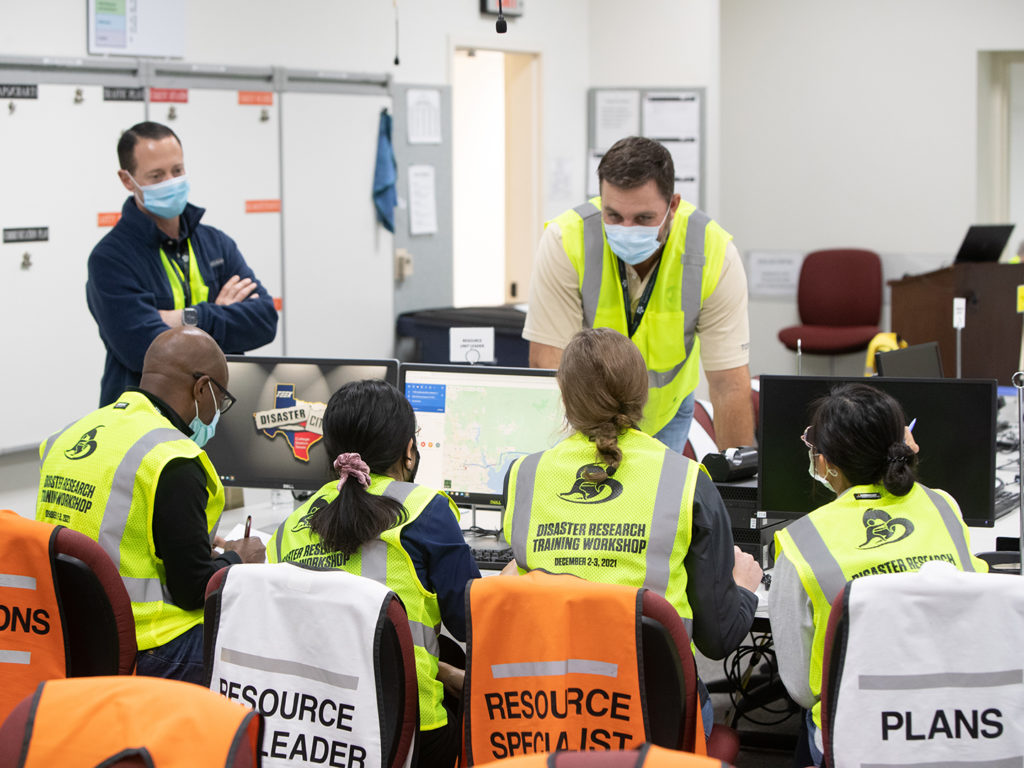
a group of superfund trainees

Forty environmental health scientists from around the country gathered at Texas A&M University to hone the skills necessary to understand and respond to complex natural and man-made disasters during Texas A&M Superfund Research Center’s 2021 Disaster Research Training Workshop, Dec. 2-3.

Twenty-one trainees represented Texas A&M entities, including the College of Veterinary Medicine & Biomedical Sciences, (CVMBS) the School of Public Health, and the College of Architecture.

The other attendees represented a wide array of stakeholders in disaster research response. These included academia: Northeastern University, the Baylor College of Medicine, the University of Rhode Island, the University of Michigan, and the Uniformed Services University of the Health Sciences. There were also representatives from a number of government entities including the Texas A&M Division of Emergency Management and Texas Commission on Environmental Quality, as well as private energy sector companies such as Chevron and ExxonMobil.

A total of 15 experts served as presenters to teach a number of disaster and other emergency topics as well as serve as field exercise supervisors during the two-day training at the Texas A&M Engineering Extension Service’s (TEEX) Emergency Operations Training Center. These were from Texas A&M Engineering Extension Service (TEEX), Texas General Land Office, Texas Commission on Environmental Quality, Texas A&M University School of Public Health and College of Veterinary Medicine and Biomedical Sciences, the University of Texas Medical Branch, and the United States Coast Guard.

“It is amazing that such a large group of trainees and experts were able to gather for this exciting and engaging event,” said Professor Ivan Rusyn, the Director of Texas A&M Superfund Research Center. “All attendees were happy to be part of this event that marks resumption of large-scale, in-person training activities for the individuals who were both local and those that traveled from all corners of the United States.”

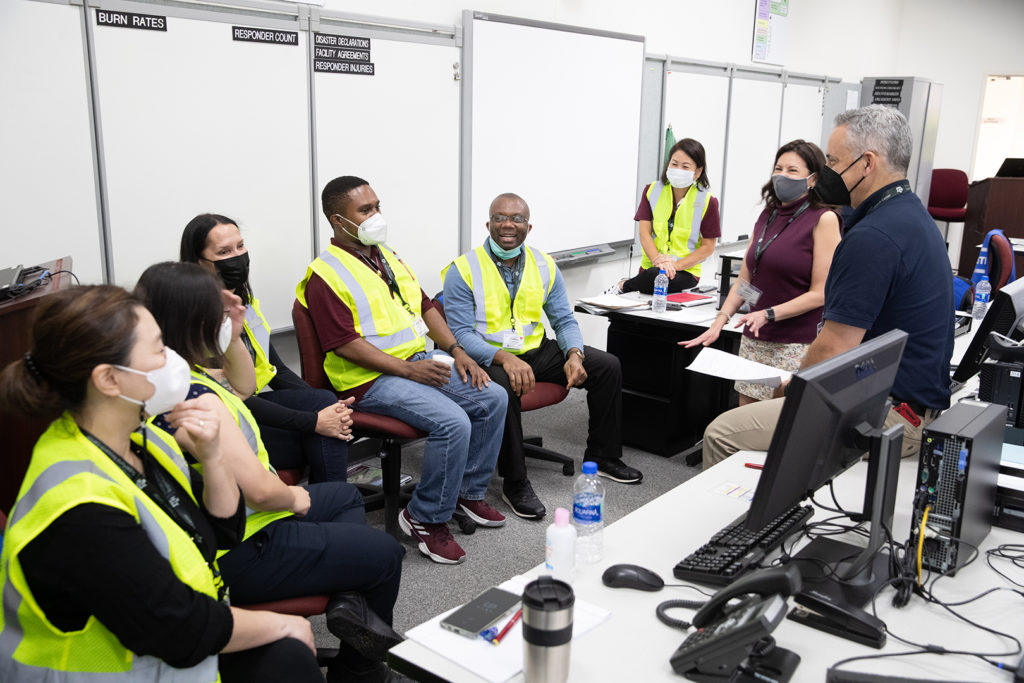
a group of superfund trainees talking

Training sessions included an overview of the National Incident Command System and how a research response fits into an overall disaster response, how to effectively communicate health and safety information to the public through the media, what the safety considerations are for conducting field research, how to collect human observational data, and how to conduct field sampling for determining exposures.

On the second day, the attendees spent a half-day applying their new knowledge and skills in a series of table-top and field exercise activities based on real disaster scenarios that have occurred in the aftermath of hurricanes along the Texas coast. These scenarios included gathering field samples, planning a disaster response while interacting with first responders and government agencies, collecting data from human subjects, and communicating their activities with the general public.

“This training was very informative, especially the hands-on parts of the workshop,” said Alina Roman-Hubers, a fourth-year trainee in the Interdisciplinary Faculty of Toxicology and Texas A&M Superfund Research Center. “The combination of the didactic and practical learning is the best way to ensure that the skills we have learned can be applied in my future professional life.”

This workshop is part of the Texas A&M Superfund Research Center’s mission to educate and translate research findings to improve response by environmental scientists to complex disaster-related health impacts.

The Center was established in 2017 to design, develop, and implement comprehensive tools and models for addressing exposure to mixtures during environmental emergency-related contamination events and has since responded to multiple events that have helped inform the workshop.

See more photos from the 2021 Disaster Research Training Workshop on the CVMBS Flickr account.

###

For more information about the Texas A&M College of Veterinary Medicine & Biomedical Sciences, please visit our website at vetmed.tamu.edu or join us on FacebookInstagram, and X.

Contact Information: Jennifer Gauntt, Director of VMBS Communications, Texas A&M College of Veterinary Medicine & Biomedical Sciences, jgauntt@cvm.tamu.edu, 979-862-4216