CVMBS Distinguished Professor Selected As AAAS Fellow

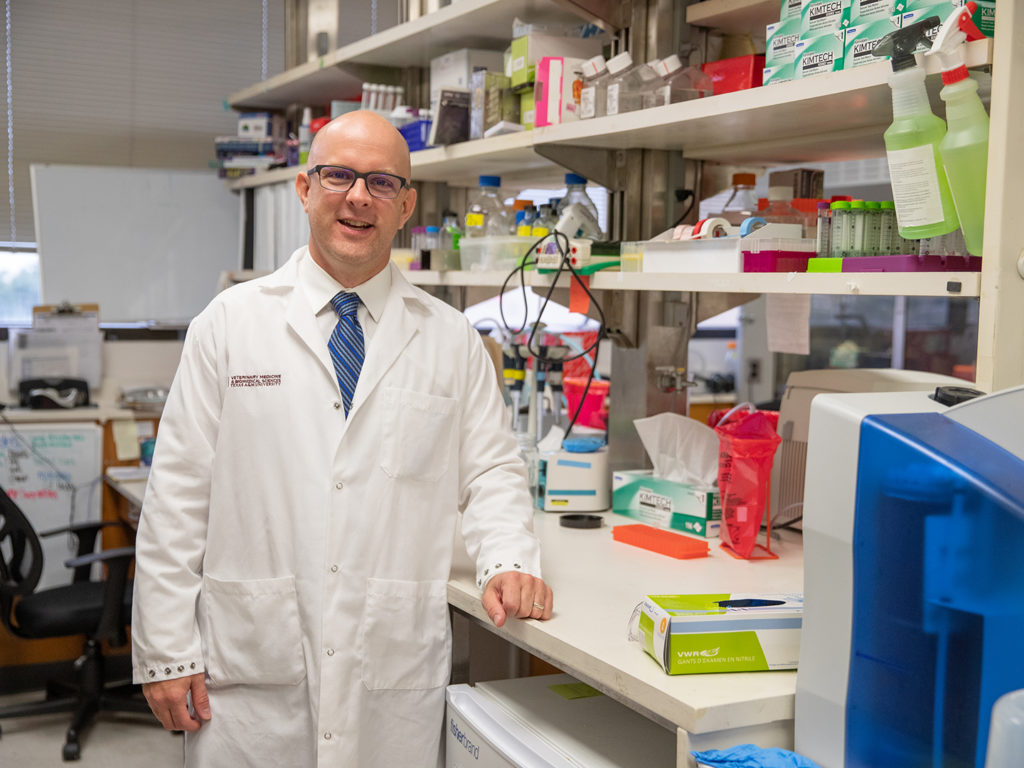
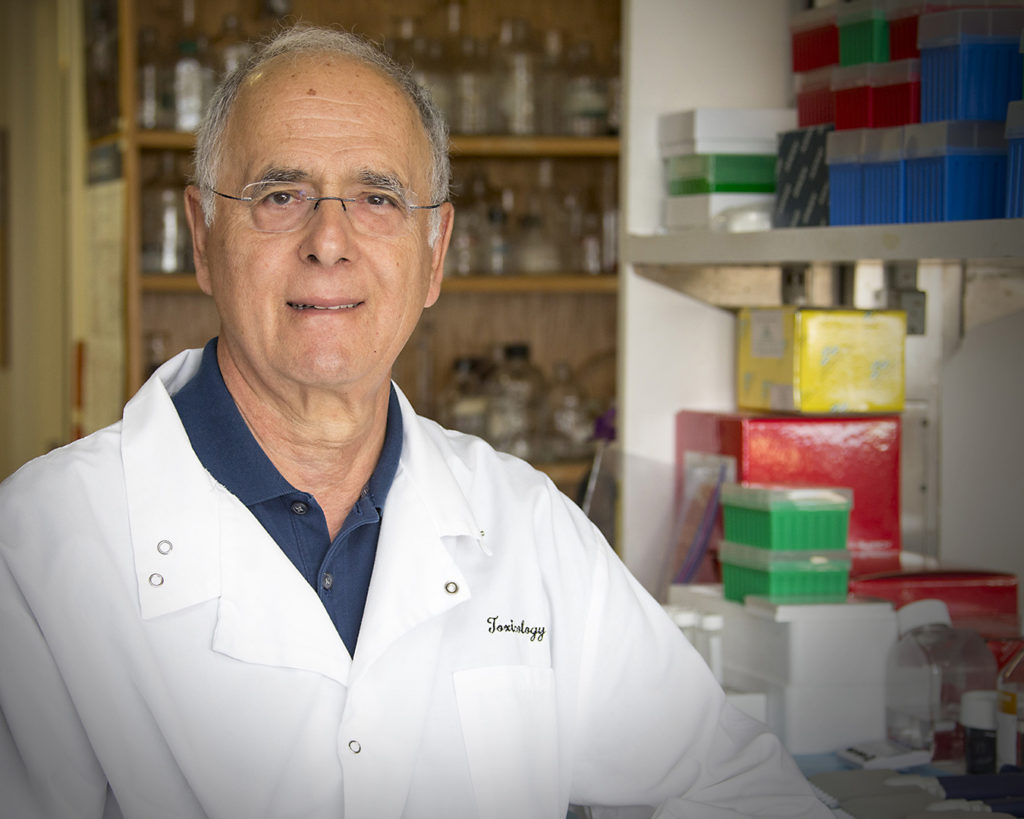
Dr. Stephen Safe in his lab
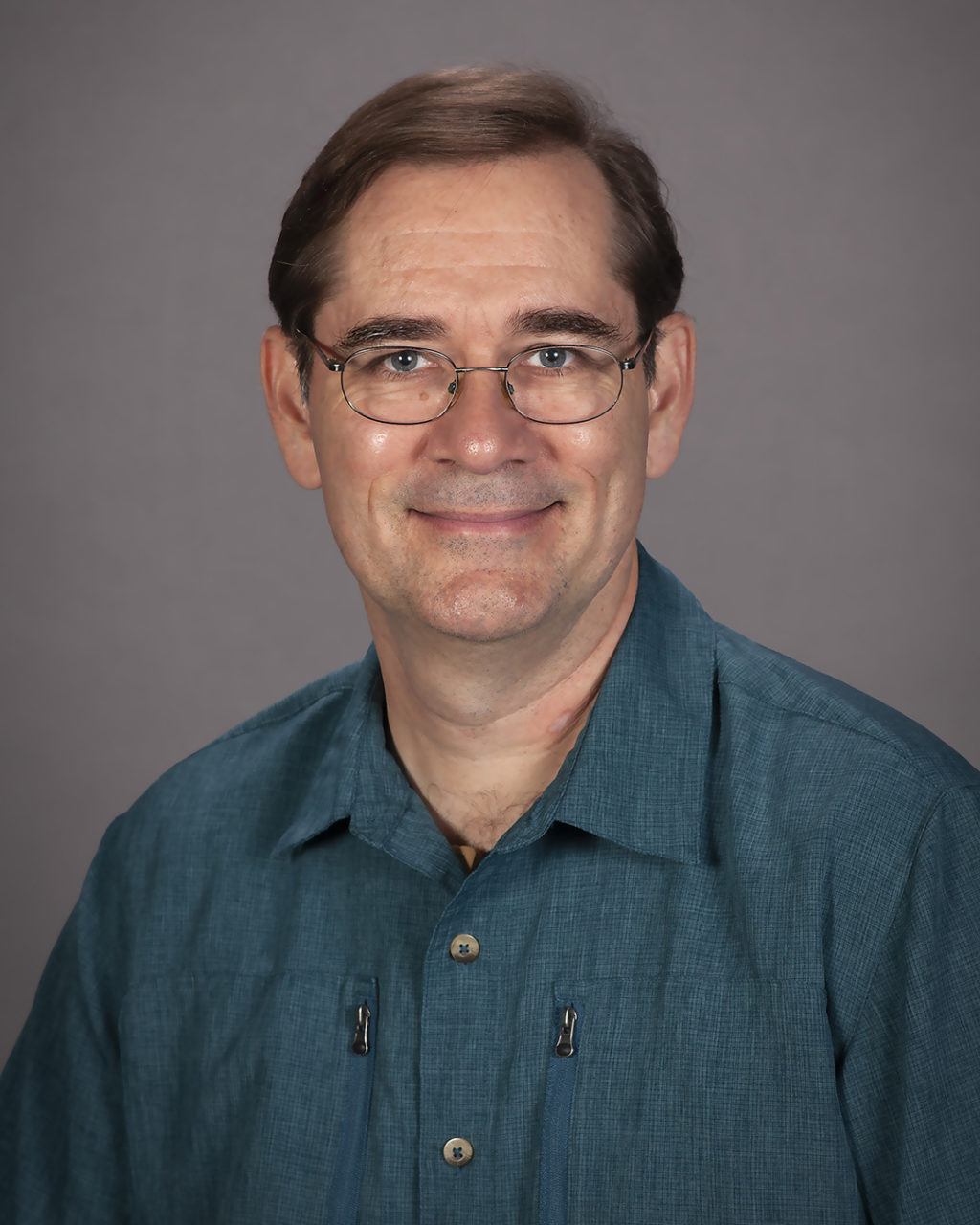
Dr. Stephen Safe

Dr. Stephen Safe, a distinguished professor of toxicology in the Texas A&M College of Veterinary Medicine & Biomedical Sciences’ (CVMBS) Department of Veterinary Physiology and Pharmacology (VTPP), was recently named a fellow by the American Association for the Advancement of Science (AAAS), the world’s largest general scientific society.

He will be inducted during the association’s annual meeting this week in Philadelphia.

Safe was chosen for the honor for his distinguished contributions to the scientific knowledge used to advance the safe use of chemicals in commerce and the development of more effective and safe pharmaceuticals, according to the AAAS announcement.

“Being inducted as an AAAS Fellow is a tremendous achievement, and we are extremely proud of Dr. Safe and the meaningful research that he continues to do,” said Dr. John August, CVMBS dean. “Dr. Safe is an exceptional scientist and mentor, and his commitment to innovation and scientific discovery make him truly deserving of this recognition. 

“In addition, his leadership of the next generation of researchers ensures his work will continue to have a measurable impact on the medical field and pharmaceutical industry for decades to come.”

Safe’s research has focused on creating medical compounds to treat or cure cancers, some of which have been licensed by pharmaceutical companies.

In the search for cures and treatments, Safe’s research has often led him into unexpected new areas. He attributes much of his success to being willing to follow those paths as they unfolded, even if they weren’t his area of expertise at the start.

As a result of this open-minded approach, he has more than a dozen patents or patent applications on these compounds and their applications. One of these cancer-treating compounds was also found to be effective for treating endometriosis, a common gynecological condition.

In addition, through his lab, the Molecular & Cellular Oncology Laboratory, Safe has mentored almost 100 Ph.D. students, 18 Master of Science graduate students, and more than 20 postdoctoral fellows and has been recognized for his skills in guiding his students in their own search for treatments and cures.

He also has previously been honored by, and lectured at, universities across the United States, Canada, and the United Kingdom and has received numerous awards for research, teaching, and service. Most recently he was selected as a 2019 Merit Award winner by the Society of Toxicology, and in 2020 he was recognized for his mentorship with a Distinguished Achievement Award by the Association of Former Students at Texas A&M. Overall his work has been cited more than 87,000 times with an h-index of 138.

Safe received his undergraduate and Master of Science degrees at Queen’s University in Canada, received his Ph.D. from Oxford University, and completed his postdoctoral work at Harvard before joining Texas A&M in 1981.

Aggie Fellows

Dr. Stephen Safe’s 2021 AAAS Fellows classmates include 563 scientists, engineers, and innovators spanning 24 scientific disciplines, including six others from Texas A&M.

“This is a significant milestone, congratulations to each for receiving this high honor,” Interim Vice President for Research Jack G. Baldauf said.

###

For more information about the Texas A&M College of Veterinary Medicine & Biomedical Sciences, please visit our website at vetmed.tamu.edu or join us on FacebookInstagram, and X.

Contact Information: Jennifer Gauntt, Director of VMBS Communications, Texas A&M College of Veterinary Medicine & Biomedical Sciences, jgauntt@cvm.tamu.edu, 979-862-4216
Texas A&M SATH Services Collaborate To Save Dog With Mysterious Condition

Henry the Schnauzer mix
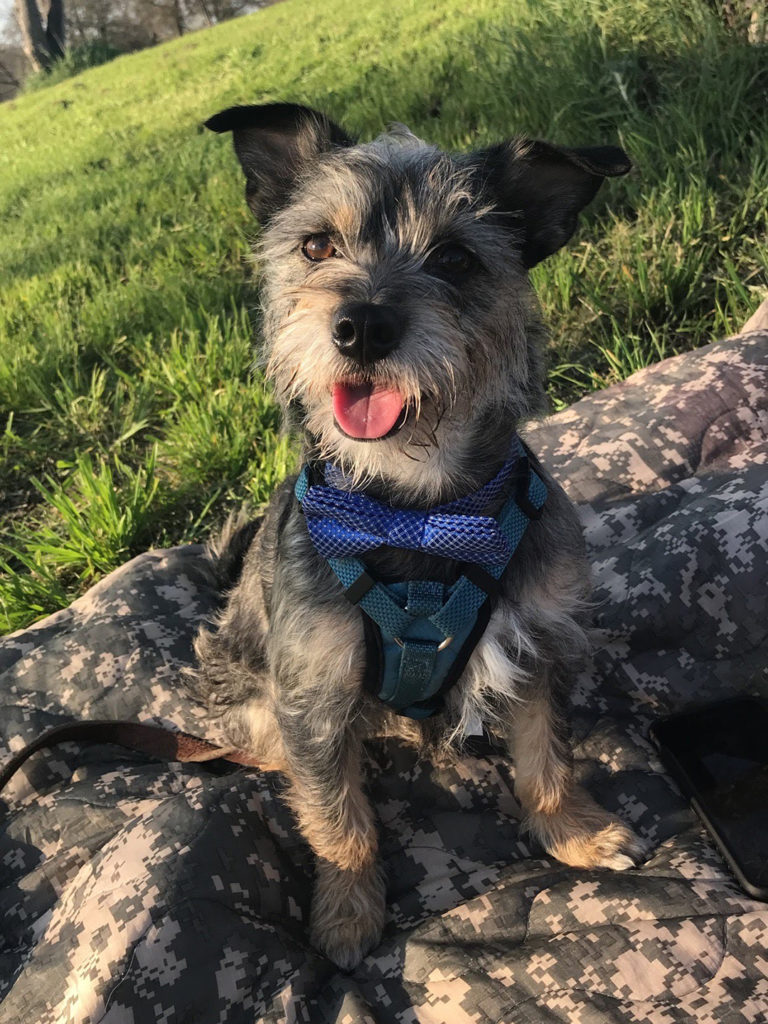
Henry

When Henry arrived at the Texas A&M College of Veterinary Medicine & Biomedical Sciences’ (CVMBS) Small Animal Teaching Hospital (SATH) with a mysterious condition his local veterinarians and specialists couldn’t solve, the hospital’s new Interventional Radiology Service came to the rescue with a diagnosis and treatment that saved the 7-year-old Schnauzer mix’s life.

Henry has lived with owner Jordan Johnson and her family since he was found wandering the streets of Houston following Hurricane Harvey in 2017.

“Within two days of fostering him, we knew we wanted to keep him and that he was meant to be with our family,” Johnson said. “He’s just so sweet and a great dog; he’s very loving and cuddly. Sometimes I joke that we should’ve named him Shadow, because he’s black and is like our little shadow, following us everywhere.”

Henry was a healthy and happy dog for about four years, but in April 2021, Johnson noticed a strange swelling in his abdomen.

“From April to October, we kept trying to figure out what was going on with his bloated belly, running all of these tests, but we could not find out what was wrong,” she said. “I’ve never quite been through something like that. I felt like I was watching him die and feeling so powerless. He kept losing weight, and we kept trying everything and striking out.”

Having already seen multiple veterinarians, including an internal medicine specialist in Austin, Johnson knew that Henry’s referral to Texas A&M was most likely his last chance to find out what was wrong.

A Team Effort

At the SATH, Henry’s care team used every tool at its disposal to discover the cause of the fluid collecting in his abdomen, a condition known as ascites.

The hospital’s new Interventional Radiology Service, established early last year, had the perfect team of problem-solving veterinary specialists, including CVMBS clinical assistant professor Dr. Genna Atiee and second-year internal medicine residents Drs. Jeremy Evans and Michael Hung.

“When I met Henry, I fell in love with him. He is such a cute dog and I felt so sorry for his owner, who was clearly very dedicated,” Atiee said. “His case felt like a roller coaster—highs and lows throughout.”

After even more tests that failed to discover the problem, the team connected with veterinary cardiologists Drs. Ashley Saunders and Sonya Wesselowski to take a more detailed look at Henry’s heart and vessels in the hospital’s Catheterization Lab.

Saunders and Wesselowski performed an angiogram, a procedure that uses an injected contrast dye to show how blood is flowing through the arteries and veins.

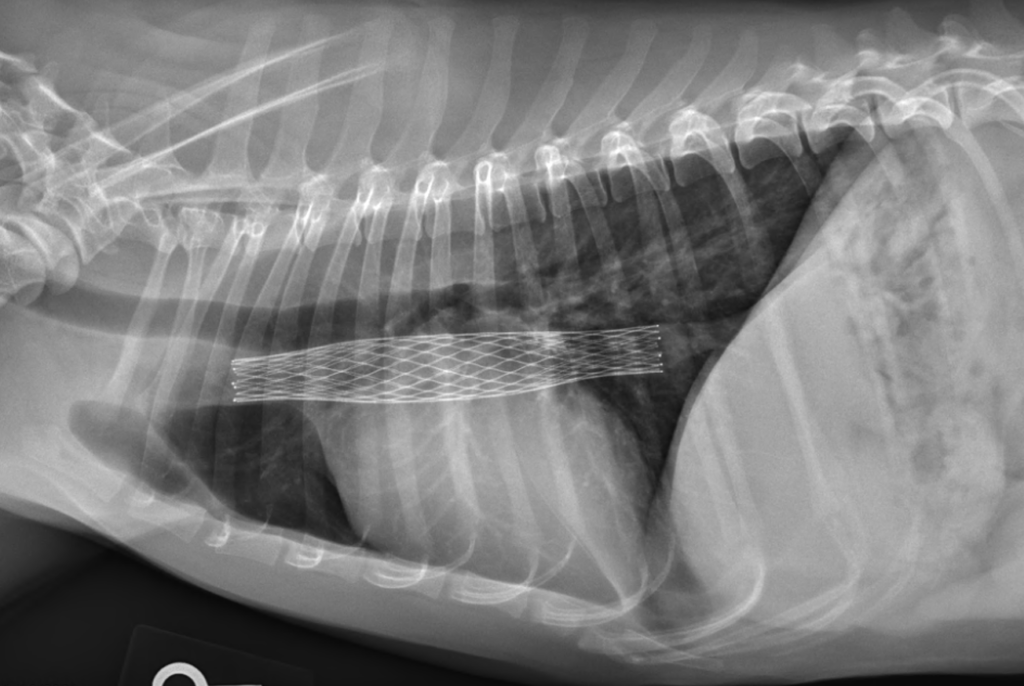
X-ray of Henry's chest showing the stent
Henry’s stent spans from the superior/cranial vena cava, through the heart, and out the inferior vena cava.

“It’s like X-ray, but in real time,” Saunders said. “When you press a pedal, you can see what you’re doing in the heart because the catheters and contrast are radiopaque (visible in a radiographic image like an X-ray).”  

They discovered that Henry’s inferior/caudal vena cava, the large vein that carries blood from the legs and abdominal cavity into the heart, was compressed, causing fluid to collect in his abdomen. The vein was so narrow that blood could barely get through; as a result, blood was also building up in Henry’s liver and other abdominal organs.

Although the team was not sure what had caused the vein compression, they knew that relieving it was vital for Henry’s survival. In the months since his ascites began, he had lost a lot of muscle mass and was getting worse every day.

After discussing Henry’s condition with his owner and taking time to carefully determine the best treatment option, they decided to try using a metal stent spanning from the superior/cranial vena cava, through the heart, and out with the inferior vena cava to widen the vein and improve blood flow.

“We decided to go forward with the procedure because we couldn’t imagine not having Henry and not doing everything we possibly could to save him,” Johnson said. “It was a little nerve-wracking not knowing if it was going to work or how much time it was going to give him.”

While much of the procedure could be planned in advance, some decisions would have to wait until the operation was in progress, a risky but necessary aspect of working in such a small, delicate area.

“His was a complex case because of the location of his problem,” Saunders said. “You don’t know about pressures and flow until you get in there, so we used catheters to deliver contrast and check pressures and measurements; we then made decisions about the best thing to do based on the information we had.”

Thanks to the team of veterinarians, veterinary technicians, and anesthesiologists who gathered for Henry’s procedure, the stent was successfully deployed and soon began to relieve the ascites.

“I was really proud of the team who was in the catheterization lab making intra-operation decisions,” Atiee said. “It was a very challenging procedure but everyone was really collegial. We truly worked as a team with the common goal of helping this dog.”

A Full Recovery

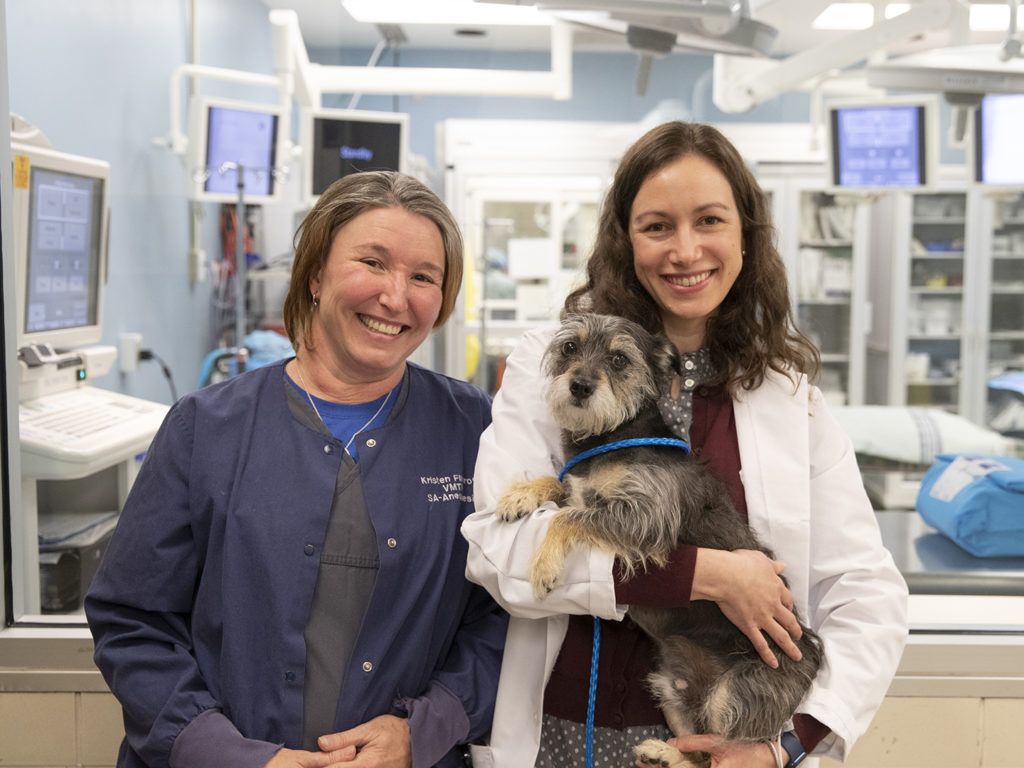
A technician and doctor holding a dog in front of the catheterization lab
Veterinary technician Kristen Flitcroft and Dr. Genna Atiee with Henry

Now, several months later, Henry is active and healthy, with no signs of the ascites returning.

“We’re so grateful that he is his normal self—eating, running around, and not showing any symptoms of discomfort,” Johnson said. “He’s happy and just acting like a normal dog, with no limitations from his procedure. It’s a huge relief, like an emotional weight off my chest.

“We’re also grateful for the dedication of such a great team at A&M,” she said. “They were really dedicated to doing the best they could and utilized so many different team members and doctors to figure out what was going on. We couldn’t have asked for a better outcome.”

Those at Texas A&M agree that Henry’s case perfectly represents how important collaboration is in handling challenging cases.

“After I spoke with his owner after the procedure, I felt beyond relieved—exuberant, in fact,” Atiee said. “I took a moment to recognize how thankful I was to be part of such an amazing team, to have had the opportunity to work with such a cool dog, to have worked with his owner who trusted us and allowed us to do this despite no guarantees, and to know that Henry was thriving. It was a really great moment.”

###

For more information about the Texas A&M College of Veterinary Medicine & Biomedical Sciences, please visit our website at vetmed.tamu.edu or join us on FacebookInstagram, and X.

Contact Information: Jennifer Gauntt, Director of VMBS Communications, Texas A&M College of Veterinary Medicine & Biomedical Sciences, jgauntt@cvm.tamu.edu, 979-862-4216
Twin Sisters Become Fixture At Texas A&M’s Flu, COVID-19 Vaccination Clinics

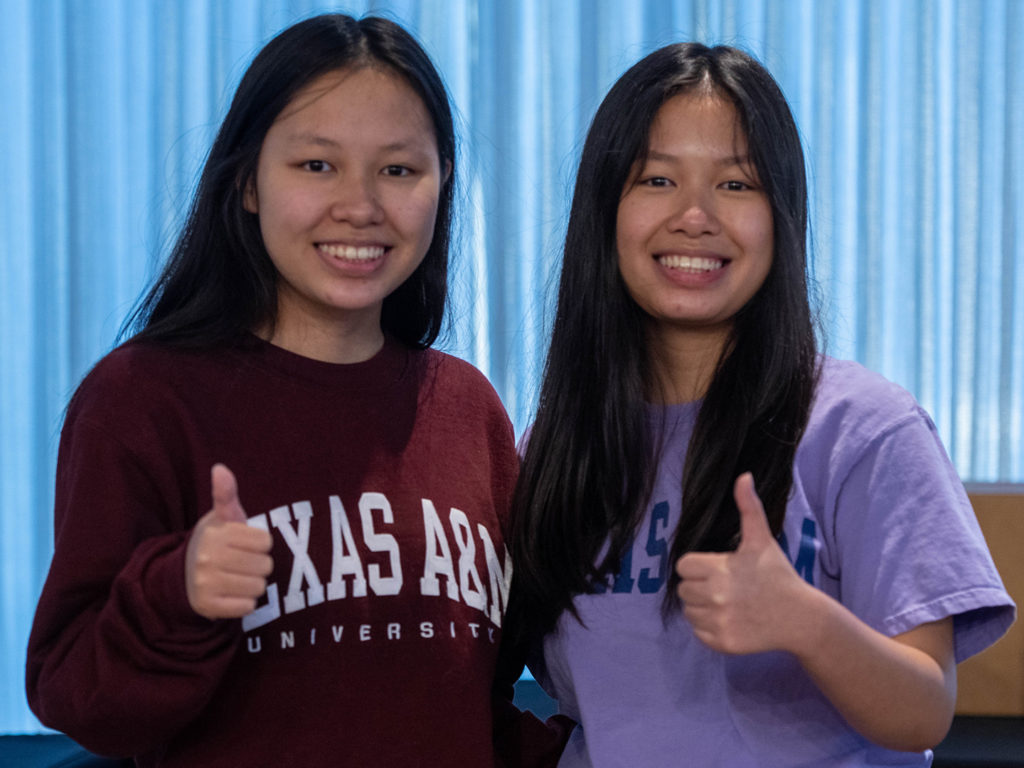
Le sisters giving thumbs up
Vicky and Michelle Le

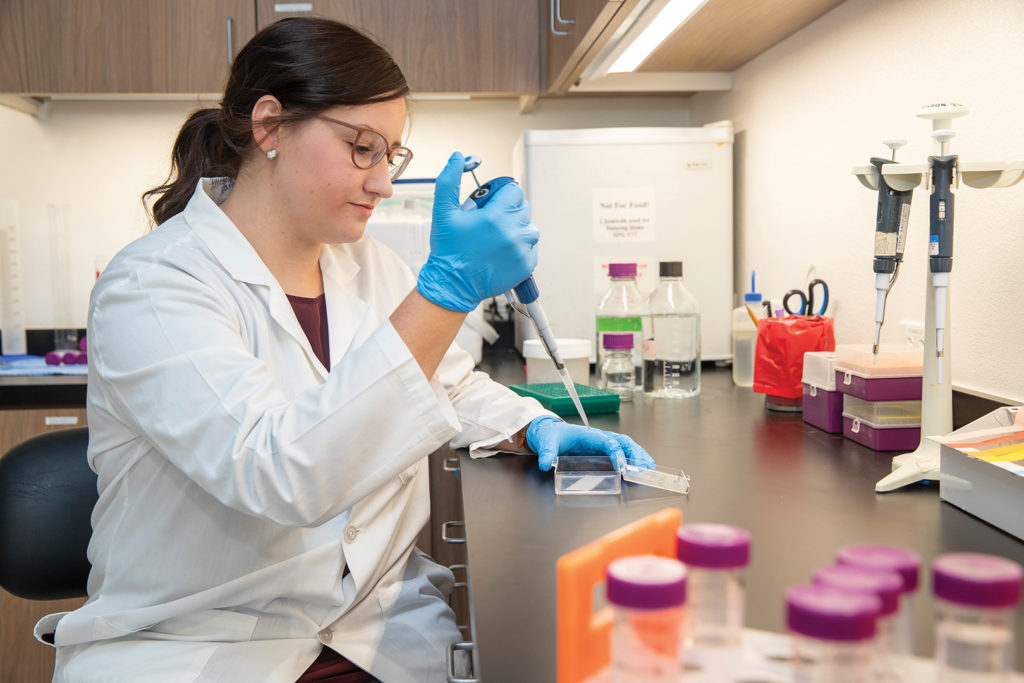
For twin sisters Michelle and Vicky Le, when it comes to Texas A&M University’s Core Values, there is one that resonates with them more than any other: Selfless Service. The Texas A&M freshmen never hesitate when the chance to volunteer their time for a greater cause presents itself, and they are quick to step up. 

The sisters, who are first generation students and Regents Scholars, regularly volunteered at the flu vaccination clinics held in the fall and continue to selflessly give their time at the COVID-19 vaccination clinics held for students, faculty, and staff this spring.

“Out of all of the Texas A&M core values, I think Selfless Service is the one that I most easily identify with,” said Michelle, who is a freshman at the School of Public Health. “I love volunteering and it is what I choose to do in my free time.

“I think it is a better way to spend my free time instead of on social media, TikTok, or YouTube. It is a great way to serve your community and not only does it better your community, but you get to better yourself.”

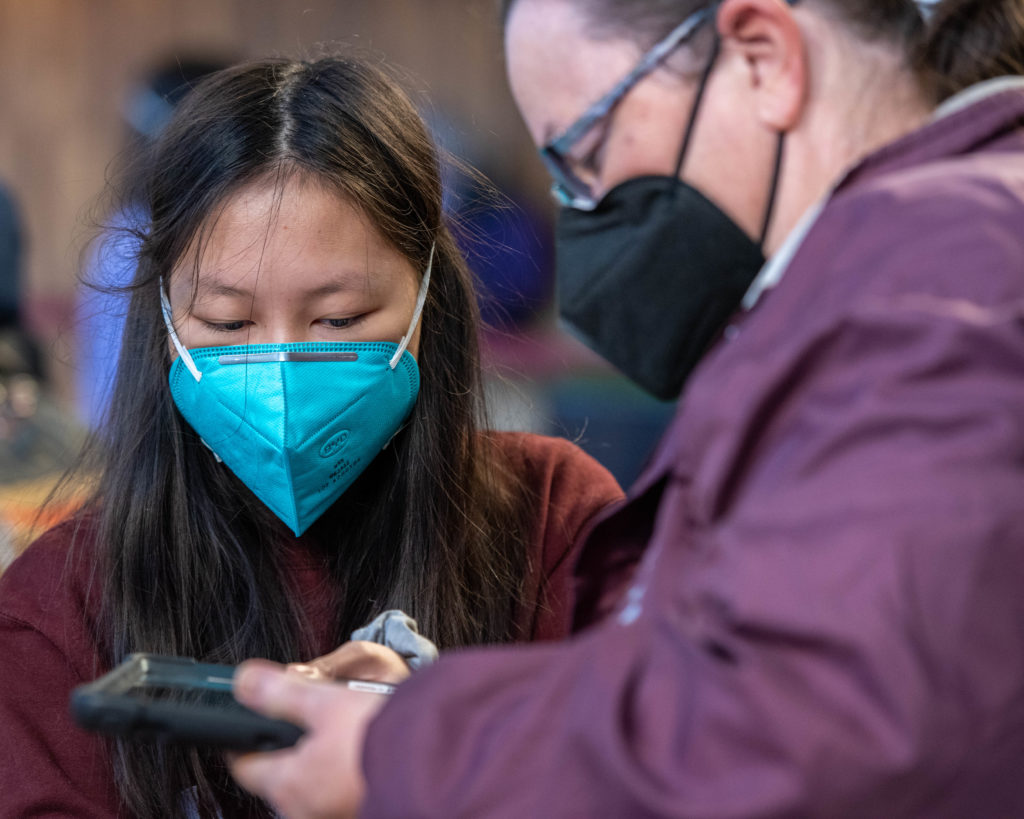
Since October the sisters have worked at more than 10 clinics on campus and throughout the community, assisting with setting up and breaking down the vaccination sites, registration, scribing, and other logistics.

“They are both amazingly quick learners and their presence at each clinic has helped us improve clinic flow,” said Christine L. Kaunas, EdD, MPH, executive director for Interprofessional Education & Research at Texas A&M Health. “They truly have been instrumental to the success of these clinics.”

According to Vicky, who is majoring in biomedical sciences at the College of Veterinary Medicine & Biomedical Sciences, when Michelle received an email asking for volunteers for the flu clinics, the sisters immediately signed up, and not just for one shift.

Vicky Le working with a clinic patient

“We saw it as a really great opportunity and we said we were going to sign up for every shift,” Vicky said. “We didn’t realize that everyone else wouldn’t do the same thing. The staff working those clinics noticed that we were there regularly and when it came time for the COVID clinics, it was short notice, but they knew they had two very dependable volunteers, so they asked us to help.”

“The staff at the clinics got to know us very well,” Michelle added.

Michell and Vicky grew up in the Houston suburb of Alief, where they say they saw the struggles associated with the lack of convenient and affordable access to health care, including among their own family. The disparities they saw stuck with the pair, and in turn, fueled their desire to pursue a career in the medical field.

“Alief is actually designated as a medically underserved population,” Michelle said. “We grew up seeing a lot of our friends and family facing the realities of living in a medically underserved community. I see people like my parents refuse medical treatment and refuse medical advice simply because the cost is too much. It really negatively impacts the community and we both grew up knowing we would end up in health care wanting to serve and give back to our community.”

Michelle said she chose public health because she wants to serve the community, and not just individual patients. Vicky, meanwhile, decided to pursue her degree in biomedical sciences because it is geared toward people going into the medical field and provides great research opportunities.

While the sisters may have selected different majors, they said there was no doubt they would end up going to school together and that Texas A&M would be the university where they would work to fulfill their career aspirations.

“I didn’t see us going separate ways,” Michelle said. “Whenever opportunities like this come up, I always tell her we’re both always in it together. We pretty much knew we were going to end up here. It is a great school, and we wouldn’t want to be anywhere else.”

###

For more information about the Texas A&M College of Veterinary Medicine & Biomedical Sciences, please visit our website at vetmed.tamu.edu or join us on FacebookInstagram, and Twitter.

Contact Information: Jennifer Gauntt, Director of CVMBS Communications, Texas A&M College of Veterinary Medicine & Biomedical Sciences, jgauntt@cvm.tamu.edu, 979-862-4216; Dee Dee Grays, Public Relations Manager, Texas A&M Health, grays@tamu.edu, 979.436.0611.

Home Is Where The Heart Is: Creating A Cat-Friendly Environment

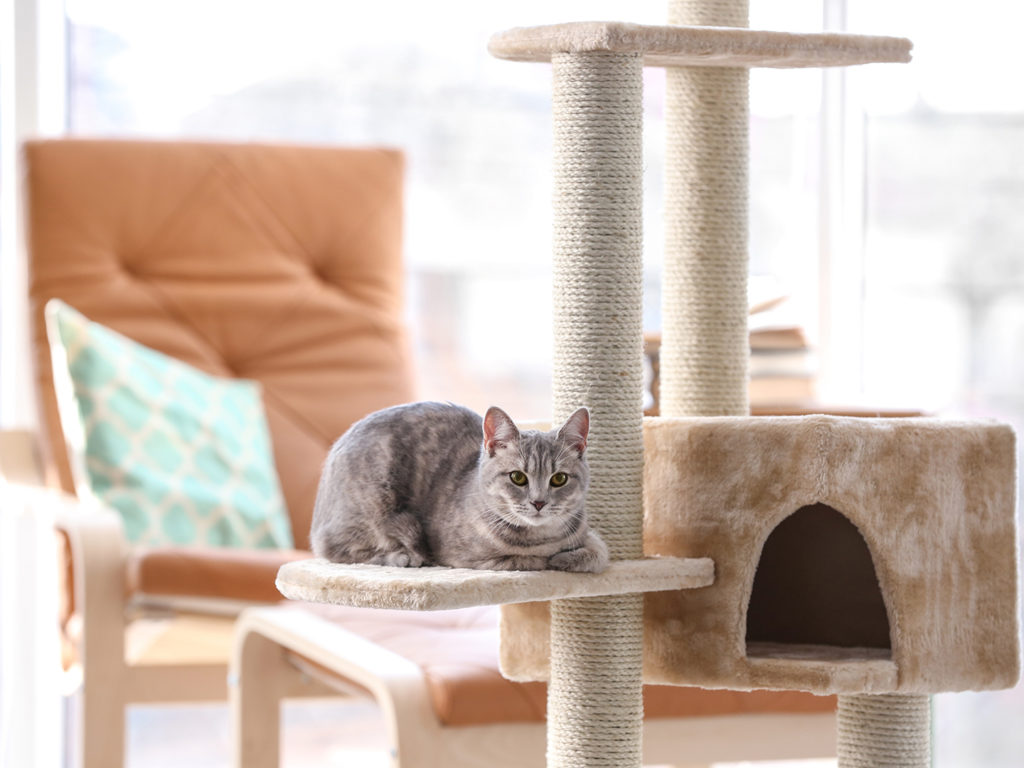
A grey tabby kitten lying on a cat tree

Home is all about having a space to make your own.

As humans, we all need a space where we are comfortable enough in our own skin to relax. And, believe it or not, our feline friends have similar needs.

Creating an environment where pets are free to roam and be themselves has been directly linked to reducing a multitude of medical and behavioral issues, according to Paula Plummer, a credentialed veterinary technician and feline advocate at Texas A&M College of Veterinary Medicine & Biomedical Sciences’ Veterinary Medical Teaching Hospital

When it comes to cat-friendly atmospheres, pet owners should think about creating an environment of plenty—meaning, plenty of room to roam, plenty of litter boxes, plenty of food and fresh water, and plenty things to do. All of this to create an environment pets can consider home.

“Toys can be a great source of entertainment for cats,” Plummer said. “Pet owners can also work on testing different toys to see what their cat likes. While some may like toys with catnip, others may like toys with bells or lasers.

“Finding the toy a cat will like and play with can take a little time due to all the options on the market,” she said.

An added bonus of making time to bond with your pets, is creating meaningful relationships over time that will last.  

“Playing with cats and their favorite toy can incorporate quality time that both you and your cat will look forward to,” Plummer said.

This kind of routine is also important for reducing a cat’s stress and anxiety.

“When a cat is stressed, they will exhibit negative behaviors such as inappropriate urinations or defecation, pulling out their hair, scratching, or behaviorally acting out,” Plummer said.

Therefore, by creating an environment that promotes natural behavior, owners can help combat this issue and ease their cat’s stress.

Scratching posts also are an excellent outlet for cats to ease some stress. By allowing a cat to scratch only on these posts from a young age, cats are able to embrace this natural behavior without their owner’s furniture paying the price.

“Over time, environmental enrichment will help reduce incidence of behavioral and medical issues because your cat will be living a fulfilled lifestyle without need of expressing themselves in a negative manner,” Plummer said.

Another tip for enriching your cat’s environment include devices like puzzle feeders to encourage natural hunting behaviors. Owners can also try hiding food throughout the room as another way to encourage such activity.

If any behavioral or medical concerns, such as inappropriate elimination or behavioral changes, arise, Plummer always recommends a thorough physical examination by a veterinarian as the best starting point for addressing those concerns.

There are many different ways pet owners can tailor their home to their pet’s needs. These little changes may seem insignificant, but can greatly impact the mental health of our feline friends.

Pet Talk is a service of the College of Veterinary Medicine & Biomedical Sciences, Texas A&M University. Stories can be viewed on the web at vetmed.tamu.edu/news/pet-talk. Suggestions for future topics may be directed to vmbs-editor@tamu.edu.

Texas A&M Superfund’s Big Data Series Introduces Diverse Audience To Data Science

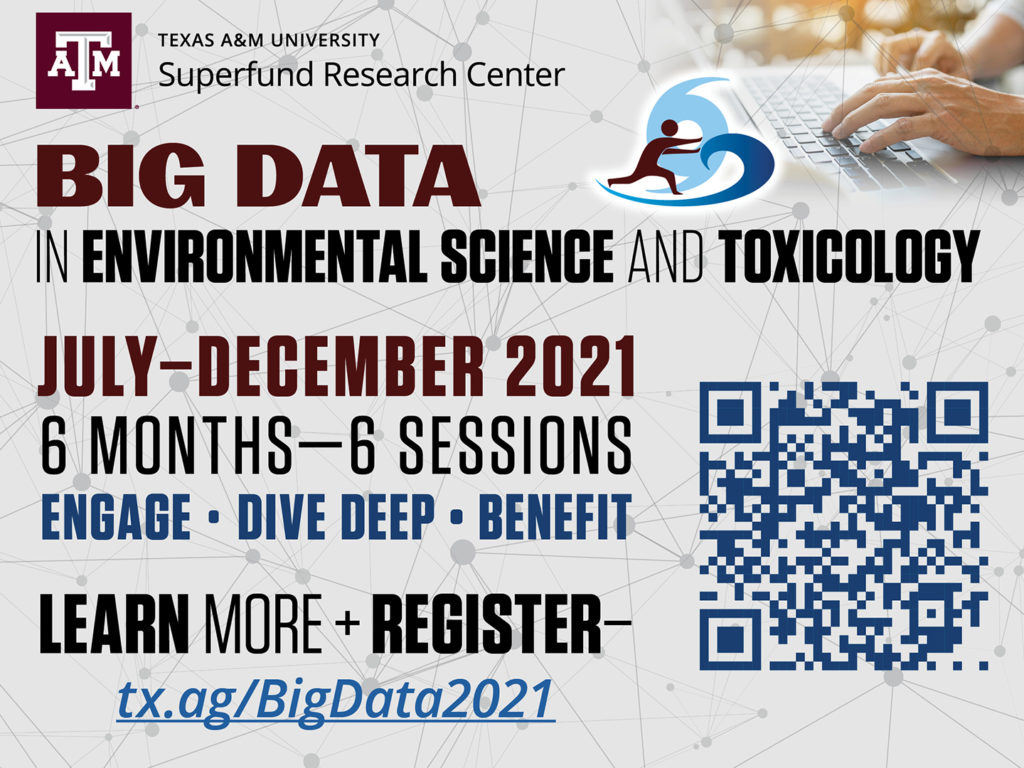
Graphic advertising Big Data Series
Recordings of all six sessions are available at tx.ag/BigData2021.

The Texas A&M Superfund Research Center’s “Big Data in Environmental Science and Toxicology” virtual learning series was held from July to December and consisted of six, two-hour interactive seminars led by data science experts.

The free training series offered 280 unique attendees the opportunity to learn from experts about available data, mechanisms for sharing scientific information, the “how and why” of data science, handling large datasets, and placing research data into “real-life” contexts.

Overall, this series offered a broad range of participants a unique opportunity for continuing education in a very important contemporary topic.

“Data Science is a somewhat mysterious topic to most biomedical scientists and professionals,” said Dr. Ivan Rusyn, director of the Texas A&M Superfund Research Center and professor at the College of Veterinary Medicine & Biomedical Sciences (CVMBS). “Our goal was to provide practical skills and tools to those who are not trained in statistics and bioinformatics; according to the feedback we received on each session and this series overall, this goal has been met and we plan to hold these events annually.”

Sessions were attended by trainees, researchers, faculty, and science administrators from both the United States and foreign academic institutions, private companies, and governments. Countries represented included Germany, Mexico, New Zealand, Puerto Rico, Russia, South Korea, Taiwan, Turkey, and the United Kingdom.

Topics covered during the sessions included the U.S. Environmental Protection Agency’s (EPA) chemicals dashboard; “New Approach Methodologies” for chemical safety assessments; using Microsoft Excel and the statistical programming environment R for viewing and manipulating data; estimating chemical exposures; and using online resources for predicting toxicity of new and existing chemicals.

Instructors included Antony Williams and Caroline Ring from the EPA; Ruchir Shah, Alex Sedykh, Vijay Gombar, and Austin Ross from the research and technology consulting company Sciome LLC; and researchers from several Superfund Research Program-funded universities, including Burcu Beykal from the University of Connecticut, Candice Brinkmeyer-Langford from Texas A&M University, and Fred Wright, Allison Dickey, and Dillon Lloyd from North Carolina State University.

Two sessions from the Big Data series will also be used in the Biomedical Data Science Online Training Program, a 12-part series hosted by the Texas A&M Institute of Data Science.

###

For more information about the Texas A&M College of Veterinary Medicine & Biomedical Sciences, please visit our website at vetmed.tamu.edu or join us on FacebookInstagram, and X.

Contact Information: Jennifer Gauntt, Director of VMBS Communications, Texas A&M College of Veterinary Medicine & Biomedical Sciences, jgauntt@cvm.tamu.edu, 979-862-4216
Texas A&M, UW Researchers Explore Canine Aging Project In Nature Article

The Dog Aging Project team outlines how the open-source data it is gathering could be useful for myriad studies.

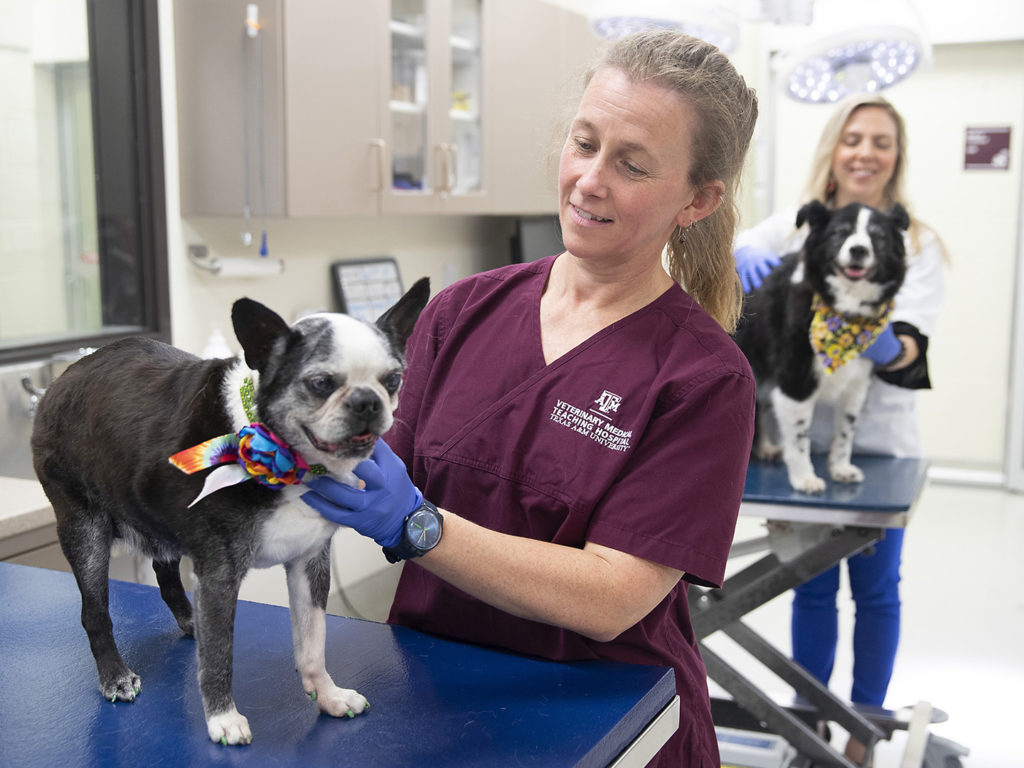
Dr. Kate Creevy examining an old Boston Terrier
The Dog Aging Project has enrolled more than more than 32,000 dogs as of February 2022.

In 2018, the Dog Aging Project set out to become the largest research data-gathering program of its kind, seeking to enroll and study tens of thousands of dogs from all backgrounds to gain a better understanding of canine aging and what contributes to a long and healthy life for a dog.

Following their launch, researchers at the Texas A&M University College of Veterinary Medicine & Biomedical Sciences (CVMBS), the University of Washington (UW) School of Medicine, and a dozen other partner institutions began to enroll companion dogs who will be followed over at least 10 years. To date, more than 32,000 dogs have been enrolled.

In a Feb. 2 publication in the journal Nature, the researchers have detailed the methodology of their project and its potential implications on both human and veterinary medicine.

“It is an honor to share our work with the scientific community,” said Dr. Kate Creevy, lead author, Dog Aging Project chief veterinary officer, and CVMBS professor of small animal internal medicine. “The Dog Aging Project is creating a resource with the power to transform veterinary medicine, aging research, and many scientific and non-scientific fields of inquiry. Publication of our methodology in Nature provides testament to the ambitious scope and wide applicability of the project.”

Their article, “An Open Science Study of Ageing in Companion Dogs,” explores the “hows” and “whys” of the study, from the recruitment and assignment of dogs into various cohorts, to the means of data collection and managing a team that spans the United States. It also discusses the ethical, legal, and social implications and anticipated scientific findings.

“The scientific objectives of this study are to identify the genetic, environmental, and lifestyle factors that influence aging in dogs, to discover the underlying molecular mechanisms by which they do so, and to test potential ways to increase the duration of healthy lifespan in dogs,” the authors wrote.

To accomplish these goals, the scientists are working with dog owners who periodically fill out surveys and take measurements of their dogs for the duration of the project; some also may be asked to collect cheek swabs for DNA sampling.

In addition, the research team is working with veterinarians across the country who assist by submitting fur, fecal, urine, and blood samples of select, enrolled participants.

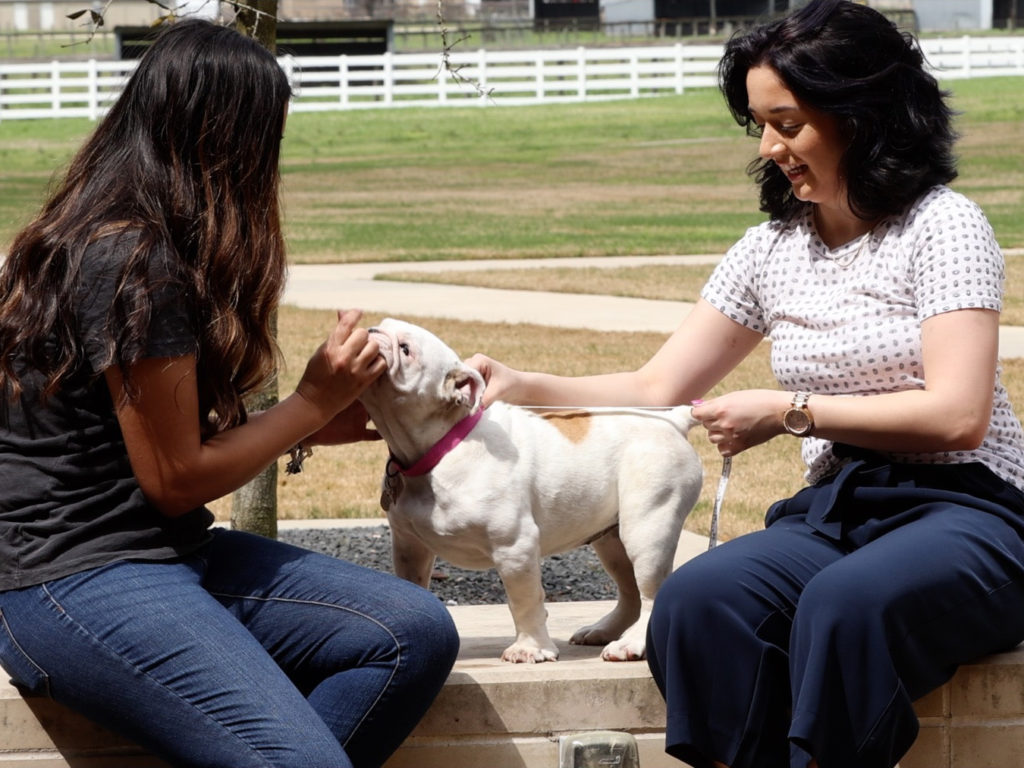
Two women measure the length of a bulldog
Dog owners participating in the Dog Aging Project are asked to periodically fill out surveys and take measurements of their dogs for the duration of the project.

Among the specific aims for the project are to identify biomarkers of canine aging with the intent of better understanding the mechanisms by which genetic, environmental, and lifestyle variation influence aging; they also will use genomic sequencing to analyze the genetic architecture of age-related traits in dogs.

“Given that dogs share the human environment and have a sophisticated health care system but are much shorter-lived than people, they offer a unique opportunity to identify the genetic, environmental and lifestyle factors associated with healthy lifespan,” said Dr. Daniel Promislow, principal investigator for the National Institute on Aging grant that funds the project. Promislow is a professor of biology at the UW College of Arts and Sciences and of laboratory medicine and pathology at the UW School of Medicine.

A key component of the project is a clinical trial of a drug called rapamycin, an immunosuppressive medication that has been used in humans for decades. At lower doses, rapamycin has been shown to increase lifespan, improve heart and cognitive function, and reduce age-related disease incidence in laboratory species.

The Dog Aging Project team believes rapamycin may provide similar benefits to middle-aged, large-breed dogs and are collaborating with veterinarians at universities across the country to evaluate the drug’s effectiveness on hundreds of clinical trial participants.

Ultimately, the varied, rich and complex data collected by the DAP will allow the team to characterize aging in companion dogs, metrics for which do not currently exist. They also believe their study will lay the groundwork for canine-specific gerontology field of veterinary medicine.

“While human studies have clear metrics for healthy aging, including age-related changes in frailty and multimorbidity, among others, relatively little is known about what constitutes normative aging in dogs,” Creevy said. “Our data will give veterinarians and scientists the tools to assess how well a specific dog is aging, and set the stage for studies on the determinants of normative aging.”

Because the project is an open-data study, scientists around the world and from many different fields will have access to the massive amount of data generated, as well as the opportunity to contribute to the study in a variety of ways, based on their interests. For example, the second author on the Nature paper is noted canine and archiac human genome science researcher Joshua Akey, of Princeton University.

“This publication today in Nature is important because it lets the scientific community better understand the scope and data that will be generated in this highly interdisciplinary endeavor,” Akey said. “For example, we are generating one of the most comprehensive catalogs of canine genomic variation, which will not only provide insights into the genetic determinants of aging but can also be leveraged to learn more about the evolutionary history of domesticated dogs and how humans shaped canine genetic variation through artificial selection.”

The Dog Aging Project is supported by U19 grant AG057377 from the National Institute on Aging, a part of the National Institutes of Health, and by private donations.

For more information, or to learn how people can enroll their dog to participate in the ongoing project, visit https://dogagingproject.org.

###

For more information about the Texas A&M College of Veterinary Medicine & Biomedical Sciences, please visit our website at vetmed.tamu.edu or join us on FacebookInstagram, and Twitter.

Contact Information: Jennifer Gauntt, Director of CVMBS Communications, Texas A&M College of Veterinary Medicine & Biomedical Sciences, jgauntt@cvm.tamu.edu, 979-862-4216; Leila Gray, UW Medicine, 206.475.9809, leilag@uw.edu; Liz Fuller-Wright, Princeton, lizfw@princeton.edu

CVMBS Study Shows Paternal Alcohol Use Increases Frequency Of Fetal Development Issues

Dr. Michael Golding in his lab
Dr. Michael Golding

Prenatal visits have traditionally focused almost exclusively on the behavior of mothers, but new research from the Texas A&M College of Veterinary Medicine & Biomedical Sciences (CVMBS) continues to suggest that science should be looking more closely at the fathers’ behavior as well.

Dr. Michael Golding, an associate professor in the CVMBS’ Department of Veterinary Physiology & Pharmacology (VTPP), has spent years investigating the father’s role, specifically as it relates to drugs and alcohol, in fetal development.

Golding says a number of publications have shown that males pass down more than just their genetics, but exactly how that process works and the consequences of it remain largely unknown.

“When you look at the data from throughout human history, there’s clear evidence that there’s something beyond just genetics being inherited from the male,” Golding said. “So, if that data is solid, we’ve got to start looking more at male behavior.

“Say you had a parent who was exposed to starvation—they could pass on what you might call a ‘thriftiness,’ where their kids can derive more nutrition from less food,” he said. “That could be a positive if they grow up in a similar environment, or they could grow up in a time when starvation isn’t an issue and they might be more prone to obesity or metabolic syndromes. That kind of data is clearly present in clinical data from humans.”

Golding’s study of how things beyond genes, such as behavior and environment, affect development is called epigenetics, and one of the big questions in the search for answers on how male prenatal behavior can impact fetal growth has been how exactly these epigenetic factors manifest.

Now, there is at least one answer.

In a November publication in the FASEB Journal, Golding’s team showed that the epigenetic factor of prenatal exposure to alcohol in males can manifest in the placenta.

Kara Thomas at work in the lab
Kara Thomas

According to Kara Thomas, VTPP graduate student and the lead author on the paper, their data shows that in mice, offspring of fathers exposed to alcohol have a number of placenta-related difficulties, including increased fetal growth restriction, enlarged placentas, and decreased placental efficiency.

“The placenta supplies nutrients to the growing fetus, so fetal growth restriction can be attributed to a less efficient placenta. This is why placental efficiency is such an important metric; it tells us how many grams of fetus are produced per gram of placenta,” Thomas said. “With paternal alcohol exposure, placentas become overgrown as they try to compensate for their inefficiency in delivering nutrients to the fetus.”

However, the mystery also deepened.

While these increases happened frequently in male offspring, the frequency varied greatly based on the mom; however, the same increases were far less frequent in female offspring. Golding believes this suggests that although that information is passed from the father, the mother’s genetics and the offspring’s sex also play a role.

“This is a novel observation because it says that there’s some complexity here,” Golding said. “Yes, men can pass things on to their offspring beyond just genetics, but the mom’s genetics can interpret those epigenetic factors differently, and that ultimately changes the way that the placenta behaves.”

These results don’t draw a clear line in how human male drinking prior to conception impacts fetal development, but they continue to at least point to it being a question that needs to be explored.

Golding is hoping that soon doctors, and society at large, will begin to ask more questions about male prenatal behavior so that there’s more data from which to work.  

“The thing that I want to ultimately change is this stigma surrounding the development of birth defects,” Golding said. “There’s information coming through in sperm that is going to impact the offspring but is not tied to the genetic code; it’s in your epigenetic code, and this is highly susceptible to environmental exposures, so the birth defects that we see might not be the mother’s fault; they might be the father’s or both, equally.”

###

For more information about the Texas A&M College of Veterinary Medicine & Biomedical Sciences, please visit our website at vetmed.tamu.edu or join us on FacebookInstagram, and X.

Contact Information: Jennifer Gauntt, Director of VMBS Communications, Texas A&M College of Veterinary Medicine & Biomedical Sciences, jgauntt@cvm.tamu.edu, 979-862-4216
Seeing The Bigger Picture: How Cataracts Affect Pets

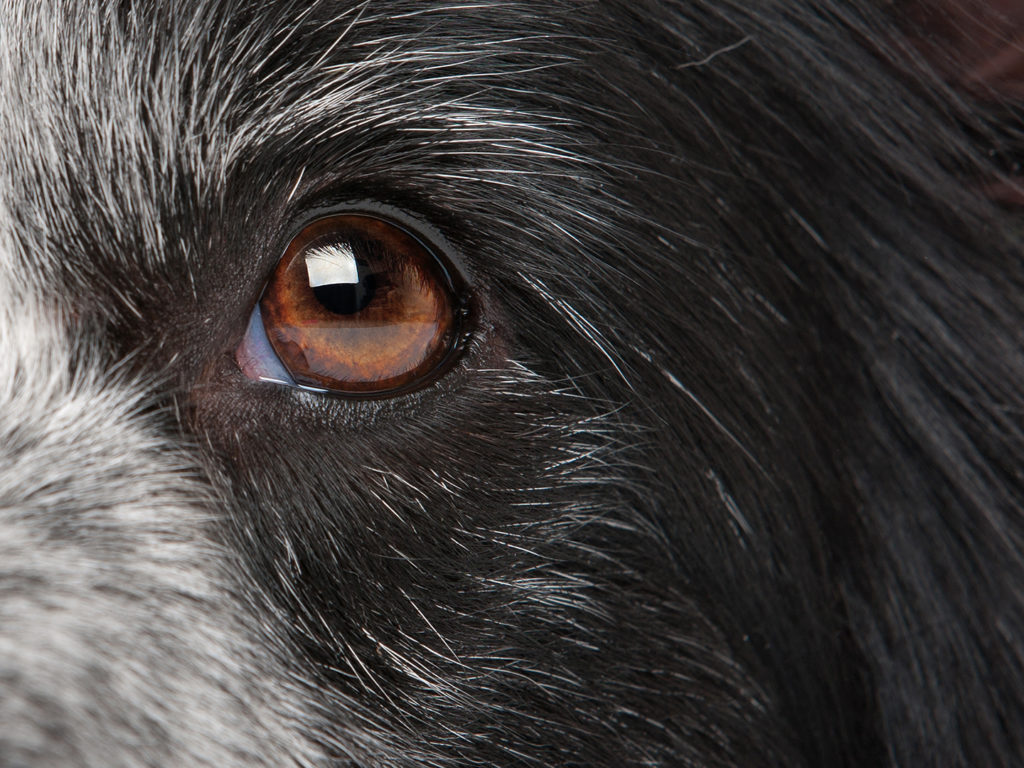
close up of a dog's eye

Just as humans may develop vision loss or impairments, our animal friends also can experience issues such as cataracts as they age.

The term cataract refers to an opacity of the lens within the eye, causing both a discomfort and a loss of vision.

While all species are susceptible to developing cataracts, Dr. Lucien Vallone, a clinical professor at the Texas A&M College of Veterinary Medicine & Biomedical Sciences, says cataracts are most often found in dogs and horses and less frequently in cats.

The most common and noticeable sign of cataracts is a cloudy, white pupil. Other warning signs of vision loss can include running into walls, clumsier movement, and less spacial awareness.

Because the severity of pet cataracts ranges from a small inconvenience that causes little or no vision issues to affecting the entire lens and resulting in blindness, Vallone encourages pet owners to pursue evaluation with a veterinarian if there are any concerns of cataract or vision issues in their pet.

“It can be difficult to predict whether a small cataract will progress to a large one,” Vallone said. “Veterinary ophthalmologists generally recommend periodic eye exams to identify if a cataract is present and to then track progression.”

Cataract severity and treatment varies greatly from patient to patient. Some cases can be treated with topical therapies such as eyedrops. While this form of treatment will not reverse or repair damaged vision, it can ease any discomfort or inflammation caused by the cataract. 

If cataracts progress too far, however, surgery can be done to restore lost vision in pets.

The majority of cataracts are consequences of inherited genetic mutations. While many of these mutations have been found in certain breeds of dogs, they are not necessarily present in the entire population. Vallone said it is tough to accurately pinpoint which breeds develop cataracts, due to the major variations within a breed around the globe.

Owners who acquire their dogs from breeders should ask the breeder if annual Orthopedic Foundation for Animals (OFA) exams have been performed within their breeding program.

“The OFA organizes breeding soundness examinations with ophthalmologists that are intended to help responsible breeders avoid breeding dogs affected by cataracts,” Vallone said. “If breeding soundness steps were not taken prior to adoption, or a dog was adopted from a shelter, the best strategy an owner can take is to schedule regular (annual) evaluations with their vet for screening purposes.”

A key element to pets living a full and happy life comes from their ability to clearly see both their owners and the world around them.

Although cataracts have the potential of putting a cloudy haze on an animal’s happy life, by staying observant to the well-being of their animal companions, pet owners can catch conditions like cataracts early so that their pet can be treated as soon as possible.

Pet Talk is a service of the College of Veterinary Medicine & Biomedical Sciences, Texas A&M University. Stories can be viewed on the web at vetmed.tamu.edu/news/pet-talk. Suggestions for future topics may be directed to vmbs-editor@tamu.edu.

New Study Indicates Captive Texas Deer Can Contract, Likely Transmit SARS-CoV-2 Virus To Each Other

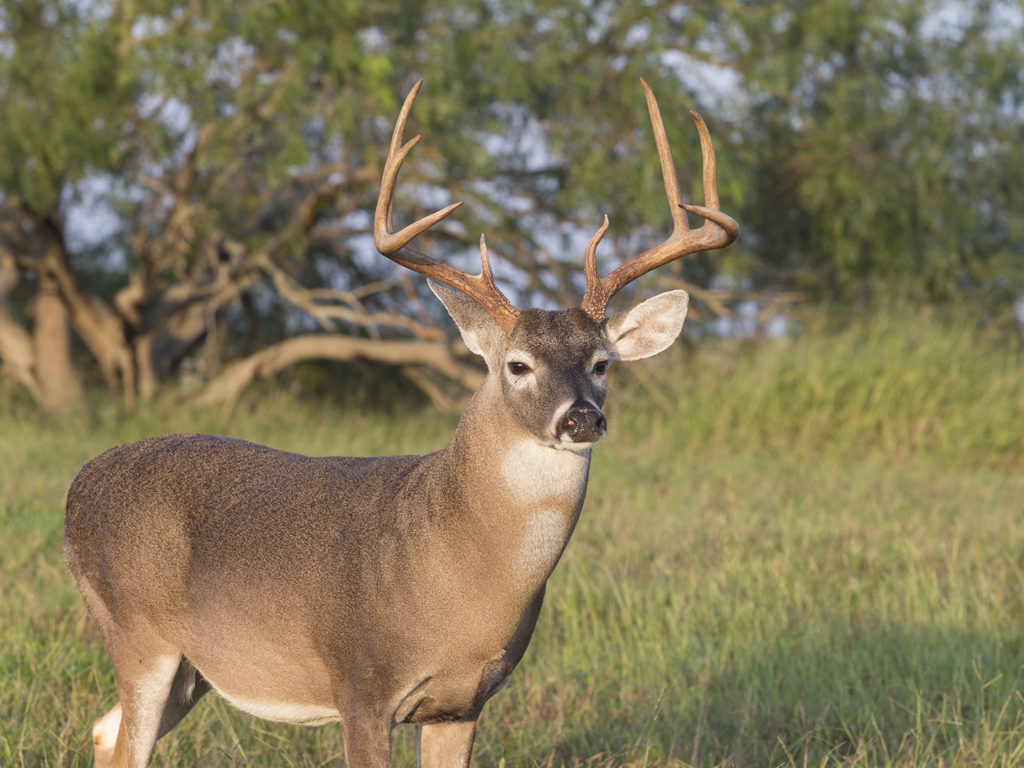
A white tailed buck

A new study by Texas A&M’s College of Veterinary Medicine & Biomedical Sciences (CVMBS) has revealed that captive white-tailed deer in Texas are susceptible to SARS-CoV-2, the virus that causes COVID-19. With over 90% of the captive deer at one facility testing positive for the virus, the authors indicate their findings likely reflect deer-to-deer transmission.

The research team, led by CVMBS associate professor of epidemiology Dr. Sarah Hamer, has been investigating how animals are involved in the transmission of SARS-CoV-2 since early days of the pandemic in summer 2020. Their initial work detailed infections in about a quarter of the dogs and cats that lived in households with infected owners in Central Texas and led to questions about other animals that interact with humans. 

Additionally, work conducted last year by the U.S. Department of Agriculture’s Animal and Plant Health Inspection Service, APHIS, showed free-ranging white-tailed deer populations across Illinois, Michigan, New York and Pennsylvania had produced SARS-CoV-2 antibodies, which indicated they had been exposed to COVID.

The research team then developed collaborations for a study on captive white-tail deer in Texas, focused on animal health and the potential for viral transmission from infected animals to other animals.

Hamer, principal investigator for the new study, said since free-ranging white-tailed deer with evidence of SARS-CoV-2 infection have been found in several states, now including Texas, it was important to understand how the risk to captive deer may be similar or different.

“These studies open our eyes to a less ‘human-centric’ perspective on COVID transmission and to the need to investigate potential animal reservoirs for the disease,” she said.

Specifics Of The Study

White-tailed deer have been shown to be susceptible to SARS-CoV-2 because their ACE2, or angiotensin converting enzyme 2, which is where the virus attaches, is very similar to that of humans, said Dr. Terry Hensley, assistant agency director for diagnostic services with the Texas A&M Veterinary Medical Diagnostic Laboratory (TVMDL), Bryan-College Station.

“However, while the white-tailed deer in the USDA study were able to be infected with SARS- CoV-2, then shed the virus and infect other deer in the study, they did not develop any observable clinical illness from the virus,” he said. “We still have a lot to learn concerning SARS-CoV-2 and wildlife.”  

The Texas A&M study, which involved graduate student, postdoctoral, faculty and veterinarian researchers, involved the use of plaque reduction neutralization assays to test for SARS-CoV-2 antibodies in 80 deer at three captive cervid facilities in Central and South Texas, and additional work is ongoing.

Samples were tested in a TVMDL Biosafety Level 3 laboratory.

“The level of infection we detected, which was more than 90% of the tested captive deer at one facility, cannot be explained by human contact alone,” said Hamer, who also oversees a research laboratory focused on the ecology, evolution and epidemiology of vector-borne wildlife and zoonotic diseases using field-based studies and molecular tools.

“Only a subset of the deer that tested seropositive had close or direct contact with humans,” she explained. “While there may have been some initial human-to-deer transmission of the virus, the vast majority of transmission at that facility appears to have been from deer to deer.”

Hamer also noted the prevalence of COVID-positive deer in the one Texas facility was more than double the amount reported in recent studies of wild deer populations in Texas and some northern states.

The Research And Its Benefits   

The study will help researchers better understand the interaction between humans and wild and/or managed animals and the virus, Hamer said. She added that study results may be especially applicable in facilities where wildlife is actively managed and fed through human contact.

“This information could be useful not only to captive cervid facilities, but also zoos and other locations where animals are in close contact with humans and are at a much closer distance from one another than what would be normal for them in the wild,” Hamer said. “It’s also important that we understand transmission among captive cervids and other managed animals so we can get a better picture of their role in the occurrence of SARS-CoV-2.”

Other Insights From The Study

The study confirmed white-tailed deer typically do not get symptoms of SARS-CoV-2 but are easily able to contract and transmit the disease, said Dr. Walter Cook, a study co-author, wildlife veterinarian, and CVMBS clinical associate professor. Other study co-authors from the college included doctoral students Chase Nunez and Logan Thomas.  

Cook said other studies have shown certain wildlife to be susceptible to the virus, and what they learned in the new study could help in better understanding how they may transmit the disease.

Previous studies have shown domestic animals such as dogs and house cats can also contract the SARS-CoV-2 virus as a result of contact with infected humans. Hamer was also principal investigator in a Texas A&M-led study in March of last year that, for the first time worldwide, detected the United Kingdom variant of SARS-CoV-2 in a dog and a cat from the same household in Texas.

The new study will be helpful toward finding out whether there might be onward transmission from infected animals to animals of the same or a different species–or possibly back to people.  

Hamer said vaccine manufacturers have already created veterinary vaccines for animals that are being used in some zoo environments to protect animals shown to develop disease when infected.

“If we find that infection will endanger the life of animals, or if animals can readily spread the virus to humans, then there will be lots of motivation to also consider widespread vaccination of target animals against SARS-CoV-2,” she said. “But this is not the situation, and the most impact right now will be from vaccinating people.”

This story was modified from Paul Schattenberg’s original article examining the research and possible implications for deer hunters.

###

For more information about the Texas A&M College of Veterinary Medicine & Biomedical Sciences, please visit our website at vetmed.tamu.edu or join us on FacebookInstagram, and X.

Contact Information: Jennifer Gauntt, Director of VMBS Communications, Texas A&M College of Veterinary Medicine & Biomedical Sciences, jgauntt@cvm.tamu.edu, 979-862-4216
CVMBS Associate Professor Elected American Ornithological Society Fellow

Dr. Donald Brightsmith headshot
Dr. Donald Brightsmith

Dr. Donald Brightsmith, an associate professor in the Texas A&M College of Veterinary Medicine & Biomedical Sciences’ (CVMBS) Department of Veterinary Pathobiology (VTPB), has been elected as a fellow into the American Ornithological Society (AOS), the nation’s most prestigious professional society of avian scientists.

“It is a great honor to be recognized by this elite group of peers after so many years of working to understand and conserve the tropical birds I care so much about,” Brightsmith said.

Brightsmith is one of 19 new fellows elected in 2021 for his exceptional and sustained contributions to ornithology and service to the AOS. He joins a total of 530 fellows from around the world.

“I am very pleased that the Society has recognized Dr. Brightsmith as a leading scientist and scholar of the discipline,” said Dr. Ramesh Vemulapalli, VTPB department head. “We are very proud that he will be representing VTPB and the college in the ornithology professional community.”

Brightsmith joined the CVMBS in 2005 and has focused his research on conservation, ecology, and the health and welfare of parrots. He is an active member of the college’s Schubot Center for Avian Health and co-director of The Macaw Society, a long-term research study of the ecology and conservation of macaws and parrots in Peru’s Tambopata region and throughout Latin America.

He teaches a variety of courses on research and biodiversity, including study abroad courses in Costa Rica and Peru.

###

For more information about the Texas A&M College of Veterinary Medicine & Biomedical Sciences, please visit our website at vetmed.tamu.edu or join us on FacebookInstagram, and X.

Contact Information: Jennifer Gauntt, Director of VMBS Communications, Texas A&M College of Veterinary Medicine & Biomedical Sciences, jgauntt@cvm.tamu.edu, 979-862-4216