Recognizing When Your Pig Has A Skin Condition

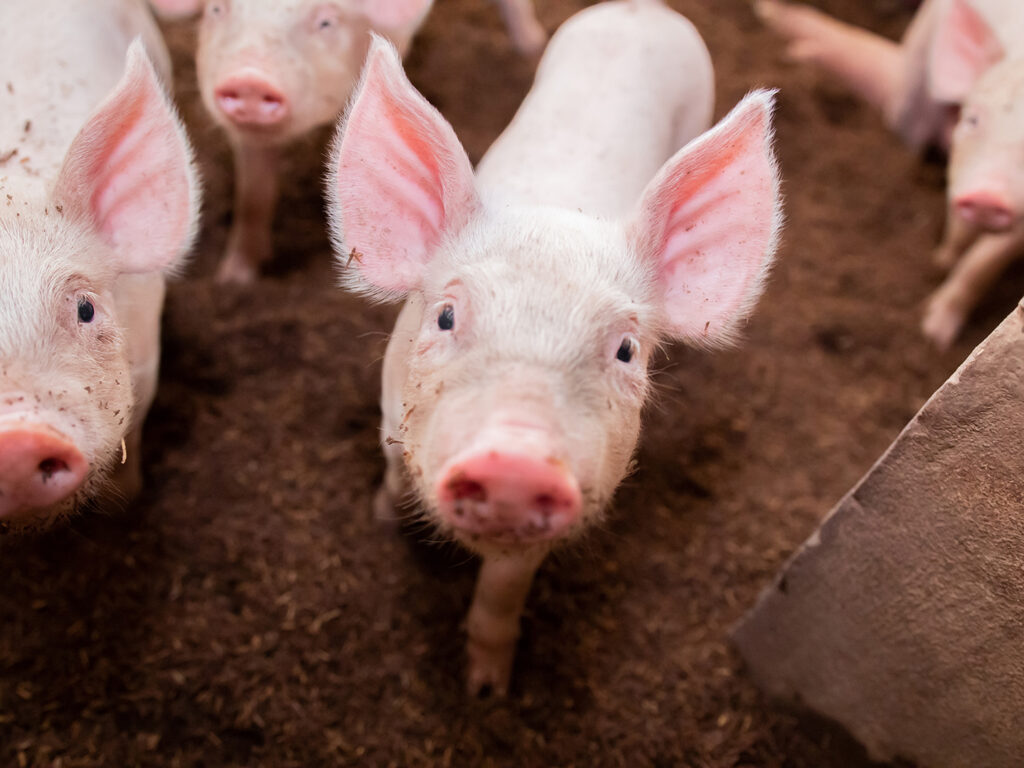
A pink piglet looking up at the camera

As the summer heat continues to simmer, the risk of painful sunburns continues to be a concern as well. This is true for humans but also for animals like pigs, whose skin not only closely resembles that of humans but is more sensitive to dermatological diseases.

Because of this, Dr. Jake Trautmann, a veterinary resident in large animal internal medicine at the Texas A&M School of Veterinary Medicine & Biomedical Sciences, says shade and veterinary care are important for protecting a pig’s skin from sunburns, skin cancer, and other skin conditions that pigs are prone to experience.

Sunburns And Skin Cancer

Sunburns occur when ultraviolet rays from the sun reach the skin and damage skin cells, causing inflammation and redness. Even though sunburns heal naturally, skin cells that remain damaged could become cancerous.

Pigs can experience sunburns and skin cancer when there is a greater chance of sun exposure for an extended period of time, yet Trautmann points out that sunburns are more recognizable in pigs because of similarities to sunburns in people. As a result, owners should swiftly treat the unwanted condition.

“The most common sign of a sunburn is a generalized reddening of the skin, but pigs can also display signs of a sunburn ‘attack,’ when the pain causes them to dip their back downward and squeal while walking, with some even dropping to their stomachs,” Trautmann said. “In some cases, the skin can flake and peel, particularly for pigs who are more sensitive to sunlight in lighter-skinned areas.”

Trautmann encourages owners to keep the sunburned pigs in a shaded area, allowing them time to heal and preventing them from causing excessive skin damage.

If a sunburn is not treated and is given time to worsen, it can cause skin cancer, which can be harder to recognize, unlike sunburns, and requires veterinary care in order to be resolved.

“Squamous cell carcinoma is a common cancer type in pigs and can manifest as raised masses or ulcerated areas (open sores) on the skin,” Trautmann explained. “A skin biopsy – a procedure performed by a veterinarian to remove skin cells for testing – is necessary to confirm a diagnosis of this type of cancer.”

Both sunburns and skin cancer can be prevented by providing pigs with easily accessible shade.

“Pigs that are provided plenty of shade will often use it but will avoid it if it is too much of a chore to get to it,” Trautmann said. “Sometimes they like to bask in the sun, which makes keeping pigs under shade extra difficult. In these cases, the pigs should be enticed to spend as much time in the shade as possible by providing items under the shade that pigs enjoy having around, including food, water bowls, hammocks or other structures they can lay down on, and toys that they play with.”

Other Common Skin Conditions

While preventing sunburns and skin cancer is especially important during sunny weather,

pigs are also at risk for other skin diseases. Trautmann emphasizes that veterinary visits are also required to resolve conditions that cause growths, ulcerated areas, areas that are persistently present for longer than a few days, and areas that grow in diameter from one day to the next.

The most common skin conditions for pigs that will require veterinary care, according to Trautmann, include:

  • Diamond skin disease: This bacterial infection can cause raised red or blue rhomboid plaques, or dry raised patches, and progress to peeling red diamond-shaped lesions.
  • Dermatitis: Ranging from superficial to deep, this skin condition typically involves organisms already present on the skin that have overpopulated. Greasy pig disease, a bacterial infection that causes brown areas to develop under the arms and in the groin area and spread to the face and head, falls under general dermatitis. Treatment for dermatitis can be as simple as bathing the pig periodically to treating the condition more aggressively with antibiotics and antifungal medications.
  • Ectoparasites: This includes hog lice, which are specific to pigs, and mange, which can spread to humans if left untreated. Signs of ectoparasites include rubbing, scratching, hair loss, and visualization of the parasite.
  • Ringworm: A fungal infection that causes crusting lesions to expand around the neck and behind the ears. The lesions can often look like those caused by mange, so veterinary intervention is necessary to diagnose and should be treated quickly, as ringworm can spread to humans.

By recognizing various skin conditions of pigs, owners can ensure an appropriate treatment plan is developed with their veterinarian sooner rather than later. Caring for your pig’s skin will keep your pig healthy and happy during the uncomfortably hot weather.

Pet Talk is a service of the College of Veterinary Medicine & Biomedical Sciences, Texas A&M University. Stories can be viewed on the web at vetmed.tamu.edu/news/pet-talk. Suggestions for future topics may be directed to vmbs-editor@tamu.edu.
Texas A&M Faculty Member, Former Student Team Up In Fight Against Cancer

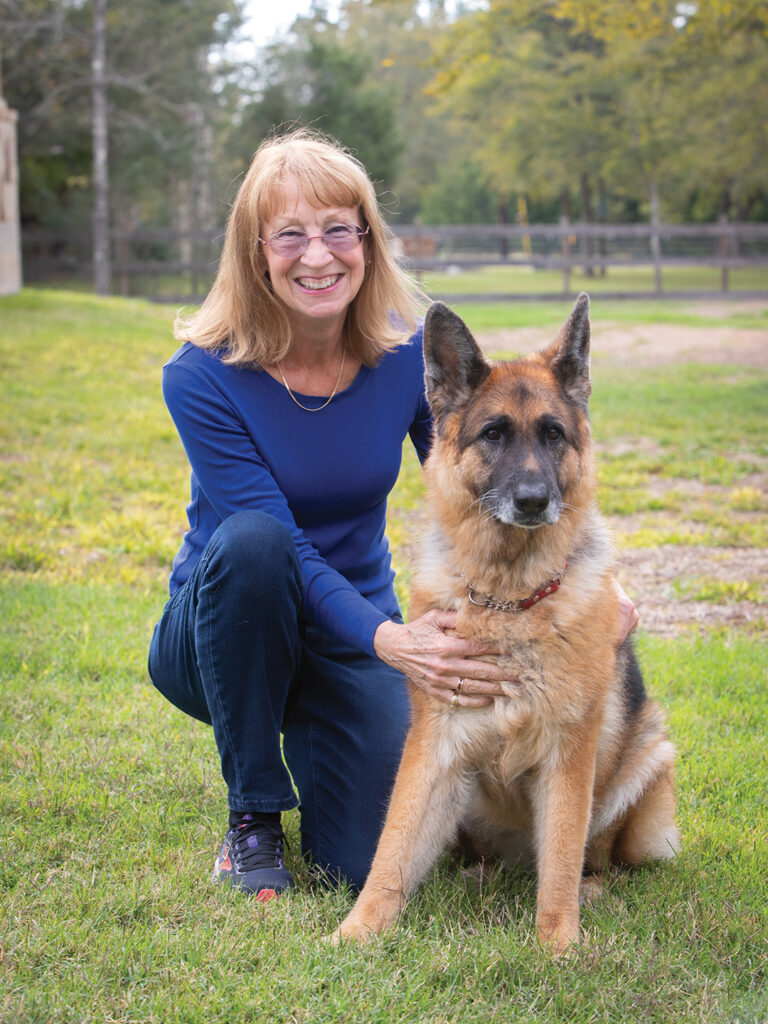
Susan Fontaine kneeling in a yard next to her German Shepherd, Murphy
Susan Fontaine ‘77 and Murphy

Susan Fontaine’s life-long love affair with dogs grew by leaps and bounds when she and her husband, George Corolla, started competing and showing their dogs in the early 1990s. Since then, the couple competed with six different dogs, all with names that started with an “M.”

Yet, as is the case with all pets, the Fontaine-Corollas’ dogs have faced health challenges over the years.

One of their most recent dogs, Murphy, wasn’t feeling well in 2017, so Susan took him to the veterinarian. Noticing a large lump in his throat, the veterinarian directed Susan to the Texas A&M Small Animal Teaching Hospital (SATH), where the German shepherd was diagnosed with lymphoma.

Murphy benefitted from the compassionate care of SATH’s staff as well as regular chemotherapy, which not only prolonged his life for three more years but also sustained his energy levels. He was still competing until two months before his death.

While the Fontaine-Corollas previously made gifts to the School of Veterinary Medicine & Biomedical Sciences (VMBS), the quality of care Murphy received during the last part of his life prompted Susan ’77 to establish the Susan Fontaine Endowment for Veterinary Clinical Trials, which will support research aiming to better both animal and human lives.

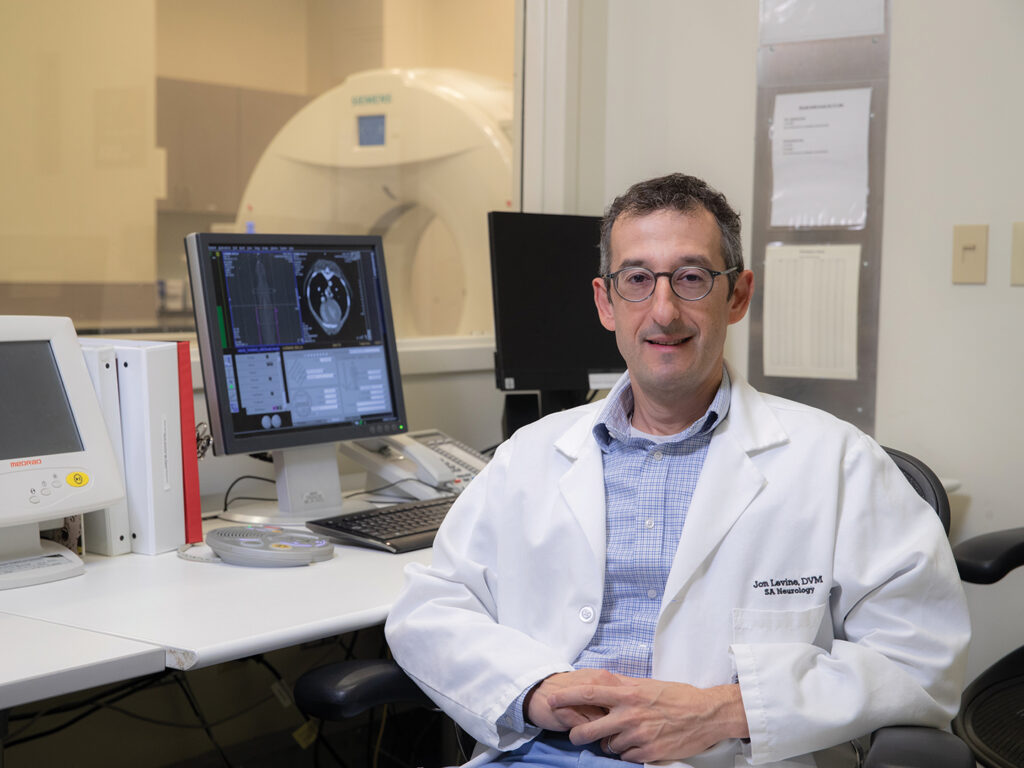
“We don’t only aspire to have research that directly impacts veterinary medicine, but we’re also very interested in human and environmental health,” said Dr. Jon Levine, head of the VMBS’ Small Animal Clinical Sciences Department (VSCS). “We know that dogs and cats — but especially dogs — have a lot of diseases that are very similar to people, whether we’re talking about cancer, Alzheimer’s disease, or some heart diseases. Information we can find out genetically about how a dog’s cancer develops might be very relevant to human cancers.”

Showing Off

The couple’s entry into dog competitions began when they lived in Seattle and brought home Molly, a German shepherd, in the early 1990s.

“We signed up for obedience school and the obedience instructor said, ‘You ought to consider competing and showing the dog,’” Susan said. “I never had thought about what that life was like and it hadn’t occurred to me that there was even such a thing as obedience competitions.”

Susan and Molly’s first competition proved to be a learning opportunity.

“We went into the ring and then Molly left me — she was supposed to stay with me — and she went and sat in the middle of the ring and watched me perform to the judges’ commands,” she said, laughingly.

The experience, however, caused her competitive juices to kick in.

“I’m going to prove I can do this,” she said. “This dog and I are going to conquer this; that got me hooked on competing with dogs.”

A year later, the Fontaine-Corolla family got another German shepherd, Max, which George decided to show while Susan showed Molly.

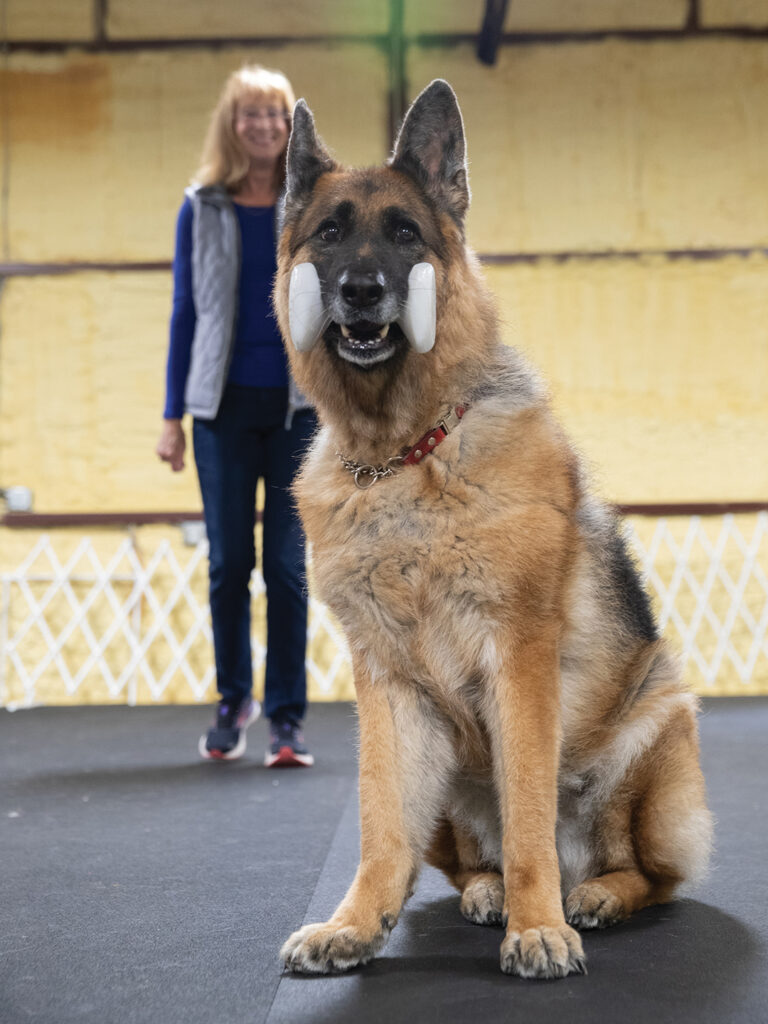
A German Shepherd holding a toy in its mouth, with Susan Fontaine standing in the background

“It was a nice hobby we could do together,” Susan said. “We’d go to dog shows on the weekend and to class together. We’d do little workouts in our driveway in our neighborhood.”

Susan, who has also competed in rally and agility, believes dog competitions are a team sport.

“When the dog does well and you do well, there is no better feeling in the world. It is such a partnership with the dog; it’s like you’re in sync, so that’s the driving force of the competition,” she said. “Right now, with Mia, I’m doing nose work, which is scent detection that uses the dog’s natural ability to find a specific odor that’s hidden away. Mia has to communicate to me where it is and then I tell the judge. I’m right or wrong, based on what the dog has said to me.”

The couple was so committed to competing that, upon moving to College Station for retirement, they built a facility in their backyard so they could train locally instead of driving to Houston.

“I have a group of friends who come to do training together, but it’s not a business,” Susan said. “We support each other in our training efforts.”

Breaking Barriers

Susan’s ability to forge strong relationships was strengthened by her time as a student at Texas A&M. She came to campus right as women were being accepted into the Corps of Cadets and could live on-campus in dorms.

“There were four men to every woman, and there were around 18,000 students when I graduated,” she remembered. “It was very different than it is today.”

Her father was serving in the military and her family was stationed overseas when she enrolled at Texas A&M.

“I fit into the military culture; it was a family environment. I met really, really good friends with whom I’m still friends as we come up on our 45th class reunion,” she said. “I share my football tickets with my college roommate.”

After earning her degree, Susan stumbled into what turned into a 38-year career in the insurance industry, starting as an underwriting trainee at Aetna in Houston.

“It was a perfect fit for me. It’s very analytical and you get to learn a lot about a lot of different businesses,” she said. “It’s part psychologist, part detective, part actuary, and part fortuneteller—you try to predict who’s going to have a loss or a claim and what can you do to avoid that.”

Her work led to an introduction to her future husband and allowed the couple to live in Seattle and Wilmington, Delaware. As the couple neared retirement, they decided to look for a single-level home in a place with mild winters.

George, who wasn’t an Aggie, said, “What’s wrong with Bryan-College Station?” Noting that she was shocked that it was George’s idea, Susan explained about their decision to move to College Station in 2014, “I think he knew that I would be happy here. I’d brought him to a couple of reunions.”

Looking back over the years, Susan realizes that she entered both Texas A&M and the corporate world during a time of tremendous cultural change.

“It was the time period when women were coming to the workforce — and it was the same thing in my career,” she said. “I was the first commercial female manager for one of my insurance companies and the first female divisional president for another. I didn’t break the glass ceiling, but I knocked on it.”

Collaborative Partnership

Levine sitting at a desk with an MRI machine in the background
Dr. Jon Levine

Over the years, the couple lavished their attention on their dogs: Molly, Max, Missy, Moses, Murphy, and Mia. 

“It started happening with Molly and Max, so when we got the next one, their name had to start with an ‘M,’” Susan explained.

With no children, the couple started considering how they wanted to distribute their estate — and both Texas A&M’s former College of Liberal Arts (which joined the new College of Arts and Sciences on Sept. 1) and the VMBS made their initial list, leading to liberal arts scholarships and supporting VMBS’ facilities.

Yet, Murphy’s experience with the SATH had a significant influence on Susan’s future funding decisions.

“I’ve always loved dogs, but I had not connected with the vet school when I was in college,” she said. “After watching Murphy’s experience, I thought that the school would be a good investment in the future.”

After George died in 2021, Susan learned that she received an inheritance that allowed her to do more for Texas A&M. 

“I don’t have to live off of my income anymore,” she explained. “I realized that I had money to play with and to do good with that I didn’t have before — so what can I do?”

After reviewing options with the Texas A&M Foundation’s VMBS development team, Susan came up with a plan for her investment.

“The clinical trial idea jumped right out at me because I had been thinking all along, ‘What else can I do to help other dogs not go through what Murphy went through?’” she said.

Soon after, she read about Levine’s research on glioblastoma, a type of brain cancer that affects humans and dogs. Levine noted that other VMBS researchers are studying conditions that could have implications for human beings, including Chagas disease and cartilage replacement, as well as the dog aging process.

Levine is already putting Susan’s endowment to work. 

“Our immediate use for this is to help support a start-up package for a geneticist we are hiring,” he said, adding that this position, which also incorporates funding from the Office of the Provost, will be a joint hire between VSCS and the VMBS’ Department of Veterinary Pathobiology. “The idea behind this strategy is to amplify the collaborations we have. This geneticist will be a benchtop scientist who works with test tubes and looks at genetic data but also can connect with the faculty members who see cases in the trenches and identify new or current diseases that we don’t understand.”

Susan hopes that more donors will consider supporting these types of innovative efforts to improve the health of both dogs and human beings.

“I’m an ordinary person. I remember the days when I had to buy clothes on layaway and not buy groceries until I got my paycheck,” Susan said. “I think anybody can give — and anybody can plan to give in the future. You have to make it part of your values.”

###

Note: This story originally appeared in the Winter 2023 edition of VMBS Today.

For more information about the Texas A&M College of Veterinary Medicine & Biomedical Sciences, please visit our website at vetmed.tamu.edu or join us on FacebookInstagram, and Twitter.

Contact Information: Jennifer Gauntt, Director of VMBS Communications, Texas A&M College of Veterinary Medicine & Biomedical Sciences; jgauntt@cvm.tamu.edu; 979-862-4216

Keeping Dogs Cool For The Summer To Prevent Heatstrokes

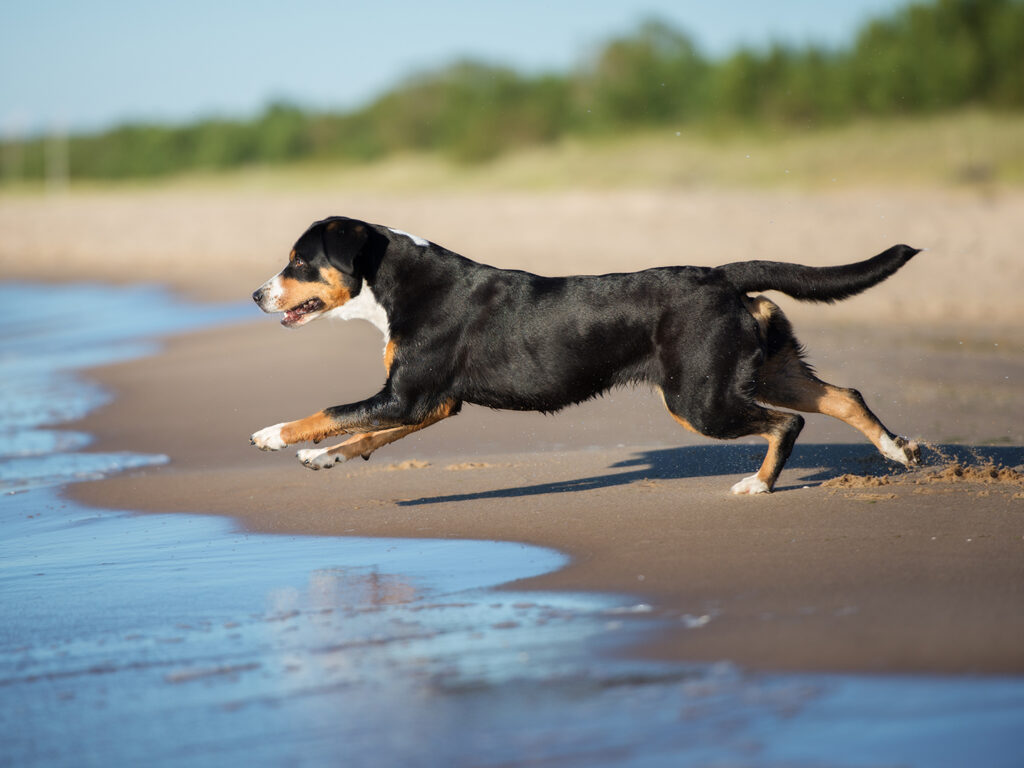
A black, brown, and white dog running toward the water on a beach

Summer’s infamous heat has sent temperatures soaring to record highs this year, so it’s important to protect our furry friends from heat-related issues as the weather grows more uncomfortably hot. 

Dr. Gabriela Rivas, a veterinary resident in emergency and critical care at the Texas A&M School of Veterinary Medicine & Biomedical Sciences, says dogs can easily experience heatstrokes during warmer months because they do not have the same capacity to produce sweat like humans do. 

Sweating is a natural and efficient way to decrease body temperature and cool the skin by using excess body heat to convert sweat into vapor; because dogs are covered in fur and do not have sweat glands on most of their body, sweat on the skin cannot evaporate into vapor to cool them.

As a result, if dogs are unable to cool down through other means, heat exhaustion can turn into a heatstroke, a condition that requires veterinary intervention and ongoing monitoring.

“Dogs rely heavily on panting and drooling to get rid of excess heat, and heatstrokes occur when these cooling methods become less effective, especially in hot and humid environments or if a pet is left in an area with poor ventilation, such as inside a vehicle,” Rivas said. “There are also several factors – such as obesity; breed conformation, or a dog’s overall structure and appearance; and underlying diseases, such as seizures, advanced age, cardiovascular disease, and airway disease – that put them at risk of heatstrokes at any time of the year.”

While cats can also experience heat-related issues due to ineffective sweating, they are at less risk because they are not outside as often and typically exert less energy compared to dogs, keeping them cooler. Yet cats who are impacted by heat exhaustion and heatstrokes exhibit similar signs as dogs and can be treated the same.

Signs Of Heat Exhaustion And Heatstrokes

Dogs who experience heat exhaustion – or a body temperature roughly between 103 and 106 degrees Fahrenheit – may pant heavily, avoid playing or exercising, and lie in the shade outside or on a cool surface inside such as tile or hardwood. 

Yet signs of a heatstroke – or a body temperature greater than 106 degrees Fahrenheit – are more extensive, including collapse or weakness; drooling; excessive panting; respiratory distress, meaning fluid fills the lungs instead of oxygen; disorientation; seizures; or a sudden onset of vomiting or diarrhea. These symptoms can worsen, according to Rivas, if they are not treated by a veterinarian.

“Heatstroke is a medical emergency because as the body temperature rises, different organ systems may become severely injured by the excess in heat,” Rivas said. “Organ injury can lead to life-threatening complications such as shock, abnormal heart rhythms, clotting disorders, severe dehydration, systemic infection, or seizures. In some instances, a pet can experience multiple organ dysfunction or death.”

Cooling Methods And Prevention Tips

Dogs experiencing a heatstroke will require immediate intensive care and most likely require active cooling, fluid therapy, anti-nausea medications, and electrolyte supplementation to treat symptoms and possible organ injury. Because of this, Rivas emphasizes how important it is that dog owners recognize when their pet is mildly overheated or on the verge of a heatstroke in order to take appropriate action sooner rather than later.

“When a dog overheats, owners can start cooling methods by moving their pet to a cool and shaded area, wetting them with lukewarm water, and using a fan,” Rivas said. “But if at any point an owner is concerned about heatstroke in their pet, they should seek veterinary care immediately. In the meantime, owners can use their car’s air conditioning while they transport their pet to a veterinary clinic.”

Owners should also be careful when cooling their dog, as some methods can worsen their symptoms.

“Ice water and water submersion should be avoided, as these methods can lead to extreme drops in body temperature, potentially trapping heat in areas that can damage organs further and make it harder for a dog to dissipate the heat,” Rivas said. “Pets with heatstroke can also lose consciousness, which makes submerging them in water dangerous.”

Since extreme heat can be damaging to both a cat’s or dog’s health, Rivas emphasizes that prevention is key by providing plenty of access to drinking water and shade when outdoors; avoiding walks and strenuous exercise during hot and humid weather; and never leaving a pet unattended in a vehicle.

With several months of hot weather still ahead and temperatures even reaching into the triple digits in some areas, pet owners should ensure their furry friend is safe from potential heat-related illness so that they can be happy and cool for the summer.

Pet Talk is a service of the College of Veterinary Medicine & Biomedical Sciences, Texas A&M University. Stories can be viewed on the web at vetmed.tamu.edu/news/pet-talk. Suggestions for future topics may be directed to vmbs-editor@tamu.edu.
Bringing 100+ Years Of Veterinary Educational Excellence To The Texas Panhandle

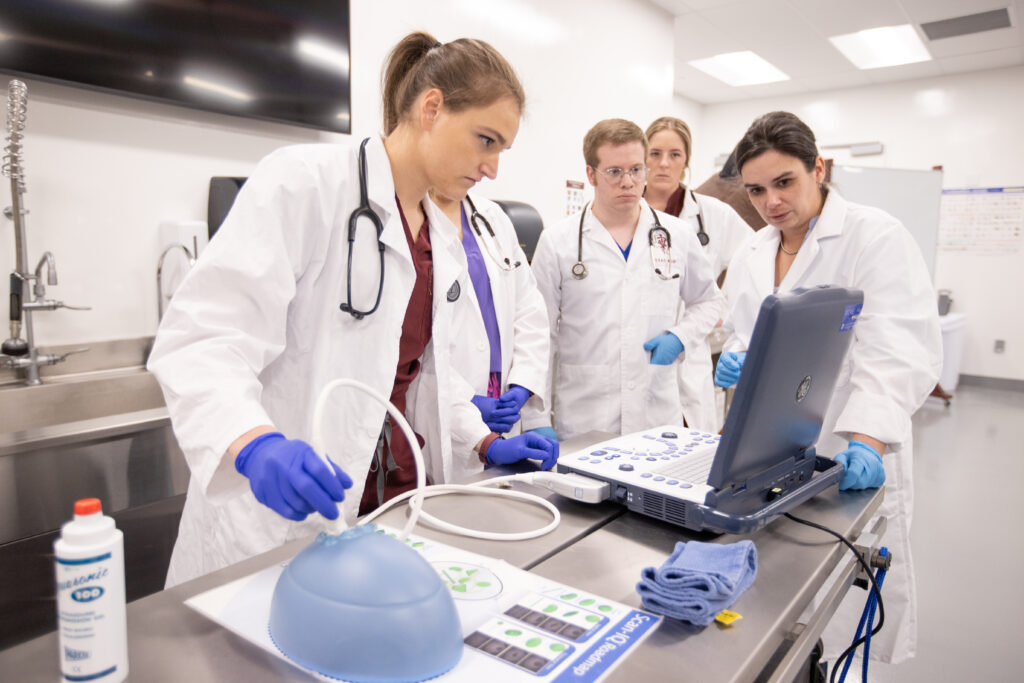
A student uses an ultrasound training device while other students and a professor watch
Dr. Kelli Beavers teaches 2+2 program students how to conduct ultrasounds.

Canyon, Texas, is home to many great things — Palo Duro Canyon State Park, the epic drama TEXAS, the largest historical museum in the state, and Texas A&M’s Veterinary Education, Research, & Outreach (VERO) program, which brings more than 100 years of veterinary medical excellence to the Texas Panhandle Plains.

VERO was established in 2009 to address rural Texas’ continual need for well-trained veterinarians skilled in the care of both large and small animals.

One of the ways we address this need is with our 2+2 Doctor of Veterinary Medicine (DVM) program, which allows up to 18 Aggie veterinary students to spend the first two years of their veterinary education at VERO before heading to College Station for their third and fourth/clinical years.

Classes are taught by a team of 15 veterinary clinical educators who are dedicated to making sure students receive the highest quality veterinary education available in the state.

Our 2+2 students learn from the same curriculum that’s taught to their peers in College Station but with the benefit of smaller, more close-knit class sizes and lower student-to-teacher ratios, as well as greater proximity to rural Texas communities, dairies, and feedlots.

This allows the educational team to develop student-teacher relationships in which we understand each student’s career ambitions and goals so that we can start helping them work toward achieving those goals earlier.

The help we provide takes many forms.

Our faculty have helped students identify mentorship opportunities in the Panhandle community and find opportunities outside the curriculum that allow them to learn more about an industry they’re considering for their career. We even incorporate learning opportunities specific to rural veterinary medicine and the Texas Panhandle’s farming and ranching industries’ needs into the DVM curriculum.

We still have the same courses with the same learning outcomes and objectives as those in College Station, but, given that our group size is smaller, we often can add some unique hands-on models or incorporate extra stations into labs at VERO.

One of the hands-on experiences we offer is the opportunity to work on realistic animal teaching tools called SynDaver® models. In addition to looking realistic, these models have a “pulse” and are life-sized with correct anatomy. Our students work on both dog and horse SynDaver® models, which allows them to gain experience and confidence in a low-risk, but still realistic, practice setting.

Another advantage of the 2+2 program is the opportunity to live in the Panhandle Plains region long enough for it to feel like home. Our students get to experience the exceptionally friendly culture and welcoming community while learning about the importance of agriculture to the area. They quickly learn that it’s rare to run into someone who doesn’t have a direct or indirect tie to the farming and ranching industries.

VERO’s partnership with West Texas A&M University (WT) is instrumental in making the Panhandle feel like home and in the community’s support of our students. They’ve been kind enough to include us in their campus culture, which makes both students and faculty feel like part of both the WT family and the Aggie family.

In addition to fostering a sense of belonging, our 2+2 DVM program empowers us to complete our vision of serving every Texan every day by emphasizing the unique opportunities and strengths available in the Texas Panhandle while training highly qualified and motivated students in the skills needed to serve the region.

“Going to school in the communities you plan to serve is an excellent way to make connections with local veterinarians and industry leaders in the area prior to graduation,” said fellow VERO faculty member Dr. Yvonne Wikander. “It opens doors into opportunities students might not otherwise consider.”

We want to see everyone who comes through the VERO program succeed. We invest a lot into our students and their success, and I can honestly say we couldn’t be more proud of our VERO students and their hard work.  We look forward to following their continued successes in their veterinary careers.

For more information on VERO, visit vetmed.tamu.edu/vero, and for more information on the DVM program, visit futureaggievet.tamu.edu.

Texas A&M Veterinarians Help Horse Recover From Life-Threatening Botulism

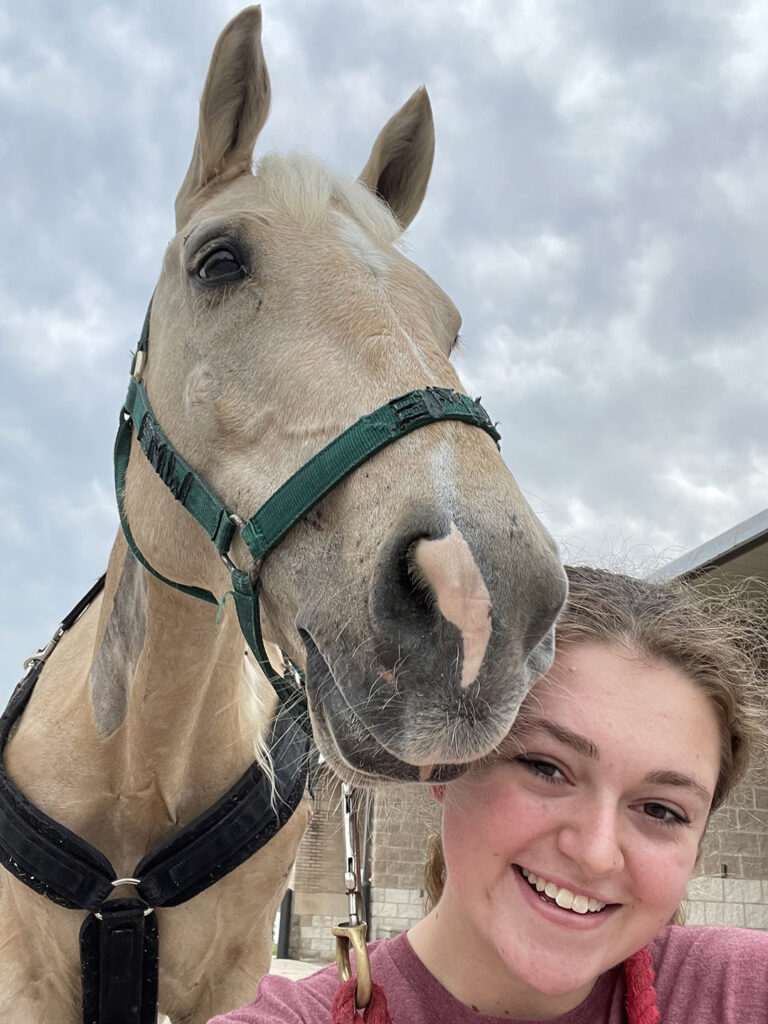
Tesoro the horse and owner Syndey
Tesoro and owner Sydney Reed

Thanks to the quick thinking of veterinarians from the Texas A&M Large Animal Teaching Hospital (LATH), a horse named Tesoro is back on his feet after a frightening case of botulism, a disease not common in Texas.

Sydney Reed, a pre-veterinary animal science student at Texas A&M University, purchased Tesoro, a quarter horse gelding, as part of her side business training and selling young horses. However, Tesoro became the exception.

“He was supposed to be a 60-day project,” Reed said. “But I still have him five years later.”

The two have developed a special bond over the years.

“Anyone who’s met him will tell you he has a personality,” she said. “He’s very particular. When he eats a cookie, he needs your hand there the whole time because he wants to bite it into smaller chunks. And when we were training, he never bucked, kicked or bolted. He’s always been very caring.”

Signs Of Illness

Back in March, Reed got a call from her horse trainer that Tesoro was down and things were beginning to look bad for him.

The news came after a week of the horse showing signs of lameness. Tesoro received blood tests and X-rays, but the results left more questions than answers.

While his tests came back inconclusive, Tesoro continued to behave strangely, despite his local veterinarian administering steroids and other broad treatments used in similar situations.

The night Reed got the call from her trainer, she raced over to be with Tesoro.

“All night, 12 hours in the rain, I laid out there with him,” Reed said, adding that she stayed by Tesoro to take vitals and keep him warm.

When morning came, Tesoro’s veterinarian recommended that Reed take Tesoro to Texas A&M, where a team of veterinarians could work to uncover what was causing his symptoms.

“When he came to us, he was in a critical state,” said Dr. Alexis Jennings, the veterinary resident working on Tesoro’s case at the LATH. “He was unresponsive and showed signs of muscle loss.”

The team soon learned that Tesoro had previously shared a training facility with another Texas A&M patient, a horse who had signs of botulism.

“Botulism is caused by bacteria,” Jennings explained. “It’s not super common in this part of the country, but we do see cases here. Most of the time in adult horses, it’s caused by feed contamination.”

Rare Treatment

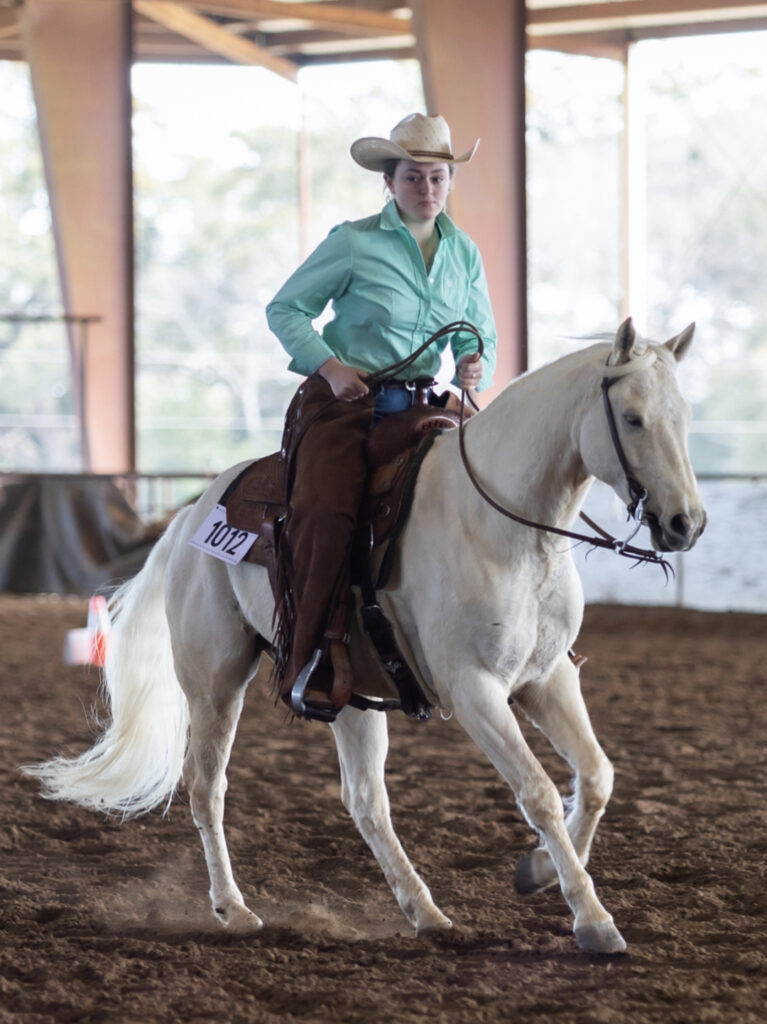
Sydney riding Tesoro

The bacteria that cause botulism can grow in hay and grain that hasn’t dried properly. When horses eat the contaminated grain, they ingest spores that release a paralyzing toxin.

“There’s a very narrow window of getting the treatment started,” Jennings said. “Horses are designed to be standing most of the time, so whenever they are down for an extended period, their muscles and nerves will become permanently damaged. Just being down can cause a lot of issues that are difficult to recover from.”

Since botulism targets the nerves that horses use to stand, it’s a serious condition.

“We don’t always have botulism on our list right away because the signs are non-specific,” Jennings said. “Plus, it takes a very small amount of the toxin to cause the clinical disease. By the time we suspect botulism, there’s usually already muscle paralysis, which is irreversible.”

But as soon as the veterinarians connected Tesoro to another suspected botulism case, they gave him special plasma from a horse that had been immunized against the bacteria.

Not every veterinary clinic carries this rare treatment.

“We were lucky to have some onsite that we could get to him quickly,” Jennings said.

After several months of the botulism treatment, Tesoro began to recover, eventually to the point where he was standing again.

Thanks to the quick response of the LATH veterinary team — which also included Drs. Amanda Trimble, Elizabeth Rumfola, Shannon Darby and Sally Alpini, as well as countless dedicated technicians and veterinary students — Tesoro continues to recover at Payne Equine, a rehabilitation facility owned by Dr. Corey Payne ’21.

“I’m sure the vets at Texas A&M can take care of absolutely anyone,” Reed said. “Tesoro wouldn’t be alive without them.”

###

For more information about the Texas A&M College of Veterinary Medicine & Biomedical Sciences, please visit our website at vetmed.tamu.edu or join us on FacebookInstagram, and X.

Contact Information: Jennifer Gauntt, Director of VMBS Communications, Texas A&M College of Veterinary Medicine & Biomedical Sciences, jgauntt@cvm.tamu.edu, 979-862-4216

Parasitology Students Bring Home Conference Presentation Awards

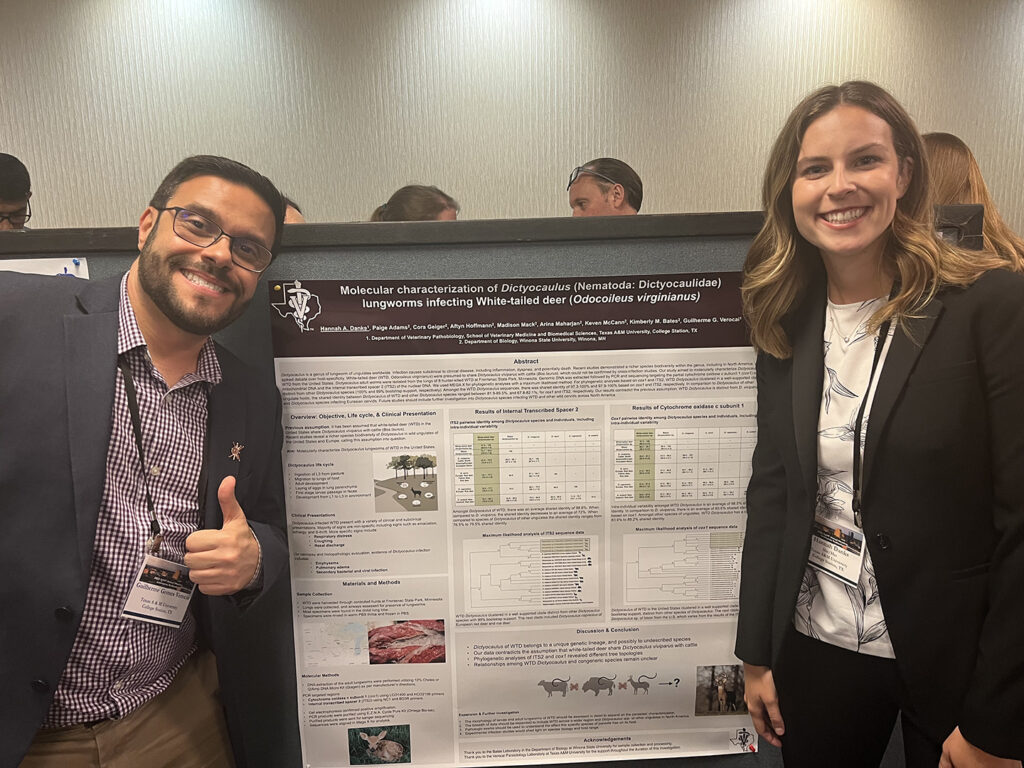
Dr. Verocai and Hannah Danks with her research poster
Verocai and Danks

Three Texas A&M School of Veterinary Medicine & Biomedical Sciences (VMBS) students were recognized at the American Association of Veterinary Parasitologists’ (AAVP) annual conference for their outstanding research presentations.

Hannah Danks, a fourth-year veterinary student, won Second Place Best Poster Presentation by a Student for her research distinguishing types of Dictyocaulus lungworms in white-tailed deer.

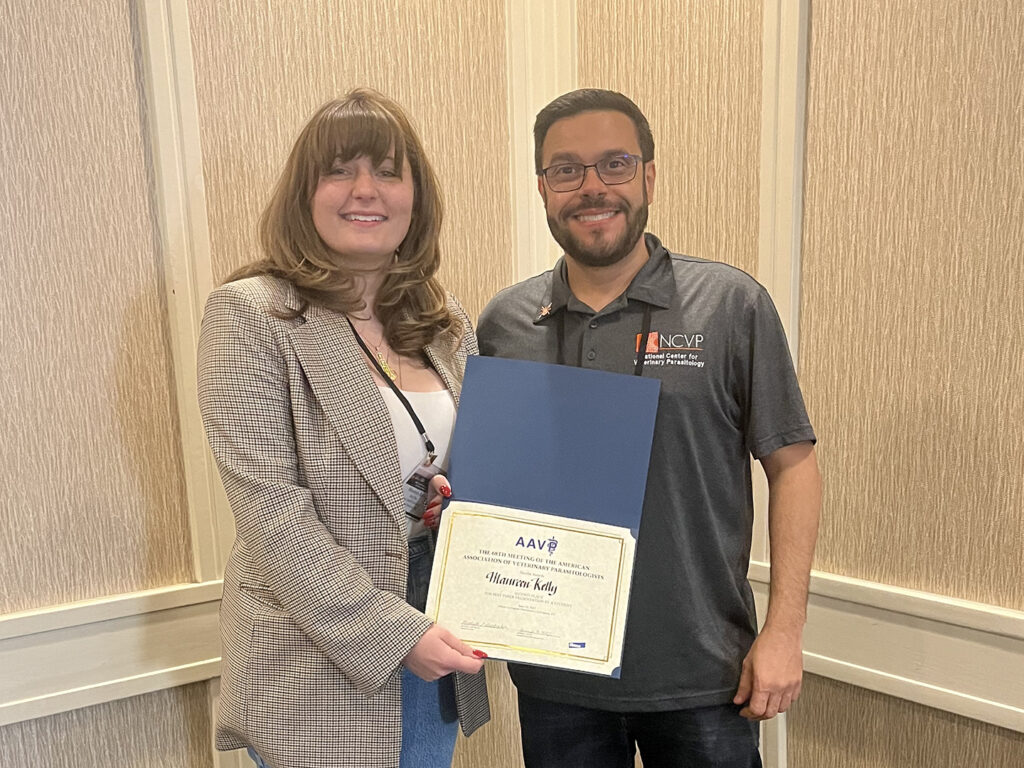
Maureen Kelly, a graduate student, won Second Place Best Oral Presentation by a Student for her research on improving the detection of Dirofilaria immitis (a type of heartworm) in dogs at animal shelters.

Danks and Kelly are both students in the Verocai Parasitology Lab run by VMBS faculty member Dr. Guilherme Verocai. The lab specializes in studying helminth parasites, including roundworms and flatworms, two common types of parasites in vertebrates.

Maureen Kelly and Verocai with her award certificate
Kelly and Verocai

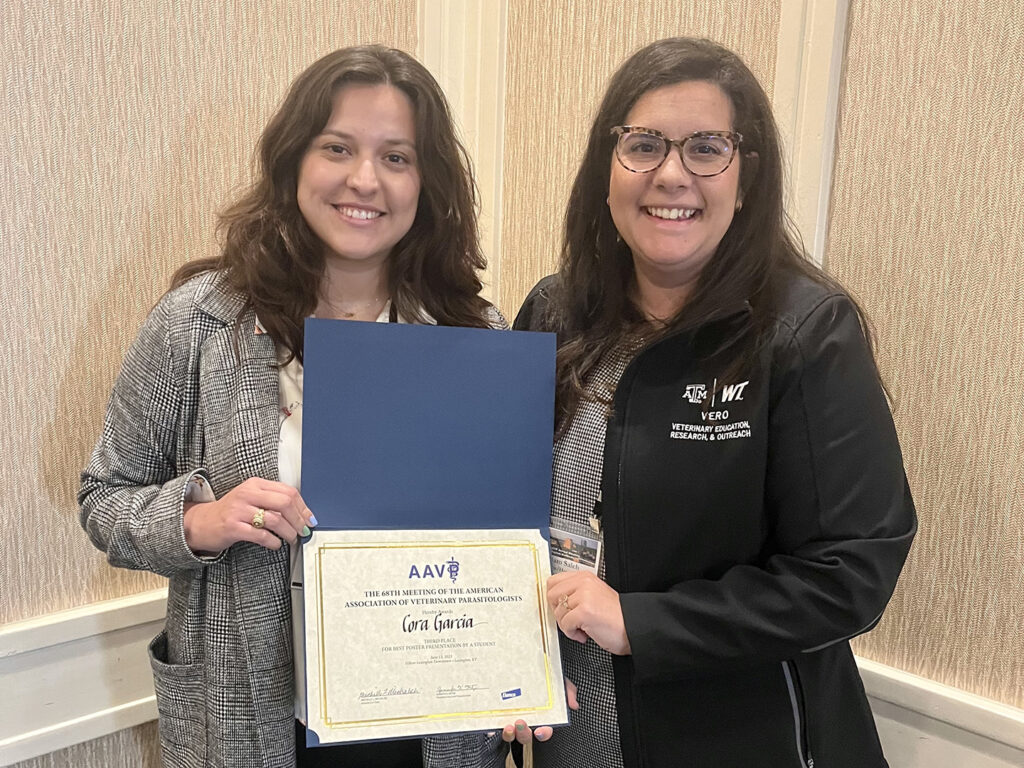
Cora Garcia, a third-year veterinary student, placed third in the Best Student Oral Presentation category for her research on Ornithodoros ticks and their role in spreading African swine fever virus (ASF).

Garcia conducted her research in partnership with Dr. Meriam Saleh’s lab, tracking tick populations that are known to carry ASF. There is no cure for ASF, making prevention the best strategy for protecting the United States’ swine populations.

“Being recognized at a major conference is a testament to the hard work these students have put in, as well as their ability to communicate scientific findings,” said Saleh, a clinical assistant professor in the VMBS Department of Veterinary Pathobiology. “Both graduate and veterinary students gain valuable research experience by competing for these awards. Plus, they’re contributing to the field of parasitology — that’s a huge component of veterinary medicine and public health.”

Cora Garcia with her award certificate and Dr. Saleh
Garcia and Saleh

During the scientific conference, held in Lexington, Kentucky, the group of Texas A&M students and faculty presented on and learned about the latest findings and updates on a variety of animal parasites and the diseases they cause.

The AAVP is a North American organization with approximately 450 members. While most members are from the U.S. and Canada, about 10% of members join the organization from countries outside of North America. This year’s international research presentations included discoveries from Brazil, New Zealand, South Africa, the United Kingdom, Germany and Switzerland.

###

For more information about the Texas A&M College of Veterinary Medicine & Biomedical Sciences, please visit our website at vetmed.tamu.edu or join us on FacebookInstagram, and X.

Contact Information: Jennifer Gauntt, Director of VMBS Communications, Texas A&M College of Veterinary Medicine & Biomedical Sciences, jgauntt@cvm.tamu.edu, 979-862-4216

Texas A&M Students Selected For ‘One Health’-Focused Veterinary Research Fellowships

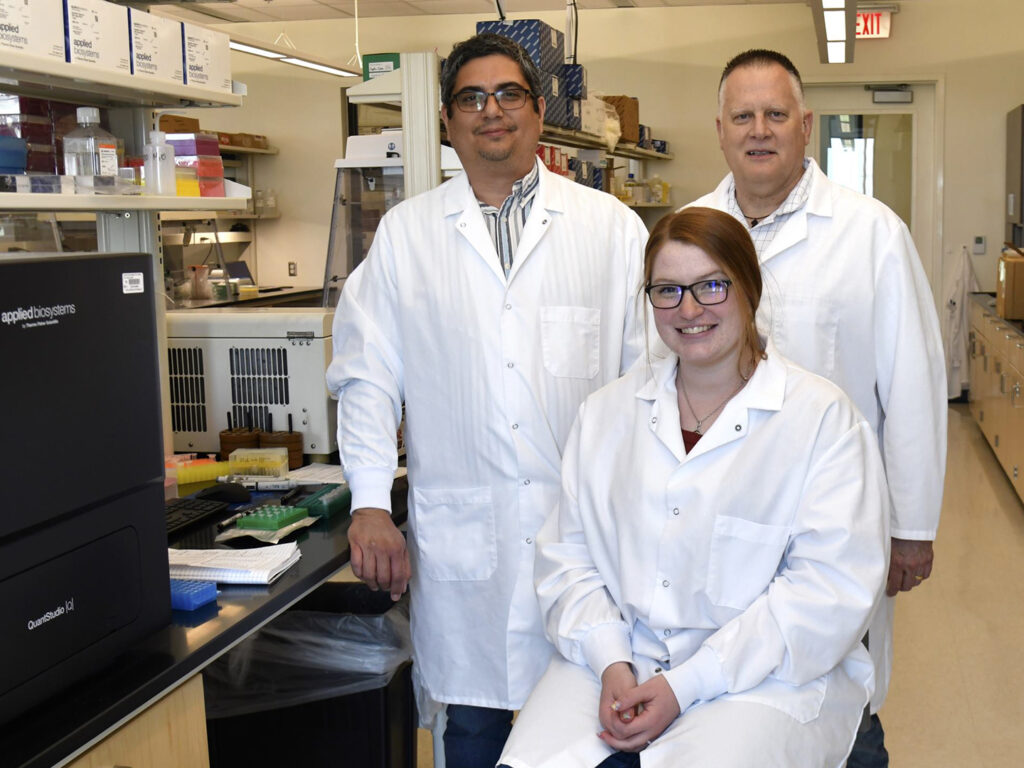
Dr. Robert Valeris-Chacin, Dr. Paul Morley, and student Ali Olsen-Gerlach wearing white coats in a research lab
Dr. Robert Valeris-Chacin, Ali Olsen-Gerlach, and Dr. Paul Morley

Two Texas A&M University veterinary students were among the 13 students from around the world to be selected for Veterinary Student Research Fellowships issued by the Foundation for Food & Agriculture Research (FFAR) and the American Association of Veterinary Medical Colleges (AAVMC).

Ali Olsen-Gerlach and Madison Rowe were among those selected for the 2023 FFAR Vet Fellows program, which was developed to address the global need for research that tackles how population growth, climate change, emerging infectious diseases, and antimicrobial resistance threaten sustainable livestock production. The awarding organizations seek to promote veterinary training that includes multi-species medicine, animal science, and public health.

Since funding opportunities for veterinary student research are rare, the three-month summer fellowship provides an experience not offered in many other places. Fellows receive access to mentorship and hands-on research experience as well as scientific communication and critical review of primary scientific literature through Texas A&M’s summer Veterinary Medical Scientist Research Training Program.

Olsen-Gerlach, a second-year veterinary student in the College of Veterinary Medicine & Biomedical Sciences (VMBS), is conducting research with Drs. Robert Valeris-Chacin and Paul Morley, faculty at the VMBS’ Veterinary Education, Research, & Outreach (VERO) program in Canyon.

Olsen-Gerlach studies Bovine Respiratory Disease (BRD), which is the most common illness in beef cattle and a major problem for the industry that requires treatment with antibiotics.

Her research evaluates how commonly used antibiotics impact bacteria in healthy cattle — beyond preventing BRD — to provide producers with new information that can increase their antibiotic stewardship efforts.

“Ali has been a great contributor in the VERO lab this summer, where she worked hard on her assigned research as well as helping with other projects being conducted by our team,” Morley said. “We are hoping that she is able to continue as part of our research team after this project is completed.”

Rowe, a second-year veterinary student, is conducting research with Dr. Juliana Rangel, associate professor of apiculture in the Texas A&M College of Agriculture and Life Sciences’ Department of Entomology, on infections in honey bees, which are often overlooked in veterinary agricultural research.

Rowe studies the behavioral and reproductive effects of a gastrointestinal fungus, Nosema ceranae, in honey bee queens and workers to determine the big-picture impacts of Nosema infection on colony health.

Rowe’s research will inform future treatments and supportive care for the disease caused by Nosema (known as “nosemosis”), as well as trace potential production and survivorship impacts that can often lead to colony collapse.

###

For more information about the Texas A&M College of Veterinary Medicine & Biomedical Sciences, please visit our website at vetmed.tamu.edu or join us on FacebookInstagram, and X.

Contact Information: Jennifer Gauntt, Director of VMBS Communications, Texas A&M College of Veterinary Medicine & Biomedical Sciences, jgauntt@cvm.tamu.edu, 979-862-4216

Perry Family Turns To Texas A&M Veterinary Rehabilitation To Support Beloved Dog’s Quality Of Life

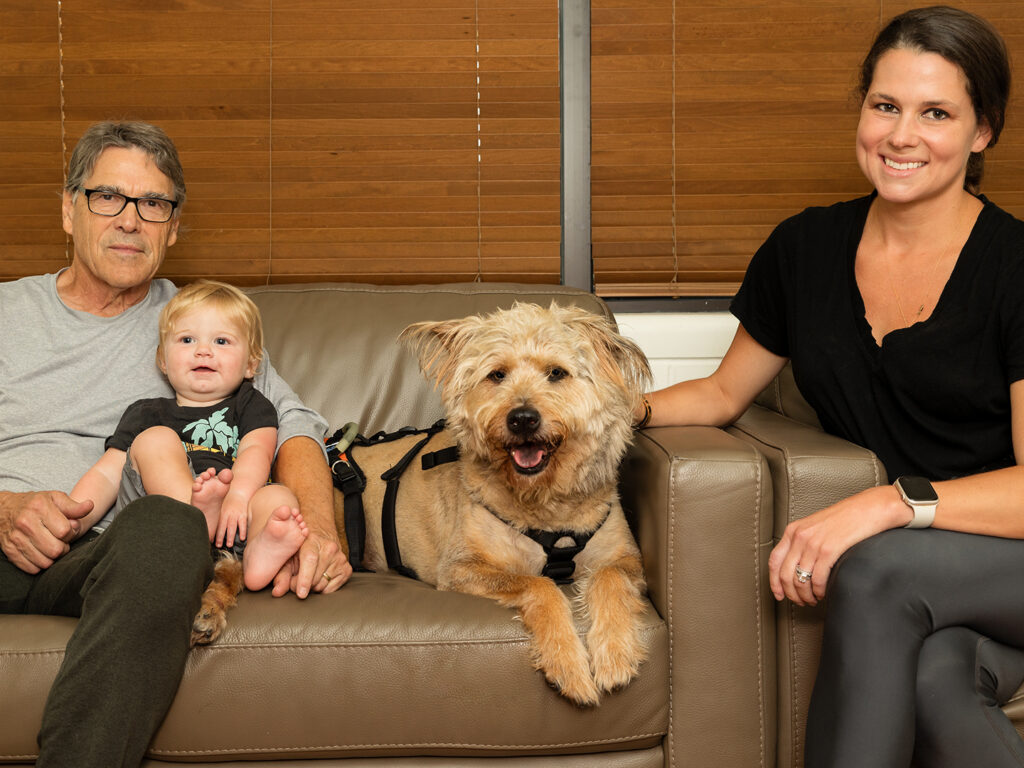
Scout the scruffy dog with his owners, Sydney, Rick, and Sydney's baby
Rick Perry holding his grandson, Scout, and Sydney Perry

Having gone from a hoarding situation in Tijuana to the governor’s mansion in Austin, Scout Perry has seen the lows and highs of life.

Most recently, despite being faced with a discouraging medical diagnosis, the 11-year-old mixed breed dog has fought valiantly and found both solace and friendship at the Texas A&M Small Animal Teaching Hospital (SATH).

In April 2022, Scout was diagnosed with degenerative myelopathy (DM), which is comparable to Lou Gehrig’s Disease in people. This rare condition has no cure but can be treated with physical rehabilitation.

DM progresses over time and affected dogs traditionally only survive about six months after diagnosis. However, with the unending support of one of the most recognizable families in Texas, Scout continues to run on Texas A&M’s underwater treadmill, spend time with his family, and love life almost a year and a half after his diagnosis.

Humble Beginnings

Scout has been a member of the Perry family for more than a decade. He was adopted by Sydney Perry, daughter of former Texas Gov. Rick Perry, and her husband in 2013.

“My husband was in the Navy and was stationed in San Diego,” Sydney said. “On Saturdays, a group called Baja Dog Rescue brought puppies up from Tijuana to Petco, and we were just going to go look. We walked up and there was the cutest dog you’ve ever seen with an ‘adopt me’ vest on.”

After falling in love with Scout at first sight, the couple learned that his life had already included great hardship.

“Scout had been severely abused. They found him tied up in an abandoned hotel where somebody was hoarding 200 dogs,” she said. “He was 5 months old and had been returned twice because he would urinate when scared and bark at strangers. My husband was the only person he didn’t bark at.”

Within hours of being adopted, Scout was bonded with his new family members and refused to leave their sides. He lived with them in San Diego until the couple returned home to Texas, where Scout was accepted into Rick and Anita Perry’s “dog pack” at the governor’s mansion.

As the years passed, Scout stayed with Rick and Anita as they moved out of the governor’s mansion and into a new home in Austin in 2015 while continuing to see Sydney and her husband regularly. As Scout aged, his owners began to notice symptoms of what appeared to be arthritis.

“He started dragging one back foot; we just thought he was old and had arthritis or a pinched nerve in his back,” Sydney said.

But when the tests came back and Scout received his diagnosis, the family was stunned to find out that Scout’s condition was much worse than they had anticipated.

Making The Diagnosis

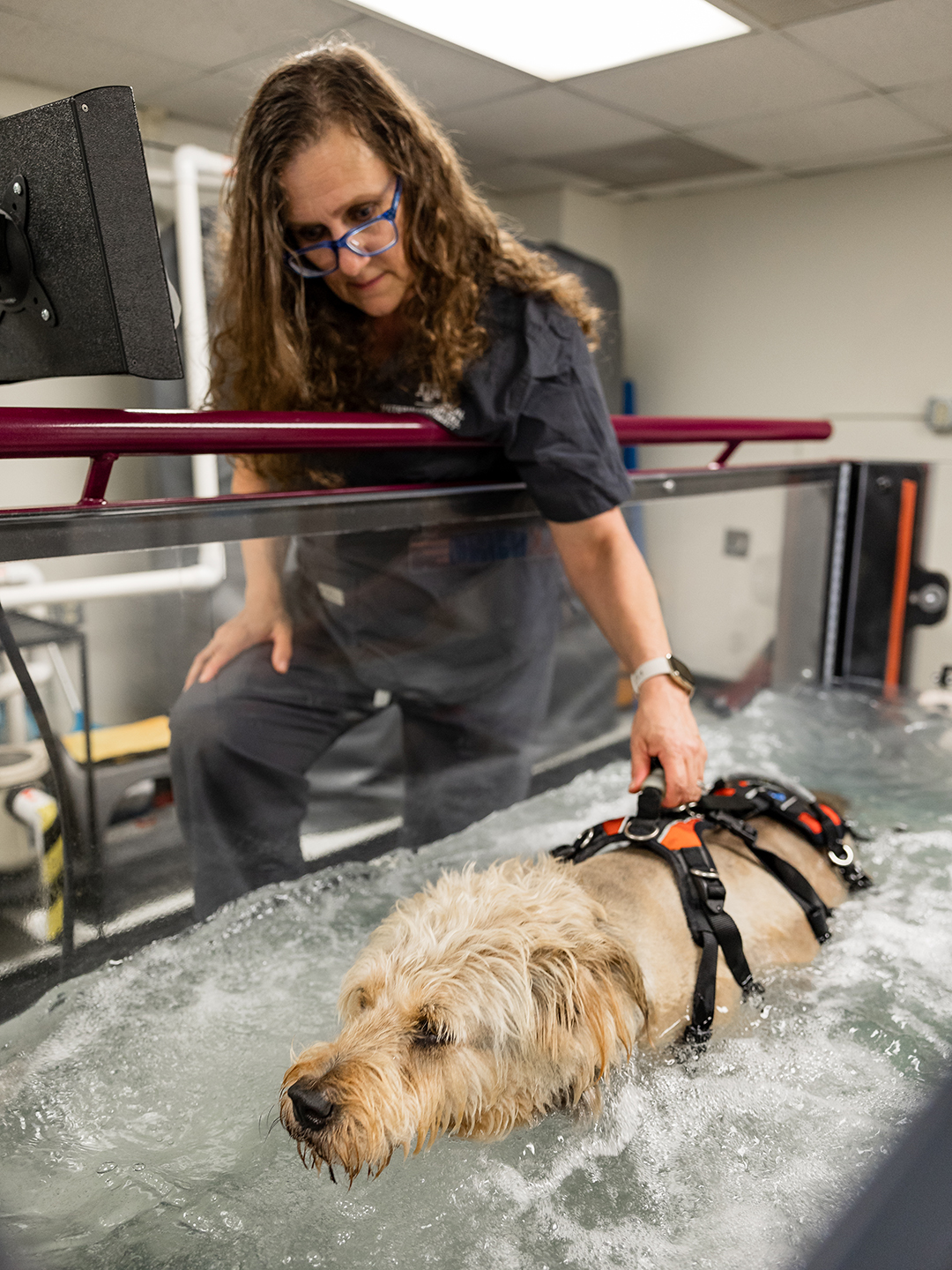
Scout walking in the underwater treadmill, being held up by veterinary technician Sherri Jerzyk
Sherri Jerzyk and Scout

The Perrys have been SATH clients for many years, so Texas A&M’s Neurology Service was their immediate choice for Scout’s veterinary care when they found out he would need specialized treatments.

Scout’s condition was diagnosed by first ruling out other causes of his symptoms, such as disc degeneration or cancer and then by performing a blood test that looks for the genetic mutation that causes DM.

“Degenerative myelopathy is a neurodegenerative disease that affects the spinal cord of dogs,” said Dr. Joseph Mankin, a veterinary neurosurgeon and clinical associate professor at the Texas A&M School of Veterinary Medicine & Biomedical Sciences.

“It is a slowly progressive disease that starts as a weakness in their back legs but progresses to where they cannot use their back legs at all,” he said. “The disease will eventually affect their front legs as well.”

Although receiving this diagnosis was heartbreaking for the Perrys, they knew that Scout would receive the best possible treatment at the SATH.

“Scout’s the most loyal dog. He would do anything for us, so we want to do whatever it takes to keep him happy and free of pain for as long as possible,” Sydney said. “Even though he’s been through so much, he’s just a good boy.”

Finding Relief

“The only thing clinically proven to extend longevity when dogs are diagnosed with DM is rehab — strengthening muscles and keeping them moving,” said Sherri Jerzyk, a veterinary technician in the Sports Medicine & Rehabilitation Service. “Originally, Scout was still mobile but having some difficulty walking. He just needed a little bit of assistance.”

Scout began a rehab regimen that focused on increasing his strength and control of his body, as well as acupuncture for pain management and laser therapy to manage wounds caused by dragging his feet.

Scout’s family was also tasked with doing exercises at home, providing a cart that allows him to run outside, and finding new ways to spend time together and keep him mentally stimulated.

As time went on, Scout’s weakness progressed and by February 2023, he could no longer stand or walk on his own. He transitioned from doing both land and water exercises to only using the underwater treadmill, which provides both strength training and cardiac conditioning.

“Scout is a very independent, active dog, and the underwater treadmill gives him a place where he can run without help,” Jerzyk said. “The water holds his weight up and supports his back end, and he flat out runs. He’s as fast as the agility dogs that come to use the underwater treadmill.”

Scout’s twice-a-week underwater treadmill appointments also help maintain his cardiac function, which tends to decrease as dogs become less active, leaving them feeling tired and depressed.

“He’s still able to do something that he really loves to do, which definitely improves his quality of life,” Jerzyk said. “The pressure exerted by the water also helps disperse inflammation out of his tissues and muscles, and that makes him feel better as well.”

Focusing On What’s Important

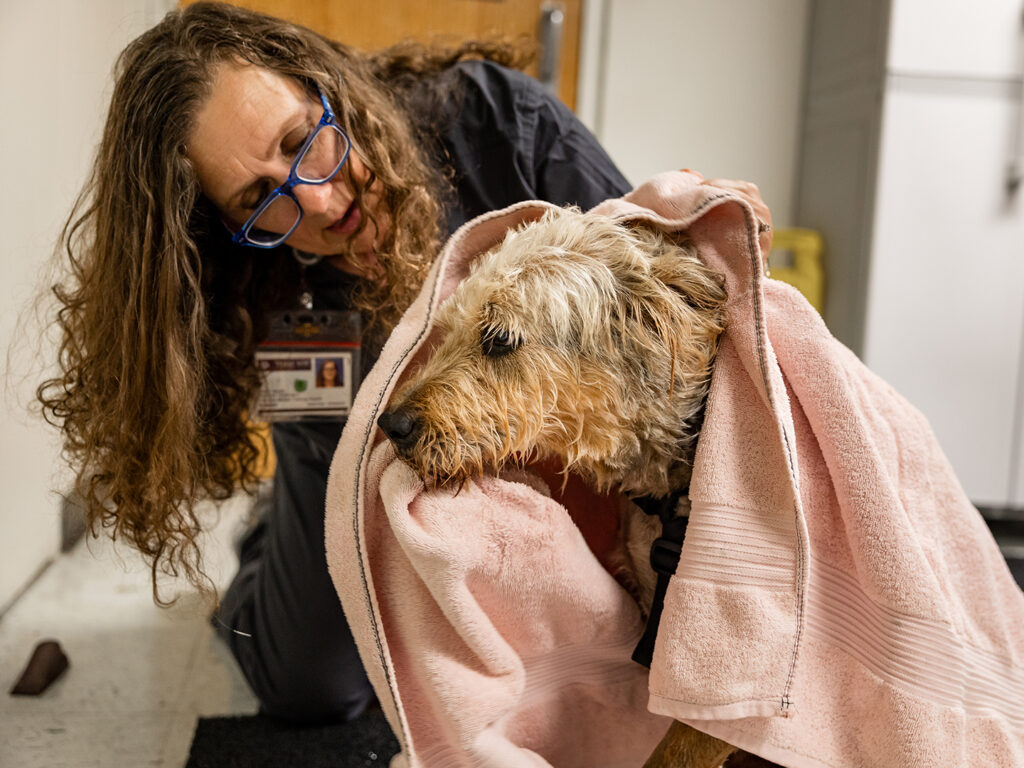
Jerzyk toweling off Scout after an underwater treadmill session

More than 14 months after his diagnosis, Scout continues to be a happy dog and looks forward to his rehab appointments at Texas A&M.

“When Scout first came, he wasn’t a giant fan of rehab,” Jerzyk said. “But soon he settled into the water and now he literally drags us to the underwater treadmill and climbs straight in.

“I love his big personality. He really commands a room when he walks in,” she said. “He’s the second dog we have right now that is past their expected lifespan from when they were diagnosed. I guarantee this dog is going to surprise us all, and part of it is because of that big personality.”

Scout may not be moving as quickly or independently as he used to, but his rehabilitation at the SATH has given him and his family many more months of quality time together.

“Our goal with rehab is not about curing the disease — it’s about helping this dog spend as much quality time with his family as he can,” Jerzyk said. “He’s still very mentally alert. You can’t judge him by his function right now; you have to judge him by his quality of life, and he definitely has that.”

For the Perry family, every additional day with Scout is a gift.

“He’s still Scout and he’s happy — that’s the most important thing for us,” Sydney said. “We’re so grateful to Dr. (Daniel) Eckman, Sherri, and Heidi (Gaddis, SATH administrative associate) for giving us this extra time with him. We have had so much more time because of what they’ve done for him here.”

###

For more information about the Texas A&M College of Veterinary Medicine & Biomedical Sciences, please visit our website at vetmed.tamu.edu or join us on FacebookInstagram, and X.

Contact Information: Jennifer Gauntt, Director of VMBS Communications, Texas A&M College of Veterinary Medicine & Biomedical Sciences, jgauntt@cvm.tamu.edu, 979-862-4216

Spotting The Difference Between Urine Marking And Urinary Problems

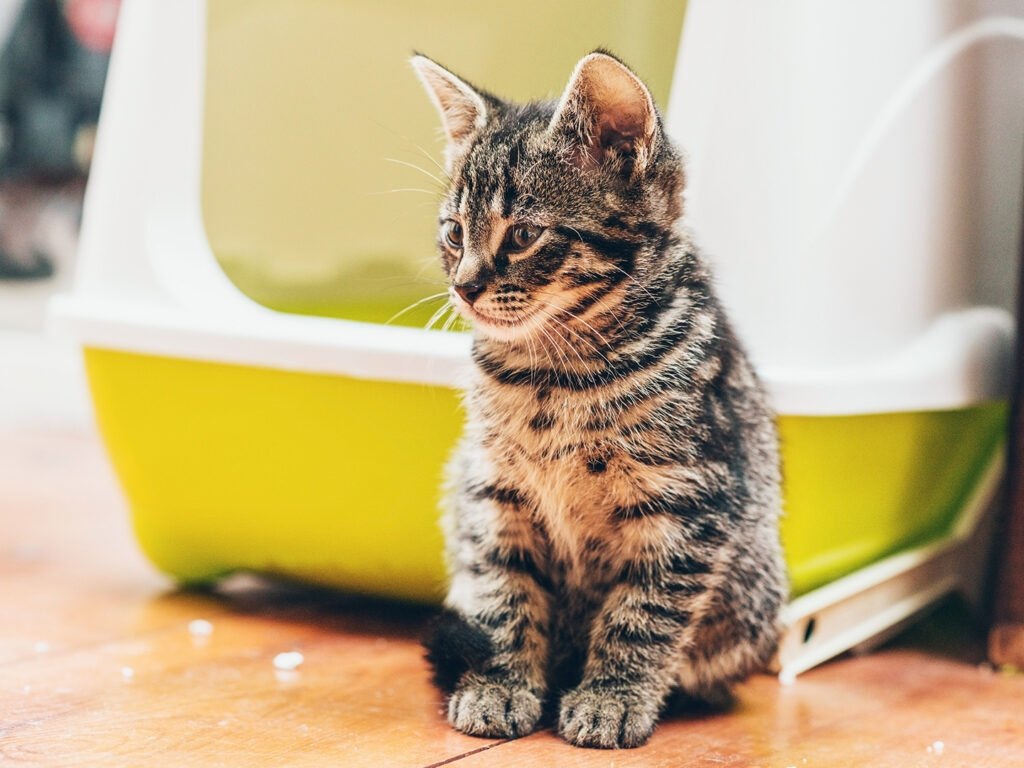
A small tabby kitten sitting in front of a green and white litterbox

Once pets have learned to urinate where it is appropriate, whether it is outdoors or in their litter box, it can be frustrating for owners when their pet urinates elsewhere in the house. While your first instinct may be to reprimand them for the unwanted behavior, you should first consider if they are simply marking or if there is a bigger health concern at play.

Urine marking, a natural behavior for dogs and cats, is when pets release small amounts of urine in multiple places, whether it is on new objects in the home or their favorite spot. Marking typically occurs when pets are relieving stress or signaling ownership of their territory to other animals.

Urinary diseases, on the other hand, are an unwanted and often painful experience for pets that will most likely require veterinary attention. But because urinary diseases result in increased urination, similar to urine marking, it can be difficult for owners to spot the difference between the two.

Dr. Genna Atiee, a clinical assistant professor in small animal internal medicine at the Texas A&M School of Veterinary Medicine & Biomedical Sciences, says owners can differentiate between urine marking or urinary diseases by keeping a watchful eye on their pet’s bathroom habits.

Signs Of Urinary Health Concerns

“There are some easy things to tip an owner off that something is medically wrong, such as blood in the urine, visible pushing or straining to urinate, crying out in pain when peeing, unpleasant-smelling urine, or urinating near the door or around the litter box,” Atiee explained.

“Increased drinking can also indicate that there is a kidney problem,” Atiee continued. “Kidneys are responsible for maintaining water balance by pulling water out of what they filter from the blood, leaving waste in the urine behind. But when the kidneys lose function, they can no longer pull water effectively, so pets have to drink more to avoid dehydration and urinate more as a result.”

Additionally, the amount of urine a pet releases at one time can help differentiate the type of urinary disease.

“Dogs and cats with inflammation in the lower urinary tract, such as the bladder or urethra, may urinate frequently in small amounts,” Atiee said. “On the other hand, dogs and cats with kidney disease may urinate large volumes of urine because they cannot filter urine appropriately.”

Visiting The Vet For Urine Testing

If an owner notices symptoms of a urinary problem or is concerned about their pet’s peeing habits, Atiee encourages them to take their pet to their veterinarian because a urine test can reveal whether there is a health concern.

“A urinalysis can show us many things,” Atiee said. “For example, how concentrated the urine is, as a low concentration can indicate the kidneys are not working well; if there is evidence of infection or inflammation; what the pH of the urine is because a high pH can indicate a urinary condition like UTIs or kidney stones; if there is protein in the urine; and sometimes even show us evidence of cancer.”

Urine Marking Prevention

Once the vet has ruled out any medical conditions causing a pet to urinate more frequently, owners can consider behavioral training for marking, as this can help them spot abnormal bathroom behavior in the future that may be the result of a medical issue. Atiee specifically suggests that owners work with a veterinary behaviorist or reputable trainer in order to change marking behavior.

“Marking is a very disruptive behavior that can lead to resentment and unnecessary expenses if marking ruins furniture, carpet, or hardwood floors, which may result in an owner altering the living situation of their pet, either moving them outside or by rehoming them,” Atiee said. “A behaviorist or trainer may be able to help alter this behavior, preserving the human-animal bond. Veterinary behaviorists have achieved board-certification in the specialty of veterinary behavior, so an owner can look for a veterinarian who is specialized in that field.”

Another way to prevent dogs or cats from marking include using products that are intended to smell unappealing to pets, typically containing scents such as citrus or mint. Atiee recommends owners carefully use these products as they may be irritating to animals who are sensitive.

Understanding the difference between marking and urinary health concerns when pets pee more than usual can prevent any urinary diseases from worsening. Nevertheless, both urine marking and urinary problems should be treated so that your pet can live a stress-free and healthy lifestyle.

Pet Talk is a service of the College of Veterinary Medicine & Biomedical Sciences, Texas A&M University. Stories can be viewed on the web at vetmed.tamu.edu/news/pet-talk. Suggestions for future topics may be directed to vmbs-editor@tamu.edu.
Texas A&M Wildlife Center Welcomes Two-Toed Sloth

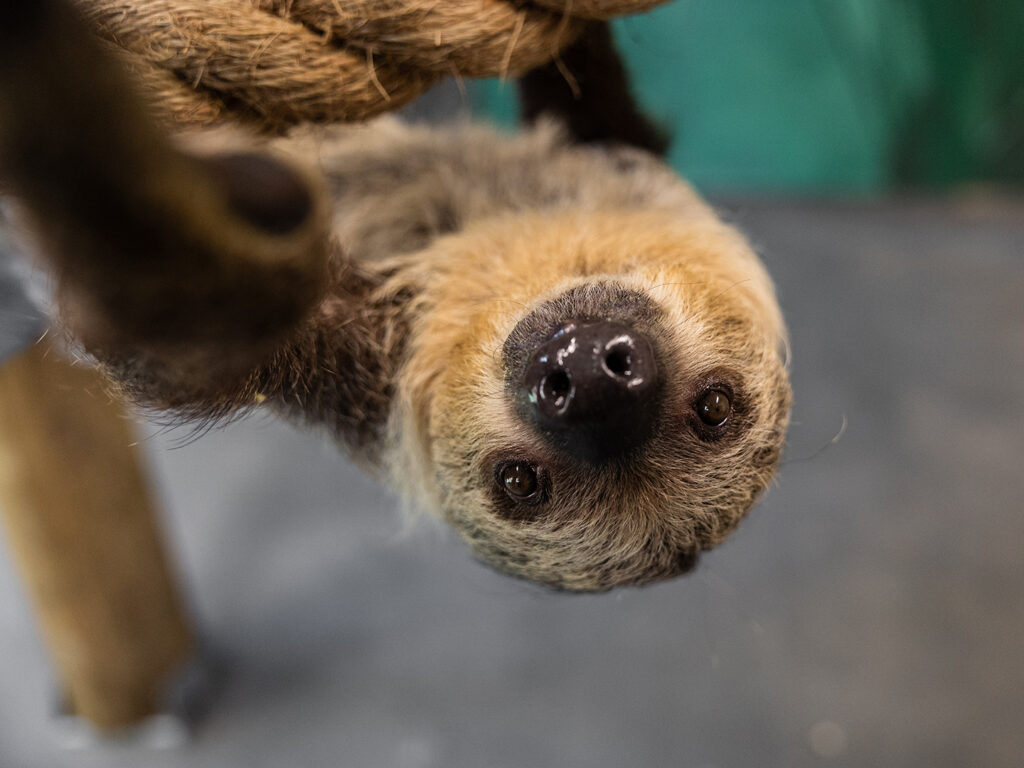
A sloth hanging upside down
Michael Jr. Slow Poke Sloth

The Texas A&M School of Veterinary Medicine & Biomedical Sciences’ (VMBS) Winnie Carter Wildlife Center recently welcomed its newest animal resident, a Linnaeus’s two-toed sloth named “Michael Jr. Slow Poke Sloth.”

Michael Jr. was given to the wildlife center by a nearby animal sanctuary and arrived at the VMBS on April 12. His name is a combination of what he was called at his previous home (Slow Poke) and the Wildlife Center’s tradition of naming animals after individuals who have had an impact on the center, such as students, staff, and donors.

Having the 1.5-year-old sloth at the Wildlife Center presents a unique opportunity for undergraduate, graduate and veterinary students to learn about aspects of exotic animal care and medicine.

“He’s going to teach students about such an interesting species that most people don’t get to see every day,” said Dr. Alice Blue-McLendon, a VMBS clinical associate professor and director of the Wildlife Center. “Sloths are very unique in that their body temperature is lower than normal. The students will learn all about caring for an animal that has to have a climate-controlled environment.”

Upon his arrival, Michael Jr. quickly made himself at home in a specially designed “sloth barn” on the Texas A&M campus.

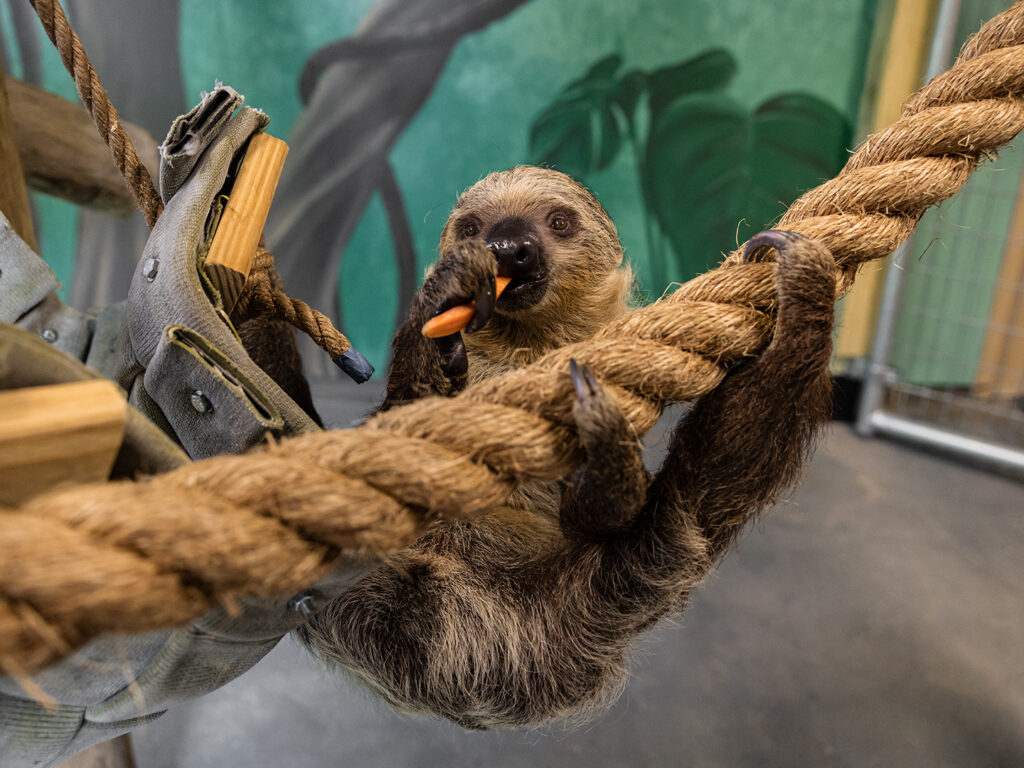
His enclosure includes an indoor, 100-square-foot temperature-controlled room and an outdoor fenced-in yard with 12 feet of vertical climbing space. These areas, which are connected by a small doorway, are furnished with trees, ropes, wooden nest boxes, baskets, and hammocks made from strong fire hose material.

A sloth hanging upside down eating a carrot

“It was an all-volunteer team that did the construction of the sloth barn,” Blue-McLendon said. “When you construct and design things, you have to think about the fact that sloths are almost always upside down.”

While sloths are not known to play like some other species at the Wildlife Center, they enjoy having a variety of climbing materials and locations.

“They’re slow creatures, but their enrichment is what you provide them environmentally, such as places to climb, a calm atmosphere, and food that they like,” Blue-McLendon said. “We are so excited to have Michael Jr. here. It’s a very special thing to be able to provide a home for a sloth.”

In addition, the walls of his indoor area were painted with a vibrant rainforest mural by VMBS administrative associate Lisa Roberts-Helton, graduate student Baylee Baxter, and undergraduate student Katelyn Yacuk.

Preparing Michael Jr.’s home was not the only aspect of his arrival that required special planning. His diet — consisting largely of vegetables and specially formulated biscuits — presented another learning opportunity. He is nocturnal and is most likely to eat after sunset when he is most active.

“We formed a special sloth husbandry/care team because this is a species we’ve never had before, and we want to be sure that his husbandry, feeding and observation are stellar,” Blue-Mclendon said.

Sloths that live in captivity and have excellent husbandry tend to not need much veterinary care other than regular weighing to monitor their overall health.

###

For more information about the Texas A&M College of Veterinary Medicine & Biomedical Sciences, please visit our website at vetmed.tamu.edu or join us on FacebookInstagram, and X.

Contact Information: Jennifer Gauntt, Director of VMBS Communications, Texas A&M College of Veterinary Medicine & Biomedical Sciences, jgauntt@cvm.tamu.edu, 979-862-4216