Schleining Appointed Large Animal Clinical Sciences Department Head

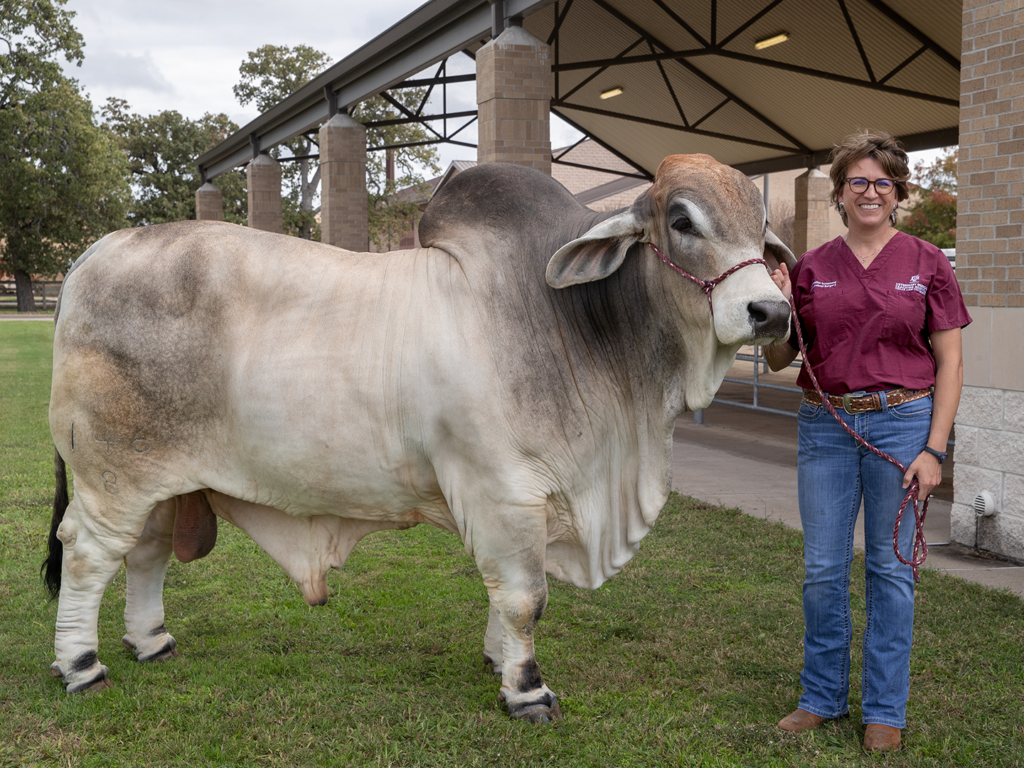
Dr. Jennifer Schleining with a bull

Dr. Jennifer Schleining, a clinical professor and large animal surgeon, has been selected to head the Department of Large Animal Clinical Sciences (VLCS) at the Texas A&M School of Veterinary Medicine & Biomedical Sciences (VMBS).

Schleining has served as the interim VLCS department head for the past eight months while continuing to provide support to her colleagues as a clinician in the Texas A&M Large Animal Teaching Hospital’s (LATH) Food Animal Service and educator in the pre-clinical classrooms and teaching laboratories.

“Dr. Schleining’s highly effective management of programs and people associated with the Food Animal Service and her experience in working with many different constituencies have prepared her well to assume this leadership role,” said Dr. John August, the Carl B. King Dean of Veterinary Medicine. “Dr. Schleining has represented the department very well in her interim role and through her service on our school’s executive committee. I remain impressed with the growth and quality of academic programs in Large Animal Clinical Sciences, and under Dr. Schleining’s leadership, I fully expect the very positive trajectory to continue.”

Schleining will oversee a department of 41 faculty members as well as numerous staff members, interns, and residents who play important roles at the LATH.

“I’m looking forward to continuing in this position — we have such a great group of people here,” Schleining said. “I am grateful to have administrative colleagues who are invested in our department and the faculty and staff who comprise VLCS.”

One of Schleining’s first major initiatives as department head will be leading a strategic visioning process this summer to help guide VLCS’s growth.

“My goal is to establish a department that is defined by exceptional patient care, impactful research and training programs, and a culture where everyone feels valued and respected,” she said.
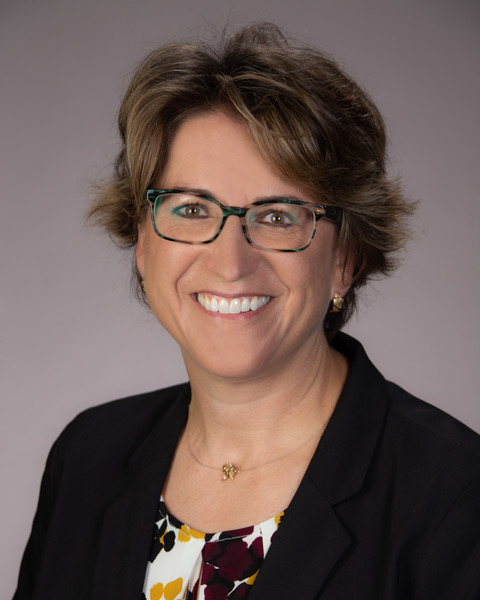
Jennifer Schleining headshot

Schleining also plans to focus on strengthening relationships with the LATH’s referring veterinarians, as well as equine and livestock industry partners.

Finally, she plans to emphasize training day-one-ready large animal veterinarians who will bring highly demanded skills to the veterinary profession.

“The job market for large animal veterinarians is incredibly strong and is predicted to continue as demand for services from equine, food animal, and mixed-animal veterinarians grows,” Schleining said. “I am incredibly proud of our curriculum that emphasizes skills education — clinical, critical thinking, and professional skills — building upon a robust foundation of basic sciences. The faculty in our department are vested in the pre-clinical and clinical education of our future colleagues.”

Schleining earned her Doctor of Veterinary Medicine (DVM) degree in 2001 from Iowa State University, completed a large animal surgery residency in 2008, and earned a master’s degree in veterinary clinical science in 2009. She joined the VMBS faculty in 2018 and has since been recognized with a Juan Carlos Robles Emanuelli Teaching Award in 2020 and a Texas A&M Provost Academic Professional Track Faculty Teaching Excellence Award in 2021.

As an educator, Schleining has contributed to all four years of the VMBS’ veterinary curriculum, from professional and clinical skills to the food animal clinical rotations at the LATH.

She has also worked on many research studies about new and innovative ways to teach large animal medicine to veterinary students and support rural large animal veterinarians, including with the use of virtual reality (VR) and telemedicine.

###

For more information about the Texas A&M College of Veterinary Medicine & Biomedical Sciences, please visit our website at vetmed.tamu.edu or join us on FacebookInstagram, and Twitter.

Contact Information: Jennifer Gauntt, Director of VMBS Communications, Texas A&M College of Veterinary Medicine & Biomedical Sciences, jgauntt@cvm.tamu.edu, 979-862-4216
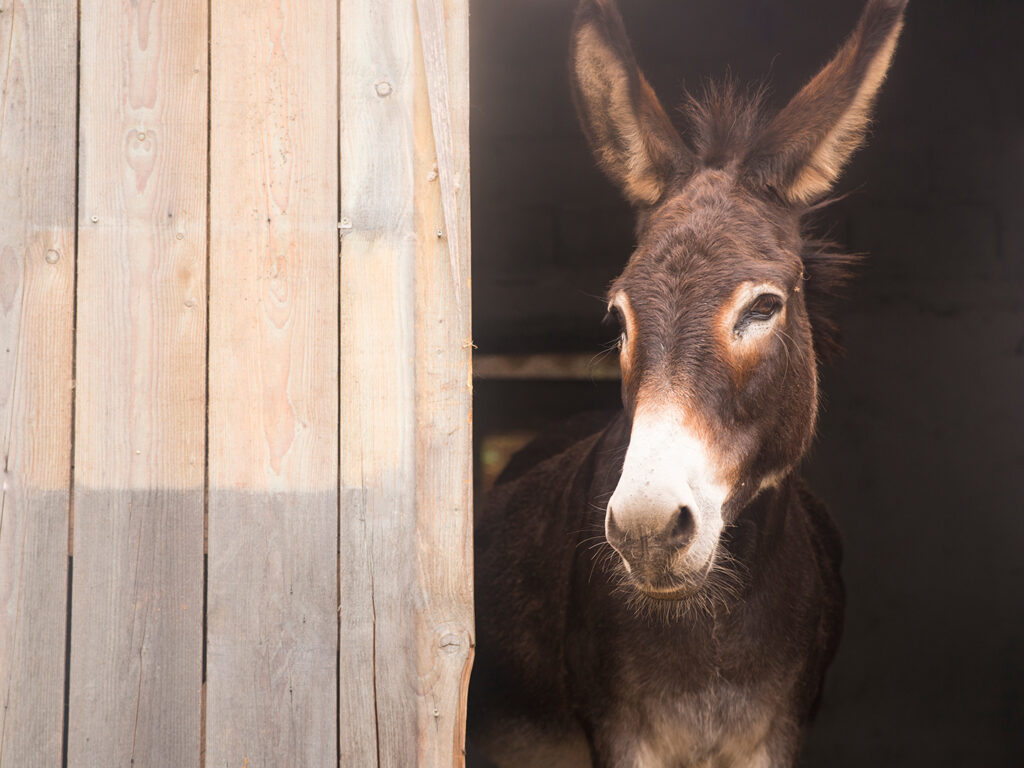
Fulfilling The Unique Needs Of Donkeys

Donkey sticking its head out of a barn

Owning any animal can be both challenging and rewarding. Although they have a reputation for being stubborn, donkeys can make great additions to an animal herd. But owners should first understand what it takes to keep them healthy before buying one.

Dr. Isabelle Louge, a clinical assistant professor at the Texas A&M School of Veterinary Medicine & Biomedical Sciences, says donkeys flourish in dry climates because they are native to the desert environments of Northeast Africa.

“In wet conditions without shelter, donkeys can easily develop rain rot, a bacterial skin infection that leads to scabs and hairless spots; scratches, an inflammatory skin condition that leads to skin breaks on their legs and is caused by a mix of bacteria, fungi, and parasites; and thrush, a bacterial and fungal infection that can cause damage to hooves,” Louge explained.

Because of this, owners should provide donkeys with access to fenced, dry areas without mud that are sheltered from the rain. These areas should also not have grass. 

“Fresh grass and high-quality hay often have sugar levels that exceed the donkey’s natural ability to process it,” Louge said. “Because the donkey is meant to live in conditions with very little fresh greenery to eat, they are not prepared to take on that much sugar.”

Excessive sugar causes the release of insulin — a hormone that determines the amount of sugar in the blood — which can increase the risk of metabolic issues. Such issues, according to Louge, include equine metabolic syndrome, a disorder characterized by inappropriate insulin levels that can lead to laminitis, a severe and sometimes irreversible lameness.

“Excess sugar also leads to obesity, which can further increase the risk of equine metabolic syndrome and lameness,” Louge said. “The majority of health issues that I see in donkeys are metabolic issues and lameness from inappropriate diets, but fibrous diets can help prevent these health issues in donkeys by reducing their sugar intake.”

In addition to having a dry habitat and high-fiber, low-sugar diet, donkeys need fresh, clean water — to prevent dehydration and the risk of heat stress — and mineral supplements. Louge said lactating, pregnant, or working donkeys may also need supplemental nutrition depending on their veterinarian’s recommendations. 

“Mineral supplements for horses are appropriate for donkeys as long as they do not contain extra sugar, yet it is always good to check with your local veterinarian about the specific mineral deficiencies common in your geographic area, as these can vary widely,” Louge explained.

Nevertheless, Louge strongly encourages all owners to form a relationship with a veterinarian and a farrier early on so that their donkeys can receive routine health checkups, vaccinations, dental work, and hoof trims.

Donkeys also benefit from exercise, regular turnout (or the ability to run and play in their paddock), and training for tricks, riding, and packing; however, donkeys can be stubborn, which can make these activities difficult. Louge said this is because donkeys tend to be cautious and will stand their ground if they think moving will put them in danger. 

In this case, Louge encourages owners to use positive reinforcement since punishing donkeys will make them fearful rather than compliant.

“If a donkey is hesitating to complete a task, try incentivizing them with a few treats or a favorite activity,” Louge said. “While hay and grass can be dangerous when used as the main component of a donkey’s diet, it can be fed as treats in very small portions. Other safe treats that can be given in moderation during training include carrots, fresh mint leaves, or apples, but try not to give them more than a small handful-sized portion of these treats per day.”

Owners can also break down tasks into smaller sections while still rewarding any progress, as this can help the donkey better understand the task and allow them to relax and perform.

“If a donkey has behavioral issues such as aggression, consulting with a professional trainer or a veterinarian with interests in behavioral management can help you develop strategies for reducing negative behaviors,” Louge said. 

Lastly, Louge recommends owners refer to information about donkey ownership provided by their veterinarian should they have any questions or concerns.

Before bringing home donkeys, owners should carefully consider a donkey’s physical and behavioral needs in order to help them stay happy and healthy. Then you can be confident in knowing how to appropriately care for your new farm animal.

Pet Talk is a service of the College of Veterinary Medicine & Biomedical Sciences, Texas A&M University. Stories can be viewed on the web at vetmed.tamu.edu/news/pet-talk. Suggestions for future topics may be directed to vmbs-editor@tamu.edu.

Nontraditional Student Overcomes Odds To Graduate As Aggie Veterinarian

Vanessa Wilkins and her dog
Vanessa Wilkins

Vanessa Wilkins, a fourth-year veterinary student at the Texas A&M School of Veterinary Medicine & Biomedical Sciences (VMBS), is a living embodiment of perseverance.

Despite multiple hardships, a career change, and raising two children on her own, Wilkins remained committed to pursuing her dreams and will graduate with a Doctor of Veterinary Medicine (DVM) degree on May 10.

Finding Her Way

Growing up in Murrieta, California, Wilkins was proud to call herself a “horse girl.”

“I have been obsessed with horses since a very young age. I did not have Barbies; I had My Little Ponies,” Wilkins said. “When I was 12, I would walk around Murietta, which was full of little ranchettes, and knock on people’s doors to ask, ‘Can I pet your horses?’

“The one place that let me come over most often had Arabians and I got my first horse from them,” she recalled. “I did horse shows and rodeo pageants, and my girlfriends and I would go riding every weekend. Horses have always been a huge part of my personal life.”

Wilkins had dreamed of becoming a veterinarian from as early as middle school but also considered pursuing a career in academia or research because of her love for genetics. In the end, she chose an undergraduate education that would be beneficial for either type of career.

She attended California State Polytechnic University, Pomona, for her bachelor’s degree in biotechnology, with a double-minor in chemistry and microbiology, followed by a master’s degree in equine exercise physiology.

“I was really involved in the Arabian horse program there and loved it,” she said. “They maintain a horse show program, do breeding and training, and have an intercollegiate horse show team that I was on. I was a student rider and had horses assigned to me that I was responsible for caring for.”

Forging New Paths

During her time at Cal Poly Pomona, Wilkins became pregnant and gave birth to her oldest child, taking off only two weeks to recover. Despite the challenge of raising a baby on her own, she finished her degrees and took a teaching position at the university, followed by a research lab manager position for Western Veterinary School.

“I was a lab manager for about a year and a half, and then I applied to vet school there and was accepted,” Wilkins said. “I went to vet school from 2006-2007, but I had a lot of health problems and was diagnosed with Addison’s disease my third quarter in.”

Despite her diagnosis of the rare condition — which is characterized by the adrenal glands not producing enough cortisol, a hormone that helps the body respond to stress and maintain blood pressure, heart function, the immune system, and blood glucose levels — Wilkins still finished the year.  

“But then I got pregnant with my second child and decided I was just going to be a mom at that point,” she said.

That summer, Wilkins married an equine veterinarian and, together, they moved their family to Texas, where she helped run his equine veterinary clinic in the small town of Pittsburg, about 128 miles east of Dallas.

“I was a practice manager, so I did everything — I did the books, I trained all the staff and technicians, and I was responsible for managing the inventory,” Wilkins said. “I was also a driving force for starting a new USDA-approved Equine Infectious Anemia (EIA) testing lab, which is a huge feat. It took about three years of effort working with the USDA for approval of a new facility, plus traveling to Iowa for training and certification as a USDA-certified EIA technician.”

Endure And Achieve

Vanessa cuddling her dog

Wilkins managed her husband’s veterinary clinic for about a decade while also homeschooling her children. But during all that time, she never forgot her dream of becoming a veterinarian.

In 2019, after going through a particularly unpleasant divorce, she finally felt like it was the right time to return to veterinary school and was admitted into the VMBS’ DVM Class of 2023.

“I had a support network of amazing women who helped me through the recovery process after my marriage ended. We started as an online book club and I came to lean on them so much,” Wilkins said. “I knew it was time for me to go back and finish what I started.”

Going through veterinary school as a single mom was no easy feat, especially when the COVID-19 pandemic hit.

“It was not impossible, but definitely tough,” Wilkins said. “I’m grateful that my kids were older, so I was able to say, ‘Hey, it’s a fend-for-yourself night. We can pop some pizzas in the oven.’

“It was really challenging to wear the hat of the mom and the hat of the student,” she said.

On top of those two hats, during her first three years of veterinary school, Wilkins also spent her Saturdays working as a professor at Blinn College, teaching anatomy and physiology to pre-professional students planning to become paramedics, radiology technicians, and nurses.

Despite her multiple hats and busy schedule, Wilkins’ time at the VMBS is full of accomplishments, include having conducted research with the Dog Aging Project and earning a Morris Animal Foundation Student Research Grant.

Finding Peace

Now that graduation is finally here, Wilkins is planning for what her life will look like after veterinary school. One of her top priorities is giving herself a break from the fast-paced, and sometimes hectic, way her life had been for the past several years.

Even though she had followed an equine track during veterinary school, she decided to begin her career as a small animal emergency veterinarian, a role that can provide the work-life balance she desires.

“The climate as an equine veterinarian is still a little bit more ‘old school,’ where you earn your badge of honor by how many hours a week you work. I didn’t want that lifestyle anymore,” Wilkins said. “I still love horses and who knows? I may go back into equine medicine later, but right now, small animal emergency medicine provides the professional mental stimulation I need but also a lifestyle that’s much better suited for me.”

After graduation, Wilkins will split her time between working in Sugar Land and being at home in College Station with her kids, who are now 15 and 21 years old. She plans to dedicate herself to her new career while also saving time for her family and other passions.

“I want to spend more time with my kids and my animals,” Wilkins said. “I want to ride my horses and get at least one more dog. I also love to garden, cook, and can foods, and I’m ready to have more time to pursue my hobbies.

“I’m so looking forward to it,” she said in anticipation of her DVM graduation. “I’m just going a few years at a time and then seeing what happens next.”

###

For more information about the Texas A&M College of Veterinary Medicine & Biomedical Sciences, please visit our website at vetmed.tamu.edu or join us on FacebookInstagram, and Twitter.

Contact Information: Jennifer Gauntt, Director of VMBS Communications, Texas A&M College of Veterinary Medicine & Biomedical Sciences, jgauntt@cvm.tamu.edu, 979-862-4216
Graduating Veterinary Student Achieves Childhood Dream Of Following Hero’s Footsteps, Serving Animal Athletes

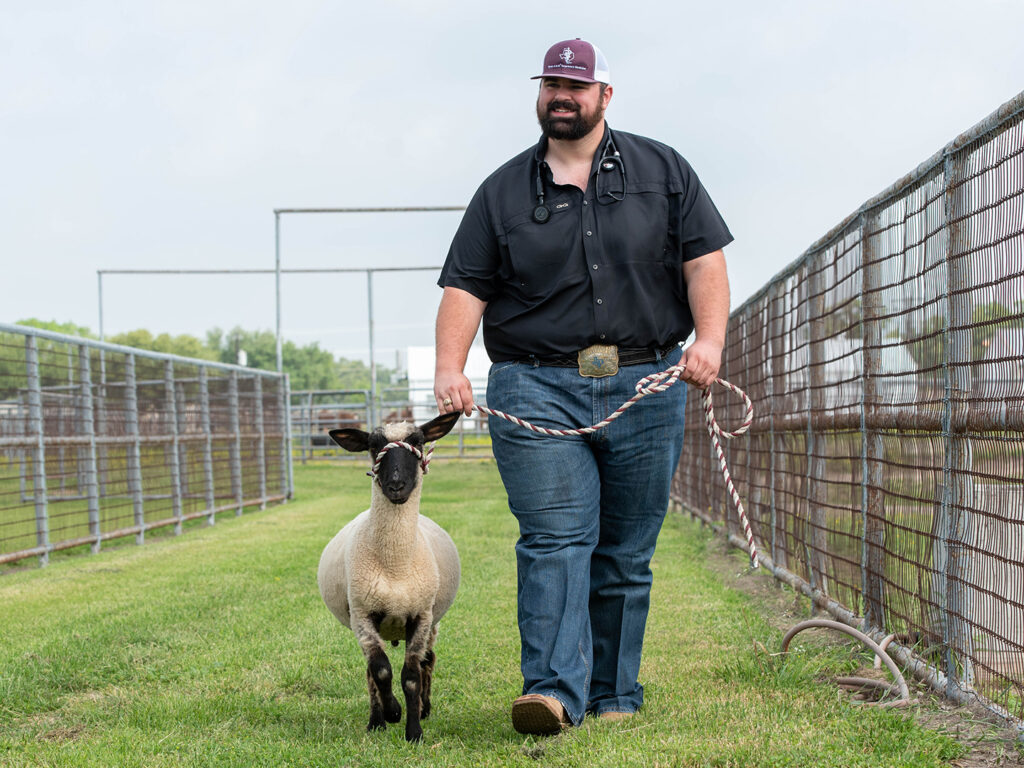
Jacob Warner walking a sheep toward the camera
Warner

Jacob Warner’s childhood hero didn’t wear a cape, spandex tights, or a mask that hid his identity. Instead, he wore a scrub top, starched jeans, and a cowboy hat that highlighted his western heritage. 

Warner grew up shadowing his father at the Elgin Veterinary Hospital. He came to love the veterinary profession while working alongside his dad, who specializes in beef cattle medicine and serves as a consultant to the Professional Bull Riders (PBR). 

Now, Warner is taking the next step in following in his hero’s footsteps when he walks the Doctor of Veterinary Medicine (DVM) graduation stage on May 10 at Texas A&M University. 

“My dad is my best friend,” Warner shared. “I grew up basically by his side, seeing first hand how he affected the community. He is a bovine practitioner, so I saw a lot of cattle, animal athletes, and showstock come through his practice. As I got older, I appreciated working with those special animals and animal athletes.”

Warner’s path briefly diverged from his father’s when he chose the Texas A&M School of Veterinary Medicine & Biomedical Sciences (VMBS). 

“My dad graduated from Louisiana State University in the 1980s, so he kind of brainwashed me to love LSU,” Warner said. “Luckily, my dad’s sister married an Aggie, and he taught me more about Texas A&M, the Aggie traditions, and the Aggie ring. I fell in love with it and have wanted to be an Aggie and to have an Aggie ring and to experience the connection and community that it symbolizes ever since.”

Warner’s decision to join the Aggie family was solidified on visits to his two older sisters at Texas A&M as they pursued their DVMs at the VMBS. 

“I believe the first time I stepped foot on the VMBS campus was when my oldest sister was a first-year vet student,” Warner recalled. “That weekend, the VMBS was hosting an open house event that allowed me to explore the VMBS and introduced me to what it’s like to be a student here. It was definitely a cool experience.”

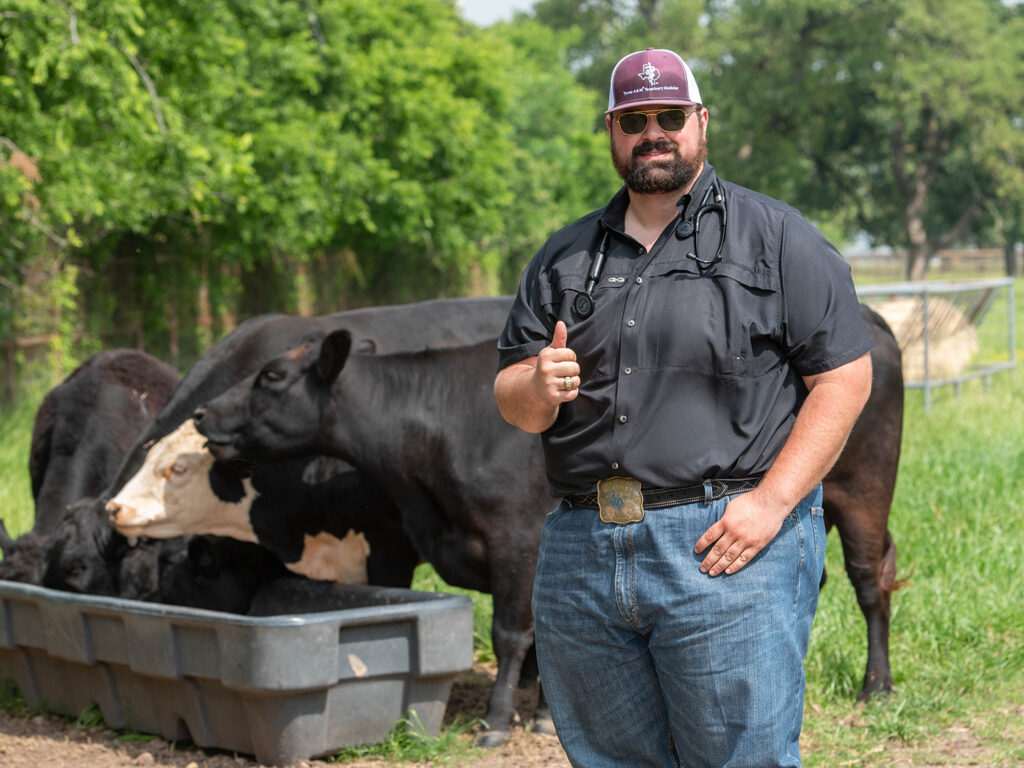
Warner giving thumbs up in front of a herd of cattle

Warner officially joined the Aggie family as an undergraduate student and graduated with his bachelor’s degree in animal science in 2017. He began his DVM studies at the VMBS upon graduation, while also working toward a master’s degree in animal science.

“My first day of DVM classes, I was nervous, because as a first-year student, you’re surrounded by people who are so intelligent and there’s this feeling of, ‘Oh my gosh! I know how to study, but I’ve never had a course load like this,’” he said. “I also knew I had big shoes to fill with my dad and felt like I had to live up to the expectations my sisters had set before me. Luckily, I made some friends and realized every other student was experiencing similar feelings. That gave me the confidence to start my own path, and now I’m ready to graduate.”

After graduation, Warner will join his father at the Elgin Veterinary Hospital where he will serve animal athletes who perform in rodeos and livestock shows as well as food animals. 

“I began my undergraduate studies playing football at Blinn Junior College in Brenham,” Warner said. “I appreciate both human athletes and animal athletes and getting the opportunity to not only affect those in my direct community but also those across an industry, such as the agriculture or rodeo industries, as a whole is what drew me to and kept me interested in veterinary medicine.” 

DVM graduations include a hooding ceremony during which veterinarians hood the new graduates. Warner’s hooding will be performed by three veterinarians — his two older sisters and his dad. He said he’s excited to share the moment he officially becomes an Aggie veterinarian with his family. 

“It’s one thing to be a veterinarian, but it’s even more special to be an Aggie veterinarian and to share the experience with my family,” Warner said. “There is a sense of community in the veterinary profession that is special, and there’s an even closer connection between Aggie veterinarians. I’m proud to share the experience of being an Aggie veterinarian with my sisters, and I look forward to practicing with my dad back home.”

###

For more information about the Texas A&M College of Veterinary Medicine & Biomedical Sciences, please visit our website at vetmed.tamu.edu or join us on FacebookInstagram, and Twitter.

Contact Information: Jennifer Gauntt, Director of VMBS Communications, Texas A&M College of Veterinary Medicine & Biomedical Sciences, jgauntt@cvm.tamu.edu, 979-862-4216
Prioritizing Health And Comfort For Show Animals

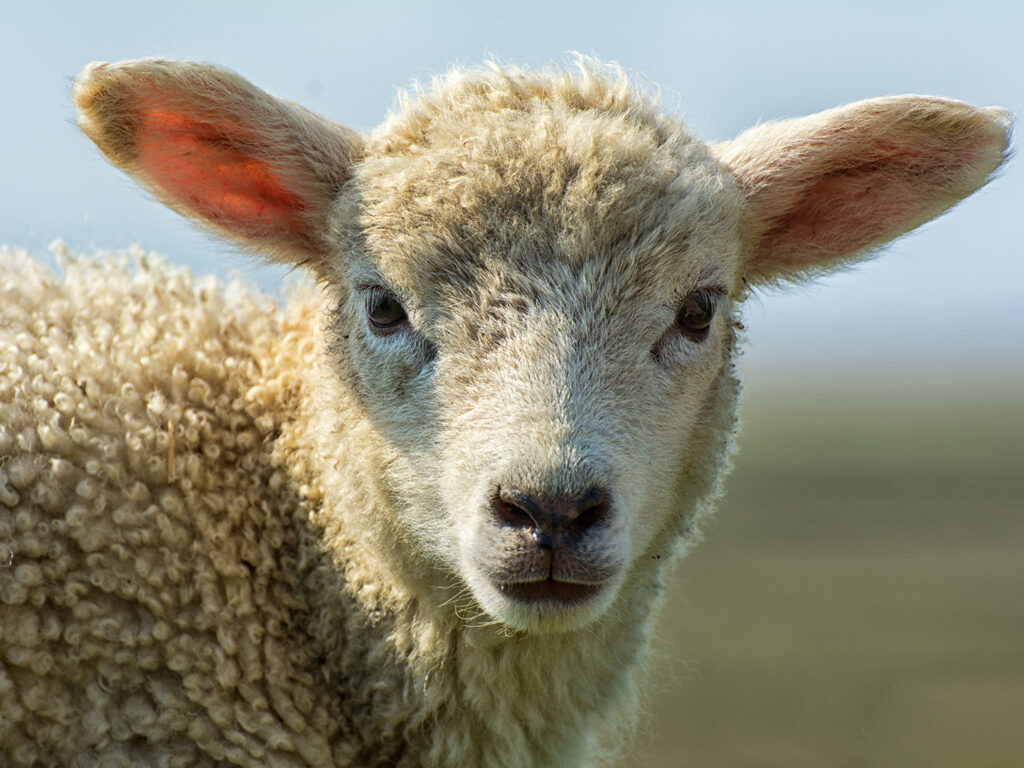
A white sheep's head

Throughout the year, youth across the country prepare and travel to various events, such as livestock shows, rodeos, and fairs, to show their animals. 

Because an animal’s performance at an event can be impacted if they are stressed or sick, Dr. Kevin Washburn, a professor of large animal internal medicine at the Texas A&M School of Veterinary Medicine & Biomedical Sciences, offers tips for keeping animals relaxed and healthy every step of the way. 

First, owners should ensure that their animals are appropriately vaccinated so that they are healthy enough to travel.

“The best prevention of any disease process is proper vaccinations when they are young and booster vaccines when necessary,” Washburn said. “Giving your animals booster vaccines about three weeks prior to the exhibition is a great practice for prevention.”

Most importantly, show animals need to be vaccinated against respiratory disease before arriving at an exhibition.

“Respiratory disease is the most common problem in exhibition animals due to the stress of travel, a new environment, and comingling with animals from many different locations and backgrounds,” Washburn said. “More specifically, cattle should be vaccinated against common respiratory pathogens before and at weaning.”

Owners should also prepare trailers in a way that keeps show animals calm and comfortable, since traveling can be stressful for them.

“Trailers should have adequate protection from extreme weather conditions and need to have a non-slip surface on them regardless of whether they are bedded or not,” Washburn said. “Non-slip surfaces prevent animals from slipping, losing balance, and falling in trailers, so it is less likely for animals to be injured.”

Washburn explained that ensuring an animal is as comfortable as possible in their trailer will reduce stress, which is better for their immune system. 

“If cattle are tied, they should have enough length of rope to hold their heads in a natural position; for longer trips, cattle should be untied, the floor should be deeply bedded with mats or straw, and there should be enough room for them to lie down,” Washburn said. “For pigs and small ruminants like sheep and goats, there should be comfortable bedding so they can lie down during travel.”

Once animals arrive at the show barn, they will need frequent access to fresh water to prevent dehydration and be fed their normal portion of food since dietary changes can cause digestive issues. Washburn also suggests owners provide fans or misters in warmer months and space heaters in colder months to improve animal comfort.

To maintain an animal’s health at an exhibition and decrease the risk of spreading diseases, especially when surrounded by other animals, Washburn encourages owners to be careful when walking from one animal stall to another.

“Many diseases are spread through fecal-oral transmission, and contaminating bedding with fecal material from other farms can lead to animals picking up diseases,” Washburn explained. “So pens and tie stalls should only be entered by their owners to avoid bringing fecal material from one farm to another. If fecal material is picked up on boots and shoes from other places at the exhibition area, owners should wash them off prior to handling their own animals.”

As another method of disease prevention, owners should avoid sharing with other animal caretakers their combs, brushes, clippers, feed tubs, water buckets, and tools used to clean bedding and stalls. 

Lastly, Washburn pointed out that a show animal’s health should continue to be a priority when they arrive back home. 

“Any exhibition animal should return to their normal environment and be allowed to rest from further training for at least the first five to seven days after returning home,” Washburn said. 

By practicing good health management before, during, and after 4-H events, you can ensure that your show animals are healthy and comfortable every step of the way to the exhibition so that they have a successful performance.

Pet Talk is a service of the College of Veterinary Medicine & Biomedical Sciences, Texas A&M University. Stories can be viewed on the web at vetmed.tamu.edu/news/pet-talk. Suggestions for future topics may be directed to vmbs-editor@tamu.edu.

VMBS Professor Completes TVMA’s Selective Leadership Program

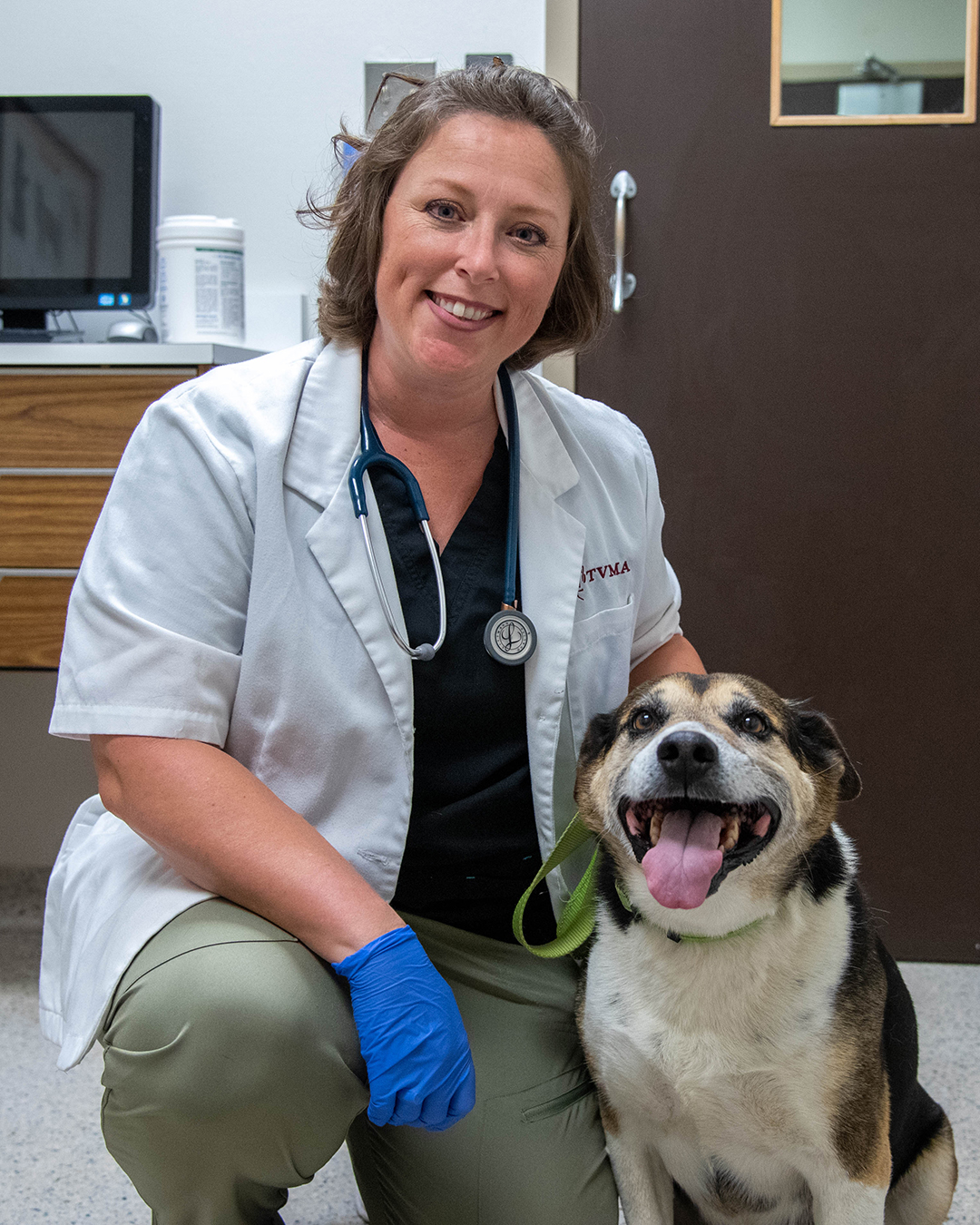
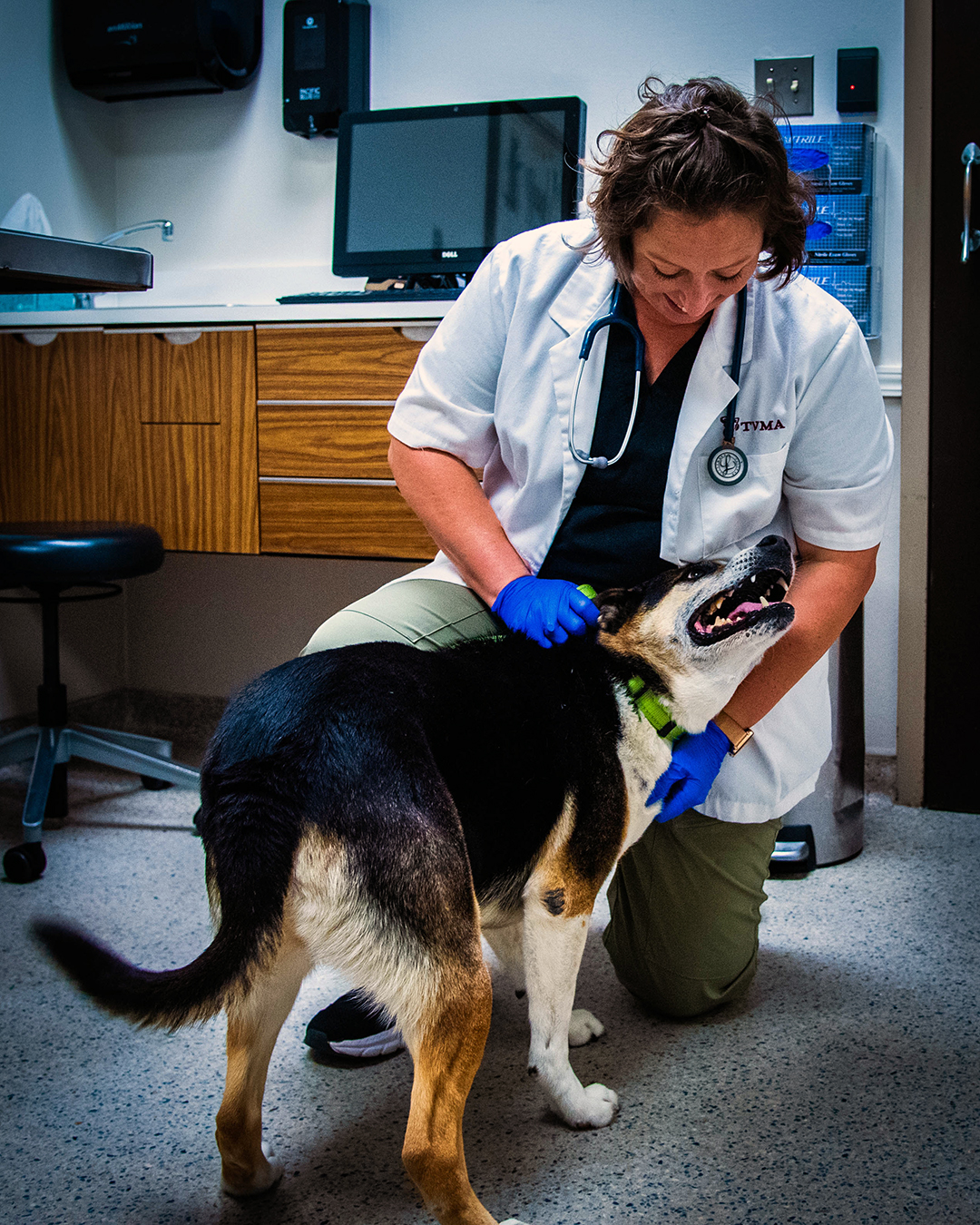
Dr. Ashley Navarrette
Navarrette

Dr. Ashley Navarrette, a clinical assistant professor at the Texas A&M School of Veterinary Medicine & Biomedical Sciences (VMBS), recently completed the Texas Veterinary Medical Association’s (TVMA) Power of 10 Leadership Program, a nine-month program designed to promote leadership qualities in veterinary professionals.

This selective program was previously limited to 10 recent graduates but for the first time, veterinary professionals at any stage of their career were able to apply for the 2022-2023 Power of 10 class.

Because of the program’s expansion, Navarrette was encouraged to apply to the program by her mentor and fellow colleague Dr. Lori Teller, a VMBS clinical associate professor and the 2022-2023 president for the American Veterinary Medical Association.

“I am a person who doesn’t want a glass ceiling because I want to keep growing,” Navarrette said. “So to have Dr. Teller identify me and tell me that I should do the program because she sees potential in me was absolutely meaningful.” 

The TVMA led six sessions on topics that included leadership development, stress management, and financial responsibility, which allowed participants to increase their understanding and application of different leadership skills. 

Navarrette said the most impactful session for her was on emotional intelligence, defined as the ability to understand and use emotions to effectively communicate and connect with others.

“One way I’ve utilized emotional intelligence is by slightly changing the way I approach students, because each student may need a different leadership style,” Navarrette said. “Veterinary students need a lot of support, and it’s really nice when they can find someone who not only listens to them but also gives them the specific tools they need to build themselves up.” 

While the program is intended for participants to improve their leadership abilities specifically in their veterinary career, those who complete the program can apply what they have learned to other areas of their lives.

“There are elements from this program, probably from every session, that you can apply to your life,” Navarrette said. “This program is for anyone who wants to build their leadership and overall personal development, to make you not only a better leader within your practice but also to make you a better colleague, friend, and family member.”

Participants were also required to prepare a project on a topic of their choice, so Navarrette and her team set out to determine if the Power of 10 program has a positive return on investment. In the process, they discovered that a majority of Power of 10 graduates currently hold leadership positions within their practices and TVMA, and over 90% of them are still TVMA members.

“Someone once told me that most vets will be out of practice within eight years post graduation because of burnout and compassion fatigue,” Navarrette said. “But programs such as the Power of 10 increase longevity in the profession by giving individuals the tools to grow and adapt themselves beyond just leadership development.”

###

For more information about the Texas A&M College of Veterinary Medicine & Biomedical Sciences, please visit our website at vetmed.tamu.edu or join us on FacebookInstagram, and Twitter.

Contact Information: Jennifer Gauntt, Director of VMBS Communications, Texas A&M College of Veterinary Medicine & Biomedical Sciences, jgauntt@cvm.tamu.edu, 979-862-4216
Texas A&M Students Develop AI-Based Program To Help Diagnose Canine Heart Disease

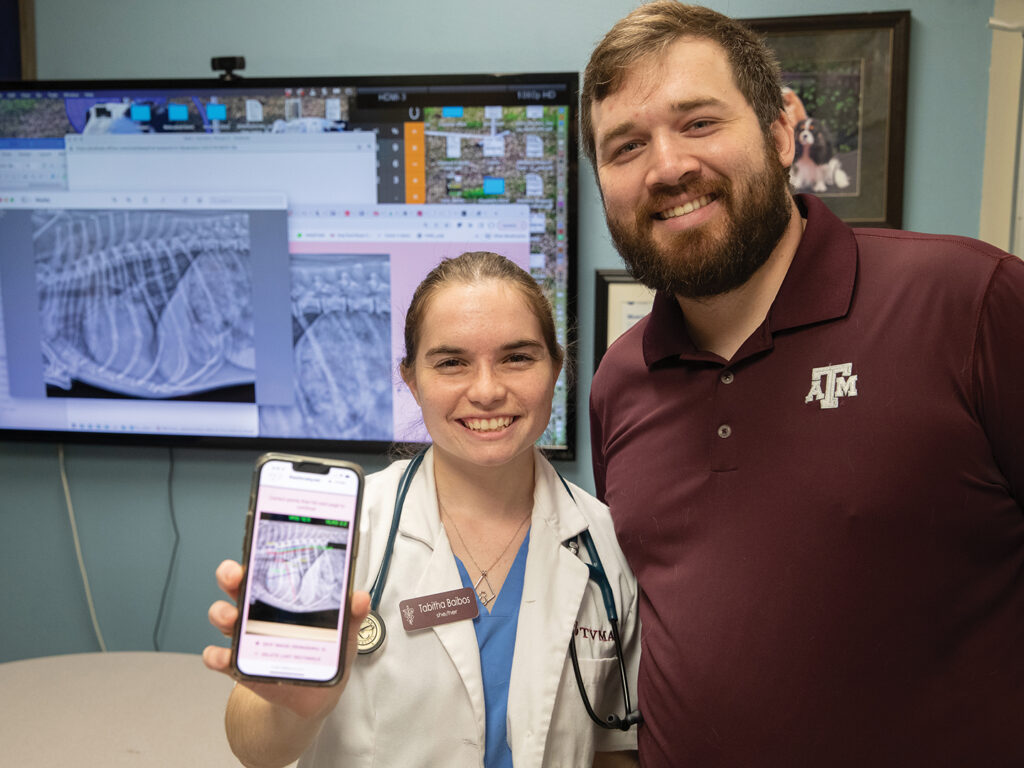
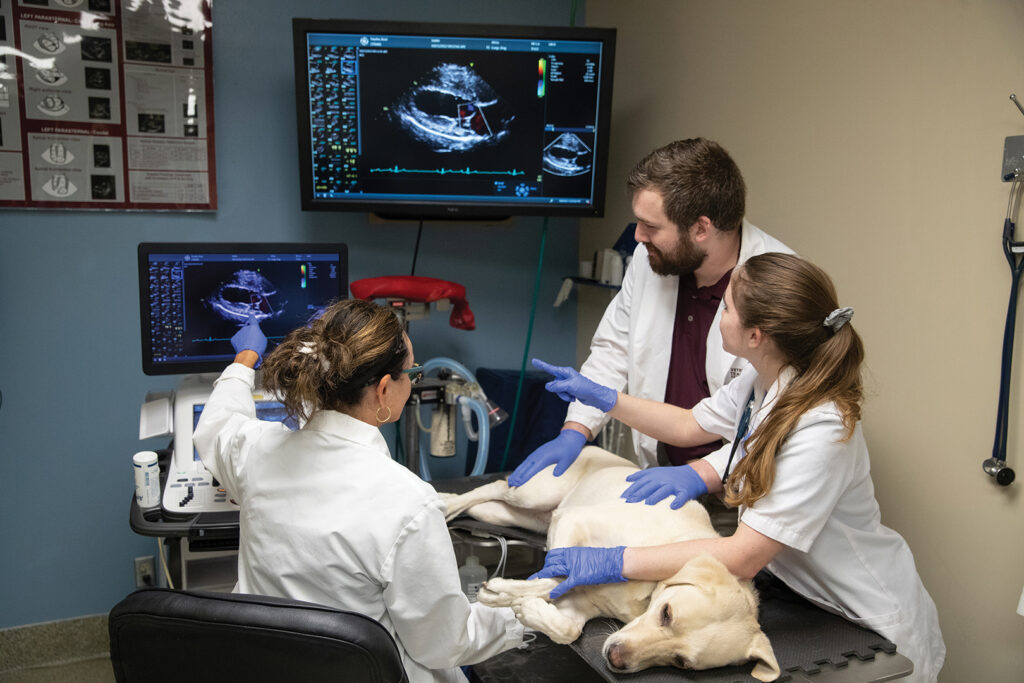
Tabitha Baibos and Tomas Reyes holding up a phone with Radanalyzer open, with a screen behind them showing a scan of a dog's heart

Fourth-year veterinary student Tabitha Baibos and Tomas Reyes ’20, ‘22 (MS)

Artificial intelligence (AI) is a phrase on the tip of many tech experts’ tongues, and with the help of Texas A&M School of Veterinary Medicine & Biomedical Sciences (VMBS) fourth-year veterinary student Tabitha Baibos and her fiancé Tomas Reyes ’20 ‘22, AI is taking on new life in veterinary medicine.

After creating an award-winning prototype during a student competition, Baibos and Reyes are further developing their invention in an effort to improve canine heart disease treatment. Their AI-based algorithm has become the center of the pair’s start-up company and is now being fine-tuned with the help of VMBS professor and Eugene Ch’en Chair in Cardiology Dr. Sonya Gordon and other veterinarians.

Inception Of Radanalyzer

A desire to help animals is nothing new for Baibos; the pet parent of four cats and one dog has dreamed of becoming a veterinarian since she was young.

“I was introduced to the idea of becoming a veterinarian through a book series I read as a kid,” Baibos said. “I love to read, and there is a series called ‘Animal Ark’ about a little girl whose parents owned a veterinary clinic. I was in love with the series and read all of those books; that’s really what made me want to become a vet.”

Since becoming an Aggie veterinary student, Baibos has continually pursued opportunities beyond the school’s curriculum, including raising puppies for Guide Dogs for the Blind, as a VMBS student ambassador, and more.

This year, Baibos put her knowledge of veterinary medicine to the test through Aggies Invent, a 48-hour design competition in which students develop a prototype in response to a given challenge.

For the January 2022 VetMed competition, held in conjunction with the Texas A&M College of Engineering, the challenge was posed simply—create an innovative solution for a veterinary care problem.

Baibos was the sole veterinary student among a team of engineering students, which included her fiancé. Their team decided to tackle the prompt by developing a way to more easily calculate vertebral heart score in dogs — an area of much-needed development.

“When dogs start to develop heart disease — and this could be for several reasons, but it’s really common in smaller dogs as they get older — their hearts will start to get bigger, usually because there’s an increased amount of blood in the heart or it’s pumping really, really hard,” Baibos said. “Usually, a veterinarian has to stand at a computer and use a ruler tool on an X-ray image and hope they’re finding the right spots to measure from.”

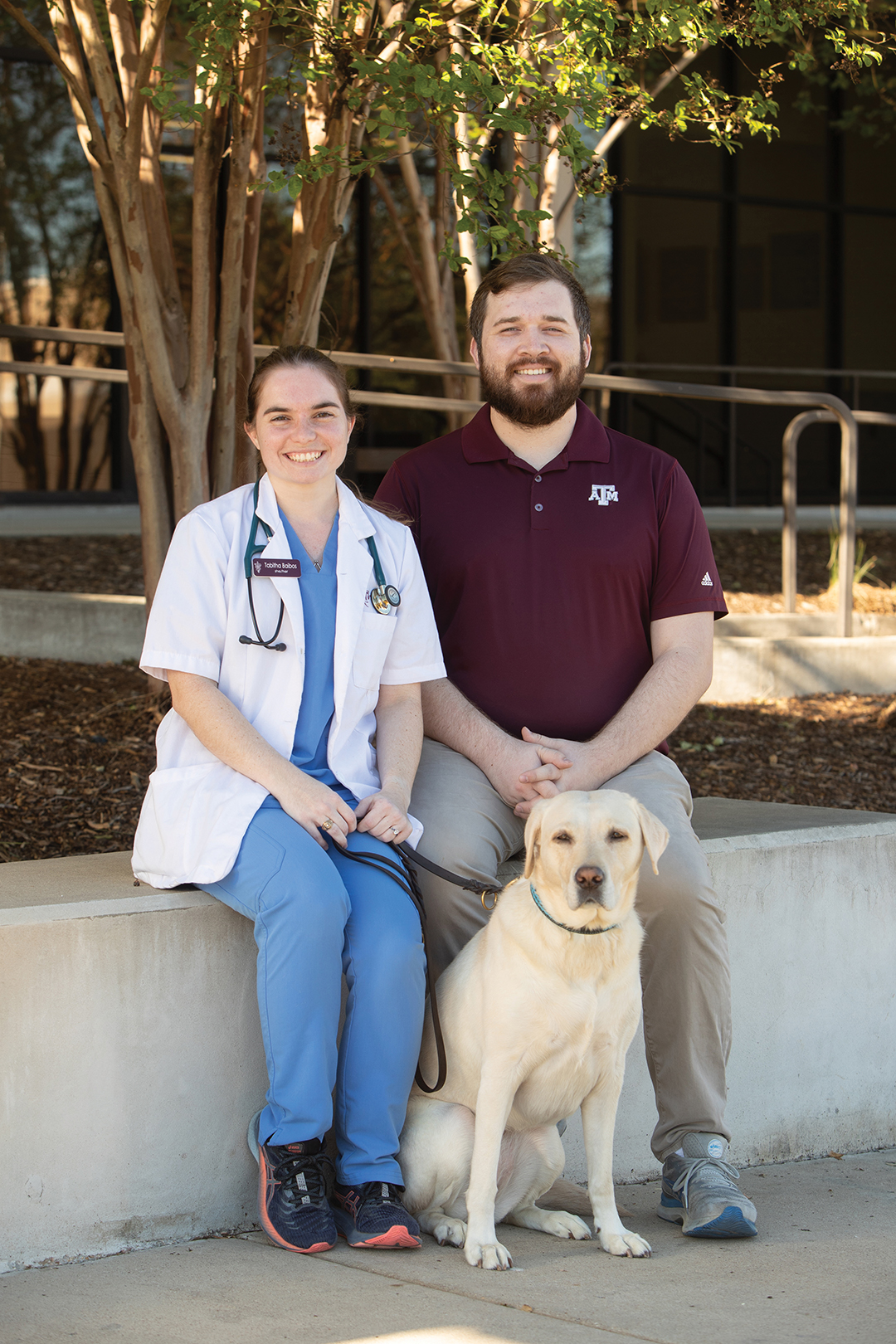
Baibos and Reyes with their yellow lab
Baibos, Reyes, and Jitterbug

While the typical method for measuring and calculating vertebral heart score is both time-consuming and error-prone, it is also vital because it helps veterinarians determine if treatment is necessary or if a certain course of treatment has been effective. Baibos and her team sought to take out the guess-work and the time constraints of the process.

“We went all over the web to find pictures of X-rays that we could use freely,” she said. “My fiancé made an algorithm using artificial intelligence that can literally just look at the picture and, within seconds, give you a calculation.”

Having someone with a veterinary background certainly gave Baibos’ team a competitive edge; it also gave Baibos the chance to take on a teaching role.

“It was a good challenge for me to be able to take my knowledge and explain it in a way that an 18-year-old with no veterinary background could understand,” Baibos said. “Some of my teammates never even had pets. So, having to explain these concepts, the whole veterinary side of things, was a challenge for me.

“The competition was super fun. I didn’t think I would enjoy it, but I loved it,” Baibos said. “It showed me that I am capable of doing more than I thought and gave me the opportunity to think about problems from a different perspective.”

After taking home first prize, Baibos and Reyes couldn’t simply abandon the work they’d done. Instead, they developed it further by co-founding RadAnalyzer, a company that aims to incorporate AI into everyday veterinary practice.

“After we finished the weekend project, we thought more about how there’s a need for this,” Baibos said. “We have spent the past couple of months working on it, and now we’re an official business.”

The duo has landed some minor investors already, and they aren’t stopping there.

“We just submitted our application for a start-up accelerator through Amazon Web Services,” Baibos said. “We’re also in the process of getting veterinarians to sign up and use our website.”

Improving The Algorithm

Vertebral heart score is traditionally measured by manually choosing specific points on a radiograph to mark the top and bottom of the heart, as well as the edges of the heart’s widest area. Veterinarians then measure these dimensions and determine how many vertebrae the measurement corresponds to on the dog’s spine. In total, seven points have to be found on an image each time.

RadAnalyzer finds these points and makes the measurements and calculations automatically, but it is still in the testing stage. The AI improves when experts validate the accuracy of its measurements or apply corrections when it chooses faulty points on new X-ray images.

The service is currently free for veterinarians to use in their own practices and to provide feedback. Veterinarians can upload patients’ anonymized X-ray images to the app or website, which will automatically calculate the vertebral heart score. The points on the vertebrae that the algorithm selects will appear on the image, and, if veterinarians using the program don’t agree with the points, they can make adjustments that the AI will learn from.

Gordon, Baibos, and Reyes performing an ECG on a yellow lab
Dr. Sonya Gordon, Reyes, Baibos, and Jitterbug

The AI is also learning more and more as interns at the Texas A&M Small Animal Teaching Hospital make use of the tool for cases requiring a vertebral heart score; their work is verified by Gordon and then uploaded to the RadAnalyzer database to give the AI a broader range of correct examples.

“The goal is to publish our results showing that the algorithm is accurate and that the test metrics are good,” Baibos said. “We’re basically training our machine-learning model as if Dr. Gordon is doing them all herself. We’re hoping to provide a level of quality and accuracy that would be equal to a board-certified cardiologist.”

For Baibos and Reyes, working on RadAnalyzer goes beyond merely a professional endeavor; the two have had to adapt to each other’s working styles, and, ultimately, Baibos believes that developing RadAnalyzer has had a positive effect on their relationship.

“Working on RadAnalyzer really gives us something to bond over,” Baibos said. “We had two separate worlds and were able to bring them together. It’s also really helped him to connect with my friends from vet school. And we got engaged literally a week after we won Aggies Invent, so, you could say it’s been really good for us.”

As for Baibos’ future, she plans to work at a feline-only clinic — perhaps, one day, even open her own — and get board certified in feline medicine. And although vertebral heart score isn’t used as often in cats as it is in dogs, RadAnalyzer will continue to be a major part of Baibos’ career.

“Our goal is to be able to use RadAnalyzer for things other than just vertebral heart score, like looking at diseases in the lungs or looking for bone fractures,” Baibos said. “So, hopefully, I will be able to use it in my own practice.”

Ultimately, Baibos hopes that the negative aspects of analyzing radiographs—the uncertainty of the measurements, the time required to get accurate results, and the cost to pet owners—will all be made obsolete with the expansion of AI.

“AI is going to be the future of a lot of things; people use it more often than they think they do,” Baibos said. “It is going to be a big thing in veterinary medicine, because it’s going to allow us to provide services to clients at a cheaper cost and a lot faster. With the high caseloads veterinarians have, it’s going to be a really good tool for the future.”

###

Note: This story originally appeared in the Winter 2023 edition of VMBS Today.

For more information about the Texas A&M College of Veterinary Medicine & Biomedical Sciences, please visit our website at vetmed.tamu.edu or join us on FacebookInstagram, and Twitter.

Contact Information: Jennifer Gauntt, Director of VMBS Communications, Texas A&M College of Veterinary Medicine & Biomedical Sciences; jgauntt@cvm.tamu.edu; 979-862-4216

Good Bull: Aggies Use New Technique To Heal Longhorn’s Fractured Skull

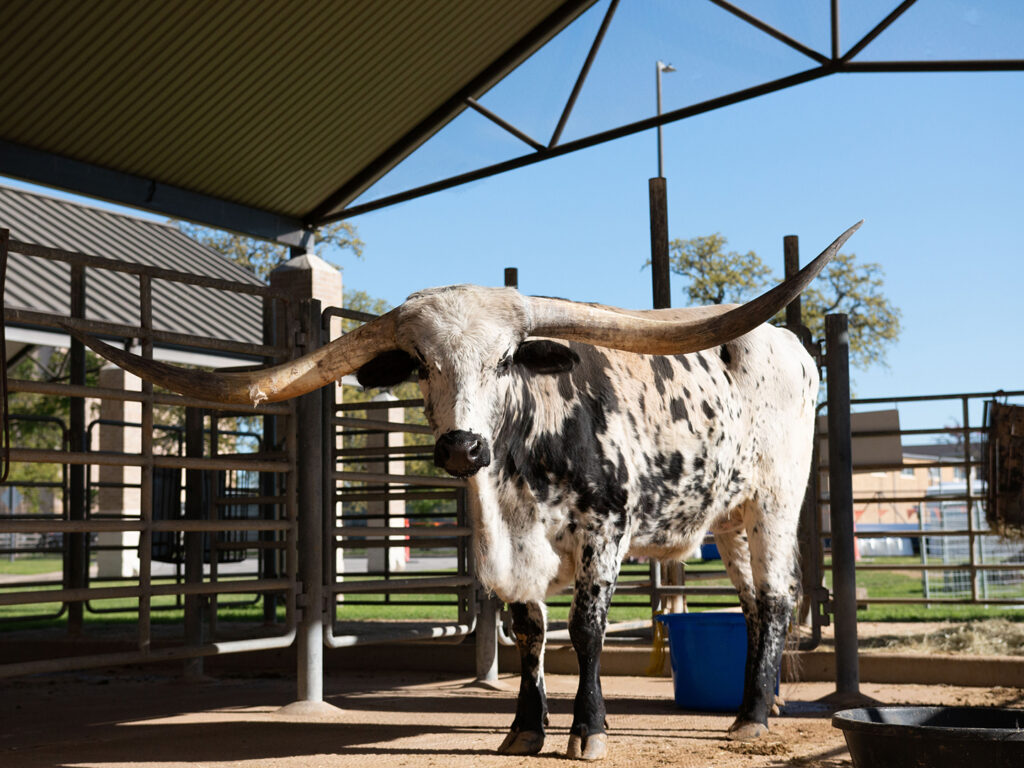
Dante the longhorn
Dante

The rivalry between Aggies and Longhorns goes back more than 100 years, but it stops at the doors of the Texas A&M Large Animal Teaching Hospital (LATH), where Aggies recently worked together to heal a longhorn named Dante, a resident of Austin Zoo.

Dante was brought to Texas A&M with a fractured skull that was being exacerbated by his extremely heavy, nearly record-breaking horns. The original plan was to amputate both horns, but Dante’s Aggie veterinary team came up with an innovative strategy that would allow the fracture to heal and the horns to remain in place.

From Austin To Aggieland

Dante is one of three Texas longhorns to call Austin Zoo home. He joined the non-profit organization in January 2020 alongside another longhorn named Mack, and the two of them formed a small herd with a third longhorn named Chance.

“When Dante first joined us, he was so young and playful; you’d think he was a puppy dog,” said Patti Clark, the zoo’s executive director. “He would race around the yard and try to play with the others. He and Mack got to really be good friends.”

While Mack and Chance have horns of an average length (about 6 feet for an adult steer), Dante’s horn span is a whopping 93 inches long tip to tip — only 10 inches shorter than the world record. For comparison, the Houston Rockets basketball player Yao Ming would fit inside the 7.75-foot span between Dante’s horns.

Thus, it was a noticeable change when his right horn started to droop.

Although Dante’s caretakers don’t know exactly how he became injured, they think it likely occurred when he was romping and playing with his very expansive horns. They did know, however, that it was imperative to get Dante to LATH as soon as possible.

At Texas A&M, diagnostic imaging confirmed a skull fracture at the base of Dante’s right horn. The weight of his horn, estimated to be about 20 pounds, was pulling at the fracture and keeping it from healing.

Removing this weight was vital to Dante’s recovery, so the veterinary team planned to move forward with the traditional fix, an amputation of both horns.

Deciding To Not ‘Saw It Off’

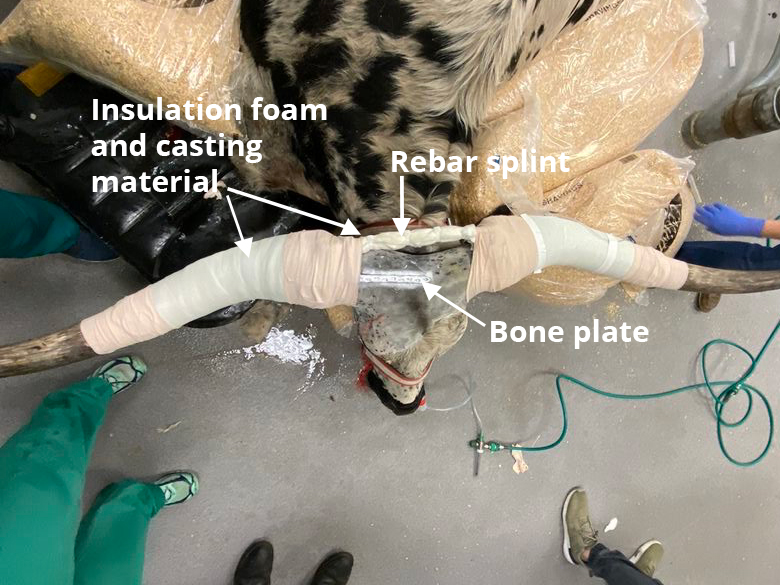
View of Dante's implants from above, with labels showing the different pieces

Safely and properly dehorning an adult longhorn involves a surgical procedure. Even though the horn’s outer layer is made of keratin (the same material that makes up our fingernails), the inside has a lining of live tissue supplied by a vast, complex network of blood vessels.

“Horns have their own significant blood supply and communicate with sinuses within the head,” said Dr. Shannon Reed, a clinical associate professor at the Texas A&M School of Veterinary Medicine & Biomedical Sciences. “You can’t just saw them off; you have to surgically remove them all the way down to the skull.

“This is especially important in an adult animal when removal of a horn results in an open sinus,” added Dr. Jennifer Schleining, a clinical professor and the head of the Department of Large Animal Clinical Sciences.

Only three days before the scheduled amputation, Reed approached the Austin Zoo with an idea that was developed during a meeting she had with Schleining and equine orthopedic specialists Drs. Jeffrey Watkins and Kati Glass.

Their innovative procedure used orthopedic implants in a novel manner and could possibly save Dante’s horns. She suggested combining an external implant to repair the fracture with a large rebar splint that would take the right horn’s weight off the skull.

“Dr. Reed said that if they were able to do this, it would be a real game changer for longhorn owners, breeders, and veterinarians,” Clark said. “We were willing to try before giving up and doing the amputation. I have a very firm policy that we do not spare any expense; if a veterinarian says something is possible, then we will follow that veterinarian’s advice to a T.”

Rough Tough, Real Stuff

The first step in healing Dante’s fracture involved using a hydraulic hoist to reposition the horn and installing an external fixator to hold the fracture in the correct position, all of which was done while the longhorn was anesthetized.

“We took a bone plate that usually goes under the skin and, instead, we attached it to the outside of his skull and his horn. We shaped it so that it fit to the contour of his skull,” Reed said.

The plate provided stability but not enough to counteract the weight of the horn. This would require a special rebar splint created by the hospital’s farrier, Jason Maki, that spanned both horns and allowed the left horn to anchor the right one.

“Dante’s case highlights the possibilities that exist when unique circumstances meet a dedicated team of highly trained veterinarians and technicians who are willing to look beyond the status quo.”

Dr. Jennifer Schleining

Finally, because the weight of the rebar would pull on the screws and eventually loosen them, piping insulation foam and casting material were applied to hold everything in place.

Once all the fixators were installed, Dante spent about three months at the LATH healing, receiving antibiotics, and being monitored for complications. In addition to the veterinary surgeons who developed Dante’s treatment plan and performed the procedure, 28 veterinary students had the opportunity to care for him during his stay.

Even though how his skull became fractured remains a mystery, Reed is hopeful that it will not happen again.

“When bone heals, it heals stronger than it was when it broke,” she said.

Once the fracture was fully healed, the fixators were removed one at a time over a span of two weeks and Dante finally returned home in March.

“There were a number of us there to welcome him home. We all missed him,” Clark said. “When he was unloaded, he stepped out of the trailer and went straight over to the fence to see Mack. Within five minutes he started running around like a kid, kicking up his heels. He was so happy to be home.”

The success of Dante’s case provides hope for future longhorns with similar injuries. The groundbreaking procedure was only possible because of a talented team of veterinary professionals and Austin Zoo’s dedication to providing him with the best possible care.

“Dante’s case highlights the possibilities that exist when unique circumstances meet a dedicated team of highly trained veterinarians and technicians who are willing to look beyond the status quo,” Schleining said. “His success was possible because of the efforts of a collaborative team in diagnostic imaging, anesthesia, surgery, farriery, internal medicine, and ICU, as well as multiple students who provided the ultra-important TLC that contributed to his recovery.”

###

For more information about the Texas A&M College of Veterinary Medicine & Biomedical Sciences, please visit our website at vetmed.tamu.edu or join us on FacebookInstagram, and Twitter.

Contact Information: Jennifer Gauntt, Director of VMBS Communications, Texas A&M College of Veterinary Medicine & Biomedical Sciences, jgauntt@cvm.tamu.edu, 979-862-4216
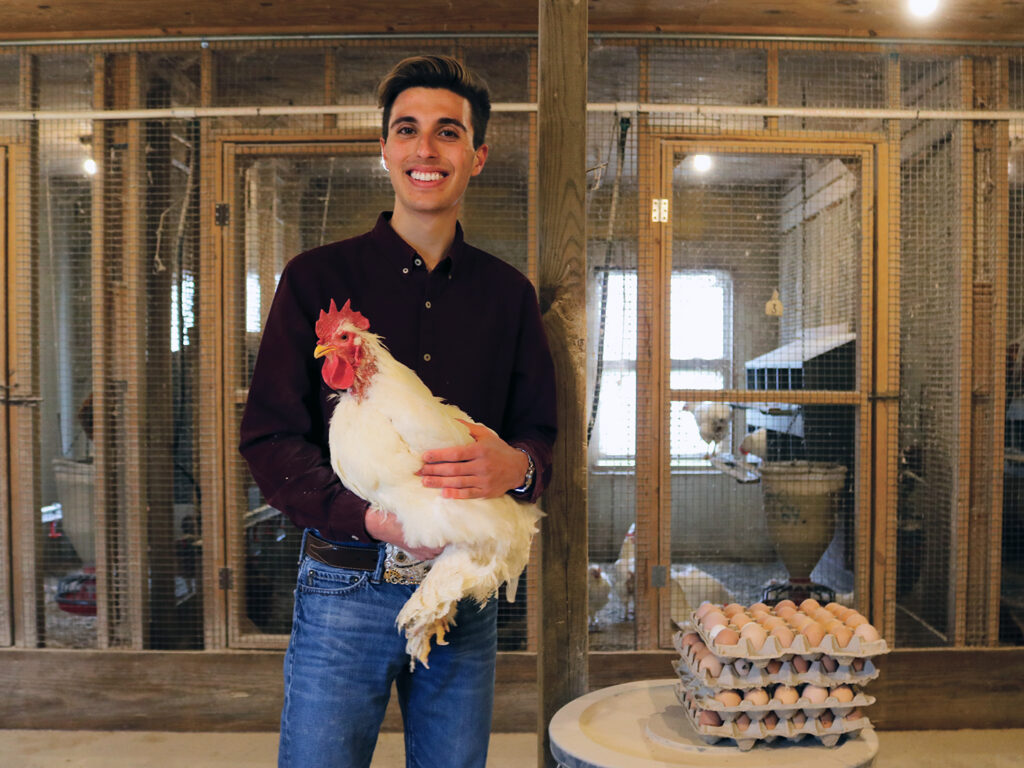
Graduating Veterinary Student To Help Fill Nation’s Critical Shortage Of Poultry Veterinarians

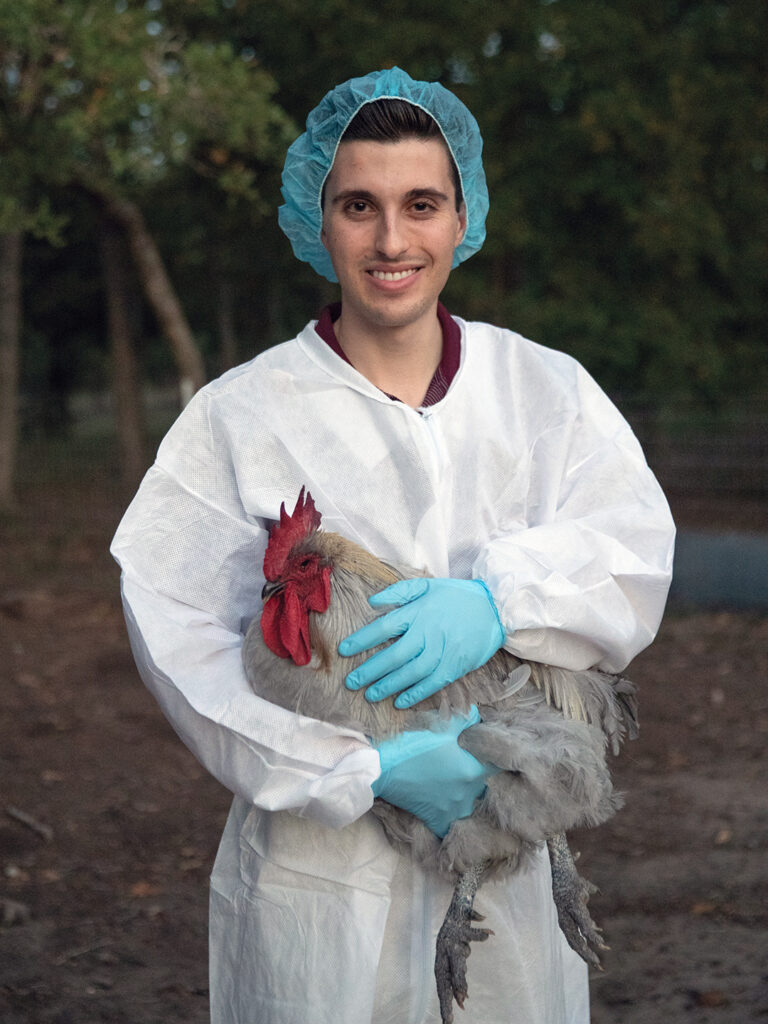
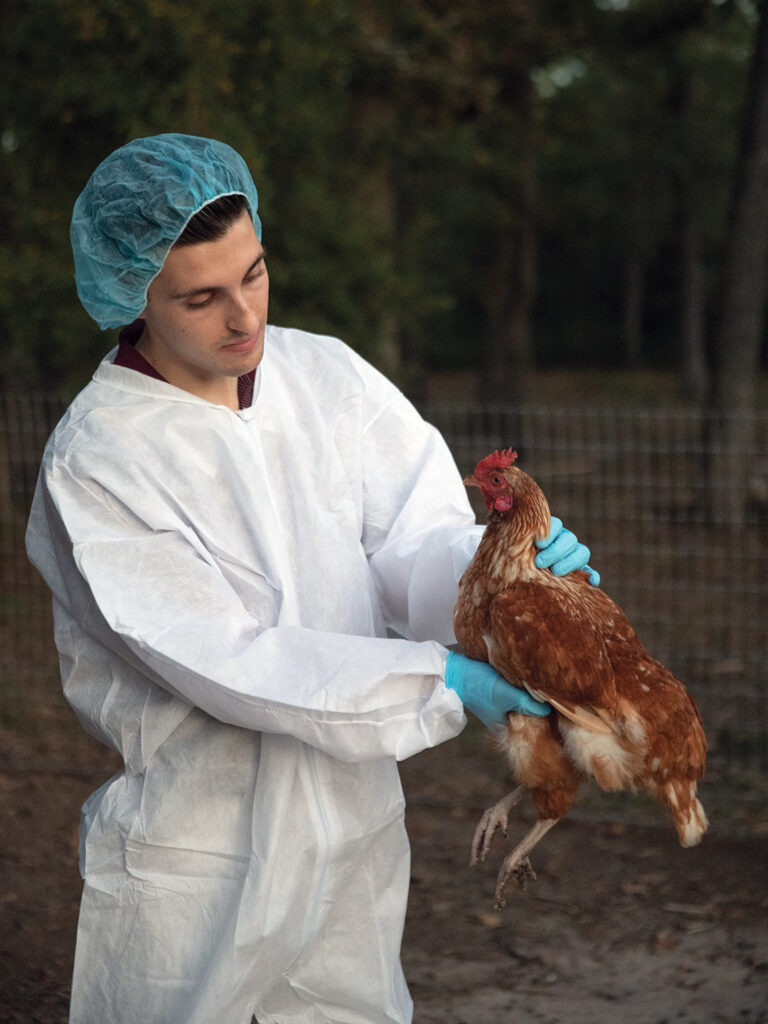
Jason Sousa in PPE holding a grey rooster
Sousa

According to Texas A&M School of Veterinary Medicine & Biomedical Sciences (VMBS) fourth-year veterinary student Jason Sousa, any part of the veterinary curriculum can be about poultry if you try hard enough.

Growing up around cats and dogs, Sousa knew he was going to be a veterinarian by the time he was 6 years old, but it wasn’t until he got to high school that he developed a passion for poultry.

“I hadn’t had any exposure to poultry before high school,” Sousa said. “Then I raised chickens and turkeys for FFA and did a little bit of everything with poultry.”

In 2015, he began his undergraduate degree in poultry science at Mississippi State University — and loved every minute of it.

“I realized that I could be a poultry veterinarian and that that was a viable career in an area where there was a need,” Sousa said. “I came into veterinary school knowing that that’s what I wanted to do.”

For Sousa, there are many aspects of the field that make poultry medicine appealing, but the interest begins simply with the birds.

“Birds are just very cool,” he said. “Their anatomy, their physiology — it’s all so unique and well-adapted to serve birds’ purposes, whatever they may be.”

After starting his veterinary school journey, though, Sousa discovered just how scarce poultry veterinarians are. Because he estimates that there are only about 300 poultry veterinarians in the United States, whereas small animal veterinary students can find a variety of mentors available for each challenge they face, Sousa had to be a bit more creative with finding mentorships and experiences.

In his sophomore year, Sousa was assigned two mentors — Dr. Brandon Dominguez, at Texas A&M, and Dr. Yuko Sato, a poultry veterinarian at Iowa State University.

“Dr. Sato and I meet on Zoom every semester; she offered to let me come up and spend time with her lab and some poultry vets up in Iowa,” Sousa said. “I see her at all of the conferences I go to. I was so impressed that A&M was willing to go the extra step to help me make those connections.”

To further those connections and find additional field experience, Sousa is always prepared to jump at a chance to have a new poultry-centered adventure — no matter where it takes him.

“I’ve bounced around every corner of the country because the poultry industry is so geographically distinct,” Sousa said. “The South predominantly has broilers; in the North, there are a lot of layers; the West has a little bit of everything; and the Midwest has a lot of turkeys. You have to jump around to get good experiences.”

Sousa holding a white rooster inside a chicken coop
Sousa during an externship at a broiler breeder house in Clinton, North Carolina

Sousa plans to become board certified with the American College of Poultry Veterinarians. Before then, he’ll be heading to the University of Georgia to complete a master of avian medicine program and then to California, Alabama, and Nebraska for more learning opportunities.

Because he has found an unexpected range of possibilities as a poultry veterinarian — from the production and clinical medicine side, in which veterinarians go out into the field daily to evaluate birds on farms, to the diagnostic and research side — his long-term goals remain up in the air, but he knows that no matter where he ends up in the industry, the work will be fascinating.

“I don’t know what that’s going to look like quite yet because I like it all a little too much to say I’m only going to work with one particular type of poultry for the rest of my life,” Sousa said.

One of his favorite aspects of the poultry industry is that it is vertically integrated, which means that many of the companies involved own everything from the hatchery and feed mill to the birds themselves, as well as the processing plants. As such, many of the consultations Sousa has participated in require plenty of detective work and investigative prowess.

“As a poultry veterinarian, if a plant says, ‘We’re noticing this problem; what’s going on?’ I might end up tracing that all the way back to the feed mill where they miscalculated the calcium and phosphorus inclusion,” he said. “I like that poultry vets get to have their toe in every single area of production and get to investigate what’s happening.”

In addition to the tracebacks, Sousa has found that the work requires a lot of forward thinking at an industrial scale.

“With clinical medicine, you might be looking at 100,000 birds or more at any given time,” he said. “You have to say, ‘How do I treat them?’ but, also, ‘How do I prevent this from happening the next time we place a flock in this house?’ You get to develop biosecurity and vaccine protocols.”

Along with keeping the birds healthy, part of a poultry veterinarian’s job is to keep in mind the safety of the people whom the animals will feed. With poultry constituting such a large part of the American diet, the field has become deeply intertwined with both public health and epidemiology.

Sousa examining a brown chicken

In the future, Sousa believes that the path toward increased food safety will involve more collaboration between poultry scientists, researchers, and veterinarians.

“Food safety is absolutely something that’s coming under more and more scrutiny,” Sousa said. “It’s important that there’s collaboration. I think it’s at the forefront of everybody’s minds because there’s still a lot that we don’t know about what we, as veterinarians, can do, especially in the midst of growing pressure to use fewer antibiotics.”

Additionally, the field of poultry medicine must grow in tandem with the ever-expanding human population.

“Poultry production is growing in and of itself, and more chicken houses are being built every year,” Sousa said. “So, the need for poultry veterinarians is definitely getting higher and higher because, on top of the growing industry, older veterinarians are retiring and leaving the industry. I’d say, at this time, there’s probably more of a need for poultry vets than there is a supply of poultry vets.”

Nonetheless, Sousa is happy to be a part of the tight-knit field, and no matter how the specifics of his career shake out, he takes comfort in knowing that he’ll be part of the force for creating positive changes in the availability and safety of human food.

“What really keeps me going about poultry, in particular, is that the world’s population is growing, and the need for a cheap source of protein grows with it,” Sousa said. “Unfortunately, beef and swine take a long time to grow. They’re more expensive and they’re not as accessible to people who need food at a low cost. I think poultry is what’s going to be feeding people in the future.

“What keeps me going, even on bad days, is knowing that what I’m doing is ultimately helping to make sure more birds stay alive and can be a source of food for somebody.”

###

Note: This story originally appeared in the Winter 2023 edition of VMBS Today.

For more information about the Texas A&M College of Veterinary Medicine & Biomedical Sciences, please visit our website at vetmed.tamu.edu or join us on FacebookInstagram, and Twitter.

Contact Information: Jennifer Gauntt, Director of VMBS Communications, Texas A&M College of Veterinary Medicine & Biomedical Sciences; jgauntt@cvm.tamu.edu; 979-862-4216

Learning To Evaluate A Horse’s Health On Your Own

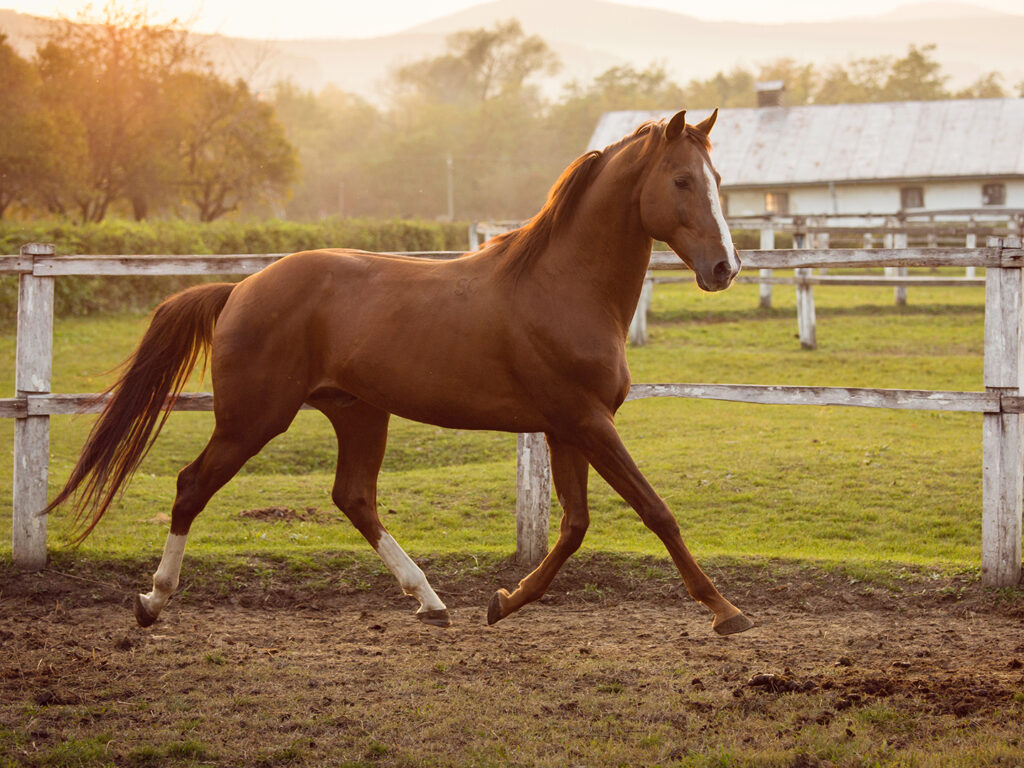
A brown horse running in a paddock

Horses are prone to accidents, so it is important for owners to know how to recognize changes in a horse’s health and determine when veterinary care is necessary. 

Dr. Amanda Trimble, a clinical assistant professor of equine internal medicine at the Texas A&M School of Veterinary Medicine & Biomedical Sciences, said working with a veterinarian to establish a horse’s “normal” behavior and vitals is the first step in assessing a horse’s health at home. 

“It is critical to establish a good working relationship with your veterinarian through routine wellness checks so that both you and your veterinarian know what your horse’s ‘normal’ is prior to an emergency,” Trimble said. “Being able to detect any changes from their ‘normal’ might make the difference in identifying a sick horse quickly and in calling your veterinarian as soon as possible to intervene and treat your horse.”

Veterinarians can show owners how to complete a distance exam, which is done by observing a horse from a distance.

“Horses are prey animals, so as soon as people enter the stall, their behaviors may change,” Trimble said. “We should specifically look to see if they are alert and responsive to their environment. Some other questions we can ask ourselves include: Are they looking around and moving their ears to listen? Are they interested in their food? Are they interacting with people or other horses? Are there multiple piles of manure in their stall? Are they too skinny or are they carrying too much weight?”

The most important vitals that owners can check after determining that their horse seems comfortable from a distance are respiratory rate, heart rate, and temperature. 

Counting a horse’s respiratory rate can be done during the distance exam or by standing close enough to feel the horse’s breath. Trimble recommends watching the horse’s flanks — which is the shallow area in between the rear legs and the body — or feeling for airflow from the nostrils. Each rise and fall of the horse’s flanks or each exhale through the nostrils is one breath. The normal range of how many times a horse exhales per minute is 8-16 breaths.

“We also want to observe the horse for any increased effort with breathing,” Trimble explained. “Are their nostrils flared? Does it look like the horse is breathing so hard that there is an abdominal effort? Are they taking small, fast, and shallow breaths? Is there a weird sound associated with breathing?”

When measuring a horse’s heart rate, Trimble suggests owners feel for a pulse beside the horse’s eye or along the vein under the jaw. If owners have a stethoscope, they should place the stethoscope’s bell into the left armpit, just behind the elbow.

“Similar to when you are taking your own pulse, light pressure is needed so as to not stop blood flow,” Trimble said. “Once we feel the pulse, we count how many times we feel it over a minute in order to get the heart rate. The normal range for heart rate is 28-44 beats per minute.”

Lastly, owners can check if their horse’s temperature is in the normal range of 99 to 101.5 Fahrenheit. 

“When obtaining rectal temperatures, you should stand close to the horse’s side with a handler (a second person) standing on the same side as you by the horse’s head,” Trimble explained. “You can drape your arm over their hindquarters and then gently lift the tail, peer around the horse’s rear, and insert the thermometer into the rectum. You should always check the thermometer for blood upon removal and label the rectal thermometer ‘horse’ so that it is not accidentally used on a human at a later date.”

Trimble strongly encourages owners to not take a horse’s temperature if the horse is difficult to control or causing trouble, as this can be dangerous for owners and handlers. 

Owners who complete subsequent evaluations on their own should look out for signs that may require a veterinary visit. 

These signs, according to Trimble, include decreased appetite, lethargy, lying down more than normal, rolling, isolating themselves, sudden lameness or stumbling, squinting or closed eyes, discharge from nose, red or purple gums, hives, abnormal sweat patterns, breathing hard or fast, and sudden weight loss. 

Working with your veterinarian to determine your horse’s normal behavior and vitals is the first step in knowing that your horse is healthy. Once you have the knowledge to recognize a healthy horse, you can identify and respond to health concerns as a way to maintain a horse’s overall well-being.

Pet Talk is a service of the College of Veterinary Medicine & Biomedical Sciences, Texas A&M University. Stories can be viewed on the web at vetmed.tamu.edu/news/pet-talk. Suggestions for future topics may be directed to vmbs-editor@tamu.edu.