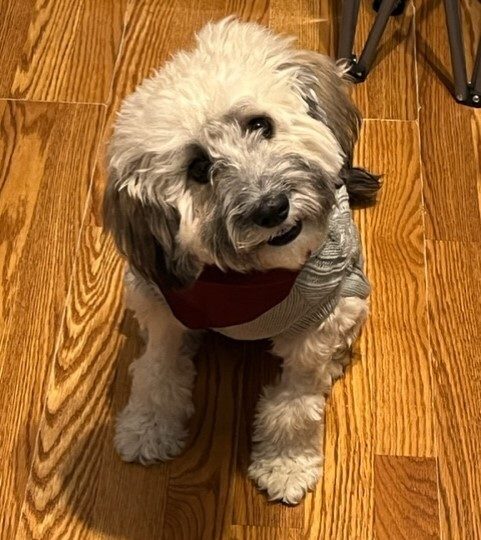
Texas A&M Veterinarians Save Schnauzer With Extreme Urinary Blockage

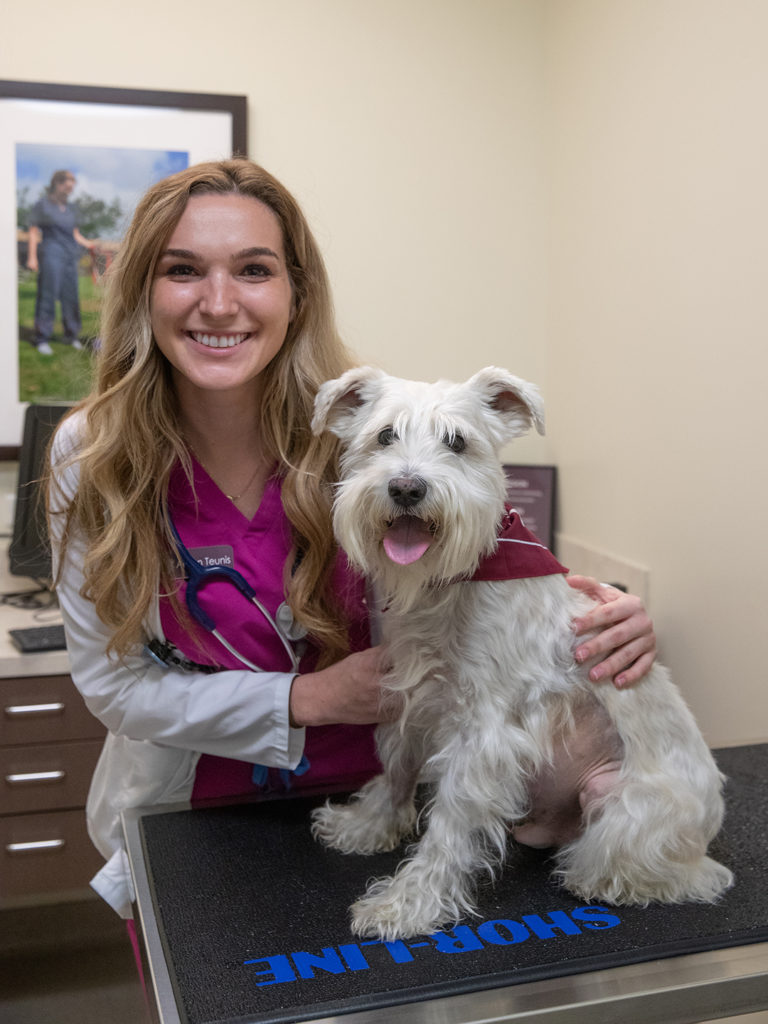
Max the white schnauzer with veterinary student Allison Teunis
Allison Teunis and Max

The last thing anyone wants to deal with during the holidays is a medical emergency, but when Max, a 7-year-old Schnauzer, began to have difficulty urinating on Thanksgiving day, his family began an almost week-long journey to get him the care he needed.

They soon learned that Max had a serious blockage in his urinary tract caused by a large number of stones that had formed in his bladder. Surgical treatment was the only option, but it wouldn’t be cheap.

However, a new community outreach program at the Texas A&M Small Animal Teaching Hospital (SATH) was available to help the family afford Max’s lifesaving procedure.

Discovering The Problem

Like most dog owners, Dulce and Guillermo Duron would argue that Max is not just their pet but also a member of the family.

“Max has been in our family for seven years, and he’s always been there for emotional support,” Dulce said. “I was diagnosed with epilepsy a few years back, after a car accident. At that point, I had elementary-aged kids and two teenagers, and it was a lot to handle. I tell everybody, all of the time, that Max saved me.

“He would be at the end of the bed, on top of my feet, as I dealt with a neurological problem and nausea. He went through that with me for months,” she said.

Max’s special role in the family made it all the more alarming when the Durons began to suspect that Max was unwell; on Thanksgiving Day, he started urinating indoors, in seemingly every corner he could find.

“I later realized that that was the last time that I had seen him urinate—after that, it was just droplets,” Dulce said. “It was painful to see. He would try to urinate and then walk away a little and try again. He would do 10 tries in different spots.”

By Saturday evening, Max began clearly showing signs of discomfort, so the Durons rushed him to a veterinary hospital in Houston. The hospital staff diagnosed Max with a urinary blockage, but were unable to do any more before they closed for the night.

Already facing one veterinary bill, the couple decided to take Max to Economy Pet Clinic on Monday in the hopes that the prices would be lower.

“Dr. (Rao) Perla was more than willing to see him and do the tests much more affordably,” Dulce said. “He told us, ‘This is going to be a journey. I’ll be here for anything that you need.’ I was just blown away by how available he was.”

Perla set up a doctor-to-doctor consultation with the SATH and, after discussing Max’s case with a veterinarian at Texas A&M, recommended that the Durons bring Max to College Station for further treatment. Late Tuesday night, they made the two-hour drive from south Houston.

“The finances were still a concern, so we were very transparent with the doctor,” Dulce said. “She offered to empty out his bladder that night so he wouldn’t have to stay overnight. He was so relieved, like a whole new pup.”

Although Max was feeling better, emptying the bladder was only a temporary solution, so the Durons returned Wednesday morning to discuss next steps with Dr. Audrey Cook, an internal medicine specialist and professor at the Texas A&M School of Veterinary Medicine & Biomedical Sciences.

Finding A Solution
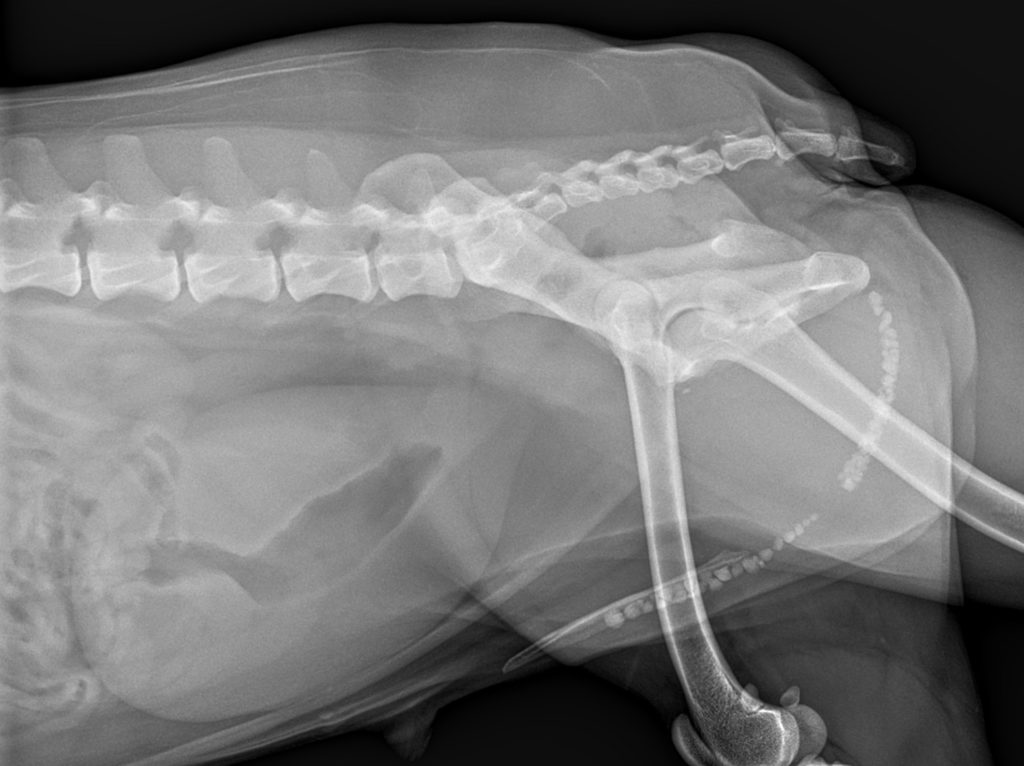
X-ray scan showing bladder stones packed in Max's urethra
Prior to surgery, Max had 80 bladder stones in his urethra.

When Cook reviewed the x-rays that were taken of Max in Houston, she was shocked by what she saw.

“He had about 80 tiny stones that had gone out of his bladder and were just packed in his urethra,” she said. “Usually, dogs with this problem will have a bunch of stones in their bladder and just a couple that get stuck, but his urethra was just completely packed. I’ve never seen an x-ray like his.”

Without intervention, a blockage of this magnitude could soon cause Max’s kidneys to shut down or his bladder to rupture. Knowing how vital the surgery was, the Durons started to explore options for handling the cost.

They soon discovered the Texas A&M Roach Family Student Community Outreach Surgical Program, a program supporting Texas pet owners with limited financial means, who otherwise would not be able to provide their animals with surgical care. The program offers a variety of common procedures, which are performed by fourth-year veterinary students under the supervision of SATH veterinarians.

“We’re trying to get two kids through college and money is just really tight,” Dulce said. “I applied for the program and it said they would get back with us within one to three days, but they got back to us within one to three minutes. By the time I went to the car to try to make some more phone calls, the doctor and business office had already communicated. They relieved my stress in only 15 minutes.”

Once the financial aspects were settled, Cook and Allison Teunis, a fourth-year veterinary student at Ross University who is completing her clinical rotations at Texas A&M, began preparing for Max’s surgery.

They performed a cystotomy—a common surgery used to enter the bladder, most often to remove bladder stones—but soon ran into a roadblock.

“Our plan had been to use a catheter to flush the stones back into his bladder, but they were so jammed that we couldn’t get enough fluid flowing to move the stones,” Cook said.

Because the problem was caused by a few large stones tightly wedged in the urethra, Cook decided during surgery to perform a laser lithotripsy, a minimally invasive procedure that uses a laser to break apart stones.

“Once we smashed the first three stones with the laser, we got enough fluid velocity to push all the other stones back in his bladder, and then Allison scooped them all out,” she said.

Teunis, who has a strong interest in veterinary surgery, was grateful for the chance to perform her first cystotomy under the guidance of a board-certified specialist.

“Max is such a sweet boy and to be involved in this lifesaving procedure for him was an amazing experience,” she said. “I am absolutely grateful for the Roach fund and Texas A&M for this opportunity.”
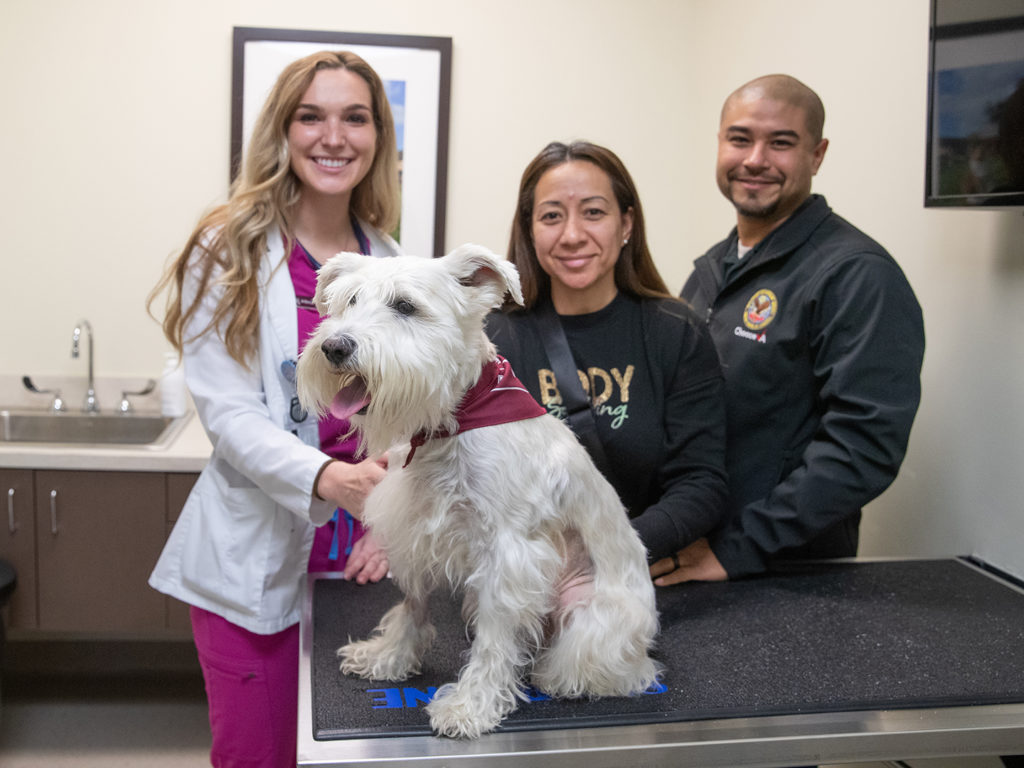
Veterinary student Allison Teunis, Max's owners, and Max in an exam room
Teunis and the Durons with Max

While Max is likely to form more bladder stones in the future, they can largely be prevented with a special diet and, if necessary, medications. Plus, his owners are now more familiar with the signs of a blockage and know what to watch out for.

“Max is my first dog,” Dulce said. “I’ve never had a conversation with other pet owners about these types of stones. I don’t understand why I didn’t know about it, but now that I’m aware, my teenagers are also going to be aware, and when they become dog owners themselves, they can be a whole different generation of owners who aren’t blind to the problem.”

Once Max woke up after surgery, it was clear to both his veterinary team and the Durons that he was feeling much better.

As they prepared to head home, Max’s family was looking forward to life returning to normal, both in big and small ways.

“My daughter just got a miniature Schnauzer, a ‘Texas tornado.’ Max is trying to keep up with him and will enjoy playing with his friend again,” Dulce said. “Plus, I can’t wait to see him go potty!”

###

For more information about the Texas A&M College of Veterinary Medicine & Biomedical Sciences, please visit our website at vetmed.tamu.edu or join us on FacebookInstagram, and Twitter.

Contact Information: Jennifer Gauntt, Director of VMBS Communications, Texas A&M College of Veterinary Medicine & Biomedical Sciences, jgauntt@cvm.tamu.edu, 979-862-4216
Aggie Pathologists Represent Texas A&M, Win Award At National Meeting

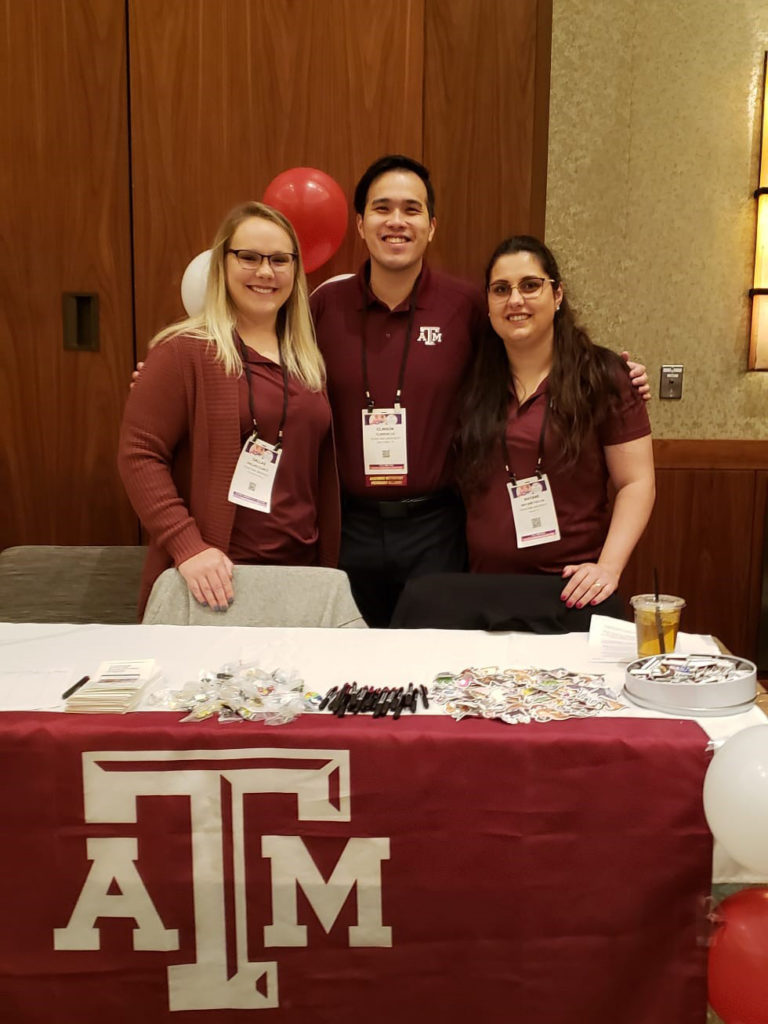
Three people in maroon standing behind a table with a Texas A&M tablecloth
Texas A&M pathology residents Drs. Dallas Clontz, Clinson Lui, and Mayane Faccin.

More than a dozen representatives of the Texas A&M School of Veterinary Medicine & Biomedical Sciences (VBMS) recently attended and brought home an award from the 2022 annual meeting of the American College of Veterinary Pathologists (ACVP) in Boston.

From Nov. 12-15, a group of VMBS faculty, residents, and students attended the internationally recognized, One Health-themed meeting to learn about the latest developments in the field of pathology and share their own research findings.

Dr. Mayane Faccin, an anatomic pathology resident, received a third-place Young Investigator Award for her poster “Myosin Heavy Chain Myopathy in Two Quarter Horses.”

“The ACVP meeting was an amazing opportunity to know other pathologists, learn about their diagnostic routines and research, and meet up with friends from previous meetings or externships I have been to,” Faccin said. “Receiving an award in such a big conference places the receiver and their institution in the spotlight, and I am happy that I can show the terrific work that is been performed by the pathology service at Texas A&M.”

Myosin heavy chain myopathy (MYHM) is a genetic disease of the muscle that causes immune-mediated muscle atrophy and necrosis, most often in horses less than 5 years old. It is often triggered by an associated infectious disease, such as strangles.

“Last year, two cases of this condition were diagnosed through our necropsy service. In one of the cases, the affected filly had pneumonia associated with Actinobacillus equuli as the potential triggering factor, which has never been associated before with myosin heavy chain myopathy,” Faccin said. “This condition (MYHM) is not very commonly diagnosed, as it requires genetic testing. Therefore, it is important to disseminate this information to the pathology community so they can be aware of it and how the diagnosis can be achieved.”

In addition to Faccin, the other VMBS representatives at the meeting included Department of Veterinary Pathobiology faculty members Drs. Yava Jones-Hall, Brian Porter, Karen Russell, and Dominique Wiener; Gastrointestinal Laboratory faculty members Drs. Joao Cavasin and Paula Giaretta; pathology residents Drs. Dallas Clontz, Richie Dulli, Clinson Lui, and Sarita Neupane; veterinary students Jonathan Behlen, Alexandra Bettencourt, Nicole Glenn, and Sarah Jacobson; and former intern Dr. Rachel Whitfield, who is now a clinical pathology resident at the University of Florida.

Jones-Hall, an associate professor and director of the VMBS Research and Diagnostic Histology Laboratories, was also a presenter at the meeting; her session, “The Nuts and Bolts of Digital Pathology in Practice,” focused on sharing practical issues in digital pathology and how they can be overcome.

###

For more information about the Texas A&M College of Veterinary Medicine & Biomedical Sciences, please visit our website at vetmed.tamu.edu or join us on FacebookInstagram, and Twitter.

Contact Information: Jennifer Gauntt, Director of VMBS Communications, Texas A&M College of Veterinary Medicine & Biomedical Sciences, jgauntt@cvm.tamu.edu, 979-862-4216
Decorating Safely For Christmas

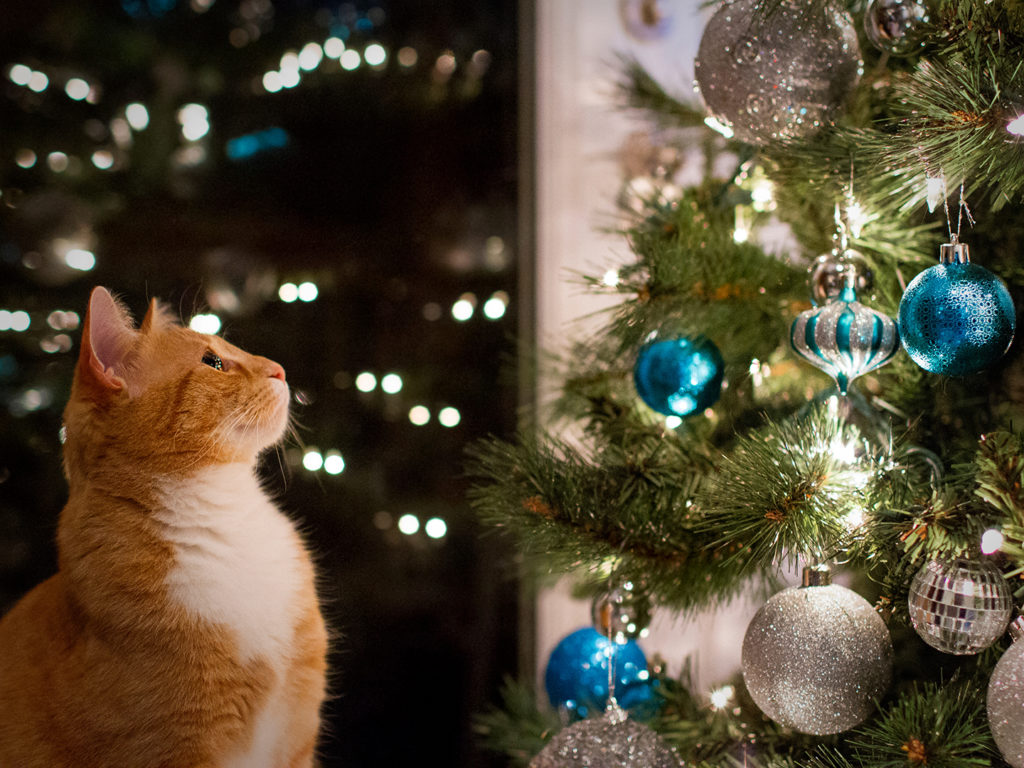
An orange tabby cat stares up at a Christmas tree covered in shiny ornaments. Their sparkles reflect in the cat's eyes.

As the holiday season brings Christmas trees, decorations, and holiday foods, pets may take the opportunity to create mischief.

Dr. Murl Bailey, a senior professor at the Texas A&M School of Veterinary Medicine & Biomedical Sciences, provides some common dangers for pet owners to be aware of throughout the holiday season.

Festive Plants

Holiday plants such as Christmas trees, holly, and mistletoe can make their way indoors throughout December. The U.S. Department of Agriculture estimates that between 25-30 million Christmas trees are sold annually in the U.S. this time of year.  

While it is not common for cats and dogs to eat tree needles during the holidays, according to Bailey, those that do can experience health issues; fortunately, those issues are self-limiting, meaning symptoms can be resolved without veterinary treatment.

“If cats and dogs eat Christmas tree needles, they might develop vomiting and a little diarrhea,” Bailey said. “Owners should withhold food and water until the symptoms go away.”

Bailey explained that the dangers between eating live tree needles and artificial tree needles are about the same; however, dangers associated with the lights and trimmings used to decorate the tree may pose greater threats to pets.

“I worry more about pets chewing on the electrical wires and getting some electrical burns in and around the mouth,” Bailey said.

In addition to trees, there are numerous holiday plants that could be problematic if ingested by dogs and cats.

Before bringing festive plants home, Bailey recommends pet owners familiarize themselves with the dangers associated with common plants used to celebrate the season, such as the following:

  • Holly: The common signs that a dog or cat has eaten holly include excessive saliva, vomiting, diarrhea, head shaking, and lip smacking.
  • Mistletoe: Serious symptoms are not common if a pet has eaten mistletoe, but symptoms can include vomiting and depression.
  • Poinsettia: The sap of a poinsettia can cause skin irritation, which can be resolved by bathing your pet with soap and water. If a pet has eaten some of the plant, they may experience excessive saliva, vomiting, and rarely diarrhea.
  • Rosemary: Depending on the amount of rosemary eaten, mild symptoms can include nausea and vomiting, while harsher symptoms include weakness, depression, and weight loss.

If your pet has had contact with any of these festive plants, it is recommended that you call your veterinarian for guidance.

Delectable Decorations

With the holidays comes delicious foods, too, which can be in the form of edible ornaments. Just as certain plants can make a pet sick if ingested, edible ornaments like candy canes or ornaments made of pastry can make a pet sick and should not be hung on lower limbs where pets have easier access, Bailey explained.

Bailey also advises owners to not let pets, and especially dogs, have access to chocolate or foods that have xylitol. Xylitol is widely used as a sugar substitute and can be found in sugar-free candy, gum, baked goods, and some peanut butters.

“Dogs are very susceptible to xylitol,” Bailey explained. “It causes hypoglycemia, which makes dogs develop a very low blood sugar, and this is an emergency. It is similar to when diabetic humans forget to eat, causing their blood sugar to drop and become life-threatening. ”

Bailey recommends looking for xylitol under the ingredients list for foods that use sugar or sugar substitutes so that pets can avoid getting sick. If a pet does eat too much xylitol, they should be taken to a veterinary clinic as soon as possible to receive the best possible treatment.

To prevent emergency situations during the Christmas season, owners should keep electrical wires out of reach or hidden, place dangerous plants where pets can’t get to them, and be mindful of what holiday treats pets eat. Taking such precautions will ensure that you and your pets will have a season that is merry and bright!

Pet Talk is a service of the College of Veterinary Medicine & Biomedical Sciences, Texas A&M University. Stories can be viewed on the web at vetmed.tamu.edu/news/pet-talk. Suggestions for future topics may be directed to vmbs-editor@tamu.edu.

Brushing Up For Shedding Season

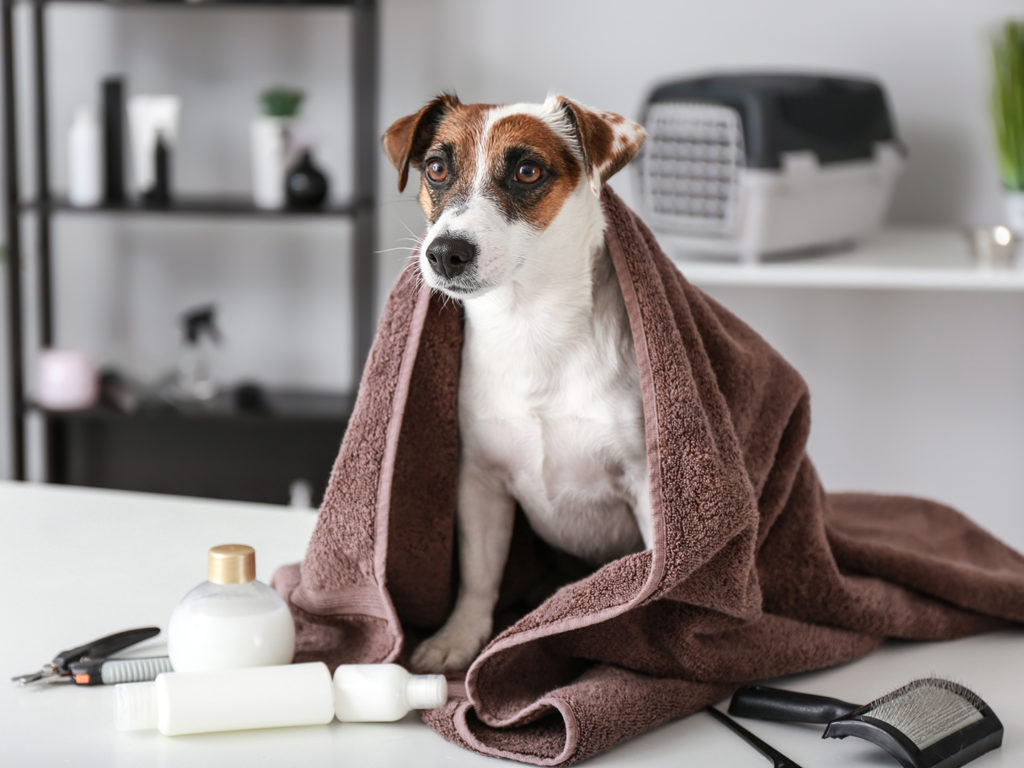
Terrier dog covered in a brown towel, sitting on a counter surrounded by a brush, nail trimmer, shampoo, and other grooming products

While some dogs shed year-round, others shed seasonally during fall and spring months, in preparation for winter and summer weather. Although shedding is a natural process, there are ways to reduce shedding and keep loose hair to a minimum, which can improve your dog’s skin and coat health.

Harmony Diers, a veterinary technician at the Texas A&M School of Veterinary Medicine & Biomedical Sciences, says that reducing a dog’s shedding begins with grooming.

“Ideally, brushing your dog at least three to four times a week for 5 to 10 minutes can help soften your dog’s coat and reduce the amount of hair that is shed,” Diers said. “You should also consider bathing your dog weekly during shedding season and two to three times a month during the months they shed less.”

Choosing the best type of brush can help reduce shedding as well.

Diers recommends brushes with metal or plastic-tipped wire pins and combs for short-haired dogs; dogs with thicker coats would benefit from brushes specifically made for deshedding. For curly-coated dogs, a slicker-style brush, characterized by a flat head with rows of wire pins, would work better.

“Grooming tools are not one size fits all,” Diers shared. “Choose the most comfortable option for your dog and their specific coat type.”

Certain dog breeds that have continuously growing hair need professional haircuts to keep up with shedding. Groomers have access to professional tools and brushes that make deshedding an easier task, so taking dogs to the beauty salon is the better option for some.

“Many dog owners take a hybrid approach of bathing their dogs at home and taking them to a professional groomer on occasion,” Diers said. “The most important thing is that your dog gets routine bathing and brushing.”

Choosing the right shampoo will also reduce shedding, skin irritation, and dry, flaky skin. The best shampoos are those without chemicals and artificial colors; instead, Diers suggests using shampoos that include all-natural ingredients such as oatmeal, chamomile, aloe vera, olive extracts, or lavender. These shampoos can benefit a dog’s health by maintaining their skin’s normal pH balance and essential skin oils.

She also recommends consulting with your veterinarian to discuss vitamins, supplements, and dietary modifications that may help improve your furry friend’s coat.

“Some veterinarians recommend omega fatty acid supplements to reduce excessive shedding and promote healthy skin,” Diers explained. “A well-balanced, high-quality diet—including those containing omega fatty acids and biotin, a B vitamin—will benefit your dog’s skin and coat.”

Finally, dogs may shed excessively or have a dry coat and skin because of a medical condition.

“Such conditions include flea or tick reactions; allergic skin conditions caused by environmental factors (pollen, grasses, etc.); food allergies; an unbalanced diet; or fungal, bacterial, and yeast infections,” Diers said. “These problems typically won’t resolve without intervention, so owners should consult their veterinarian if they suspect one of these conditions.”

Even though excess hair can be a nuisance during shedding season, owners have different options to reduce the shedding whether it is finding the best type of brush, selecting the right shampoo, or adding helpful nutrients to their pet’s diet. Finding what works best for your pet will keep them happy and healthy as the colder and warmer months approach.

Pet Talk is a service of the College of Veterinary Medicine & Biomedical Sciences, Texas A&M University. Stories can be viewed on the web at vetmed.tamu.edu/news/pet-talk. Suggestions for future topics may be directed to vmbs-editor@tamu.edu.

Legere Receives Award For Excellence In Graduate Research

Rebecca Legere headshot
Dr. Rebecca Legere was recently honored as a 2022-2023 recipient of the Ethel Ashworth-Tsutsui Memorial Award for Research.

Dr. Rebecca Legere, a doctoral student in the Department of Large Animal Clinical Sciences at the Texas A&M School of Veterinary Medicine & Biomedical Sciences (VMBS), was recently honored as a 2022-2023 recipient of the Ethel Ashworth-Tsutsui Memorial Award for Research

The award recognizes graduate students who distinguish themselves in research and is offered in remembrance of Dr. Ethel Ashworth-Tsutsui, a long-time professor in the biochemistry and biophysics department at Texas A&M University and founding member of Women In Science and Engineering (WISE)

“I’m truly honored to receive this award,” Legere said. “It was definitely a team effort getting here, and I’m really proud to show off the great work we are doing.”

The award was presented by WISE, an organization that encourages young women to pursue science and engineering careers and provides support and resources for those currently pursuing science and engineering degrees. 

“Becky’s receiving this award reflects that the laboratory and the department provide an environment where women scientists can succeed and serve as role models and mentors for other women pursuing careers in veterinary clinical research,” said Dr. Noah Cohen, Legere’s faculty adviser and the associate department head for research and graduate studies.

Legere’s research as a clinician in the biomedical sciences graduate program has resulted in a new form of vaccination for young horses.

“I am especially pleased that Dr. Legere received the Ethel Ashworth-Tsutsui Award this year,” said Dr. Michael Criscitiello, a member of Legere’s dissertation committee and the VMBS associate dean for research and graduate studies. “Her recent publication is an exciting step toward delivery of a passive immunization to thwart pneumonia in foals.”

Cohen shared that Legere’s work in developing vaccinations to prevent infectious diseases in young horses comes from her dedication, intellect, enthusiasm for science, passion for teaching, generosity, and kindness.

“I feel ineffably fortunate that she chose to be a student in my laboratory,” Cohen shared. “It has been an enormous pleasure and a great privilege to work and learn together with Dr. Legere.”

###

For more information about the Texas A&M College of Veterinary Medicine & Biomedical Sciences, please visit our website at vetmed.tamu.edu or join us on FacebookInstagram, and Twitter.

Contact Information: Jennifer Gauntt, Director of VMBS Communications, Texas A&M College of Veterinary Medicine & Biomedical Sciences, jgauntt@cvm.tamu.edu, 979-862-4216
Ignore Those Puppy Eyes: Feeding Dogs Healthy Treats During The Holidays

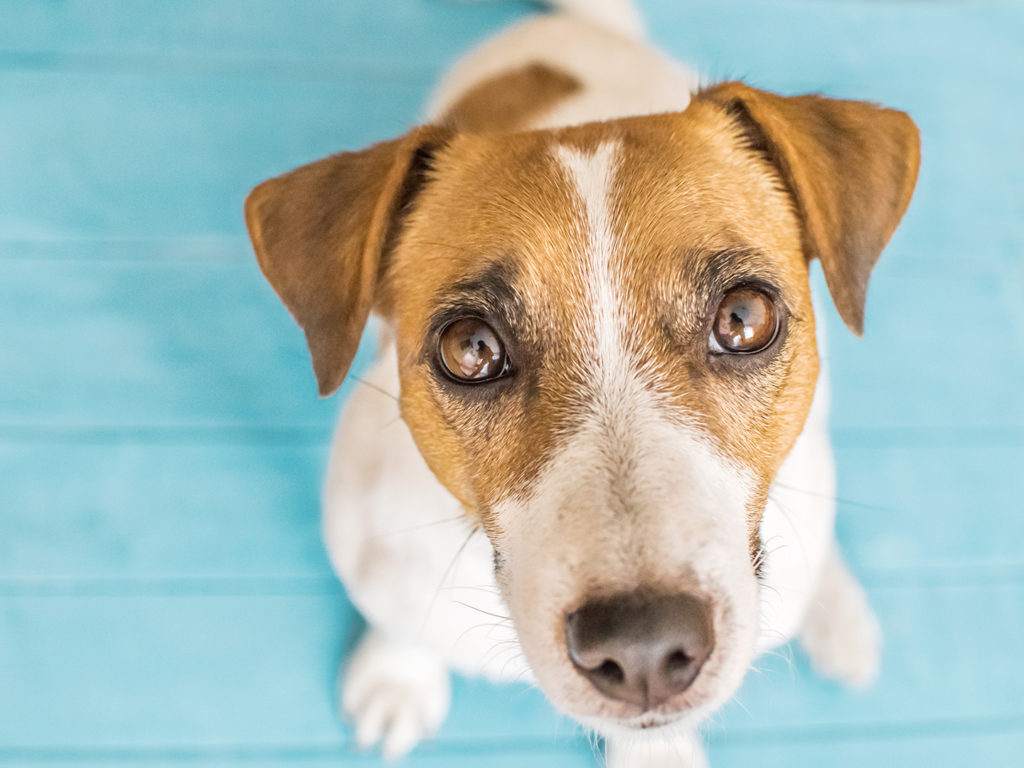
Cute small dog Jack Russell Terrier is sitting on blue wooden floor and looking up to camera.

Some dogs enjoy the spoils of begging for food; they might even swipe something off of a plate or the table when they think no one is watching. Yet these scraps aren’t always healthy for dogs and can create health issues over time.

Because of this, Dr. Katie Tolbert, a clinical associate professor in small animal and comparative gastroenterology at the Texas A&M School of Veterinary Medicine & Biomedical Sciences, reminds pet owners to pay special attention to foods their furry friends eat, especially as pets may have easier access to human meals this holiday season.

For a healthy dog with no food sensitivities, low-fat and high-fiber foods like fruits (except grapes and raisins), vegetables, and skinless chicken breast can be given to dogs in small amounts. However, foods that are high in fat or larger pieces of food that may obstruct a smaller esophagus can present health and emergency concerns.

“A lot of the problems that we see over the holidays for dogs are due to foreign body ingestion, so things like giving dogs turkey bones or ham bones,” Tolbert shared.

Obstructions from bones can be deadly, so if an owner sees their dog struggling to swallow after sneaking a bone, it is better to visit your veterinarian as quickly as possible to help remove the foreign object.

Issues that are harder to resolve, however, come from consistently feeding dogs high-fat items, leading to obesity and, eventually, other diseases.

“Diseases like worsened airway disease and worsened heart disease are linked to having more fat in the body,” Tolbert said.

Pancreatitis, a disease that causes an inflamed pancreas, is a potential long-term effect of feeding dogs too many high-fat items. Pancreatitis symptoms include stomach pain, vomiting, dehydration, and shock. If your dog is experiencing these symptoms, head to the nearest clinic so a veterinarian can determine whether your dog has pancreatitis.

For pets to stay healthy and avoid diseases such as pancreatitis, pet food is carefully formulated to provide all of the nutrients your pet requires. Tolbert said homemade meals can provide dogs these nutrients as well if prepared correctly, with input from a board-certified nutritionist.

Pet treats, on the other hand, pose a threat to pets’ nutritional balance when given in excess.

“Because treats are not balanced for the nutrients dogs need, giving them too many treats can create a really challenging situation,” Tolbert said. “They can develop a state of malnutrition in the sense that you’re not giving your dog enough vitamins or minerals that they actually need.”

Tolbert advises limiting treats to 10% or less of your dog’s total caloric intake. For example, if your dog eats 500 calories a day, you should give your dog 50 calories or less in treats. Additionally, each dog can have different treats depending on their diets, food sensitivities, and health issues.

“Be cognizant of your own dog,” Tolbert said. “Each dog is an individual with specific dietary needs.”

Finally, Tolbert recommends that owners consider treats such as sweet potatoes, carrots, or celery, and even marshmallows—in moderation—which are better, holiday-appropriate alternatives. The next time your dog flashes puppy eyes at you at the dinner table, think carefully about the health concerns associated with feeding your furry friend from your plate. Knowing how to safely treat your dog during the holidays will keep your dog happy and healthy into the new year.

Pet Talk is a service of the College of Veterinary Medicine & Biomedical Sciences, Texas A&M University. Stories can be viewed on the web at vetmed.tamu.edu/news/pet-talk. Suggestions for future topics may be directed to vmbs-editor@tamu.edu.

Parker Speaks At White House About National Food, Agriculture Security

Dr. Gerald Parker
Dr. Gerald Parker

Dr. Gerald Parker, the associate dean for Global One Health at the Texas A&M School of Veterinary Medicine & Biomedical Sciences (VMBS), spoke at a White House Roundtable on food and agriculture security on Nov. 9.

The roundtable on Strengthening the Security and Resilience of United States Food and Agriculture was hosted by the White House and the United States’ Food and Agriculture Sector and featured key government and industry representatives from across the country.

Parker was one of nine individuals invited to give opening remarks at the event and participate in a Q&A session. His statements covered livestock vaccines/diagnostics, education for the next generation, one health, the importance of food and agriculture to our national security, and more. 

“I chose to highlight veterinary medicine, agriculture life sciences, and biomedical engineering, even though the National Security Memorandum provided more emphasis on traditional public health related disciplines,” he said.

As recent events like the COVID-19 pandemic have shown, domestic and global threats have the potential to disrupt the U.S. food and agriculture systems and supply chains. The White House Roundtable was hosted to prepare for future threats and discuss ways to strengthen and secure the nation’s food systems.

The roundtable was followed by President Joe Biden issuing National Security Memorandum (NSM) 16, on Strengthening the Security and Resilience of United States Food and Agriculture, the next day.

“This new NSM is a significant milestone and a strong show of support for the food and agriculture sectors by the administration,” Parker said. 

###

For more information about the Texas A&M College of Veterinary Medicine & Biomedical Sciences, please visit our website at vetmed.tamu.edu or join us on FacebookInstagram, and Twitter.

Contact Information: Jennifer Gauntt, Director of VMBS Communications, Texas A&M College of Veterinary Medicine & Biomedical Sciences, jgauntt@cvm.tamu.edu, 979-862-4216

VMBS Chapter Of Heifer International Hosts Annual Fundraising Gala

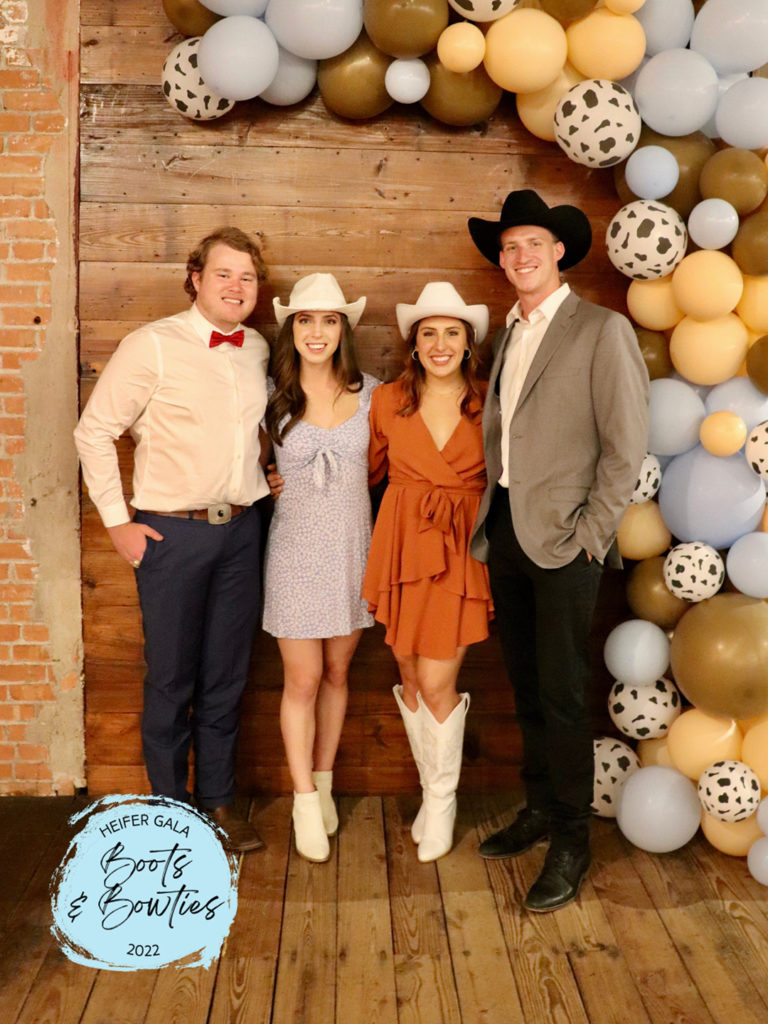
Four students in dressy western attire at the Heifer International Gala
Veterinary students at the 2022 VMBS Heifer International Gala

The Texas A&M School of Veterinary Medicine & Biomedical Sciences (VMBS) chapter of Heifer International successfully held their first annual fundraiser since the 2020 COVID-19 pandemic to raise money for Heifer International, a nonprofit organization working to end hunger and poverty sustainably by supporting and investing local farmers in their communities.

On Oct. 15, the only student chapter of Heifer International revived their gala, hosting around 100 attendees with food, drinks, entertainment, and a silent auction at the Ice House on Main in downtown Bryan.

“This year was about getting it back up and running, getting the awareness out again about the organization,” said Michaela Lehmann, president of the VMBS Heifer International chapter and third-year veterinary student. “It went well, and I think people are starting to talk about it more.”

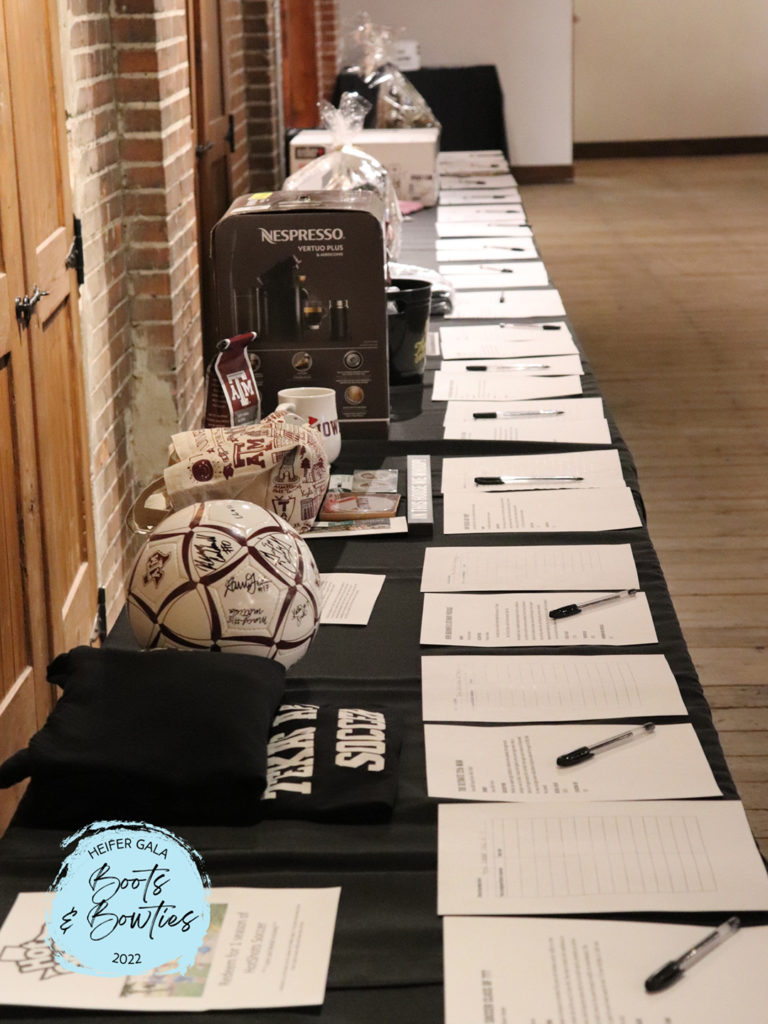
Monetary donations from sponsors, like pet food companies Royal Canin and Purina, helped the VMBS chapter put on the gala, while businesses local to the Bryan-College Station area provided items for the silent auction.

“People really enjoyed our silent auction,” Claudia Wrampelmeier, VMBS Heifer International chapter sponsorship chair and third-year veterinary student, shared. “It was really fun to see people bid anonymously about who was going to get what gift. All of those proceeds benefit Heifer International.”

By the end of the gala, the VMBS chapter raised more than $3,000 for the federated Heifer International organization, according to Evann Bourgeois, VMBS Heifer International chapter fundraising chair and third-year veterinary student.

Two representatives of the federated organization–Oscar Castañeda, senior vice president of the Americas Programs, and Lindsay Duvall, donor relationship manager–spoke at the gala to explain how the money raised would help the global nonprofit achieve its mission.

Row of silent auction items
Silent auction items at the 2022 gala

“They shared how the gala is helping to impact Heifer International as a whole and the missions that they were working on,” Lehmann said.

Heifer International’s overall mission is to provide sustainable food and education to less fortunate people; the organization works in 21 countries alongside local farmers and business owners, according to the Heifer International website.

“Heifer International has a lot of programs where they not only provide food, but they also teach with the animals that they provide, including how people can create their own food in the future,” said Angelica Allegro, VMBS Heifer International chapter secretary and third-year veterinary student.

The VMBS Heifer International chapter plans to spend the remainder of the semester recruiting first- and second-year students who are passionate about the Heifer International mission and who can begin  planning the annual fundraiser for 2023, explained VMBS Heifer International chapter treasurer Marta Pulfer.

Skills such as event planning coordination, money management, and sponsorship recruitment    are beneficial to planning the fundraiser, said VMBS Heifer International chapter vice president Grace Piper, so the chapter is not limited to veterinary students.

“Another really important thing for people to know if they’re interested is they don’t have to know a lot about Heifer International or really even know anything when they first join,” Piper shared. “All they have to have is a heart for other people and a desire to help others to become members of our chapter.”

###

For more information about the Texas A&M College of Veterinary Medicine & Biomedical Sciences, please visit our website at vetmed.tamu.edu or join us on FacebookInstagram, and Twitter.

Contact Information: Jennifer Gauntt, Director of VMBS Communications, Texas A&M College of Veterinary Medicine & Biomedical Sciences, jgauntt@cvm.tamu.edu, 979-862-4216
Cohen Named Glenn Blodgett Equine Chair At Texas A&M

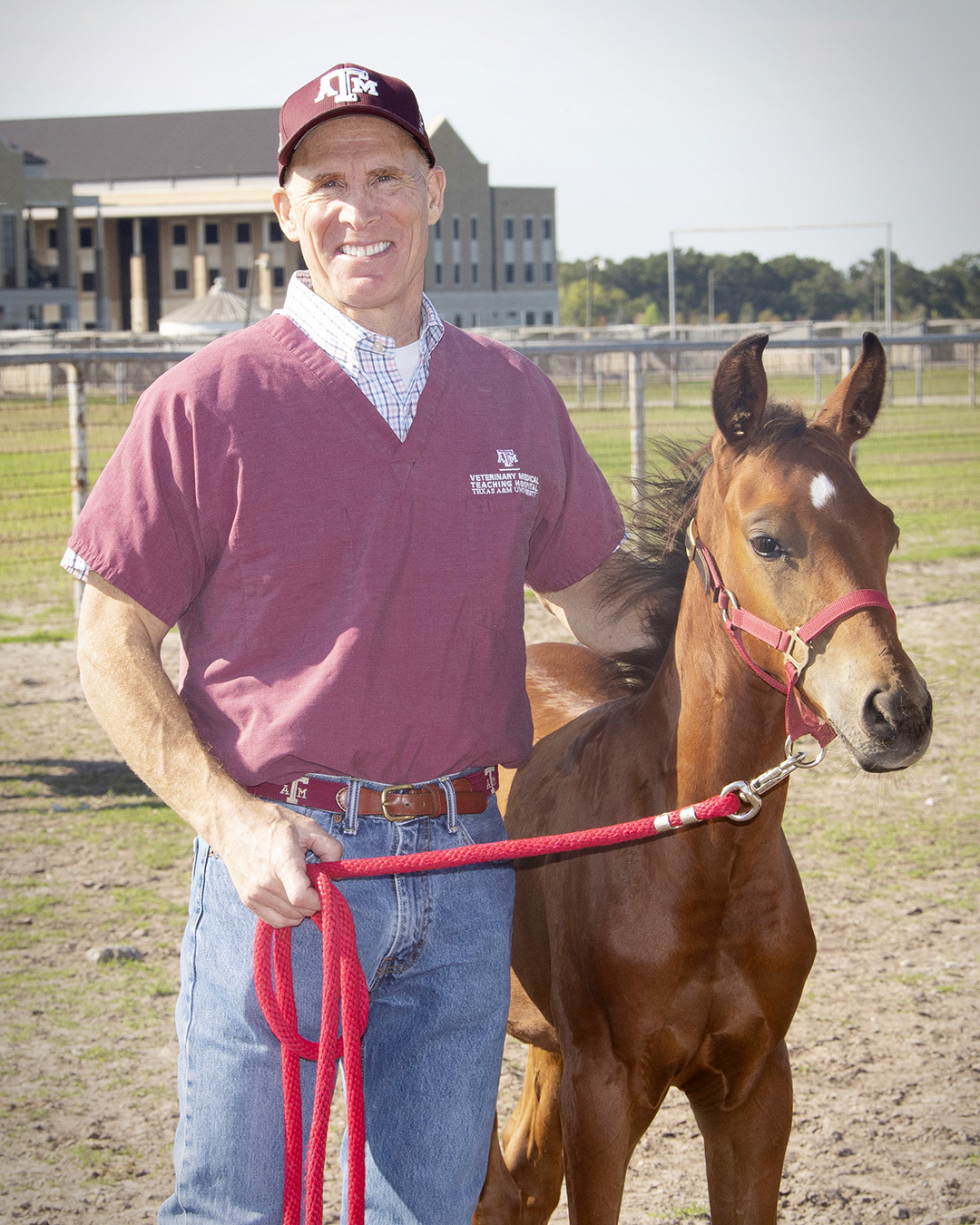
Dr. Noah Cohen with a foal
Dr. Noah Cohen

Dr. Noah Cohen, a Texas A&M University Distinguished Professor of equine internal medicine, has been selected to hold the Glenn Blodgett Equine Chair at the Texas A&M School of Veterinary Medicine & Biomedical Sciences (VMBS).

Cohen has spent more than three decades conducting research, teaching students, and treating patients as a faculty member in the VMBS’ Department of Large Animal Clinical Sciences (VLCS). He also serves as the associate department head for research and graduate studies and previously served as the Patsy Link Chair in Equine Research.

Cohen and his Equine Infectious Disease Laboratory are well known for developing vaccines and treatments for Rhodococcus equi pneumonia, one of the leading causes of death and disease in foals.

Some of his other projects include working to reduce the impact of antibiotic resistance in horses, developing diagnostic tests and a vaccine for strangles, and studying several other relevant diseases with the overall goal of improving equine health.

Cohen was recommended for the Glenn Blodgett Equine Chair by a committee of four faculty members from within and beyond the VMBS.

“Dr. Cohen’s research area of interest, history of successful research funding and subsequent publication, and outstanding reputation for mentorship of graduate students make him an obvious choice,” said a committee member. “Dr. Cohen is a superb scholar and excellent scientist who has transformed the field of equine veterinary medicine with his seminal discoveries.

“Dr. Cohen has been rigorous in his investigation of infectious diseases of horses and has been adaptable to keep veterinary medicine at the cutting edge of medical discovery,” the committee member continued. “His ability to apply discovery in animal models to advancement of medical research has been instilled in his trainees and will have a lasting and indelible mark on our profession.”

Cohen earned his Veterinariae Medicinae Doctoris (VMD) degree (equivalent to a Doctor of Veterinary Medicine) from the University of Pennsylvania in 1983, followed by a Master of Public Health and Ph.D. in epidemiology from Johns Hopkins University in 1986 and 1988, respectively.

He joined the VMBS faculty in 1988, completed a large animal internal medicine residency at Texas A&M in 1991, and became a board-certified member of the American College of Veterinary Internal Medicine (Large Animal Internal Medicine) in 1992.

His courses for undergraduate, graduate, and veterinary students cover topics such as equine infectious diseases, host-pathogen interaction, and large animal clinical skills. In addition, he has served as a mentor for numerous undergraduate and graduate students, veterinary residents, and postdoctoral researchers.

In addition to being one of only 60 faculty members at Texas A&M recognized as a University Distinguished Professor, the highest level of achievement for faculty, Cohen has received more than two dozen honors and awards for his excellence in research, teaching, and patient care.

The Glenn Blodgett Equine Chair was established in 2011 in honor of the late Dr. Glenn Blodgett ‘74, a leader in equine veterinary medicine and a VMBS Distinguished Alumnus. It was created to support the Equine Initiative, a collaboration between the VMBS and the Texas A&M College of Agriculture and Life Sciences’ Department of Animal Science.

###

For more information about the Texas A&M College of Veterinary Medicine & Biomedical Sciences, please visit our website at vetmed.tamu.edu or join us on FacebookInstagram, and Twitter.

Contact Information: Jennifer Gauntt, Director of VMBS Communications, Texas A&M College of Veterinary Medicine & Biomedical Sciences, jgauntt@cvm.tamu.edu, 979-862-4216
Texas A&M Cardiology Team Performs Lifesaving Surgery For Puppy

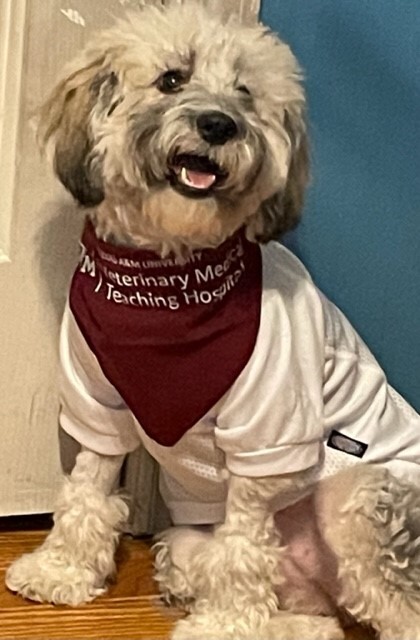
Apollonia in a white shirt and maroon bandana with the VMTH logo

Irene Gamboa has loved dogs for as long as she can remember, so much so that her social media friends are almost exclusively dogs and puppies.

Yet she didn’t have a dog of her own until fate intervened.

What started as a Target run to visit her son who works at the big-box store in Pearland ended with the adoption of a puppy small enough to fit in the palm of Gamboa’s hand—she rescued the pup after witnessing its abandonment in the parking lot.

“Sitting in my car, I saw a lady who had a little puppy,” Gamboa explained. “She put the puppy under a tree in a planter in the parking lot. I thought she was just letting the dog go to the bathroom, but then I saw her walking away. I got out of my car and went to grab the puppy, because if the little puppy would’ve jumped out of the planter, a car would’ve hit it.”

Gamboa confronted the lady who confirmed her intention was to leave it there for someone else to take home. After Gamboa expressed disbelief and asked why, the lady simply said, “That puppy is defective” and walked away.

With a PetSmart nearby, Gamboa walked into the store and made an appointment for her new puppy, whom Gamboa named Apollonia after a character in her favorite movie, “The Godfather.”

A Journey Begins

Apollonia’s healthcare journey began with the appointment Gamboa made the day she saved the energetic miniature poodle, Chihuahua, and lhasa apso mix from the Target parking lot.

At that appointment, the veterinarian told Gamboa that Apollonia had a heart murmur.

“I asked, ‘OK, what is that? Can we give her medicine? What can we do to help her feel better?’ and Dr. Perez said, ‘No, you have to take her to a cardiologist. It sounds like she has a grade four heart murmur,’” Gamboa recalled, thinking back to Apollonia’s first veterinary visit.

The veterinarian advised Gamboa to keep Apollonia calm and still as much as possible, a tough ask for a playful, energetic puppy. The veterinarian also recommended several cardiologists in the Houston area.

Gamboa left the appointment and relayed the experience to her daughter, sharing her worries about her puppy’s life; despite her concerns about paying for Apollonia’s future healthcare, she followed Perez’s advice and made an appointment with one of the three cardiologists she located.

The cardiologist confirmed Apollonia’s heart murmur, diagnosed her with a congenital heart defect called a patent ductus arteriosus (PDA), and determined her need for heart surgery. The doctor also expressed concerns about performing the surgery.

“While she needed surgery right away, if she has the surgery, she might not make it through,” Gamboa recalled the cardiologist saying. “Just like any surgery, there’s always a chance that anything, any complication, can happen—it might be too late; her heart might give up.”

The cardiologist also advised Gamboa to start saving for what she anticipated would be a $7,000 surgery—if Gamboa could find a surgeon willing to perform it.

A Glimmer Of Hope

Apollonia the puppy wearing a maroon bandana, tilting her head

The next part of Apollonia’s health journey began with another checkup at PetSmart with Perez, who encouraged Gamboa to take Apollonia to the Texas A&M Small Animal Teaching Hospital (SATH).

Gamboa made an appointment with the SATH but canceled out of concern for the cost of the visit. However, after Perez encouraged her to call back and inquire about payment plans, Gamboa followed the advice and took the earliest appointment available.

She documented their journey from Pearland to Bryan-College Station for Apollonia’s initial appointment on TikTok, asking for well wishes and prayers for good news.

At Texas A&M, Dr. Sonya Wesselowski, an assistant professor of cardiology, determined that Apollonia was a good candidate for the surgery.

“Without PDA closure, dogs often go on to develop congestive heart failure within the first year or so of life,” Wesselowski explained.

PDA closure surgery is both lifesaving and expensive.

However, thanks to generous donations to the SARGE and The Capper and Chris Save the Animals Fund in the SATH, the surgical team was able to offer crucial financial assistance for Apollonia’s surgery.

“We performed a minimally invasive interventional procedure to place a special device called an ACDO (a self-expanding device made from a Nitinol wire mesh) inside of Apollonia’s PDA to close it,” Wesselowski explained. “The whole cardiac procedure was performed using a blood vessel in Apollonia’s hind leg, which required only a small incision in her groin.

“Her procedure was a success and Apollonia now has a very good long-term prognosis!” she continued.

Throughout Apollonia’s surgery and post-operative stay at the SATH, her cardiology team called Gamboa with updates.

“I’m so grateful to Dr. Elizabeth Malcolm, a cardiology resident. She gave me so much hope. I felt in my heart Apollonia is in the right hospital with the right doctors who truly love animals,” Gamboa shared. “They will do their best to save everyone’s fur baby. Niki Turner, a fourth-year veterinary student, was amazing. She kept me updated while my fur baby was there. Apollonia and I are truly blessed and thankful to the Texas A&M Small Animal Teaching Hospital.”

About a month has passed since Apollonia’s surgery, and Gamboa said Apollonia is doing exceptionally well. She can now safely enjoy energetic puppy life, play with Gamboa, and explore the world to her curious heart’s content.

Gamboa said she believes Apollonia’s health journey is proof that miracles happen. 

“There is hope. There are doctors out there who believe they can save these puppies and these senior dogs,” she said. “Some people are doctors to be doctors, and then there are people who are doctors who love animals and will do whatever it takes to save them.

“Doctors who are also animal lovers save lives like my Apollonia’s,” she said. “I’m so thankful we had doctors at Texas A&M who gave Apollonia love and saved her life and that we were able to receive financial help from the SARGE and The Capper and Chris Save the Animals Fund. I’m so grateful to Texas A&M.”

###

For more information about the Texas A&M College of Veterinary Medicine & Biomedical Sciences, please visit our website at vetmed.tamu.edu or join us on FacebookInstagram, and Twitter.

Contact Information: Jennifer Gauntt, Director of VMBS Communications, Texas A&M College of Veterinary Medicine & Biomedical Sciences, jgauntt@cvm.tamu.edu, 979-862-4216