Male Alcohol Use May Be A Crucial, Unrecognized Factor Affecting IVF Outcomes

Research from Dr. Michael Golding’s laboratory at Texas A&M University highlights the need to expand prepregnancy messaging to emphasize the reproductive dangers of alcohol use by both parents.
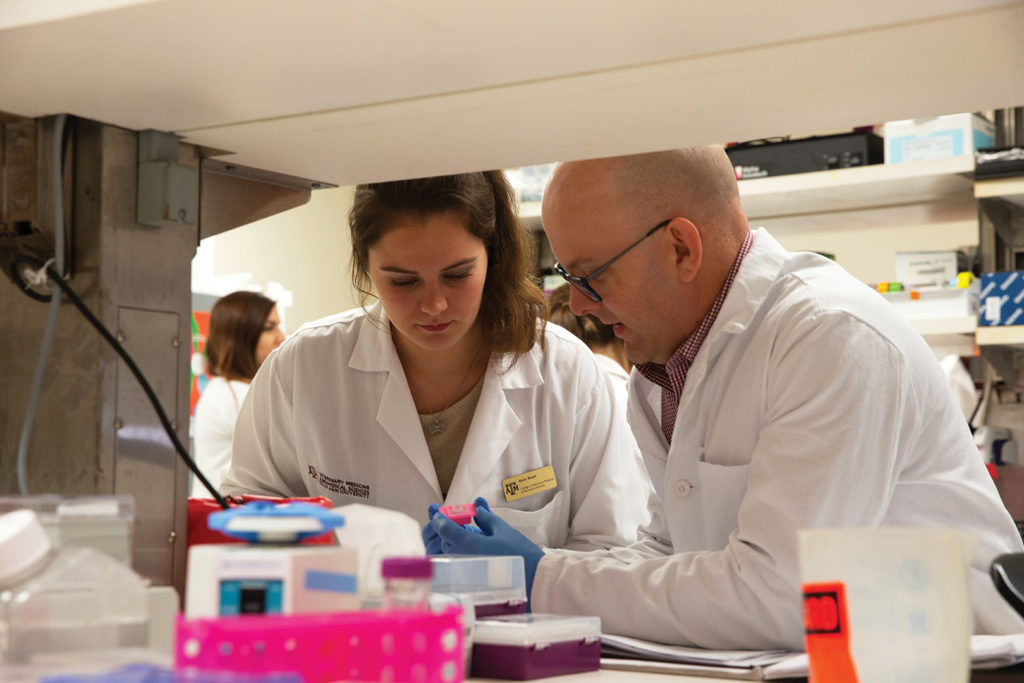
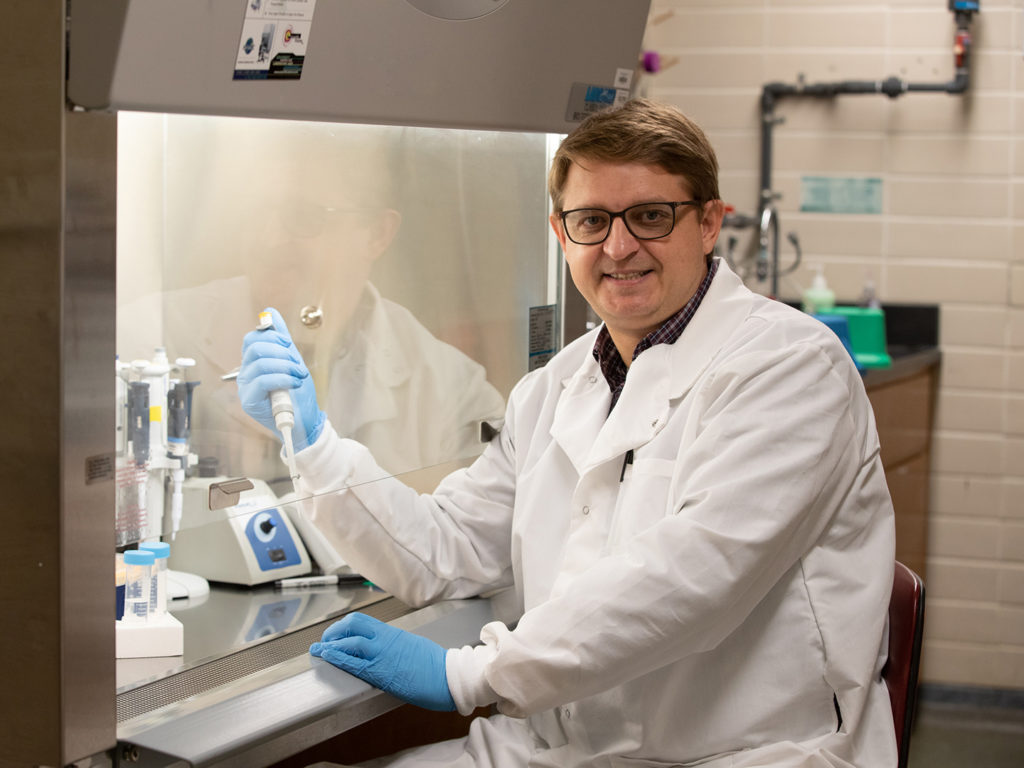
Golding and Roach conducting research in a laboratory
Dr. Michael Golding and Alexis Roach

Research from Dr. Michael Golding’s laboratory at Texas A&M University indicates that male alcohol use has a significant negative influence on in vitro fertilization (IVF) success rates, thus increasing patient financial burden and emotional stress.  

The recently published work is part of Golding’s research program focused on understanding how male drinking prior to conception contributes to the development of alcohol-induced birth defects and disease. This particular study highlights the importance of expanding fertility and prepregnancy messaging to emphasize the reproductive danger of alcohol use by both parents, not just the mother. 

Couples struggling with fertility are increasingly using assisted reproductive technologies (ART) like IVF to have children. 

The Centers for Disease Control and Prevention estimates that about 2% of all babies born in the United States are conceived using ART, which would mean 1 in 50 babies were conceived using ART in 2021, according to the CDC’s provisional births data. 

These statistics highlight the growing importance of looking at both parent’s contributions to fertility and pregnancy outcomes, according to Golding, an associate professor in the School of Veterinary Medicine & Biomedical Sciences’ Department of Veterinary Physiology & Pharmacology

“We say to the woman, ‘you need to be careful of what you eat. You need to stop smoking. You need to be doing all these different things to improve fertility,’” Golding said. “We don’t say anything to the man, and that’s a mistake, because what we’re seeing here is that the couple’s odds of success with their IVF procedure are increasing simply by addressing both parents’ health habits.”

Golding’s research used a mouse model to determine the effects of a potential father’s drinking on IVF pregnancy outcomes. The model included a control group that represented males who do not drink, a group that represented males who participate in chronic drinking at the legal limit, and a group that represented males who participate in chronic drinking at one and a half times the legal limit. 

The results of the research revealed that the more a male drinks before providing sperm for an IVF pregnancy, the less likely the pregnancy is to be successful. 

“Seeing the negative effects in both the legal limit group and the group drinking at one and a half times the legal limit revealed that as alcohol dose increases, things get worse,” Golding explained. “That really surprised me. I didn’t think that it would be that cut and dry. That really emphasized that even very modest levels of exposure were breaking through and having an impact on conception, implantation, and overall IVF pregnancy success rates.”

Alexis Roach, a Ph.D. candidate helping conduct research in Goldings lab, served as first author of the recently published IVF research paper. She said their findings and other research conducted in Golding’s laboratory challenge the primarily maternal-focused narrative of previous IVF research. She also said it’s important to make the findings of this research accessible to the public. 

“The most important aspect of this research is that it makes it clear that everybody plays a role in achieving successful pregnancy outcomes, even though the general assumption is that it’s just women,” Roach said. “The most important thing to take away from this is that if you’re a male considering having a family, abstain from alcohol until your wife gets pregnant.”

The research concludes that male alcohol use hinders an embryo’s ability to successfully implant in the uterus and reduces IVF embryo survival rates. The research also revealed more questions about fetal development and paternal drinking. Golding’s lab is continuing to research these questions and the paternal aspects of fetal alcohol spectrum disorders, a group of conditions that can occur when a person is exposed to alcohol before birth. His work aims to provide a holistic look at understanding fetal development and pregnancy by examining the father’s role in it. 

For now, he says the next step in improving IVF pregnancy outcomes is getting the discoveries from this research into the hands, eyes, and ears of the people considering ART to help start their own families.

“It is important to remember that couples struggling with fertility who have chosen to pursue IVF are under intense emotional and financial pressure, which is associated with a feeling of helplessness,” Golding pointed out. “Our study demonstrates that drinking alcohol is an unrecognized factor that negatively impacts IVF pregnancy success rates. Therefore, as alcohol use is easily changed, our study identifies a shared action item that can empower the couple to work together toward their goal of becoming pregnant.”

###

For more information about the Texas A&M College of Veterinary Medicine & Biomedical Sciences, please visit our website at vetmed.tamu.edu or join us on FacebookInstagram, and Twitter.

Contact Information: Jennifer Gauntt, Director of VMBS Communications, Texas A&M College of Veterinary Medicine & Biomedical Sciences, jgauntt@cvm.tamu.edu, 979-862-4216
Choosing The Best Probiotic For Upset Tummies

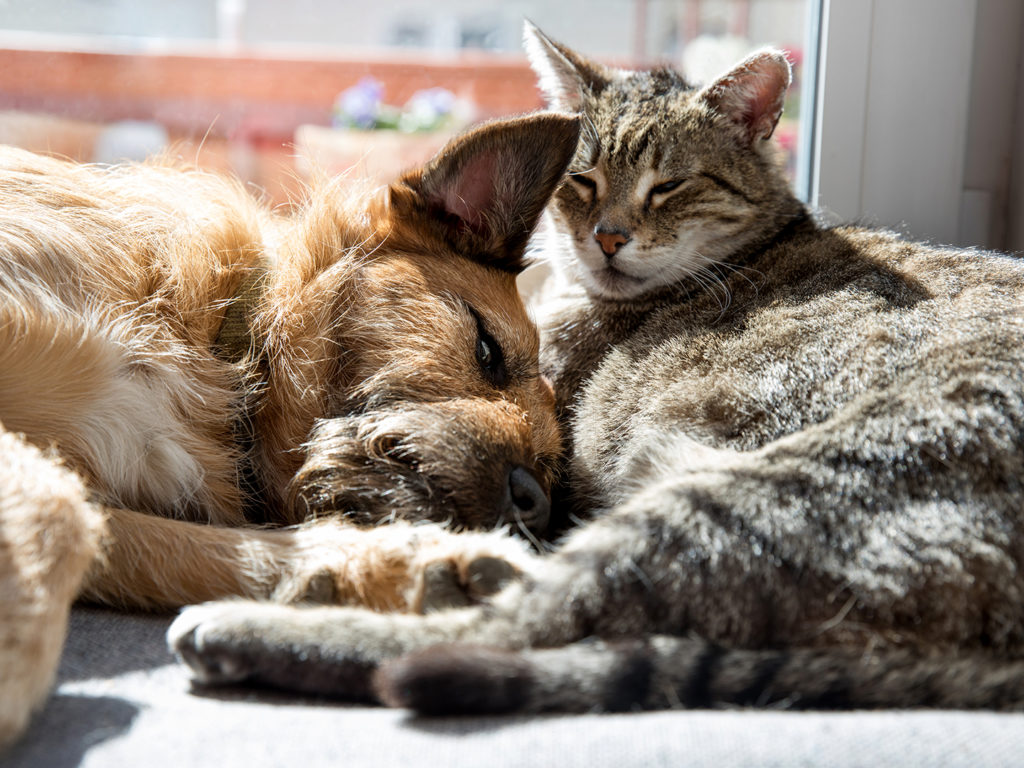
A brown dog and tabby cat cuddling together by a sunny window

Having a stressed or sick pet is concerning, especially if diarrhea, gas, and digestive issues are present. A probiotic could ease those digestive issues, but there are some considerations that an owner should be aware of before choosing one.

Dr. Emily Gould, a clinical assistant professor at the Texas A&M School of Veterinary Medicine & Biomedical Sciences’ Veterinary Medical Teaching Hospital, explores reasons for using probiotics and what makes a probiotic more effective.

Probiotics are supplemental, live bacteria found in certain foods or pills that generally improve gut health when there is too much harmful bacteria present. This irregularity of bacterial imbalances can be caused either by an intestinal disease or following the use of antibiotics.

For example, when a pet visits the veterinary clinic because of an illness, a veterinarian may prescribe antibiotics to treat an infection. In addition to eliminating the bacteria making your furry friend sick, the antibiotics can also decrease beneficial bacteria, causing an imbalance in the digestive tract. Your pet may experience diarrhea as a result.

“The purpose of administering a probiotic would be to replenish ‘good bacteria’ in the pet’s gut in order to restore a healthier intestinal gut ecosystem, correcting the imbalance,” Gould said.

Because there are limited studies on probiotics in veterinary medicine, it can be difficult to decide which supplements are beneficial. The range of probiotics available offer different varieties, types, and amounts of good bacteria; while researching the best probiotic can take time, it will also benefit your pet in the long run.

“There are a few products that either have studies to show it benefits our veterinary patients, or veterinarians have enough experience with them to know they provide benefits,” Gould said. “For example, we think of probiotics with more different types of bacteria as being more balanced and in general ‘better’ probiotics to give. Increased diversity of good bacteria is associated with a better product.”

Probiotics should not cause any side effects as long as they are purchased from a reliable company that is known to be safe for pets, explained Gould.

For those whose pets are going through an elimination diet trial, a strict diet that slowly reintroduces foods to determine a pet’s allergies, Gould recommends looking at a probiotic’s label to make sure there is no flavoring. Probiotics from a reputable company will be of good quality and not have flavoring contamination.

“Many probiotic products will have animal protein flavoring or just not have good quality control during product manufacturing which can result in contamination,” Gould said. “This can definitely confound the effects of your food trial.”

Gould pointed out, however, that probiotics are supplements and will not treat other health issues. If there is chronic or severe vomiting, diarrhea, or changes in appetite, pet owners should take pets to their veterinarian to discuss the best solution.

“Although cats and dogs with chronic intestinal disorders might have symptoms that benefit from the probiotic, owners should know that probiotics are usually not a sole treatment,” Gould said. “Other diagnostics and therapeutics are usually necessary to find the root of the problem and treat it.”

Nevertheless, Gould says probiotics are great for pets with tummy troubles.

In the event your furry friend is having a tough time with their gut, talk to your veterinarian about different types of probiotics as a possible solution so that your pet can get back to feeling like themselves sooner. They might even thank you with a wagging tail!

Pet Talk is a service of the College of Veterinary Medicine & Biomedical Sciences, Texas A&M University. Stories can be viewed on the web at vetmed.tamu.edu/news/pet-talk. Suggestions for future topics may be directed to vmbs-editor@tamu.edu.

Texas A&M’s Newly Offered Knee Replacement Surgery Provides Canine Patient With Renewed Life

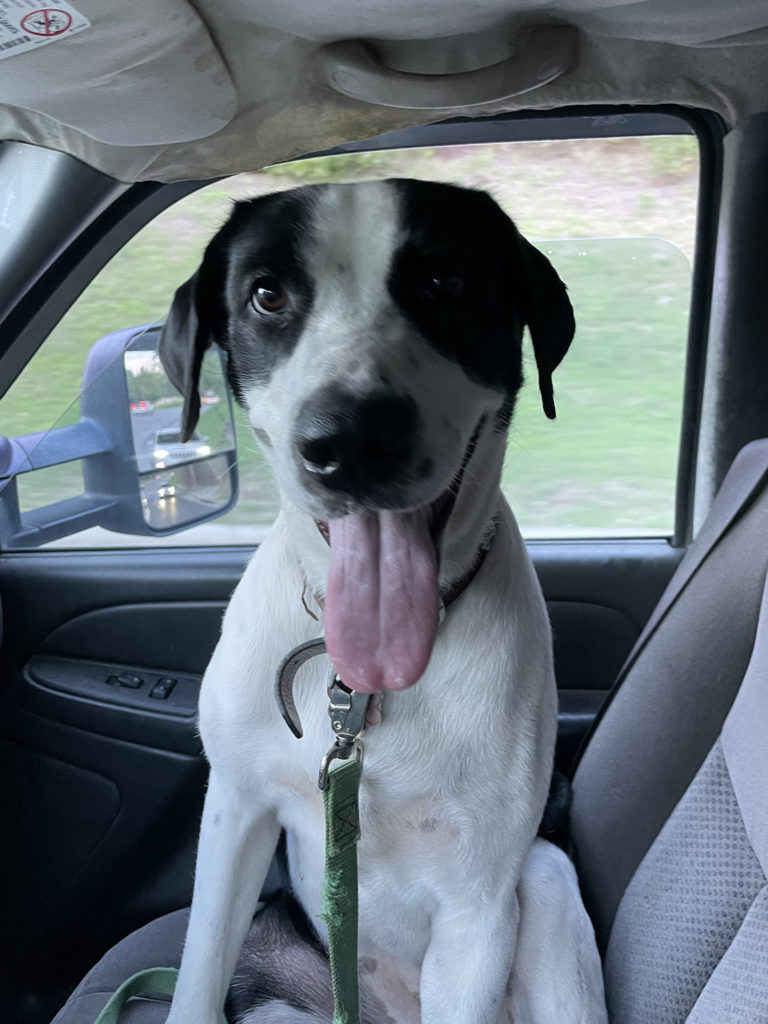
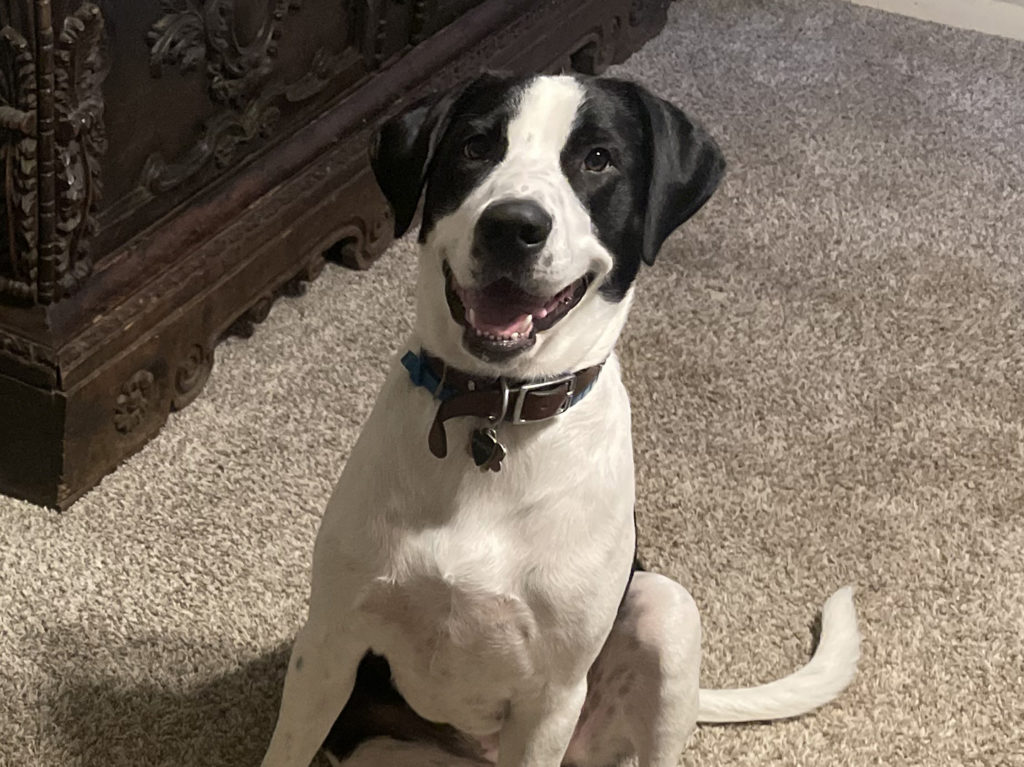
Delilah, a black and white dog, sitting in a car
Delilah

Like any other young dog, Delilah, a black Labrador Retriever-Great Pyrenees mix, loves to run and play. She wouldn’t be able to, however, if not for the knee replacement surgery she received at the Texas A&M School of Veterinary Medicine & Biomedical Sciences’ (VMBS) Small Animal Teaching Hospital (SATH).

Although knee replacements have existed in veterinary medicine for more than a decade, they’re fairly rare procedures because of the strict eligibility requirements. In fact, when Delilah had her surgery in March 2022, she became the SATH’s first knee replacement patient.

Just ten months later, Delilah’s artificial knee works just as it’s supposed to, allowing her to run and play to her heart’s content, much to the delight of her surgical team and her owner.

Discovering The Problem

Like all dog lovers, Delilah’s owner, Eric Golestan, was heartbroken when his time with his beloved first dog Huckleberry came to an end.

“I’d had Huckleberry for 12 years. He was born into my hand and I was really emotionally connected to him,” the Dallas native said. “When he passed away at the end of 2020, my mom thought I was depressed and found somebody who had a pregnant dog; one of the puppies ended up looking just like Huckleberry.”

When Golestan went to meet the Huckleberry lookalike, he fell in love with another puppy as well and ended up adopting both, soon to be known as Sampson and Delilah.

Only a few months later, Golestan noticed the first signs that Delilah was experiencing some pain.

“She was just running through the backyard and all of a sudden she let out a yelp and was holding up her left hind leg,” he said. “She immediately recovered and was running around like nothing was wrong, so I just thought she had bumped into something. I never really thought it was serious but it flared up again later. We took her to a local vet, who took some x-rays and found out it was osteochondrosis.”

Specifically, Delilah has osteochondrosis (OC), a developmental skeletal disorder in which improper cartilage development causes sections of cartilage to loosen and break off within joints like the knee, elbow, ankle, and shoulder. Although Delilah had signs of OC in both of her knees, only the left was damaged enough to cause her pain.

“At a very young age, she was missing a major component of the weight-bearing surface of the knee, a critically important joint for canine mobility,” said Dr. Brian Saunders, a VMBS associate professor and veterinary orthopedic surgeon. “Our normal treatment methods to address OC (such as arthroscopic surgery, followed by rest, rehabilitation, and medications) were not going to be able to address Delilah’s defect because it was so large.”

Because Delilah’s left knee was already so damaged, her activity had to be severely restricted; she was not allowed outside off-leash and wasn’t able to run and play with her brother—a serious hindrance for a puppy.

Feeling that Delilah’s quality of life was at stake, Golestan and Saunders began to discuss the alternative treatment option, a knee replacement surgery. 

Weighing The Risks

Delilah, a white and black dog
Delilah

For many dogs, knee replacement surgery is too risky to attempt.

“A lot of dogs with severe, end-stage arthritis of the knee have undergone many surgeries; in many of these cases, there is a documented or suspected infection at some point along the way,” Saunders said. “When there has been an infection in a joint, even if the infection is clinically resolved, there’s a high likelihood that a knee replacement will get infected, even if advanced measures are taken in surgery to prevent infection of the implants.”

The most common joint replacement in small animal orthopedics is the hip joint, because hip dysplasia is so common and because there is a successful “exit strategy,” or alternative plan, if a major problem were to develop with the implants, like an infection.

“If you do a knee replacement and something goes wrong, the stakes are much higher,” Saunders said. “The exit strategy is not nearly as appealing as it is for the hip; you have to either amputate the leg, fuse the knee in a standing position, or design and manufacture custom implants that work much differently than typical knee replacement systems.”

Since avoiding post-surgery issues is important, the majority of patients with knee problems are not eligible for a replacement because of their history of previous infections. But because Delilah was so young—only a year old by the time she arrived at the SATH—she had never had knee surgery or any other major medical issues, making her a candidate for knee replacement surgery.

After doing several x-rays, a CT scan, and health screenings, Saunders confirmed that Delilah was a good candidate for the procedure.

“On the preoperative side, the last thing we did was have a series of conversations with Mr. Golestan,” he said. “This is a lifelong investment in a pet, and a lot of long-term monitoring and follow-up care is necessary to make sure everything’s going well.”

Despite knowing the challenges of the procedure, Golestan decided it would be worth it.

“Because the OC was present in both legs, I was really worried that if her left knee was bad, she was going to compensate with the right, which would then cause the right to blow out eventually,” Golestan said. “I did not want to see her limping for the rest of her life.”

A Life-changing Solution

Prior to performing Delilah’s knee replacement, Saunders consulted with fellow orthopedic surgeon Dr. Jon Dyce, at Ohio State University, and used Delilah’s CT scan to make 3D-printed bone models of her femur (thigh-bone) and tibia (shin-bone). He also performed a number of practice surgeries to ensure the surgical team had the best chance of achieving success.

During Delilah’s surgery, Saunders used intra-operative tools called cutting guides to remove the cartilage from the femur and tibia. Next, metal implants were placed on the bottom of the femur and the top of the tibia, with a polyethylene (surgical plastic) liner inserted between them. These implants are somewhat shaped like a normal knee and allow the joint to function properly.

“The surface of these implants is intentionally made to resemble bone,” Saunders said. “The surface tricks the body’s bone into growing into the implant. Once the bone grows into it, it’s locked into place.”

After Delilah’s three-hour procedure ended, the real work began for Golestan.

“The post-operative aftercare instructions are pretty intense for the clients,” Saunders said. “A thumbnail sketch of the instructions is leash walks only for three months, no off-leash activity indoors or outdoors, two to four medications for several weeks after surgery, a fair amount of rehabilitation exercise, and a number of re-check visits for examinations and x-rays.”

Golestan rose to the challenge and credits his mom’s willingness to help care for Delilah with getting them through the recovery period.

It may have been tough, but it was worth it; at Delilah’s six-month post-surgery appointment, her implant was found to be fully secure and she was given the “all clear” to return to full activity levels.

“She runs at 110% and now she can do anything she wants,” Golestan said. “Delilah is the most intense dog I’ve ever known and if she can go through the recovery process and be successful, any dog can do it.”

The Benefits Of New Procedures

The SATH’s Orthopedics Service is now performing knee, ankle, and elbow replacements in addition to total hip replacements.

In addition to helping the canine patient, one of the benefits of these newer joint replacement procedures is the increased learning opportunities for SATH students, interns, and residents.

“It gives the students exposure to an advanced orthopedic procedure they normally wouldn’t see,” Saunders said. “Also, there are more training opportunities for the surgery residents who are on their way to becoming board-certified surgeons. We perform a number of advanced orthopedic procedures here, but to be able to add some of these other joint replacements to their training experience is a big step forward, in addition to being a big step forward for the small animal patients who benefit from the expertise provided by the VMBS’ orthopedic surgery team.”

###

For more information about the Texas A&M College of Veterinary Medicine & Biomedical Sciences, please visit our website at vetmed.tamu.edu or join us on FacebookInstagram, and Twitter.

Contact Information: Jennifer Gauntt, Director of VMBS Communications, Texas A&M College of Veterinary Medicine & Biomedical Sciences, jgauntt@cvm.tamu.edu, 979-862-4216
Making National Dress Up Your Pet Day A Paw-sitive Experience

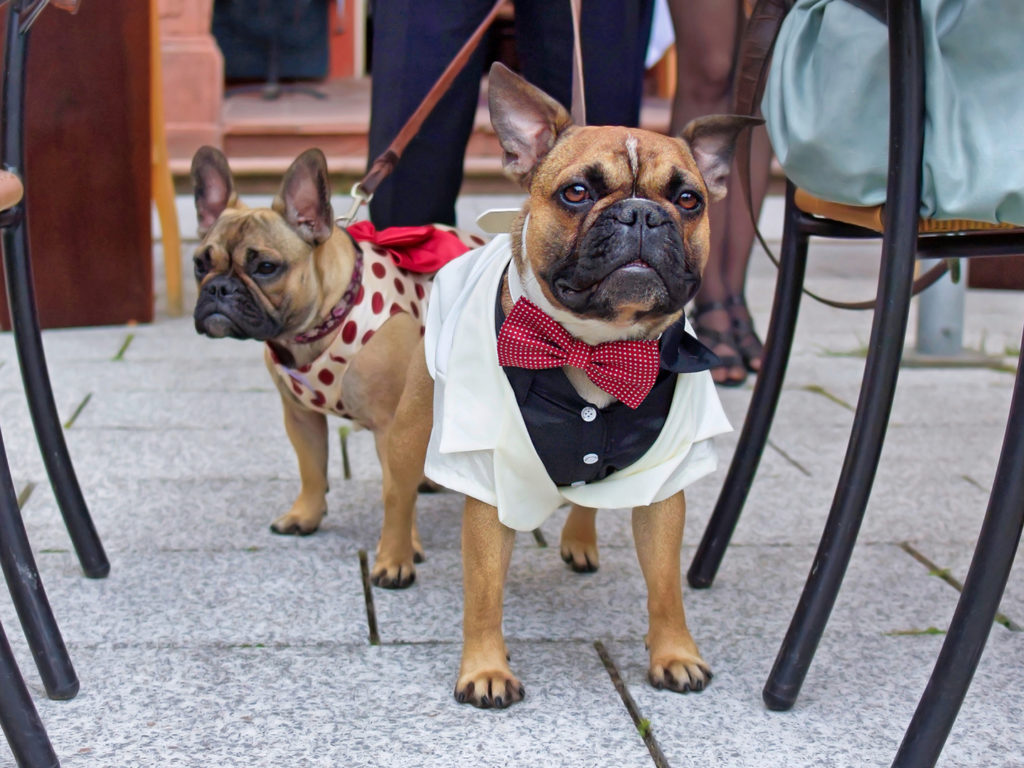
Two french bulldogs wearing cute outfits

This weekend offers an opportunity for pet owners to celebrate their furry friends with a little extra attention and pampering on National Dress Up Your Pet Day.

To make the Jan. 14 holiday a positive experience for participating pets, Harmony Diers, a veterinary technician at the Texas A&M School of Veterinary Medicine & Biomedical Sciences, explains ways to ensure pets are comfortable wearing clothes.

When choosing an ensemble for dogs and cats, owners should take into consideration three things: mobility of your pet in the outfit, clothing materials, and weather appropriateness.

For mobility, owners should look for costumes and clothing items that allow pets to move about freely and see clearly. For example, costumes that are too tight will restrict movement, and costumes that are too loose can cause pets to get tangled or trip.

Diers recommends owners measure their pet’s neck, chest, back, and stomach and compare these measurements to the sizing chart that comes with costumes.

“A costume should fit snugly enough to allow for normal movement and not have dangling pieces that impede mobility,” Diers said. “Typically, if you can slip two fingers between the material and your pet’s body, the fit will be good.”

Clothing can also hide a pet’s body language when reacting to another pet. If you and your pet celebrate with others, it is especially important that pets be able to see each other’s ear position, tail position, and piloerection—the bristling of a pet’s hair when they react to fear, threats, or excitement—in order to react appropriately.

“Body language may be difficult for the visiting pet to detect, and the costume-wearing pet may not be able to convey proper signals, such as ‘stay away’ or ‘let’s play,’” Diers explained.

After determining if a costume will allow a pet to move, see, and communicate clearly, owners should look at what materials were used to make the costume. Clothing with pieces that can be ingested should be avoided.

“When picking out clothing for your pet, make sure it’s not going to cause any irritation,” Diers said. “If your pet has an open wound, skin infection, or skin allergy, you should consult with your veterinarian before putting them in clothing as this may interfere with any treatment or worsen the problem.”

Additionally, owners should take the weather into consideration when choosing costumes so that their pet does not overheat. Clothing made of breathable fabrics such as cotton or polyester is the better option, as it will keep pets cooler than other fabrics.

Once you’ve purchased a costume, it’s time to dress up your furry friend.

Dogs and cats will show owners they are comfortable wearing clothes through their movements. If a pet is content with wearing a costume, they will move about freely, be excited, and act as they normally would, according to Diers.

“If wearing a costume is a new experience for your pet, it’s a good idea to start out with having

your pet wear the costume for a short period of time,” Diers said. “Owners can then slowly and positively increase the duration of time they wear it.”

Diers recommends owners give their pets treats and praise as encouragement for wearing outfits, turning the experience of costume wearing into a positive one.

Nevertheless, owners should not force their furry friend to wear a costume if they show signs of being uncomfortable. Diers said pets who are uncomfortable will remain still, avoid moving or walking, bite at the costume, or try to remove or shake it off.

As is the preference for many human beings, fashion for pets should prioritize comfort. A comfortable pet will ensure that this National Dress Up Your Pet Day is a wonderful experience for the whole family.

Pet Talk is a service of the College of Veterinary Medicine & Biomedical Sciences, Texas A&M University. Stories can be viewed on the web at vetmed.tamu.edu/news/pet-talk. Suggestions for future topics may be directed to vmbs-editor@tamu.edu.

Texas Veterinary Medical Foundation Gifts Texas A&M VET With $50,000

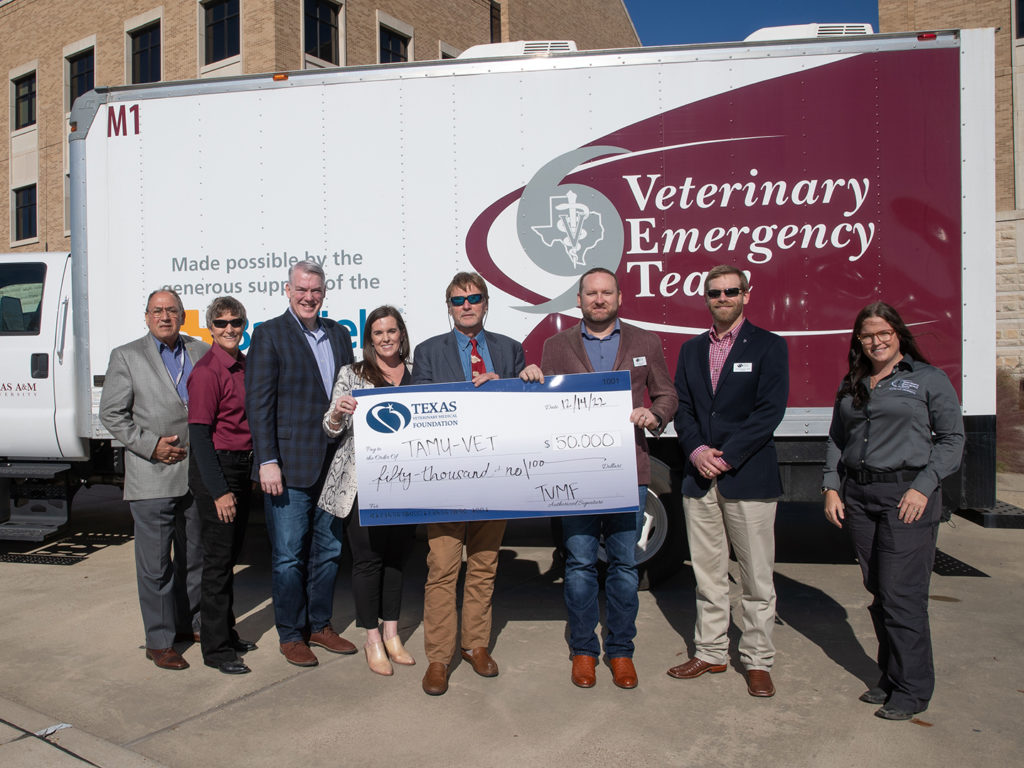
Members of the Texas A&M Veterinary Emergency Team and Texas Veterinary Medical Foundation holding a giant check for $50,000 in front of a VET trailer

The Texas Veterinary Medical Foundation (TVMF) provided an instrumental gift to the Texas A&M University Veterinary Emergency Team (VET). TVMF’s $50,000 contribution will support team operations and future deployments.

TVMF, the philanthropic partner of the Texas Veterinary Medical Association since 1978, prioritizes disaster preparedness and response. The Foundation leverages veterinary partnerships and financial resources in support of the veterinary profession by providing financial assistance in times of crisis, connecting veterinarians with opportunities to serve their communities, advocating responsible animal ownership, and promoting and improving the well-being of animals. 

As the largest and most sophisticated team of its kind in the country, the VET provides medical support to urban search and rescue teams and resident animals in response to natural and human-made disasters at the request of the Texas Division of Emergency Management, Texas A&M Task Force, or county jurisdictions, while training future Aggie veterinarians in emergency preparedness and response. 

The expansion of the partnership is a natural fit with important significance, according to Dr. Wesley Bissett, VET director. 

“Whenever someone invests in our program, it signals that they believe in our mission of being there for a person, an animal, and a community in their greatest time of need,” Bissett said. “An investment in our team also signals that the donor shares our commitment to selfless service. 

“This gift is particularly meaningful, because it is from veterinarians who share and value our mission. It says that the veterinary medical community values what we do,” he said.

Dr. Jayton Bailey ‘09, ‘11 (MS) ‘15 (DVM), a TVMF board trustee, became acquainted with the VET as a Doctor of Veterinary Medicine student at the Texas A&M College of Veterinary Medicine & Biomedical Sciences. Bailey said his clinical rotation with the VET as a student prepared him to serve animals and human beings affected by disasters. 

In March 2022, Bailey’s experience with the VET became vital to his community when wildfires struck his hometown of Eastland. 

“When the fires happened, Dr. Bissett and Dr. Zoran (a VET leader who has served as a Texas A&M Task Force member and veterinarian since 1997) called our clinic and told us they were coming pretty early on,” Bailey recalled. “They let me ride around with them one day, and it was amazing to see them in action. That’s where it hit home that this is an invaluable organization. Seeing them in action in my own backyard really emphasized the impact of what they do.”

Troy Alexander, TVMA executive director and TVMF president, said the organizations will support the VET as both donors and as advocates. 

“TVMF and TVMA prioritize the issue of preparedness. We hope to carry that message of the importance of the VET and what a difference it makes in our state and nation,” Alexander said.

The VET relies on the generosity of donors to support its work and mission. 

“Investments like this from the TVMF support the largest, most sophisticated veterinary emergency response team in the country,” Bissett shared. “It takes a lot of equipment to respond to disasters the way we do, and this investment will help us make sure that we’re equipped appropriately to go out into the field, whether it’s within or outside of the state. At this point, we don’t have a line-item state budget, which makes donations like this critical to carrying out our mission. TVMF and TVMA’s support and advocating to change that is important.”

Dr. Chad Harris, TVMF board of trustees president, said the VET brings pride to the state of Texas. 

“I work with several other states from coast to coast through my job,” he explained. “I’m confident saying this is an outstanding opportunity to support veterinary medicine in response to disasters nationwide. I’m thankful for the VET, and I’m proud to be a part of a foundation that supports them.”

###

For more information about the Texas A&M College of Veterinary Medicine & Biomedical Sciences, please visit our website at vetmed.tamu.edu or join us on FacebookInstagram, and Twitter.

Contact Information: Jennifer Gauntt, Director of VMBS Communications, Texas A&M College of Veterinary Medicine & Biomedical Sciences, jgauntt@cvm.tamu.edu, 979-862-4216
Texas A&M Researchers Developing New Approach For Analyzing Chemical Mixtures

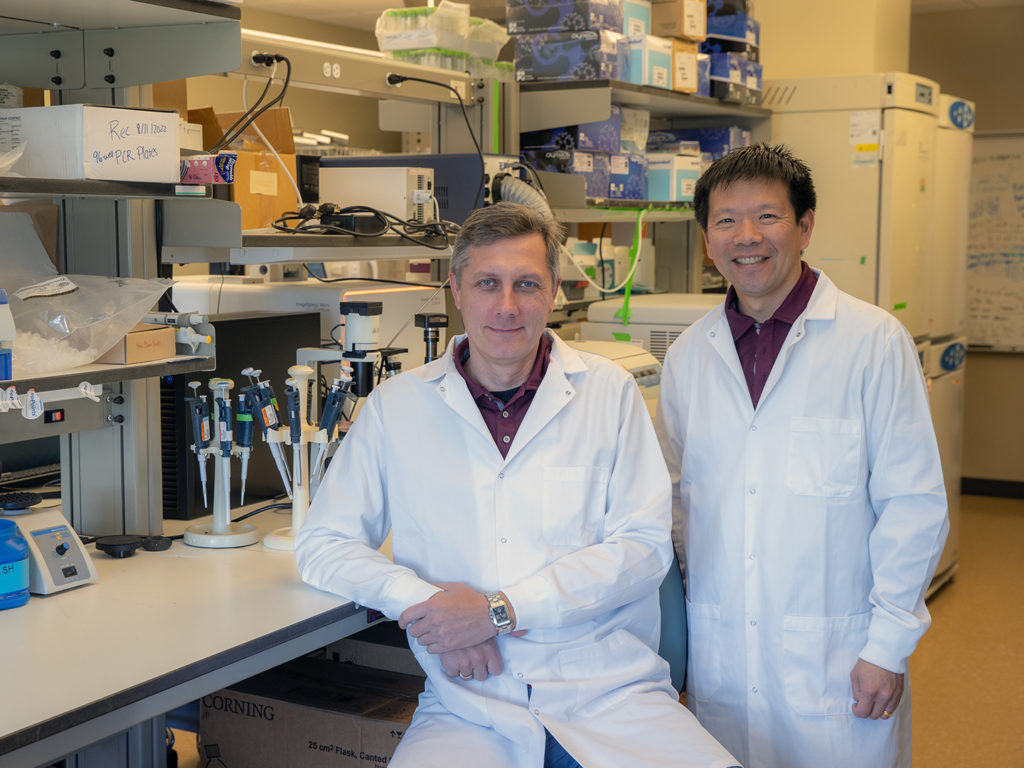
Drs. Ivan Rusyn and Weihsueh Chiu wearing white lab coats in a lab
Rusyn and Chiu

Drs. Weihsueh Chiu and Ivan Rusyn, professors at the Texas A&M School of Veterinary Medicine & Biomedical Sciences (VMBS), have received one of 11 new research grants from the U.S. Environmental Protection Agency (EPA) as part of an initiative to find novel ways to assess the toxicity of chemical mixtures.

While toxicology studies have traditionally focused on the effects of single chemicals, chemicals in the air, water, soil, food, and commercial products are often present as mixtures that can be released into the environment through activities like burning coal or through disaster events in areas with extreme pollution.

Many of these mixtures are well-characterized, but others can contain up to thousands of unknown components. Understanding how the overall mixtures affect human, animal, and environmental health is important for those who come into contact with them.

“Mixtures are the most difficult challenge in toxicology because they can have an infinite number of components,” said Rusyn, a University Professor of toxicology. “You can try to figure each one out but still not solve the overall problem because every sample will be a different mixture.”

Rusyn and Chiu aim to develop a new approach for analyzing chemical mixtures that will look at both mixtures as a whole and the major individual components, rather than using the traditional method of determining every component present.

Their three-year project will use the $750,000 EPA grant to develop a new, hybrid approach—combining toxicological, analytical, and modeling methods—for analyzing chemical mixtures found in the environment and determining their potential hazard. By delivering rapid results, this new method will support decision making by first responders and community leaders working to clean up chemical mixtures.

Utilizing Accurate Samples

The team will conduct their research using samples of chemical mixtures previously collected by the Texas A&M Superfund Research Center’s environmental sampling activities following natural disasters such as Hurricane Harvey and Hurricane Florence.

“The EPA needs solutions for real-life mixtures, where they’re not just polycyclic hydrocarbons or pesticides, but really a mixture of many more diverse chemicals,” Rusyn said. “A good example of this challenge is Superfund sites (abandoned hazardous waste sites) that have multiple chemicals. If the site gets flooded, it’s not just one type of chemical that’s going to get out, it’s going to be a mixture of many types of compounds.

“To propose a project that is ambitious but not completely unrealistic, we looked at what samples we already had and found a new, creative way of using that information,” he said. “We were anticipating this type of announcement (for funding opportunities) and we were building up the infrastructure and data sets for 10 years or more; now, this is a perfect chance for us to apply our data and be very efficient.”

The team also will be testing complex substances known as “unknown or variable composition, complex reaction products or biological materials,” or UVCBs.

UVCBs are categorized based on their active ingredients and can include products such as gasoline, motor oil, or cooking oil; they are regulated like a drug or pesticide.  

“UVCBs are still manufactured according to certain specifications, but it’s acknowledged that we may not always know what’s in there and that every time we make it, it will be variable in composition,” Rusyn said. “The solutions (the new testing methods) that we’re trying to create will work for both real-life mixtures and UVCBs.”

Taking A New Approach

The research project will involve four major aims, the first of which is using diverse data types to group around 1,000 different individual chemicals based on what organs they may affect.

“Currently, almost all of the existing groupings of chemicals are based on chemical structure; we want to figure out which ones are going to affect a common target through laboratory testing using cells representing different organs in order to be more biologically relevant,” Chiu said.

“Our reasoning is that if we use cells from different human organs—the major ones that are usually the major targets for toxicity—we can test the hypothesis that certain compounds will be specific to certain tissues,” he continued.

For the second and third aims, they will be testing the whole mixture as well as getting information on the individual components and then using novel statistical methods to try to determine which are the most likely components causing effects, either individually or in combination.

Finally, the fourth aim will involve demonstrating how these new methods can provide rapid results that can be utilized in real-life situations.

“Our final step is a translation from research to practice, determining how we can use these new experimental approaches and data to actually make decisions on cleaning up a site, remediation, or on a regulatory level,” Chiu said.

Rusyn and Chiu are collaborating on this project with two colleagues from North Carolina State University, Drs. Yihui Zhou and Fred Wright.

“I’m very grateful to the National Institute of Environmental Health Sciences, the EPA, and Texas A&M for giving us this opportunity by supporting previous work that formed a foundation for this exciting project,” Rusyn said.

###

For more information about the Texas A&M College of Veterinary Medicine & Biomedical Sciences, please visit our website at vetmed.tamu.edu or join us on FacebookInstagram, and Twitter.

Contact Information: Jennifer Gauntt, Director of VMBS Communications, Texas A&M College of Veterinary Medicine & Biomedical Sciences, jgauntt@cvm.tamu.edu, 979-862-4216
Texas A&M University Research Aims To Improve Lyme Disease Diagnostics

Dr. Artem Rogovskyy at work in his lab
Rogovskyy

Lyme disease, the fastest growing vector-borne illness in the U.S., according to the Bay Area Lyme Foundation, is challenging to diagnose and can only be treated in the early stages of infection. Once the infection spreads to the nervous and muscular systems, it is both harder to detect and less susceptible to antibiotics. 

Research by two Texas A&M University scientists, however, is focused on improving Lyme disease treatment outcomes by developing a test that’s both more accurate and more efficient than the current test for the infection. 

Dr. Artem Rogovskyy, an associate professor at the Texas A&M School of Veterinary Medicine & Biomedical Sciences (VMBS), and Dr. Dmitry Kurouski, an assistant professor in the Texas A&M Department of Biochemistry & Biophysics and the Department of Biomedical Engineering, are testing Raman spectroscopy, a technique used to detect vibrations at the molecular level, as a diagnostic tool for Lyme disease. 

The results of Rogovskyy and Kurouski’s second paper on Raman spectroscopy as a diagnostic tool for Lyme disease, published in October, demonstrate that blood samples from mice and humans infected with the Lyme pathogen were more accurately identified with the Raman spectroscopy test than with the two-tiered serology, the only diagnostic method currently approved to diagnose Lyme disease in humans in the United States.

“We’re trying to develop a better test that would be simple, inexpensive, and accurate,” Rogovskyy explained. “By accurate, I mean highly sensitive and highly specific at the same time.”

The increased accuracy of Raman spectroscopy testing could improve Lyme disease diagnostic practices for both humans and animals believed to have been in contact with the disease. 

For animals, the new test would require a smaller sample that could easily be taken in the field away from a veterinary clinic or hospital, thus improving mobile veterinary practices. 

For humans, Raman spectroscopy testing could significantly decrease the amount of time needed to complete testing, increase the accuracy of the diagnosis, lower the cost of diagnosing the disease, and improve overall health outcomes by definitively diagnosing the disease earlier. 

Rogovskyy said the team is in the process of validating the test through additional studies, and if the test is validated, it could become a very important tool for diagnosing Lyme disease worldwide, especially in more remote areas outside of the U.S. where the disease is prevalent, by enabling testing outside of traditional medical and hospital settings.

The researchers’ collaborative efforts have received funding from the Bay Area Lyme Foundation, a nonprofit that collaborates with world-class scientists and institutions to accelerate medical breakthroughs for Lyme disease. They also received human blood samples from the Lyme Disease Biobank, a clinical specimen repository.  

Rogovskyy and Kurouski’s first paper published on Raman spectroscopy is the first proof-of-concept study to have explored Raman spectroscopy to diagnose mice infected with the Lyme pathogen. Their second paper included data on testing Raman spectroscopy on samples from mice infected with European Lyme pathogens, and also involved numerous human blood samples supplied by the Lyme Disease Biobank. 

Rogovskyy anticipates the team may be able to publish more findings in about two years from the next phase of their research that entails testing human samples in a blind manner. 

###

For more information about the Texas A&M College of Veterinary Medicine & Biomedical Sciences, please visit our website at vetmed.tamu.edu or join us on FacebookInstagram, and Twitter.

Contact Information: Jennifer Gauntt, Director of VMBS Communications, Texas A&M College of Veterinary Medicine & Biomedical Sciences, jgauntt@cvm.tamu.edu, 979-862-4216
New Year’s Resolutions For Owners And Their Furry Friends

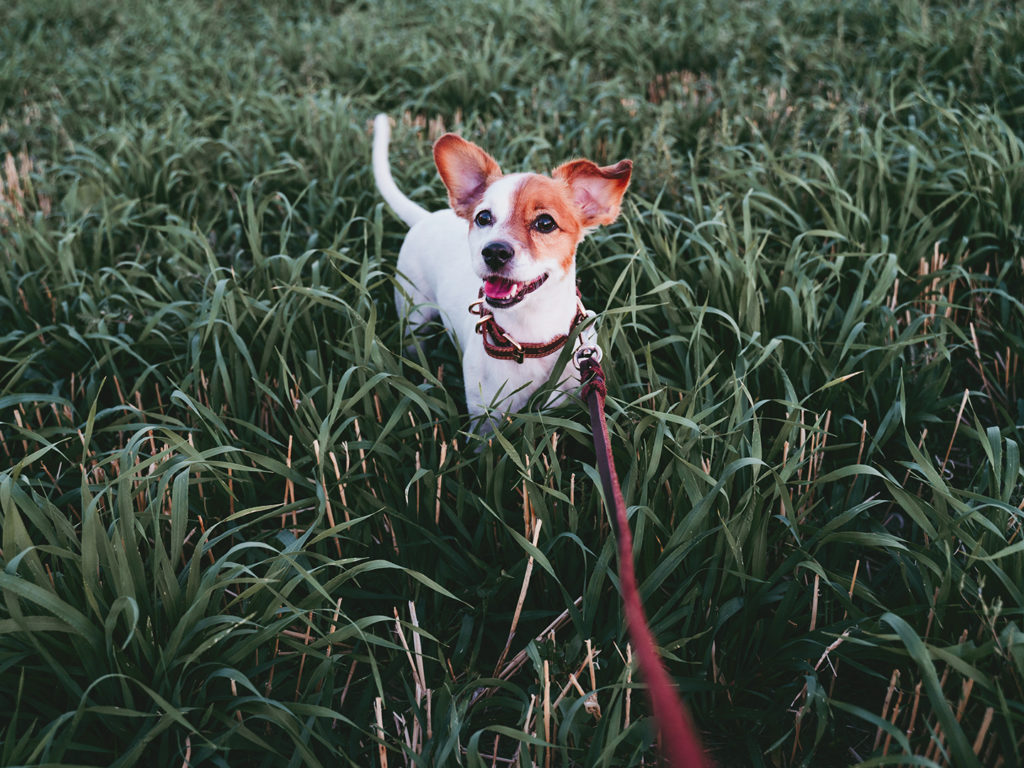
cute small jack russell dog in countryside standing in tall green grass wearing a red leash

With the new year comes the tradition of making New Year’s resolutions. While most resolutions are aimed at improving your life, pet owners should also consider making a resolution or two that will benefit the health of their pets.

Dr. Lori Teller, a clinical associate professor at the Texas A&M School of Veterinary Medicine & Biomedical Sciences, says that many resolutions pet owners set for themselves can also be extended to their pets.

Dietary resolutions aimed at improving your physical well-being are an example of this.

“If you are focused on eating better and making more nutritious choices in the coming year, then take the time to make sure your pet is on the appropriate diet as well,” Teller said. “This is a great time to chat with your veterinarian about how to best meet your pet’s nutritional needs.”

Teller also suggests exploring healthy treat alternatives for dogs, like blueberries or green beans, and introducing cats to homegrown cat grass and catnip.

Increased exercise is another popular resolution that can benefit both owners and their furry friends.

“Most pets benefit from a walk around the neighborhood, so consider gifting your pet with a new leash for the holidays and then make a resolution to go for a daily walk,” Teller recommended. “You can also play fetch in the yard or resolve to take trips to the dog park for those with more socially inclined dogs.”

In addition to resolutions aimed at improving physical health, Teller said pet owners should consider resolutions that improve our pets’ mental health, too. Because new experiences are mentally stimulating, consider introducing your pets to a new section of the neighborhood during your regular walking routine to boost their mental health.

Other unique experiences include food puzzle toys, the introduction of new sights and smells, or learning new tricks.

“Both dogs and cats can be trained to learn new tricks, so teach your pets to give a ‘high five’ or bust out the latest dance moves,” Teller said.

Teller also recommends making resolutions aimed at preventing medical emergencies, such as to keep choking hazards and harmful items hidden or out of reach from pets. Some items to keep away from pets include electrical cords, poisonous plants, rodent bait, raisins, grapes, any food containing xylitol, and trash.

“It is always helpful to puppy- or kitty-proof your home,” Teller explained. “Having a first aid kit at home to manage minor problems can also be helpful.”

Another way to prevent unwanted medical concerns is to routinely visit the veterinarian, which can also help pet owners save money over time.

“An ounce of prevention is worth a pound of cure; this adage is as true today as it was decades ago,” Teller said. “When veterinarians can detect and intervene early in the course of a disease, we can help the pet and the owner’s pocketbook.”

Teller recommends taking pets at least once a year for a physical exam and talking to the vet about parasite prevention, dental health, and vaccinations against diseases that are costly and potentially deadly. Some diseases to include in your discussion include parvovirus, leptospirosis, distemper, feline leukemia, and rabies. Kennel cough and canine influenza should also be vaccinated against for dogs that stay in doggy day care.

Whether your New Year’s resolutions are aimed at improving physical and mental health, preventing future medical emergencies, or monetary savings, including your pet in those resolutions will help the whole family start 2023 happy and healthy.

Pet Talk is a service of the College of Veterinary Medicine & Biomedical Sciences, Texas A&M University. Stories can be viewed on the web at vetmed.tamu.edu/news/pet-talk. Suggestions for future topics may be directed to vmbs-editor@tamu.edu.

Three VMBS Faculty Members Recognized For Teaching Excellence

The Texas A&M Association of Former Students has awarded three School of Veterinary Medicine & Biomedical Sciences (VMBS) faculty members with college-level teaching awards for their dedication to students.

The VMBS’ 2022 award recipients are clinical associate professors Drs. Walt Cook and Johanna Heseltine and assistant professor Dr. Annie Newell-Fugate.

The recipients were nominated by VMBS colleagues and selected for their command of their respective disciplines, teaching methodologies, pervasive caring, communication skills, and commitment to the learning process.

The college-level teaching award is designed to distinguish those teachers who maintain high expectations of their students, ensure academic rigor in their courses, and recognize their responsibility in motivating and contributing to the overall development of the student.

Dr. Walt Cook

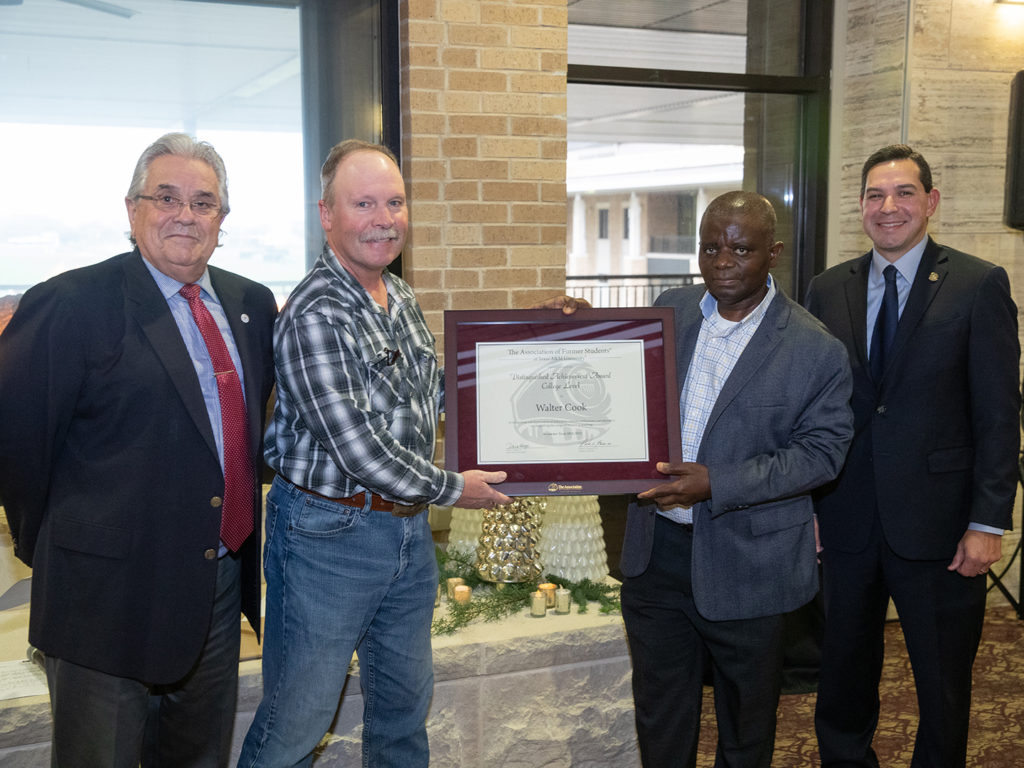
Dr. John August, Dr. Walt Cook, Dr. Albert Mulenga, and Andrew Arizpe with an AFS college-level award certificate
Drs. John August, Walt Cook, and Albert Mulenga with Association of Former Students Vice President Andrew Arizpe

Cook teaches undergraduate-, graduate-, and professional-level courses on a variety of wildlife topics, as well as a study abroad course on wildlife medicine in South Africa, in the Department of Veterinary Pathobiology.

He also mentors students at all degree levels and serves as a faculty co-adviser to Green Vets, a student organization focused on the intersection of wildlife conservation and veterinary medicine.

“Dr. Cook is a devoted teacher and mentor to students in the undergraduate, graduate, and veterinary professional programs,” one nominator said. “As an expert veterinarian in wildlife health and management, he recognized the needs of students and developed and taught several courses in this area, most of which have active-learning experiences integrated into the course syllabi.”

Cook is also active in research and outreach, with his primary interests being wildlife disease prevention and management.

“Dr. Cook has personally trained over 150 veterinarians on a technique to collect samples from live deer for chronic wasting disease testing,” the nominator said. “He has also testified at the U.S. Senate Committee on Environmental and Public Works hearing entitled, ‘Examining the Impacts of Diseases on Wildlife Conservation and Management.’”

Dr. Johanna Heseltine

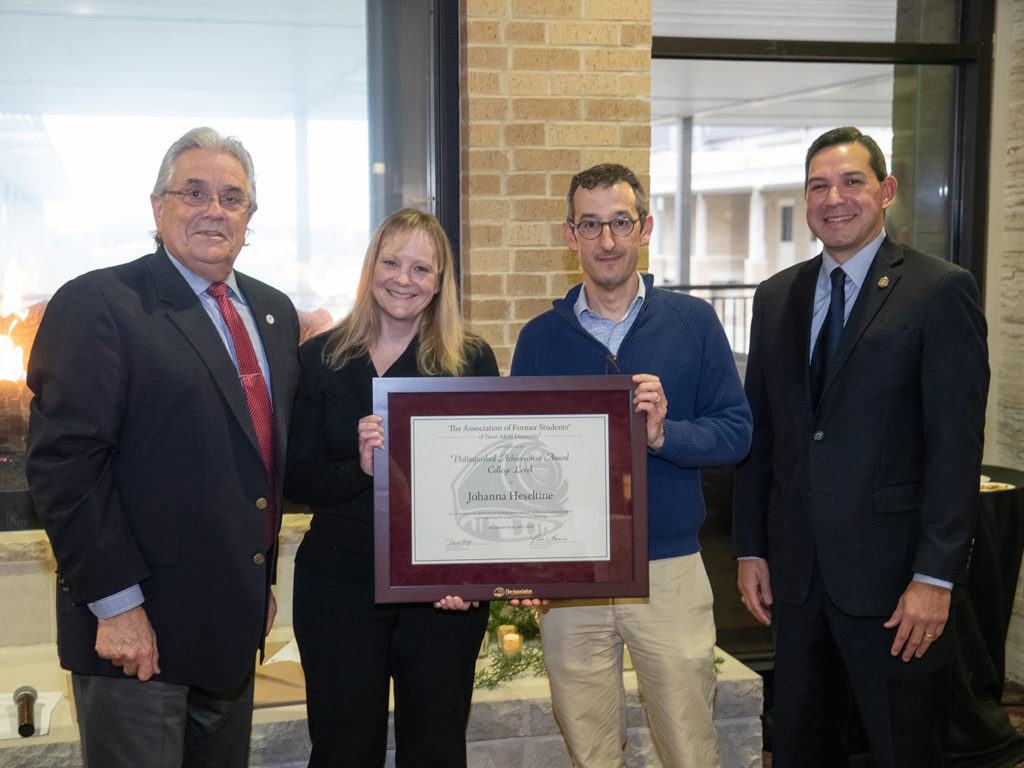
Dr. John August, Dr. Johanna Heseltine, Dr. Jon Levine, and Andrew Arizpe with an AFS college-level award certificate
Drs. John August, Johanna Heseltine, and Jon Levine with Association of Former Students Vice President Andrew Arizpe

In addition to teaching several pre-clinical courses for veterinary students, Heseltine also provides clinical education for those in their fourth year, as well as for interns and residents, in the Texas A&M Small Animal Teaching Hospital’s Internal Medicine Service.

“Much of Dr. Heseltine’s teaching occurs in the clinical environment, where she is involved in teaching students the art of medicine,” one nominator said. “That instruction involves modeling clinical excellence, actively discussing clinical reasoning, and providing students with feedback on often-subtle clinical skills. These interactions are essential to generating practice-ready veterinarians.”

The Department of Small Animal Clinical Sciences faculty member also has been recognized with the Richard H. Davis Teaching Award, the Juan Carlos Robles Emanuelli Teaching Award, and the John Miliff Award for Teaching.

“Her peer evaluations of teaching in the classroom and small-group setting have been strong, and student evaluations have been exceptional,” one nominator said. “I believe Dr. Heseltine’s past recognitions and strong evaluations are the result of an exceptional focus on professional development in education, her understanding of student-centered learning techniques, and her active engagement in scholarship of teaching and learning.”

She has shared her innovative approaches to content delivery in publications and at conferences like the Veterinary Educators Collaborative and the American College of Veterinary Internal Medicine Forum.

Dr. Annie Newell-Fugate

Newell-Fugate teaches biomedical physiology courses for undergraduate and graduate students interested in both clinical medicine and research careers.

“Dr. Newell-Fugate has developed what I believe is a remarkable gift—the ability to inspire students to get involved in science by understanding and appreciating it,” one nominator said. “Collectively, I believe that the Department of Veterinary Physiology & Pharmacology and the School of Veterinary Medicine & Biomedical Sciences are fortunate to have such a gifted young academician and educator on our faculty.”

Her courses promote critical thinking, problem solving, and communication—all vital skills for students planning to enter the health professions.

“Her ‘lead by example’ model has been rewarded with the departmental Richard H. Davis Teaching Award in 2017, as well as a campus-wide 2019 Montague Teaching Award,” the nominator said. “These awards emphasize Dr. Newell-Fugate’s developing abilities and provide evidence of the exciting learning environment Dr. Newell-Fugate has engendered in which students far exceed their own expectations.”

Newell-Fugate also mentors undergraduate, graduate, and veterinary students who assist with her research in the Comparative Endocrine Laboratory, which focuses on the physiological effects of obesity, hyperinsulinemia, and insulin resistance.

###

For more information about the Texas A&M College of Veterinary Medicine & Biomedical Sciences, please visit our website at vetmed.tamu.edu or join us on FacebookInstagram, and Twitter.

Contact Information: Jennifer Gauntt, Director of VMBS Communications, Texas A&M College of Veterinary Medicine & Biomedical Sciences, jgauntt@cvm.tamu.edu, 979-862-4216
Firework Safety For New Year’s Eve

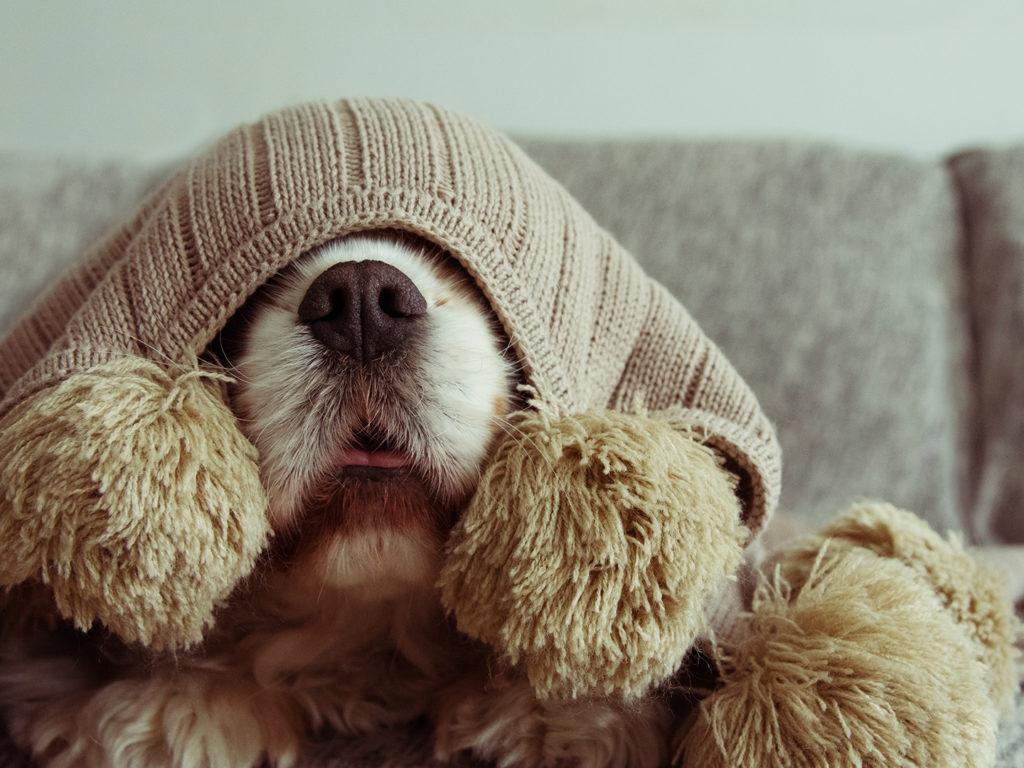
CAVALIER DOG COVERED WITH A WARM  TASSEL BLANKET

With 2022 coming to a close, family and friends may be eager to celebrate the new year with fireworks. Many pets, however, may not welcome the loud noises or bright lights that accompany the celebratory event.

Because these festivities may be more than a nuisance for animals, Dr. Audrey Cook, a professor at the Texas A&M School of Veterinary Medicine & Biomedical Sciences, explains some dangers of using fireworks and solutions for keeping pets calm throughout the night.

Many pet owners have witnessed their pets’ scared reactions to the loud popping noises that occur when fireworks explode; these can be dangerous to pets, as dogs that are confined to a crate or small room may hurt themselves trying to escape the noise, explained Cook. Alternately, if dogs are not confined to a small space, they may run off or hide when frightened by the sounds.

In addition, the chemicals that help the fireworks explode and produce the colors that we see can be left behind in the fireworks’ smoke, which, if inhaled, can irritate a pet’s airway.

Cook pointed out, however, that the greatest danger do-it-yourself firework displays pose to our pets occurs before and after the explosion.

“The biggest danger is with direct contact, when a pet may chew an unlit firework, grab a lit one, or touch hot materials after detonation,” Cook said. “Those are pretty much the same concerns as you would have with small children and fireworks.”

If fireworks are used to celebrate the new year, all of the firework debris should be picked up as soon as possible so that animals aren’t exposed to the chemicals that contaminate the waste material.

Because there is no such thing as a safe firework when pets are around, Cook recommends owners leave their pets at home and go to a display organized by professionals to see fireworks for the new year.

“Do-it-yourself fireworks are a danger to you, your family, your pets, wild animals, and the environment,” Cook explained. “The best thing to do is keep fireworks well away from pets.”

As a pet-friendly alternative to watching fireworks, Cook suggests staying in as a family and taking precautions to minimize the light and sound of firework displays nearby, especially for pets that are known to be anxious.

“Close the curtains and leave the lights on to minimize the effect of firework displays and have music or TV on to drown out the noise,” Cook said. “It is helpful if the attending person is very matter-of-fact and does not make a big effort to reassure an anxious dog, as that reinforces a sense of danger.”

Some dogs may be more anxious than others, especially if they have a history of being very upset after hearing loud noises. If your pet is one that reacts negatively to loud noises and you live in an area where fireworks go off consistently on New Year’s Eve, Cook recommends talking to your veterinarian to determine if medication may help reduce your dog’s anxiety.

“There are a lot of drugs that can safely be given by owners in the home environment,” Cook said. “It would be worthwhile, however, to try a dose at home on a routine weekend to assess the effect of the drugs.”

Cook also recommends pet owners familiarize themselves with recommendations from The American Society for the Prevention of Cruelty to Animals ahead of any holiday celebrated with fireworks.

Whether it is watching fireworks or enjoying a night in on New Year’s Eve, owners should ensure their pet’s safety from potential dangers, so you and your furry friend can welcome the new year with ease.

Pet Talk is a service of the College of Veterinary Medicine & Biomedical Sciences, Texas A&M University. Stories can be viewed on the web at vetmed.tamu.edu/news/pet-talk. Suggestions for future topics may be directed to vmbs-editor@tamu.edu.