Harnessing The Power Of Clay To Protect Communities From Toxins

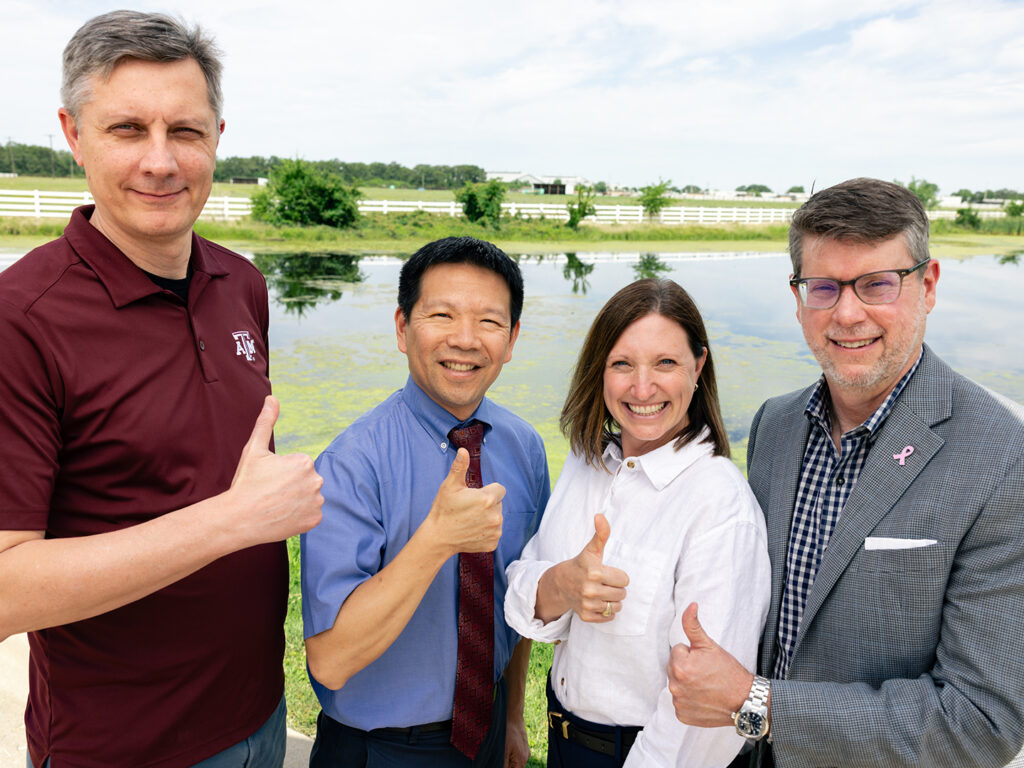
Three researchers in white lab coats
Drs. Steve Jackson, Johnson Oladele, and Timothy Phillips; photos by Jason Nitsch ’14, VMBS Marketing & Communications

From microplastics to heavy metals and forever chemicals, people are more aware than ever of the potential dangers lurking in food, water, and household items. But thanks to researchers at the Texas A&M College of Veterinary Medicine & Biomedical Sciences (VMBS), the answer to these concerns may be right under our feet.

Dr. Timothy Phillips, a professor in the VMBS’ Department of Physiology and Pharmacology, has spent his career uncovering the manifold uses for clay in human, animal, and environmental health. His research has led to the discovery of a wide range of clay-based therapies used in preventative medicine and for mitigating exposure to toxins and pollutants during disasters, outbreaks, and emergencies. While some therapies are applied to the skin to prevent the absorption of toxic chemicals, others are meant to be eaten, where they prevent absorption of chemicals internally.

Clays may seem like an unusual answer in a world of high-tech solutions, but they have a long history of providing health benefits thanks to their status as sorbents — materials with adhesive properties.

“One of the reasons I originally began my research on clay-based therapies was the fact that animals and humans historically have used clay to help with a variety of ailments and nutritional needs,” Phillips said. “Even as far back as pre-Roman times, people used clays mixed with plant and animal fats and beeswax to create pills. It was ancient medicine.”

Digging Into Toxin Research

A museum display of many small terra-cotta medicine tubes with lids
Ancient Roman containers for clay-based medicine recovered from a shipwreck off the coast of Italy, now held in the Museo archelogico del territorio di Populonia. Photo by Wikimedia Commons user Sailko.

Phillips began his career studying clay-based therapies for aflatoxins, a group of toxins produced by fungi that frequently occur in moldy grains, including animal feed. Animals that eat the grain can develop bleeding in the digestive tract, swollen bile ducts, fatty liver, and cell loss. Often, the condition ends in death.

“Aflatoxins are usually found in low levels in the diet — most of us have probably been exposed to them because they are common in foods like peanuts and corn and can occur at higher levels during periods of drought,” Phillips said. “But they are most dangerous to the very young, the elderly, and other vulnerable individuals.”

At the time, there was no treatment for aflatoxins.

“I began studying clays to see if they could provide a solution,” Phillips said. “I discovered that one particular group of clays does a very good job of binding to aflatoxins. The clay has a chemical structure similar to a deck of cards and when they open up, they form interlayer pores that draw in the aflatoxins like a sponge.

“When consumed by people or animals, the clay binds tightly to toxins, keeping them from being absorbed by the body,” he said. “Then, the toxin and clay complex leaves through bodily waste.”

Thanks to Phillips’ work, dozens of clay-based treatments for aflatoxins are now available in commercial products for animals and people at risk of high exposure.

“I’ve been able to work with communities in Africa and other parts of the world where human aflatoxin poisoning is common due to their diet,” Phillips said. “My lab has found that these clays are stable enough for use in cooking so that people in these communities can add them directly to their food, instead of taking a capsule before each meal.”

Fighting Forever Chemicals
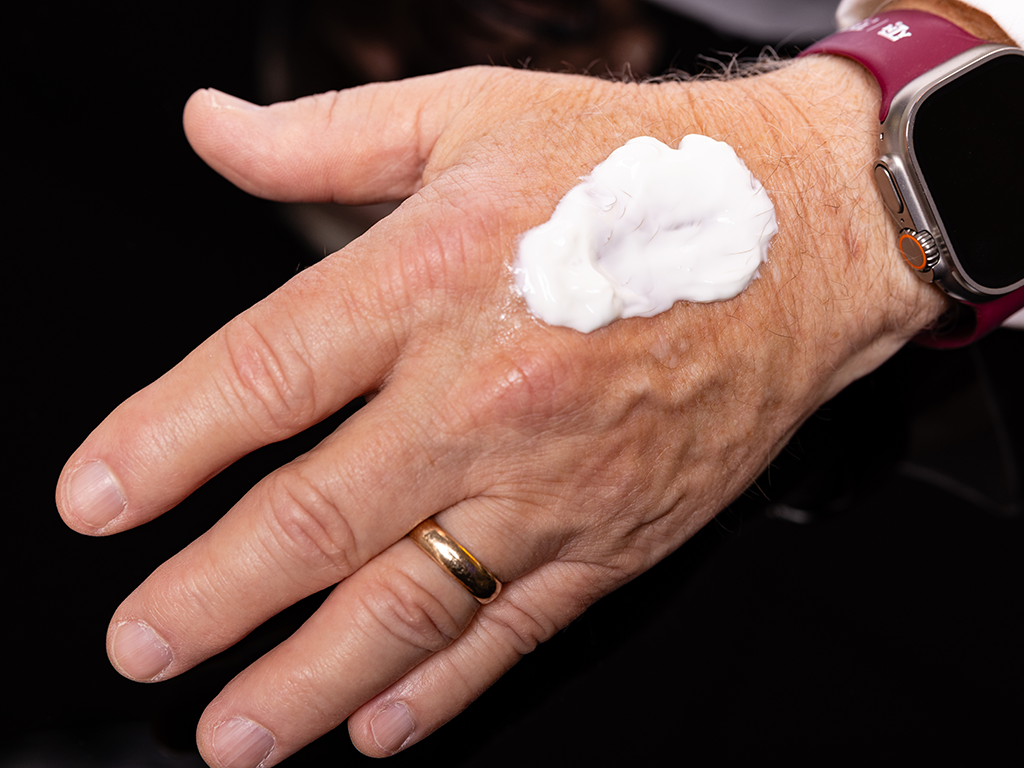
Clay-based barrier cream on the back of a man's hand
Phillips demonstrates clay-based barrier cream

Thanks to the success of his work with aflatoxins, Phillips began exploring targeted, clay-based solutions to other problems, including per- and polyfluoroalkyl substances (PFAS). Nicknamed “forever chemicals,” PFAS include thousands of grease-resistant chemicals used in everything from clothing to detergents and pizza boxes; they can take thousands of years to break down in the environment. Many PFAS have also been linked to cancer and other diseases.

At the Texas A&M Superfund Research Center, Phillips leads one of the center’s five central projects dedicated to studying and remediating environmental hazards, including exposure to PFAS and aflatoxins.

An open bottle of clay-based supplement pills on a black background
Clay-based supplement pills developed using Phillips’ research

“I wanted to create something that could help mitigate exposures in humans following disasters and emergencies,” he said. “That includes flooding — which can carry chemical-laden water from industrial facilities into residential areas — and drought, which can intensify the presence of aflatoxins.”

Phillips and his team were able to create two different clay-based products that can help reduce hazardous exposures — an ingestible clay sorbent and a topical barrier cream.

“We found that certain nutrient-amended clays do a very good job of adhering to PFAS and materials like heavy metals and pesticides,” he said. “When ingested, they help to remove those materials from the gut before they can be absorbed, similar to the products we developed for aflatoxins.”

Barrier cream, on the other hand, helps to prevent toxic chemicals from being absorbed through the skin.

“The clay-based barrier cream is helpful for anyone who might be wading through floodwater, including first responders and emergency personnel,” Phillips said. “We’ve also created formulations with antibacterial properties, and now we’re working on developing versions with sun protection for the general public using only compounds that are GRAS, or ‘generally recognized as safe.’ We’re even looking into making a lip balm.”

Going Green

Phillips’ interest in sorbents has also led him to work with outdoor plants in new ways.

“Plants have a waxy coating on their leaves called the cuticle,” he said. “It helps protect them, but we found that it also binds to harmful chemicals in the air. For example, our former Superfund team conducted studies of pine needles near a hazardous site in Wyoming and found that the needles closest to the site’s center had higher concentrations of volatile chemicals than those further away from the site.”

Volatile chemicals, including volatile organic chemicals (VOCs), are a common air quality concern because their chemical structure makes them very likely to disperse into the air. Fumes from candles, household cleaners, and new furniture are common culprits of poor air quality in homes, but gas released near hazardous industrial sites can reach even more dangerous levels.

“We’ve known for a long time that diverse plants are important for producing oxygen, but it turns out they are helping clean the air around us in other ways, too,” Phillips said. “One of the next aims we’re working on is using chlorophyll — the pigment that makes plants green — in air filtration devices for the home because of its ability to bind benzene, a cancer-causing chemical that comes from things like gasoline fumes and cigarette smoke.”

Phillips’ lab also plans to collaborate with other researchers in the Superfund Center to combine the most effective plants as sorbents for toxic chemicals with green architecture.

“Dr. Galen Newman, from the College of Architecture, helps communities plan green spaces that help remediate environmental exposures,” Phillips said. “Thanks to my team’s recent research, we plan to provide him with a list of outdoor plants that will be the most effective binders of VOCs. 

“We’ve also done research on adding refined clays and green-engineered clays containing chlorophyll directly to the soil, especially in flood and garden models,” he said. “These clays act as tight barriers that bind and detain chemicals in the soil so that plants can’t absorb them, which protects any food grown in that space and prevents leaching of chemicals to ground water.”

Providing Solutions To Complex Problems

While Phillips still hopes that future researchers will find an efficient way to remove and dispose of hazardous chemicals in the environment, his research will help humans and animals live with the problem in the meantime.

“You can’t just dig up and transfer all the contaminated soil every time there’s a disaster,” Phillips said. “It’s not economically feasible, and also, what can you do with contaminated soil? Very high temperatures, similar to those found in volcanoes and superheated water, are required to effectively destroy very stable chemicals like PFAS.

“One thing that makes sense for now are edible sorbents that you can have in your home or can take internally — something you can put in your food or your favorite energy drink — and be protected from short-term exposure to toxic chemicals in food and water following disasters or emergencies,” he said. “That’s why I’ve dedicated my career to studying them and their potential applications.”

###

Note: This story originally appeared in the Summer 2025 issue of VMBS Today.

For more information about the Texas A&M College of Veterinary Medicine & Biomedical Sciences, please visit our website at vetmed.tamu.edu or join us on FacebookInstagram, and Twitter.

Contact Information: Jennifer Gauntt, Director of VMBS Communications, Texas A&M College of Veterinary Medicine & Biomedical Sciences, jgauntt@cvm.tamu.edu, 979-862-4216

Has Your Dog Eaten A Bottle Of Pills? New Services At The Texas A&M Small Animal Teaching Hospital Can Help

Texas A&M’s veterinary hospital is now home to two innovative, life-saving veterinary treatments that clean toxins from blood.

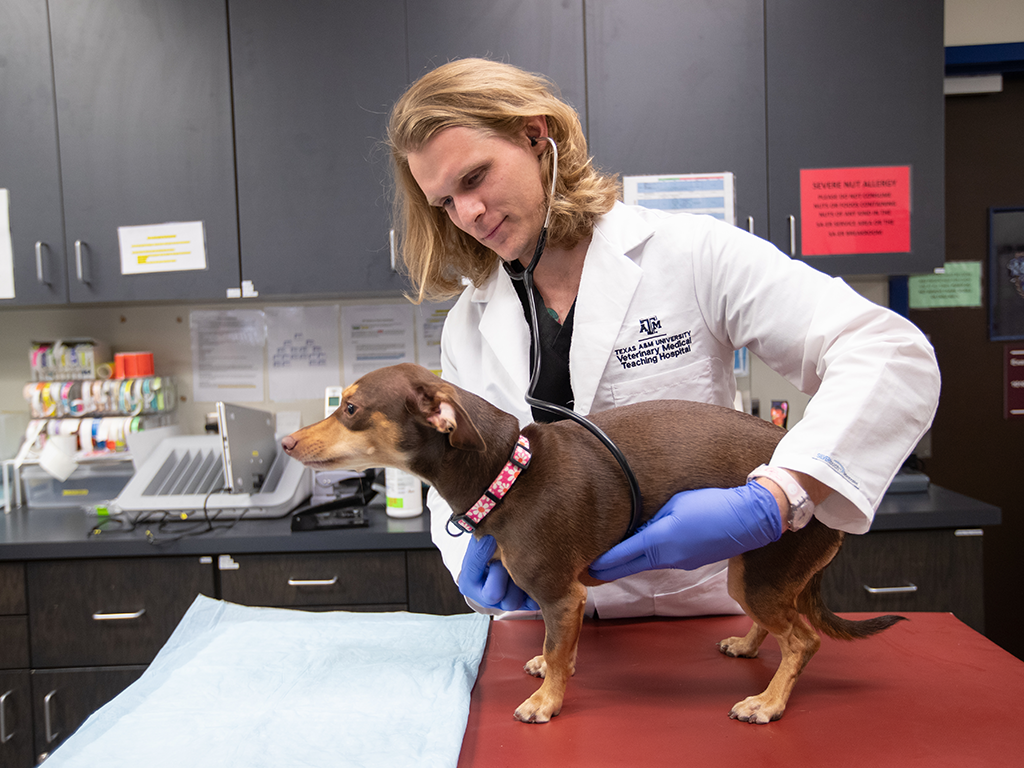
A veterinarian in a white coat examines a dog.
Dr. Lance Wheeler

When a dog accidentally ingests pills — usually from getting into their owners’ medications or their own flavored prescriptions — it can cause acute intoxication, a medical emergency that requires quick action and immediate veterinary attention.

For dog owners living in or within an eight-hour driving distance from College Station, there is a new treatment option available — extracorporeal blood purification at the Texas A&M Small Animal Teaching Hospital (SATH).

Using two cutting-edge treatments — hemoperfusion and therapeutic plasma exchange (TPE) — the Small Animal Emergency & Critical Care team at the SATH can clean toxins from an animal’s blood even after they have been absorbed by the bloodstream.

“An overdose from eating a bottle of medication can be a death sentence for a dog,” said Dr. Lance Wheeler, a clinical assistant professor and board-certified small animal emergency and critical care specialist at the SATH. “Hemoperfusion and TPE have been shown to be highly effective in treating intoxications from overdoses when patients receive therapy soon after ingesting the pills.” 

Two recent studies evaluating the use of TPE for dogs with acute ingestion or overdose of non-steroidal anti-inflammatory drugs (NSAIDs) — one of the most common life-threatening intoxications in dogs and cats — demonstrated that TPE is safe, effective, and associated with an overall survival rate of 98–99%.

The SATH is one of only a few practices in the southern United States to offer these life-saving treatments, which can also be used to treat complex conditions like immune mediated hemolytic anemia (IMHA), an autoimmune disorder in which a dog’s immune system destroys its own blood cells. 

Helping Dogs Overcome Accidental Overdoses

A veterinary clinician in maroon scrubs
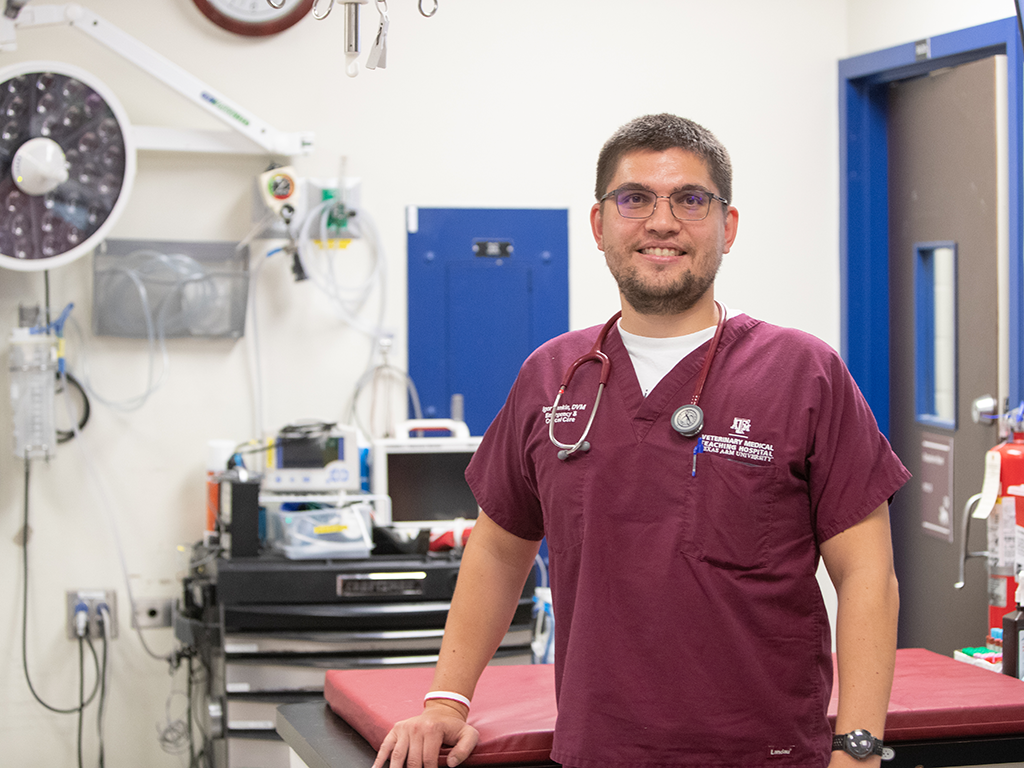
Dr. Igor Yankin, a clinical assistant professor and expert in animal emergency and critical care

When a dog accidentally eats something toxic, their veterinarian may be able to induce vomiting to rid their body of the harmful substance — but this only works if the animal receives help before the substance is absorbed into the bloodstream, typically within six hours of ingestion.

After that window — and without extracorporeal blood purification — the options for treatment become much more narrow.

“Using specialized equipment, we’re able to separate out the parts of blood that bind to the toxin and either filter it with hemoperfusion or remove it and replace it with TPE,” Wheeler said.

 “The key requirements for offering these procedures to dogs and cats around the clock are trained personnel, equipment appropriately sized for small animal patients, and a well-stocked blood bank — all of which are now in place at the SATH,” he said. “These three components are critical to sustaining 24/7 availability, and we are working diligently to ensure the infrastructure is fully established to provide these life-saving treatments to the surrounding community.”

Receiving Treatment

If you suspect that your pet has accidentally eaten your medication, call the ASPCA Poison Control Hotline at 888-426-4435 or the SATH’s 24/7 emergency service at 979-845-2351. Patients can also be referred through their primary veterinarian.

###

For more information about the Texas A&M College of Veterinary Medicine & Biomedical Sciences, please visit our website at vetmed.tamu.edu or join us on FacebookInstagram, and X.

Contact Information: Jennifer Gauntt, Director of VMBS Communications, Texas A&M College of Veterinary Medicine & Biomedical Sciences, jgauntt@cvm.tamu.edu, 979-862-4216

Texas A&M-Led Research Collaboration Studies How To Prevent Miscarriages In Horses

Two women in lab coats smiling.
Drs. Yatta Boakari and Sophia Marchio

Horse breeding is a time- and resource-intensive process, with the average successful pregnancy often costing thousands of dollars in veterinary care, stud fees, and breeding. Because horse pregnancies last almost an entire year, owners and breeders often have to wait a long time to see if their efforts will pay off.

As a result, if a mare has a miscarriage, it can be both a huge disappointment and a lost investment.

That’s why veterinary researchers at Texas A&M University, the University of Kentucky, and the University of Sao Paulo are working to understand how certain bacterial infections can cause miscarriages in horses.

One of the most common causes of miscarriage during the third trimester is ascending placentitis, a condition caused by an infection of Streptococcus equi. 

“The bacteria enters the cervix and infects the placenta, which is the main source of oxygen and nutrients for the fetus,” said Dr. Sophia Marchio, a doctoral student at the Texas A&M College of Veterinary Medicine & Biomedical Sciences (VMBS).

“When the placenta gets infected, it alters the hormone and immune system of the mare, sometimes causing a miscarriage or premature delivery,” she said.

While scientists know the cause of the problem, detecting it in its early stages remains a challenge.

“How the bacteria affect specific parts of the placenta has not been well studied,” Marchio said. “With our research, we hope to understand not only how miscarriages happen but also ways to detect problems earlier and even prevent pregnancy loss.”

Mysterious Membranes

Miscarriages in horses are a complex problem because different organs and tissues have their own unique reactions to triggers like infections. 

In a recent publication, Marchio and her doctoral advisor — assistant professor and head of the VMBS’ Comparative Reproductive Laboratory Dr. Yatta Boakari — discovered that one understudied tissue may play more of a role in miscarriages than previously thought.

“We studied the amniotic membrane, which is a physical barrier and closest placental membrane to the fetus,” Boakari said. “It’s like a protective bubble around the foal that shields them from injury during pregnancy. But we discovered that it’s also involved in the mare’s immune response, so it responds to infection and inflammation.”

While the membrane is one part of a complex system, it could play a key role in helping researchers understand why miscarriages happen.

“This particular equine membrane has never been studied up close using RNA sequencing,” Boakari said. “Before our publication, it wasn’t even known whether it had an immune response. We are the first ones to show that it does using RNA sequencing.”

###

For more information about the Texas A&M College of Veterinary Medicine & Biomedical Sciences, please visit our website at vetmed.tamu.edu or join us on FacebookInstagram, and X.

Contact Information: Jennifer Gauntt, Director of VMBS Communications, Texas A&M College of Veterinary Medicine & Biomedical Sciences, jgauntt@cvm.tamu.edu, 979-862-4216

Texas A&M Vet Students Turn Setback Into Success With National Quiz Bowl Win

The Texas A&M AABP Quiz Bowl winners with a sign tracking the competitors
The winning Texas A&M quiz bowl team

A team of third-year veterinary students from the Texas A&M College of Veterinary Medicine & Biomedical Sciences (VMBS) won the national Quiz Bowl championship at the 2025 American Association of Bovine Practitioners (AABP) conference in Omaha, Nebraska.

The win marks the first time in more than a decade that VMBS students have earned the title. After a first-round loss in 2024, the team returned with a renewed focus and advanced through a 27-team bracket to secure the championship.

VMBS students also received national recognition in the AABP case report and poster competitions, making the conference a strong showing for the college.

The 2025 AABP Quiz Bowl champions include:

  • Jack Detten, from Hereford, Texas, who is pursuing the production track with plans to work in feed yard medicine or general large animal practice.
  • Kailee Knezek, from Yoakum, Texas, who plans to serve a rural community through mixed animal medicine, with a potential shift toward production practice.
  • Chris Box, from Gonzales, Texas, who is focused on cow-calf medicine and feedlot practice within the production track.
  • John Deramus, from Coleman, Texas, who is pursuing mixed animal medicine and hopes to serve as a rural practitioner along Texas’s I-35 corridor.

Preparation With Purpose

The AABP Quiz Bowl is a fast-paced competition in which four-member teams answer rapid-fire questions focused exclusively on cattle.

Last year, a first-round Quiz Bowl loss left Box disappointed, but it also shaped the team’s approach heading into this year’s event.

“Chris really just led the team and took charge,” Deramus said. “He came back last year and was adamant that we had to make a strong showing, so we all bought in at the beginning of this semester, studied, and made it happen.”

The team built a study bank of more than 120 questions using lecture notes, veterinary preparation materials, and questions Box had documented from the previous year.

“In the week leading up, I probably studied three hours,” Deramus said. “And then we actually drove to Omaha — it was a 12-hour drive — so we probably studied for 10 of the 12 hours.”

Their preparation not only helped the team succeed in Omaha but also reinforced material for the North American Veterinary Licensing Examination (NAVLE), which all fourth-year veterinary students must pass to become licensed.

“Since it’s the American Association of Bovine Practitioners, anything cattle is fair game,” said Dr. Kevin Washburn, professor in food animal internal medicine at the Texas A&M College of Veterinary Medicine & Biomedical Sciences and faculty adviser for the student AABP chapter. “It’s basically the NAVLE, except there is only one species — cattle.”

Rising To The Challenge

Despite their preparation, not every category played to the team’s strengths. Several competing schools brought expertise in areas like dairy medicine, which gave teams at other veterinary schools a competitive edge.

“We got smoked in a lot of the dairy questions compared to some of the schools we were up against,” Box said. “All those schools just have such a big dairy presence, and at A&M, beef is king.”

The team focused on answering toss-up questions correctly to earn chances at bonus questions.

“Those bonus questions definitely helped us,” Knezek said. “In the first round, we were up enough that we didn’t really need them, but the last two rounds were so close that we needed both the toss-up and the bonus to pull ahead.”

The championship came down to the final toss-up. This time, the same student who had walked away defeated the year before buzzed in with the correct answer, securing the national title for Texas A&M.

“I couldn’t attend this year, but I was getting the play-by-play, and then somebody sent me a video of the question that won it,” Washburn said. “It was Chris Box who answered that last question. It was really cool.”

In another twist, Washburn said in that video, he recognized the event’s emcee as Dr. Brian Weaver, who along with his wife, Dr. Leslie Weaver, are Texas A&M veterinary graduates and were both members of the Quiz Bowl team when they were at Texas A&M. Now, the pair are faculty clinicians at Kansas State University. 

Rounding Up Bragging Rights

A group of people in from of a poster with cattle
Eight Texas A&M veterinary students and one faculty member attended the AABP conference.

In addition to the quiz bowl victory, VMBS students earned national honors in case report and poster competitions, and one, fourth-year veterinary student Haley Dueñas, brought home a $7,500 Zoetis Foundation Scholarship.

  • Alyssa Otto placed second nationally in the student case report competition.
  • Katherine Walsh was selected to present in the student case report competition.
  • Antonio Silva also represented the university with a poster presentation.

For the case report competition, students at veterinary schools from across the country write and submit for consideration a 300- or fewer-word abstract on any veterinary medical case.

To help students prepare for that, at noon on Tuesdays throughout the semester, anywhere from 20-30 AABP student chapter members will do rounds with faculty and residents in the Large Animal Teaching Hospital’s Food Animal Service.

“They see a case when they’re on rounds that we talk about, they get the medical record, and they put together an abstract,” Washburn said. “Then, among all the AABP student chapters in the United States, the AABP picks 10 abstracts for presentation.

“Not only were Alyssa and Katherine chosen as two of 10, but because AABP picks five abstracts for research reports and five for a clinical case, they were actually selected as two of the five case-based abstracts in the country,” Washburn said. “For the last two or three years, students from VMBS have placed first or second in that case report competition; Chris Box won first place last year.”

Confidence In The Classroom And Beyond

For the students, these competitions are a chance to see how their training holds up under pressure.

“You don’t realize what you know until you’re put into a high-pressure situation,” Detten said. “It’s not like the high pressure of clinical practice, but when you’re sitting there with four other kids from different schools and you’re the only one who knows the answer to a question, you come to realize that we learn an awful lot here.”

“I learned not to underestimate your knowledge level, because they pull questions from first year that, at the time, I thought, ‘I’m never going to remember that,’ but two years later, I was able to answer those questions,” Knezek agreed.

That pressure became a turning point, showing them just how far they have come in their veterinary educational careers.

“It was kind of cool, because, sure, we had a question bank, but the total question bank for the conference Quiz Bowl is something like 700 questions. Our question bank is 120, so there was a lot of stuff we knew we were potentially not going to know or not have covered before,” Box said. “But during the competition, there were a lot of questions that I think we were able to just think about, use reason, and then come up with an answer that was correct, and that was just a good feeling.”

“The biggest thing is the sense of confidence,” Deramus added. “It really lets you know you’re capable — more so than you think you are.”

Their success reflects both the student’s dedication and the strength of the VMBS’ food animal track.

“The students did all the work, and it’s really cool to see them excel because the questions are so specific,” Washburn said. “Seeing them do so well, especially on food animals, just makes me so proud. This is what we’re doing this for.”

###

For more information about the Texas A&M College of Veterinary Medicine & Biomedical Sciences, please visit our website at vetmed.tamu.edu or join us on FacebookInstagram, and X.

Contact Information: Jennifer Gauntt, Director of VMBS Communications, Texas A&M College of Veterinary Medicine & Biomedical Sciences, jgauntt@cvm.tamu.edu, 979-862-4216

Beyond The Clinic: VMBS Students Explore Opportunities In Science Communication

Two young women in a courtyard.
Kristi Bolf and Dr. Jane Costa; photo by Ryleigh Rejcek ’26, VMBS Marketing & Communications

Two students from the Texas A&M College of Veterinary Medicine & Biomedical Sciences (VMBS) have earned highly competitive editorial roles at American Veterinary Medical Association journals, reflecting both their veterinary and science communication skills.

Dr. Jane Costa, a third-year comparative medicine resident and biomedical sciences master’s student, is a student associate editor of the Journal of the American Veterinary Medical Association (JAVMA) and the American Journal of Veterinary Research (AJVR). Kristi Bolf, a third-year veterinary student, is engaged in student peer review for these journals as well.

Practicing science communication is important because it exposes students to the many ways a veterinary degree can be applied beyond clinical work.

“There are many career options available to those with a veterinary degree, and working in publishing is just one of those many options,” Costa said.

From Science To Storytelling

Costa, who earned her Doctor of Veterinary Medicine (DVM) degree from St. George’s University and completed her fourth-year clinical training at Oregon State University, has long been interested in both science and writing.

“I always had a knack for writing,” Costa said. “But I always had this love for science, too. So, I was always trying to figure out which one to do, not really knowing that there was a way to blend both of them.”

After starting a family, she found new inspiration in combining her creative side with her veterinary background.

“My joy for writing was re-sparked,” she said. “I began looking for opportunities that meshed both veterinary medicine and writing/editing.”

To pursue this interest, she did freelance work.

“I ended up writing for different veterinary practices and did some freelance writing and editing for bigger companies. My projects included blogs, veterinarian-facing articles, pet owner guidelines, and things like that,” Costa said.

Similarly, Bolf also found ways to combine her interests in veterinary medicine and writing throughout her educational journey.

“I’m from a small town in South Texas and my mom’s a veterinarian, so that’s what initially inspired me to follow the vet school track,” Bolf said.

Her experiences at the VMBS have played a key role in shaping her main career interest.

“I worked in the Large Animal Teaching Hospital as an operating room technician, and that further fueled my interest, particularly in equine medicine,” Bolf said. “Writing has intrigued me since grade school, but it wasn’t until college that I was able to get involved in research projects and see the interface between science journalism and veterinary medicine.”

Both students started working with the journals in September 2024 after seeing the student peer review opportunity announced in a newsletter and social media.

Inside The Editorial Process

As a student associate editor, Costa begins her work by checking manuscripts for key components and assessing overall writing quality. She then identifies potential peer reviewers based on expertise and keywords in the manuscript.

When peer reviews arrive back, Costa reads them and adds her own summary and recommendations for the editor-in-chief.

Costa said her personal knowledge of veterinary medicine has helped her greatly in her role at JAVMA.

“Working as a veterinarian has absolutely prepared me for analyzing studies that impact clinical medicine,” she said.

One of the biggest challenges Costa faces is finding reviewers for manuscript and managing different reviewer opinions. Despite such difficulties, she finds editing deeply rewarding.

“When I sit down at my computer with a long to-do list, I always tend to my editing tasks first, because it’s what I enjoy the most,” she said.

As a student peer reviewer, Bolf evaluates newly submitted manuscripts as a third reviewer, providing feedback alongside the expert reviewers.   

“It’s helpful to refer to the journal’s guidelines for authors to ensure that manuscripts include all the key components,” Bolf said.

The Benefit Of Coursework

Both Costa and Bolf have taken courses in the VMBS’ Science & Technology Journalism (STJR) program, which helped prepare them for their journal editor roles.

 “Before doing the STJR classes, I didn’t really know all the different facets of the publishing world, specifically scientific publishing,” Costa said.  

For Bolf, the STJR coursework has helped in communicating clearly and concisely.

“Discussions in class made it easier to open up and share my thoughts, and I got used to having my own writing up for discussion,” Bolf said. “That experience helps put you in the mindset of a peer reviewer.”

Challenges, Rewards, & Professional Growth

Both students emphasized how meaningful the mentorship they receive from journal editors has been in their editorial journeys.

“The guidance given to me by the AVMA editorial staff as a student associate editor has been exceptional. This program is so unique — I just don’t think I would get this experience anywhere else,” Costa said.

Costa hopes to continue her career in science communications in the publishing field.

“Whether as a part-time associate editor, editor-in-chief, or somewhere in between, I hope to stay connected to veterinary or scientific publishing in some regard moving forward,” Costa said.

Bolf plans to take a more traditional veterinary route but still stay engaged in the science communications world.

“I don’t know exactly what avenues will open up, but I definitely want to stay involved in writing, editing, and peer reviewing throughout my career,” she said. “I also intend to practice veterinary medicine in a clinical setting, so I’m still working on how to strike the balance there.”

Bolf shared that her own experience navigating opportunities in veterinary medicine and science writing taught her the importance of being proactive and seeking guidance.

“You have to be your own advocate when it comes to asking questions and expressing genuine interest. The opportunities are there, and so are the mentors who are more than willing to help you in any way that they can,” Bolf said.

###

For more information about the Texas A&M College of Veterinary Medicine & Biomedical Sciences, please visit our website at vetmed.tamu.edu or join us on FacebookInstagram, and X.

Contact Information: Jennifer Gauntt, Director of VMBS Communications, Texas A&M College of Veterinary Medicine & Biomedical Sciences, jgauntt@cvm.tamu.edu, 979-862-4216

The Tail Of Triaditis: A Triple Threat For Feline Health

An orange and white cat

When a pet falls ill, the last thing an owner may suspect is that multiple conditions are the culprit. However, the body’s reactionary cues often respond to one another, and when one disease is working in tandem with several others, a cat’s way of life can be severely impacted.

This is especially true for triaditis, a complex condition that occurs when multiple organs in the gastrointestinal system develop problems concurrently.

Dr. Sue Lim, an assistant professor at the Texas A&M College of Veterinary Medicine & Biomedical Sciences, describes the complex factors leading to triaditis in cats and how owners can best support their pets through this disease.

Internal Inflammations 

Triaditis is complex because it involves the simultaneous inflammation of the pancreas (pancreatitis), the liver (cholangitis), and/or the intestines (chronic enteropathy).

“It is not necessary for cats to have irritation in all three organs for the condition to arise; it can be a combination of any two of the organs,” Lim said.

Whether a cat is experiencing inflammation of all three organs or only two, common symptoms include:

  • Dehydration
  • Lethargy
  • Loss of appetite 
  • Abdominal pain
  • Diarrhea

“Clinical signs are pretty vague and non-specific and will vary slightly between patients with specific components of triaditis,” Lim said.

Suspected Factors

It is unclear how inflammation in one organ can affect other organs, according to Lim, but the anatomy of cats may play a role. The close physical connection between the pancreas, liver, and intestines is a suspected influence in the rise of triaditis.

“In a dog, the common bile duct, which carries bile from the liver to the intestines, and pancreatic duct empty into the intestines separately,” Lim said. “In a cat, the pancreatic duct and common bile duct join before exiting into the intestines. This makes it easier for any bacterial infection from the intestines to enter the liver or pancreas.”

This anatomical difference is also why dogs are rarely at risk of developing triaditis.

According to Lim, there is nothing an owner can do to prevent this disease.

“We don’t know the risk factors causing triaditis; therefore, specific preventative steps cannot be taken,” Lim said. “We now know that the anatomy of the cat predisposes them to it and there are both good and bad bacteria in the GI tract. The problem arises when these bacteria are no longer confined within the GI tract and gain access to places they are not supposed to be, leading to infection and inflammation.”

Confirming A Diagnosis

Diagnosing triaditis begins by identifying which organs are being affected; to make that determination, Lim recommends a combination of tests:

  • Blood and urine test to rule out other disorders, such as kidney disease, hyperthyroidism, exocrine pancreatic insufficiency that may mimic clinical signs associated with triaditis
  • Fecal exams to rule out parasites
  • Serum feline pancreatic lipase immunoreactivity (fPLI) — a test that recognizes abnormal levels of pancreatic enzymes in blood
  • Diagnostic imaging, such as abdominal ultrasound, to evaluate the pancreas, liver, and intestines 

If results are still inconclusive, a veterinarian may recommend doing more invasive tests such as sampling the gallbladder to look for infection and conducting biopsies of the intestines, liver and pancreas.

Managing The Conditions

Once triaditis is diagnosed, management typically includes controlling symptoms and preventing aggravation of other organs.

“Currently there are no specific treatments for triaditis,” Lim said. “We manage each component of triaditis either symptomatically or specifically.”

Supportive therapy options include:

  • Fluids
  • Pain management
  • Control of vomiting/nausea
  • Managing complications
  • Treating comorbidities, such as diabetes, hepatic lipidosis, or exocrine pancreatic insufficiency (EPI)

Specific treatments for each affected organ may include diet trials, antibiotics, or immunosuppressive therapy. Unfortunately, there is currently no specific therapy for pancreatitis, but the VMBS continues to present new research findings in the search for beneficial treatment plans.

Because triaditis is a health risk for every breed of cat, it is vital for owners to stay vigilant about their feline friend’s daily well-being. The sooner an organ’s inflammation is managed by a veterinarian, the sooner the pet can feel relief.

###

For more information about the Texas A&M College of Veterinary Medicine & Biomedical Sciences, please visit our website at vetmed.tamu.edu or join us on FacebookInstagram, and X.

Contact Information: Jennifer Gauntt, Director of VMBS Communications, Texas A&M College of Veterinary Medicine & Biomedical Sciences, jgauntt@cvm.tamu.edu, 979-862-4216

Graduates Pursue Veterinary Medicine, Public Health Through Dual DVM-MS Program

Four veterinary students making the gig 'em gesture.
Molly Guyette, Kaitlin Thompson, Lindsey Walker, and Luke Gibson

Veterinary medicine and public health are intertwined in many ways.

Veterinarians support public health by treating zoonotic diseases that spread between animals and people; by caring for food animals and, therefore, improving human nutrition and food safety; and by protecting pets, who play an important role in owners’ mental health.

Likewise, a thorough understanding of veterinary medicine is necessary for policymakers and public health specialists battling infectious diseases and biosecurity threats worldwide.

As the human population continues to grow and become more globalized, it’s more important than ever to have scientists trained both in veterinary medicine and public health serving as leaders in their communities and around the world.

Recognizing this need, the Texas A&M College of Veterinary Medicine & Biomedical Sciences (VMBS) launched the Master of Science in Veterinary Public Health & Epidemiology (VPHE) and Doctor of Veterinary Medicine (DVM) Combination Program in 2021.

The program allows students to enroll in graduate courses during the summers, leading to concurrent graduation with both degrees in four years.

Students are trained to integrate knowledge from both disciplines into their veterinary careers or advance to careers in local, state, federal, and international public health agencies and academia.

The first cohort of combination degree program students graduated in May, and each of the four is now on a unique career path utilizing their expertise to support human and animal health.

“The five epidemiology faculty members in the Department of Veterinary Integrative Biosciences (VIBS) who act as primary mentors to combination program students are excited to see this first cohort of students graduate,” said Dr. Christine Budke, a VMBS professor and VIBS department head. “Many years of planning went into program development with the curriculum designed to develop and support the unique veterinary public heath interests of each of our students. We look forward to our graduates becoming leaders that improve the lives of both animals and people.”

Luke Gibson

Gibson examines Emmy

Growing up in Corpus Christi around his family’s many chickens and fish tanks, Dr. Luke Gibson ‘25 has always been fascinated by the relationship people have with their animals.

Thanks to opportunities like the VPHE-DVM degree program, Gibson has found a way to combine his love for helping people and animals with a passion for science.

“Even from a young age, I saw the connections that people have with their animals, and I knew I wanted to do something that could help people through their animals,” he said. “Taking care of an animal — something that is separate from us but needs our care and attention — is a beautiful thing.”

Gibson began pursuing his interest in veterinary medicine at Texas State University, where he majored in animal science as part of a pre-vet program. He shadowed veterinarians at clinics, where one thing that stood out to him was Texas A&M’s reputation within the veterinary community.

“Having lived in Texas all my life, I knew the academic reputation of the Texas A&M veterinary program,” he said. “But what made a difference was the amount of joy that people had when talking to me about going there. Seeing the amount of care they had for their jobs and for taking care of people and animals, I could trust that Texas A&M really cared about their students.”

Not long after being accepted to the VMBS’ DVM program, Gibson received an email letting him know about the brand new dual degree program.

“Everyone who goes into veterinary medicine has a different interest, and it was unique to spend time with three other people who were also interested in public health,” he said. “We all worked really closely with each other and with our professors to help figure out what the program would look like.

“I learned more than I ever thought I would through the VPHE program,” he said. “From mathematical modeling, to parasites and wildlife, to learning how to set up a bird net in the courtyard with Dr. Sarah Hamer, it opened my eyes to a lot of different things.”

While working in public health may be his ultimate goal, Gibson is still passionate about helping animals, and people, in a clinical setting.

“After spending some time honing my clinical skills, I plan to transition to a career in zoonotic disease control. What appeals to me the most is outbreak investigation, where you try to trace an outbreak back to its source,” Gibson said. 

“Even if I do go into the policymaking or regulation side of medicine, it’s critical that I understand what it looks like on the front lines,” he said. “Local veterinarians are the ones out there seeing patients, so they play a big role in how disease outbreaks get reported. I also just really enjoy talking to clients, and I think I’ll always want to keep doing some kind of medical practice.”

Molly Guyette

A veterinary student examines a cat.
Guyette working at the American Society for the Prevention of Cruelty to Animals headquarters during an externship; photo courtesy of the ASPCA

Dr. Molly Guyette ‘25 grew up in Florida thinking she wanted

to be an aerospace engineer, but she changed her mind once she had her first experience working with animals.

“I didn’t know I wanted to be a vet until my senior year of high school,” she said. “I love math, but then I realized I didn’t want to sit in an office all day; I wanted to do something very hands-on. I started working at animal shelters and fell in love with veterinary medicine.”

Guyette completed an undergraduate degree in biomedical sciences at Texas A&M and then, through her discovery of the VPHE-DVM degree program, decided to stay in College Station for veterinary school as well.

“When I was looking for places to apply for vet school, I really wanted one with a big public health focus because of my interest in shelter medicine,” Guyettte said. “To me, public health is a large part of that because it involves community medicine, community education, and population control.

“I was looking at some other places but then A&M came out with the dual degree program,” she said. “It was perfect timing, like all the stars were aligning.”

Guyette enjoyed the VPHE-DVM degree program’s flexibility, allowing her to customize her experience to match her career goals by choosing a unique capstone project.

“My capstone was developing a feline infectious disease guide for cattery or shelter use that summarized the potential of diseases spreading between cats or from cats to people,” she said. “I loved that we had the ability to tailor it to what we wanted to get out of the program. That way the experience was our own and as fulfilling as we wanted it to be.”

Guyette also tailored her fourth-year externships to her career goals, working at both the Stray Rescue of St. Louis and the American Society for the Prevention of Cruelty to Animals headquarters in New York City. She enjoyed her time in St. Louis so much that she chose to return to the city after graduation, working in an animal hospital that has close ties to the local shelter.

“Shelters play important roles in communities because they control loose animals, which can help control the spread of diseases like rabies, and they support the community’s mental health,” Guyette said. “The impact that companion animals have on people can never be overstated, and being able to support access to that is very important to me.

“Shelters’ role in the community education aspect of public health is also very important to me,” she said. “I feel very strongly about access to veterinary care and offering proper education that can lead to better outcomes for animals and their owners.”

Kaitlin Thompson

A vet student examines a cat.
Thompson and Marvel

During her childhood in Flower Mound, Texas, Dr. Kaitlin Thompson ‘25 always wanted to become a veterinarian, but it wasn’t until she was working toward her undergraduate degree in microbiology at Montana State University that she discovered a passion for public health as well.

“I had no idea that you could be a public health veterinarian,” she said. “Then I took a Spanish class during undergrad that really got me more into the public health mindset. We learned all about how the environment of Latin America shaped its culture, literature, and history. That got me thinking about how I could apply what I learned in my science classes to culture, which is essentially public health.”

After returning to Texas and beginning veterinary school, Thompson took an opportunity to explore public health further by participating in Operation Border Health with the Texas A&M Veterinary Emergency Team.

“I like the community engagement and educational parts of public health, so I really enjoyed getting to talk to folks in the community about why their dog needs flea and tick control all year long or why the rabies vaccine is so important,” Thompson said. “I like the micro-impacts I can make with each person I interact with. My ideal job would be doing boots-on-the-ground testing, interviews with people, and contact tracing.”

Thompson has also enjoyed exploring the “big picture” side of public health through a six-week externship with the Centers for Disease Control and Prevention at the Tennessee Department of Health.

“I was in the Communicable Environmental Diseases and Emergency Preparedness branch, so I got to make things that were actually disseminated to the public, such as surveys for clinicians and surveillance reports,” Thompson said. “My first main project was writing a survey that was disseminated to healthcare providers within the state to figure out their familiarity with tuberculosis testing guidelines.

“I love animals and I want to treat animals, but my big draw to veterinary medicine is helping people through helping animals,” she said. “What has always drawn me to public health is the human aspect of it.”

In addition to coursework in public health, the VPHE-DVM degree program offered Thompson the unique chance to build relationships with VPHE faculty.

“Building and using those connections to get more immersed into public health and epidemiology has been really valuable, and I don’t think I would’ve gotten that if I hadn’t done the VPHE program,” she said.

Although Thompson plans to work as a general practitioner for a while, her ultimate goal is to join the CDC’s Epidemic Intelligence Services fellowship program before beginning a career focused on public health.

“It was awesome to be part of this program, because I don’t think I would’ve ended up where I am now without it,” Thompson said. “Having this opportunity while I was in veterinary school meant that I was always engaged in thinking about public health and epidemiology during my veterinary courses. The dual program also took off a lot of financial strain, compared to if I had gone back to school to do a master’s degree.”

Lindsey Walker

A vet student examines a dog.
Walker and Scarlett

Dr. Lindsey Walker ‘25 first discovered a love for veterinary medicine when she was 11 years old, and she’s been working in veterinary clinics ever since then.

“I was a kennel tech at a local vet’s office to get hours for the 4-H Vet Science Club,” she said. “For the most part, my job was letting the dogs out in the evening. I got to see what life was like at the clinic and after just two or three days there, I was in love.”

Walker moved from her hometown of Wimberley, Texas, to College Station to pursue an undergraduate degree in animal science and then her DVM degree from Texas A&M. While she began applying to veterinary school with the goal of becoming a rural veterinarian, Walker soon discovered a new career path from an unexpected source.

“I was halfway through my application cycle when I watched a documentary on Netflix called Pandemic,” she said. “I remember thinking, ‘This is going to be horrible when it happens one day.’ About three months later, COVID hit.”

Walker enrolled in the VPHE-DVM degree program to learn more about public health and how she, as a veterinarian, could contribute to making the world a safer place for people and animals.

The spread of bird flu during her time in veterinary school emphasized veterinarians’ role in public health even more.

“With the background I have now, I understand what it looks like to monitor and navigate an infectious disease outbreak,” Walker said. “This helps me guide my owners to make proper decisions for their pets’ health and help them understand how that can impact human health. For example, as we’re seeing cats being affected by bird flu, I am better prepared to communicate to my owners why it’s important that their cats avoid raw diets at this time.”

Now working at Apollo Veterinary, a small animal practice in south Austin, Walker enjoys applying her public health knowledge to her day-to-day veterinary life.

“Having a foundation of public health training just makes me a stronger veterinarian,” she said. “I am better prepared to support shelter medicine and can better manage diseases and parasites that could spread to other animals or people. Having gone through this program also opens up other doors as to what I could do with my degree and career in the future. 

“Veterinarians really are so much more than just veterinarians — we take care of pets, we take care of our counterparts, and we take care of our community,” she said. “People look up to us and look to us for answers. While that’s intimidating, it’s also really amazing.”

###

Note: This story originally appeared in the Summer 2025 issue of VMBS Today.

For more information about the Texas A&M College of Veterinary Medicine & Biomedical Sciences, please visit our website at vetmed.tamu.edu or join us on FacebookInstagram, and Twitter.

Contact Information: Jennifer Gauntt, Director of VMBS Communications, Texas A&M College of Veterinary Medicine & Biomedical Sciences, jgauntt@cvm.tamu.edu, 979-862-4216

Gut, Lungs, Bones: Texas A&M Researchers Unveil Complex Interactions That Protect Foals From Pneumonia

New research shows how bacteria administered to foals via feeding tubes trigger an unexpected response in respiratory immune cells.

Two researchers in white lab coats smiling.
Dr. Bibiana Petri da Silveira, first author on the recent study, and Dr. Angela Bordin; photos by Ryleigh Rejcek ’26, VMBS Marketing & Communications

Foal pneumonia is one of the leading causes of disease and death in foals, with severe cases being most commonly caused by the bacterium Rhodococcus equi (R. equi). 

Previous studies from researchers at Texas A&M University and at other universities have shown that foals are not only exposed to but can get infected by R. equi soon after birth. 

“The younger the foal, the more susceptible to R. equi it is,” said Dr. Angela Bordin, an assistant professor in the College of Veterinary Medicine & Biomedical Sciences’ Department of Large Animal Clinical Sciences. “Once symptoms begin, it might be too late to save the foal.”

As part of their ongoing efforts to protect foals from pneumonia, researchers at the Texas A&M Equine Infectious Disease Laboratory (EIDL) have uncovered new, complex interactions between the gut, lungs, and immune system. 

Their new study, published in Scientific Reports, may pave the way for a future vaccine for foals and disease treatments for other species.

A Stomach For Research

In the study, EIDL researchers sought to uncover why bacteria introduced in the stomach generate an immune response in the lungs through a communication between the gut and the lungs referred to as the “gut-lung axis.”

“Decades ago, researchers discovered that administering live R. equi directly into the stomachs of foals via feeding tube protected them against development of pneumonia by R. equi,” Bordin said. “While this method of inoculation isn’t practical on a large scale at farms, we believe that understanding the mechanisms and pathways behind this induced protection may help us make progress toward a vaccine for foals.”

To do this, the researchers used the feeding tube method to give a group of foals live R. equi bacteria and then, weeks later, analyzed their blood cells.

“We found that certain types of white blood cells had undergone subtle changes, called epigenetic modifications, which alter the way genes are turned on or off, without altering their DNA. This was unexpected because these particular cells are part of the innate immune system and are short-lived, so the cells demonstrating this change were not the same ones exposed to R. equi in the gut,” Bordin said. 

The innate immune system is the body’s first line of defense against intruders; certain cells within the innate system quickly respond and try to destroy “intruding” microbes.  Conversely, the adaptive immune system — including antibodies and white blood cells known as T and B lymphocytes — develops an immune response over time as an individual encounters specific antigens or pathogens, such as viruses.

“Normally, we don’t expect cells in the innate immune system to sustain changes weeks after exposure to pathogens because that’s the job of the adaptive immune system,” Bordin said. “This sustained change is called immune memory. This is how, for example, B lymphocytes from a vaccinated individual ‘remember’ the pathogen and make antibodies quicker and more efficiently when exposed to that same pathogen later on.”

Getting To The Marrow Of Disease Immunity

A group of researchers and students in white lab coats making the gig 'em gesture.
(Front, left to right) BIMS major Eden Buchanan, Poultry Science major Kristin Adams, BIMS major Elaine Pham, Dr. Angela Bordin; (middle) Dr. Bibiana Petri da Silveira, Postdoctoral Research Associate Dr. Rafaela Klein, Research Associate Kerstin Landrock; (back) BIMS major Katie Wand, BIMS major Ty Hand, Biomedical Engineering major Arjun Kumar, BIMS major Ethan Hartman

That the foals’ innate immune system responded when the Texas A&M researchers gave them the live R. equi bacteria was unexpected, but it is a situation that scientists sometimes encounter, involving what is called trained immunity.  

“We suspect that the changes we observed in the innate immune cells start in the bone marrow, which is home to the stem cells that make white blood cells,” Bordin said. “While the innate immune system doesn’t produce the long-lived memory cells that respond to specific pathogens, it appears that it can be ‘trained’ through epigenetic modifications.”

But how a pathogen in the gut manages to stimulate a trained response in the bone marrow is still a mystery that the researchers are currently studying.

“Overall, our goal is still to develop a vaccine for foal pneumonia that will stimulate both the innate and adaptive immune systems,” Bordin said. “But we now believe that the innate immune system — and specifically, trained immunity — plays an important part in protecting foals, especially in the early stages of exposure. And better innate immune responses also help generate stronger adaptive immune responses, which, together, protect the foals from developing pneumonia.” 

In addition to helping protect foals from pneumonia, Bordin is also hopeful that exploring the “black box” of the gut-lung axis and its relationship to trained immunity will advance medical treatments for many species, not just horses.

“This communication between the gut and the lungs happens in all species,” she said. “Understanding it will help improve care and treatment options for vulnerable neonates and infants in general.”

###

For more information about the Texas A&M College of Veterinary Medicine & Biomedical Sciences, please visit our website at vetmed.tamu.edu or join us on FacebookInstagram, and X.

Contact Information: Jennifer Gauntt, Director of VMBS Communications, Texas A&M College of Veterinary Medicine & Biomedical Sciences, jgauntt@cvm.tamu.edu, 979-862-4216

One Medicine: Celebrating The Anniversary Of Texas A&M’s Surge Hospital

This special edition article recognizes the 20th anniversary of Hurricane Rita and the Texas A&M Large Animal Teaching Hospital’s role as a surge hospital — and the part it played in establishing the College of Veterinary Medicine & Biomedical Sciences’ legacy of supporting people and animals impacted by disasters. It is an updated version of an article previously shared in the Winter 2005 edition of CVM Today magazine.

Montage showing a large animal hospital being used as a surge hospital during a hurricane.

Human lives and buildings were transformed at the Texas A&M College of Veterinary Medicine & Biomedical Sciences (VMBS) during six days in September 2005 when everyone in College Station prepared for the wrath of an unwanted and dangerous visitor named Hurricane Rita.

Faculty, staff, and students at the VMBS did not cower in fear, however — they stood together to help those in need by turning the Large Animal Teaching Hospital into a “surge hospital” facility that cared for human patients instead of animals.

“There was a big call for volunteers and a bunch of us stepped up — technicians, students, and faculty from all departments,” said Dr. Sharon Kerwin, the current head of the Department of Small Animal Clinical Sciences who was a faculty member and volunteer at the time.

“It was cool to see our community pull together; it was a real lesson in teamwork,” she said. “I remember looking a couple rows over and watching Dr. Allen Roussel, one of our former faculty members, take care of this elderly woman like she was his own mother. People were so compassionate.”

Dr. Jared Janke, a clinical associate professor of equine internal medicine who was a veterinary resident at the time, also remembers how well Aggies displayed compassion and selfless service during the experience.

“A large charter bus arrived filled mostly with non-ambulatory nursing home patients and two nurses. We thought, ‘How do we get all these folks off that bus?’ But there was no need for fear — the football coach sent the football team to help,” Janke recalled. “Those Aggie athletes carried each patient off the bus and settled them into the hospital.”

The experience was also special for Kerwin because it gave her the opportunity to work side-by-side with her parents, who both had careers in human healthcare.

“My mom is a retired nurse who ran a nursing home for a number of years and my dad is a physician, so I got them to come up and coach me on basic nursing care. My dad also came in and worked with me on several shifts,” Kerwin said. 

“One of my favorite memories is working with one of the patients, an older man who didn’t want to talk to anybody or take his meds; he was really combative,” she said. “I remember my dad going over and just sitting down with this guy and talking to him. The next thing I know, he was taking his meds and behaving himself. It was fun for me to see my dad’s expertise in managing patients.”

The surge hospital incident also inspired the college’s new service mission to be a resource for animals and people before, during, and after disasters.

“Since then, we have really developed our emergency capacities, and I’m super proud of the Texas A&M Veterinary Emergency Team and what they do,” Kerwin said. “We’ve never done another surge hospital, but when we focus on caring for pets and livestock, that impacts people as well.” 

Turning Ideas Into Action

When Texas A&M was asked by the Brazos County Health Department and the Texas State Health Department to convert the large animal facility to care for several hundred “special needs” patients from Houston and Galveston, the concept was not a new one to the college, according to H. Richard Adams, former dean of the VMBS.

In fact, a few months before Rita, retired Lt. Gen. Paul Carlton, MD, former surgeon general of the U.S. Air Force and member of the Texas A&M Health Science Center (Texas A&M Health), partnered with retired Marine Col. Chuck Vrooman, former VMBS assistant dean for finance, to start working on a model for how the Veterinary Medical Teaching Hospital (VMTH) could possibly be converted into a human “special needs” hospital in case a disaster were to overwhelm the capacity of regional hospitals.

“The model was still conceptual but had been presented to the VMBS Executive Committee and authorized for continued development. Plans were for the model to be submitted to the Texas A&M provost and president for approval and then presented to the Board of Regents,” Adams explained. “It was a concept, frankly, we thought and hoped would never be needed. And then came Rita.”

The surge concept, an ideal blending of human medicine and veterinary medicine into a “one medicine” hospital, was adopted immediately to help patients evacuated from Galveston and other coastal communities. Assistance soon followed by the Centers for Disease Control and Prevention, United States Public Health Service, U.S. Army, Federal Emergency Management Services, and others, including local human hospital staff members and physicians.

The hospital was emptied of animals, sanitized, and converted to human use in less than a day thanks to the extraordinary efforts of many people. By the evening before the hurricane was due to make landfall, the facility housed approximately 350 patients, including a number of badly burned children from Shriners Hospital in Galveston, those from nursing homes, and children with physical disabilities, as well as an additional 300 family members and caregivers.

A Team Effort

Carlton, Vrooman, and Dr. Bill Moyer, former head of the Large Animal Clinical Sciences Department, worked side-by-side to handle all aspects of patient care, logistical details, and medical support team coordination.

The teamwork that developed among the diverse health care professionals was truly impressive. Medical personnel, veterinarians, nurses, veterinary students, and staff joined together to provide the best in patient care, under the supervision of physicians.

In addition to the enormous medical demands, there were the seemingly endless tasks of unloading huge trucks packed with hospital supplies, feeding hundreds of people daily, ensuring that safety and security issues were handled properly, processing laundry for the masses, and maintaining accurate patient medical records.

“Accolades go to virtually all of Bill’s departmental faculty and staff who spent countless hours caring for our new two-legged patients,” Adams said. “It was truly a unique event in the history of the VMBS and possibly among all other colleges of veterinary medicine around the country.”

Senior staff members at the VMBS and many others worked tirelessly to coordinate people and tasks in their new roles in the surge hospital. Texas A&M College of Medicine former dean Dr. Chris Colenda, along with Texas A&M Health former president Dr. Nancy Dickey, were lockstep involved in this new role for the VMTH. Dickey donned her medical scrubs and spent the whole first night caring for patients.

“Probably the first physician to spend the night in an animal hospital in many years,” Adams said. “Dean Colenda likewise did a splendid job, jumping right into the middle of this new responsibility for Aggieland.”

Compassionate Care

A woman plays a harp for people at a surge hospital.
Dr. Evelyn Tiffany-Castiglioni, former head of the Department of Veterinary Integrative Biosciences, entertains and soothes patients’ fears with her music.

A whole range of emotions filtered through the towering hallways of the Large Animal Teaching Hospital those six days in September — from sorrow and joy to courage and hope. A gentler side of those sometimes “tough” exteriors were exposed as veterinarians worked diligently to care for their weak, injured, and elderly patients. 

Faculty members used their special talents — like accomplished harpist Dr. Evelyn Tiffany-Castiglioni, former head of the VMBS Department of Veterinary Integrative Biosciences — to entertain and soothe patients’ fears, especially those of the post-burn recovery children. Castiglioni’s music was so well-received by the burn patients that Shriners Hospital began working with her to develop a harp music therapy program at the hospital.

Unquestionably, the varied talents and team spirit of all the Aggie volunteers — faculty, staff, and students — who responded to Rita’s potential wrath created a seamless blending of human and animal medicine that resulted in a truly unique and highly successful “one medicine” hospital.

“Texas A&M showed its core values within that crisis,” Janke said. “Professionals trained to care for livestock, not people, rose to the challenge with extraordinary courage and adaptability. Their willingness to set aside familiar boundaries and apply their medical knowledge in an unfamiliar context exemplified compassion, resilience, and the unwavering commitment of veterinary medicine to serve the greater community in times of crisis. 

“This moment of service reflected the core values of Texas A&M — respect, excellence, loyalty, leadership, integrity, and selfless service — demonstrating that even in the most unexpected circumstances, Aggies stand ready to serve,” he said. “In that moment, I realized how much I could learn from this extraordinary team of humans — not just about medicine, but about what it means to serve with heart, courage, and conviction.”

Lasting Impacts

A man in military fatigues coordinates support teams.
Retired Lt. Gen. Paul Carlton, MD coordinates support teams.

Following the experience, the VMBS took a new interest in disaster preparedness and response; leadership created the first collegewide disaster committee, developed the VMBS’ first disaster plans, and, four years later, established the Veterinary Emergency Team (VET), the most-deployed veterinary medical emergency team in the country.

“The leadership of Dr. Moyer in the surge hospital and the formation of the VMBS disaster preparedness committee set the stage for the formation of the VET,” said Dr. Deb Zoran, current VET director. “Several people on the committee became founding members, and Dr. Moyer was instrumental in assuring that it could have an initial home in the Department of Large Animal Clinical Sciences and that Dr. Wesley Bissett could serve as its first director.”

Today, Zoran leads the team as it continues supporting Texans through disaster response, helping local communities prepare for disasters, and training veterinary students in emergency preparedness and response. With over 29 deployments and nearly 6,000 animals assisted since its formation, the VET exemplifies the spirit of service and commitment that defines Aggieland.

“The surge hospital was a classic Aggie experience — people stepped up and did what needed to be done to help others,” Zoran said. “It was an amazing — and terrifying, because taking care of elderly humans is very different — experience, and it also reminded all of us of the importance of preparing for disasters in all aspects.”

###

For more information about the Texas A&M College of Veterinary Medicine & Biomedical Sciences, please visit our website at vetmed.tamu.edu or join us on FacebookInstagram, and X.

Contact Information: Jennifer Gauntt, Director of VMBS Communications, Texas A&M College of Veterinary Medicine & Biomedical Sciences, jgauntt@cvm.tamu.edu, 979-862-4216

Quarter Horse Named Rooster Thriving After Multiple Maladies

Three people in matching green shirts with a brown quarter horse.
Rooster with Rachel Denton, Ann Denton, and Dr. Dustin Major

Despite his puppy-dog demeanor and feather-adjacent name, Rooster is a 9-year-old quarter horse who enjoys the spoils of waking up each day ready for any and every adventure with his owner Rachel Denton.

While his day to day is typically carefree, that hasn’t always been the case. Following the development of an uncommon condition, Rooster’s owner sought out a Hail Mary at Texas A&M to save his life.

Through a rarely performed surgery, Dr. Dustin Major, a clinical assistant professor at the Texas A&M College of Veterinary Medicine & Biomedical Sciences, and the rest of the veterinary care team beat the fatal odds that were stacked against Rooster.

Stumbling Upon A Home

Growing up within the horse industry, Denton began riding at just 4 years old and discovered a “fever” that simply never went away.

“I’ve been into horses for as long as I can remember,” Denton said. “I ended up getting property and slowly getting more horses, and now I have my own boarding facility in New Braunfels.”

Rooster initially belonged to one of Denton’s clients, but when his former owner was unable to provide the care he needed following a tendon injury, Denton offered to complete his rehabilitation and then rehome him. During that time, however, she ended up falling in love with the gelding and decided to keep him as part of her family.

“Honestly, Rooster and I were not love at first sight,” Denton said. “He respected me but didn’t fully trust me. He was a little worried about new people and spooked pretty easily. He didn’t enjoy being loved on.

“But I was determined to earn his trust. I spent many days with him during his stall rest for his tendon injury, just hanging out, playing music, brushing him, and showing him love,” she said. “His trust was not easily earned but he finally started coming around and would get excited to see me. I knew at that moment I had to continue helping Rooster.”

Continuing to help Rooster came sooner than Denton may have anticipated; following his recovery, Rooster developed a knot in his throat that Denton was advised to keep an eye on. 

“About six months later, he choked really, really badly,” Denton said. “It was the worst choke I’ve ever seen in my life. It was absolutely horrifying. And, of course, it happened at 11 o’clock at night.”

Despite an emergency veterinary team’s expert care in clearing what was causing the choking, further inspection revealed that the true problem was a balloon-like pouch within his throat, known as an esophageal diverticulum.

Because this pouch could easily fill with food and cause choking by blocking his esophagus, Rooster’s care quickly turned high-maintenance, with a soup diet and vegetation-free environment becoming his new normal.

“Then, he choked again, even on the soup,” Denton said. “The little bulge started coming back, and every time we had it cleared, it kept coming back a little bit bigger.

“I called around trying to find surgeons over the last year of this happening, and nobody wanted to operate on it. They were like. ‘It’s inoperable. We can’t do it. It’s too close to all these important things,’ and Dr. Major was like, ‘Well, I’m not going to lie to you, it is going to be an experiment, but it’s either that or you’re going to put him down this morning, because there’s no other option.’”

A Baseball-Sized Problem

A group of people standing with a brown quarter horse inside a veterinary hospital.
Veterinary technicians Michelle Scheid and Shelby Sticker; Major; Denton; and former veterinary resident Dr. Heath Manning with Rooster

By the time Rooster arrived at the Texas A&M Large Animal Teaching Hospital (LATH), he had a baseball-sized lump bulging under the skin on the left side of his neck.

“His esophagus, which is like a hose, got a little opening that then led to a big pocket over time; that outpouching was full of food on the side of his neck,” Major said.

Despite the desire for a quick fix, Major knew that flushing out the trapped food would simply result in recurrence, because the diverticulum would simply fill back up with food. Rooster’s only true shot at recovery was surgery to remove the diverticulum and reconstruct the esophagus, a procedure known as an esophageal diverticulectomy.

But surgery also carried great risks.

“The esophagus is full of bacteria because it’s part of the gastrointestinal tract, so any surgery carries a high risk of infection and chronic problems,” Major said. “Typically, if we have to enter the esophagus, we leave the incision open and place a tube. We rarely do this in horses because it’s such a monumental task to try to feed them through a tube, and, long-term, that hole has to heal from the outside in, essentially. When that happens, often it results in the creation of yet another diverticulum.”

With only a handful of reported cases involving this surgery buried in literature as old as the 1940s, Rooster’s case was uncharted territory for his veterinary team, but Denton was willing to take the risk if it could save her horse’s life.

“We made T-shirts and a TikTok about Rooster’s condition, and all these random strangers became super invested in his story,” Denton said. “It was just really cool to experience everyone’s support.”

By fighting for another chance at life and making it through the long and complex surgery — which involved taking the esophagus apart, removing the extra tissue that created the diverticulum, and putting it back together — Rooster prevailed.

But this was just the beginning of Rooster’s road to recovery.

Baby Steps

A woman petting a brown horse while it eats from a bucket.
Denton visits Rooster at the LATH

The success accomplished in Rooster’s operation was anything but a small feat for Major and his determined team, but making it through the experience was a testament to Rooster’s strength and will to live.

“During the immediate post-operative time period, we fed him through a tube that we passed through his nose down to his stomach,” Major said. “This allowed the incision to heal without food and bacteria causing it to come apart, which would have resulted in complete failure of the repair.

“Because anything he swallowed went through that hole in the esophagus and out into the soft tissues, you have to keep all that very clean; once the food gets anywhere it’s not supposed to be, it can start a really bad infection.”

Patience became a key theme throughout Rooster’s recovery, as his eating habits continued to be heavily restricted as he regained strength; during his nearly month-long stay in the LATH’s intensive care unit, he was steadily switched from a diet of soup pumped through a tube into his stomach, to mash, then to solid grain, and, eventually, to hay.

According to his caretakers, it was as if Rooster couldn’t even believe his own progress when he gained the clearance to consume grass once again.

“He thought he was in trouble,” Denton said. “They had to pick it up and hand it to him to feed him, and he would snag a little bit and then drop it as if he was thinking, ‘Oh, I’m in trouble for eating this.’

“The hardest part for Rooster was really just the confinement,” Denton said. “He had to stay in a stall and he simply did not understand having to stay in one place. Everything else he handled with grace.”

Despite the grand scale of his surgery, Rooster walked away with few lasting effects.

“Due to the amount of inflammation from the surgical approach and post-op healing process, the nerve that controls the voice box’s ability to open and close was damaged,” Major said. “So he does have paralysis of one side of his larynx that causes him to make a noise when he breathes. Other than that, he has had no issues.”

A New Shot At Life

Rooster’s miraculous recovery took a village — familial support, surgical talent, and post-operative care all played an important part in his success story.

“It was a team effort, for sure,” Major said. “Tayler Montelaro McMillan and Morgan Haverstock are two students who had a big impact on Rooster’s comfort. When we have cases like this, the students are such a huge part of the successful outcome because they do all of the nitty-gritty work that really matters.”

As he regains his ability to live like a normal horse, Rooster continues to find himself surrounded by a support system of people astonished by his progress.

“I don’t know how he survived it,” Denton said. “Dr. Major is just amazing, but the recovery was the hardest part. He had all the odds against him this entire journey, yet here he is. His healing journey has been so personal for me and brought the two of us closer in caring for him.

“He’s thriving and gets to live as a normal horse now, which blows my mind,” she said. “I’m so grateful to everybody at Texas A&M who was part of his healing journey. Honestly, it’s a miracle. That’s the only word I have for it; it’s just a miracle.”

###

Note: This story originally appeared in the Summer 2025 issue of VMBS Today.

For more information about the Texas A&M College of Veterinary Medicine & Biomedical Sciences, please visit our website at vetmed.tamu.edu or join us on FacebookInstagram, and Twitter.

Contact Information: Jennifer Gauntt, Director of VMBS Communications, Texas A&M College of Veterinary Medicine & Biomedical Sciences, jgauntt@cvm.tamu.edu, 979-862-4216