First Class Of 2+2 DVM Students Completes Journey From Classroom To Career

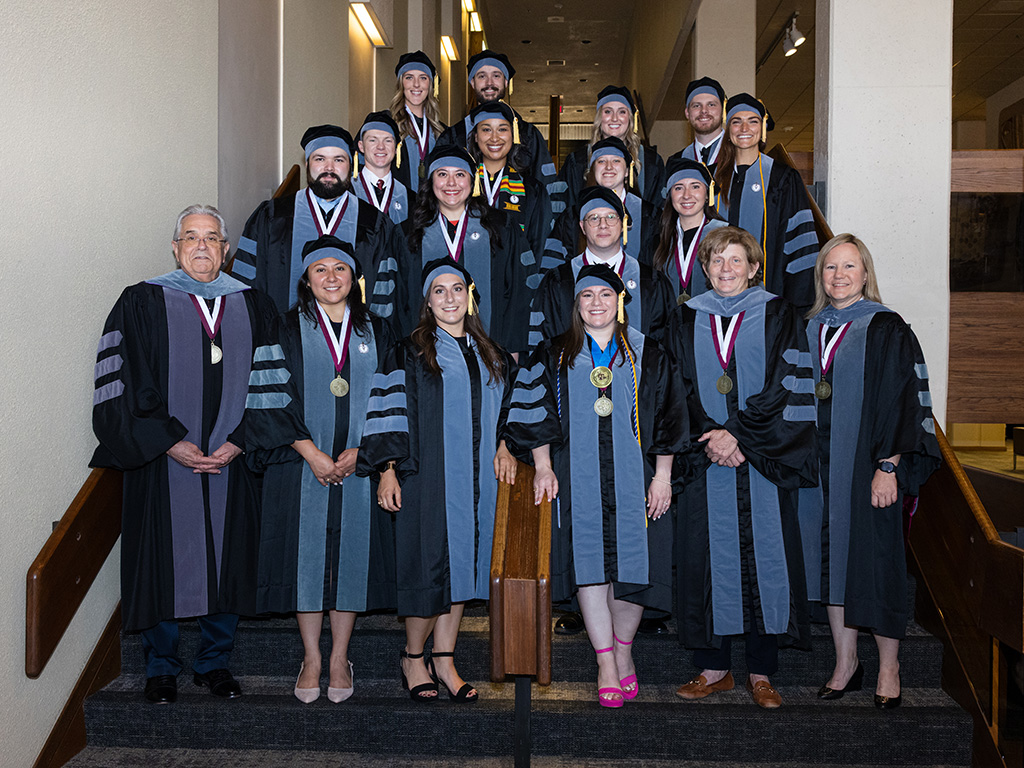
A group of DVM students and faculty in their academic regalia.
2025 VERO graduates, with VMBS dean Dr. John R. August, VERO associate dean Dr. Susan Eades, and assistant professor Dr. Kathleen Aicher, who led the charge to the class of 2025 at DVM Commencement

Four years ago, the Texas A&M College of Veterinary Medicine & Biomedical Sciences (VMBS) began a new chapter as the first cohort of 2+2 Doctor of Veterinary Medicine (DVM) students began their education at the Veterinary Education, Research, & Outreach (VERO) campus in Canyon, Texas.

For the VERO campus, which was first opened in 2009 in partnership with the West Texas A&M University Paul Engler College of Agriculture & Natural Sciences, welcoming its first cohort of veterinary students was a major milestone, allowing the VMBS to further expand its presence as it served Texas Panhandle veterinarians, livestock producers, and citizens through impactful education, training, and outreach.

In May 2025, that program achieved another milestone, with the first cohort of 2+2 students earning their DVM degrees.

As they begin their careers, these students are utilizing their passions, skillsets, and the unique opportunities gleaned from their VERO experiences to better serve people, animals, and rural communities across the United States.

Fertile Ground For Unique Opportunities

When the VMBS welcomed its first 2+2 students in August 2021, Texas A&M’s Class of 2025 was the largest veterinary class in the nation, with 180 students. The program also became the first to be located within the same state as its “home” veterinary school.

And the uniqueness of the program hasn’t stopped there.


“It’s the healthiest environment I’ve ever been in, in terms of seeing people work together, communicate with each other, and have each other’s backs. I really think that being the first class and the faculty being there for the first time solidified that relationship.”

– Dr. Alexa Mendoza

With a third of the nation’s fed beef cattle supply located within two hours of VERO, the campus provides ample opportunities for students to gain exposure to large and mixed animal rural veterinary medicine. In addition, the smaller class size and an almost one-to-one student-to-faculty ratio provides VERO students with a unique opportunity to foster close relationships with faculty.

“There is an open-door policy for students with faculty members, and when you have that level of interaction on a daily basis, it really allows the faculty to know the students on a much more personal level,” said Dr. Kristin Chaney, VMBS assistant dean for professional programs curriculum and assessment. “Those interactions allow them to develop great collegiality and it’s almost like a family atmosphere.”

Since its inaugural year, the 2+2 program at VERO has seen great success, with interest and the number of applicants growing each year.

The students’ success is also reflected in their academic performance. At the beginning of the third year of vet school, Texas A&M DVM students take the Veterinary Educational Assessment (VEA), a standardized exam focusing on basic sciences as the foundation of veterinary medicine. The VEA has been identified as a strong indicator of how students will perform on the North American Veterinary Licensing Examination (NAVLE).

VERO students’ scores exceeded the national standard, indicating similar success is in store for the NAVLE.

“We are really pleased with the performance of the students who have been selected for the 2+2 program,” Chaney said. “The students have scored the same or better on the VEA as the College Station cohort. The 2+2 students have also been able to assimilate beautifully with the students when they transition from Canyon to College Station to begin their third year.”

For the inaugural cohort, the 2+2 program has provided a close-knit community and equipped them with the skills needed to begin their veterinary careers. Below, members of that first class share their experiences and where their next chapter will take them.

Alexa Mendoza

A female student in a maroon shirt making the Gig 'em gesture.
Dr. Alexa Mendoza, photo by Jason Nitsch ’14, VMBS Marketing & Communications

For El Paso native Alexa Mendoza, nothing is more important than giving back to her community, so she is working toward a career that will allow her to serve the border city where she grew up.

Although it was nerve-wracking to join the VERO program during its first year, Mendoza was confident the program would be a success.

“It had the backing of A&M and was the same curriculum the students in College Station were learning,” Mendoza said. “Now, it’s been the best thing that I could have ever imagined for me.”

With the students and faculty both being new to the program, bonds were formed quickly.

“It’s the healthiest environment I’ve ever been in, in terms of seeing people work together, communicate with each other, and have each other’s backs,” Mendoza said. “I really think that being the first class and the faculty being there for the first time solidified that relationship.”

The VERO program also connected Mendoza with Dr. Meriam Saleh, a clinical assistant professor, allowing her to research tick-borne diseases and the effect they have on animals and the food supply.

This interest inspired Mendoza to remain at the VMBS following her graduation to begin a Ph.D. program studying African Swine Fever with Saleh. She hopes to one day return to El Paso to work along the border, helping animal and human populations.

Park Phillips
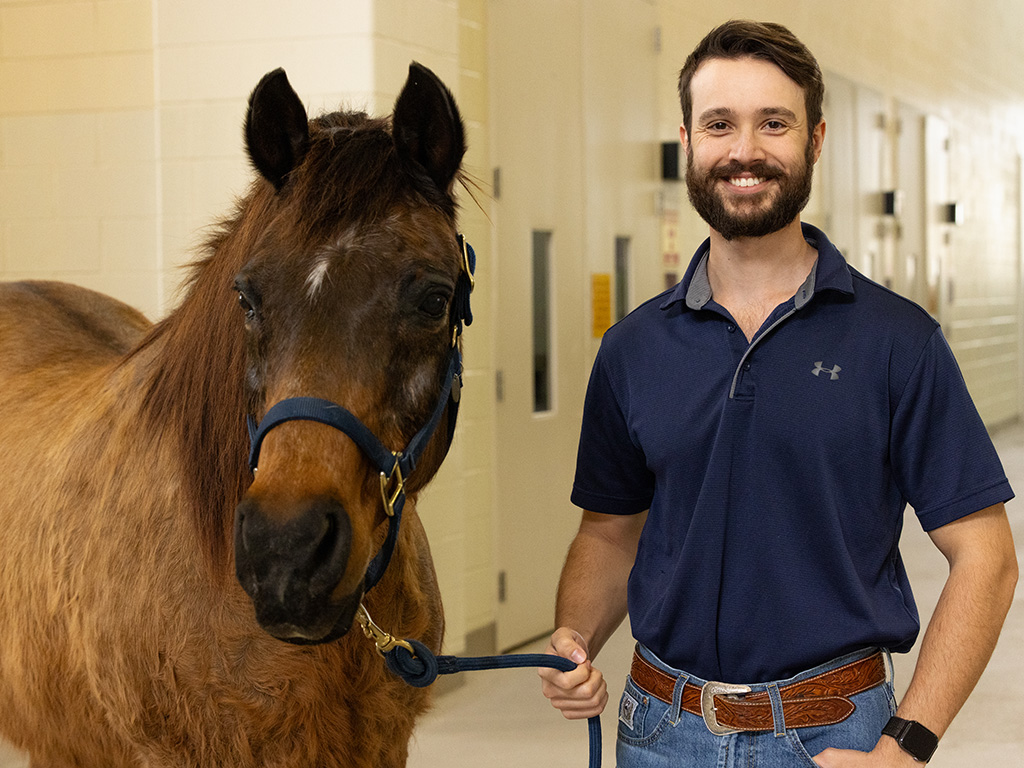
A brown horse and a young man in a navy blue shirt.
Dr. Park Phillips and Ziggy the horse, photo by Jason Nitsch

For Park Phillips, the idea of becoming a veterinarian began to take shape at an early age, largely because of a couple of key people in his life.

“There were some veterinarians who were pretty big influences; they were people I admired and looked up to outside of the veterinary profession as well,” the Madisonville native said.

One of these individuals was Dr. Dan Posey, a VMBS clinical professor and the director of student recruitment and professional relationships at VERO. Posey’s influence led Phillips to choose the 2+2 program, where he thrived in the smaller class sizes and family-like community.

“The best things I got from VERO are my closest friends,” Phillips said. “You always ask questions like, ‘What if I did things differently? What if I went to a different school or went to vet school in College Station for all four years?’ But I definitely wouldn’t have changed my decision, if not for the education then for the relationships I made with classmates and faculty.”

Although Phillips’ first love is horses, during his time as a veterinary student, he explored a secondary interest in food animal medicine.

“I would like to complete a residency in a surgery program that sees both food animals and horses; that just aligns better with my goals,” he said. “I know a lot of equine vets who still see cattle, even in their solely equine practices, and that’s what I would want to do as well.”

Phillips is now completing an equine internship in California; after that, he hopes to further hone his skills by completing a residency in large animal surgery — one that would allow him to explore his food animal interest as well.

Christina Edlebeck
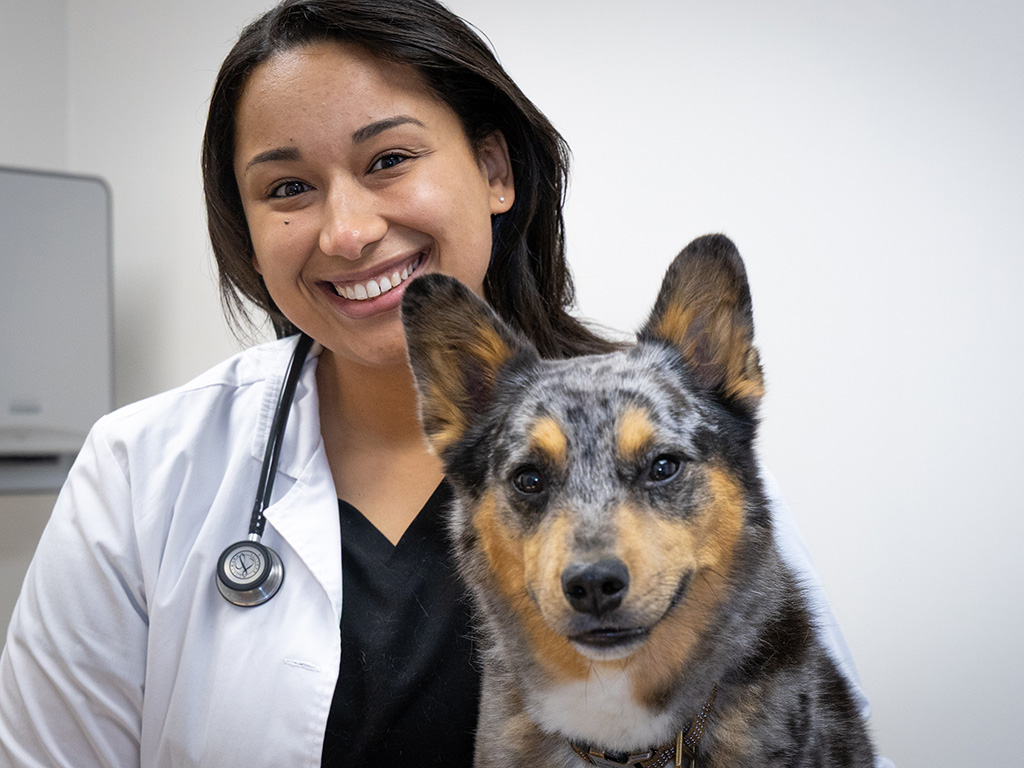
A DVM student with her dog.
Dr. Christina Edlebeck and her dog, Bailey; photo by Bethanie Sahms ’25, VMBS Marketing & Communications

Christina Edlebeck has lived all over the world, allowing her to gain a deep understanding of the importance of building strong communities. No matter where she was, Edlebeck was drawn to animals, helping her realize her dream of becoming a veterinarian.

In 2021, Edlebeck graduated from Texas A&M with a bachelor’s degree in wildlife and fisheries science and a minor in public health before deciding to join the 2+2 program.

“Studying at VERO was an incredible experience,” Edlebeck said. “I have so many fond memories of the faculty there. Dr. Susan Eades, the head of the VERO program, is like a mama bear. She’s always looking out for us, though she’s also not afraid to beat us in a game of volleyball.”

Edlebeck’s experiences in the DVM program solidified her desire to fully embrace the community leadership element of veterinary medicine. After her second year, she attended the Veterinary Leadership Experience, a week-long intensive leadership training program hosted by the Veterinary Leadership Institute.

“One of the most important ideas I took away from the program was the concept of servant leadership,” she said. “When you are a veterinarian, you are a leader in your practice, and you need to step up and be committed to the personal growth of the people who work in the clinic with you.”

Edlebeck’s experiences in the DVM program solidified her desire to fully embrace the community leadership element of veterinary medicine, and she has joined the Rochelle Veterinary Hospital in Rochelle, Illinois, where she is eager to bring her leadership to the practice and rural community.

Hannah Garthwaite

A young woman in a horse medical examination room.
Dr. Hanna Garthwaite, photo by Karis Olson ’26, VMBS Marketing & Communications

While the VERO program wasn’t Hannah Garthwaite’s original plan, she is incredibly grateful to be a part of the inaugural class.

Originally from rural Ohio, Garthwaite found herself in the Texas Panhandle as she pursued her bachelor’s degree in animal science at West Texas A&M University.

Garthwaite was previously enrolled in another DVM program until a life-threatening medical issue required her to withdraw. While devastating at the time, this setback allowed Garthwaite to meet Posey, who encouraged her to apply to the 2+2 program.

“As a small-town kid who appreciates face-to-face conversations and hands-on learning opportunities, VERO was the perfect fit for me,” Garthwaite said. “VERO is more than just a vet school — it’s a family. Not only did the professors know my name but they wholeheartedly cared about my education and well-being.”

The VERO faculty were deliberate in making Garthwaite and her classmates’ transition to College Station for their third and fourth years of veterinary school as smooth as possible.

“It was a bit of an adjustment for me, but Dr. Karen Cornell, associate dean for professional programs, and Dr. Eades bent over backwards to help make the transition as smooth as possible,” Garthwaite said.

Garthwaite has moved to Santa Fe, New Mexico, where she has started an equine internship with Thal Equine Clinic. She is grateful for the life-long friendships she made with her peers in the VERO program and is excited to support them as they all begin their careers. 

Texas A&M’s New Hemoperfusion Clinical Trial Offers Hope For Large Animal Patients

Two women in maroon polo shirts with a black mare standing between them.
Jet Black Dasher with Drs. Amanda Trimble and Kallie Hobbs

Jet Black Dasher, a quarter horse mare, arrived at the Texas A&M Large Animal Teaching Hospital (LATH) in critical condition, with numerous rapid-onset symptoms resulting from liver disease.

But after becoming the hospital’s first patient to receive an innovative hemoperfusion treatment as part of a new clinical trial, the 4-year-old mare has a second chance at life thanks to her dedicated team of Aggie veterinarians.

The LATH is now one of only two teaching hospitals in the United States offering this hemoperfusion treatment for horses, providing lifesaving hope for patients who are not responding to treatment and running out of time.

Onset Of Illness

Jaime Cardenas, Jet Black Dasher’s owner, first brought the mare home four years ago. As a young filly, Jet Black Dasher competed on the racing circuit, placing in several races in Louisiana. 

Cardenas noticed a decline in the mare’s health in May, and he quickly took her to his veterinarian in Waller, Texas.

“She stopped eating and we noticed that her gums and eyes looked yellow,” Cardenas said. “I decided right away to take her to the hospital. After running blood work and other tests, they couldn’t determine what was wrong, so they suggested I bring her to Texas A&M for a chance at saving her life. 

“I’m always trying to do the best I can for my animals,” Cardenas said. “I’ll do everything I can to see if I am able to save them.”

Jet Black Dasher’s last hope was the LATH, so Cardenas made the hour drive to College Station to see if the veterinarians there could save his mare.

A New Hope

Upon Jet Black Dasher’s arrival at the LATH, Dr. Amanda Trimble, a clinical assistant professor of equine internal medicine, and her team completed a full workup of diagnostic tests. They found that the mare had high levels of bilirubin — a toxic liver enzyme — and high ammonia in addition to lethargy and neurological signs like head pressing, which occurs when a horse presses their head against a wall in an attempt to relieve pressure from toxin buildup in the brain.

Following this assessment, Trimble’s working diagnosis was severe liver disease, so she began Jet Black Dasher on anti-inflammatories, liver protectants, and lactulose to lower the mare’s liver toxins and ammonia levels.

However, Jet Black Dasher’s illness continued to progress. 

Trimble knew she was running out of time, so she reached out to her colleague Dr. Kallie Hobbs, an assistant professor of equine internal medicine, about Hobbs’ new clinical trial on hemoperfusion to see if it could be an option for Jet Black Dasher. 

This hemoperfusion clinical trial is currently being offered to LATH patients as a secondary treatment if the patient is not responding to normal management.

After determining that the trial would be the best option for Jet Black Dasher, and consulting with Cardenas, the two decided to proceed with hemoperfusion treatment. 

A Life-Saving Treatment

For the treatment, Hobbs and her team inserted catheters into Jet Black Dasher’s blood vessels and connected them to a special machine that ran her blood through columns containing a polymer absorbent. The columns absorb particles under a certain size gradient, allowing only the healthy blood to return to the horse.

“In Jet Black Dasher’s case, we filtered through her blood volume twice, removing ammonia, cytokines, and bilirubin,” Hobbs said. “It was remarkable because in the first 30 minutes of treatment, she started eating again and seemed much brighter and happier.”

After the hemoperfusion, Jet Black Dasher’s health steadily improved. Her appetite returned and Trimble began weaning her off some medications. 

Trimble was also able to collect a liver biopsy to further understand Jet Black Dasher’s liver disease and develop a permanent treatment plan. From the biopsy, the team determined Jet Black Dasher had a more chronic liver condition that presented in an acute crisis.

Although Jet Black Dasher will likely have to remain on liver medications for the rest of her life, she now has a fighting chance because of the hemoperfusion treatment.

“Being able to stabilize her with the hemoperfusion allowed the liver treatments time to start working and allowed us to get a better diagnosis of what was going on,” Trimble said. 

Benefiting Future Patients

As the first horse at the LATH to receive the hemoperfusion treatment, Jet Black Dasher is paving the way for future patients in critical condition. 

While hemoperfusion treatment is typically only used after a normal treatment has failed, having access to this lifesaving procedure could make a drastic difference for owners.

“Being one of only two hospitals that offer hemoperfusions raises the level of care we can offer at Texas A&M,” Hobbs said. “If a horse is in critical condition, a hemoperfusion may be their last chance and they can immediately receive that treatment here.”

For Jet Black Dasher, Texas A&M’s focus on offering new, innovative treatments like hemoperfusion was key to saving the mare’s life.

“This is the second horse I have taken to Texas A&M, and they have saved both,” Cardenas said. “They offer groundbreaking treatments like the one that saved Jet Black Dasher, and I’m super grateful for that.”

To learn more about the clinical trial, please contact Hobbs at khobbs05@tamu.edu.

Seeking Fur-ther Expertise: When To See A Board-Certified Veterinary Specialist 

Two veterinarians examine a cat.

Veterinarians play an essential role in keeping pets healthy, often working as a team to ensure each animal receives the care it needs. In some cases, a board-certified specialist with advanced training in a specific body system or field of medicine may be sought to collaborate with primary care veterinarians, offering additional insight that helps expand diagnostic and treatment options.

Dr. Stacy Eckman, associate dean for hospital operations and chief executive officer for the Texas A&M College of Veterinary Medicine & Biomedical SciencesVeterinary Medical Teaching Hospital, explains what board certification involves and how these specialists work alongside general practitioners to provide advanced, highly coordinated care tailored to each patient’s needs.

Understanding Board Certification 

All practicing veterinarians must earn a Doctor of Veterinary Medicine (DVM) degree and pass a national licensing exam to treat patients, after which they can choose to enter the workforce or continue their training to pursue board certification.

“Board certification generally means that an individual has had additional training and education in their area of expertise,” Eckman said. “You can choose to be board certified in a variety of different specialties, such as cardiology, neurology, or pathology.”

Veterinarians who want to specialize typically complete a one-year rotating internship to explore a wide variety of specialties, followed by a  three or four-year residency in their chosen field. Some may also complete a one-year specialty internship before their residency to further prepare them for a residency program.

“Another path to board certification is through the American Board of Veterinary Practitioners, commonly referred to as practitioner boards,” Eckman said. “After spending a minimum of four years in general practice, veterinarians can pursue this certification by completing additional testing and submitting written work. This can also be achieved by completing a residency program under an ABVP specialist. Practitioner board certification is species-specific, with specialties such as equine, food animals, canine, feline, and exotics.”

When To Seek A Board-Certified Specialist

A primary care veterinarian can handle many common pet health concerns, but a board-certified specialist can provide an extra layer of expertise for complicated conditions and treatments.

“There are some things that a general practitioner may not be able to do, but a cardiologist or neurologist can,” Eckman said. “Like in human medicine where you have a doctor who specializes in treating specific health conditions — such as hormone-related conditions, eye surgeries, or brain disorders — veterinary specialists allow you to get care and answers that a general practitioner can not provide.”

Determining when it is time to seek care from a board-certified specialist can be overwhelming for many pet owners, but having a conversation with your primary care veterinarian is a great place to start. 

Most of the time, your primary care veterinarian will recognize that the case is outside their comfort level and it’s in the pet’s best interest to see a specialist. 

“Board-certified veterinarians collaborate very closely with the primary care veterinarian, who saw the animal first and, therefore, has a deeper understanding of the pet’s history and diagnostics and treatments already performed and response to that treatment,” Eckman said. “Specialists consult with them throughout the process, and when the pet is stable, they often return care back to the primary veterinarian.”

Considering The Costs 

While board-certified specialists are often necessary for treating complex issues, seeking care from a specialist can come with higher costs due to their specialized expertise.

“Typically, you are not just working with one specialist; you work with a team of multiple specialists — such as a cardiologist, an internist, and an anesthesiologist — to get their expert opinions,” Eckman said. “Additionally, there is specialty equipment involved for advanced imaging such as MRI’s, surgeries, and other procedures, which contributes to cost differences.”

Budget constraints can make decisions difficult for owners, but veterinarians are typically upfront about pricing and alternatives.

“If the top-tier recommended treatment is not affordable, having a conversation with your veterinarian about middle-ground options can help,” Eckman said. “It’s all part of the team working to get the best care for the patient within the client’s budget.”

As veterinary medicine continues to advance, access to specialized expertise is becoming easier, ensuring pets receive the highest level of treatment tailored to their needs. Staying informed about your pet’s health and having open discussions with your primary care veterinarian can help you determine when seeing a specialist is the right choice. 

Pet Talk is a service of the College of Veterinary Medicine & Biomedical Sciences, Texas A&M University. Stories can be viewed on the web at vetmed.tamu.edu/news/pet-talk. Suggestions for future topics may be directed to vmbs-editor@tamu.edu.

Millions of Human Malaria Diagnoses May Actually Be Brucellosis, Texas A&M Researchers Find

A researcher in a maroon shirt kneels in front of a group of African children.
Drs. Angela Arenas and Christopher Laine visit a local farm in Bafoussam, Cameroon, to learn about pastoral ranching practices and assess available resources and facilities with the goal of supporting sustainable livestock management and improving the livelihoods of local farming communities.

Brucellosis is a serious and often neglected disease endemic to many low- and middle-income countries around the world. Because it shares many of the same clinical symptoms as malaria — including fever and joint pain — it can be misdiagnosed.

Until recently, scientists have not known how often brucellosis is mistaken for malaria or other febrile illnesses, but new research from the Texas A&M College of Veterinary Medicine & Biomedical Sciences (VMBS) has discovered that as many as 7 million people worldwide may receive a misdiagnosis each year — vastly increasing the number of people estimated to have the disease.

If a patient is misdiagnosed with malaria, any treatment they receive will be ineffective because the two diseases have completely different causes — malaria is caused by parasites spread through mosquitoes while brucellosis is caused by bacteria spread through animals.

This not only means that millions of individuals are suffering without proper treatment but also that most affected countries’ doctors, veterinarians, and policymakers lack awareness of the disease’s characteristics and prevalence.

The VMBS research team, led by associate professor Dr. Angela Arenas, is now focused on providing information about the disease to educate these health professionals and leaders as well as community members in several countries.

A Life-Altering Disease

Three men, including a researcher in a maroon shirt, stand talking outside a building in Africa.
Drs. Christopher Laine and Abel Wade, the director general of Cameroon’s National Veterinary Laboratories, speak with a rural dairy farmer in Cameroon’s West Region about local farming practices, aiming to support sustainable agriculture and strengthen community health and livelihoods.

Brucellosis spreads to people from major livestock species, including cattle, pigs, sheep, and goats, as well as through consumption of unpasteurized dairy products.  

If the disease is not treated early, it becomes a chronic condition that can lead to neurological issues, cardiovascular issues, and potentially death.

“We call it a neglected disease because it’s underdiagnosed and there’s not enough funding to address it,” Arenas said. “Veterinarians and physicians don’t know about the disease, so they don’t know what to look for or how to diagnose it.”

Brucellosis symptoms can mimic malaria, typhoid, or even food poisoning, leading many people to get misdiagnosed multiple times before finally receiving the correct treatment, if they ever do.

“One of the major issues is that malaria is such a prevalent disease in many of these countries; it has hundreds of millions of cases per year,” said Dr. Christopher Laine, an assistant research scientist and epidemiologist in Arenas’ lab. “It’s very easy for brucellosis to get lost in that mix. But if just a small fraction of those diagnosed with malaria actually have brucellosis, you increase the incidence by millions.”

Refining The Numbers

Arenas’ team has visited several countries affected by brucellosis over the years, including Uganda, Tanzania, Kenya, Cameroon, South Africa, and Armenia.

They collaborated with Dr. Valen Johnson, a Distinguished Professor in Texas A&M’s Department of Statistics and former dean of the College of Science, to develop statistical models that predict brucellosis incidence based on proven rates in similar countries.

“For example, Kenya had information from before they prioritized the disease — when there was no brucellosis diagnosis — and then after they prioritized it,” Laine said. “Overall, these countries found that 4-11% of their malaria cases were actually brucellosis. We took brucellosis rates from places like that and applied them to places that were very similar.” 

When developing their final estimates, the team determined that there was likely a .25-4% increase to the global incidence rate of brucellosis — which would escalate the number of affected individuals by 2.1 million to 7 million people worldwide.

“We wanted to be very conservative in our estimates while still showing physicians out there that they need to start paying attention to brucellosis,” Laine said. “Because, even if they’re only wrong once out of 400 times, that still equals millions of cases overall.”

A Real-World Impact

A team of scientists working in a lab.
Dr. Angela Arenas mentors a Cameroonian Ph.D. student and lab technician in creating a sustainable brucellosis test at the National Veterinary Laboratory in Yaoundé, Cameroon, to improve disease control in resource-limited communities.

While the team is continuing their research — including by studying bacteria prevalence in raw milk and testing individuals they suspect to be misdiagnosed — they will also continue their education and outreach missions.

“We’re focused not only on finding the problem but also telling the policymakers and stakeholders what to do next,” Arenas said. “We need to create awareness among them that the brucellosis problem is huge compared to what they were thinking.”

Thanks in part to funding from the United States Department of Defense, National Institutes of Health, and Department of Agriculture, the team works with small-scale farmers, professors, physicians, and public health personnel in affected countries to educate them about the disease’s symptoms and how it spreads. Veterinarians also play a major role in controlling the spread of the disease.

“If we control the disease in animals, we control the disease in humans,” Arenas said.

The team is also providing new training opportunities for the next generation of researchers in affected countries who are hoping to dedicate their careers to fighting brucellosis and similar diseases.

“Right now, our team has three Ph.D. students from Cameroon who got all their degrees in Africa but came here to get trained,” Arenas said. “We’re focused on sustainability and empowering these individuals so that once we leave their countries, they can fight the disease themselves.” 

Brucellosis also holds importance for currently unaffected countries like the U.S. because of how quickly it spreads and its potential use as a bioweapon. 

“If we are not prepared and we don’t have all the international stakeholders aware of and creating countermeasures to prevent, detect, and control the disease, it could have a huge societal impact at the global level,” Arenas said. “It’s very important to control it there so it doesn’t come back here, either naturally or in a nefarious manner.”

###

For more information about the Texas A&M College of Veterinary Medicine & Biomedical Sciences, please visit our website at vetmed.tamu.edu or join us on FacebookInstagram, and X.

Contact Information: Jennifer Gauntt, Director of VMBS Communications, Texas A&M College of Veterinary Medicine & Biomedical Sciences, jgauntt@cvm.tamu.edu, 979-862-4216

VMBS Hosts Annual VMSRTP Research Symposium

A group of about twenty students standing on the steps to a building.
The VMSRTP cohort of 2025

Twenty veterinary students celebrated a successful summer of research on Aug. 1 during the Texas A&M College of Veterinary Medicine & Biomedical Sciences’ (VMBS) annual Veterinary Medical Scientist Research Training Program (VMSRTP) Research Symposium.

During the symposium, VMSRTP participants— who spent 13 weeks conducting full-time research under the advice and direction of a faculty member — gave 12-minute oral presentations on their work as part of a competition that was judged by faculty members on the VMSRTP Advisory Committee; the two most outstanding oral presenters received $250 book awards, supported by Dr. Larry Suva, a professor in the Department of Physiology and Pharmacology (VTPP).

Alexandra Aucoin, a third-year veterinary student, who worked with Dr. Noah Cohen, a distinguished professor of Equine Internal Medicine, received the Outstanding Clinical Research Presentation Award, and Olivia Jones, a second-year veterinary student, who worked with Dr. Ellie Rahbar, an associate professor in VTPP with a joint appointment in the Department of Biomedical Engineering, received the Outstanding Translational Research Presentation Award.

Cohen was also recognized with the Outstanding VMSRTP Research Mentor award not only for his mentorship this year but also for his longstanding mentorship of numerous students, including Drs. Rebecca Legere and Angela Bordin who are both now assistant professors of equine internal medicine and VMSRTP mentors themselves.

In addition to their oral presentations, students developed poster presentations. Three students received $250 book awards for their poster presentations, which were presented at the 2025 Veterinary Scholars Symposium (VSS) in Spokane, Washington:

  • Annabelle Newton, a second-year veterinary student, who worked with Dr. Thomas Edwards, an associate professor in the Department of Small Animal Clinical Sciences, received the Outstanding Clinical Research Poster Presentation Award, supported by the Department of Small Animal Clinical Sciences;
  • Abigail Williams, a second-year veterinary student, who worked with Drs. Ashok Shetty, a professor in the Department of Cell Biology and Genetics, and Madhu Leelavathi Narayana, a research scientist at the Texas A&M Institute for Regenerative Medicine, received the Outstanding Translational Research Poster Presentation Award, supported by the Associate Dean for Research and Graduate Studies; and
  • Anna Schmieding, a second-year, veterinary student, who worked with Dr. Guilherme Verocai, a professor in the Department of Veterinary Pathobiology (VTPB), received the Outstanding Epidemiological Research Poster Presentation Award, supported by the Department of Veterinary Integrative Biosciences.
Two professors posing, one holding an award.
Drs. Dana Gaddy and Noah Cohen

“Our 20 Texas A&M scholars all gave outstanding presentations of their posters at the VSS, where more than 600 total posters were presented,” said Dr. Dana Gaddy, a professor in the Department of Veterinary Integrative Biosciences and VMSRTP director. “My fellow directors, Drs. Tracy Vemulapalli and Chuck Long, and I were so pleased to see the knowledge, enthusiasm, and professionalism displayed by each and every one of our scholars. We are so proud with how well they all represented their mentors and laboratories, the VMBS, and Texas A&M. The future is bright with this 2025 VMSRTP cohort of budding veterinarians and veterinarian scientists!”

Three students received competitively awarded funding to participate in this summer’s program:

  • Reagan Stephens, a third-year veterinary student who worked with Legere, was funded by a research fellowship from the Morris Animal Foundation;
  • Miyu Sakaguchi, an international student who worked with Drs. Caitlin Mencio, an assistant research scientist in VTPB, and Sarah Hamer, a professor in the Department of Veterinary Integrative Biosciences, was funded by Boehringer Ingelheim; and
  • Paul Klett, an international student who worked with Dr. Robert Valeris-Chacin, a VTPB assistant professor, also was funded by Boehringer Ingelheim.

The VMBS’ 2+2 DVM program at the Veterinary Education, Research, & Outreach (VERO) Campus in Canyon was represented by Klett and Kourtney Mayfield, a second-year veterinary student who worked with Drs. Paul Morley, a professor in the Department of Large Animal Clinical Sciences (VLCS), and Lee Pinnell, a VLCS research assistant professor.

The VMSRTP’s mission is to introduce veterinary students to research opportunities and careers. If you are interested in participating in the program, visit tx.ag/VMSRTP.

###

For more information about the Texas A&M College of Veterinary Medicine & Biomedical Sciences, please visit our website at vetmed.tamu.edu or join us on FacebookInstagram, and X.

Contact Information: Jennifer Gauntt, Director of VMBS Communications, Texas A&M College of Veterinary Medicine & Biomedical Sciences, jgauntt@cvm.tamu.edu, 979-862-4216

Taking Steps To Alleviate Interdigital Cysts In Dogs

A dog putting its paw on a woman's hand.

Between going on walks, running to the door, and jumping on the couch, many dogs spend most of their day on their feet. But when a dog’s routine suddenly slows down, owners might not realize that the problem could be related to their pup’s paws — or more specifically, to something hiding between their toes.

Dr. Christina Gentry, a clinical assistant professor at the Texas A&M College of Veterinary Medicine & Biomedical Sciences, provides insight into recognizing and treating interdigital cysts in dogs. 

Identifying The Problem 

Interdigital cysts are inflamed, swollen bumps that appear between a dog’s toes, typically presenting on the front paws.

“Interdigital cysts — also called interdigital furunculosis — may be soft, firm, or somewhere in between,” Gentry said. “They may or may not have open, draining wounds with bloody discharge.”

Dog breeds prone to developing interdigital cysts include:

  • American pit bull terriers
  • Bulldogs
  • Bull terriers
  • French bulldogs
  • Labrador retrievers

In the bully breeds, the condition is often the result of a combination of factors, including allergies, hair type, poor limb conformation, and obesity, according to Gentry.

Cysts may also be caused by a foreign body — typically plant material like grass, sticks, and thorns or small pieces of metal — becoming stuck between the toes.

Noticing The Signs

Recognizing the changes in your pet’s appearance and behavior can help in identifying interdigital cysts early on. 

Owners may notice swelling between the toes, making them appear splayed apart. With further inspection, fluid drainage from the cysts may also be visible.  

Other signs of interdigital cysts include:

  • Lameness
  • Walking tenderly
  • Licking at feet
  • Chewing at feet

Alleviating The Issue

 Interdigital cysts can lead to long-term consequences without a treatment plan in place, so consulting a veterinarian is vital. 

“Interdigital cysts left untreated can cause dogs to change where they bear weight while walking — leading to joint pain in some patients,” Gentry said. “Also, deep infections can develop in ruptured cysts, which can lead to chronic pain and tissue damage.”

In order for a veterinarian to recommend a treatment plan, the underlying cause of the cyst must be identified through a physical examination and testing a sample of the fluid draining from the area.

“A single cyst due to a foreign body that is secondarily infected may require surgery and antibiotics for resolution,” Gentry said.

“For dogs with cysts caused by allergies, chronic use of allergy medications or diet changes are likely required in addition to treating any secondary bacterial or yeast infection,” she said. “Topical medications to reduce inflammation and treat the infection are often used in this scenario.”

The most common mistake owners make when their pet has interdigital cysts is attempting to take matters into their own hands by opening or draining the cysts at home without consulting a veterinarian, which can lead to dangerous infections. 

The best way to help an affected dog is to make an appointment with a veterinarian as soon as a potential cyst is spotted. Rapid intervention helps ensure the pet receives proper care and can return to its healthy and active life as soon as possible.

Pet Talk is a service of the College of Veterinary Medicine & Biomedical Sciences, Texas A&M University. Stories can be viewed on the web at vetmed.tamu.edu/news/pet-talk. Suggestions for future topics may be directed to vmbs-editor@tamu.edu.

New Texas A&M VERO Faculty Member Brings Passion For Rural Medicine, Mentoring Students

A woman in a black polo and jeans standing outside.
Dr. Audra Jones, photo by Jason Nitsch ‘14, VMBS Marketing & Communications

Dr. Audra Jones, a clinical assistant professor and experienced rural veterinary practitioner, has joined the faculty at the Texas A&M College of Veterinary Medicine & Biomedical Sciences’ (VMBS) Veterinary Education, Research, & Outreach (VERO) campus in Canyon.

For her new position in the Department of Large Animal Clinical Sciences, Jones will play a vital role in expanding opportunities for students to get hands-on experience with large animals in the Texas Panhandle community.

Discovering Dreams

With an upbringing surrounded by orchards and animals, Jones fell in love with rural living while growing up in a small farm town in Northern California. Spending time with the beef cattle on her family’s farm also allowed Jones to gain a fascination with livestock.

“I grew up showing cattle and just fell in love with animals from an early age,” Jones said.

Throughout her childhood, Jones’ passion for animals evolved into an interest in veterinary medicine. When it was time for her to begin college, she left her farm town but carried her veterinary dreams with her.

“I went to New Mexico State first and then transferred to West Texas A&M (WT), where I graduated with my pre-veterinary animal science degree in 2018,” Jones said.

Jones then moved north to begin veterinary school at Kansas State University, going on to graduate in 2022. Her fond memories of WT led her to return to the Texas Panhandle for her first job post-graduation.

“I had the opportunity to work at Muleshoe Animal Clinic, a mixed animal practice handling mostly dairy cattle and small animals,” she said. “I was always cattle focused, but I discovered that I like feline medicine a lot as well.”

Following a return to the Golden State for two years — during which time she worked at Lander Veterinary Clinic in Turlock, another large animal practice, and worked as a small animal relief veterinarian — she found herself drawn back to the Lone Star State and set her sights on Texas A&M’s VERO campus.

“I knew combining my interests in rural mixed practice and mentoring students would be a perfect fit for me,” Jones said.

Circling Back To Texas

Her past experience with the Texas Panhandle landscape and people during her time at WT allowed Jones to quickly feel at home in Canyon.

“Already knowing what the people are like and what it’s like to be a professional in a small community made my transition smooth,” she said. “I’ve always loved the Panhandle and the people here — they’re just genuinely nice.”

Jones also enjoyed being wholeheartedly welcomed into the veterinary community at VERO, which often collaborates with WT’s animal science department. 

“I’m working alongside some of the best doctors, professors, and advisors in the world,” she said. “The fact that I get to work with people who taught me is just spectacular.”

Jones’ main responsibility in her new role will be helping run the rural medicine rotation for fourth-year Doctor of Veterinary Medicine (DVM) students; these two-week experiences give Aggie veterinary students the opportunity to work in real rural veterinary practices and gain experience with actual cases and clientele.

“Our goal is to expand opportunities for students to come up to the Panhandle and work in more rural practices, which will not only benefit them but also the Panhandle community,” Jones said.

Jones will also be teaching VERO’s 2+2 DVM program students about bovine and feline medicine; helping lead fourth-year feedlot and dairy rotations; and assisting with pre-veterinary advising for WT undergraduates.

With a background in rural areas, Jones is able to share her personal experiences and express to students the immense responsibility — as well as the many benefits — of acting as a veterinary professional in a small community.

“It’s so neat to have so much support around you,” Jones said. “Everyone just looks out for each other, and, for young veterinarians especially, it’s nice to know that people have your back.

“I’m a pretty recent graduate myself, so being able to give these students that perspective in a professional role is something that I hope they don’t take for granted — and I do strive to be a really good mentor to these students,” Jones said.

Pursuing With Purpose

With her new role allowing her to both teach students and treat patients during the rural medicine rotation, Jones is delighted to have the best of both worlds — and Texas A&M is all the better for her arrival.

“I saw such a neat opportunity to come back and work in an area that I already loved and had a community in,” Jones said. “Being a part of VERO and the Texas A&M community fit my goals of being a good mentor and will also help me grow in my professional development.”

Outside of work, Jones is an avid reader and particularly enjoys studying history. She also enjoys travelling and lifting weights at the gym.

While lounging at home, she is surrounded by her cats — Vader and Duchess — with Captain Jack Sparrow, her fish, not too far from the party.

Having gone from an ignited passion in a small farm town to the chance to share that passion with students, Jones’ new position at VERO is everything she could have dreamed of.

###

For more information about the Texas A&M College of Veterinary Medicine & Biomedical Sciences, please visit our website at vetmed.tamu.edu or join us on FacebookInstagram, and X.

Contact Information: Jennifer Gauntt, Director of VMBS Communications, Texas A&M College of Veterinary Medicine & Biomedical Sciences, jgauntt@cvm.tamu.edu, 979-862-4216

Texas A&M Veterinarians Help Tiny Kitten Get Her Voice Back

Veterinary experts used an advanced surgery and collaborative care to restore a young cat’s jaw function and quality of life.

A cute tabby cat with an off-center jaw looks excitedly at the camera.
Skittles, photos by Jason Nitsch ’14, VMBS Marketing & Communications

From the moment her stray family was found, Skittles, a 6-month-old tabby, was no ordinary kitten. Unlike her siblings, she was noticeably smaller and struggled to eat because of what appeared to be a serious mouth injury.

At the Texas A&M College of Veterinary Medicine & Biomedical Sciences Small Animal Teaching Hospital (SATH), a team of specialists — including Dr. Adriana Regalado, an assistant professor of dentistry, and Dr. Audrey Cook, a professor of internal medicine and interventional radiology — worked together to provide the advanced medical care Skittles needed to eat, meow, and play like a normal kitten.

With her big eyes, crooked grin, and determination, Skittles has proven to be a fighter, overcoming every obstacle in her path.

A Challenging Case

Audrey Mohan, Skittle’s owner, never intended to have a cat. But after feeding a family of strays on her fiancé’s land, she noticed one kitten was in distress.

“She wasn’t doing well. She was lethargic and struggling to drink water,” Mohan said. “So, I decided to take her to an animal hospital.”

At less than 1 pound, Skittles was too small for flea medicine and extremely low in red blood cells. On top of this, she had clearly suffered an injury of some kind; one of her front legs was infected and swollen to three times its normal size.

A local veterinarian performed an amputation of the leg, but, soon, an even bigger issue became apparent.

“About a month after the amputation surgery, she started to lose function in her jaw and the only way she could eat was by sticking her tongue in and out of her mouth to lick food,” Mohan said. “That’s when we were sent to a specialist, who then referred us to Texas A&M.”

Finding Answers

A veterinary dental specialist examines a small cat's mouth.
Dr. Adriana Regalado examines Skittles

When Skittles arrived at the SATH, she was evaluated by the Dentistry Service, where Regalado discovered a complex issue — her jaw was locked shut on one side and fractured on the other. 

Clearly, Skittles had experienced a serious injury at some point in her young life, but it was impossible to know exactly what happened. No matter what the cause was, the most important thing was finding a way to improve her quality of life.

“Because Skittles was growing, the healing process from when she broke her jaw happened very quickly, but, unfortunately, it healed when the bones weren’t aligned properly,” Regalado said. “The upper jaw and lower jaw fused together into one solid bone, completely locking her mouth shut.”

Skittles desperately needed surgery to unlock her jaw, but because of her small size, the procedure would be especially challenging, requiring a team of specialists and advanced equipment to ensure a successful outcome.

“Skittles was tiny. That type of surgery at that age becomes risky,” Regalado said. “We are working near important parts, like the brain, major blood vessels, and nerves. Instead of cutting the joint and risking unintended damage, we chose to remove a piece of the lower jaw to allow easier movement.”

Anesthesia was another major hurdle. With Skittles’ jaw locked, placing a breathing tube was nearly impossible. 

“Normally when a patient is anesthetized, we open the mouth and place a breathing tube right away,” Cook said. “But with Skittles, we couldn’t open her mouth at all, so we had to take a different approach to keep her safe.” 

Using one of the hospital’s smallest endoscopes, the team was able to navigate through a tiny gap on the side of her mouth to locate her airway. From there, they gently threaded a guide wire into the airway and slid the breathing tube over it — a process called scope-assisted intubation. 

“These are challenging cases because if we can’t secure the airway right away, we can’t use our equipment to breathe for the patient during surgery,” Cook said. “We had a detailed plan in place and coordinated closely with anesthesia and dentistry to make sure everything went smoothly.” 

The complex procedure, which lasted three hours, required precision and the collaboration of multiple specialists in dentistry, anesthesiology, radiology, and internal medicine.

A New Life, A New Sound

A veterinarian dental specialist checks on a tiny cat's mouth.
Skittles visits the Dentistry Service to check on her jaw function following surgery

When Skittles woke up from surgery, she meowed for the first time in months.

“She had meowed when her jaw was open as a little kitten but when it locked shut, she couldn’t make a sound,” Mohan said. “After surgery, she opened her mouth, yawned, and meowed.”

With Skittles’ jaw successfully treated, she made a full recovery. Today, her jaw has regained its function, allowing her to eat and drink with ease, as she enjoys her new life as a cherished house cat. 

While her tongue sticks out due to her misaligned jaw, it has only added to her charm.

“She loves to play, and she does such funny things all the time,” Mohan said. “She’ll run right in front of you and roll on her back because she wants you to pet her stomach.”

Thanks to the kindness of her caretakers and the exceptional skill of her Texas A&M veterinarians, Skittles now enjoys a happy, playful life as a cherished member of the family.

“Skittles’ recovery was a true team effort,” Regalado said. “Every single person involved — including Skittles’ owner and all our medical staff — played a role in her survival.”

###

For more information about the Texas A&M College of Veterinary Medicine & Biomedical Sciences, please visit our website at vetmed.tamu.edu or join us on FacebookInstagram, and X.

Contact Information: Jennifer Gauntt, Director of VMBS Communications, Texas A&M College of Veterinary Medicine & Biomedical Sciences, jgauntt@cvm.tamu.edu, 979-862-4216

$1.6M NIH Grant Supports Texas A&M Research To Improve Fracture Healing For People With Obesity

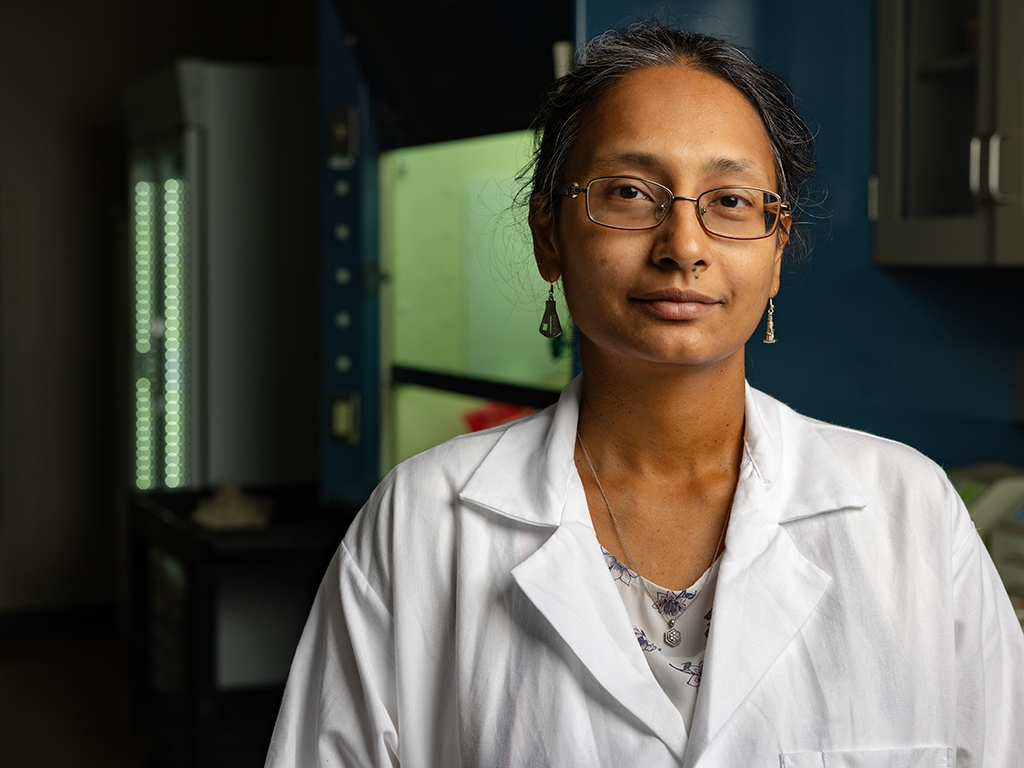
A female researcher in a white lab coat stands in her laboratory.
Dr. Srividhya Iyer, photos by Jason Nitsch ’14, VMBS Marketing & Communications

More than 100 million people in the United States have obesity, a condition linked with diabetes, cardiovascular disease, strokes, and nerve damage. Among the states with the most obesity cases, Texas ranks No. 10.

With prevalence of the disease expected to rise by 2050 — when one-third of children and adolescents are expected to be overweight or obese — researchers are racing to uncover new treatment options to benefit this ever-growing population.

In this quest, research recently revealed a link between obesity, diabetes, and poor bone fracture healing.

“People with Type 2 diabetes and obesity are more susceptible to bone fractures; their bones don’t heal at normal rates, or sometimes at all,” said Dr. Srividhya Iyer, an assistant professor in the Texas A&M College of Veterinary Medicine & Biomedical SciencesDepartment of Veterinary Physiology & Pharmacology.

Having a bone fracture that won’t heal often leads to surgery and can lead to amputation, a procedure that more than 160,000 American diabetics undergo each year, according to the American Diabetes Association.

Now, with a $1.6 million grant from the National Institutes of Health, Iyer and her team will spend the next three years researching the relationship between diabetes, obesity, and bone fractures. They hope to develop a treatment that can help stubborn bone fractures heal, thus preventing further complications and improving quality of life for people with diabetes and obesity.

Bone Health And Diabetes

A research professor shows students how to interpret microscope readings.
Iyer assists research associate Emmanuella Amara Ofoka and undergraduate student David Matl

Until recently, bone health has not played a large role in the conversation around diabetes and obesity.

“We know that individuals with excess weight have a predisposition to develop Type 2 diabetes and cardiovascular problems,” Iyer said. “What has not been appreciated is that they also have weaker bones, which increases the chance of fracture.”

But the complications don’t end there. Not only are people with obesity or diabetes more likely to break a bone, but their bones also take longer to heal — if they do at all.

“Normally, if you break a bone, you receive a cast for four weeks while the fracture heals,” Iyer said. “But if you have Type 2 diabetes or obesity, you are likely to be in the cast for longer, which means having a temporary disability for longer, affecting your quality of life.”

Because the differences between healthy bones and weakened ones don’t show up in standard X-rays and bone mineral density tests, the full problem is only now starting to be recognized by the medical research community based on statistics of people with bone fracture complications.

“When a broken bone does not heal properly, there is pain and swelling in addition to what a patient may normally experience from a fracture,” Iyer said. “Most doctors will recommend surgery at that point, and if that does not work, then the only option may be amputation.

“All of these steps cost time, money, and quality of life for the patient, which is what we are trying to prevent,” she said.

Illuminating The Black Box

To find a solution for stubborn bone fractures, Iyer and her team are investigating the underlying mechanisms that affect bone repair.

“When you get injured, there are certain cells that wake up and begin to repair the break, whether it’s a bone fracture or a skin abrasion,” Iyer said. “They create a kind of ‘glue’ or bridge across the fracture, which then ‘cements’ the injury so there’s no evidence that there was a break.

“But in people with diabetes or obesity, the process either takes longer, doesn’t work at all, or pauses at a certain stage. We really do not understand what the problem is — it’s a black box,” she said. “There is some process that needs to be corrected. Are the cells not making enough material to bridge the fracture? Is there something breaking down the bridge? Figuring out what’s going on is what this grant is about.”

Fighting Long-Term Risks

Two researchers in white lab coats perform experiments.
Undergraduate student Viraj Agrawal performs tests while supervised by senior research associate Dana Godfrey.

One of the problems with obesity and diabetes-related bone weakening is that the problem persists even if an individual’s diabetes is under control.

“Even when blood sugar is stable with medication, a person can have low rates of bone healing and the chances that they don’t heal are three to five times higher,” Iyer said. “The chances of needing to undergo a follow-up surgery for musculoskeletal complications also rises. There is even an increased mortality risk because of the chance of bacterial infections or sepsis in a part of the body that cannot be amputated.

“What used to be a problem common in elderly populations now affects people of all ages,” she said. “It has consequences for Texans, the U.S., and the world.”

Providing Hope

The good news is that Iyer and her team are working hard to uncover treatment options for  people who have trouble healing fractures. One part of the grant involves testing therapeutic drugs to see if the researchers can “trick” stubborn bones into healing like they would in a lean person.

“We know that obesity and Type 2 diabetes are associated with certain changes in the body, like higher blood glucose, insulin resistance, and the altered sentinel functions of the cell, which look out for threats. It’s possible that these factors are acting preemptively to suppress the healing process,” Iyer said. “We hope that there may be a drug that can encourage these systems to operate normally.”

###

For more information about the Texas A&M College of Veterinary Medicine & Biomedical Sciences, please visit our website at vetmed.tamu.edu or join us on FacebookInstagram, and X.

Contact Information: Jennifer Gauntt, Director of VMBS Communications, Texas A&M College of Veterinary Medicine & Biomedical Sciences, jgauntt@cvm.tamu.edu, 979-862-4216

Taking Stock For Disasters: Developing A Large Animal Preparedness Plan

A horse being led out of a trailer.

When a disaster is on the horizon, timely evacuation can become that much more challenging for owners whose horses and livestock can’t simply squeeze into the backseat. These animals often depend entirely on their owners to shield them from the elements within their pasture, so having a proper plan in place is vital for their safety.

Dr. Kyle Johnson, a clinical assistant professor at the Texas A&M College of Veterinary Medicine & Biomedical Sciences, offers insight into disaster risks and preparedness methods for large animal owners.

The Threat Of Wind, Water, And Wildfires

Natural disasters that can impact horses and livestock include seasonal concerns like extreme summer heat and winter ice as well as sudden events like hurricanes, tornadoes, floods, and wildfires. 

Any storm with strong winds brings the threat of flying debris. 

“When airborne, this debris can cause traumatic injuries — such as lacerations and puncture wounds — to horses and livestock,” Johnson said. “These high winds can also cause barns, shelters, and other structures to collapse.”

Flooding brought on by a storm’s heavy rain is another major threat for large animals exposed to the elements.

“If an animal is forced to stand in floodwaters because it is confined to a stall or a flooded pasture, it can suffer from a variety of injuries, including severe dermatitis, pneumonia, and gastrointestinal or neurological disease — collectively known as submersion injury,” Johnson said. “Floodwater can also be heavily contaminated with a variety of substances, such as petroleum products, agricultural and industrial chemicals, pesticides, and bacterial organisms like E. coli.”

Completing nature’s triple threat against horses and livestock is the potential harm brought by wildfires.

“When these animals inhale the smoke from wildfires, it can cause irritation of their eyes and lungs,” Johnson said. “Animals may cough, have increased respiratory rates, and nasal discharge. Fires can also destroy or contaminate any available forage for grazing animals. In these cases, animals will either need to be moved or high-quality forage will need to be delivered to them.”

“At times like these, proper animal identification is critical, as it makes returning these animals to their owners and pastures much easier after floodwaters have receded and fires have been extinguished,” Johnson said.

Methods of large animal identification include:

  • Microchipping
  • Ear tags 
  • Plastic neck bands
  • Branding
  • Tattoos

Thinking Ahead

Simply deciding to evacuate your horses or livestock isn’t enough. Having a safe place to go is also a vital part of your plan. Furthermore, knowing how to get there and having alternate routes can also be critical to an effective evacuation. 

“A vital first step in any evacuation is the ability to quickly and safely load your horses into a horse trailer,” Johnson said. “Practice makes perfect so practicing loading your horse can be helpful so when you must leave. It’s also important to ensure that the trailer is regularly maintained.”

A plan is merely an idea unless it is written down. Copies should be made and stored both on-farm and in alternate, but known and accessible, locations. It should also be rehearsed, even if only briefly, and everyone should have a thorough understanding of the plan and know their role.

Emergency Kit Preparation

Companion animal owners are encouraged to plan ahead in the event that an evacuation might be needed by creating an emergency “go kit” of necessities for their pets; having the same kind of kit in the event that you need to evacuate large animals will make that process easier as well. 

An emergency kit for large animals should contain enough supplies to last at least 72 hours, and possibly up to two weeks.

“Water is arguably the most important part of an emergency kit,” Johnson said. “An adult horse needs roughly six-10 gallons of fresh water per day. As such, a kit should include at least three days’ worth of water per horse, with enough feed to last one to two weeks.”

Additional emergency kit materials include:

  • Registry paperwork
  • Copies of medical records
  • First-aid supplies
  • Identifying photographs
  • Feed and water buckets
  • Extra halters and lead ropes
  • Cleaning supplies
  • Medications

Pre- And Post-Disaster Resources

Before a disaster strikes, an owner’s best preparation resource is their regular veterinarian, who can provide copies of important documents and ensure that horses are properly vaccinated and in good health.

“It is important for horse owners to know their neighbors or, if the horse is kept in a boarding barn, the barn manager and other boarders at the facility,” Johnson said. “These relationships can promote mutual aid when disaster strikes.”

There are also a variety of resources available for members of the public to obtain accurate and up-to-date information about disasters that may impact their area, including automated emergency alert systems in the form of texts, emails, or apps.

Knowing how weather may affect your property and having a plan in place are the best ways to protect your horses and your herds and to stay ahead of the chaos.

“As Dr. Deb Zoran, director of the Texas A&M Veterinary Emergency Team, says, ‘hope is not a plan.’ Owners should plan for disaster, discuss their plan with others, prepare their emergency kits, and be ready to act,” Johnson said. “With disasters becoming more frequent and catastrophic, it’s not a matter of if, but when.”

Pasture Talk is a service of the College of Veterinary Medicine & Biomedical Sciences, Texas A&M University. Stories can be viewed on the web at vetmed.tamu.edu/news/tag/pasture-talk/. Suggestions for future topics may be directed to vmbs-editor@tamu.edu.