A Toxic Detour: Understanding Liver Shunts

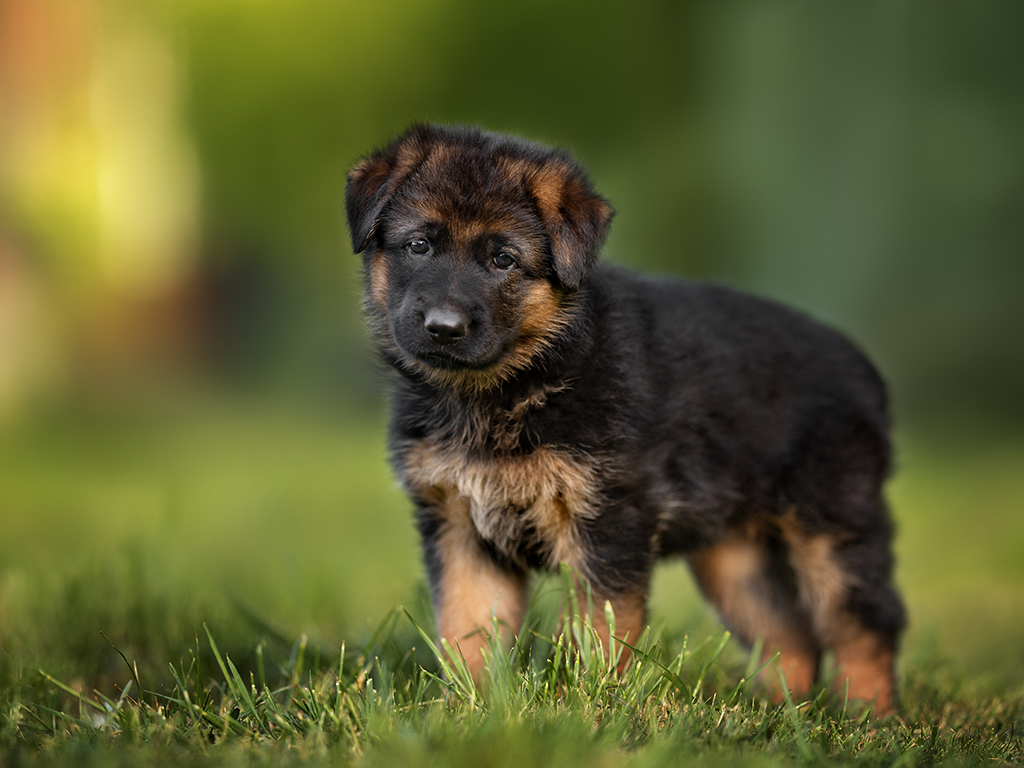
A puppy standing in the grass.

Sometimes, the body takes a wrong turn. In pets with a liver shunt, an abnormal blood vessel creates a detour that sends blood around the liver rather than through it — and that single wrong turn can have a big impact on their health.

Dr. Genna Atiee, a clinical associate professor at the Texas A&M College of Veterinary Medicine & Biomedical Sciences, explains what liver shunts are, how to recognize the signs, and the options available for treatment. 

A Shortcut Gone Wrong

A liver shunt is a problem with the way blood flows in the body. Normally, blood from the gastrointestinal tract, which carries nutrients and waste from digestion, travels directly to the liver. 

The liver’s job is to filter and process this “dirty” blood before it moves into the rest of the body. In dogs with a liver shunt, however, there’s an abnormal blood vessel — a connection that shouldn’t exist — that causes this unfiltered blood to bypass the liver entirely.

“Instead of being ‘cleaned,’ the dirty blood is sent straight into the body’s regular circulation,” Atiee said. “This means the body is exposed to harmful substances and the liver doesn’t get the blood it needs to grow and function properly.”

Most liver shunts in dogs are congenital, meaning the dog is born with them. Less commonly, shunts can be acquired later in life. In those cases, high blood pressure in the portal circulation (the vessels that carry blood within the liver) forces blood to find alternate routes, or pop-offs, creating new vessels that bypass the liver.

Spotting The Signs 

Because dogs are usually born with liver shunts, problems often show up early in puppyhood. Without normal blood flow, the liver doesn’t grow the way it should, leaving it small and underdeveloped. As a result, the puppy’s overall health begins to suffer. 

“Most commonly, you see a failure to thrive,” Atiee said. “These dogs are scrawny and just overall not doing as well as their siblings.” 

When toxins like ammonia bypass the liver, accumulate in the blood, and make their way to the brain, they can cause hepatic encephalopathy, a condition that affects brain function. This is why many dogs with liver shunts develop neurological problems such as seizures, drooling, bumping into walls, or general disorientation.

Other body systems can also be affected. Digestive signs may include vomiting or diarrhea, while urinary issues may appear as frequent drinking, excessive urination, or even the development of urinary stones. 

When a veterinarian suspects a shunt, the first step is routine blood work, as shunts often leave recognizable clues in the blood that point the vet toward the diagnosis. 

“Certain things the liver produces might be low,” Atiee said. “A lot of times, their red blood cells are small, they may have a low platelet count, or they might have elevated liver enzymes. The next step is usually a liver function test called bile acids, which are usually quite abnormal. If ammonia is measured, it will frequently be high.” 

To ultimately confirm the diagnosis and understand where the shunt is located, ultrasound or CT scans are used to provide a clear, detailed map of the blood vessels.

Finding The Right Fix

Once diagnosed, treatment depends on the type of shunt and the individual dog’s condition. When intervention is needed, the overall goal is the same — to gradually close the abnormal vessel and redirect blood flow through the liver — but the method varies depending on where the shunt is located. 

Most shunts are extrahepatic, meaning they are outside the liver. These are more common in smaller, toy breeds and are usually corrected with surgery. Surgeons directly access and close the vessel, usually by placing a constricting device that tightens over time. 

Intrahepatic shunts, on the other hand, occur inside the liver and are more common in larger breeds. Because these are harder to reach surgically, veterinarians often use a minimally invasive procedure called transvenous percutaneous coil embolization.

“In this procedure, a catheter is directed through a vein — the jugular vein in the neck — to reach the abnormal vessel inside the liver,” Atiee said. “Through this catheter, a stent is placed in the vena cava over the opening of the shunt and metal coils are placed into the shunt, which cause a clot to form in the vessel and gradually close it off. The stent is used to keep the coils from leaving the shunt, like a dam.” 

Regardless of the approach, the closure has to happen slowly so that the liver has time to adjust. 

“The liver in dogs with shunts is tiny and doesn’t have capacity for a lot of blood because it developed with very little blood supply,” Atiee said. “If we direct all of the blood to the liver at once, it can’t accommodate it. Then the pressure in the liver rises and the blood backs up, which can be fatal.”

While many dogs benefit from surgery or embolization, some with milder shunts — especially those diagnosed later in life — may be managed medically with drugs and diet that help control neurological side effects. Diet is a very important aspect of management and can be very helpful in reducing clinical signs of liver shunts. 

A liver shunt may send the body down the wrong road, but with the right treatment, dogs can find their way back to a happy, healthy life.

Pet Talk is a service of the College of Veterinary Medicine & Biomedical Sciences, Texas A&M University. Stories can be viewed on the web at vetmed.tamu.edu/news/pet-talk. Suggestions for future topics may be directed to vmbs-editor@tamu.edu.

Researchers Urge For U.S. Recognition Of Chagas As Endemic

Perspective article warns that underestimating Chagas’ threat risks diagnosis time, treatment, and surveillance.

Kissing bug specimens showing the insect's complete life cycle
The kissing bug is a known vector of Chagas disease. Local transmission cases occur in humans in Texas and several other states each year. Photo provided by Gabriel Hamer, Texas A&M AgriLife

Texas A&M University, the University of Florida, and the Texas Department of State Health Services researchers say the time is now to recognize Chagas disease as endemic in the U.S. The multi-institutional team’s perspective article, published in the Centers for Disease Control and Prevention’s (CDC) September volume of Emerging Infectious Diseases, underscores growing evidence that points to endemic transmission.

“The biggest need is awareness, and that is the focus of our publication to share the scientific perspective that Chagas disease is endemic in the U.S.,” said Dr. Gabriel Hamer, of Texas A&M’s Department of Entomology. “Too often, medical and veterinary training programs dismiss Chagas as only a tropical disease and irrelevant to public and animal health in the U.S.

“But kissing bug vectors, the parasite, and locally acquired human cases are here. It is critical for our next generation of doctors and veterinarians to be aware of this vector-borne disease to assist with the diagnosis of humans and animal patients.”

Raising Awareness About U.S. Chagas Cases, Endemicity

Blood-sucking triatomines, commonly known as kissing bugs, are confirmed in thirty-two U.S. states. Many carry the protozoan parasite Trypanosoma cruzi, or T. cruzi, that causes Chagas disease. Each infected bug poses a risk of transmission to humans and companion animals. Eight states in the southern U.S. have documented human T. cruzi infections, and therefore, locally acquired Chagas disease. Texas leads the nation with the number of locally acquired Chagas disease cases.

Dr. Norman L. Beatty, associate professor of medicine at the University of Florida College of Medicine, said public awareness could lead to diagnosis and timely treatments. He said the endemic status of Chagas disease will raise awareness among local, state, and federal public health agencies.

“Identifying Chagas disease as an endemic disease in the United States ensures that the public understands this parasite is being consistently transmitted in certain regions of our country,” Beatty said. “The concern with Chagas is that it goes unrecognized for decades until symptoms appear and often chronic damage is done. Early detection can lead to treatment which could be curative and ongoing monitoring for disease progression.”

Why Classification Matters

The CDC define “endemic” as the constant presence or usual prevalence of a disease or infectious agent in a population within a geographic area. Beatty, Hamer, and other members of the research team implore the reclassification of Chagas from nonendemic to endemic is critical to improving awareness, diagnosis and surveillance.

Co-author Dr. Sarah Hamer, professor of epidemiology in the Texas A&M College of Veterinary Medicine & Biomedical Sciences said many wildlife species are involved in the ecology of Chagas disease. Animals provide bloodmeals to kissing bugs and serve as parasite reservoirs that pose a threat to people and pets.

“These wildlife-associated bugs occasionally disperse to areas where dogs and humans are at risk of infection,” she said. “It takes a ‘one health’ approach to decode the complex transmission cycles. But general awareness about the disease’s presence here and how it is transmitted is a necessary first step toward prevention.”

Gabriel Hamer said Chagas disease’s inaccurate classification downplays the risk it poses in the U.S. and creates a false sense of security among people and public health officials.

“The reality is the vectors are here, the parasite is here, and infections do occur,” he said. “Public health messaging should reflect the science so communities and professionals can respond appropriately.”

###

For more information about the Texas A&M College of Veterinary Medicine & Biomedical Sciences, please visit our website at vetmed.tamu.edu or join us on FacebookInstagram, and X.

Contact Information: Jennifer Gauntt, Director of VMBS Communications, Texas A&M College of Veterinary Medicine & Biomedical Sciences, jgauntt@cvm.tamu.edu, 979-862-4216

Texas A&M Researcher Uses ‘Brita Filter For Blood’ To Save Horses From Sepsis

Originally developed to treat human patients with COVID-19, hemoperfusion may be the new answer to treating horses with sepsis, snakebites, and other blood-related conditions.

A woman in a maroon shirt standing between pieces of medical equipment in a room with pink lights.
Dr. Kallie Hobbs with Texas A&M’s hemoperfusion equipment; photos by Jason Nitsch ’14, VMBS Marketing & Communications

Sepsis, a severe reaction to a bacterial infection, is among the most common and life-threatening conditions in horses, especially foals, whose immune systems are still developing. Approximately 60-70% of horses with sepsis eventually die from the condition, and those that survive are often left with severe complications.

Thanks to the research of Dr. Kallie Hobbs, an assistant professor in the Texas A&M College of Veterinary Medicine & Biomedical Sciences’ (VMBS) Department of Large Animal Clinical Sciences, a new technology called hemoperfusion may be able to stop sepsis from becoming life-threatening, while also lowering both the time and cost of treatment.

“A hemoperfusion machine uses a cartridge filled with beads — called a column — to filter out inflammatory signals called cytokines, very similar to a water filter,” Hobbs said. 

“Normally, these cytokines are released by the immune system in order to help the body fight off disease, but in a septic horse, they become a ‘cytokine storm’ and overwhelm the immune system to the point that it can’t fight off the original infection, often resulting in death,” she said.

While hemoperfusion is new in the veterinary world, Hobbs is currently conducting a clinical trial at the VMBS’ Large Animal Teaching Hospital (LATH) to show how the technology can help septic horses. Recently, she also published a scientific paper backing up her research.

“Currently, Texas A&M is one of only three teaching hospitals that can perform hemoperfusion on animals. Publishing data showing that hemoperfusion works is an important step toward expanding its acceptance and availability as a treatment,” Hobbs said.

Saving Lives By Saving Time

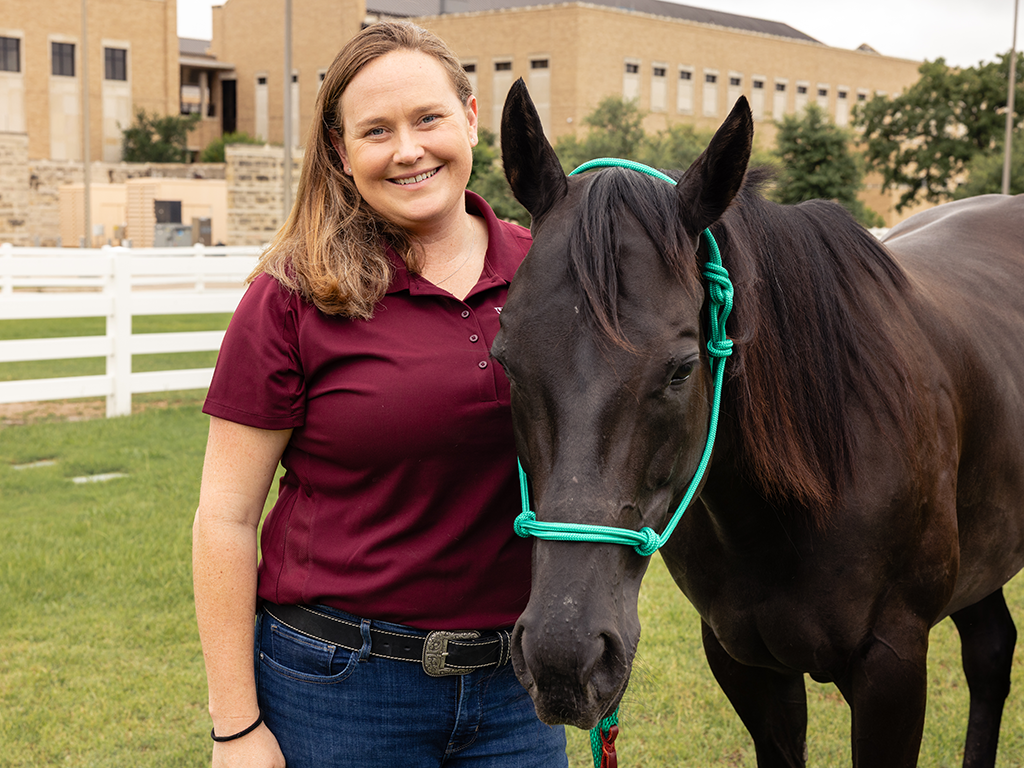
A woman in a maroon shirt standing beside a black horse
Hobbs and Jet Black Dasher

One of the most promising aspects of hemoperfusion is how fast it works.

“A horse named Jet Black Dasher recently came in for treatment at the LATH in a critical state and it was taking days to figure out what was wrong while we worked to keep her alive,” Hobbs said. “Finally, I was asked to try hemoperfusion — which is still a very new treatment — to give her one last chance. We were able to send her home a week later.

“That horse wasn’t the only case of rapid improvement, either,” she said. “There was another patient a year and a half ago that we were trying to save, and after we tried hemoperfusion, he went off medication within 24 hours.”

Once it has a solid publication record behind it, Hobbs hopes that, eventually, hemoperfusion will become a treatment that veterinarians can try first.

“It has the potential not just to save lives but to save time and costs as well,” she said. “Sepsis can lead to horses being in the hospital for a long time and each day can cost several thousand dollars in fluids to keep the patient stable. Reducing treatment time also reduces stress on the animal and allows veterinarians to help more patients.”

Putting Data To Work

To study equine sepsis, Hobbs and her team administered an endotoxin called lipopolysaccharide (LPS) that mimics the clinical signs of sepsis while being completely reversible.

“We were able to look at the horses’ white blood cells and cytokines under the effects of LPS and then using hemoperfusion,” Hobbs said. “Once the horses had their blood filtered, there was a reduction in clinical signs but we could also see the specific biomarkers that hemoperfusion helps return to normal. 

“That data is important for showing not only that hemoperfusion works but how it works,” she said.

###

For more information about the Texas A&M College of Veterinary Medicine & Biomedical Sciences, please visit our website at vetmed.tamu.edu or join us on FacebookInstagram, and X.

Contact Information: Jennifer Gauntt, Director of VMBS Communications, Texas A&M College of Veterinary Medicine & Biomedical Sciences, jgauntt@cvm.tamu.edu, 979-862-4216

Taking The Reins On Responsible Horse Breeding

A brown mare and her foal

For many horse owners, breeding is an opportunity to shape the next generation — whether by continuing a trusted mare’s legacy or raising a foal with carefully selected traits like temperament, athletic ability, or pedigree. 

While it can be a deeply rewarding experience, breeding requires a long-term commitment and thoughtful preparation to help ensure a healthy outcome for both mare and foal. 

Dr. Mariah Pearson, a clinical assistant professor at the Texas A&M College of Veterinary Medicine & Biomedical Sciences, emphasizes the importance of preparation and offers valuable insights into the mare breeding process. 

Starting On The Right Hoof

Because breeding season typically begins in early spring, planning should start in the fall to allow time for health evaluations, reproductive screenings, discussions with your veterinarian, and to ensure your mare is fully prepared.

The first step is to have a trusted veterinarian perform a breeding soundness exam, an assessment that evaluates a mare’s overall health and reproductive condition through a physical exam, palpation, ultrasound, and sometimes testing for potential infections in the uterus. 

“Mares need to be systemically healthy first,” Pearson said. “That means no metabolic diseases, no severe lameness, and a sound body condition.”

Without the breeding soundness exam, underlying problems may go unnoticed and lead to serious complications in the future. 

“A lot of times, people love their horse so much they want her to have a baby — but they don’t think about all the potential problems,” Pearson said. “You could spend all this money and get your mare pregnant, and then she has trouble giving birth, putting your mare’s life at risk.”

Even manageable conditions can worsen under the physical demands of pregnancy.

“Getting pregnant puts weight on the mare. If she has laminitis or tendon problems, the lameness could get worse,” Pearson said.  

If your mare is not a candidate for pregnancy, embryo transfer or other alternatives may be worth discussing with your veterinarian.

‘Foal’ Proof Planning

Another important step in preparing your mare for breeding is discussing genetic testing.

“Certain breeds have known genetic problems,” Pearson said. “If your mare carries a genetic disorder, breeding her could pass that on.” 

Timing also plays a major role. Mares are seasonally polyestrous, meaning they cycle during the months that have the longest amount of daylight. Most begin cycling naturally in spring, but artificial lighting can stimulate earlier cycles. 

“I love to see mares early in their cycle — ideally in January if they are under lights or in March and April if not,” Pearson said. “The challenge comes during the transition period, when mares may act like they’re in heat but have not ovulated yet.”

Age matters, too. Younger mares tend to conceive more easily and carry foals with fewer complications.

“The quality of a mare’s eggs declines with time because she’s born with all she’ll ever have,” Pearson said. “Breeding younger mares generally gives better results, especially if you want her to carry the foal herself rather than having a recipient mare.”

Bridling Your Budget

Breeding is not only physically demanding — it also can be a significant financial responsibility. Even if your mare is generally healthy, complications can make it more expensive than planned. 

“Getting a mare ready to breed — even a young, healthy one — can cost thousands of dollars,” Pearson said. “You might need multiple exams or antibiotics for uterine infections before conception even happens.”

After breeding, your mare will need veterinary checkups at key milestones such as:

  • 14 days post-ovulation to confirm pregnancy
  • 25 to 28 days to check for a heartbeat
  • 35 to 45 days to make sure the pregnancy is progressing 

Throughout gestation, your veterinarian may also recommend:

  • Vaccinations for equine herpesvirus at five, seven, and nine months
  • Fetal sexing, typically performed between 63 and 73 days or 100 and 120 days

Breeding a mare is a big decision — medically, emotionally, and financially. Horse owners should carefully consider not only their mare’s physical health and genetic history but also their own readiness for the long-term commitment involved. 

If you are thinking about breeding, be sure to talk with your veterinarian early to develop a plan that is right for you and your mare. 

“Breeding isn’t for the faint of heart,” Pearson said. “It’s important to understand the risks and responsibilities before you start. That way, you’re prepared — not just for the foal, but for everything that comes with it.”

Pasture Talk is a service of the College of Veterinary Medicine & Biomedical Sciences, Texas A&M University. Stories can be viewed on the web at vetmed.tamu.edu/news/tag/pasture-talk/. Suggestions for future topics may be directed to vmbs-editor@tamu.edu.

International Veterinary Student Explores Innovative Bovine Respiratory Disease Research Techniques At VERO

A new technology called adaptive sampling may be the key to improving the accuracy of microbial analysis in BRD research.

A veterinary student pipetting in a lab.
Paul Klett

Bovine respiratory disease (BRD) is a global threat to beef and dairy production — in the United States alone, BRD costs the cattle industry around $1 billion annually in prevention, management, and treatment fees, as well as in herd losses.

Because of the severity of the problem, researchers like those at Texas A&M’s Veterinary Education, Research, & Outreach (VERO) program are using innovative techniques to understand the causes of BRD and improve prevention and management strategies.

They’re also sharing their expertise with animal health experts from around the world, including Paul Klett, a third-year veterinary medicine student at the Ludwig Maximilian University of Munich with a strong passion for large animal medicine, especially beef and dairy cattle.

This summer, Klett was able to conduct research at VERO’s campus in Canyon, Texas, the heart of the U.S. cattle industry. His experience was made possible by the Boehringer-Ingelheim Veterinary Scholars Program and the Texas A&M College of Veterinary Medicine & Biomedical Sciences’ (VMBS) Veterinary Medical Scientist Research Training Program (VMSRTP), both of which help to connect veterinary students with biomedical research opportunities.

“There are a lot of BRD experts at VERO, and it was a really cool and unique experience to engage with cutting-edge research in the laboratory,” Klett said. “The summer program was a good first experience with research and it further solidified my plans to do research after I graduate from my veterinary medicine program.”

Applying New Research Techniques

A veterinary student gives a presentation.
Klett presents at the annual VMSRTP Symposium.

Through his work with VMBS assistant professor Dr. Robert Valeris-Chacin at VERO, Klett was able to try out new technologies that enable researchers to examine bacteria in respiratory samples with increased accuracy and granularity.

One such bacteria is Mannheimia haemolytica, a major player among the pathogens associated with BRD that can be difficult to study because of strain diversity — the degree to which individual bacteria carry different traits. When strain diversity is high, current diagnostic tools can have a hard time distinguishing the bacterial strains, reducing the ability to study which strains cause BRD and to detect them in a sample.

“Previous research at VERO indicated that the strain diversity associated with M. haemolytica seems to be underestimated, and using current metagenomic approaches, it is challenging to study individual strains of the bacteria,” Klett said. “Our research studied adaptive sampling, which is a promising tool that enables sequencing only the DNA of interest in samples. We expect that this tool will make studying bacteria like M. haemolytica at the strain level feasible.”

Having more accurate and sensitive tools for detecting bacteria saves researchers time, energy, and financial resources.

“For our project, we used adaptive sampling on respiratory samples from beef cattle to determine if we could sequence only the M. haemolytica DNA present in those samples, ” Klett said. “Our results showed that approximately 97% of the sequenced DNA was M. haemolytica DNA, which is impressive and shows that adaptive sampling is a very promising technique for future BRD research.”

Building Research Skills

For Klett, the experience at VERO was an important step in his career that gave him hands-on practice with research techniques he may need in the near future. It was also a valuable opportunity to meet people with similar research interests.

“What’s really important to me is that it wasn’t just a way to improve my technical or professional skills,” he said. “Of course, a big part was engaging with research, but it was also important to me to meet new people and future colleagues. This was especially true at the Veterinary Scholars Symposium in Spokane, Washington that concluded the program, which was a good opportunity to meet people from other universities and make connections.”

###

For more information about the Texas A&M College of Veterinary Medicine & Biomedical Sciences, please visit our website at vetmed.tamu.edu or join us on FacebookInstagram, and X.

Contact Information: Jennifer Gauntt, Director of VMBS Communications, Texas A&M College of Veterinary Medicine & Biomedical Sciences, jgauntt@cvm.tamu.edu, 979-862-4216

Texas A&M Former Student Embraces Role As Reveille’s Veterinarian

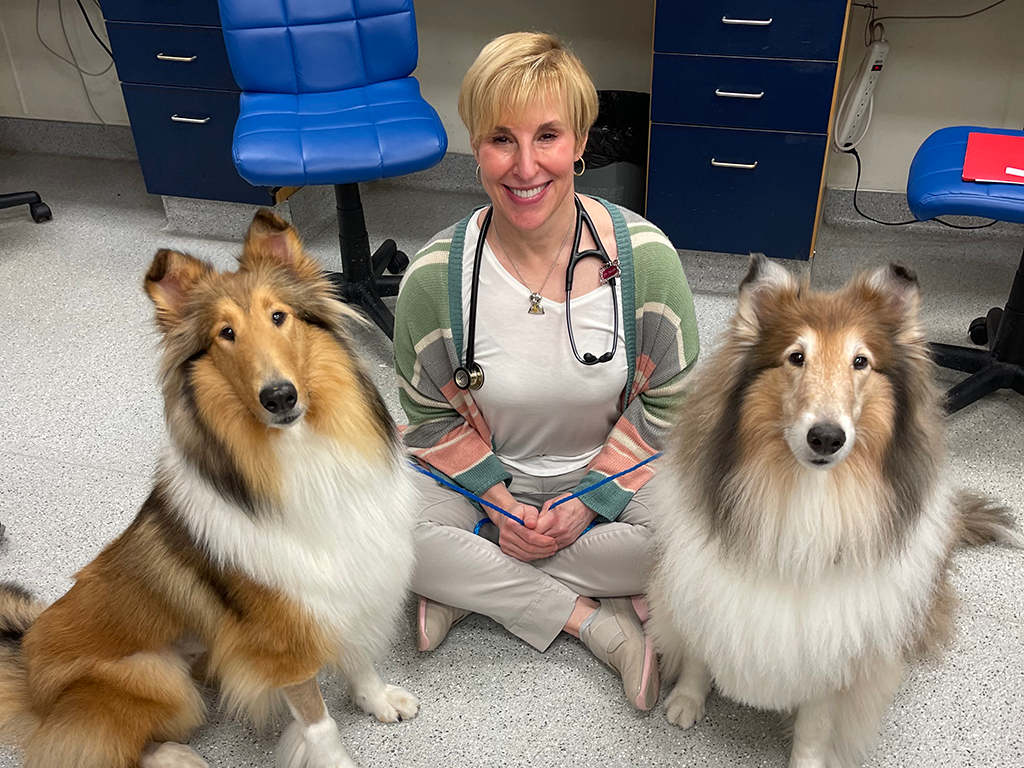
A veterinarian sits on the floor between two Rough Collies.
Dr. Lori Teller with Reveilles IX and X

Every patient at the Texas A&M Small Animal Teaching Hospital (SATH) is special, but one stands out among the rest — Reveille X, Texas A&M University’s mascot and the Queen of Aggieland.

The 6-year-old rough collie lives a pampered life on campus, spending her days attending classes, campus events, and Corps of Cadets activities. Her busy lifestyle means that she needs to stay in tip-top shape, which is where her Aggie veterinarian, Dr. Lori Teller ’88 ’90, comes into play.

A faculty clinician at the SATH and a clinical professor at the College of Veterinary Medicine & Biomedical Sciences (VMBS), Teller has had the honor of serving as Reveille’s primary care veterinarian since early 2021.

This role includes not only conducting Reveille’s annual wellness exams but also educating her handlers and coordinating with SATH specialists during advanced procedures like her glaucoma surgery in July.

As an Aggie herself, Teller has found it especially meaningful to play such a key role in maintaining Reveille’s health and supporting one of the university’s most beloved traditions.

Stepping Up

When she was a student at Texas A&M, Teller never dreamed that she would one day serve as Reveille’s veterinarian.

“If someone had told me that, I would never have believed them,” she said. “It was so special to come back to my alma mater and be able to teach and then on top of that to also be able to take care of Reveille.”

Teller took over the role from Dr. Stacy Eckman, the associate dean for hospital operations at the VMBS’ Veterinary Medical Teaching Hospital, who provided care for Reveilles VII, VIII, and IX. Teller also now cares for Reveille IX as the former mascot enjoys her well-earned retirement at the VMBS’ Stevenson Companion Animal Life-Care Center

Even before she became Reveille X’s veterinarian, Teller played a role in choosing the exact dog that would take over the mascot role. In 2020, she was selected to serve on the search committee alongside Reveille IX’s student handlers and leaders from the Corps of Cadets.

“The search was very interesting because it was during COVID, so we had to do lots of pre-planning,” Teller said. “We narrowed it down to two breeders, both of whom had provided previous Reveilles, and then a small group of us went to look at the candidates and evaluate their personalities and physical appearances. In the end, it was a unanimous decision.”

In April 2021, Reveille X stepped into her new role with Teller ready to support her health and well-being however she could.

“She’s the queen of the university, so knowing that I am playing a role in keeping her healthy and making it possible for her to go out to her appearances is really a great feeling,” Teller said.

A Multi-Faceted Role

Two veterinarians sit outside a small animal hospital with a rough collie.
Teller and Dr. Kayla Corey ’22 with Reveille X

Although annual wellness visits for checkups and vaccines are an important part of Reveille’s care, serving as her primary veterinarian involves much more.

One of Teller’s most important jobs as Reveille’s veterinarian is answering any questions about her health, whether they’re from university leadership, Reveille’s handlers, or other clinicians at the SATH.

“I’m not always here on the clinic floor, so I help the clinician on duty take care of her and make sure that people are all communicating on the same page,” she said. 

Because Reveille gets new handlers each year, Teller also helps ensure that those working most closely with Reveille are well-versed in her care.

“We usually have an appointment each year where the current handler and the new handler come in so we can review her basic wellness care, look at what her specific health needs may be, emphasize the importance of heartworm and flea and tick prevention, and help them learn how to read her body language,” Teller said.

Beyond that, caring for Reveille is much like caring for any other patient.

“We want to make the visit as easy and fear-free as possible for her, just like we do for all our patients,” Teller said. “She’ll either go into an exam room with her handler or, if she’s being dropped off, we have a space in the Primary Care Service where she can stay. She tends to be easy to handle because she’s so well-trained, so we love having her visit.”

In fact, any time Reveille visits the SATH, it’s an exciting day not only for Teller but also for the rest of the faculty, staff, and students.

“Everybody wants to be part of Reveille’s care team,” Teller said. “All she has to do is walk in the front door and everybody wants to help.”

New Look, Same Reveille

Texas A&M Corps of Cadets members at a football game with Reveille.
Reveille X enjoys an Aggie game day with her friends from the Texas A&M Corps of Cadets. Photo courtesy of the Texas A&M Corps of Cadets

Teller’s job also includes collaborating with veterinary specialists as necessary, such as when Reveille developed glaucoma in her right eye. Teller worked closely with veterinary ophthalmologists Drs. Sean Collins and Laura Donohue to develop a solution that would relieve any discomfort and maintain Reveille’s health and well-being.

During surgery, the veterinary team discovered signs of abnormal tissue, which was determined to be benign, and, out of an abundance of caution, removed Reveille’s eye.

Fortunately, Teller and the rest of Reveille’s care team are confident that she can continue fulfilling her mascot duties with only minor adjustments.

“Reveille has recovered with flying colors following surgery,” Donohue said. “Like a true Aggie, she has adapted very well to seeing from one eye and it is not slowing her down. Now that she is pain-free, I have full confidence that she will be able to return to her normal work with no adjustments. Seeing patients like Reveille back to their normal selves after surgery is always the best part of my job.”

Reveille may visit the SATH more frequently in the coming years to monitor the health of her remaining eye, but, overall, her daily life will not have many changes.

“The great thing is, dogs generally just use their eyes as a screening tool to get a broad overview of what their environment looks like,” Teller said. “Their most important senses are smell and hearing, so dogs can cope better with vision loss than people can.

“Reveille can still have her photo ops and be out on the football field and continue to do everything she was doing before,” she said. “The best thing would be for everybody to keep having positive thoughts for Reveille and know that she is ready to get back out there and do her job well.”

###

For more information about the Texas A&M College of Veterinary Medicine & Biomedical Sciences, please visit our website at vetmed.tamu.edu or join us on FacebookInstagram, and X.

Contact Information: Jennifer Gauntt, Director of VMBS Communications, Texas A&M College of Veterinary Medicine & Biomedical Sciences, jgauntt@cvm.tamu.edu, 979-862-4216

Texas A&M Researchers Investigate Salmonella Transmission To Protect Veterinary Hospitals

Two veterinarians standing in a large animal hospital.
Drs. Shannon Reed and Paul Morley, photo by Jason Nitsch 14, VMBS Marketing & Communications

Researchers at the Texas A&M College of Veterinary Medicine & Biomedical Sciences (VMBS) understand that it takes a team effort to solve complex problems.

As such, veterinarians and scientists from the VMBS’ College Station campus are collaborating with their colleagues at the Veterinary Education, Research, & Outreach (VERO) campus in Canyon to tackle global challenges.

Using advanced techniques, they study problems such as bovine respiratory disease and antimicrobial resistance, which threaten animal well-being and food production safety.

These researchers are also leaders in studying salmonella, a leading cause of foodborne illness, hospitalizations, and deaths in both people and animals. It is also one of the most common reasons large animal veterinary hospitals are forced to close temporarily until the hospital environment is sanitized and the bacteria are eliminated.

Researchers at VMBS’ Large Animal Teaching Hospital (LATH) and VERO, along with other VMBS departments and universities, are conducting a series of studies aimed at protecting veterinary hospitals from salmonella outbreaks by developing advanced infection control measures and providing resources to ensure their safety and success.

“Large animal veterinarians and hospitals serve a wide range of patients, including horses and food and fiber animals,” said Dr. Jennifer Schleining, head of the VMBS’ Large Animal Clinical Sciences (VLCS) department. “The research being conducted at VERO — including on salmonella — has the potential to impact owners’ relationships with companion animals; the global supply of meat, wool, and dairy; and the well-being of millions of animals.”

Protecting Hospitals From Salmonella

Four researchers in yellow high-vis vests.
Morley and VERO graduate students collect samples at a calf raising facility.

One key to preventing salmonella outbreaks at veterinary hospitals is identifying which patients are most likely to shed the bacteria before it spreads to other patients.

Infected animals can shed large numbers of bacteria in their manure — even if they appear healthy — which can easily spread to surfaces, tools, other animals, and people.

“Salmonella can be very difficult to manage because of the high potential for exposure around infected animals, and it doesn’t take very many bacteria to cause an infection in susceptible animals and people,” said Dr. Paul Morley, the Sally Rau MacIntosh professor of Strategic Initiatives in VLCS and director of research at VERO.

Even with strict infection controls, hospitals can be vulnerable to salmonella outbreaks because they are inherently places where animals with weakened immune systems are cared for.

For these reasons, veterinary hospitals implement a whole host of methods to prevent the bacteria from spreading.

“Infection control is important because it’s a vital part of delivering the very best patient care that is possible,” Morley said. “It’s all about preventing animals from getting more sick after they enter a hospital, as well as protecting the people who work with them.

“Once you know that an animal has an increased risk of a salmonella infection, you can take more precautions. You can keep them segregated from other animals, give more attention to disinfecting surfaces and tools, and wear barrier gowns and other personal protective equipment to keep the bacteria contained,” he said. “We currently need more research to help us understand shedding patterns so we can quickly identify high-risk patients — this is an important goal of our current collaborations at Texas A&M.”

Salmonella can also impact people working at veterinary hospitals and animal owners.

“Veterinarians are always very concerned about protecting people from zoonotic diseases. For salmonella, we are concerned with exposures that can occur while caring for infected animals, but we also want to eliminate the potential of taking salmonella home to our families or pets through contamination of shoes or clothing,” Morley said. “Salmonella transmission can impact many different lives, which is why we work so hard to stop it.”

Using Patterns To Prevent Outbreaks

While hospitals like the LATH are already using state-of-the-art infection control methods, constant awareness is needed to stay on top of potential problems. That’s why VERO researchers are collaborating with the LATH’s Food Animal Medicine and Surgery Service to study how common it is for patients to have salmonella when they arrive for treatment.

The study, funded by an internal grant and conducted by second-year resident Dr. Elizabeth Rumfola, involves collecting samples from 600 animals to be tested with help from Morley and Dr. Sara Lawhon, a VMBS professor and director of the Clinical Microbiology Laboratory, which serves both hospitals that comprise Texas A&M’s Veterinary Medical Teaching Hospital.

“This project is serving many purposes,” said Dr. Shannon Reed, a VLCS clinical associate professor of food animal medicine and surgery. “It’s helping us look at the animal population coming here to see how many are infected with salmonella when they arrive; it helps us refine our biosecurity protocols and better understand what we should do to protect our patients; and it’s also allowing us to support Dr. Rumfola, who will get to use this study to meet the publication requirements set by the American College of Veterinary Internal Medicine.”

The project will also fill a gap in research on hospital facilities that cater to a diverse range of species.

“Previous studies on this topic have focused on salmonella transmission in horses, but our Food Animal Medicine and Surgery Service sees a minimum of five different species each year. Having these data will allow us to understand how to be most effective in a service area that works with so many different species simultaneously,” she said.

Through their research, they also hope to understand why animals in Texas — and anywhere with a southern climate — seem to be more susceptible to salmonella.

“Texas is unique,” Reed said. “This project will help us understand how environmental conditions may influence the levels of salmonella that we detect. We’re collecting samples over an entire year to see if there are differences that correspond to seasonal patterns. Depending on what we learn, there may be an opportunity to share data with other veterinary hospitals to also help them prevent outbreaks.” 

Detecting Small (But Mighty) Bacteria

Cattle at a feedlot
Cattle at a feedlot

In another project, VERO researchers are using advanced techniques to develop new diagnostics that can help hospitals identify infected patients with greater speed and accuracy; this will help hospitals determine whether an infected patient arrived already carrying salmonella or became infected at the hospital, indicating potential for an outbreak.

For this project, funded by the National Cattlemen’s Beef Association, Morley is working alongside fellow VERO faculty members Dr. Lee Pinnell and Dr. Robert Valeris-Chacin to improve methods for identifying different strains of salmonella in cattle.

“Because it doesn’t take very many bacteria to cause an infection, we need the ability to detect very small amounts in the environment, because they still have the potential to cause infections,” Morley said.

“One way that we do this is with polymerase chain reaction (PCR) tests, which are able to detect salmonella using even small amounts of DNA,” he said. “But PCR isn’t instantaneous — it can take two to four days to get a result, which slows down our ability to address the source of the problem.”

Salmonella researchers must then use other techniques to differentiate strains.

“If we can tell that two infected patients carry different strains of salmonella, then we know that they likely arrived with unrelated infections,” he said.

“These more sensitive techniques are not easy to perform, and they are more expensive than other methods, which is one reason that salmonella research isn’t more common,” Morley said. “Our team is very fortunate to have the resources to use these newer, advanced techniques at VERO.

“We’re also looking at whether horses can be infected with multiple strains of salmonella simultaneously,” Morley said regarding another project being conducted with the help of doctoral student Brennon Hunt, VERO laboratory manager Cory Wolfe, postdoctoral researcher Dr. Enrique Doster, and Pinnell.

Morley is also collaborating with Dr. Brandy Burgess at the University of Georgia on a project enrolling horses from across the country to study how long they continue to shed salmonella after infection.

“We believe our findings will help us improve infection control guidelines to protect people and other horses,” Morley said.

Leading The Way In Disease Control

The work of VMBS researchers and their collaborators will not only assist LATH patients but also benefit patients at other veterinary hospitals by keeping veterinarians informed about the best practices for infection control.

“Throughout my career, I have helped develop infection control policies and procedures that have become the standard for many other facilities,” Morley said. “At VERO, we continue to collaborate and consult with other veterinary hospitals to improve programs that control infectious disease problems in veterinary hospitals, creating opportunities for optimizing care of their patients.

“By raising the standards of infection control across the country, we’re helping to keep all hospital patients healthy, not just those that can be exposed to salmonella,” he said.

###

Note: This story originally appeared in the Summer 2025 issue of VMBS Today.

For more information about the Texas A&M College of Veterinary Medicine & Biomedical Sciences, please visit our website at vetmed.tamu.edu or join us on FacebookInstagram, and Twitter.

Contact Information: Jennifer Gauntt, Director of VMBS Communications, Texas A&M College of Veterinary Medicine & Biomedical Sciences, jgauntt@cvm.tamu.edu, 979-862-4216

Seeing The Bright Side: Helping Pets Adjust To Vision Loss

A cat missing one eye

Dogs and cats rely on their eyesight for everyday adventures — from chasing toys to navigating their homes and greeting their favorite people. But when vision problems creep in, the signs can be subtle, and owners may not know how to help.

Texas A&M College of Veterinary Medicine & Biomedical Sciences ophthalmology resident Dr. Laura Donohue discusses the causes of blindness in pets, how to recognize early warning signs, and how to support pets’ quality of life through the transition.

Sniffing Out The Culprit

Some pets are born blind, while others lose vision later in life. Vision loss in pets can result from a wide range of issues, from surface-level damage to deeper retinal conditions.

“When I think about the causes of blindness, I consider anything that could prevent light from reaching the back of the eye,” Donohue said. “That’s where the retina lives, and it’s responsible for converting light into electrical signals that travel to the brain.”

Common causes of blindness, typically associated with aging, genetics, or how the body changes over time, include:

  • Corneal disease, which occurs when scarring, pigments, or blood vessels cloud the cornea
  • Cataracts, which occur when the lens becomes cloudy
  • Retinal disease from age-related degeneration or detachment of the retina
  • Optic nerve damage that blocks signals to the brain
  • Congenital issues, such as underdeveloped or nonfunctional eyes at birth

“If the cause of blindness is painful, sometimes the only treatment option is to surgically remove a pet’s eye(s),” Donohue said. “It sounds dramatic, but removal of the pain often enables the animal to return to a better quality of life than they had before.”

Tell-‘Tail’ Signs

Because dogs and cats rely heavily on smell and hearing, owners may not notice their pet’s vision loss right away — especially if the loss happens gradually.

Many pets compensate so well that blindness may only be discovered during a veterinary exam.

“If a dog or a cat is born blind, you might actually never know,” Donohue said. “Dogs and cats adapt so well to their environment and find ways to get done what they need to get done — like having fun, eating, drinking, and walking around the house.”

Sudden blindness, however, is usually more noticeable. Pets may appear confused or hesitant as they lose their visual map of the world.

“Signs of acute vision loss — meaning really quick loss of vision — are things like not being able to navigate the house, getting lost outside, not being able to catch treats, being really hesitant, standing very close to the owner’s leg during walks, and being overly cautious on stairs,” Donohue said. “A common early sign of retinal degeneration in dogs is being hesitant in dim or dark lighting.”

Recognizing these changes early can help owners seek veterinary care sooner, giving pets the best chance at treatment or supportive adjustments.

‘Paw’-sitive Adjustments

Although vision loss can be distressing, most pets adapt quickly with support from their owners, including simple changes in the home environment.

“You could get pieces of carpet, like carpet runners, and put them in places near stairs or different rooms to help give the pet tactile feedback,” Donohue said. “Or you could use subtle, pet-safe scent cues in different rooms to give them a scent indication that they are in a new place. If owners note any changes to breathing, etc., after incorporating a new scent, they should discontinue its use and seek veterinary guidance.”

Maintaining a consistent layout is also important.

“Don’t move around your furniture much, because your pet will make a mental map and be able to navigate through things very well once they get adjusted,” Donohue said.

If your pet has suffered vision loss, it is important to make noise when you approach them so that they can hear you coming, especially if they are sleeping.

With or without these adjustments, pets who have impaired vision can still enjoy their favorite activities, including playtime.

“Even if a pet goes blind, I would still keep up all their favorite activities and just adjust them,” Donohue said, adding that with patience and routine, most pets adapt within a few months and resume normal activities. 

Vision loss may change how pets experience the world, but with a few thoughtful adjustments and plenty of support, blind dogs and cats can continue to live full, happy lives.

Pet Talk is a service of the College of Veterinary Medicine & Biomedical Sciences, Texas A&M University. Stories can be viewed on the web at vetmed.tamu.edu/news/pet-talk. Suggestions for future topics may be directed to vmbs-editor@tamu.edu.

Standing Together For The Future Of Feline Health 

Texas A&M Veterinary Medical Teaching Hospital clinicians provided lifesaving care for the university provost’s cat.

The Texas A&M provost wearing a maroon shirt and holding an orange cat.
Dr. Alan Sams and Fergus

As Texas A&M University Provost, Dr. Alan Sams leads and supports the academic mission of the university through spearheading strategic initiatives that elevate educational quality and drive impactful research.

Like his owner, Fergus Sams — a 4-year-old ginger male cat — is helping lead the knowledge of an under-recognized kidney disease in cats at the Texas A&M Small Animal Teaching Hospital (SATH).

When Fergus began to lose weight and became anemic, Sams turned to the SATH, where Texas A&M’s team of dedicated veterinarians diagnosed him with a specific type of kidney disease. In partnership with collaborators across the country, his team worked diligently to develop a treatment plan, while learning how to better treat future patients.

Finding Fergus

Sams and his wife, Gretchen ’90, first brought Fergus and his twin brother, Fitz, home in the fall of 2021. The couple had recently moved to Oregon and, after settling in as empty nesters they wanted a ginger male cat.

“We found two gingers that were brothers at a local rescue, so we got both of them,” Sams said. “They were a package deal.”

At home, Fergus and Fitz are polar opposites.

“Fergus is very lovey and cuddly, but Fitz is like a cheetah and always on the move,” Sams said.

During the spring of 2024, Sams noticed Fergus looked thinner and wasn’t as active as usual. Sams took Fergus to South 40 Veterinary Hospital, the family’s primary care veterinarian, where Dr. Ryan Lee ’98 discovered that Fergus’ weight loss was more significant than they had suspected.

Lee ran some preliminary tests; however, he was unable to determine the cause of his health issues, so he referred Fergus to the SATH.

A Medical Mystery

An orange cat tries to steal salami off a kitchen counter.
Fergus

Upon arrival at the SATH, the Internal Medicine Service began to determine the cause of Fergus’ discomfort. Dr. Andrea Huther, a third-year resident in internal medicine, has been on Fergus’ case since the beginning and took special interest in the complex issues he was facing.

“When we first saw Fergus, he was losing weight, not feeling well, had elevated kidney values, and was anemic,” Huther said. “He was so anemic we had to perform a blood transfusion during his first visit. That is when we noticed his urine protein levels were elevated, signaling to us he had a significant kidney disease, specifically a protein-losing nephropathy.”

The team began investigating Fergus’ condition by running several infectious disease tests, but the results came back negative. Huther then began researching published medical cases and came across a paper about a kidney immune-mediated disease in cats, which is when the body’s cells mistakenly attack healthy cells for an unknown reason.

“Fergus’ presentation fit with the young male cats described in the paper that had what we call an immune-complex glomerulonephritis, or kidney syndrome,” Huther said. “There is not yet much described about this disease in cats; we relied on this paper for reference.”

From the research, the internal medicine team began treating Fergus with immunosuppressive therapies and additional treatments for the protein he was losing in his urine.

“The treatment was a trial because we didn’t know much about Fergus’ specific disease without a kidney biopsy,” Huther said. “Luckily, Fergus responded well to treatment in the following months.”

In October 2024, as Fergus’ health continued to improve, the internal medicine team discussed weaning down his immunosuppressive medication because of its potential side effects. Since Fergus’ disease was under control, the team hoped to shift its focus to long-term management. 

However, the risk of the unknown was still pressing, so Huther consulted with Dr. JD Foster, a veterinarian who specializes in kidney diseases.

“Since we are still learning more about protein-losing nephropathy diseases in cats, I wanted to get guidance from a kidney specialist on how to manage the disease long-term,” Huther said. “Dr. Foster was incredibly helpful and willing to help us determine the best plan to manage Fergus’ disease.”

As they slowly began weaning Fergus off his medications, he maintained healthy kidney and protein values. 

“Fergus has gained weight back and significantly improved his kidney value levels,” Huther said. “Going forward, we will continue to keep an eye on him, but he is doing well now.”

Helping Future Patients

A man in a maroon shirt holding an orange cat and standing near a veterinarian in a white coat.
Sams and Dr. Andrea Huther with Fergus

Fergus’ successful treatment has not only allowed him to return home healthy, but may also help future cats with the same issue. Since there is still a lot to be known about immune-mediated glomerulonephritis diseases in cats, Fergus’ treatment is serving as a model for future patients with similar symptoms and diagnoses. 

“Seeing how well Fergus is doing helped us realize the prognosis for this disease may not always be as grim as we originally thought,” Huther said.

Currently published research has indicated that the average prognosis for cats with this disease is only about a year. However, Fergus has exceeded this prognosis, and his success is a testament to the exemplary care provided by veterinarians at the SATH.

“I’m often amazed by what I get to see between my fellow residents and clinicians,” Huther said. “We are all trying to advance our knowledge and not just accept the status quo; whether that is through reading literature, conducting clinical trials, or reaching out to colleagues both nationally and internationally, we all just want to benefit our patients.”

For Sams, the dedication of the staff, students, and veterinarians at the SATH is an incredible asset to the community.

“As members of the A&M community, it makes us proud that Fergus is helping other cats who may come down with this disease,” Sams said. “Contributing to the knowledge of this disease is exciting, but at the end of the day it’s really personal because of what our animals mean to us.

“The teaching hospital does a great job of finding the balance between personal care for owners and their pets and providing high-tech, research-driven, state-of-the-art healthcare,” he said.

###

For more information about the Texas A&M College of Veterinary Medicine & Biomedical Sciences, please visit our website at vetmed.tamu.edu or join us on FacebookInstagram, and X.

Contact Information: Jennifer Gauntt, Director of VMBS Communications, Texas A&M College of Veterinary Medicine & Biomedical Sciences, jgauntt@cvm.tamu.edu, 979-862-4216

A Ruff Road: Navigating Pancreatitis In Dogs

A small gray dog on a beige sofa.

A dog’s health depends on dozens of bodily organs and systems working in tandem with one another, so when even a single vital organ struggles to perform, a pet’s entire lifestyle can be disrupted. When that problematic organ is the pancreas — an important part of the digestive system — a pet can develop a serious condition known as pancreatitis.

Dr. Sue Lim, an assistant professor at the Texas A&M College of Veterinary Medicine & Biomedical Sciences, shares why the pancreas is important and informs dog owners of the signs and long-term consequences of pancreatitis.

Pancreatic Pain

The pancreas is an important organ that creates and releases enzymes for the digestion of protein, carbohydrates, and fat. This organ is also responsible for allowing the body to absorb the vitamin B12, without which, a pet may be at risk for developing additional health issues.

A main contributing factor to pancreatitis in dogs is hypertriglyceridemia — an overabundance of fat in the bloodstream.

In dogs, hypertriglyceridemia may be prompted by:

  • A high-fat diet
  • Eating fatty treats, often as table scraps or from the trash
  • Endocrine disorders such as Cushing’s disease, hypothyroidism, and diabetes mellitus

Specific breeds, such as miniature schnauzers and Yorkshire terriers, also have a genetic predisposition for developing pancreatitis.

“Veterinarians often try to look for risk factors for pancreatitis; unfortunately, many patients develop pancreatitis for unknown reasons, and this disease remains challenging,” Lim said. “Because of that, we are also looking at possible genetic reasons for why dogs get acute and chronic pancreatitis.”

In keeping these components in mind, veterinarians are able to analyze what specific factor(s) may have led to the condition.

Spotting The Signs

Recognizing the symptoms of pancreatitis is vital for catching the condition early and ensuring prompt treatment.

Dogs with acute pancreatitis can develop gastrointestinal (GI) signs such as:

  • Vomiting
  • Lack of appetite
  • Lethargy
  • Abdominal pain 
  • Diarrhea

Occasionally, pancreatitis can also cause a bile blockage from the liver to the intestinal tract, resulting in jaundice that causes a dog’s skin to appear yellow. 

“Dogs with chronic pancreatitis will have less acute signs that wax and wane, such as lacking an appetite when they are feeling uncomfortable,” Lim said.

“The gold standard diagnosis for pancreatitis is histopathology — examining the tissue — of the pancreas,” Lim said. “However, that requires a biopsy of the pancreas, which is very invasive. Therefore, most clinicians use the pet’s history, clinical signs, physical examination, bloodwork, and ultrasound findings to help make a diagnosis.”

Researching For Relief

Once pancreatitis is diagnosed, your veterinarian can help develop the most effective treatment plan for your pet and your lifestyle.

Treating pancreatitis is primarily supportive, meaning it focuses on managing symptoms until the pet’s overall health improves. This can include: 

  • Pain management
  • Fluid therapy
  • Anti-nausea medication 
  • Nutrition

As such, an affected pet will most likely remain hospitalized for the duration of the treatment.

As veterinary medicine advances, researchers are developing new treatment options for the disease, providing hope for dog owners.

“Recently, there has been a breakthrough that led to fuzapladib sodium, an FDA-conditionally approved treatment for acute pancreatitis in dogs,” Lim said. “Early studies have shown that dogs receiving fuzapladib sodium have improvement in their clinical signs faster than dogs not receiving the medication. Because nutrition is an important part of the management of pancreatitis, we are also researching the role of dietary fat in improving pancreatic health, as well as looking at using two different medications to help with reducing inflammation in dogs with chronic pancreatitis.”

Lim encourages owners to ask their veterinarian about treatment options if their dog receives a pancreatitis diagnosis. Whether it’s through a new treatment or supportive care, a veterinarian can help ensure affected dogs find relief and return to a healthy, joyful lifestyle.

Pet Talk is a service of the College of Veterinary Medicine & Biomedical Sciences, Texas A&M University. Stories can be viewed on the web at vetmed.tamu.edu/news/pet-talk. Suggestions for future topics may be directed to vmbs-editor@tamu.edu.